📌 Quick Summary (TL;DR): Chitting Seed Potatoes for Early Yields
- 🥔 Waking them up: If your seed potatoes have no eyes yet, put them in a warm, dark place for 7–10 days. The darkness forces the eyes to pop uniformly.
- ☀️ Greening (Vernalization): Once eyes appear, immediately move them into the light. This stops the sprouts from getting long and leggy. They will spend about 3 weeks in the light building up inhibitors, keeping the sprouts short, green, and sturdy.
- 🥶 Pre-Planting Stress: A week before planting them in the dirt, move the trays into a cold, dark room. This simulates planting conditions so the potato doesn’t go into shock when hitting the cold spring soil.
- 🔎 The Dark Sprout Hack: If you let them sprout purely in the dark, the sprouts turn white. This makes it incredibly easy to spot black, diseased tips and cull bad seed potatoes early.
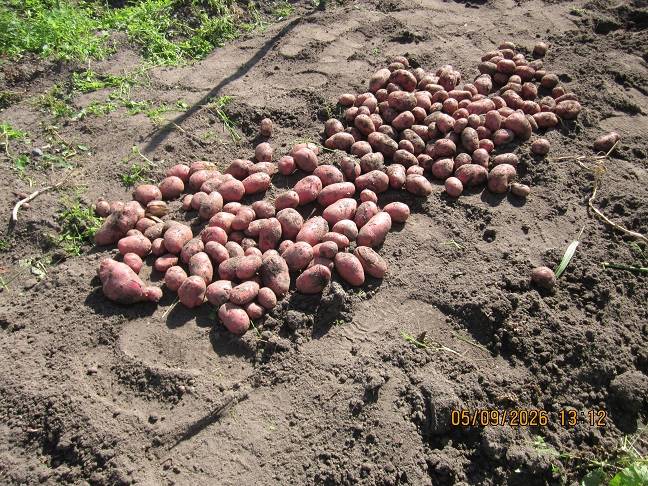
Photo author: MADanilych
Aurelia: Hello! My potatoes are sitting in a sunny spot, I mist them periodically. Many already have good green buds. I plan to plant them in grow bags in early April… Also, a question about pelleted lettuce seeds…
Ptichka: Lyudmila, I’m totally confused about these potatoes… How exactly are we supposed to chit (sprout) them—in the light or in the dark? What size cups do you use? And if a seed potato only has 1-2 sprouts, can I plant two of them in one hole?
Let’s break down the potato process. When we pull our seed potatoes out for chitting, we need to inspect them.
Sometimes, early varieties have already broken dormancy because they were stored somewhere too warm, and they are covered in long, white, leggy sprouts. On the other hand, if they were stored at optimal cold temperatures, there might not be a single hint of an eye waking up.
If they are completely dormant, we need to stimulate them to sprout quickly and uniformly. How? We put them in a warm place and cover them so they are in the dark. These exact conditions cause the eyes to pop together. This takes about 7–10 days. After that, we uncover them and move them into the light.
(If your potatoes already have good eyes, skip the dark phase and put them straight into the light).
Next, we keep them in the light (vernalization/greening). During this time, the potato builds up inhibitors that prevent the sprouts from growing too fast and getting leggy. This takes about 3 weeks.
When we finally plant the potato in the dirt, it usually takes about 7 days to overcome transplant shock, adjust to the new environment, and start growing. But we want them to hit the ground running! So, we give them this “shock week” before planting. To do this, we move the trays of potatoes into a cold, dark room for a week before planting out.
As for cups, I use 3.5 oz (100ml) cups, but you have to use small seed potatoes for this. If your seed potatoes are large, use larger cups/pots. Just remember, once you put them all in a tray, it shouldn’t be too heavy to lift and carry around.
And no, do not plant two early potatoes in one hole—you’ll end up with marble-sized spuds. Some early varieties are genetically designed to only push growth to the top dominant eyes, and that is perfectly enough for a good yield.
Lyuda, I actually prefer sprouting my main crop in the dark. When the sprouts are pure white, you can clearly see any diseased, blackened tips. I immediately throw those seed potatoes away. When you chit them in the light and the sprouts turn green/purple, those black disease spots are really hard to notice. I think Smorchkova explained it this way once.
I haven’t pulled mine out for sprouting yet, I’ll probably get to it in late March.