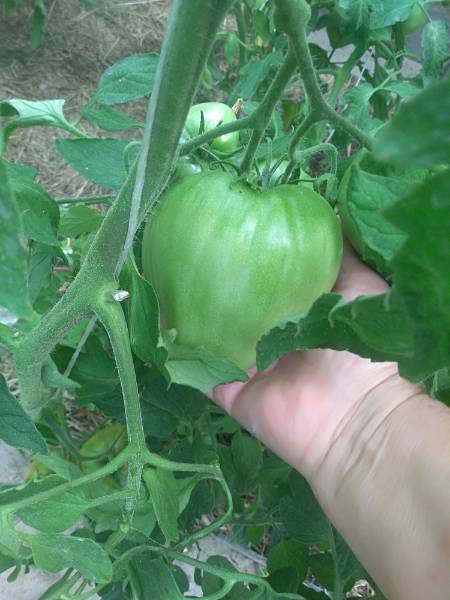
Why Did My Determinate Tomatoes Grow 6 Feet Tall? (The Shade Mistake)

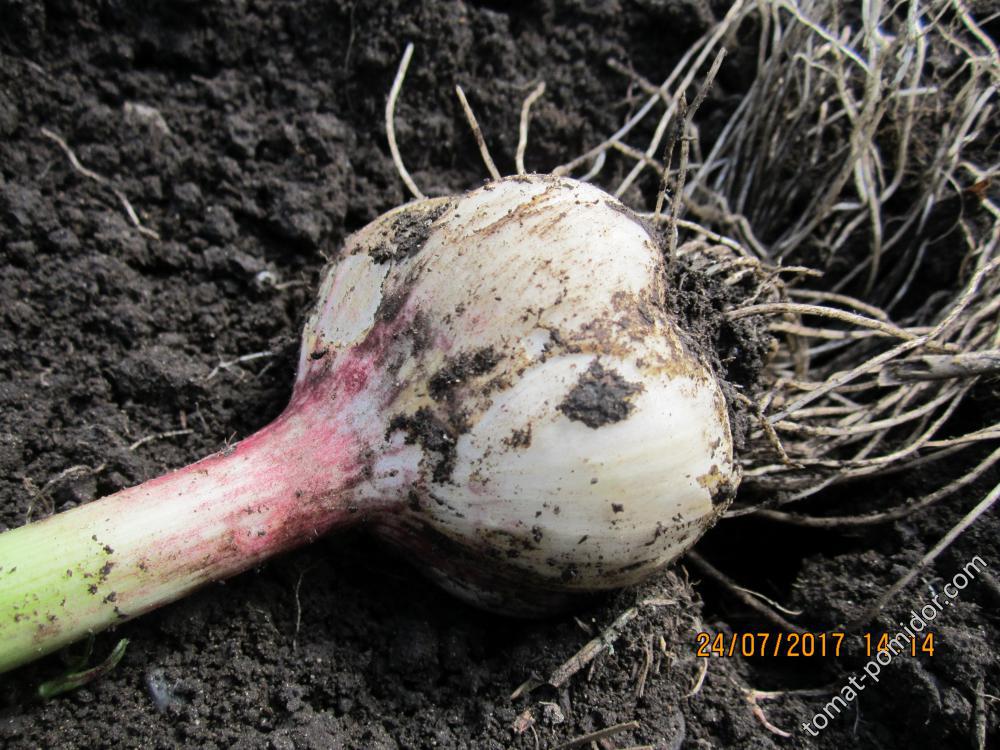
📌 Quick Diary Summary: Mid-July Harvests 🧄 The Whole-Bulb Garlic Trick: You don’t always have to separate garlic into cloves. If you plant a whole garlic bulb directly into a strawberry bed (as a companion plant), it will grow a cluster of slightly smaller bulbs that are just as good as single-clove plantings! 🥒 Spider … Read more

How to Water Onions in a Heatwave Without Causing Downy Mildew

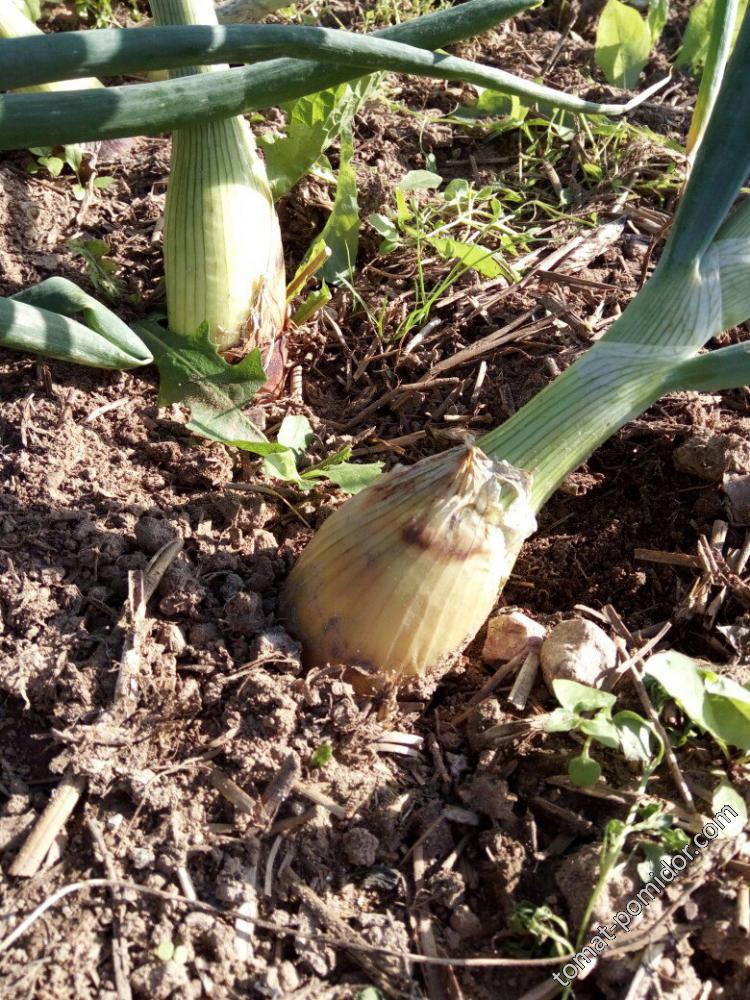
📌 Quick Summary: Watering Onions in the Heat 🧅 Green Means Grow: As long as your onion tops (leaves) are standing tall, green, and actively growing, they need water. If you let them dry out in a heatwave, the bulbs will stop swelling. 🛑 When to Stop Watering: You should only completely stop watering onions … Read more

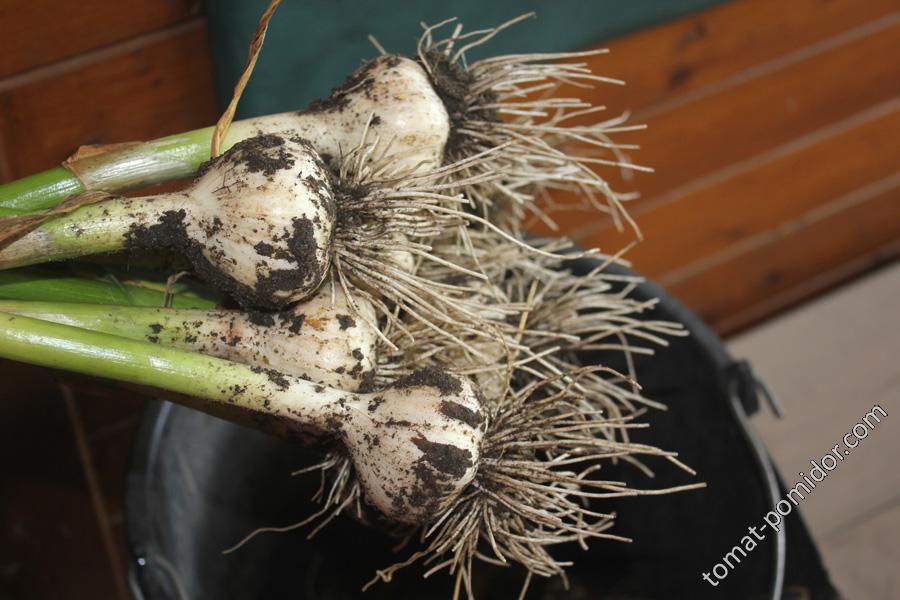
Garlic Planting Depth: Why Stems Fall Over & Why You Shouldn’t Expose the Bulbs

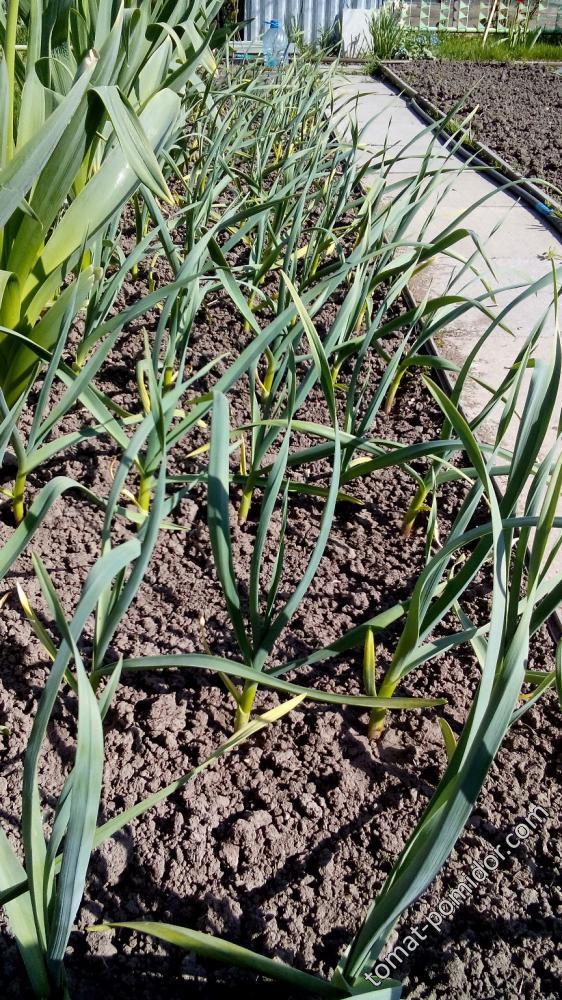
📌 Quick Summary (TL;DR): Falling Garlic & Planting Depth 🥀 Why do garlic stems flop over? If you planted individual cloves and the stems are falling over, it usually means the plant is diseased (root rot) or suffering from a severe lack of water during its active leaf-growth stage. (However, see the hilarious exception at … Read more

How Far Down Should You Cut Garlic Scapes?

📌 Quick Summary (TL;DR): Harvesting Garlic Scapes ✂️ How Low Should You Cut? Standard advice says to cut or snap only the curly top part of the scape to leave maximum foliage on the plant. However, some experienced growers cut the scape very low on the stalk—taking the top two leaves with it. The lower … Read more

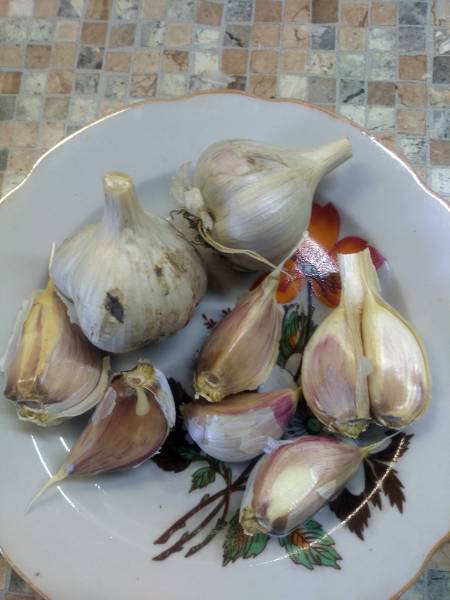
How to Store Garlic for a Year: The RU Forum “Wet Soak” Storage Hack

📌 Quick Summary (TL;DR): The “Wet Cure” Storage Hack Editor’s Note: This bizarre storage method has gained massive approval across our Russian gardening community. If the hardcore gardening women of Siberia and the Urals swear by it to keep their garlic fresh for a full year, you folks in Minnesota and Wisconsin should probably give … Read more

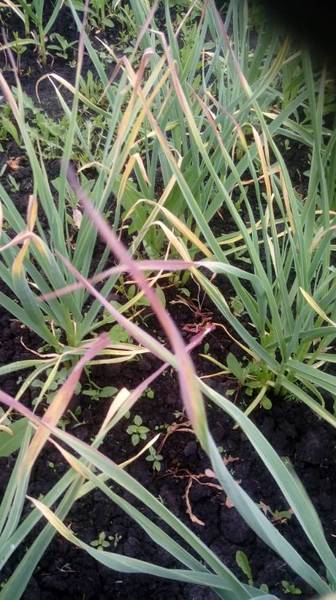
Purple and Yellow Garlic Leaves in Spring: Fusarium Rot or Phosphorus Deficiency?

Purple and Yellow Garlic Leaves in Spring

📌 Quick Summary (TL;DR): Purple & Yellow Garlic Leaves 🍄 The Worst Case (Fusarium Rot): If your garlic leaves are yellowing and drying out, pull one plant up. If the basal plate (bottom of the bulb) is soft, pinkish, or covered in white mold, and the roots are rotting off, your garlic has Fusarium root … Read more

Why Are Garlic Leaves Turning Yellow in Spring? (And How to Fix It)

📌 Quick Summary: Yellowing Spring Garlic 🧄 The Permanent Yellow: Once the lower leaves of a garlic plant turn yellow, they will never turn green again. If you applied fertilizer, look at the new growth coming from the center. If the new leaves are green, the fertilizer worked! 🥶 The Cold Factor: Garlic that sprouts … Read more

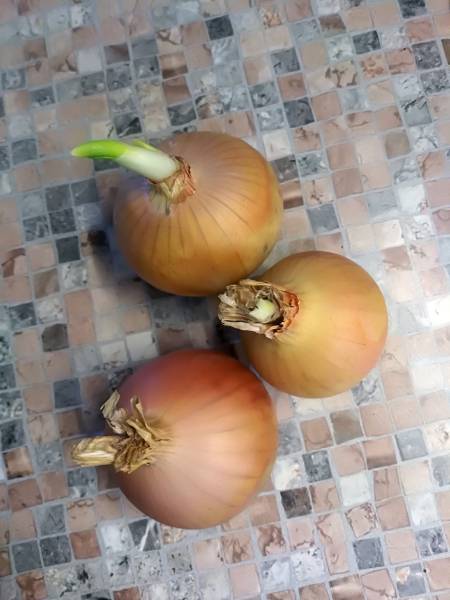
Why Store-Bought Onions Rot Fast (And How Long Homegrown Bulbs Last)

📌 Quick Summary: Homegrown Onion Storage 🧅 The Shelf Life: Even if you harvest onions during a wet summer and have to peel them down to their white scales (removing the protective papery skin) due to thrips damage, they can still successfully store indoors from July all the way until May! 🌡️ Storage Conditions: You … Read more

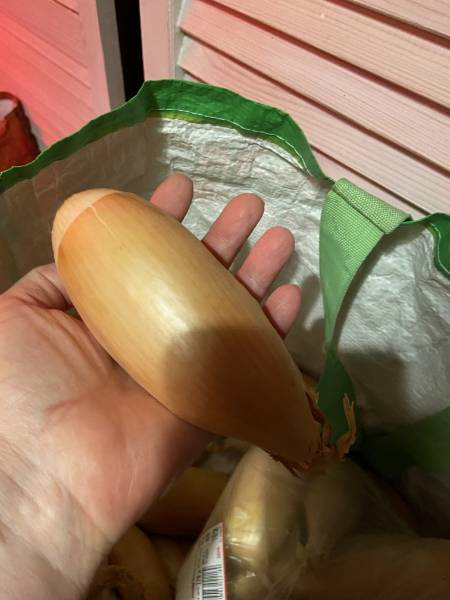
Why Store-Bought Shallots Taste Bitter (And Should You Plant Them?)

Why Store-Bought Shallots Taste Bitter (And Should You Plant Them?)

📌 Quick Summary: Planting Grocery Store Shallots 🧅 The Supermarket Hack: Planting grocery store shallots is a great way to save money, as actual shallot “sets” from seed catalogs can be very expensive. 👅 Why Are They Bitter? Extreme chemical bitterness in onions (not just spicy heat) is usually the result of commercial growing conditions, … Read more

Starting Spring Garlic Indoors as Transplants

Starting Spring Garlic Indoors

📌 Quick Summary (TL;DR): Spring Garlic Transplants What is Spring Garlic? In cooler climates, this usually refers to softneck garlic varieties. Unlike fall-planted hardnecks, they don’t produce scapes, have a milder flavor, and boast a much longer storage life. The Transplant Hack: If your garden soil is too cold or soggy in early spring, you … Read more