Growers’ Notes and Photos (USDA Zone 4 Experience)
Graf Batthyany, USA
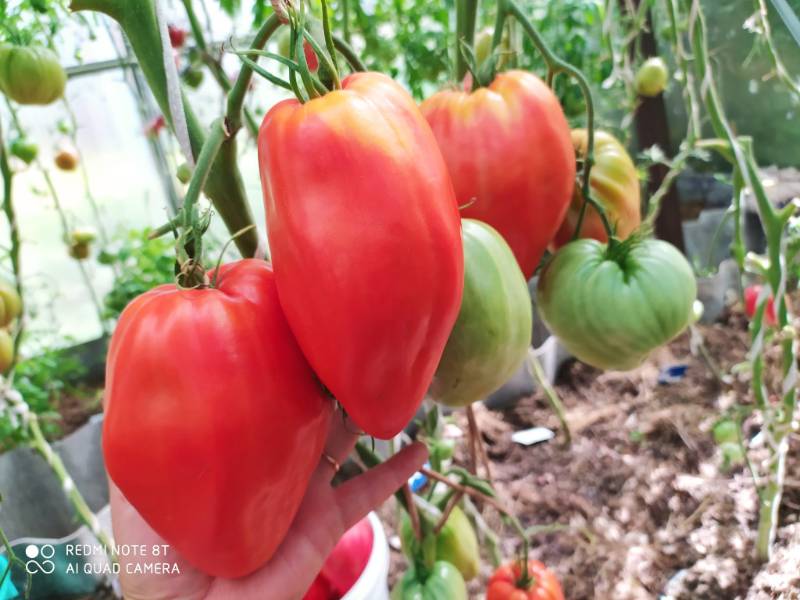
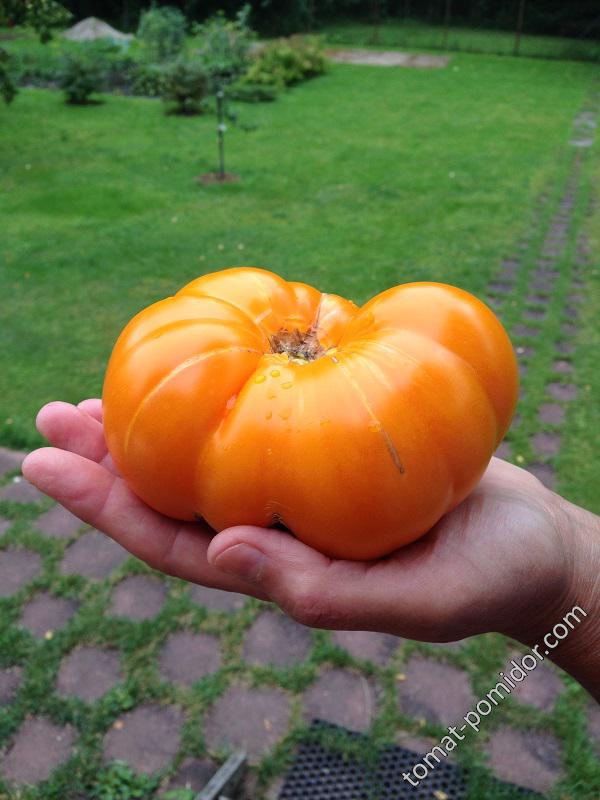
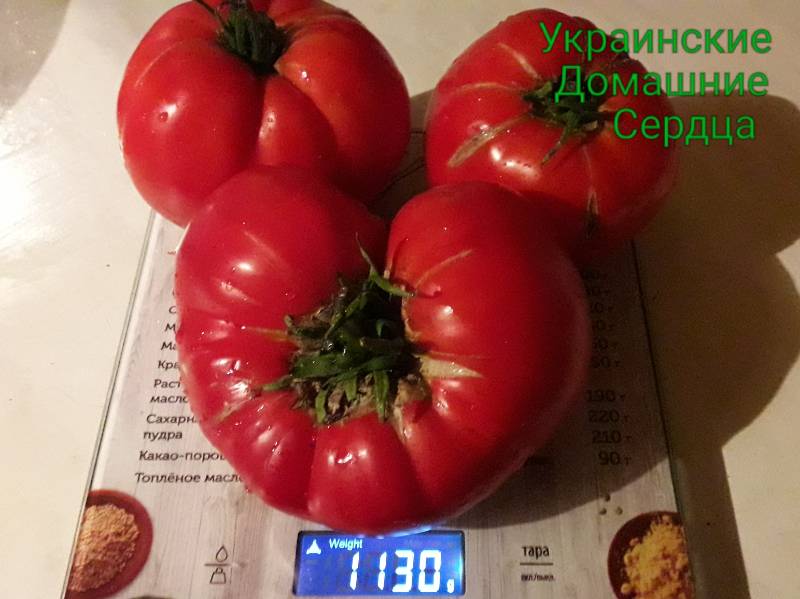
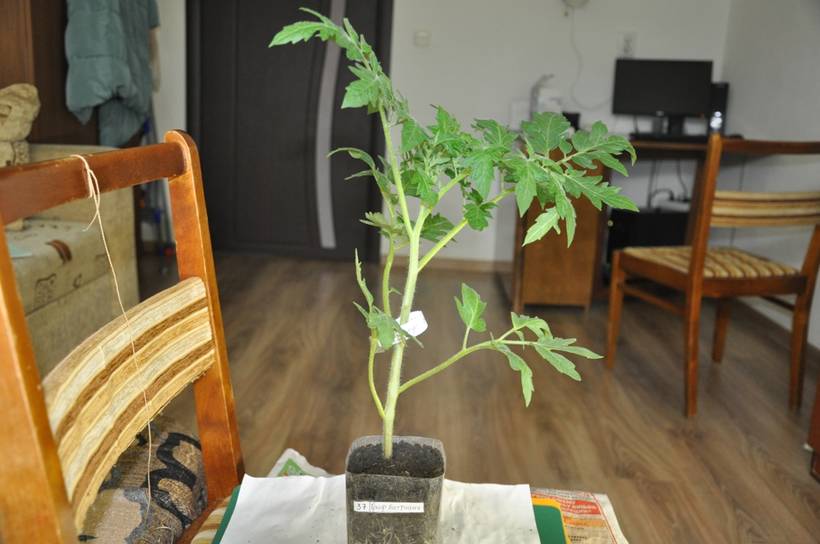
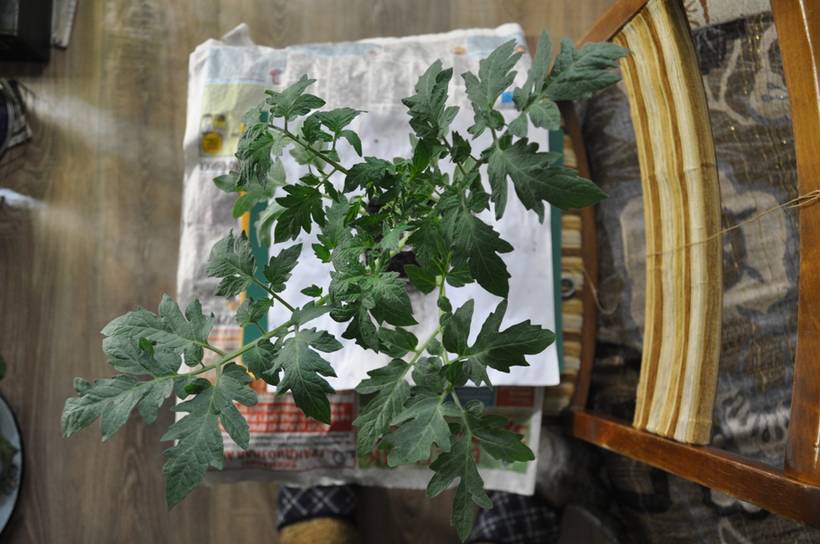
Greenhouse. Pruned to 2 stems. Mid-season. Vigorous plant, thick stems. The foliage is large and dense. It’s very responsive to fertilizer and can easily get too much nitrogen and go all to leaf. Canopy density at the bottom is 90%; at the top it’s 60%. The width of a single main stem area is at least 20 inches (50 cm). The fruits are juicy and meaty. The flavor is good: sweetish, but kind of flat, lacks a real punch: 4.6 out of 5. Yield was good, over 11 lbs (5 kg).
Will I plant it again? I tasted the ones that ripened in August during cool, overcast weather, and it was the same story — totally edible and tasty. But then I compared it side-by-side with Donkey Ears* and realized: nope, I won’t be planting this one again.
Edited November 7, 2020 by Drosera
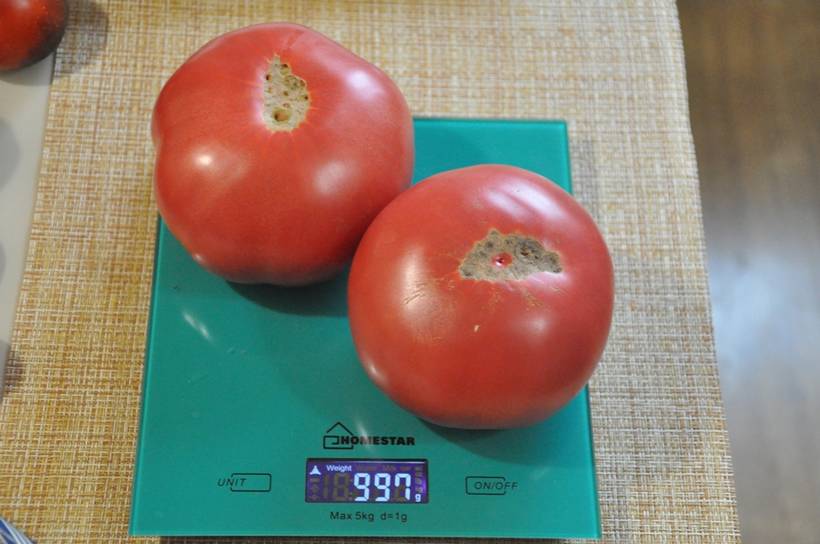
Full Summary: Plant, Yield, and Taste
- 🌿 Plant: A mid-season, highly vigorous indeterminate vine. It boasts exceptionally thick stems and a very dense, wide foliage canopy. Growers warn that it is highly sensitive to feeding and can easily suffer from nitrogen toxicity (going strictly to leaf) if given too much fertilizer.
- 📈 Yield: Excellent. A single pruned plant in a greenhouse can comfortably produce over 11 lbs (5 kg) of tomatoes.
- 👅 Taste & Appearance: The fruits are meaty and juicy. However, the flavor profile is considered merely “good” and “edible,” with a mild sweetness that lacks the bright, complex punch expected from top-tier heirloom slicers.
- 🌎 Who Reviewed It: One experienced grower from USDA Zone 4 (Central Russia), growing in a greenhouse.
The grower is referencing Oslinye Ushi (Donkey Ears), a famous Polish/Russian heirloom tomato shaped like a long, drooping ear. It is highly regarded among Eastern European gardeners for its exceptionally rich, intense flavor, making it a common baseline for side-by-side taste tests.