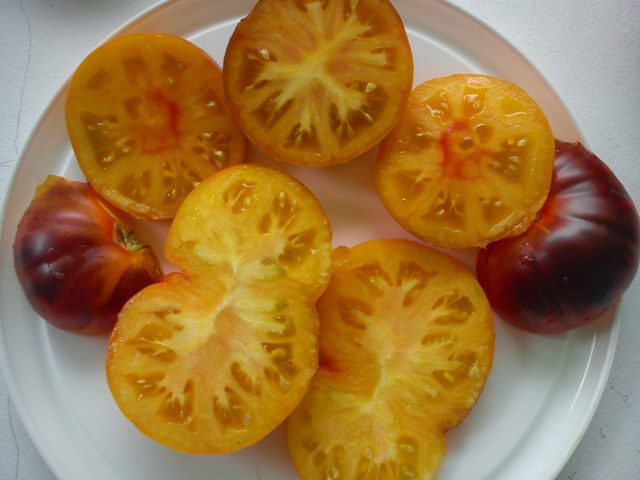
🍅 Quick take: Sart Roloise is an eye-popping indeterminate beefsteak bred in Belgium by Roland Boulanger (White Wonder × Baby Blue). The ribbed, 9-12 oz (250-350 g) pale yellow slicers feature deep indigo shoulders. While growers consistently praise its heavy yields and jaw-dropping appearance, the flavor polarizes the patch: warm-climate growers report sweet, tender fruit, while cold-climate growers call it watery and flat. Full summary ↓
Growers’ Notes and Photos (USDA Zones 3-6 Experience)
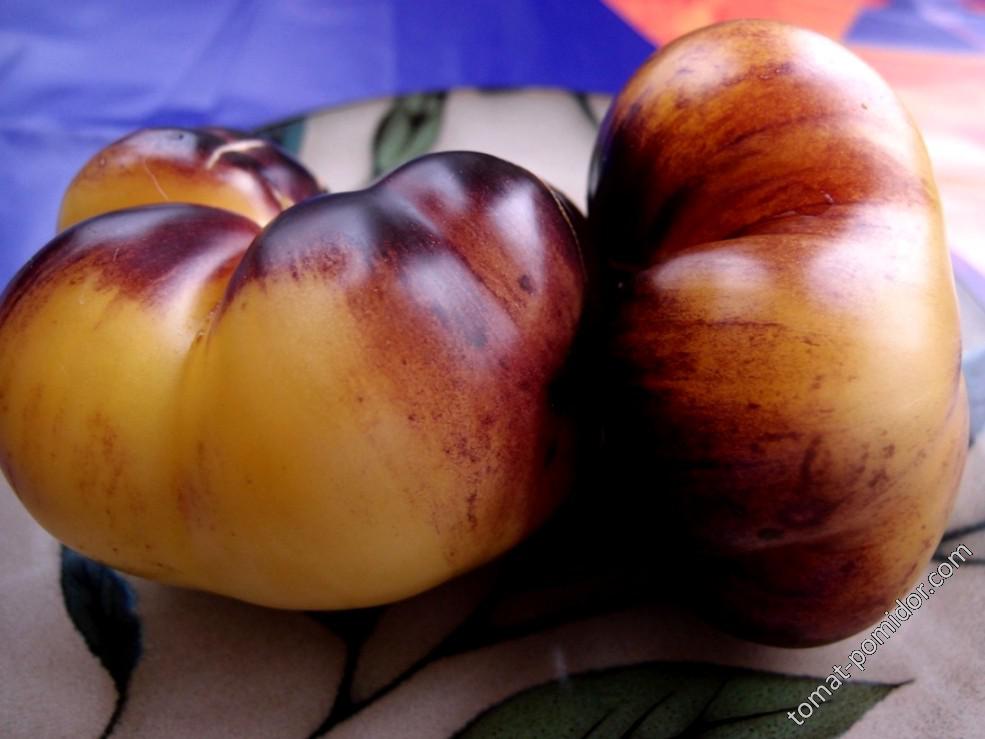
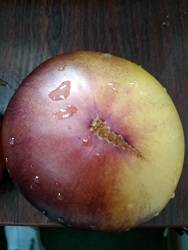
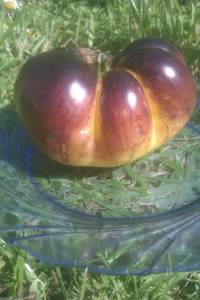
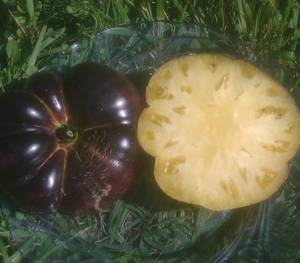
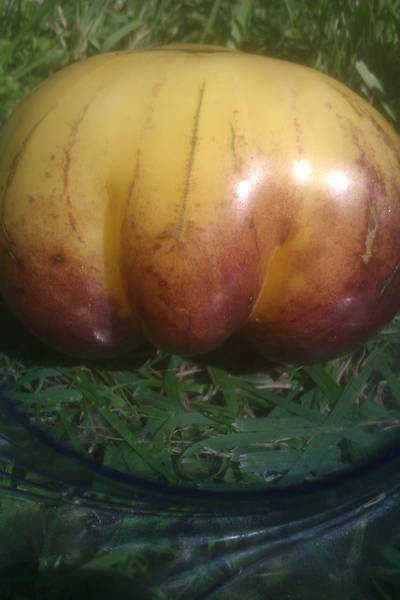
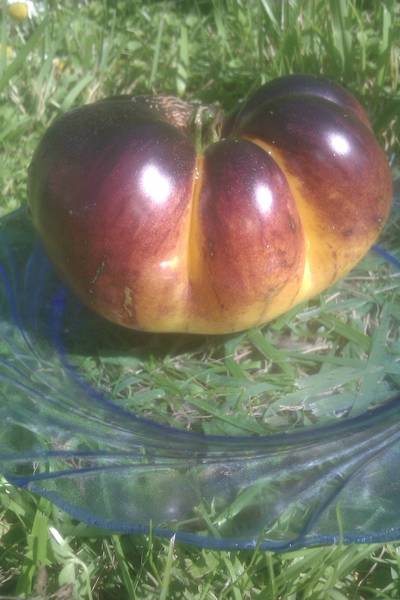
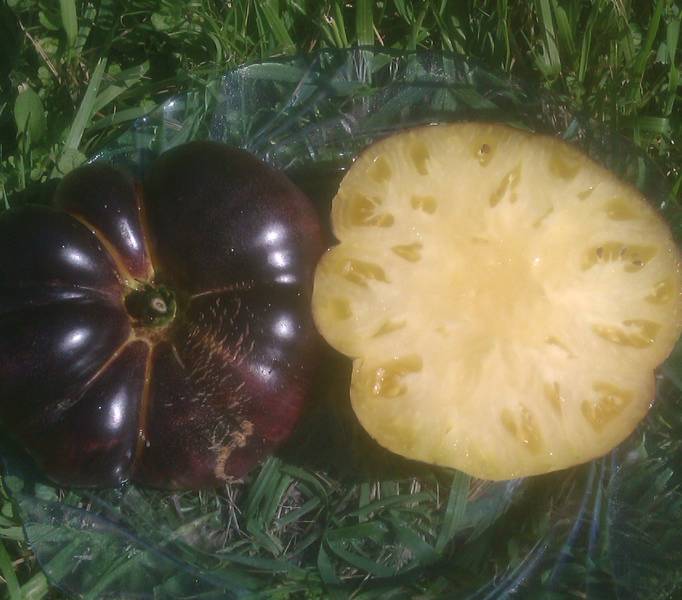
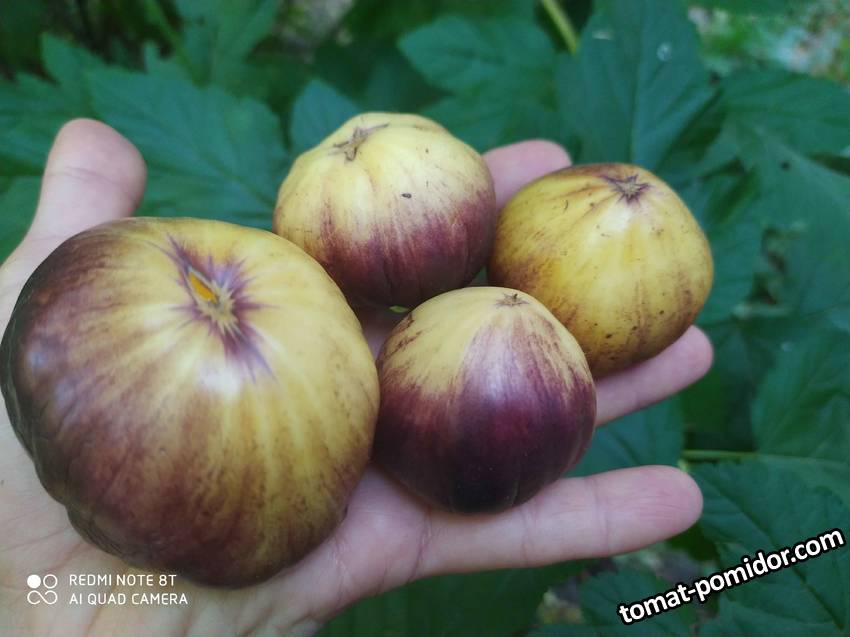
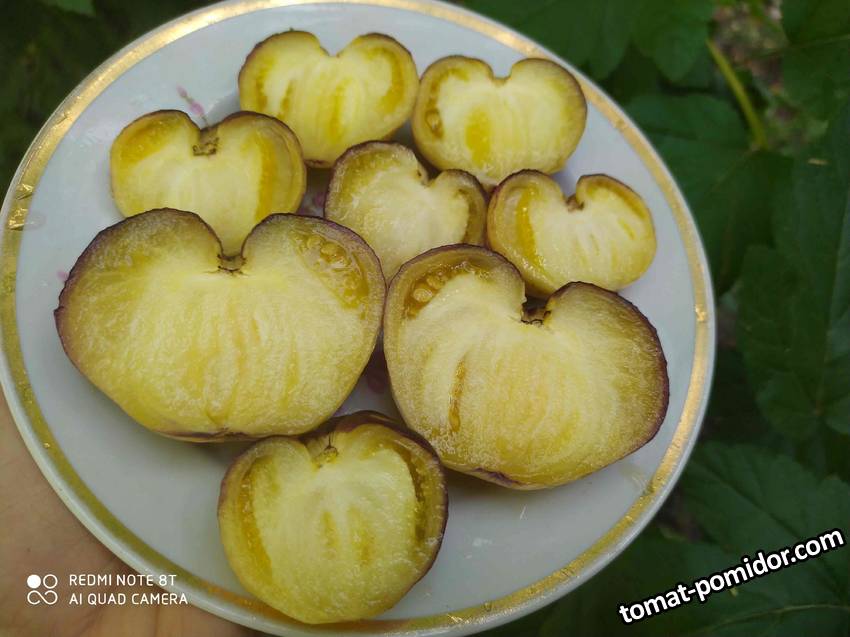
Indeterminate mid-season vine, regular leaf foliage. Grew mine out in the garden dirt. The plant doesn’t get overly bushy, but it’s plenty sturdy. The tomatoes look like ornaments – flattened, ribbed beefsteaks in a pale lemon shade with an anthocyanin dusting and faint purple striping. Flesh inside is an ivory-lemon color.
Taste-wise, it was pretty washed out – just insipid-sweet. The pluses are the crazy look, solid productivity, and total lack of fuss. But honestly? Zero desire to grow it again. Not a keeper.
Edited November 10, 2018 by ElenaN
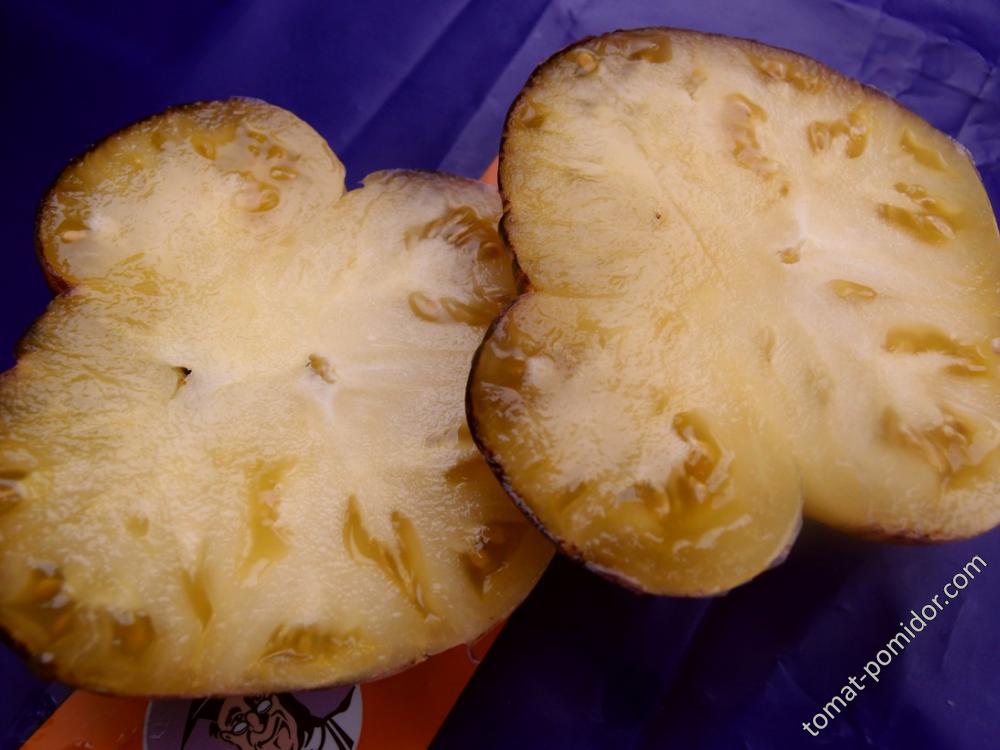
Taste-wise, it was pretty washed out – just insipid-sweet. The pluses are the crazy look, solid productivity, and total lack of fuss. But honestly? Zero desire to grow it again. Not a keeper.
Edited November 10, 2018 by ElenaN
😊 Sart Roloise was such a showstopper for me this season. It comes from an intentional cross between the white heirloom White Wonder and the blue antho Baby Blue, bred by Roland Boulanger back in 2012 in Sart-Eustache, Belgium.
The color play on these is wild – a pale creamy yellow-orange body capped with deep indigo shoulders. The flesh is dense when sliced, very meaty, with a gentle, slightly sweet profile. Ripe ones look almost translucent in the sun. Real stunners.
Mostly large oblate beefsteaks across the board, pulling 9 to 12 oz (250-350 g). The vines themselves are robust, heavy feeders with broad foliage. Trained to two stems in the greenhouse, they topped out around 6 ft (1.8 m). Word is the line is still stabilizing, but what I got this year was killer. Definitely growing it again next season. Sourced my seeds from France.
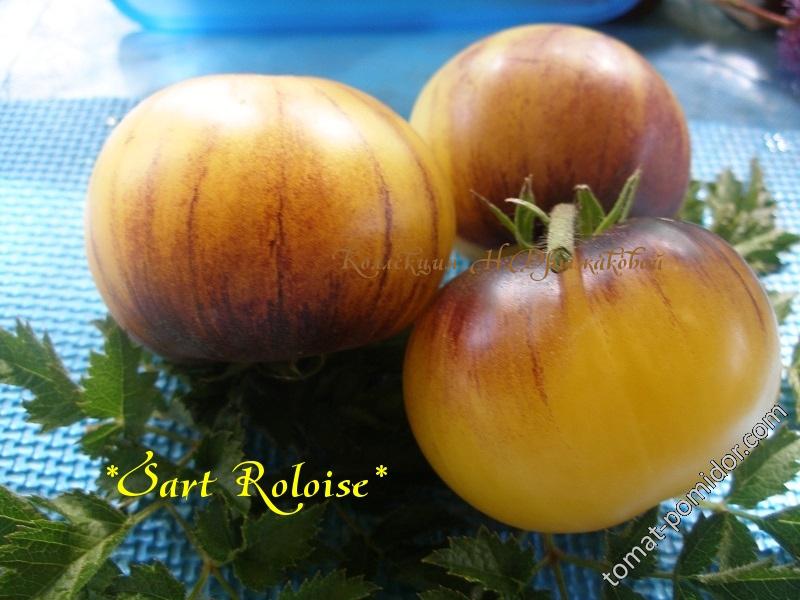
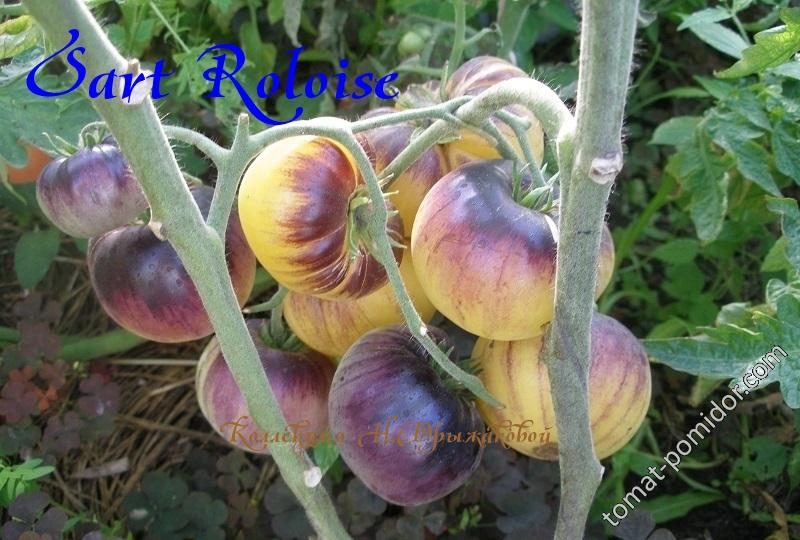

The color play on these is wild – a pale creamy yellow-orange body capped with deep indigo shoulders. The flesh is dense when sliced, very meaty, with a gentle, slightly sweet profile. Ripe ones look almost translucent in the sun. Real stunners.
Mostly large oblate beefsteaks across the board, pulling 9 to 12 oz (250-350 g). The vines themselves are robust, heavy feeders with broad foliage. Trained to two stems in the greenhouse, they topped out around 6 ft (1.8 m). Word is the line is still stabilizing, but what I got this year was killer. Definitely growing it again next season. Sourced my seeds from France.
Insanely gorgeous. I mean drop-dead gorgeous! Hanging in the sun they honestly look like Christmas ornaments. Sets a ton of fruit, too.
And that’s where the party ends.
I don’t even want to talk about the taste. 😭 There just ISN’T any. Plain tap water has more going on. First I waited forever for them to ripen and they turned sour right on the vine. Picked the next batch, cut ’em open – look juicy and pretty, and went straight into the trash can.
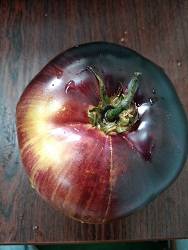
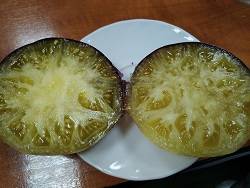
And that’s where the party ends.
I don’t even want to talk about the taste. 😭 There just ISN’T any. Plain tap water has more going on. First I waited forever for them to ripen and they turned sour right on the vine. Picked the next batch, cut ’em open – look juicy and pretty, and went straight into the trash can.
Super tender, melt-in-your-mouth texture. Flavor was a total letdown at first – just felt completely washed out. But once I sliced it into a salad with oil and salt, it actually ate really well. At one point in mid-summer it even had this weird salty, almost seafood-like savoriness to it.
I’m keeping it in the lineup mainly because it ripened weeks ahead of my other antho types. Solid producer.
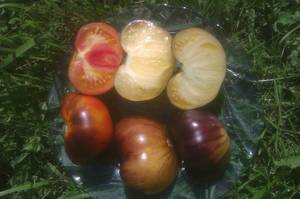
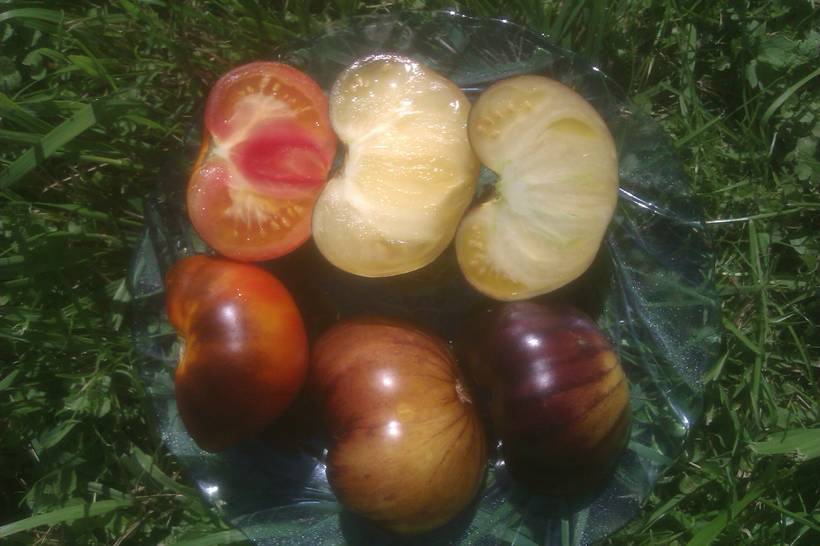
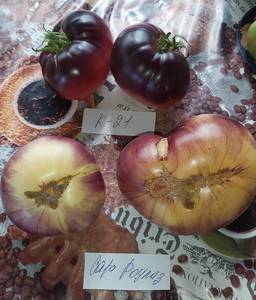
Lineup in the photo, left to right: Lucid Gem, Sart Roloise, and Great White × P20.
Edited August 27, 2019 by Kirina
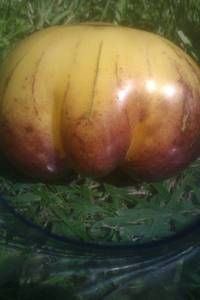
I’m keeping it in the lineup mainly because it ripened weeks ahead of my other antho types. Solid producer.
Lineup in the photo, left to right: Lucid Gem, Sart Roloise, and Great White × P20.
Edited August 27, 2019 by Kirina
Props to Kirina for the seeds! 🙏
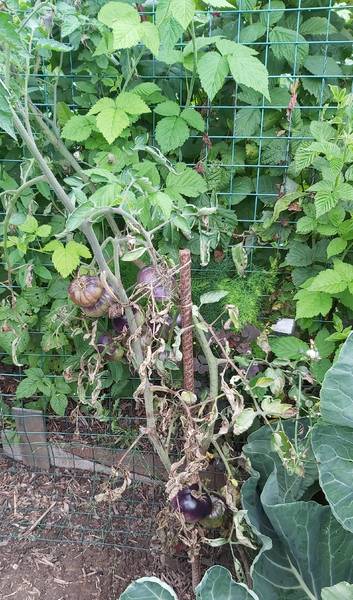
Ran this both in the greenhouse and out in an open dirt bed. The outdoor plant got hammered by late blight. The greenhouse vine set a decent crop, but nobody in the family liked the flavor – easily our biggest bust of the season.
Edited December 13, 2019 by Anela
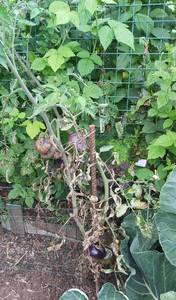
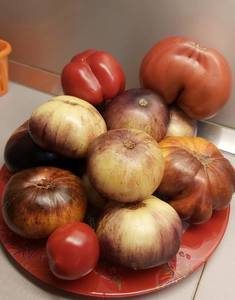
Ran this both in the greenhouse and out in an open dirt bed. The outdoor plant got hammered by late blight. The greenhouse vine set a decent crop, but nobody in the family liked the flavor – easily our biggest bust of the season.
Edited December 13, 2019 by Anela
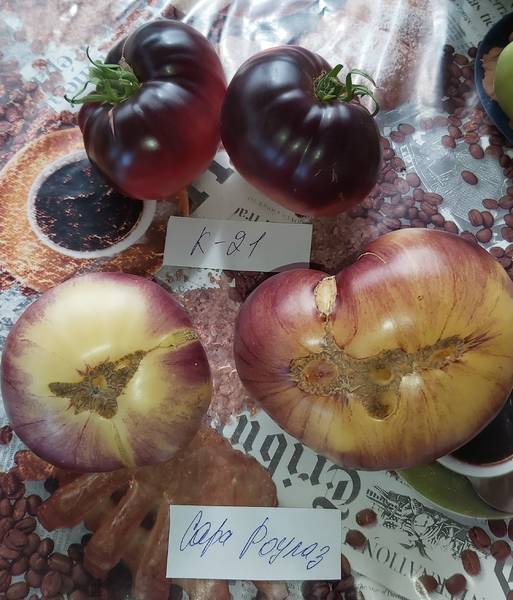
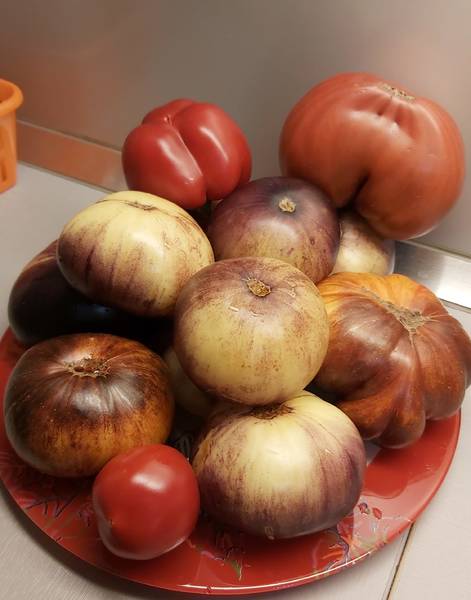
Hands down one of my tastiest tomatoes this season! Set like crazy early on, then dropped some blossoms when the heat kicked in, and now the run is done. Didn’t manage to get any photos because I was eating every single one right off the vine like candy.
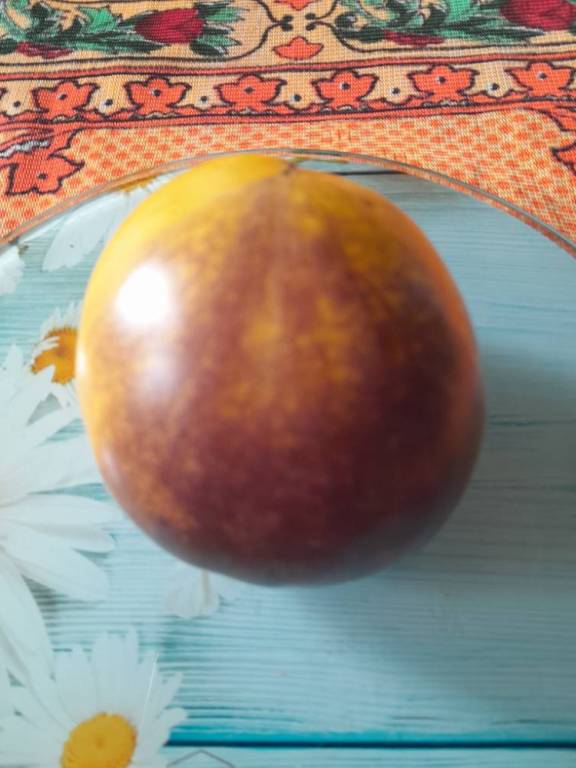
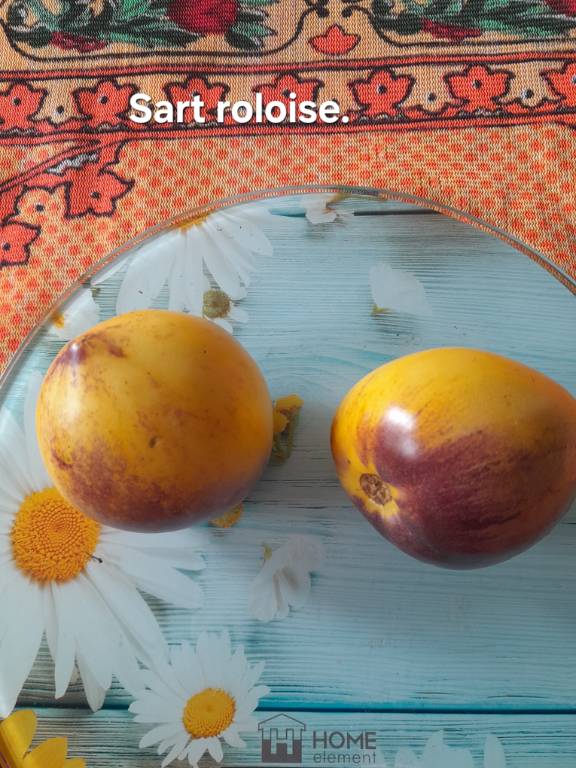
Just picked the first couple. Wouldn’t say the taste is mind-blowing, but it’s pleasant enough. None of my new trials are throwing much sugar this year anyway, and this one’s got enough sweetness to get by. Not seeing crazy yields yet, though.
Quick Facts: Variety Summary
- 🌿 Growth Habit: Vigorous indeterminate vine reaching 6 ft (1.8 m) in greenhouses. Handles two leaders well. Susceptible to late blight in unprotected, wet outdoor beds.
- 🍅 Fruit Profile: Large, flattened, ribbed beefsteaks weighing 9-12 oz (250-350 g). Translucent ivory to lemon-yellow skin crowned with bold ink-blue anthocyanin shoulders. Dense, pale meat inside.
- 👅 Flavor Split: Highly dependent on sunshine and heat. Growers in warm maritime zones (Zone 6b) loved its sweet, dessert-like texture. In cooler northern soils (Zones 3-4), it frequently washed out into an insipid, watery flavor unless seasoned in fresh salads.
- ⏱️ Maturity: Consistently noted for ripening earlier than similar antho beefsteaks like Lucid Gem or Great White × P20.
- 🧬 Breeder: Developed in 2012 by Roland Boulanger in Sart-Eustache, Belgium (White Wonder × Baby Blue).
👨🌾 Editor’s Note: Managing Antho White Crosses
The sharp divide in flavor reviews is typical of white-fleshed anthocyanin genetics. White heirlooms naturally lack acidity. When grown without intense heat or during wet northern spells, the sugar-to-acid ratio drops completely flat, leading to the “tap water” complaints seen above. For best flavor, withhold heavy watering once the fruit begins to break color and expose the clusters directly to the sun to activate anthocyanin production.
The sharp divide in flavor reviews is typical of white-fleshed anthocyanin genetics. White heirlooms naturally lack acidity. When grown without intense heat or during wet northern spells, the sugar-to-acid ratio drops completely flat, leading to the “tap water” complaints seen above. For best flavor, withhold heavy watering once the fruit begins to break color and expose the clusters directly to the sun to activate anthocyanin production.
🍅 What was your experience with Sart Roloise? Did yours turn out sweet and fruity or totally bland? Drop your zone and garden notes in the comments below!