Growers’ Notes and Photos (USDA Zones 3-4 Experience)
Sonora hot pepper, C. annuum.
“Awesome all-purpose hot pepper variety from Mexico. Plants grow up to 28 inches (70 cm) tall. Pods reach up to 8 inches (20 cm) long with walls up to 1/6 inch (4 mm) thick. Heat up to 5,000 SHU. Starts out green and ripens to red. Takes 135-140 days to maturity. Sweet flesh. Great fresh and in fresh salsas, and once dried it makes awesome hot paprika.”
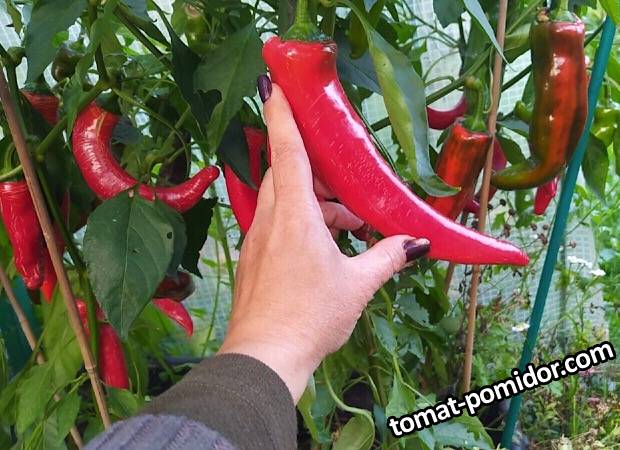
Productive, mid-season, fuss-free variety that grew pretty much outdoors. Tasty, large mild-hot pods great for eating fresh, roasting, sauces, adjika, harissa…
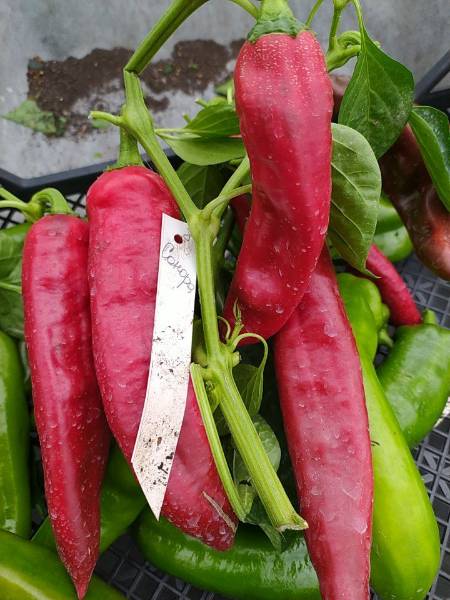
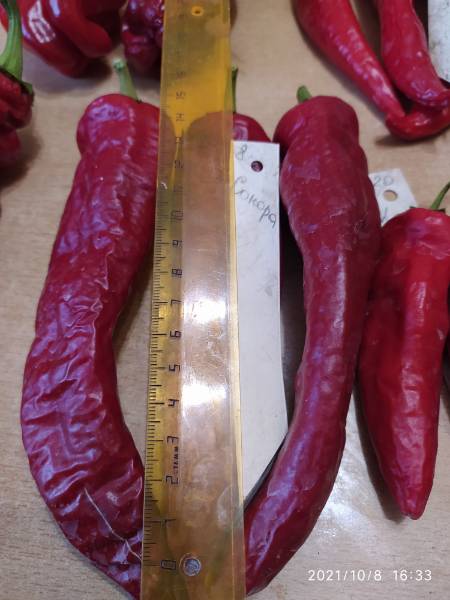
My Sonora came from Garlic Farm too.
And mine also turned out mild-hot in 2021. Grew it outdoors under cover.
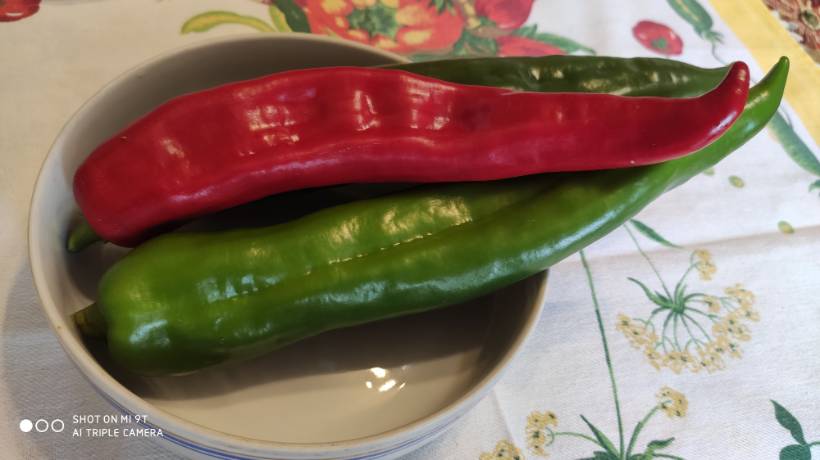
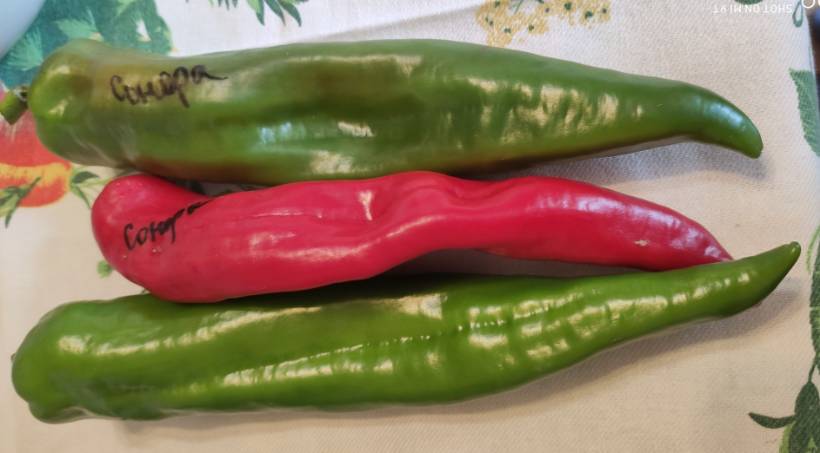
Sonora
Gorgeous pepper 👍 The bush was an absolute looker and loaded down with big 8-inch (20 cm) pods 😄 Grew it outdoors under hoops with row cover. Mild-to-medium heat, right around 5,000 SHU, matching the Garlic Farm description. I had no trouble eating the tips raw, with heat ramping up closer to the seeds.
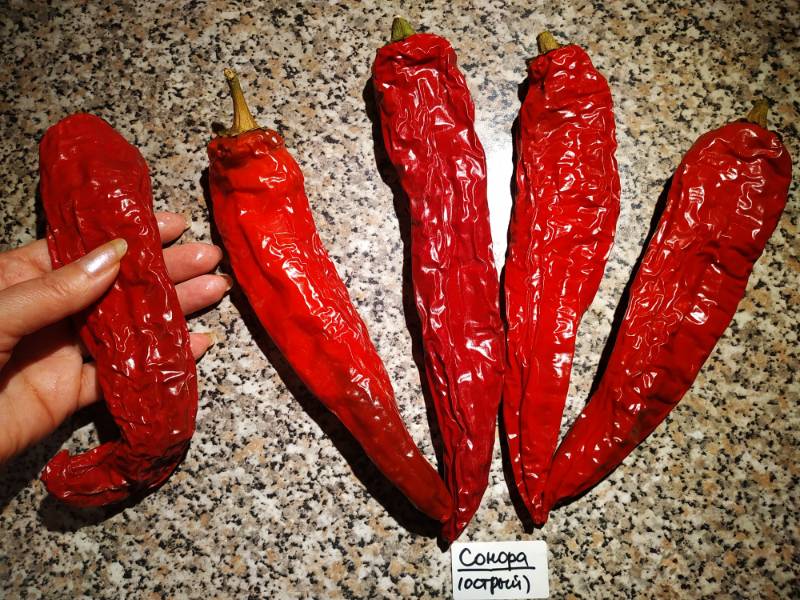
Full Summary: Plant, Yield, Heat and Culinary Uses
- 🌿 Plant & Pods: Sturdy, fuss-free Capsicum annuum reaching up to 28 inches (70 cm) tall. Sets big, 8-inch (20 cm) pods with walls up to 1/6 inch (4 mm) thick that ripen from green to red in roughly 135-140 days.
- 📈 Outdoor Reliability: All three reviewers grew Sonora outdoors (with basic hoop/row cover protection) in short northern seasons and praised its productivity.
- 🔥 Heat & Kitchen Use: Mild-to-medium (up to 5,000 SHU), sweet at the tips and warmer near the seeds. Versatile for fresh eating, roasting, salsas, hot paprika, harissa, and adjika.
- 🌎 Who Reviewed It: Three growers across USDA Zone 3 (Kemerovo, Siberia) and USDA Zone 4 (Moscow Region).
In the US, Sonora is a staple open-pollinated Anaheim-type chili bred for chiles rellenos, grilling, and drying into bright red chile colorado powder (US seed lines often run mild at 300-600 SHU, while stressed or European-selected lines like Garlic Farm’s push up to 5,000 SHU). As for adjika mentioned by Svetlana, it’s a famous Georgian/Caucasian spicy red pepper paste pounded with garlic, herbs, coriander, and walnuts, essentially the Black Sea cousin to North African harissa.