Growers’ Notes and Photos (USDA Zones 3-5 Experience)
Byala Chushka, C. annuum, photo credit: Svetikk. Seeds were saved from peppers bought at a supermarket in Burgas, Bulgaria. Here’s the description from the seed company’s website: Plants grow 12-18 inches (30-45 cm) tall with 2-4 main branches. Pendant conical pods, pale green and slightly wider at the shoulders, 2-2.5 inches (5-6 cm) long and weighing around 0.35 oz (9-10 g). Flesh is firm, thick-skinned, and fiery. Mid-early pepper taking 95-100 days to market maturity. Average commercial yield runs around 4,400-5,500 lbs per quarter-acre (2,000-2,500 kg per 1,000 sq m). In real life, it stays pretty compact. Mine struggled badly after a pesky mouse chewed it up, while Svetikk’s…
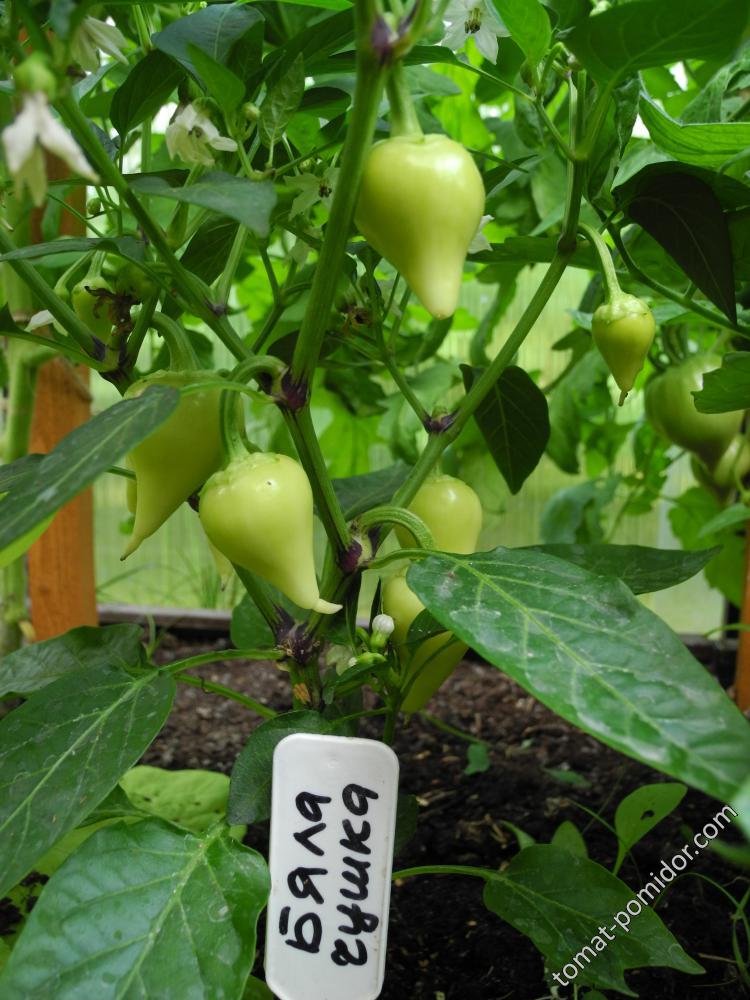
Really loved this variety, seeds and the description in the first post came from LanaD. Another grower who travels to Bulgaria confirmed the full name is Byala Lyuta Chushka, meaning White Hot Pepper. Over there they mostly pick it at the pale green, almost white stage, and that’s how you see it in stores. Mine grew in the greenhouse. Compact, low-growing bush under 16 inches (40 cm) and super ornamental, with elongated heart-shaped pods ending in a pointed tip. Dead ripe pods turn red and pack a solid punch for me. Juicy walls, about 1/8 inch (3 mm) thick.
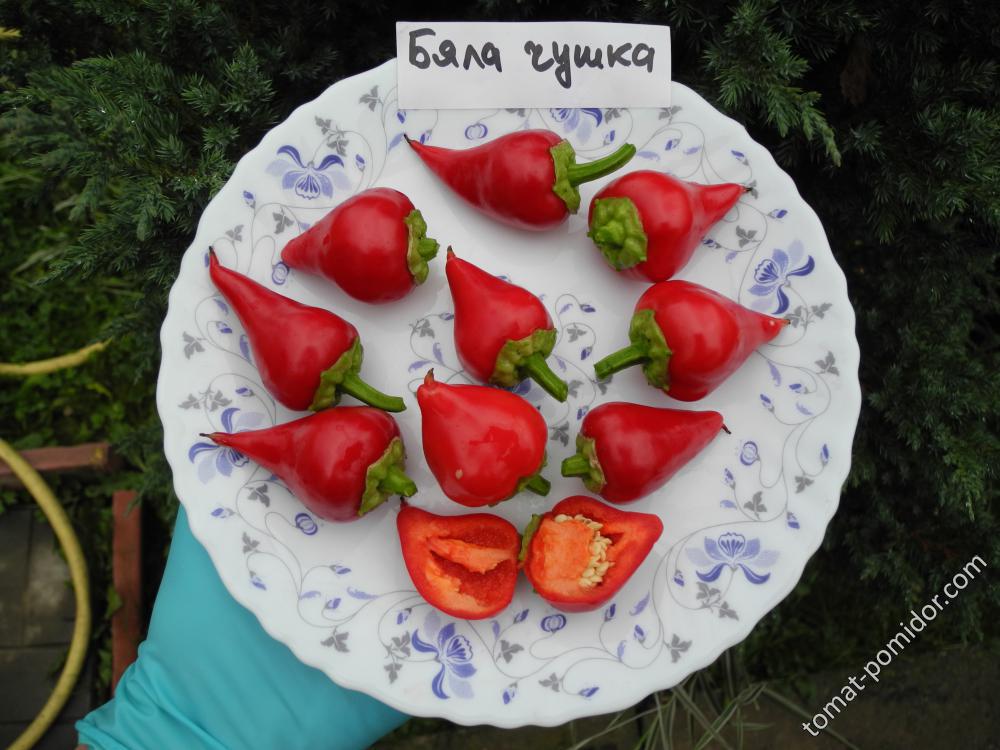
Quick clarification: it’s usually called Byala Chushka or Byala Lyuta Chushka, and it’s sold and eaten at this waxy pale stage. On the seed company’s site, though, it’s listed as Byala Shipka, where Shipka refers to a type of small, medium-hot pepper. https://semena.popara.org/?p=261
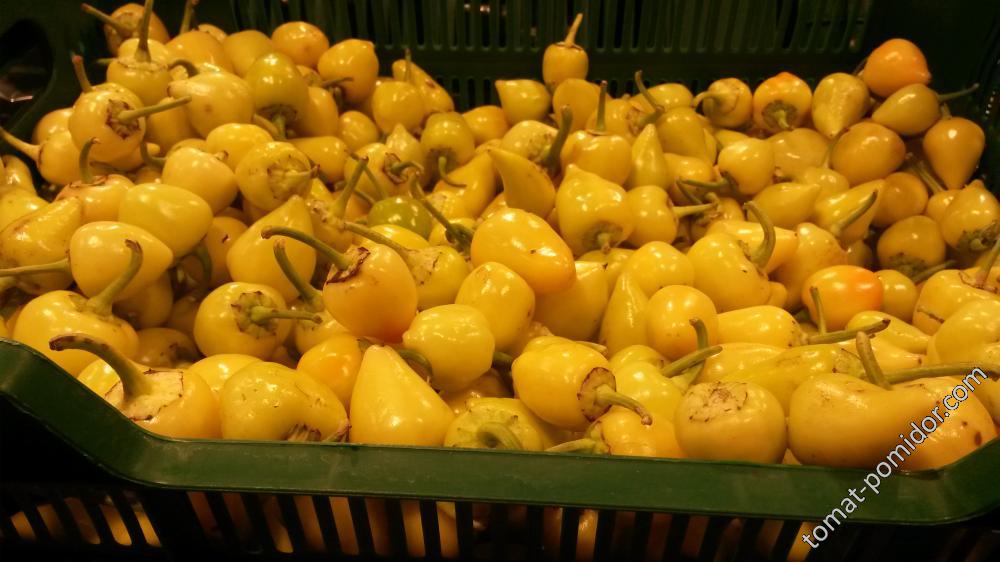
My Byala Chushka! Absolutely thrilled with it.
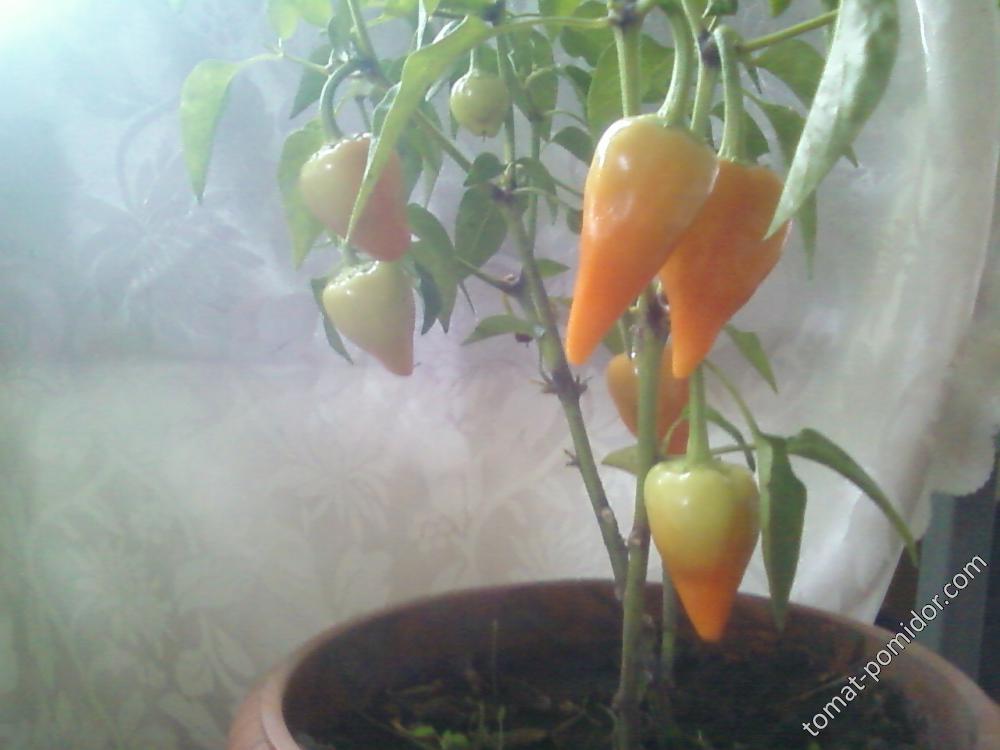
Found another photo of it just starting to color up. What a gorgeous bush 😘
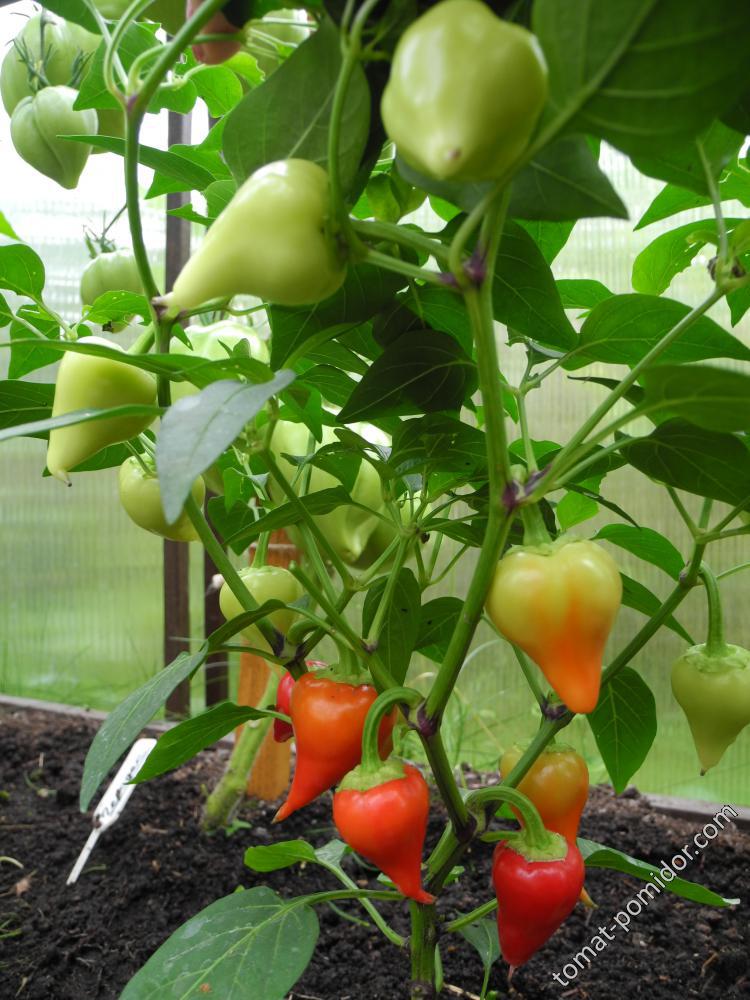
Here’s mine. Small, compact bush in a pot outdoors getting half-day sun. Had enough kick that my fingers were burning after slicing some up for mixed pickle jars 😄
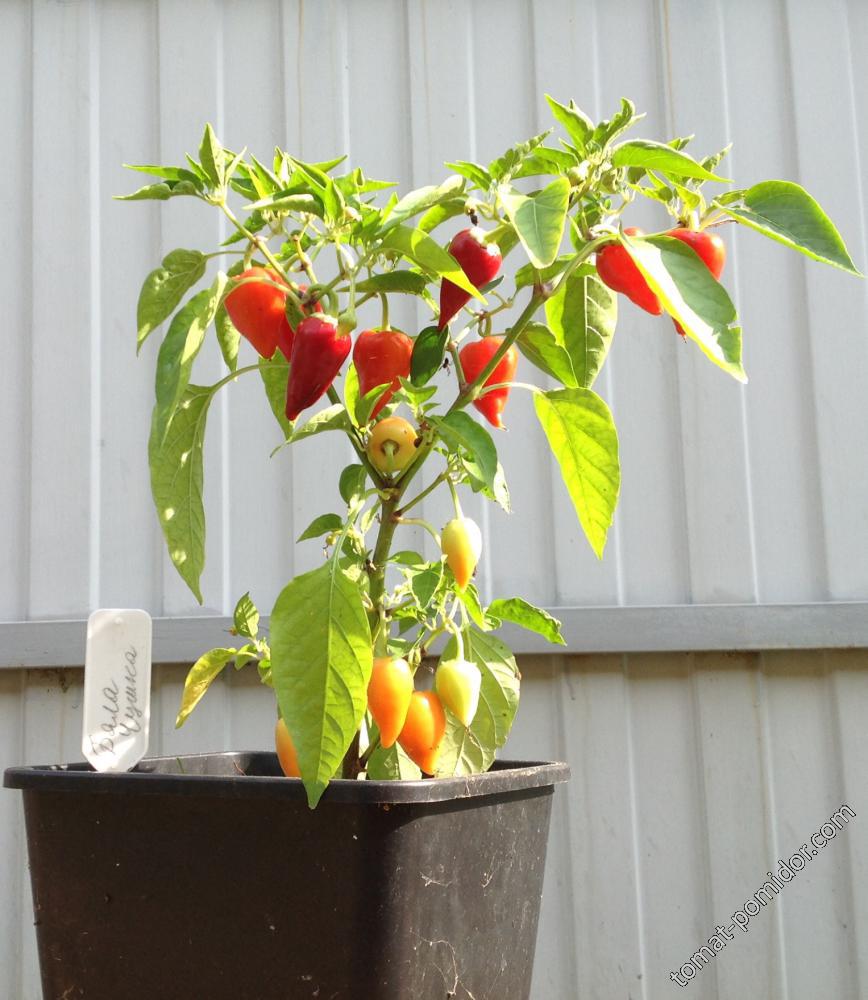
Another one in a pot outdoors.
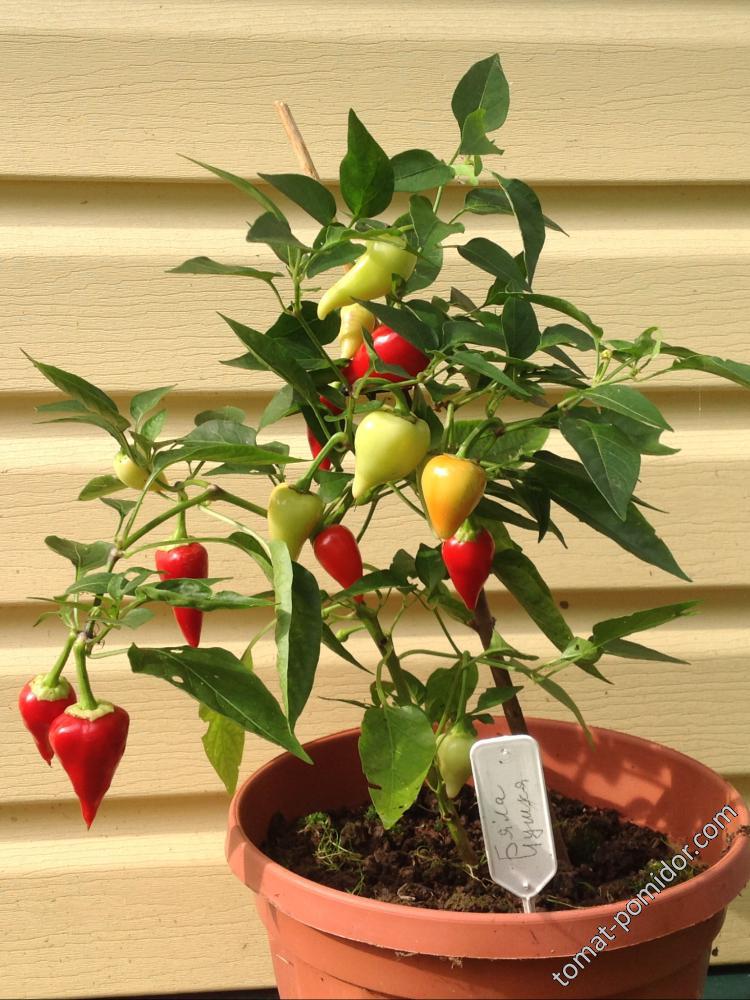
Loved it 👍, seeds came from Svetikk. Big shoutout to LanaD for spreading this gorgeous pepper around 🙏
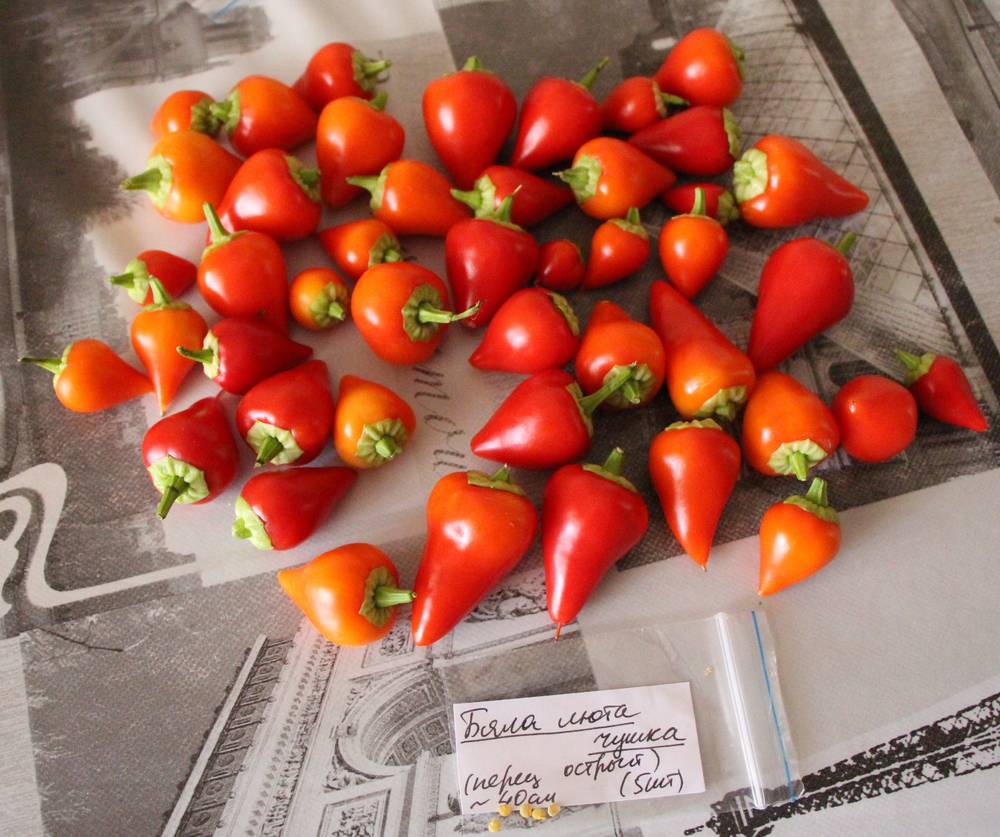
Hey ladies, when did y’all start these? Wish someone had mentioned days to maturity 🤷♀️
On December 27, 2018, Irven said:
Hey ladies, when did y’all start these? Wish someone had mentioned days to maturity 🤷♀️
I sowed all my peppers on January 26 this season. Usually aim for the last week of January, though mid-January works too.
On December 27, 2018, Irven said:
Hey ladies, when did y’all start these? Wish someone had mentioned days to maturity 🤷♀️
I start all my peppers in mid-February. This one isn’t late at all. It’s mid-season if you wait for full red color, and early if you pick them pale green!
Grew this stunner again. Does great in 1.5-2 gallon (5-7 L) pots, and it’s unreal how pretty it is! 😁
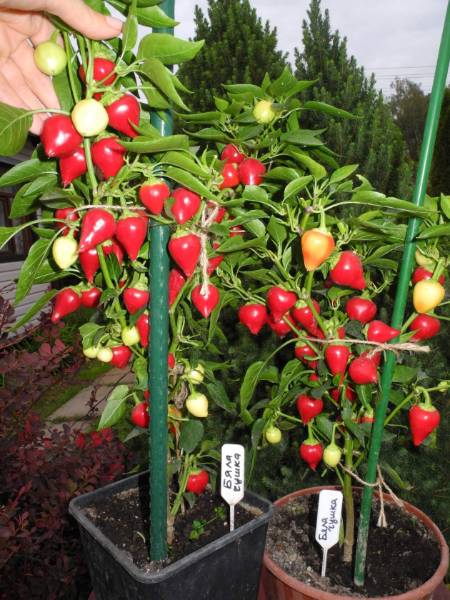
On November 9, 2022, Svetikk said:
Unreal how pretty it is! 😁
No kidding, total stunner 👍
Count me in the fan club!
I sow my peppers in early March. Started two Byala Chushka plants alongside Biquinho to try pickling them whole.
This little firecracker turned out to be insanely prolific, already covered in blooms and tiny pods while still in seedling cups. Tried my first pod in mid-June. WOW! My favorite way to eat hot peppers, sliced up raw on the side with dinner. Heat is right around Jalapeño level, with plenty of great pepper aroma to match. Gets hotter the riper it gets.
We picked the plants clean in two weeks, and a second flush is already coming in.
Love at first sight.
Huge shoutout to Svetlana @LanaD for such a great variety ❤️
Full Summary: Plant, Yield, Heat and Container Performance
- 🌿 Plant & Pods: Compact, ornamental Capsicum annuum bush growing 12-18 inches (30-45 cm) tall. Sets heavy clusters of conical, elongated heart-shaped pods about 2-2.5 inches (5-6 cm) long with juicy, 1/8-inch (3 mm) walls. Ripens from waxy pale green-white to bright red.
- 📅 Earliness & Containers: Early when picked at the waxy pale stage, mid-season (around 95-100 days) when left to turn red. Even with a March sowing, Bylinka was eating pods by mid-June. Thrives in 1.5-2 gallon (5-7 L) pots indoors, in greenhouses, or outdoors in half-day sun.
- 🔥 Heat & Use: Medium-hot (around Jalapeño heat, 2,500-10,000 SHU), getting hotter as pods turn red. Great for pickling whole, mixed pickle jars, or snacking raw alongside meals.
- 🌎 Who Reviewed It: Nine growers across USDA Zones 3, 4, and 5 (Tyumen, Moscow Region, Kazan, Lipetsk, and Oryol).
Byala Shipka (from Burgas on Bulgaria’s Black Sea coast) belongs to the traditional Bulgarian “Shipka” chili class. Like Hungarian Wax or Banana peppers in the US, these varieties are traditionally harvested and pickled whole while still in their pale creamy-white/yellowish waxy stage, long before they turn red. If you leave them on the plant to turn fully crimson, both the sweetness and the capsaicin heat climb noticeably.