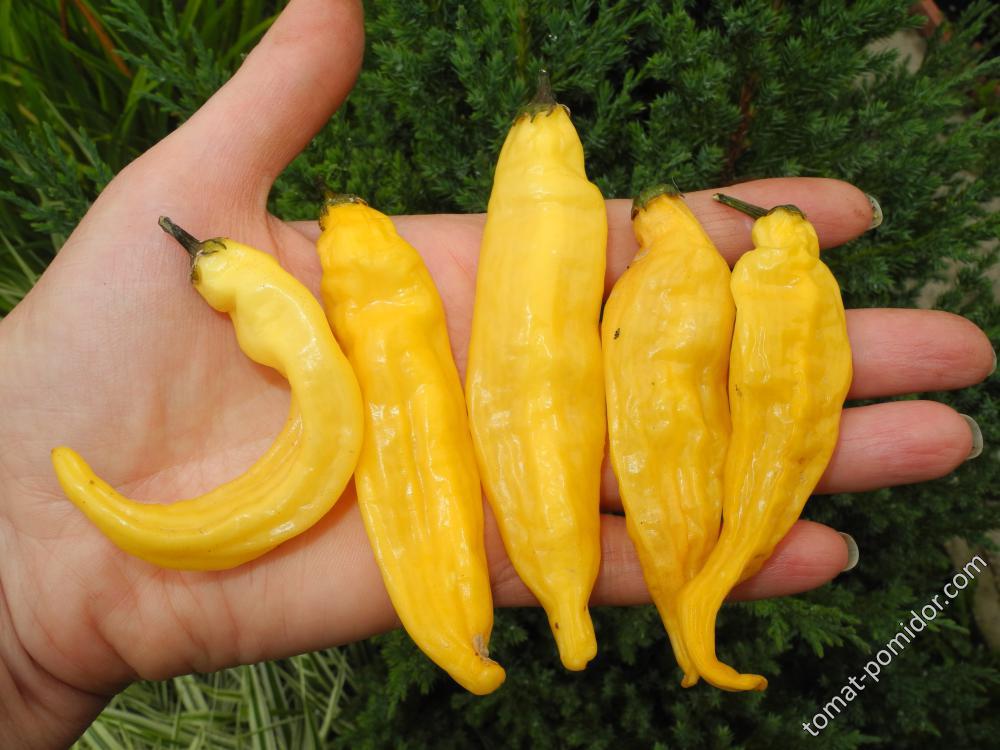
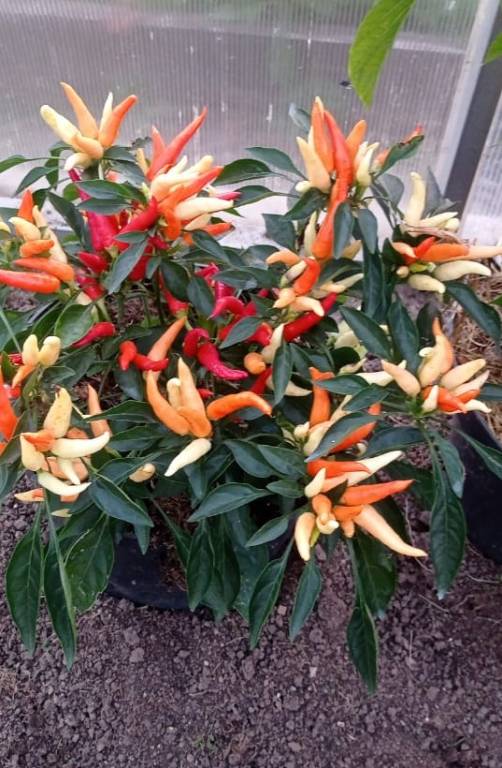
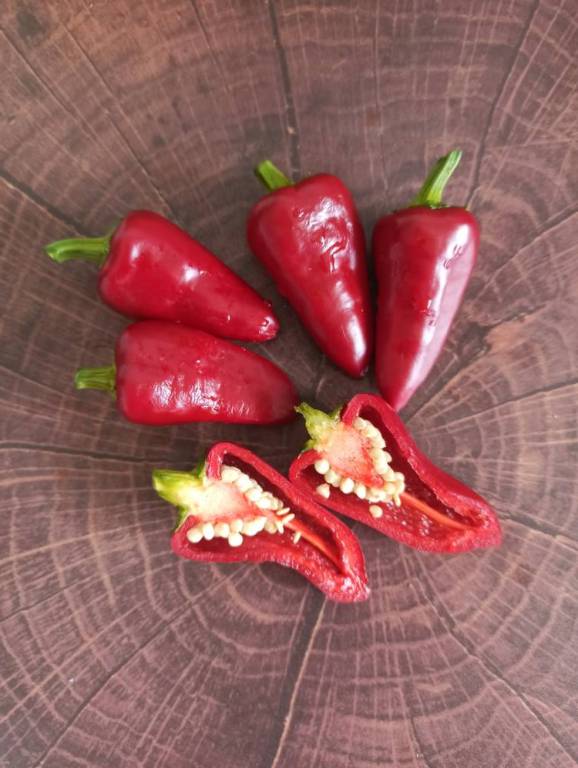
Growers’ Notes and Photos (USDA Zones 3-4 Experience)
Quoting from online:
“This vegetable gets its name from the people who grow it. The Dungans are an ethnic group who migrated from China to Kyrgyzstan, southern Kazakhstan, and Uzbekistan after the Boxer Rebellion in 1899-1901. That region is where this distinct type of hot pepper is cultivated today. Dungan peppers are easy to spot compared to other hot varieties: shorter than the palm of your hand, bright green, with accordion-like wrinkles along the skin. It’s a hot pepper, though milder and rounder in flavor than typical fiery chiles, with an intense aroma that sets it apart. Its thicker, meatier flesh makes it great not just for salads and sauces, but as the centerpiece of standalone cooked dishes.”
Huge thanks to Sergeyevna (Olga) from the Kostroma region for the seeds. I’m usually pretty indifferent to hot peppers, yet this one gives me pure visual joy 😄.
At first I bit off the tip and thought it wasn’t hot at all. Took a bigger bite… nope, it’s definitely got heat! Super easygoing grower too, thriving in a plastic crate sitting right on the ground. Literally the only pepper that needed zero babying and is still setting pods right now (September 12).
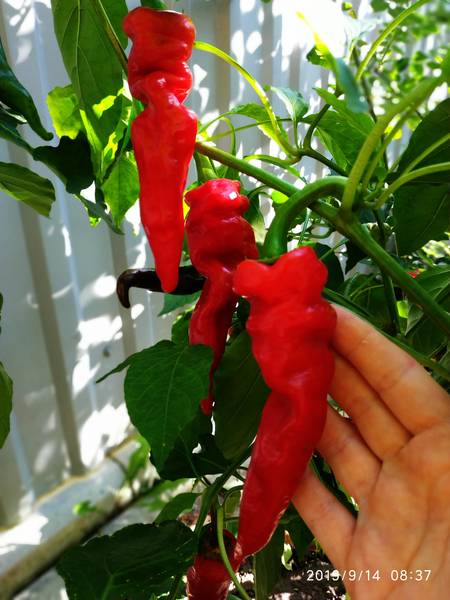
Plant height is about 28 in (70 cm), juicy walls.
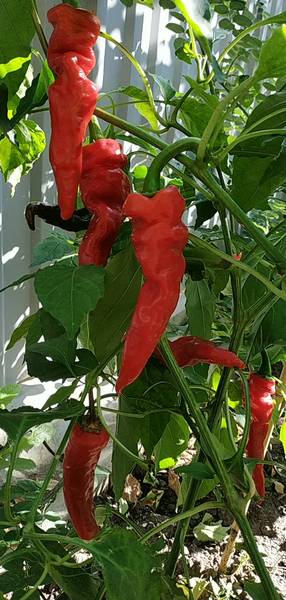
On Sept 14, 2019 at 4:12 PM, Marusha wrote:
Quoting from online:
“This vegetable gets its name from the people who grow it…”
…Unfussy, grows right in a plastic crate sitting on the ground…
Marina, that description isn’t quite right. It’s not a new variety at all, it’s been traditionally grown here for ages. Olga actually got her seeds from me, and mine originally came from China. Some online shop even nicknamed it “Wrinkled Gut.” My tip: try planting it directly outdoors in the ground instead of a crate next time, it’ll grow taller and yield even heavier.
On Sept 14, 2019 at 5:15 PM, Borisovna wrote:
…Some online shop even nicknamed it “Wrinkled Gut.” My tip: try planting it directly outdoors in the ground instead of a crate next time, it’ll grow taller and yield even heavier.
No wonder it’s so tough! Came from China, makes total sense now.
Honestly, “Dungan” sounds way nicer than “Gut” 😄
Should we rename the thread title then, or remove it from the catalog?
As for yields, what I got was already more than enough for me. Thanks for the background info, clarification, and seeds! I even shared some with my relatives in Crimea.
No need to remove anything! Half the forum has grown this pepper by now, I’ve sent seeds all over the place. And Dungan (Dungansky) is the proper name for it.
On Sept 14, 2019 at 6:51 PM, Borisovna wrote:
No need to remove anything! Half the forum has grown this pepper by now, I’ve sent seeds all over the place. And Dungan (Dungansky) is the proper name for it.
Natalya, sending warm greetings from your Dungan pepper! 👋
Gorgeous, productive, large medium-hot pepper. Grew 2 bushes outdoors under temporary row covers and nearly every pod ripened right on the plant. Plants reached about 24 in (60 cm) tall.
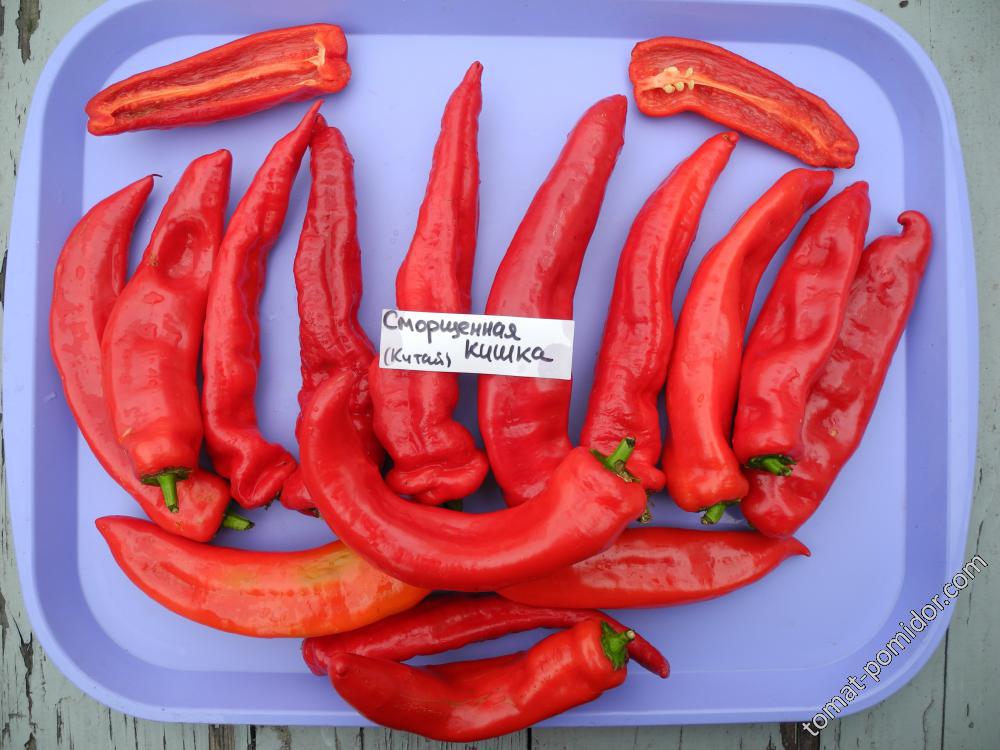
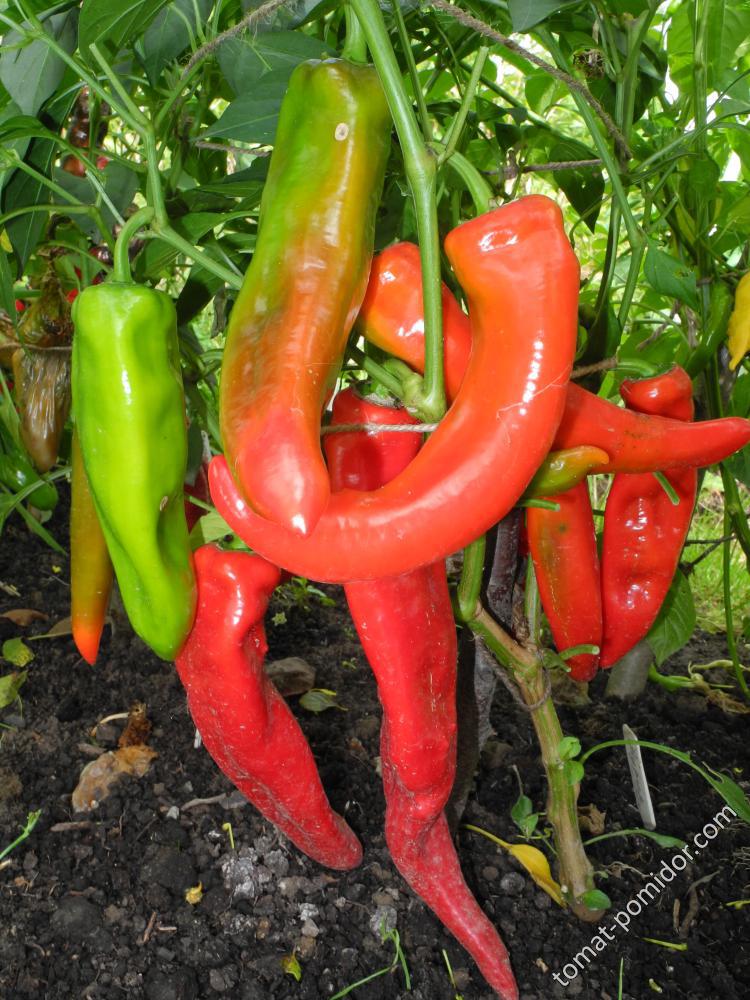
Only 1 out of 5 Dungan seeds sprouted on a cotton pad… guessing they were old seeds.
On Feb 25, 2024 at 10:28 AM, Mikhail88 wrote:
Only 1 out of 5 Dungan seeds sprouted on a cotton pad… guessing they were old seeds.
Over-dried seeds are a common headache with peppers in general, and Dungan seems to dry out especially fast. Try skipping the cotton pad and laying the seeds straight onto damp potting mix in a cup, cover the top with plastic wrap, and give them extra time to sprout. Once they pop, they grow effortlessly.
An older Korean woman I know gave me the seeds and told me Dungan is her absolute favorite pepper.
The plant grew 24-28 in (60-70 cm) tall, with pods averaging about 3 oz (80 g). The tip of the pepper is sweet, then the heat ramps up the closer you get to the stem and seeds. Mine turned out seriously hot, way too spicy to just chop straight into a salad.

Full Summary: Plant, Yield, Heat & Culinary Uses
- 🌿 Plant: Compact, hardy, low-maintenance pepper plant reaching 24-28 in (60-70 cm) tall. Performs well even in shallow plastic crates, though Borisovna recommends planting directly in garden beds for maximum height and yield. Note: Borisovna warns that Dungan seeds tend to over-dry quickly and germinate more reliably when sown directly into covered damp soil rather than on cotton pads.
- 📈 Yield: Heavy and continuous. Marusha noted continuous fruit set into mid-September with zero fuss, while Svetikk ripened nearly a full crop outdoors under temporary row covers in USDA Zone 4.
- 🌶️ Heat & Taste: Distinct heat gradient. Marusha and Natalya79 both found the tip sweet or mild, while heat builds sharply toward the seeds and stem end (ranging from medium-hot to quite fiery depending on conditions). Pods average about 3 oz (80 g) with crisp, juicy, thick flesh and rich aroma.
- 🍳 Culinary Uses: Prized in Central Asian and Chinese-inspired cooking—especially stir-fries, lagman noodle dishes, sauces, and hearty salads where thicker walls hold up better than thin cayennes.
- 🌎 Who Reviewed It: Five growers across USDA Zones 3 and 4 (Kazakhstan and Russia), proving reliable outdoor production and ripening even in short-season gardens.
In Central Asia, Dungan (Dungansky) peppers are a culinary staple prized for their signature aroma and meaty, accordion-wrinkled walls that stay crisp when blistered or stir-fried in dishes like lagman. As Borisovna notes, this type originates from northern China—closely resembling Chinese wrinkled screw peppers (such as Luo Jiao or Wrinkled Skin lines) rather than classic Mexican roasting chiles.