📌 Quick Summary (TL;DR): Greenhouse Prep & Mixed Planting
- 🌡️ Soil Disinfectants Need Heat: Biological fungicides (like Bacillus subtilis) are useless in cold spring soil. They only wake up and start killing bad fungi when the soil temperature reaches at least 64°F (18°C).
- 🌱 Don’t Mulch Too Early: Resist the urge to mulch immediately after planting in the spring. Leave the soil bare for a few weeks so the sun can heat the deep root zone. Apply mulch in late May.
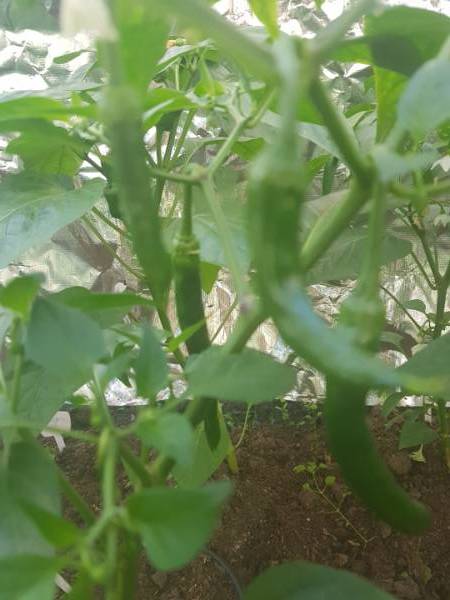
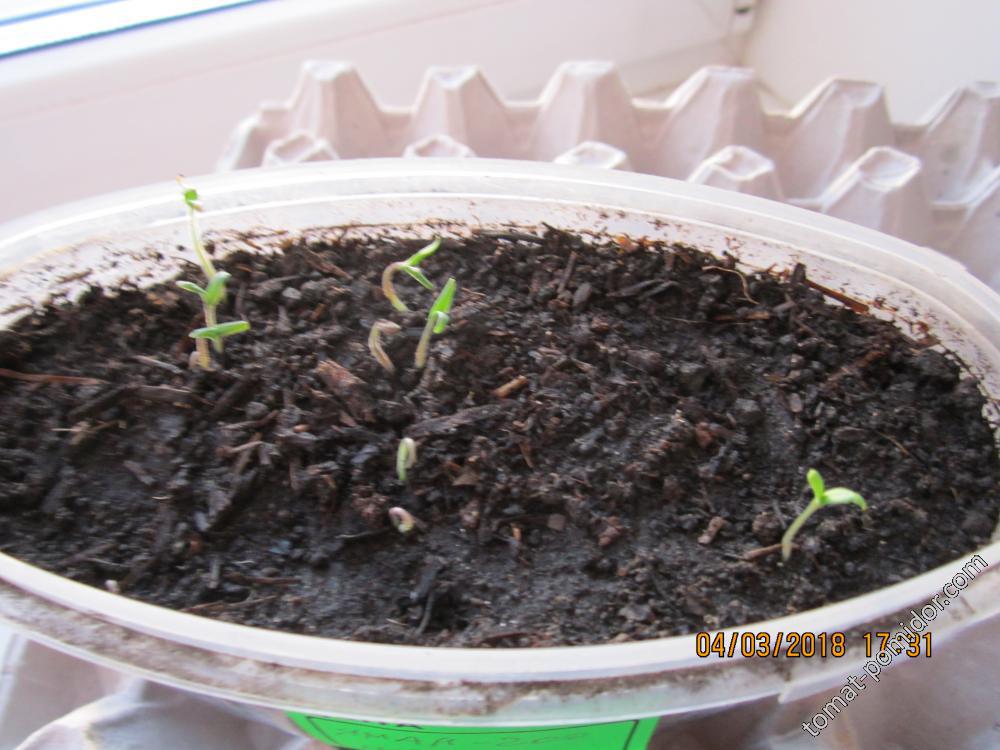
- 🌶️ vs 🍅 The Fertilizer Divide: If growing tomatoes and peppers together, treat their planting holes differently. Tomatoes need balanced granular fertilizer to prevent excess foliage, while peppers are heavy nitrogen feeders and thrive on heavy organic matter (compost/manure).
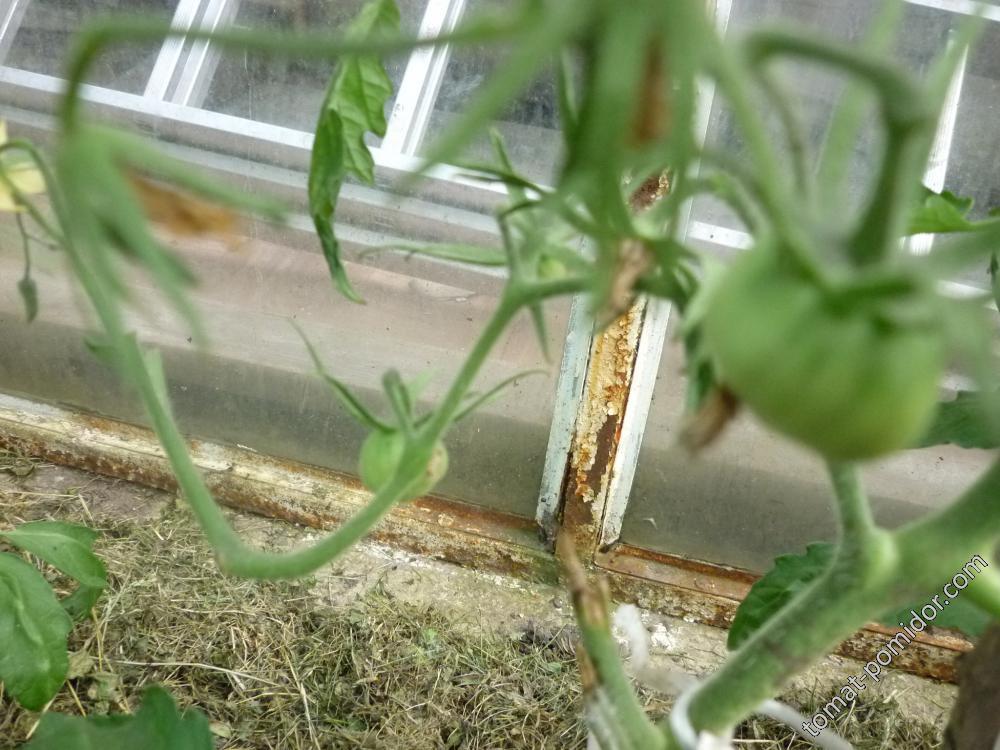
- 🌬️ The Airflow Conflict: Tomatoes absolutely love dry air and cross-breezes (drafts). Peppers, eggplants, and cucumbers hate drafts and prefer high humidity. Pro Tip: Plant tomatoes near the doors/vents, and put the peppers and cucumbers in the corners or side beds where the air is still.
Photo author: Ludasik
Should You Sterilize New Greenhouse Soil?
Good morning, Ludmila and everyone! I have a question about sterilizing/treating greenhouse soil in the spring.
I just put up a brand new greenhouse. The soil inside is a mix of dirt from my old raised beds and commercial potting soil. What should I use to disinfect the soil and prevent various fungal infections? I already drenched the soil with Fitosporine. 🦠🚿
Good morning! Honestly, I wouldn’t do anything to the soil right now. Let it be. 🌍
Meggi (Tatiana) wrote:
I already drenched the soil with Fitosporine.
Tanya, Fitosporine is great, but you need to know that it only starts working effectively when the soil temperature reaches 64°F (18°C). The effect won’t be immediate, especially in early spring.
Honestly, it’s better to just add plenty of organic matter, rotted manure, and green grass clippings. Fungal infections exist and will always exist in the soil. Whether they attack your plants depends entirely on the weather and the micro-climate you create in your greenhouse. ⛅
In this thread, the gardeners mention Fitosporine. This is a highly popular Russian biological fungicide, and its active ingredient is Bacillus subtilis.
If you want to replicate this in the US or Canada, look for Serenade Garden Disease Control, Southern Ag Garden Friendly Fungicide, or any bio-fungicide containing Bacillus subtilis. As Ludmila correctly points out, these are living bacteria and are completely useless if poured into freezing spring soil!
Rules for Mixing Tomatoes and Peppers
Ludmila, the greenhouse temperature hit 77°F (25°C) during the day yesterday, but it drops to 55°F (13°C) at night.
I haven’t planted my tomatoes or peppers yet. They have gotten incredibly leggy indoors, especially the tomatoes, so I’ll probably have to plant them lying down in trenches. I amended the beds with compost, but I’m afraid of overdoing it. I’m planning to add biohumus (worm castings) to the planting holes. Should I add any other granular fertilizer?
Also, speaking of greenhouse conditions… What exactly should I be doing (or NOT doing) regarding ventilation and mulch? I have zero experience with this. 🤷♀️
Meggi (Tatiana) wrote:
What exactly should I be doing (or NOT doing)?
Tanya, are you planning to grow tomatoes and peppers together in the same greenhouse?
Yes, the bulk of my seedlings will go in the greenhouse. I started extras, so whatever doesn’t fit will go outside in the open garden. My greenhouse is 10×13 ft (3×4 meters) with two doors and vents. It has three 2-foot (60 cm) beds.
I want to use two beds for tomatoes and one bed for peppers. I’d also love to squeeze in 2 cucumbers and 2 eggplants. Yesterday I moved them all into the greenhouse in their pots to harden off. They look pretty cheerful.
Another question about ventilation: Should I lay down mulch and open the vents immediately after planting? 🌬️
Tanya, the reason I asked about mixing tomatoes and peppers is that you need to prep their holes differently. If they are sharing a space, you MUST put a balanced granular fertilizer into the tomato planting holes (just worm castings won’t be enough). Meanwhile, the peppers need a much heavier dose of pure organic matter (compost/manure).
Also, if your seedlings are tall but have thick, sturdy stems, there is absolutely no need to trench them (plant them lying down). Just plant them deep vertically. 🍅
As for mulching: Do NOT mulch right away! Wait until the end of May. Right now, you need to let the bare soil absorb the sun and warm up deeply.
As for ventilation: I open doors and vents based strictly on the weather. If it’s sunny and hot, I open the top vents first. By noon, I might open the door (but then I close the vents to control the draft). Right now it’s still cold outside, so I keep everything shut tight, especially at night. I even taped up the gaps on the north side. We won’t start throwing the doors wide open until late May.
🚨 THE MOST IMPORTANT THING ABOUT MIXED PLANTING:
You must remember that tomatoes absolutely love drafts and dry air. But peppers, eggplants, and cucumbers hate drafts and thrive in high humidity!
Because of this, you should plant your peppers, eggplants, and cucumbers on the side beds (where the air is still and humid), and put your tomatoes right in the path of the draft near the doors/vents. 💨