🍅 Quick take: Livingston’s Beauty is a landmark 19th-century indeterminate heirloom introduced in 1890 by Alexander W. Livingston. Renowned for helping transform the American tomato from a ribbed, wrinkled curiosity into a smooth slicer, it yields dependable crops of round, slightly flattened pink globes averaging 6-8 oz (170-230 g). Northern growers confirm its legendary hardiness, producing smooth, blemish-free fruit with a classic, tangy old-school flavor even in open-ground beds in USDA Zone 3b. Full summary ↓
Growers’ Notes and Photos (USDA Zone 3b/4a Experience)
Livingston’s Beauty.
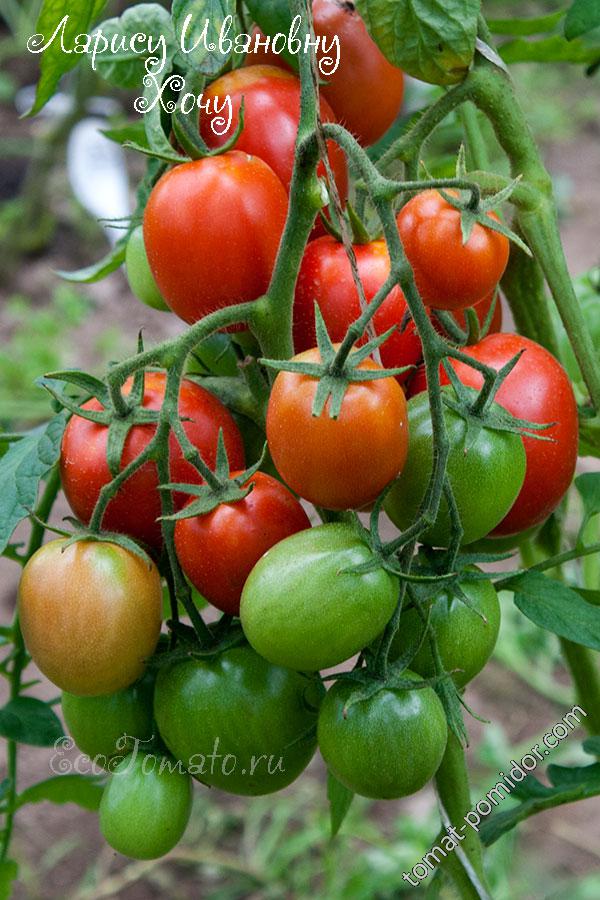
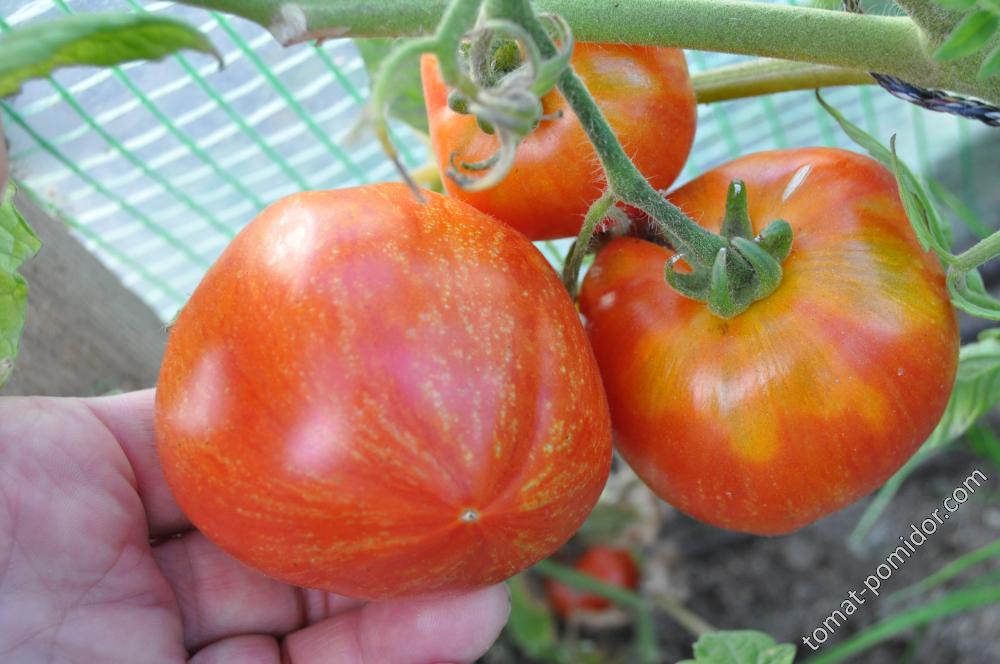
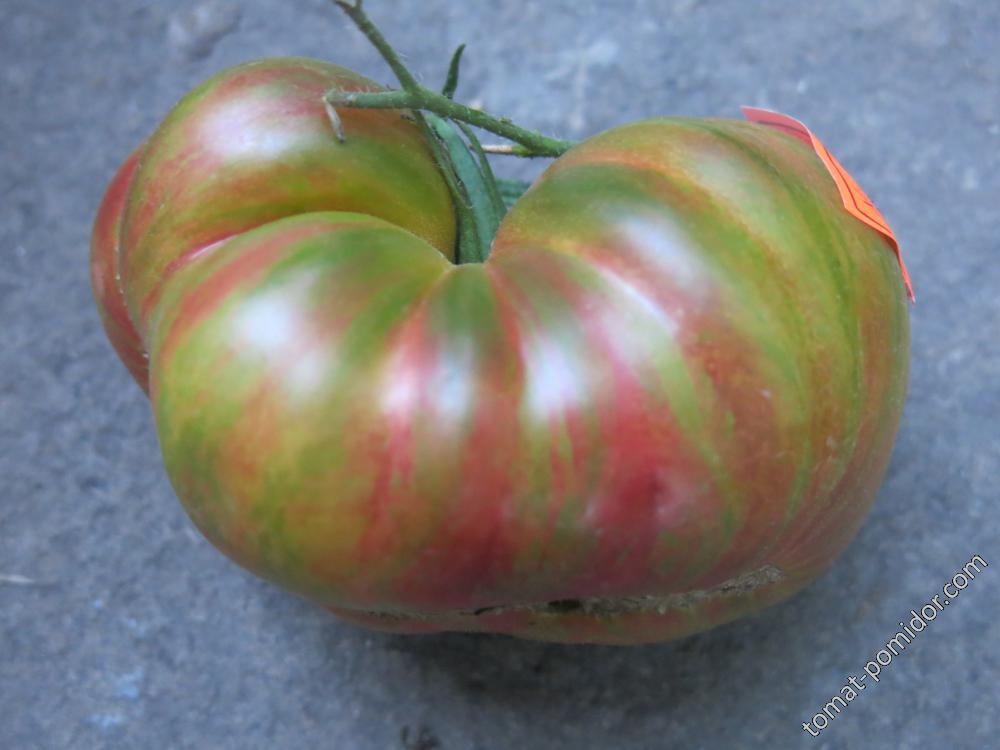
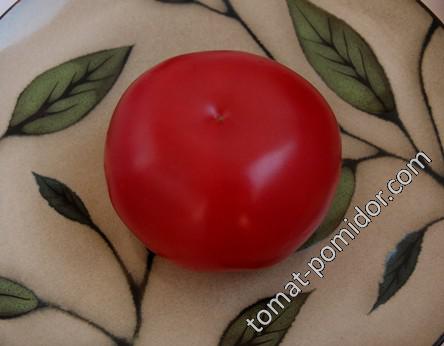
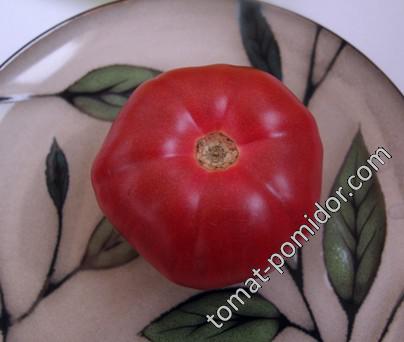
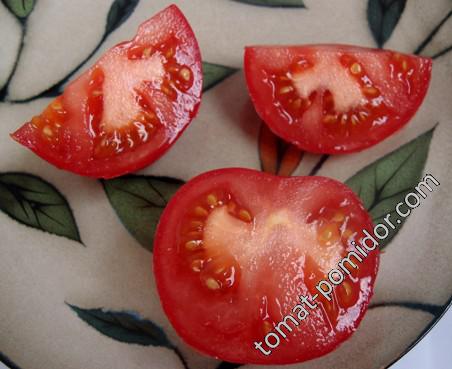
Indeterminate, mid-season salad variety. Fruit are medium-sized, round, slightly flattened globes, pink, with exceptionally clean fruit quality.
The flavor is traditional, classic old-time tomato with a pleasant, tangy acid kick. A reliable, heavy yielder that I grew right outdoors in the open ground.

Full Summary: Plant Habit, Fruit Quality & Historical Performance
- 🌿 Plant Architecture: Vigorous indeterminate vine with robust, regular foliage. Sturdy enough to thrive and set full clusters without cover in open-ground garden beds.
- 🍅 Fruit Uniformity & Size: Medium pink slicers typically weighing 6-8 oz (170-230 g). Smooth, round to slightly flattened oblate shape with thick walls and outstanding resistance to cracking and catfacing.
- 👅 Flavor Profile: Balanced, vintage tomato flavor featuring a refreshing tartness and bright acidity rather than sugary modern sweetness.
- ⏱️ Maturity & Productivity: Reliable mid-season producer (roughly 75-80 days). Outstanding cold tolerance and ability to set uniformly in exposed open-field conditions.
- 🌎 Proven Hardiness: Successfully cultivated outdoors in cold continental northern conditions (Kostroma, Russia, USDA Zone 3b/4a).
🍅 Grown Livingston’s Beauty or other 19th-century classics? How did its disease resistance and outdoor productivity compare to modern pink hybrids? Share your thoughts below!
👨🌾 Editor’s Note: Alexander Livingston & The Dawn of the Modern Tomato
Livingston’s Beauty was introduced in 1890 by Alexander W. Livingston of Buckeye Garden Seed Co. (later Livingston Seed Company) in Columbus, Ohio. Before Livingston began his systematic breeding work in the 1870s, tomatoes in North America and Europe were mostly deeply creased, hollow, and prone to rot.
Livingston set out to breed smooth, uniform, fleshy fruit that could be peeled easily and transported without bruising. Varieties like Paragon, Acme, Stone, and Beauty revolutionized the American canning industry and market gardening. It is a testament to Livingston’s rigorous selection over 130 years ago that Beauty remains a tough, dependable outdoor performer even in the short, challenging summers of the Upper Volga.