Growers’ Notes and Photos (USDA Zones 3-6 Experience)
Another grower, Marinessa, originally shared the seeds for this variety with me on the old forum. As far as I remember, the commercial seed company Aelita is the one that invented this unusual “MikadA” spelling with an ‘A’ at the end.
I grew it in my greenhouse and trained it to two stems. It has Potato Leaf (PL) foliage. It reached about 6.5 feet (2 m) tall (after that, both the growth and fruit production stopped, at least for me). It leans toward the early side for ripening. It just continuously pumps out tomatoes, ripening fruit while simultaneously putting on new blossom clusters.
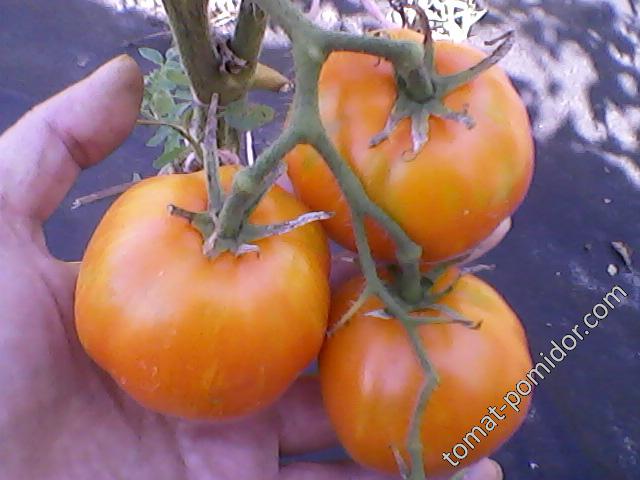
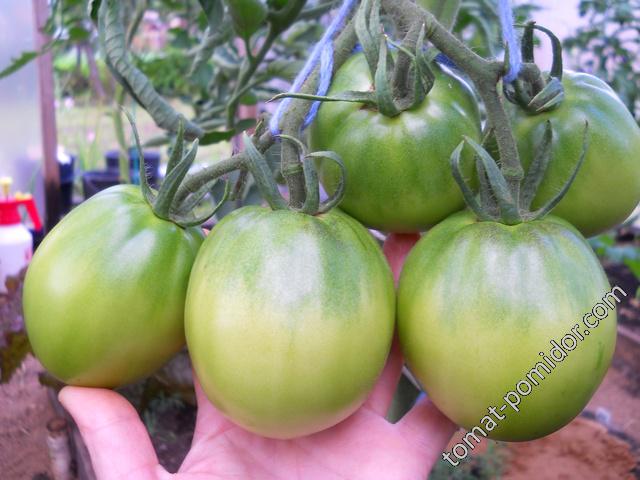
The flavor is smooth with a noticeable sweetness, but definitely not bland. The fruits are meaty but juicy and aromatic, weighing around 8.8-12.3 oz (250-350 g), though some certainly get larger. The clusters are very “sprawling” and loose, with a ton of flowers. In my opinion, it is best to prune the clusters, leaving only the first 3-4 blossoms to develop.
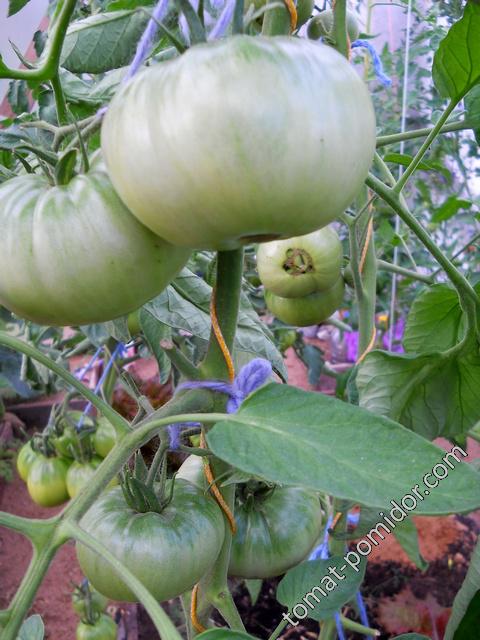
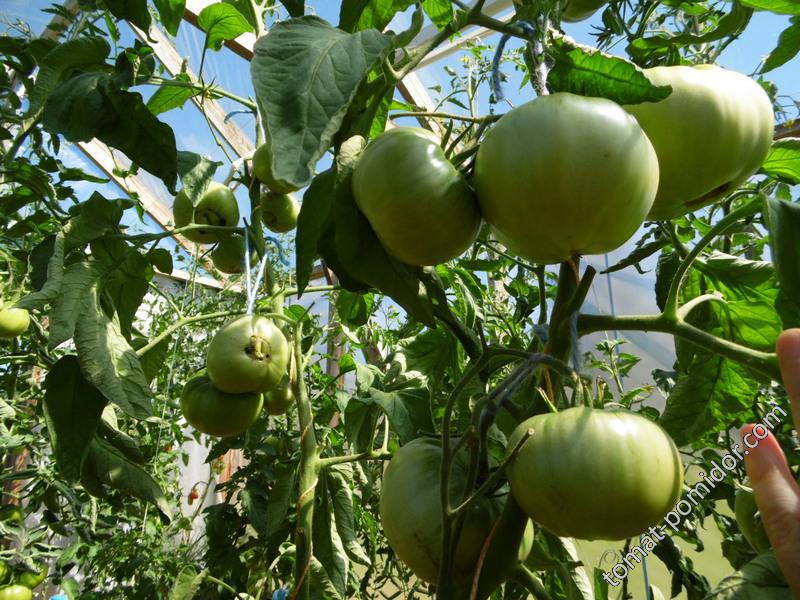
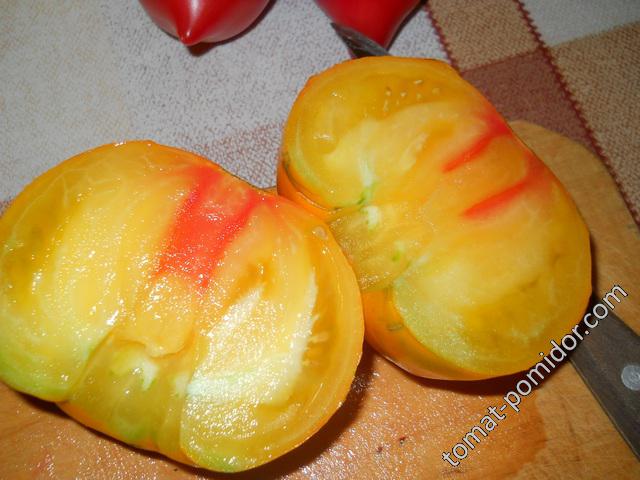
I just couldn’t pass up a thread about the Mikadas! I absolutely love this family of tomatoes. The orange one was especially delicious, definitely one of the best-tasting varieties I grew this season. Ninulia sent me the seeds. I also have Black Mikado and bought seeds for White Mikado to try next year.
Sweet, I have seeds for Yellow Mikado and Pink Mikado. Is the yellow one the same as the orange one, or are they totally different? I got my seeds from Yuliya.
Tatyana, there are so many versions of “Mikado” floating around these days, the only way to find out if they are the same is to grow them side-by-side. I actually have a late-season “Orange MikadO” with Regular Leaf (RL) foliage, and the fruits are completely different from my Potato Leaf “MikadA”.
I bet the Yellow Mikado is different from the Orange one, even though at first glance I assumed they were the same thing. And yeah, the true Mikado/Mikada lines are supposed to have Potato Leaf foliage.
Oh boy! I guess all I can do is plant them and see what actually grows, and then compare them to the pictures. I assume they are all indeterminate? I’m such a goofball, I should have just messaged Yuliya directly and asked her what I was growing!
My Orange Mikado didn’t yield very well, but the flavor was fantastic.
I got my seeds for this from Galya-64. I completely fell in love with it. It is beautiful, juicy, meaty, and highly productive! However, mine didn’t have the classic markings on the bottom, and it had Regular Leaf (RL) foliage. It only grew to about 4 feet (1.2 m) tall. Now I’m dreaming of growing every single Mikada variety out there.
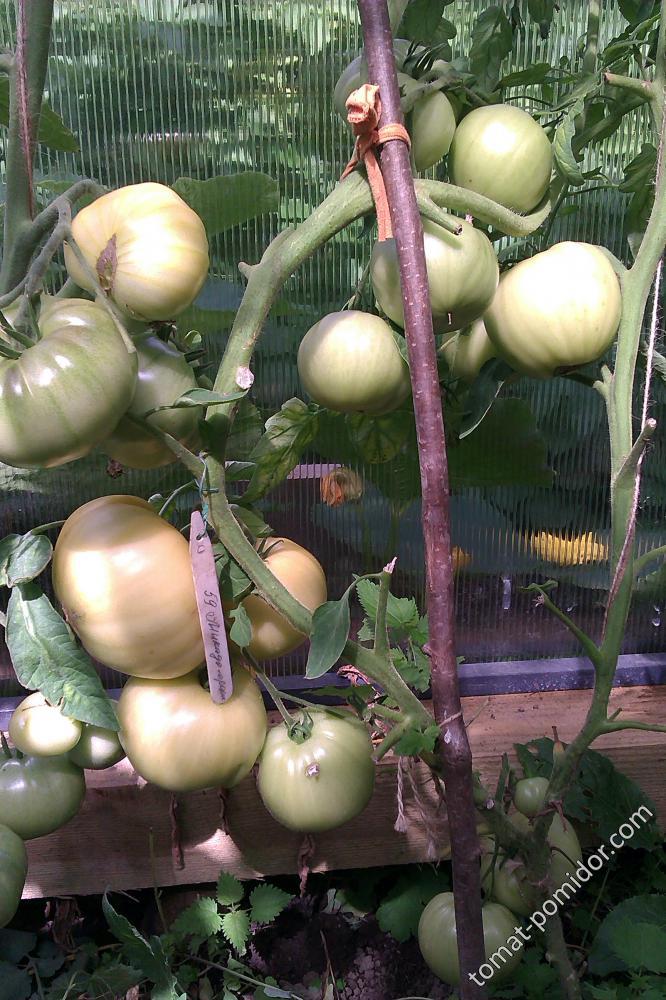
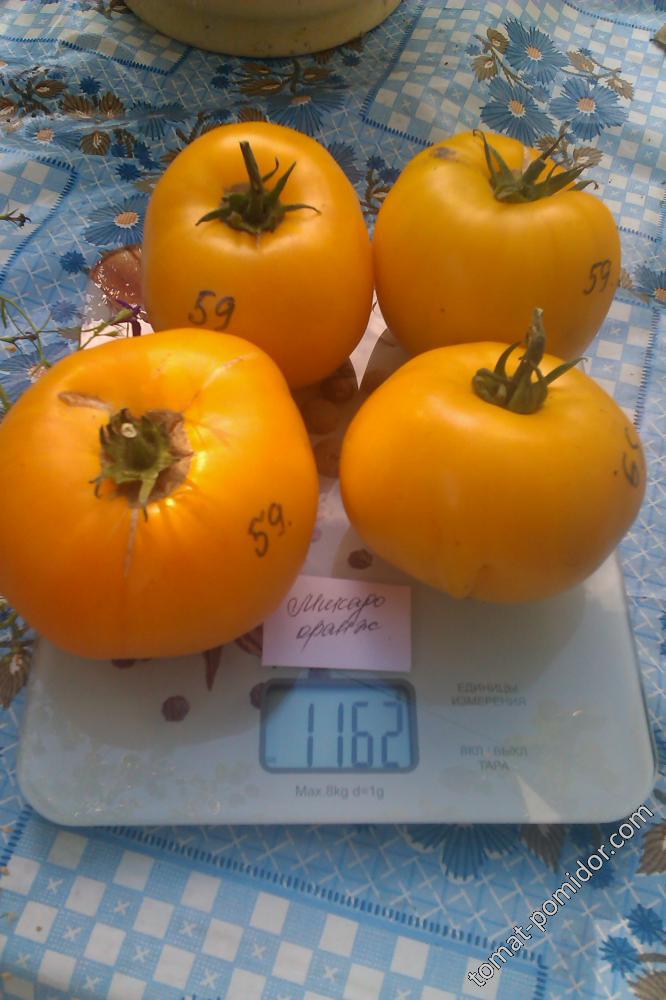
I grew Mikada Orange outdoors. I really liked the variety, it was delicious. The seedlings were very sturdy right from the start, the mature plant didn’t catch any diseases, and neither the leaves nor the fruits got sun-scalded. A huge thanks to Sweet for the seeds!
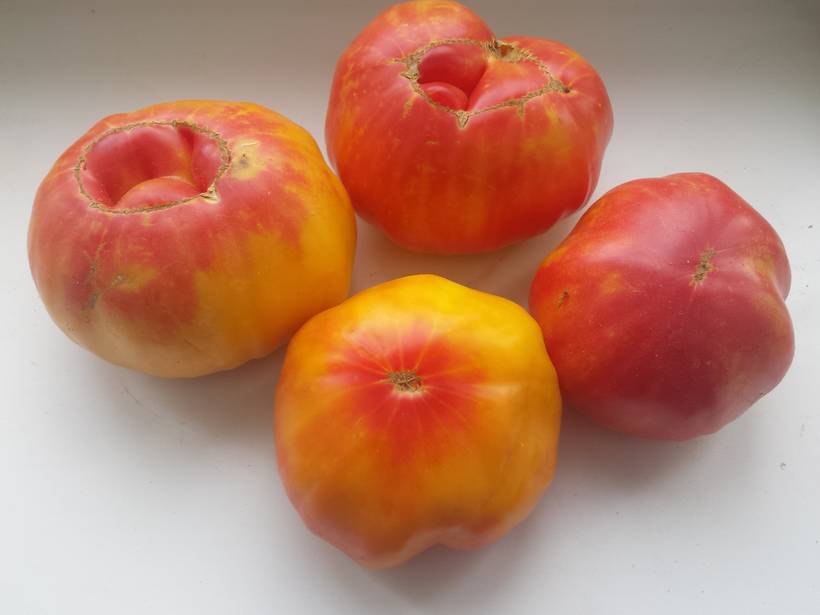
In my photo, you can see Orange Mikada next to Yellow Mikado. I definitely liked the Orange one better. The flavor is rich, not bland at all, the flesh isn’t runny, the fruit doesn’t crack, and it even stores for a little while on the counter. It was also more productive than the yellow version. My seeds came from Ninulia.
(Edit: I originally labeled them both as the same thing, assuming Mikado and Mikada were just spelling errors of the same variety, but I guess they are completely different strains due to the naming confusion!)
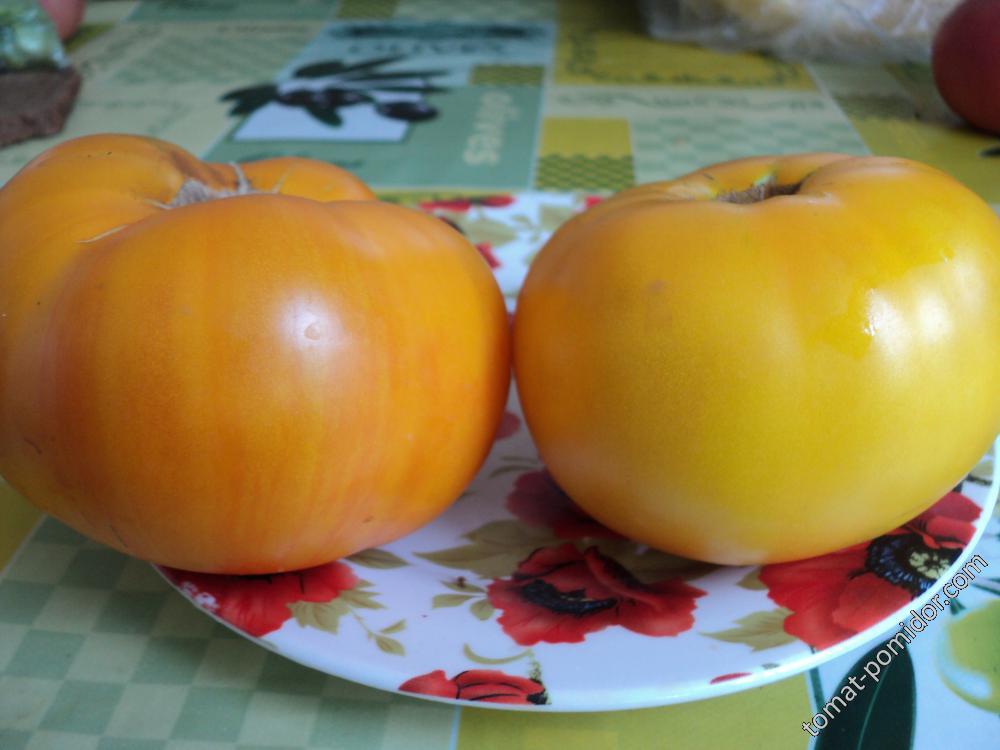
I actually grew a variety simply labeled “Orange Mikado”, but I’ll post my review in this thread anyway. In my greenhouse, it was a mid-season producer that reached a medium height of about 4 feet (1.2 m). The fruits were large, oblate, and bright orange. They were extremely tasty, meaty, sweet, and had a distinct fruity undertone. My plant had Regular Leaf (RL) foliage.
Full Summary: Mikada Orange (Mikada Oranzhevaya)
- 🌿 Plant & Foliage: The “true” heirloom version is a Potato Leaf (PL) indeterminate that reaches around 6.5 feet (2 m) tall. However, commercial seed vendors have widely distributed Regular Leaf (RL) variants under the same or similar names, which tend to be shorter, bushier plants topping out at 4 feet (1.2 m). The plants are generally robust and resistant to sun-scald.
- 🍅 Fruit & Shape: Large, oblate, bright orange tomatoes typically weighing between 8.8-12.3 oz (250-350 g). The fruit is dense, meaty, and highly crack-resistant, with enough structural integrity to allow for short-term counter storage.
- 📈 Yield & Health: Excellent production, especially on the PL strains. The plants throw out sprawling, heavy blossom clusters. Many experienced growers highly recommend pruning the clusters down to 3-4 fruits to ensure they size up properly.
- 👅 Taste: Universally praised across the board, regardless of leaf type. It delivers a rich, sweet, and fruity flavor profile with a meaty but juicy texture. It avoids the blandness that plagues some yellow/orange varieties.
The name “Mikado” is a famous, historic heirloom tomato name dating back to the 19th century, traditionally featuring Potato Leaf (PL) foliage. Over the years, Russian commercial seed giants (particularly Aelita) began releasing lines spelled “MikadA” (with an ‘A’ at the end). This sparked endless confusion, as seed packets with similar names now contain wildly different genetics. Today, if you grow a “Mikado/Mikada” and get a shorter, Regular Leaf (RL) plant, you likely have a commercial hybrid or cross rather than the original PL heirloom line—though as this thread shows, the RL variants still taste fantastic!