Growers’ Notes and Photos (USDA Zones 3-11 Experience)
Thorburn’s Terra Cotta
One of the most sensational tomatoes out there. Incredible color, aroma, and history! We’re all used to red tomatoes, and yellow ones have been in supermarkets for ages, so it was an amazing discovery to learn that a honey-brown tomato was already on the market back in the late 1800s.
This gorgeous heirloom was first introduced in 1893 in full color on the cover of the J.M. Thorburn & Company seed catalog in New York. Thorburn had access to some of the finest seed collections in the world and used those connections to offer unusual varieties nobody else in America carried. You can tell right away why this tomato stands out just by the color. Thorburn claimed it was unique in plenty of other ways too, including flavor and keeping quality, with thick skin tough enough for shipping and solid crack resistance even in the rainiest weather. The list of pros went on and on. When J.M. Thorburn & Company went bankrupt in 1921 after 119 years in business, most of their seed stock vanished. The variety was later rescued by William Woys Weaver after he received seeds from someone attending one of his lectures in the early 1990s.
Weaver writes: “Seeds for Terra Cotta entered the Roughwood Seed Collection in 1993. They came in a packet of seeds handed to me during a lecture in Salem, New Jersey. It was a gift from an elderly farmer selling off his family estate who wanted his heirlooms to find a safe new home. His gift turned out to be a treasure trove of New Jersey tomatoes that looked like they had dropped straight out of a time machine.”
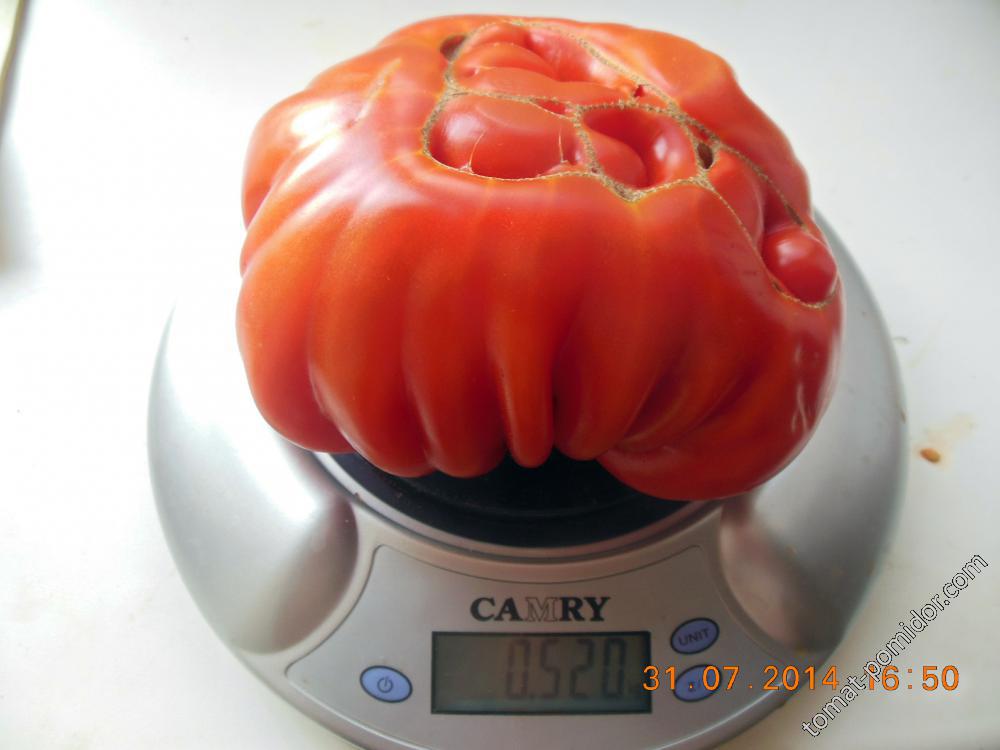
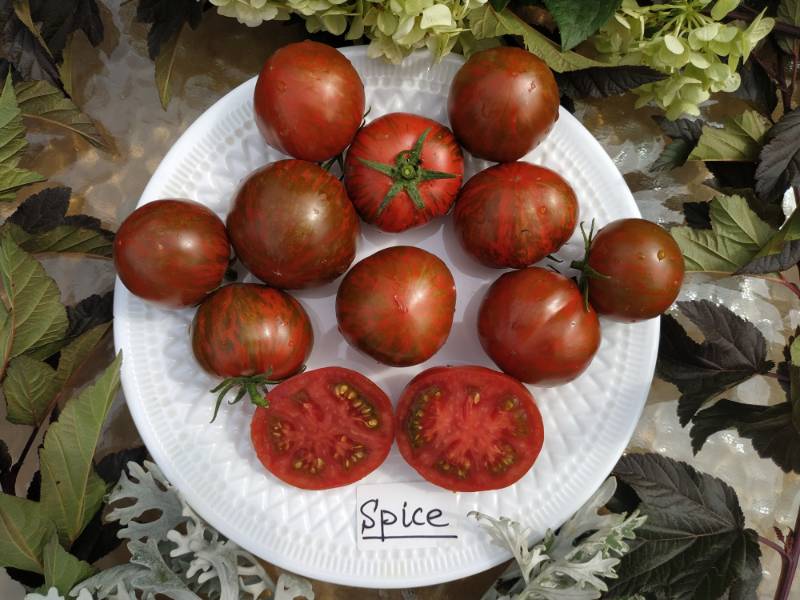
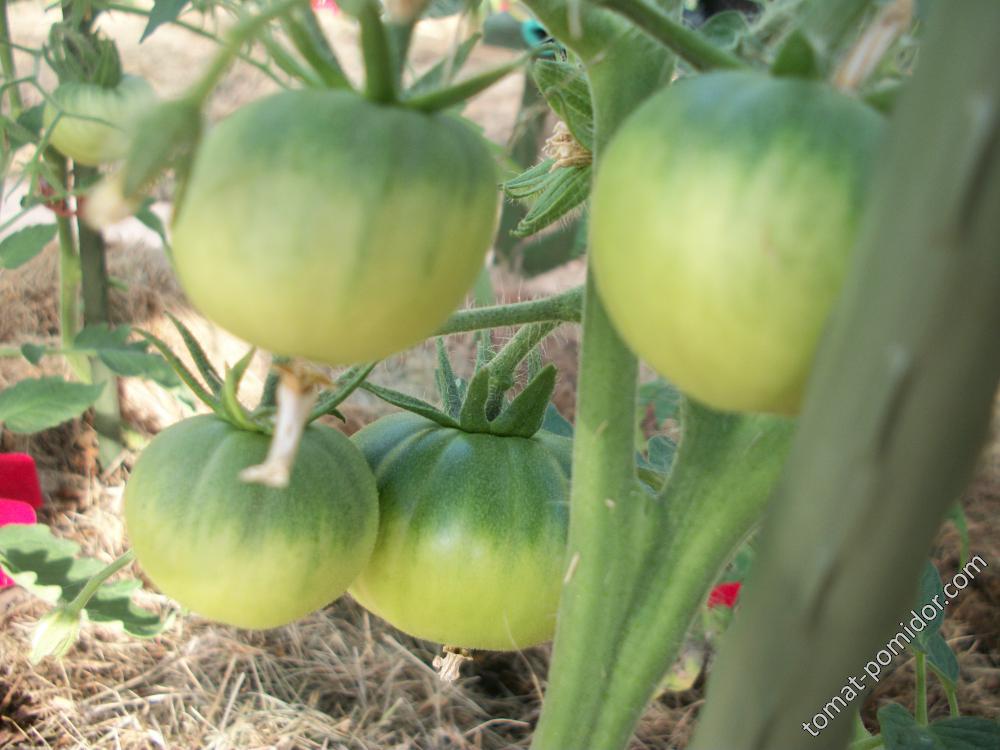
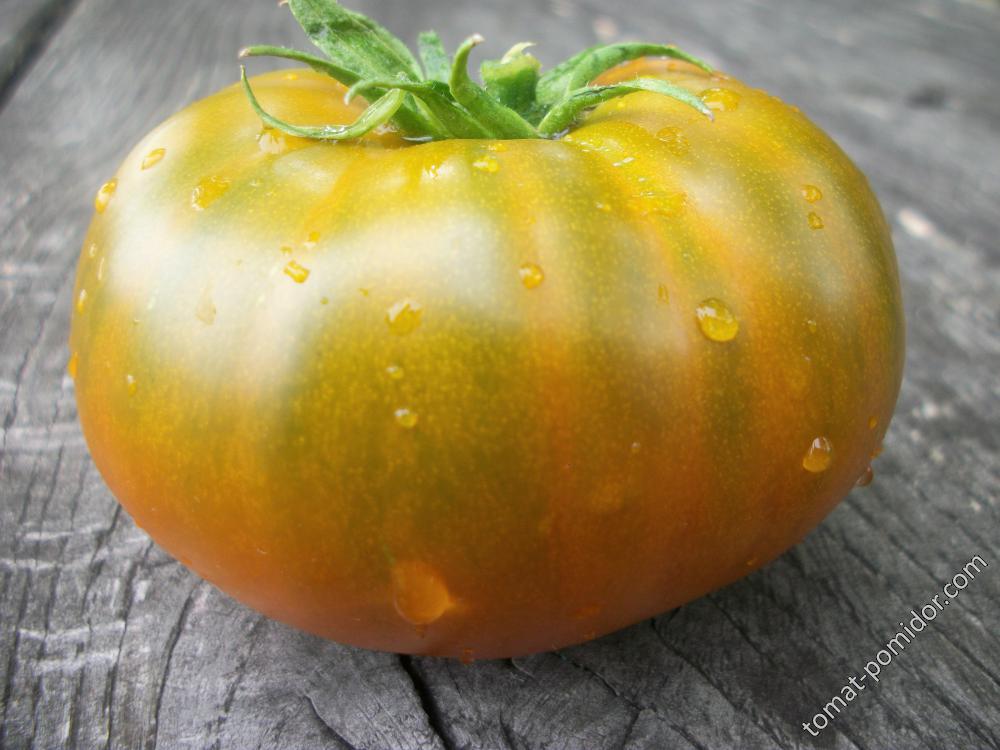
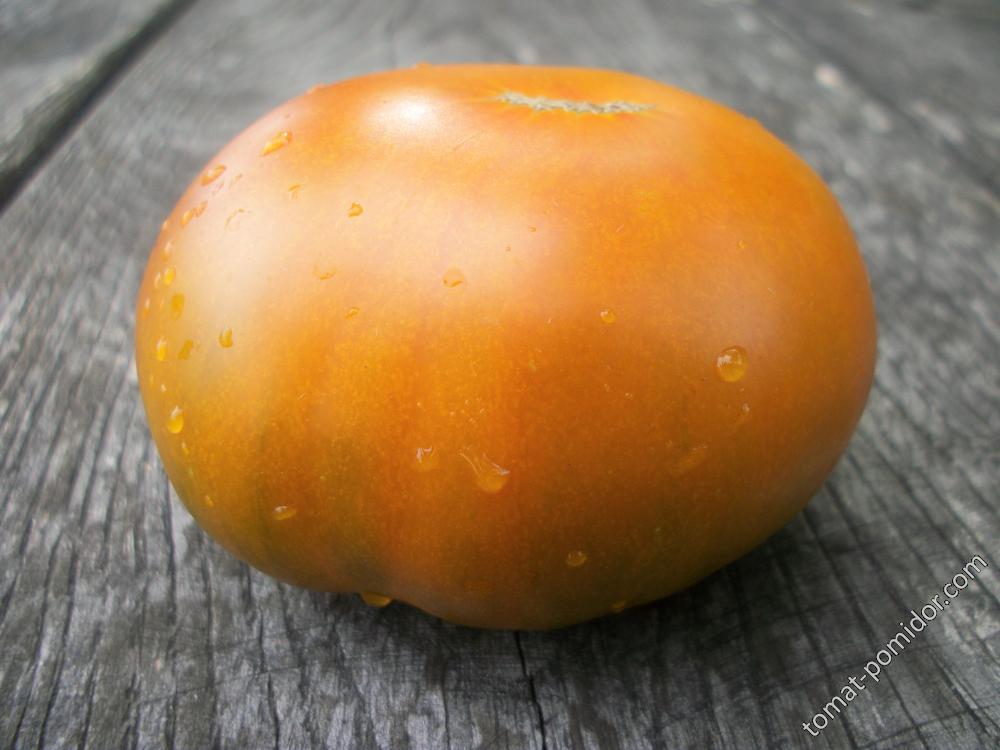
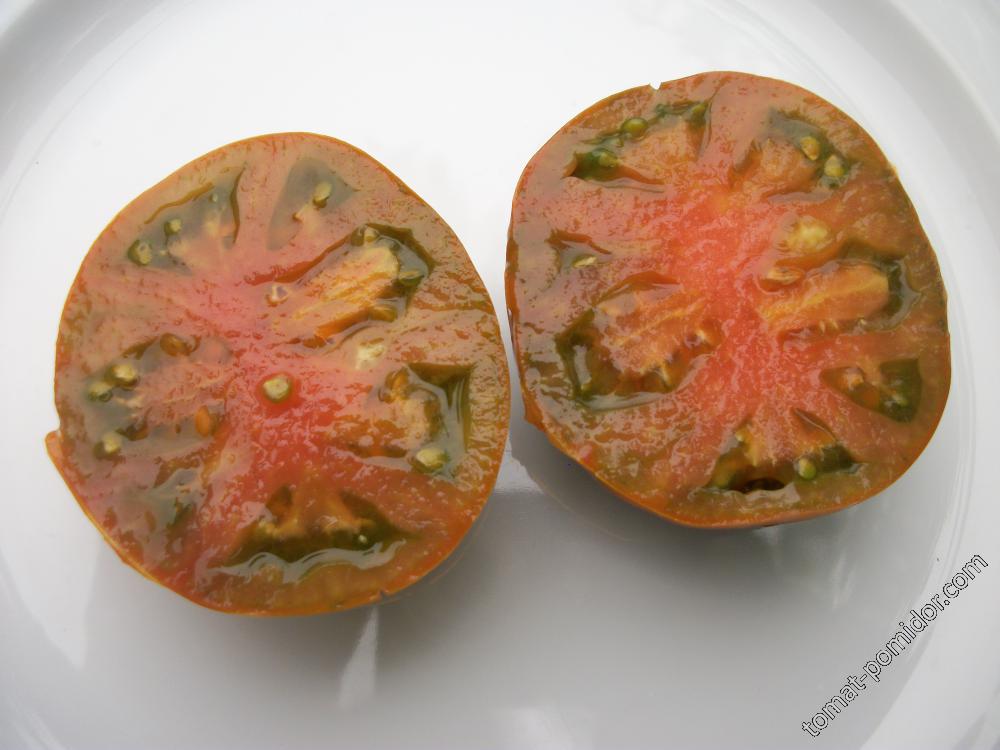
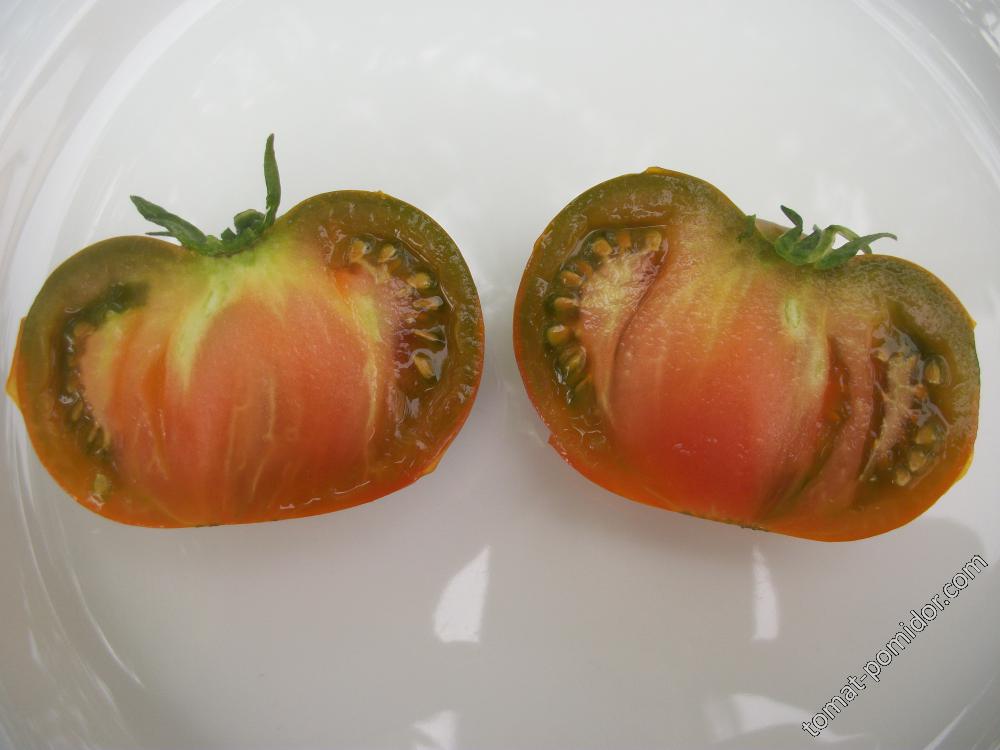
Thorburn’s Terra Cotta is a mid-season indeterminate, though it acted mid-early for me. Plants reach about 5.5 ft (1.7 m) with regular leaves. Fruit is oblate, an unusual honey-terracotta shade with green shoulders, pinkish-orange flesh, and green seed gel. That resemblance to clay pots is how it got its name. Long harvest window, and it was one of the very first tomatoes to ripen in my greenhouse. Flavor didn’t blow me away though. It was billed as rich and sweet, and all summer I kept waiting for that bold tomato punch and great aftertaste, but no luck, just disappointment. Meanwhile, everyone else who grew Thorburn’s Terra Cotta raved about how delicious it was. Only after reading Weaver’s note did it click for me: “I write this with one caveat: flavor varies wildly from fruit to fruit. Some are tart, great for salsa; others are fruity, almost like Brandywine. One of our next steps is to grow out a big patch of Terra Cotta and select for flavor.” So it’s definitely worth growing this beauty to select for a sweet, tasty line, not just a pretty tomato.
Julia, thanks for such a detailed write-up on this one. It’s already on my grow list for next year, makes me even more curious to see how it turns out.
It’s already on my grow list for next year, makes me even more curious to see how it turns out.
Julia, mind sharing how it did for you, is it worth a spot? How was the taste? Seed-starting time is right around the corner and I’m finalizing my shortlist. Came across these seeds and now I’m on the fence!
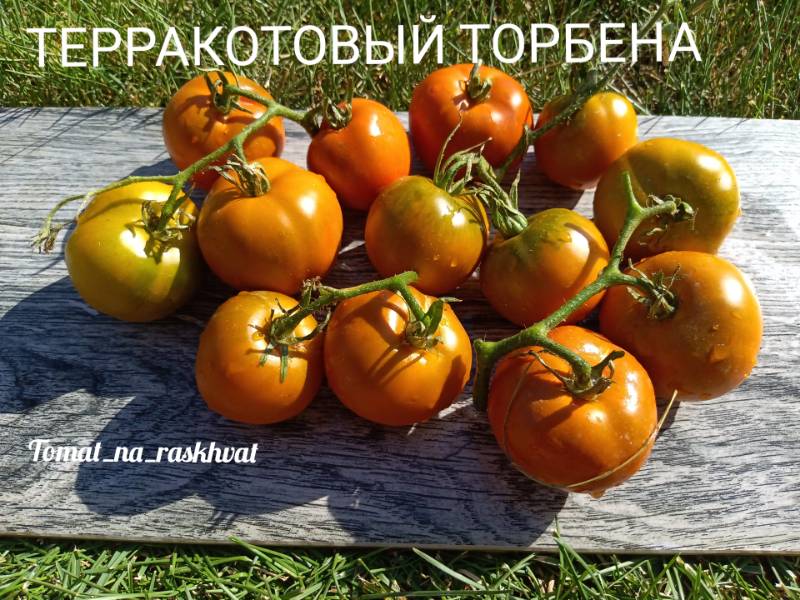
Absolute stunner! Unbelievably gorgeous color, total workhorse, juicy and delicious!
Huge shoutout to Marina Grig 🙏
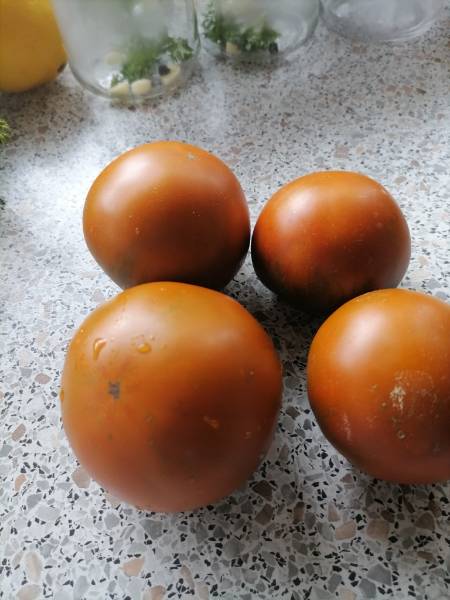
Really nice, mildly sweet flavor! Every tomato came out super uniform and pretty.
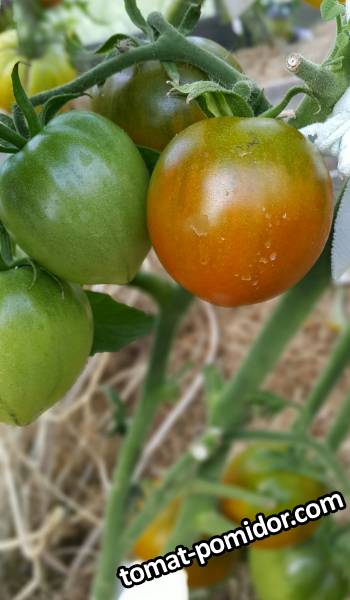
What’s the average fruit weight?
What’s the average fruit weight?
Mine ran about 3.5-5 oz (100-150 g), no bigger, all pretty uniform with no flattened or oversized ones. Then again, we had a brutal heatwave this summer, and my greenhouse was an oven.
Absolute stunner! Unbelievably gorgeous color, total workhorse, juicy and delicious!
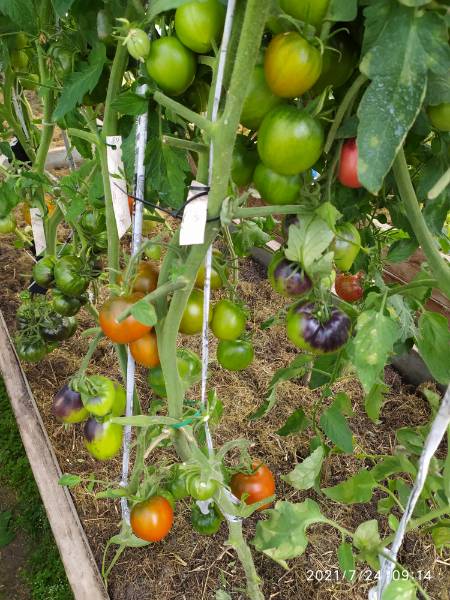
Started from seed in late March and began ripening mid-July. Holds up great in rough weather, resisted leaf mold longer than most, zero cracking, and stored well. Slender vine reaching 5.5-6 ft (1.7-1.8 m), trained to 2 stems, though it can easily handle more.
Really pretty too, uniform, evenly sized globes in such an unusual color. Thanks, Marina Grig!
Edited November 26, 2021 by Mama Antona
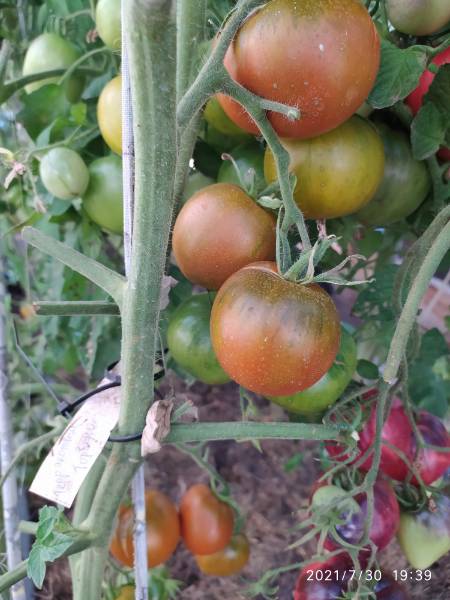
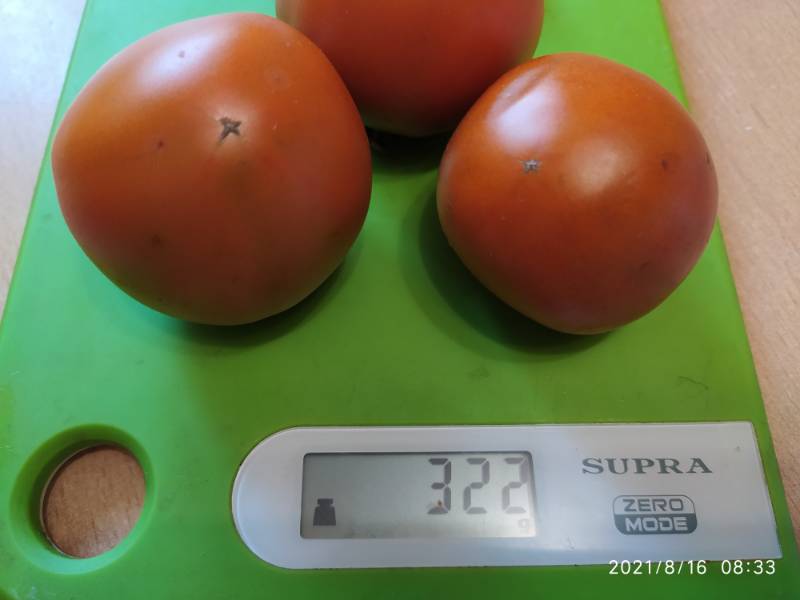
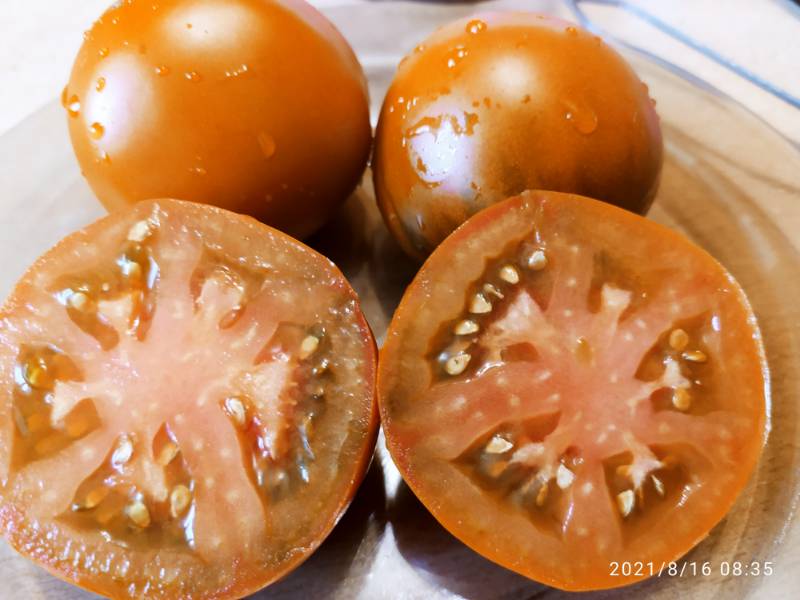
Julia, thanks for such a detailed write-up on this one. It’s already on my grow list for next year, makes me even more curious to see how it turns out.
Hey Julia! Just wondering how this one turned out for you, did you end up growing it?
Hasn’t impressed me yet. My plant barely hit 3.5 ft (1 m), tomatoes ran small, and the flavor was kinda flat. Guess I just haven’t figured out what it wants yet. Still undecided if I’ll give it another shot.
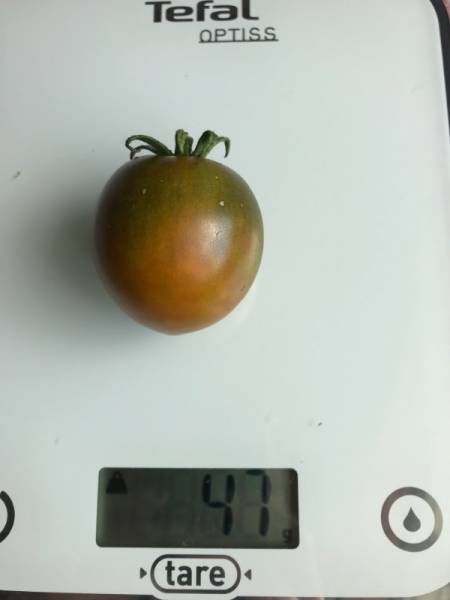
Full Summary: Plant, Yield, Taste and Storage
- 🌿 Plant & History: Mid-early to mid-season regular-leaf indeterminate, typically growing 5.5-6 ft (1.7-1.8 m) with a slender habit suited to 2 or more stems (though one grower saw a stunted ~3.5 ft / 1 m plant). Originally released in 1893 by J.M. Thorburn & Co. and preserved by William Woys Weaver in 1993. Produces uniform 3.5-5 oz (100-150 g) honey-terracotta fruits with green shoulders, pinkish-orange flesh, and green seed gel.
- 📈 Yield & Disease Tolerance: Heavy producer (“workhorse”) for Siberian growers even in tough weather and extreme greenhouse heat, with strong resistance to cracking and late-season leaf mold.
- 👅 Taste: Mostly praised as juicy, mildly sweet, and delicious, though Tiffany and Natalya79 found their fruits flat/underwhelming (consistent with Weaver’s own note that flavor can vary between seed lines).
- 📦 Storage: Very good keeper with thick skin and zero cracking reported.
- 🌎 Who Reviewed It: Ten growers across USDA Zones 3-6 (Siberia and European Russia) and Zone 11 (Spain).