📌 Quick Summary (TL;DR): White Queen
- 🌍 Origin: A classic white heirloom beefsteak variety, highly debated among tomato collectors for its unique flavor profile.
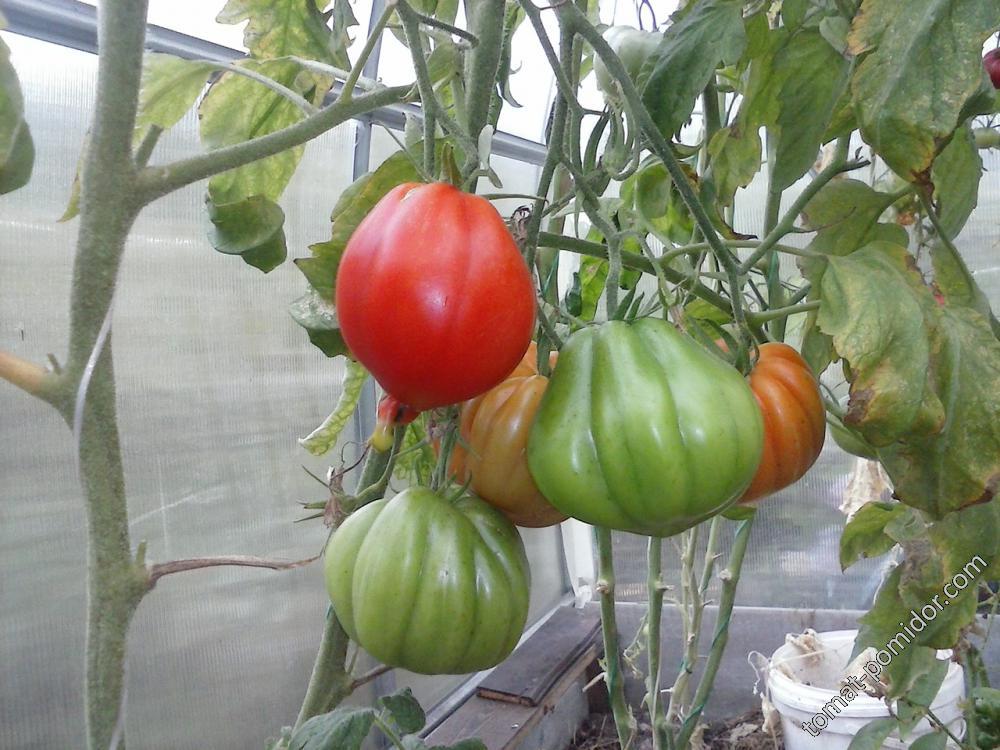
- 🌿 Plant Habit: Indeterminate, typically reaching 5.2 – 6.5 ft (1.6 – 2.0 m). The plant is described as sturdy and “well-behaved” (not overly aggressive with suckers).
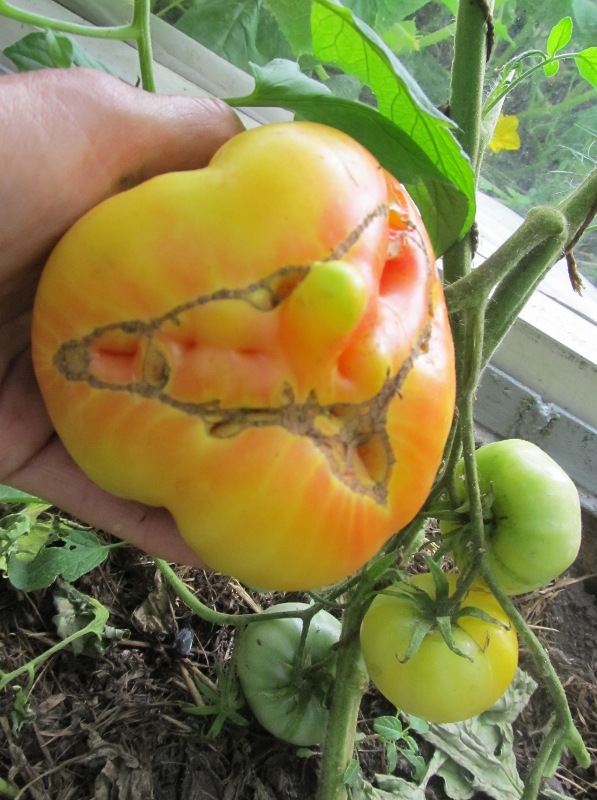
- 🍅 Fruit Characteristics: Large oblate beefsteaks ranging from 10 to 21 oz (300-600g). They ripen to an ivory white/pale yellow color.
- 👅 Flavor Debate: Very polarizing! Because it is an extremely low-acid tomato, some growers find it buttery, sweet, and delicious. Others call it completely bland, tasteless, or like “sugar water”. Pro Tip: It is highly recommended for people with stomach acidity or kidney issues who cannot eat standard red tomatoes.
- ⏳ Yield & Growing Traits: A mid-to-late or late-season ripener. It sets fruit reliably without dropping blossoms, but requires patience for the main harvest. Adding extra potassium to the planting hole is recommended to boost the flavor of white varieties.
Grew outdoors in open ground. Large fruits, from 10 to 21 oz (300 to 600 grams). Bush height — I can’t really say, because I topped/pruned them heavily. My photos didn’t turn out great, but the tomato is very beautiful, large, and the taste is not bad.
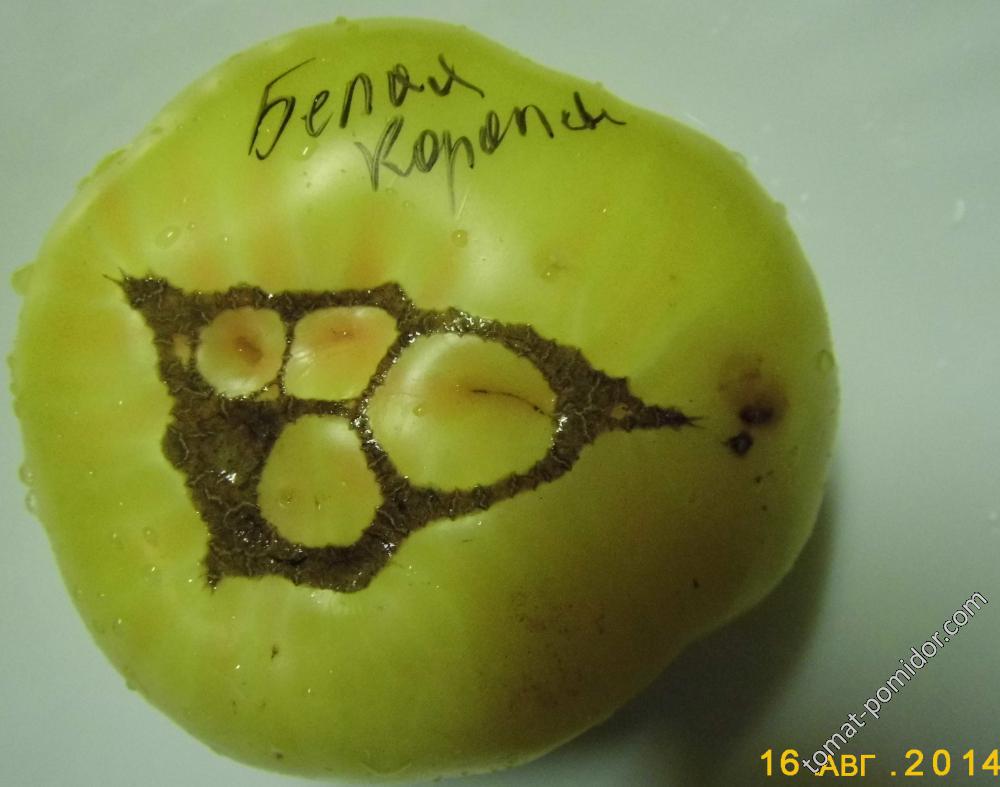
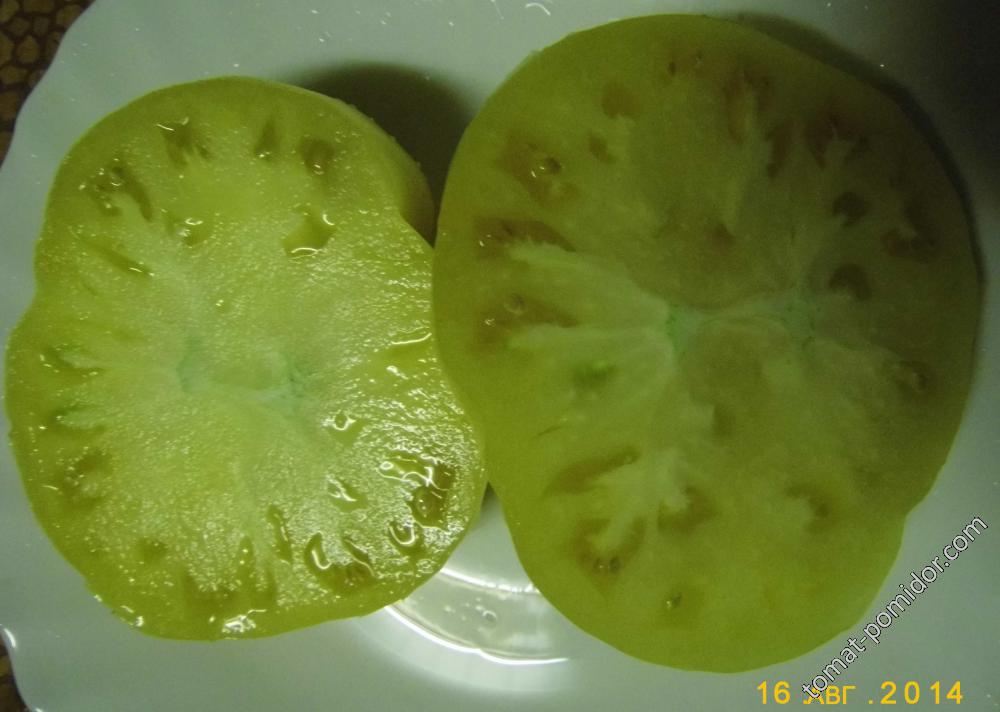
I also really loved the “White Queen” variety. Height 6 ft (1.8 m), powerful bush, oblate beefsteak fruits, large and very tasty. 🙂 The variety is a heavy yielder.
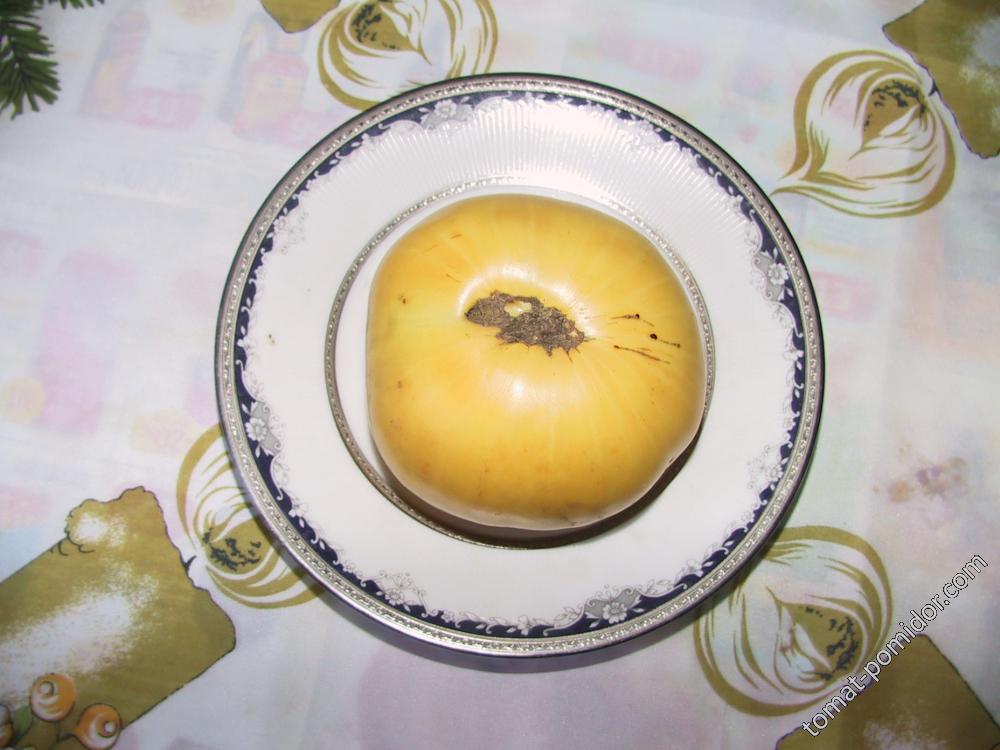
Oh, girls, thanks for the info 🌺. I have a major weakness for white and green varieties, and I’ve been trying to choose which white one to plant 😛. Thanks to your reviews, I’m definitely planting her, the Queen 😘.
From my 2011 grow report:
White Queen
Bush height as of August 1st: 6.5 ft (2.0 m)
Yield per bush: 11.9 lbs (5.4 kg) — this is a lot, my standard is 6.6 lbs (3.0 kg)/bush.
Maximum fruit weight: 12.5 oz (356 g)
Taste rating: 3.5 out of 5, white fruit.
Soil — sandy; late variety, the main harvest was in late August and September.
For those who aren’t tired of white and green tomatoes yet, the flavor can be very pleasant, but it’s not a classic “tomato” flavor. An acquaintance of mine, who is not a gardener at all, was absolutely thrilled with the taste.
I had such high hopes for this fruit 😳, but the taste turned out to be absolutely NOTHING (bland) 😛 😛 😞 😞 😞
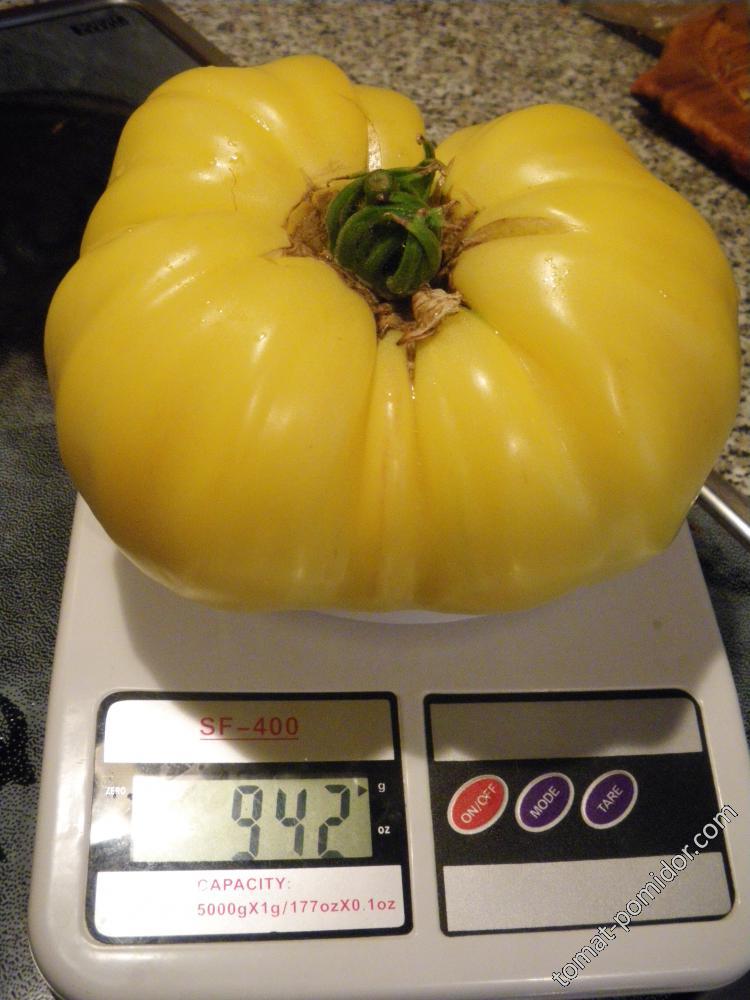
I grew White Queen (seeds from Popenko) last year. I’ve finally decided that white-fruited tomatoes are just not for me — they taste like sugar water.
The one in the photo is probably the smallest of my “Queens”; I had ones nearing 10.5 oz (300g), but they were significantly uglier and unpresentable.
Edited March 12, 2019 by Pomidoroved
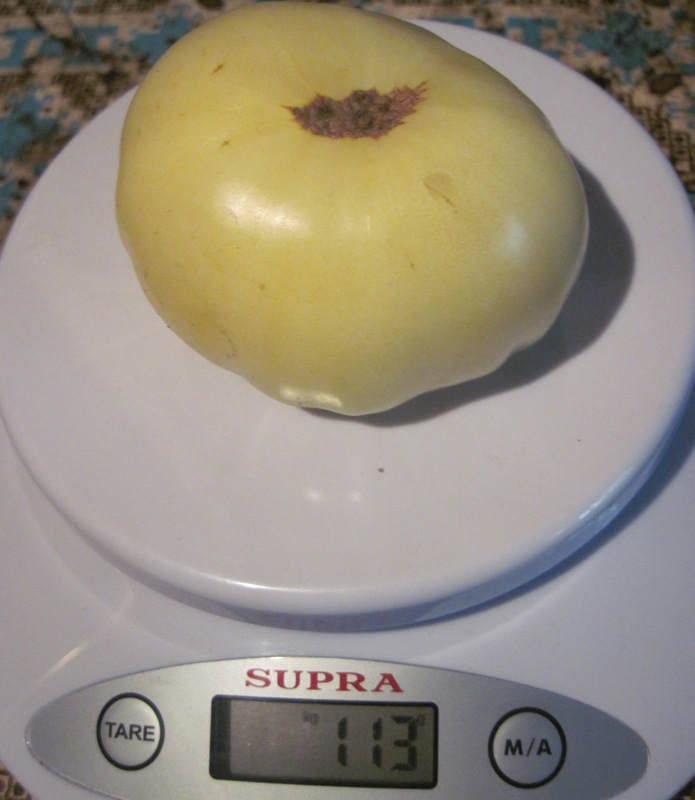
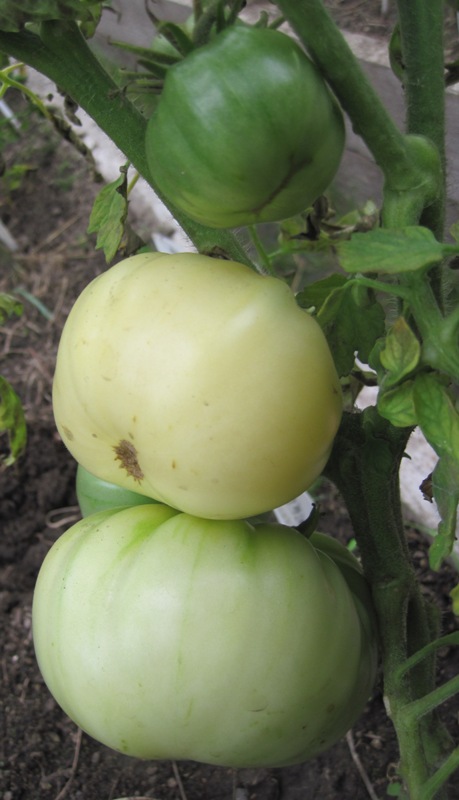
I planted White Queen this year. The first fruits were bland, almost tasteless, but large. It’s a late variety, started ripening in August, and gave its main crop in late August/September. The fruits were large, and by September, they became sweet and tasty. I didn’t even expect it; I thought this variety was a lost cause.
Yellow-fruited and white-fruited tomatoes are for people with high stomach acidity, as well as those with kidney or stomach diseases.
I really loved the variety. Heavy yielder, delicious, buttery sweet 😋 👍. Not bland at all. Up to 9 tomatoes in a truss. There were no small runts.
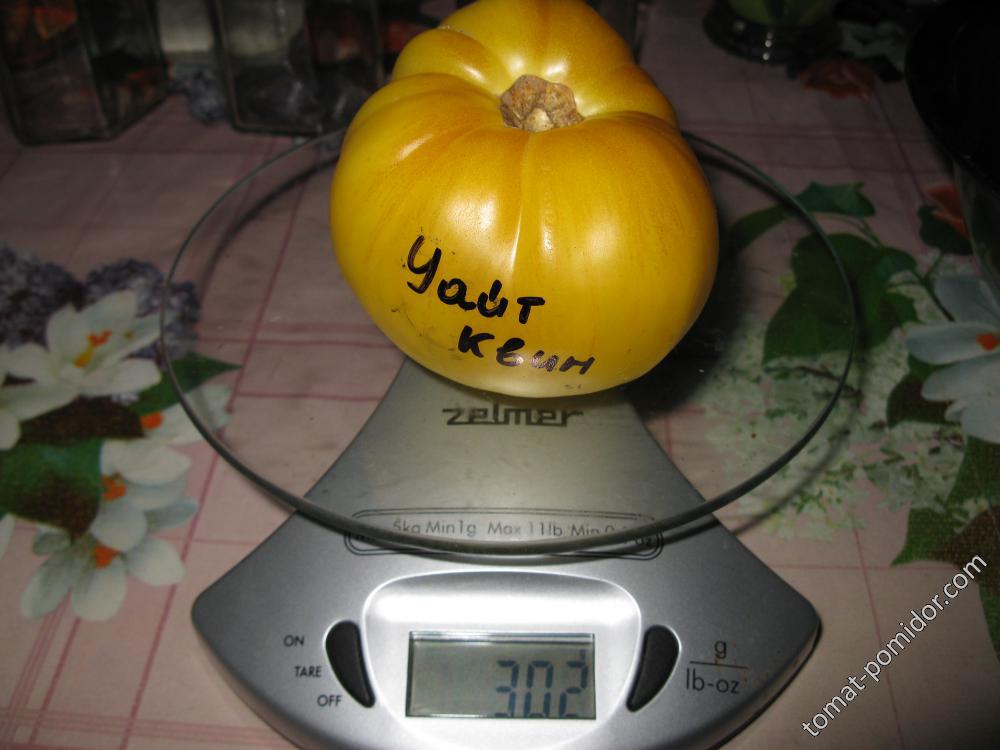
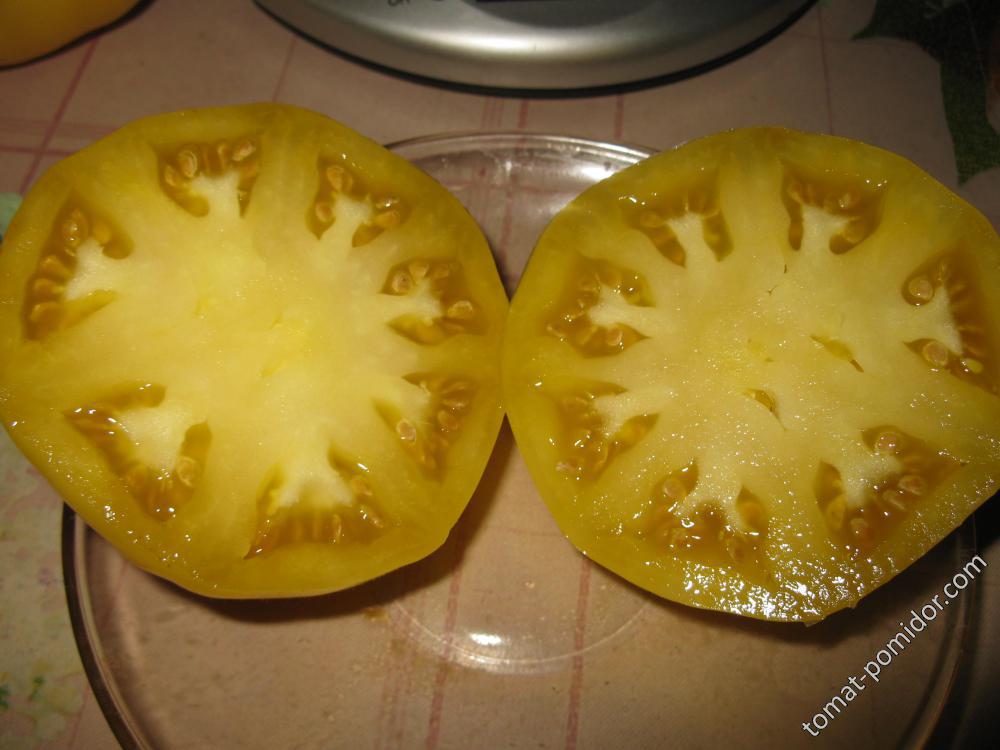
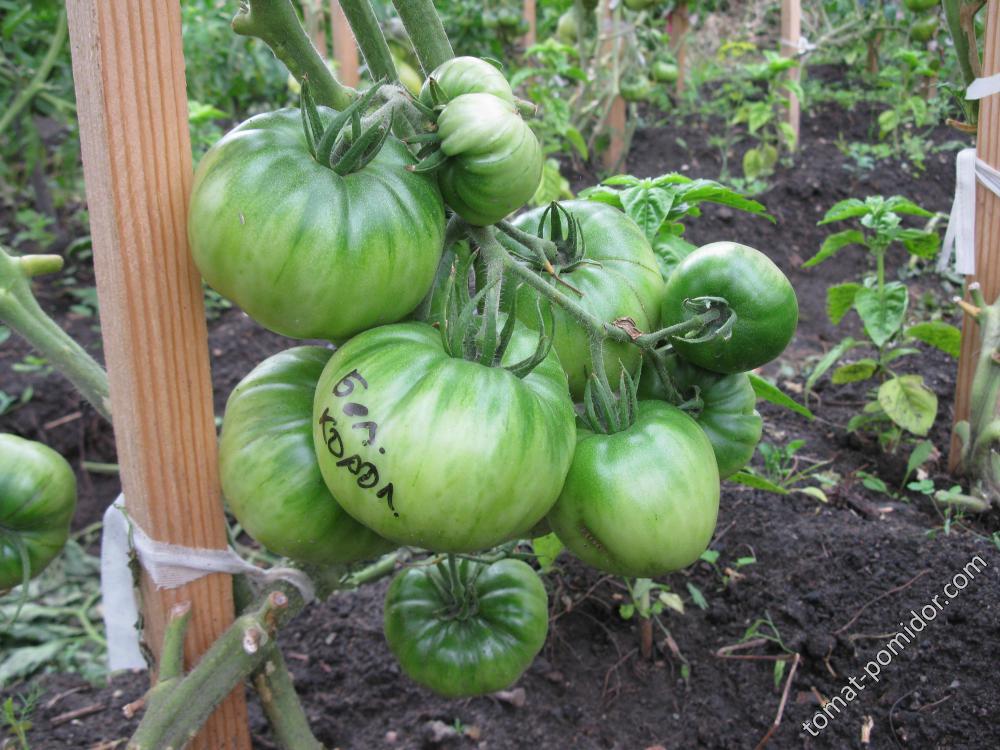
I really liked the taste, I will definitely plant it again. All the fruits were almost identical in weight, but there weren’t many of them.
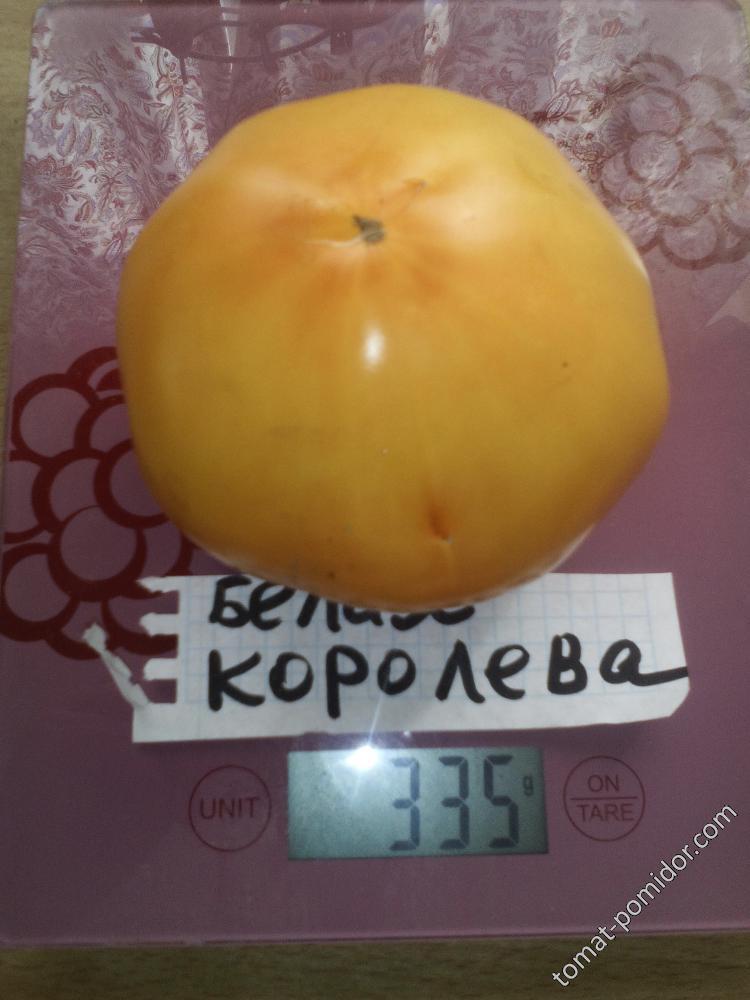
Interesting variety. The fruits were almost pure white. Very tasty, juicy, sweet, and beautiful. The variety turned out to be a late-season ripener for me.
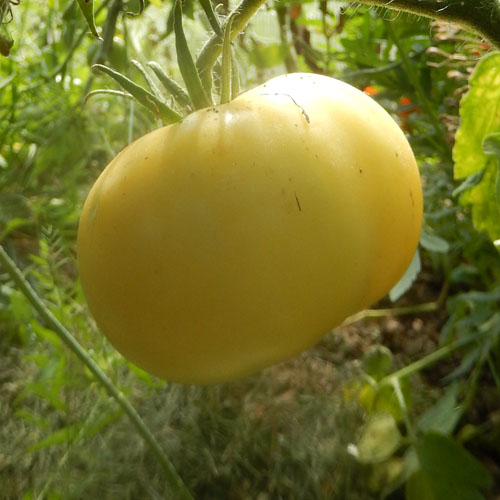
I’ll say this in defense of White Queen: the vine-ripened tomatoes were delicious, it’s a very prolific variety, and of course, beautiful! Grew in the greenhouse, height was 5.2 ft (1.6 m). It was a mid-season ripener for me. As recommended for white-fruited varieties, I added a tablespoon of potassium fertilizer into the planting hole.
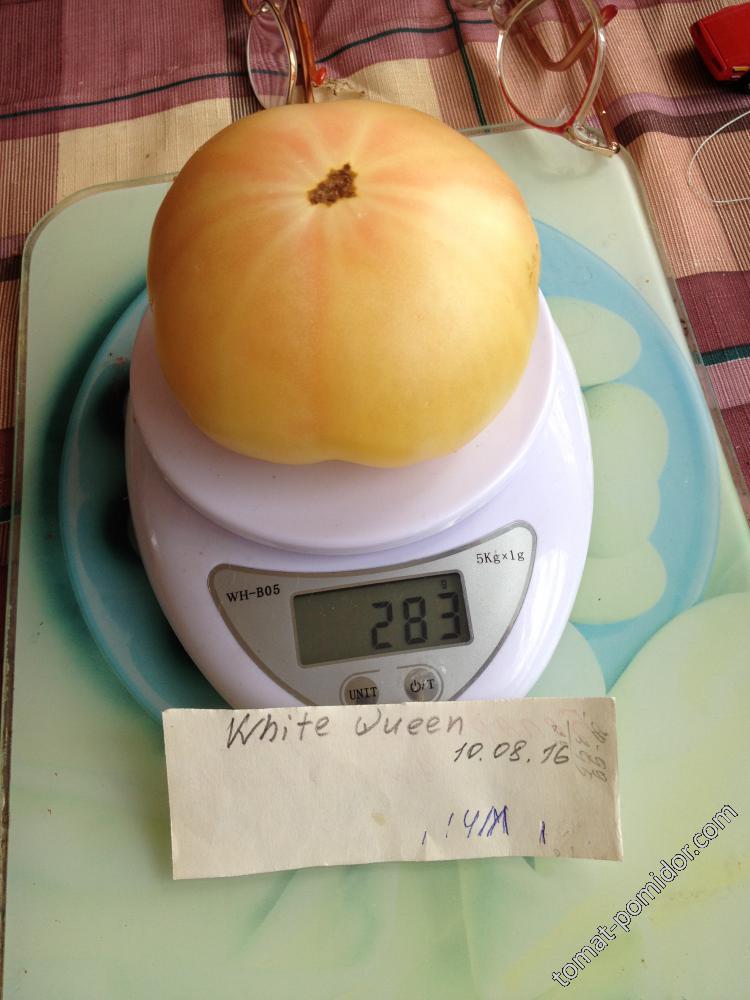
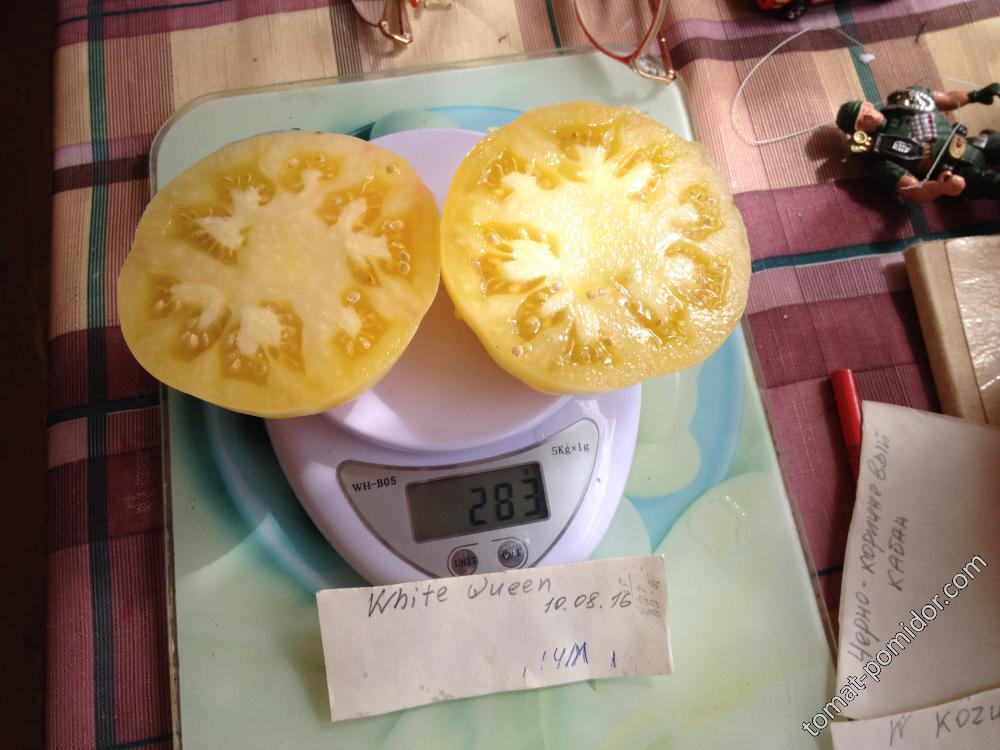
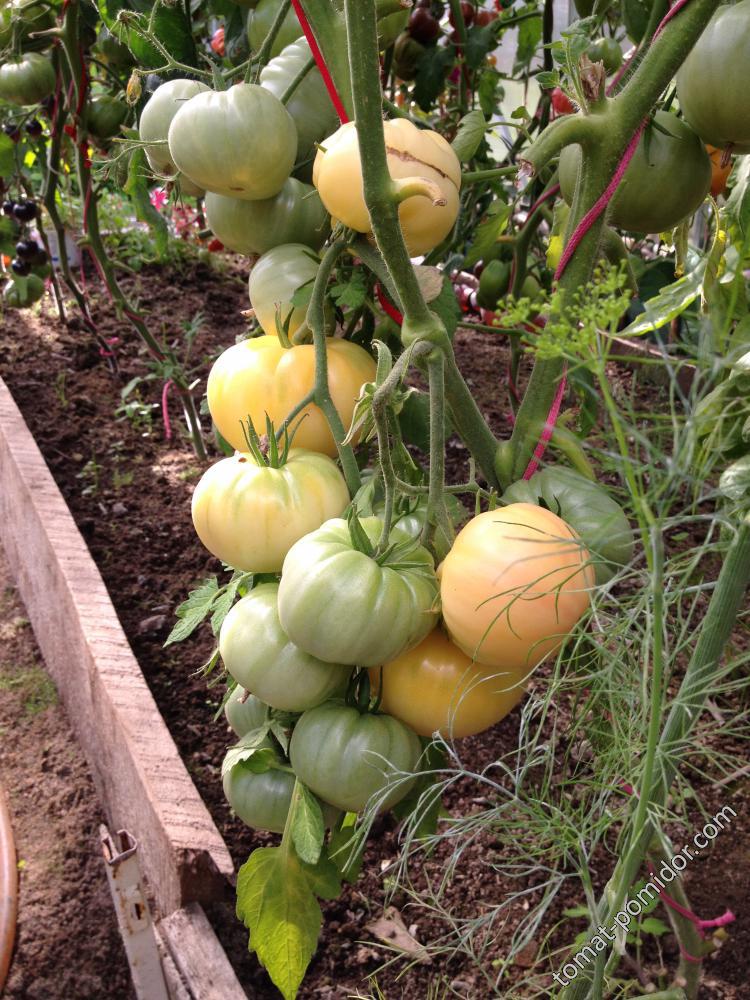
Heavy yielder, mine was very juicy, practically no acid, delicious in salads. It’s the second one in the photo.
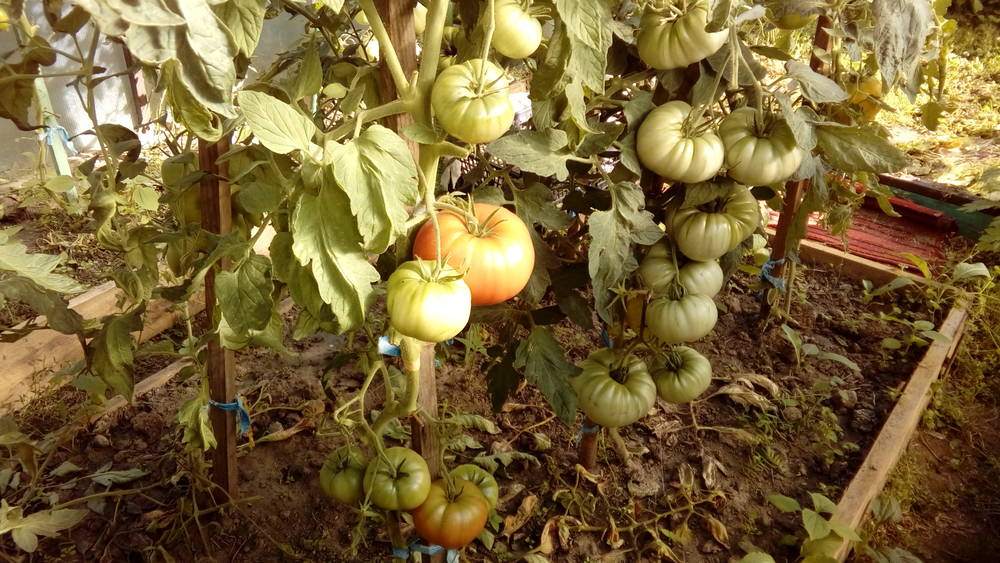
For a white-fruited tomato, the taste is quite decent. Average yield, but the fruits are large.
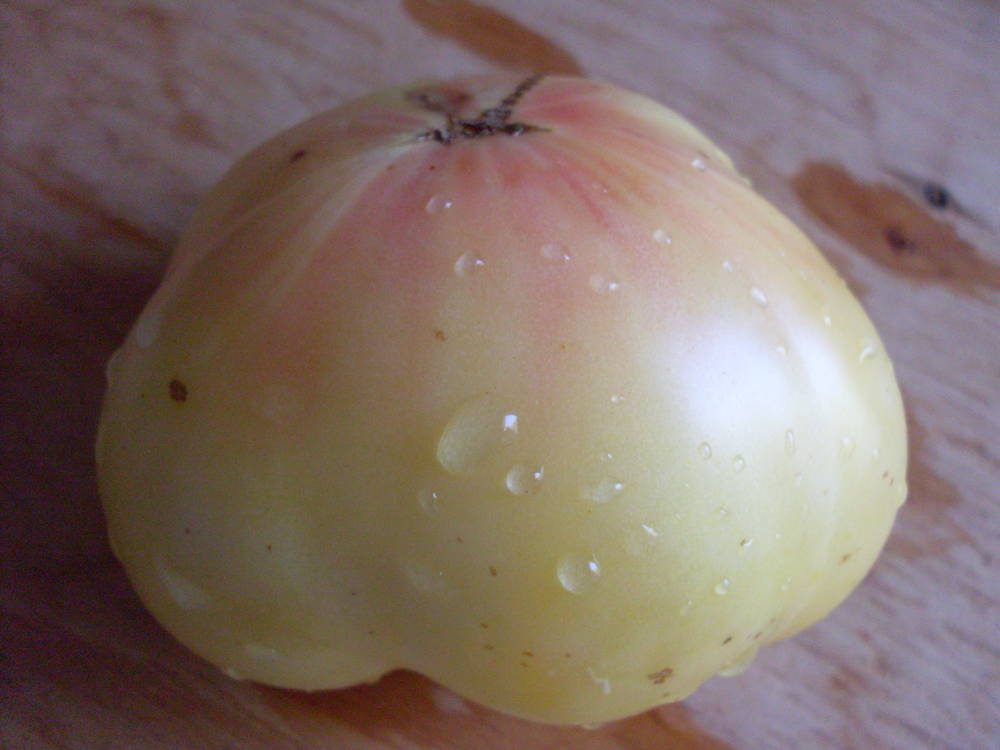
Planted in 2018. Seeds were from Olya (Zolushka).
Yield was average, plant height was about 6 ft (1.8 m), maturity – mid-season. Good tomato flavor. Great in salads.
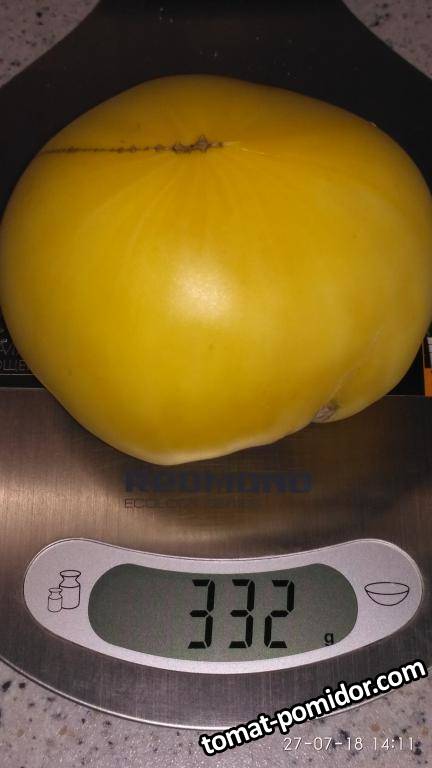
Repeated this beautiful and prolific variety; the original seeds were from Galochka-Esme. Large fruits, delicate flavor. Indet, grew in the greenhouse to 2 stems.
Edited September 4, 2019 by Svetikk
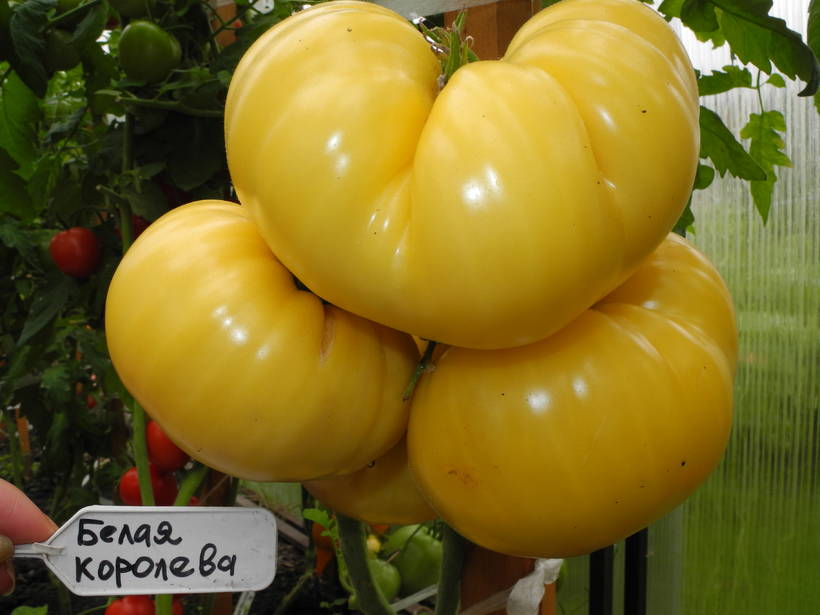
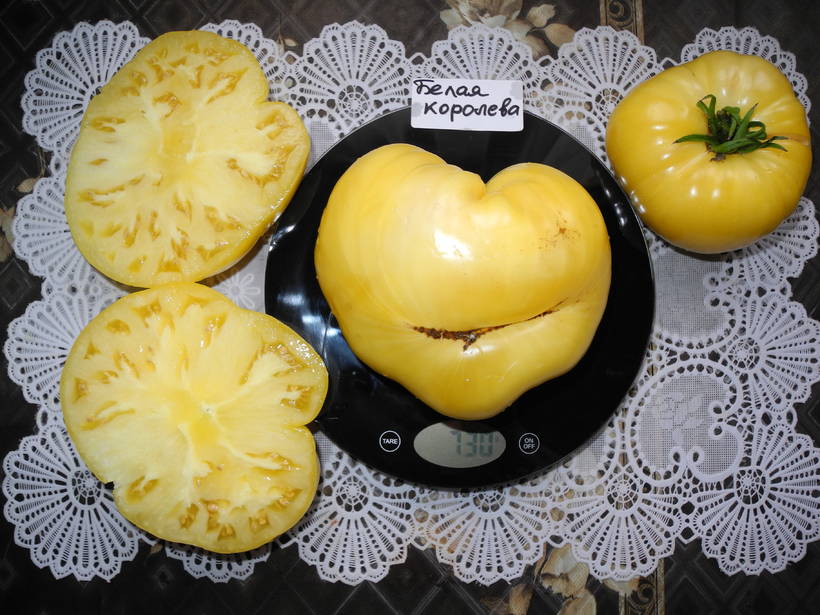
Planted it for the first time this year in 2020. I was even surprised that the bush had white flowers! Well, here is what grew for me.
I grew White Queen during this super hot year. The bush is sturdy, not overly aggressive (well-behaved), and set fruit perfectly without dropping blossoms. Regarding maturity, it leans closer to late-season; I picked all the fruits in September. The fruits are an amazing white color, with almost no yellowing. The flavor is very harmonious and rich. It’s a very prolific and beautiful variety. My soil is heavy loam amended with rabbit manure.