📌 Quick Summary (TL;DR): Zinulya
- 🌍 Origin: A very popular early-season commercial variety, originating from Ukraine (often sold by GL Seeds as “Zinulya-2”). It performs exceptionally well in northern climates with short, cool summers.
- 🌿 Plant Habit: Determinate (bush). Compact, usually staying around 20-40 inches (50-100 cm) tall. It requires very minimal pruning (usually just removing suckers below the first truss) to maximize early yields.
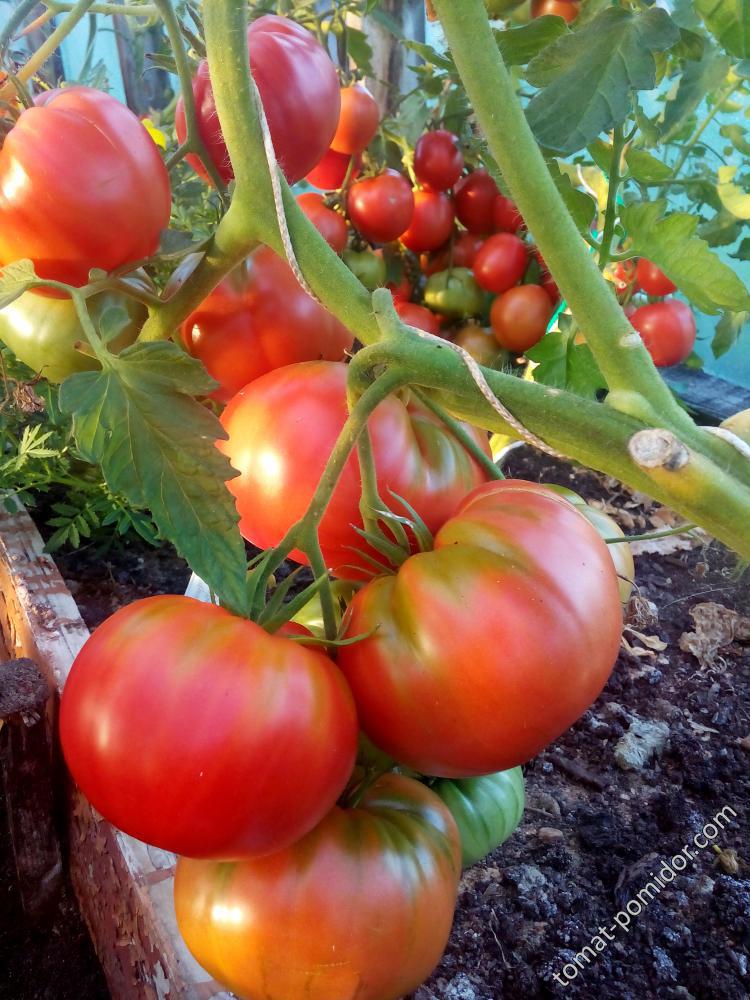
- 🍅 Fruit Characteristics: Pearlescent pink, oblate (flat-round) fruits, often with a tiny, sharp point (nipple) on the blossom end. They typically weigh 5.3-10.5 oz (150-300 g), though heavily pruned plants can push fruits over 14 oz (400 g). Warning: The delicate skin is highly prone to cracking/splitting after heavy rains or temperature swings.
- 👅 Flavor: Sweet, juicy, with a very slight acidity. Excellent for early fresh eating, salads, and canning.
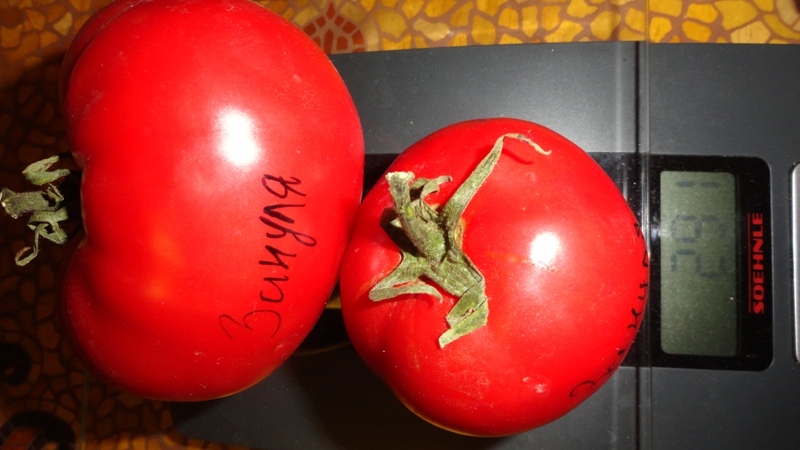
Zinulya is an early ripening variety. Height is 32-40 inches (80-100 cm). Fruits are oblate, pink, weighing 7-10.5 oz (200-300 g), with a little bit of acidity. Absolutely perfect for canning, and great for salads too.
🙂
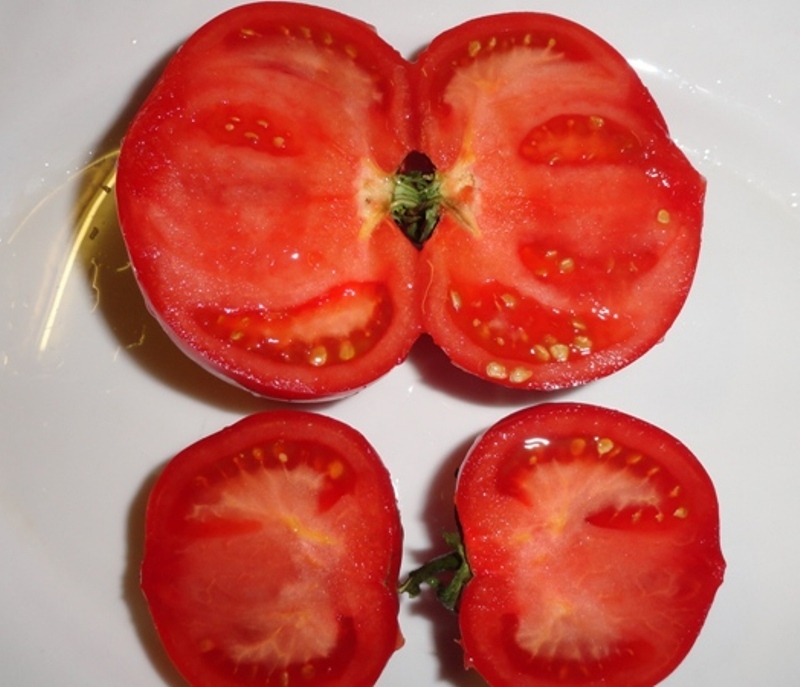
My Zinulya actually turned out really sweet, but it cracked terribly in the greenhouse. Though honestly, fruit cracking was a massive issue for me this year across the board, both in the greenhouse and outdoors in the dirt. Couldn’t find a picture of them fully ripe, but I found one of them just starting to color up.
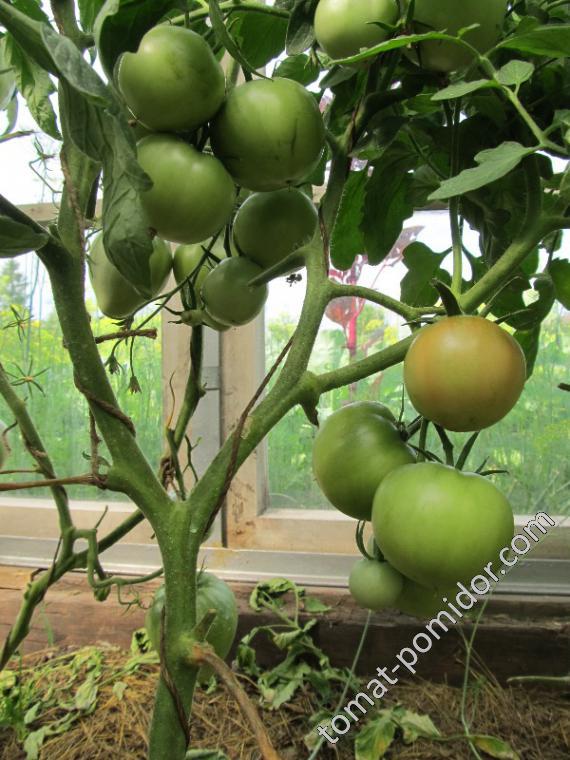
Ninochka, my Zinulya grew in the open ground. Constant rain and cold definitely took a toll on it. Actually, not definitely – absolutely. I’ve said it a million times, you just can’t judge a variety’s true flavor and yield when growing in the Moscow region because our weather is so unpredictable.
I don’t have the regular Zinulya, but I do have a variety called Zinulya 2. Are there big differences between them?
I honestly don’t know 😳.
I grew “Zinulya” outdoors in the dirt along with my other early-season varieties… under low hoops covered with row cover fabric. The plants weren’t tall, very compact – about 20-24 inches (50-60 cm) tall. All the fruits ripened fully on the vine (the photo is from last year). I value this variety highly for its consistent yield, large fruit size, and excellent flavor 👍.
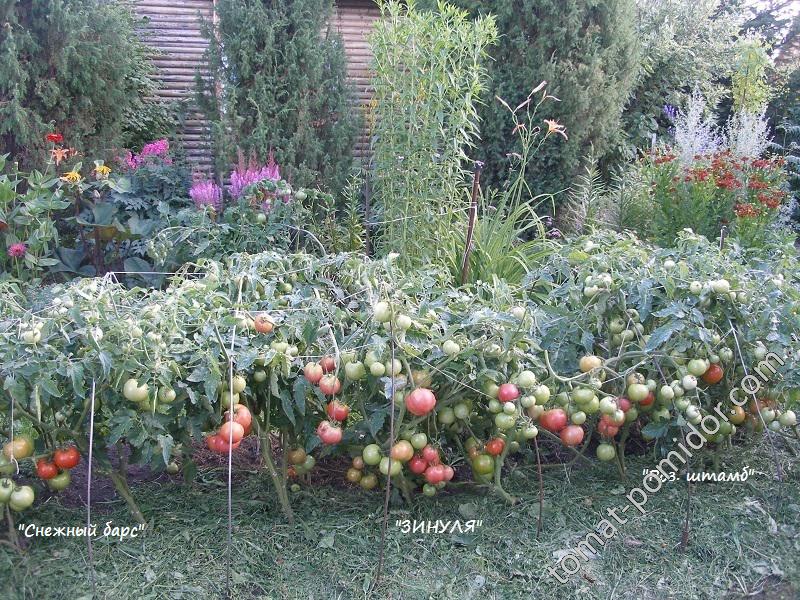
I also grew Zinulya in open ground. The bush was short, prolific, and completely low maintenance. My fruits were very prone to cracking, though.
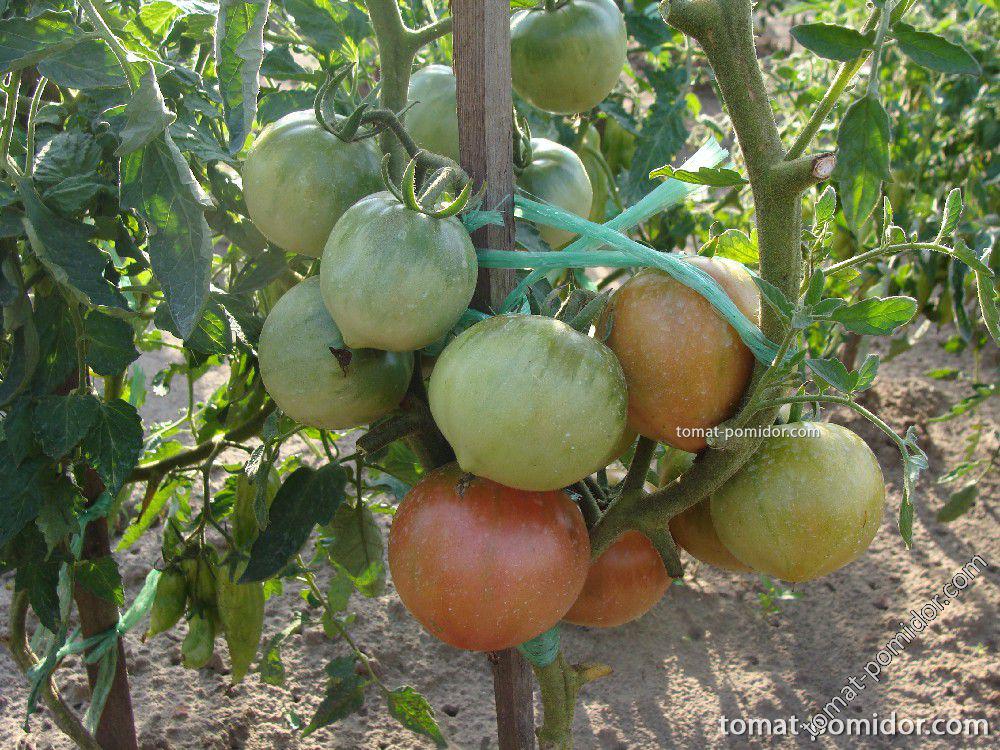
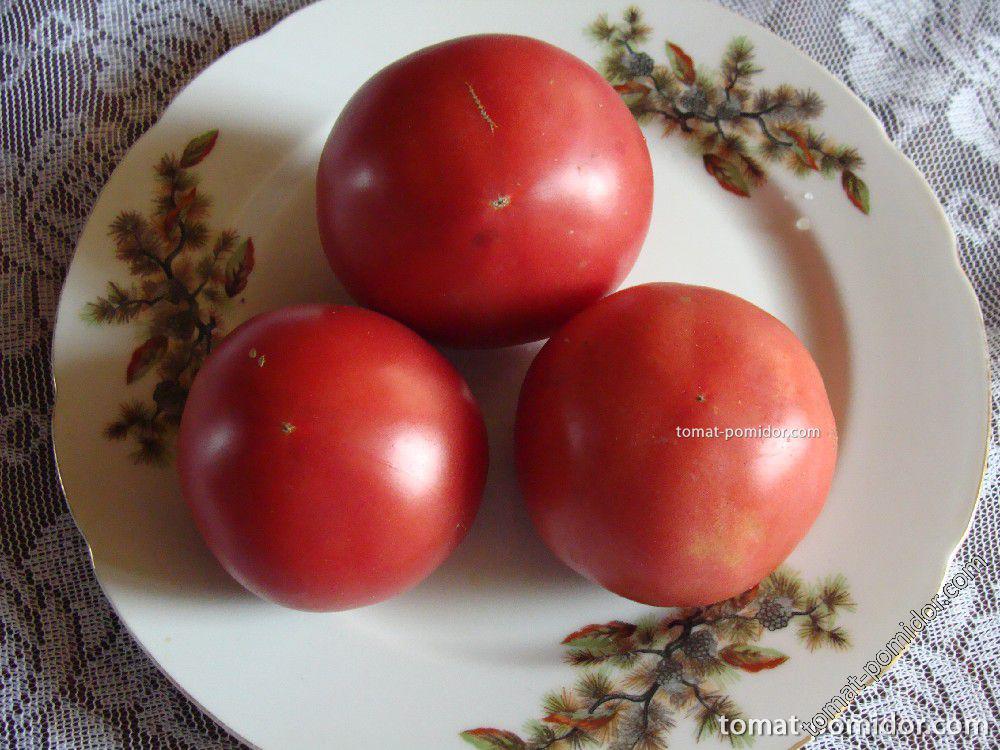
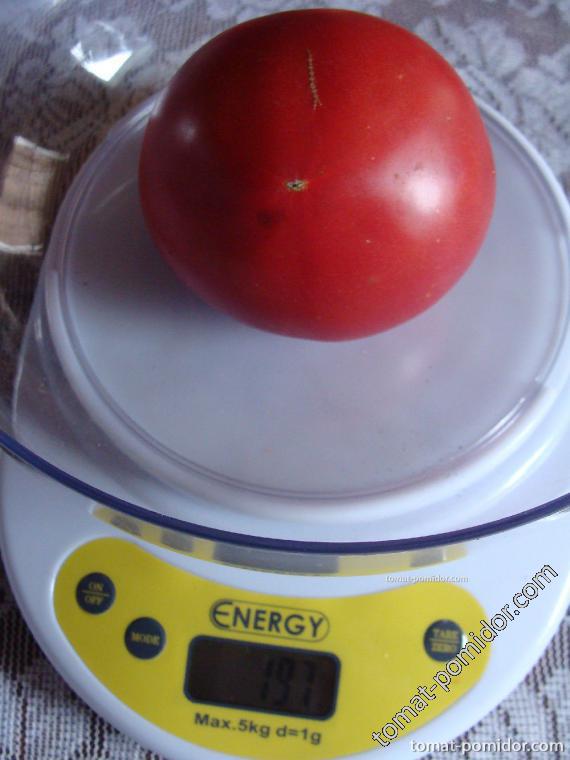
I grew Zinulya-2 from a commercial packet from the Ukrainian company GL SEEDS. The variety is genuinely very early. The seedlings had short leaves and shot up so fast that they outgrew all the indeterminate varieties I had sown earlier (except for Auria). Once planted out in the garden, it stopped stretching, immediately set a ton of fruit, and quickly swelled up with round pink tomatoes. The little “beak” (nipple) only appeared on the very last fruits of the season. Height was about 3.3 feet (1 m) when grown to 2 stems. I was very happy with the yield.
I highly recommend growing this variety in more northern regions with short, cool summers, just like its homeland – Belarus. In southern regions, it could easily be grown as an early spring crop. Unfortunately, due to our massive day/night temperature swings, the thin skin cracked on almost all of them.
I can’t find any info on a variety called “Zinulya-Giant” 😞. Has anyone grown it?
Tanya! If your seeds for Zinulya-Giant came from the forum, it’s not a real variety, it’s a seed mix-up from a Ukrainian packet back in 2013. Instead of the medium-sized determinate Zinulya, an indeterminate giant grew that pumped out fruits over 14 oz (400 g). You’ll have to ask Knyaginya Olga or Tatiyanka1 about the fruit color. Maybe some of our Ukrainian forum members can properly identify that “giant” for you.
Can someone please share how they prune this variety? Do you pinch out the suckers or not? If you do, is it just up to the first truss or more? How many suckers/stems do you leave?
Looking for information on this variety is actually what brought me to this forum in the first place. I was looking for seeds for the original Zinulya, and someone from Ukraine sent me seeds for the breeder’s improved version – a larger, heavier-yielding strain called Zinulya-2.
I grew it to 2 stems, leaving the strong sucker right directly below the first truss. Since my seedlings weren’t leggy or overgrown, that first truss survived and set fruit perfectly. If you don’t prune it at all, you completely defeat the purpose of growing it for an early harvest. Later in the season, much better-tasting varieties ripen anyway, so the rest of my Zinulya harvest just went into the juicer to balance out my more acidic varieties.
Since I didn’t get an answer in time, I just left a few suckers BELOW the first truss on my Zinulya-2, and then just let it grow wild. The first fruits were up to 1 lb (450 g), but then they started getting smaller, and right now it’s setting fruits around 3.5-5.3 oz (100-150 g). It’s a long-producing variety, but it really sucks how badly it cracks from the rain and cold nights in open ground. But I’m not ripping it out; I just use the cracked ones for processing. Last year I didn’t pull it until the second week of October, when the fruits finally started rotting from the constant rain.
Alisa, I’m sorry, I only saw your question yesterday. But I seriously doubt we were growing the same variety.
The breeder’s description for Zinulya-2 is a determinate, early-ripening, medium-sized variety with uniform, pearlescent-pink, juicy fruits.
If your first fruits were hitting 1 lb (400 g+) even when grown to multiple stems – you definitely have some kind of large, long-producing indeterminate. Looks like “you got upgraded to better fur” as they joke around here on the forum. The girls have mentioned getting fantastic off-type seeds from commercial packets before, it happens a lot here.
Quote from Zulfiya: The breeder’s description for Zinulya-2 is a determinate, early-ripening, medium-sized variety with uniform, pearlescent-pink, juicy fruits…
Your description is actually spot on for mine. Pearlescent-pink fruits, delicate skin that is super prone to cracking from rain and fog, quite sweet with a light tang, very tasty for an early tomato. In past seasons I didn’t prune it at all because I had zero experience with determinate bushes and didn’t even know you were supposed to sucker them, so it just grew completely wild, and the fruits were much smaller, in the 3.8-7 oz (110-200 g) range. The camera distorted the color a bit in the photo below. This variety is also known for having a tiny little needle-like nose on the bottom.
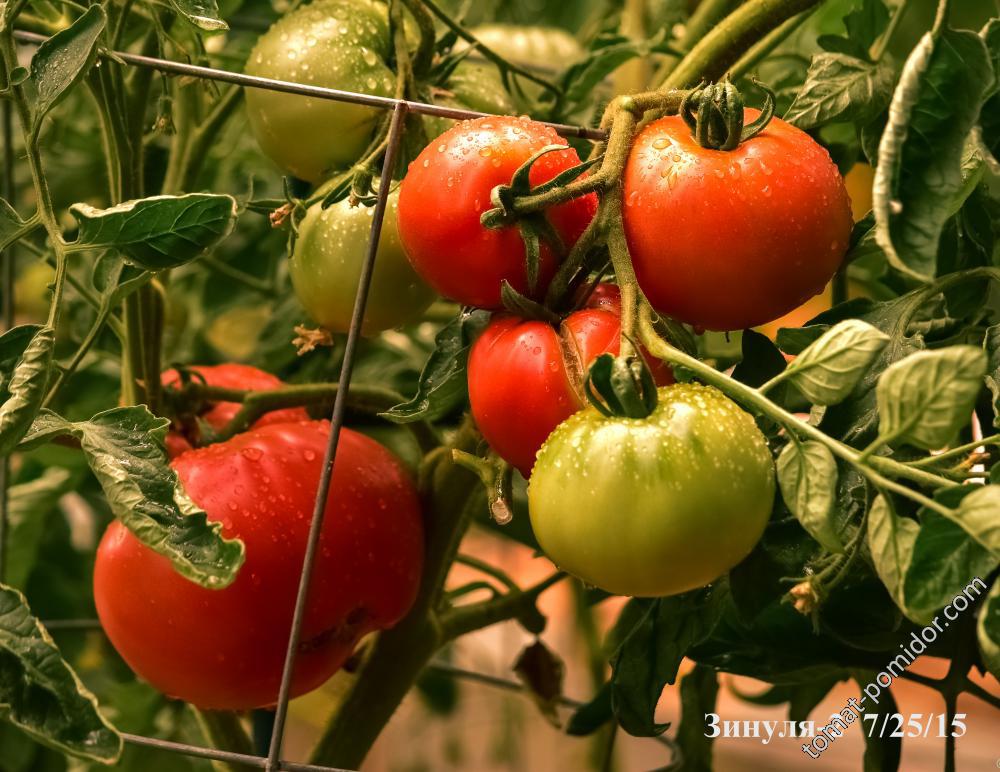
Here is my Zinulya (grown in the greenhouse). I was meticulously dusting the bushes with wood ash.


Short, tasty, prolific, and one of the earliest in my open ground beds. Seeds were from Olya (Cherry). Average weight was 5.3-6.3 oz (150-180 g). Mine didn’t crack at all… Still have some sitting indoors ripening on the counter.

The Zinulya variety in my greenhouse turned out to be early, medium-height (up to 3.3 feet / 1 m), and totally low maintenance. The fruits were average size, very tasty, and sweet.
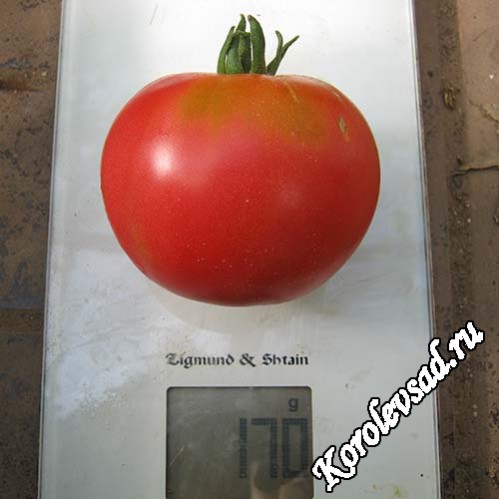
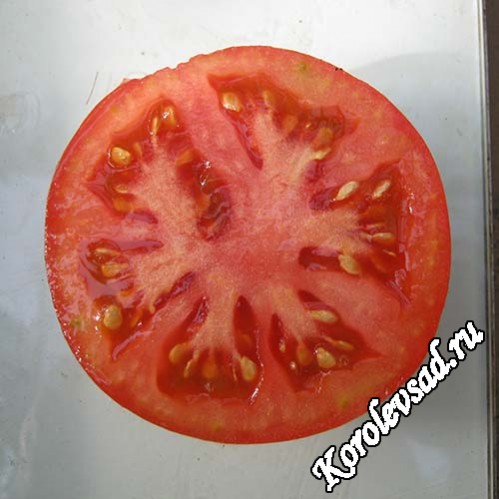
I grew Zinulya outdoors in the dirt for the second time. Seeds were originally from Yaroslavna, and then from my own saved stock.
During this difficult year, I grew a fruit weighing 10.7 oz (305 g). I didn’t weigh or photograph the rest. It is pink.
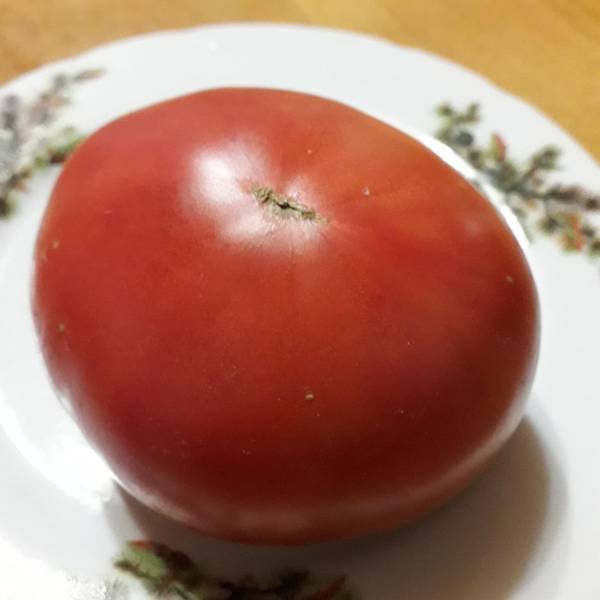
I repeated Yaroslavna’s strain of Zinulya. An excellent, short, prolific variety with high-quality, uniform pink fruits that taste great. Average weight is 5.3-7 oz (150-200 g), but one fruit hit 12.3 oz (350 g), which is pretty amazing for a determinate bush 🙂
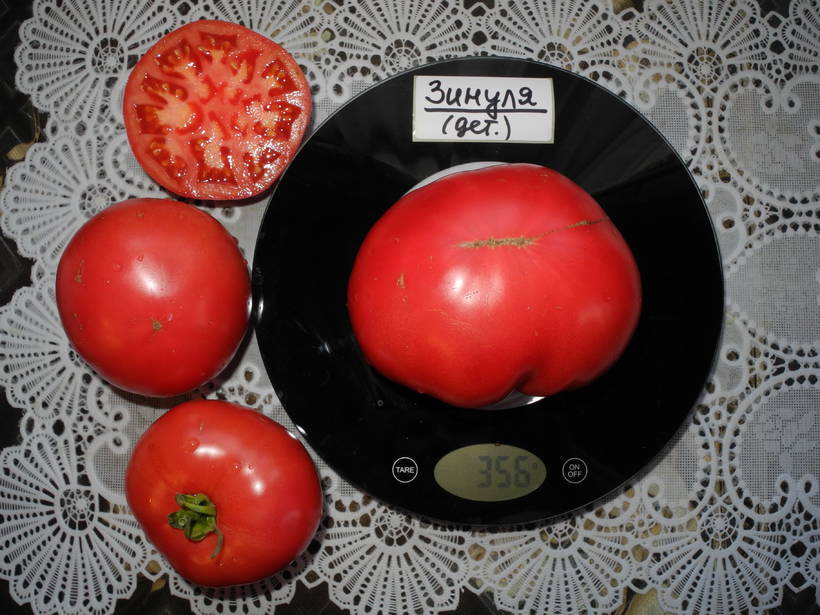
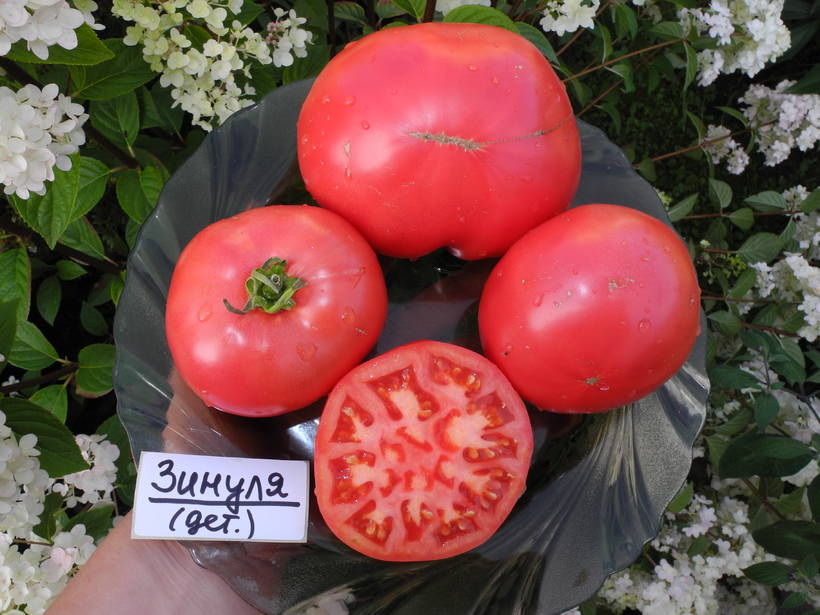
In this thread, you see Alisa and Zulfiya debating how to properly sucker (prune) Zinulya. Because it is a determinate (bush) variety bred for early yields, standard indeterminate pruning rules don’t apply!As Zulfiya notes, if you remove all the suckers, you will severely stunt the plant’s overall yield. But if you leave all of them, the plant wastes too much energy growing foliage, delaying the harvest of your early fruits. The sweet spot for early determinates like Zinulya is to remove all the suckers below the very first flower truss, and then leave the plant completely alone to grow wild and set fruit!