
Growers’ Notes and Photos (USDA Zones 3-4 Experience)
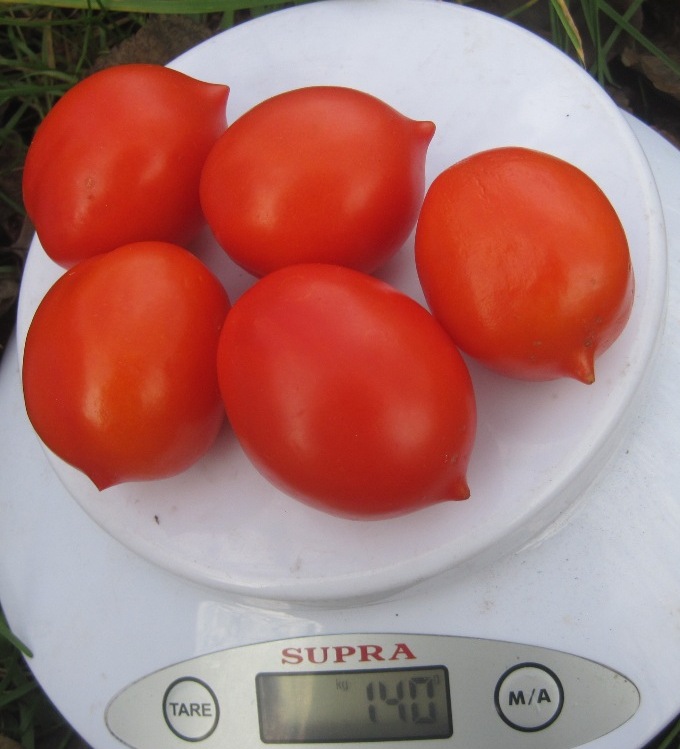
Bright red cocktail fruits weighing about 1 to 1.4 oz (30-40 g) with subtle shoulder ribbing and a sharp, pointed tip. Very firm fruits that hang forever on the vine and ripen off the counter with zero fuss (we are still finishing off the last ones right now) 👍 Excellent yields both outdoors in open beds and inside the greenhouse. Superb for whole-jar pickling and dries down nicely for dehydrated tomatoes.
The plant stays manageable, hitting around 5 ft (1.5 m) in the greenhouse. Easily carries 1 to 2 main stems. I have clocked it as a solid mid-late season variety.
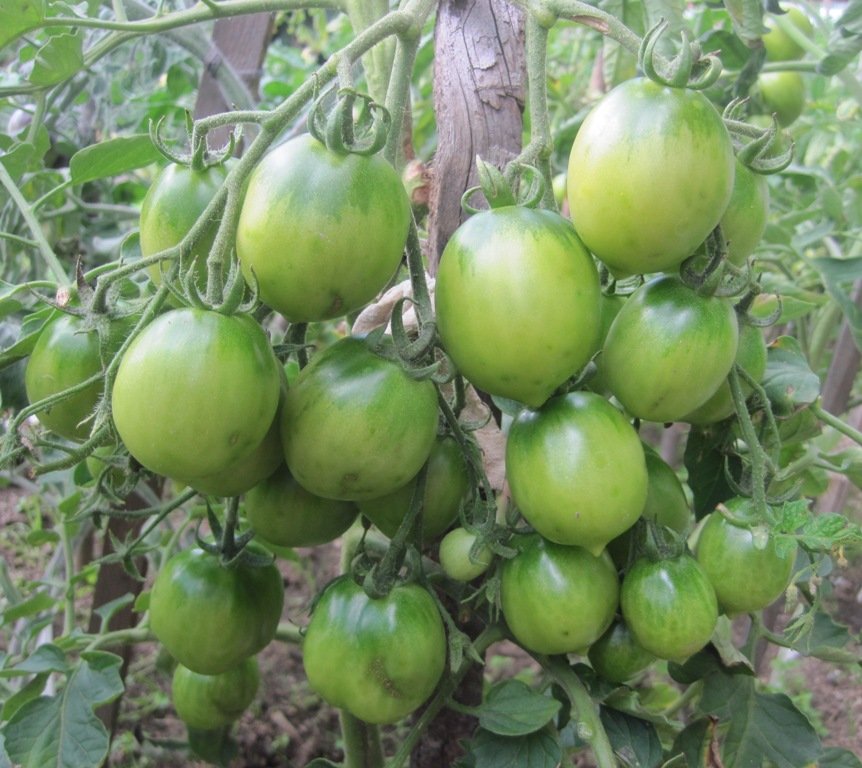
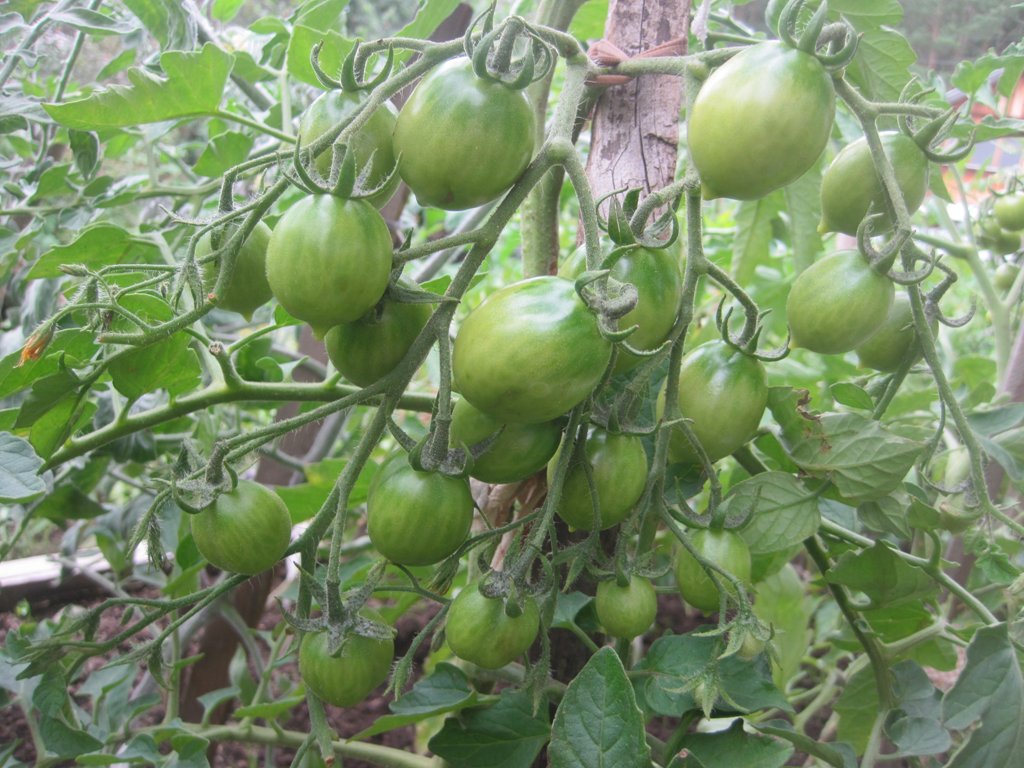
First photo is 2014 outdoors, second photo is 2015 in the greenhouse:
Edited November 4, 2015 by Drosera


I know GalyaP grew hers outdoors too, maybe she can chime in on height?

Greenhouse Sizing vs Outdoor Performance
Won’t be growing it again.
Heavy producer with pretty decent flavor. The big surprise was that greenhouse fruits were twice as large as the outdoor ones, sizing up around 2.5 to 2.8 oz (70-80 g). Once it started setting and ripening, it just powered through right until the bitter end, it was literally the last vine I cleared out of the greenhouse.
My vine turned out to be a light producer with very mediocre flavor 🙁 Trained it to 2 leaders. Won’t be growing it again.
Elena, funny how differently varieties behave in different gardens 🤷 I honestly cannot praise its yield enough: pretty, tasty, and legendary shelf life. Irina hit the nail on the head: inside the greenhouse, the fruits easily size up twice as big 😉
End-of-Season Counter Storage and Whole-Jar Canning
A premier canning tomato: the skins never split in hot brines, and they hold together beautifully in jars. I put them up in pickled jars and packed them whole in pure tomato juice. Grew mine outdoors in open beds. Sourced the seeds from Katyusha Zhavoronok 🙂 🙏🙏🙏
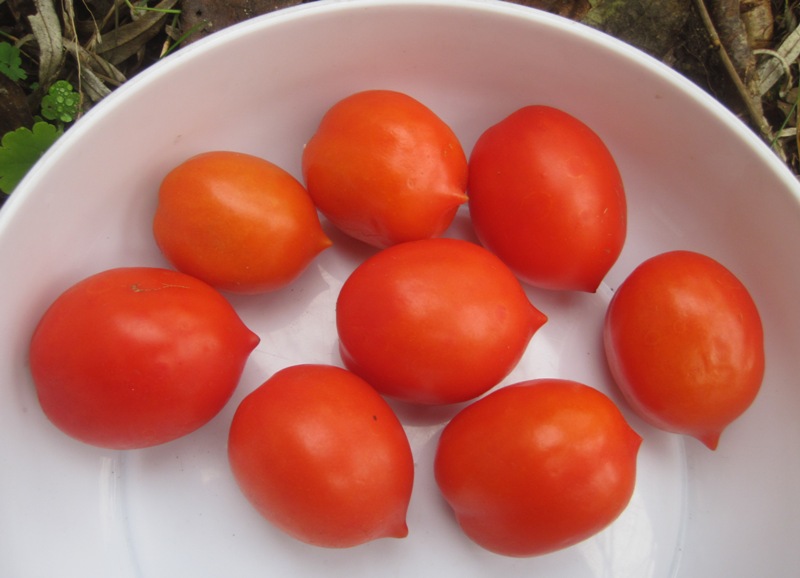
On the plate, those red saladettes with the pointed beak are Red Alert. Photographed just a week ago.


Inside the greenhouse a lot of blossoms blasted and dried up, but outdoors in the open ground it set gorgeous, full trusses. If we had enjoyed a proper summer instead of a cold autumn, they probably would have ripened on the vine, but I had to pick them green. They ripened off the counter cleanly without shriveling.
Canned in brine, the taste mimics whole tomatoes packed in their own juice 😋 Planning to repeat it this coming season. Big thanks to Lena Danko for the seeds 🙏
The Seed Identity Mix-Up: Dwarf Bush vs Beaked Saladette
I wanted to give it another shot this spring (still have 5 seeds left in the stash), but ended up crossing it off my start list in favor of exciting new trials…
Out of 5 seeds from Dukhov, only 2 germinated for me, Katyusha. And right during the seedling phase, both croaked. I wanted to give it another shot this spring (still have 5 seeds left in the stash), but ended up crossing it off my start list in favor of exciting new trials…
Alyonushka, that is such a shame!
I can’t imagine my garden without it 😄 Heavy trusses, crazy productive, and that cute pointed tip 😘
Full Summary: Plant, Yield, Taste and Storage
- 🌿 Plant & Growth Habit: Semi-determinate to compact indeterminate vine. Reaches 3.3 to 4 ft (1-1.2 m) in open ground and stretches up to 5 ft (1.5 m) in high tunnels. Best managed by training to 2 or 3 main leaders. Mid-to-late season maturity.
- 📈 Yield & Fruit Size: Outstanding multi-truss yields that produce until frost. Fruit sizing is highly dependent on growing environment: outdoor garden beds yield firm 1 to 1.4 oz (30-40 g) cocktail fruits, while greenhouse culture doubles fruit mass to 2.5-2.8 oz (70-80 g).
- 🥫 Canning & Storage: Built like iron. The firm, durable skins do not burst in boiling pickling brines or hot-pack canning. Off the vine, unripe green fruit ripens on the kitchen counter without wrinkling, allowing fresh eating through late autumn.
- 🎯 Fruit Morphology: True-to-type regional seed produces scarlet plum/cocktail fruit with subtle vertical fluting and a prominent pointed blossom beak.
- 🌎 Who Reviewed It: Extensively trialed across northern short-season zones including the Moscow Region, Saint Petersburg, and the Urals (USDA Zones 3 and 4).


