Greenhouse Sun vs. Shade Placement by Tomato Type
Hey ladies, anyone mind checking my greenhouse layout plan? Thinking of putting antho tomatoes, exotics, and orange varieties on the absolute sunniest side, dark tomatoes tucked back away from the scorching sun along with the pinks, and reds taking up the rest. Sound about right, or no?
Ladoshka wrote:
Hey ladies, anyone mind checking my greenhouse layout plan? Thinking of putting antho tomatoes, exotics, and orange varieties on the absolute sunniest side, dark tomatoes tucked back away from the scorching sun along with the pinks, and reds taking up the rest. Sound about right, or no?
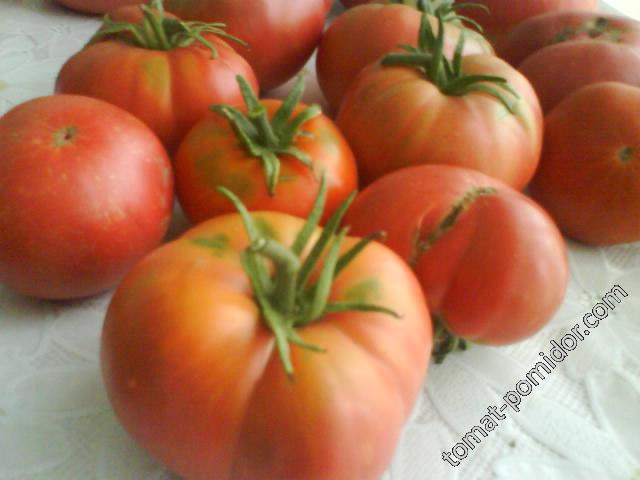
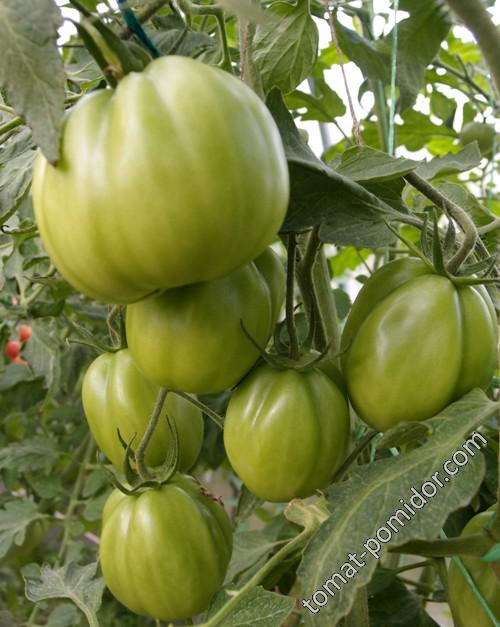
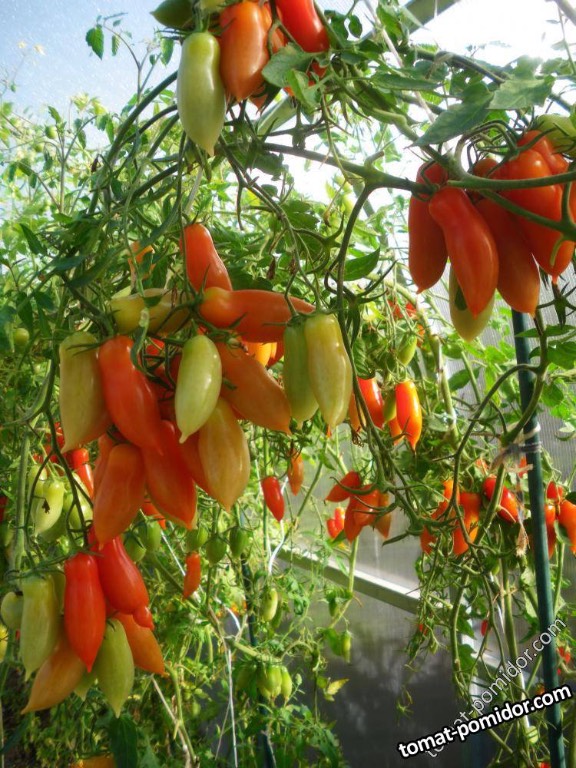
Put antho varieties, dwarfs, anything you don’t prune like determinates or cherries such as Maglia Rosa, and sturdy, broad-leaved varieties, which are usually round large slicers of any color, right in the brightest sun. You can leave broad leaves right above the fruit to shield them from sunscald.
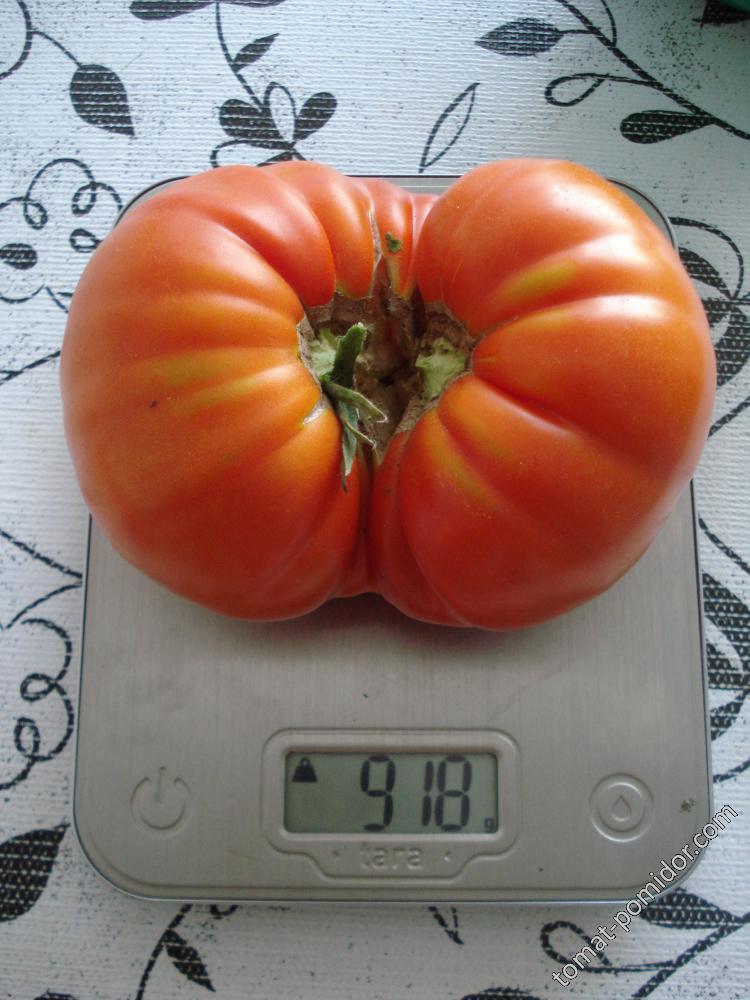
Keep wispy, sparse-foliage vines farther away from harsh sun, especially pink and orange bicolor hearts. When soil dries out under direct sun on those, you can easily get sunscald, potassium deficiency causing yellow shoulders, and BER on prone varieties like plum and icicle types.
Ladoshka wrote:
Thinking of putting antho tomatoes, exotics, and orange varieties on the absolute sunniest side
Irina, for some reason tricolors and exotics go soft on me in strong sun 😄 Bicolors do fine, reds depend on the variety. And S Nosikom ot Borisovny (Borisovna’s Pointed-Tip) actually loved the sunny side.
Svetikk wrote:
Put antho varieties, dwarfs, anything you don’t prune like determinates or cherries such as Maglia Rosa, and sturdy, broad-leaved varieties, which are usually round large slicers of any color, right in the brightest sun. You can leave broad leaves right above the fruit to shield them from sunscald.
Keep wispy, sparse-foliage vines farther away from harsh sun, especially pink and orange bicolor hearts. When soil dries out under direct sun on those, you can easily get sunscald, potassium deficiency causing yellow shoulders, and BER on prone varieties like plum and icicle types.
Spot-on, Svetlana, laid that out like a textbook 🙂
Lyudmila PLS wrote:
Svetlana, mine are the exact same story word for word. Truly depressing.
Gotta admit, right alongside my seedlings I feel just like them right now 🙂, not exactly skinny, yet definitely feeling like a wobbly beanpole barely staying on my feet…
Got me thinking, there’s hardly any sun out there lately. Overcast skies all day, how are sun-loving creatures like us supposed to feel perky?
Hey everyone!
Lyudmila, you tagged me yet quoted ari’s post, everything’s right on schedule over here, zero overgrown seedlings, I’ve even got some still waiting to be pricked out 😉
Svetikk wrote:
Lyudmila, you tagged me yet quoted ari’s post, everything’s right on schedule over here, zero overgrown seedlings, I’ve even got some still waiting to be pricked out 😉
Oh really?! 😁
Full Summary: Greenhouse Bed Placement by Tomato Type
- ☀️ Sunniest Greenhouse Side: Best for anthocyanin varieties (to develop dark purple coloring), dwarfs, unpruned determinates and cherries like Maglia Rosa, and sturdy, broad-leaved round slicers whose foliage shades the fruit naturally. Ptichka Pevchaya also notes S Nosikom ot Borisovny thrived in full sun.
- 🌤️ Shadier / Filtered Sun Spots: Best for wispy, sparse-foliage vines, especially pink and orange/bicolor oxhearts, as well as BER-prone plum and icicle paste varieties. Avoiding scorching sun and dry soil reduces sunscald, potassium-related yellow shoulders, and blossom end rot. Ptichka Pevchaya adds that tricolor exotics can also turn soft in harsh direct sun.
- 🌎 Who Participated: Four growers across USDA Zones 4 to 6 (Southern Russia, Moscow Region, and Lipetsk Region).