Quick Summary of Slivka Bendrika (Bendrik’s Plum)
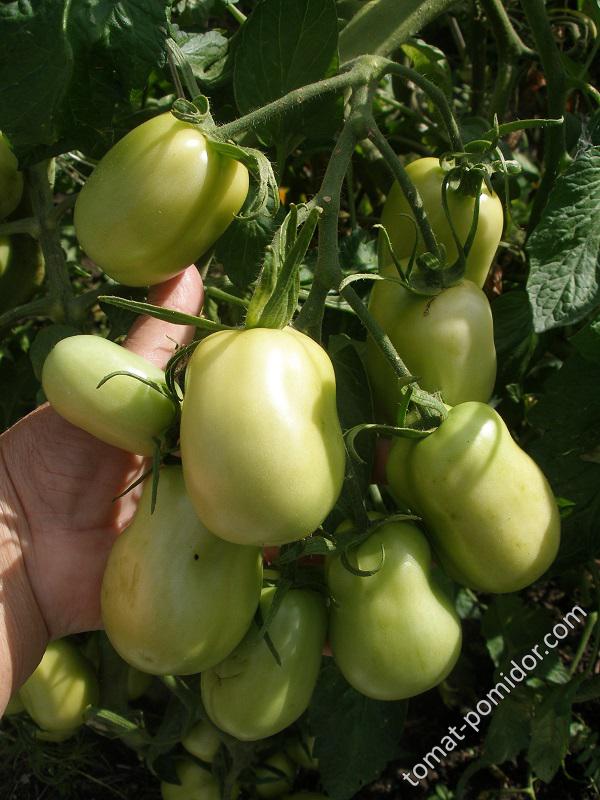
- 🌍 Origin: Bred by Alexander Bendrik in Gorodnya (Chernihiv region, Ukraine). It comes in two color variations: Red and Yellow (which often has a deep orange tint). The name translates to “Bendrik’s Plum”.
- 🌿 Plant Habit: There is some debate about its growth habit. The originator calls it a determinate (bush) up to 1.5 m (5 ft). However, most forum growers found that in a greenhouse, it acts like a vigorous indeterminate, easily exceeding 2 meters (6.5 ft) and becoming an absolute “monster” of a plant.
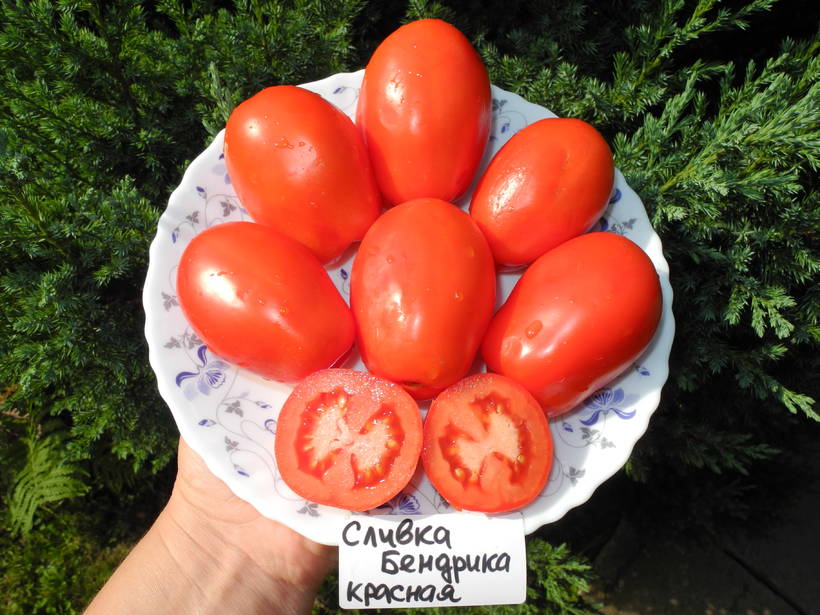
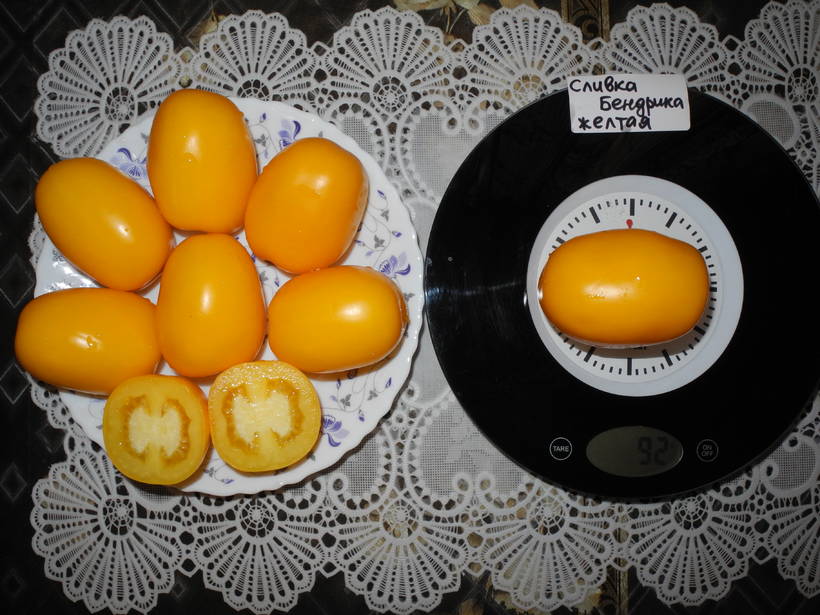
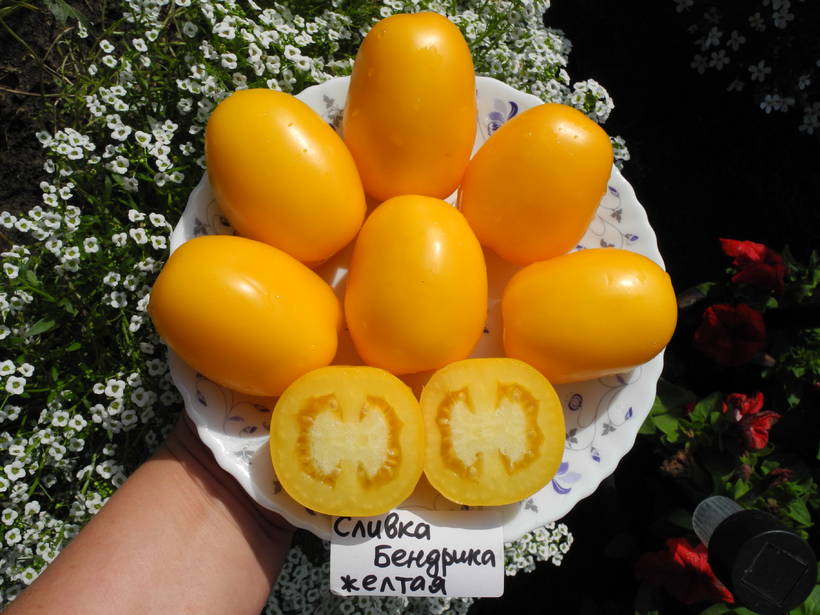
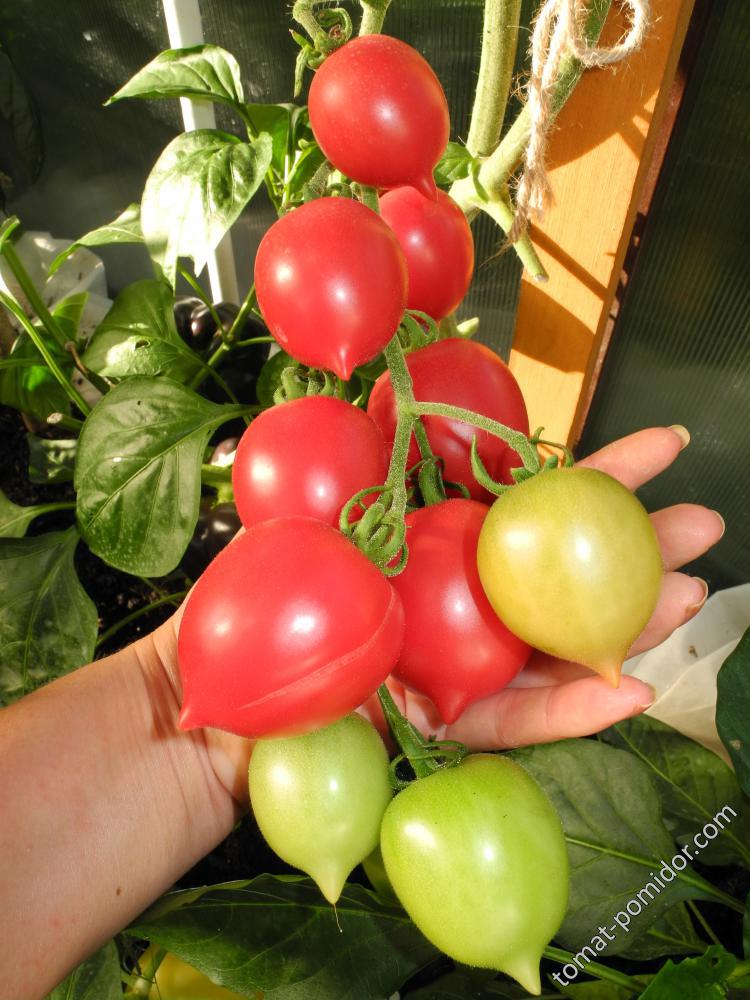
- 🍅 Fruit Characteristics: Classic oval/plum shape weighing 60-90 g (2-3.2 oz). The walls are incredibly thick, and the inside has very little juice and almost no seeds. Extremely resistant to cracking and Blossom End Rot (BER).
- 👅 Flavor & Culinary Use: A classic, mildly sweet, dense tomato. It is the ultimate processing tomato—perfect for whole-fruit canning (it stays firm and crunchy in jars) and absolutely top-tier for dehydrating/sun-drying.
- ⏳ Maturity & Storage: Mid-to-late season. It takes a long time to ripen, but the mature clusters can hang on the vine for 2-3 weeks without spoiling. It is an outstanding “long keeper”—harvested green or semi-ripe fruits can easily store indoors well into November or December!
Slivka Bendrika Red and Yellow
Originator’s description: Alexander BENDRIK, Gorodnya, Chernihiv region. Retains a beautiful commercial appearance for a long time. For open ground and all types of greenhouses. Mid-early. Determinate, semi-spreading plant reaching up to 1 meter (3.3 ft). Complex multiflora inflorescence. High yield, fruits abundantly and for a long time. Oval plum-shaped fruits, red or yellow. Exquisite sweetish taste. Very dense, meaty, containing little liquid and few seeds. Excellent keeping quality; stores perfectly in a dark, cool place. A ripe cluster can stay on the bush for 2-3 weeks. Ideal for canning, sun-drying, and freezing.
My experience: They grew outdoors in the open ground and survived the May frosts. The height was about 1.2-1.4 m (4-4.5 ft) outdoors. Fruit weight is 60-80 g (2-2.8 oz). The taste has a noticeable sweetness, very thick walls, almost no hollow spaces inside, and very few seeds. The yield is massive, sets fruit without skipping any blossoms. I pruned it to 2 stems. I should note that for our middle zone, this variety is mid-season to late, definitely not early. A super variety!
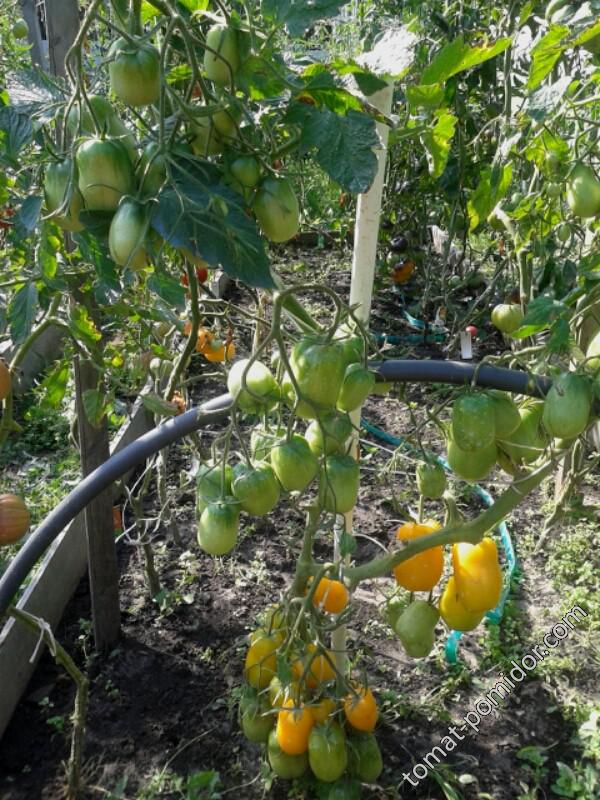
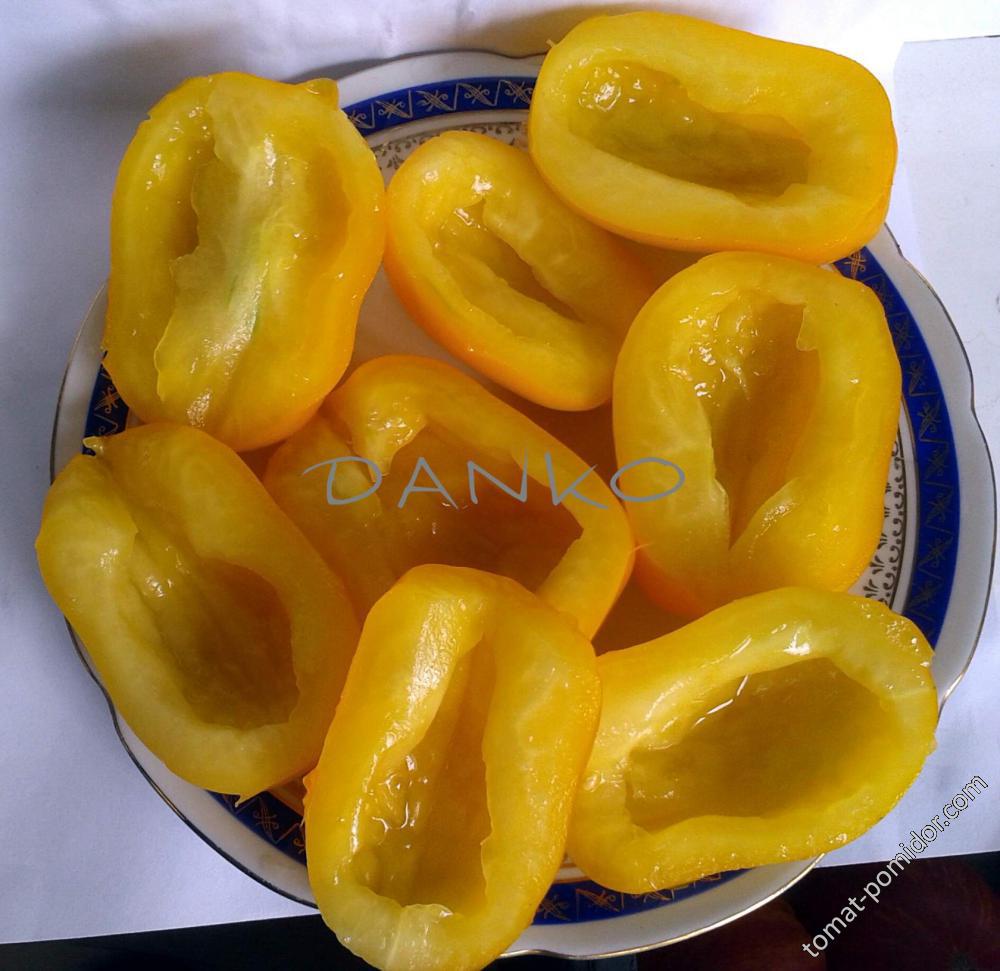
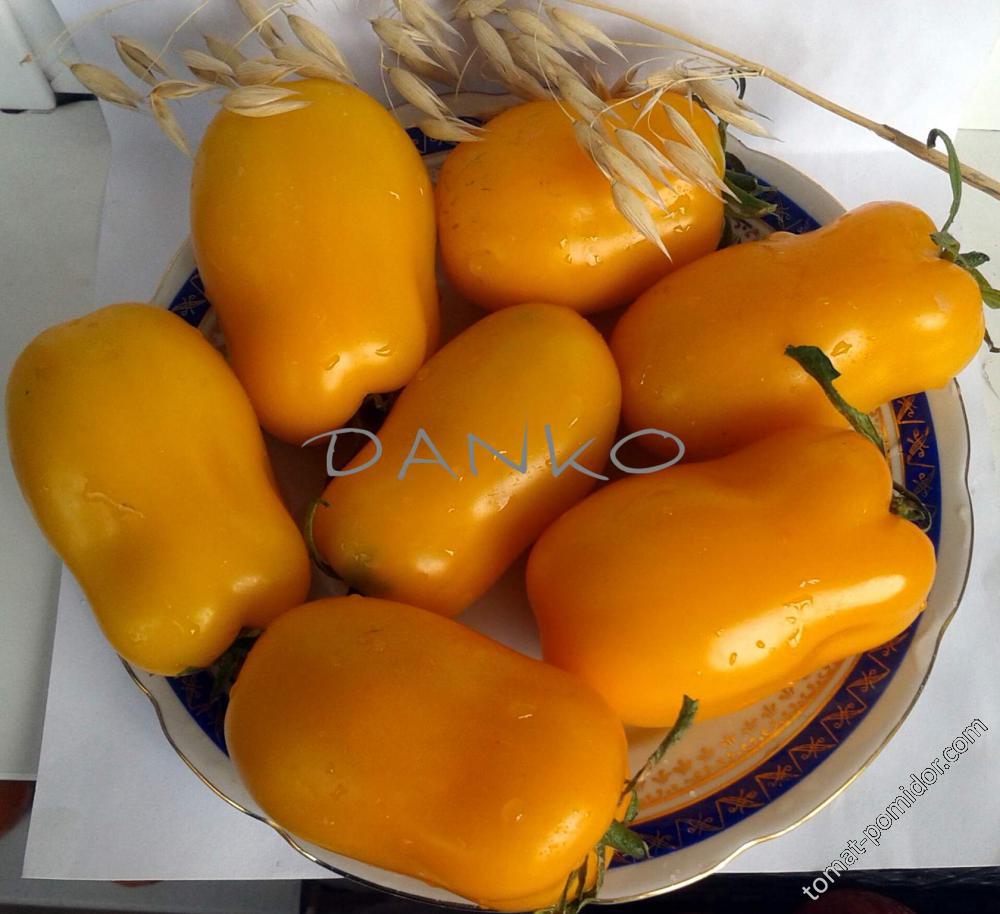
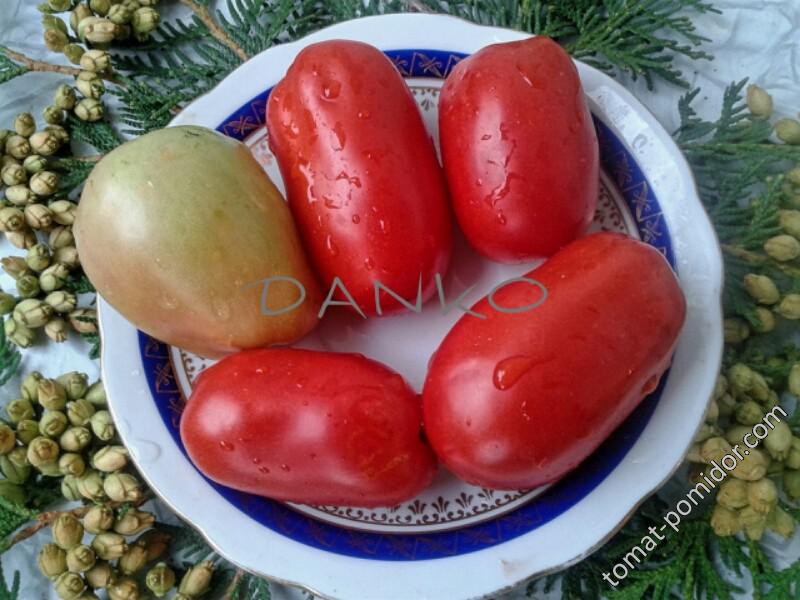
This variety amazed me with its yield both in the greenhouse and outdoors. Very dense fruits, little juice, and few seeds. I think they must be great long-keepers. Eaten fresh, the taste is so-so—not sour, rather mild with a slight sweetness. But for canning jars, it’s absolute perfection for those who like dense canned tomatoes that are meaty enough to bite into rather than just drinking the juice (I happen to love that type 😋). It’s also an absolute treasure for sun-drying and dehydrating.
It is definitely staying in my permanent collection! 👍 Seeds were from Lena (Danko).
In the photos are 2 bushes growing outdoors. Many clusters dried up and dropped in the heat due to irregular watering. However, there was absolutely zero Blossom End Rot (BER) on any of the plums.
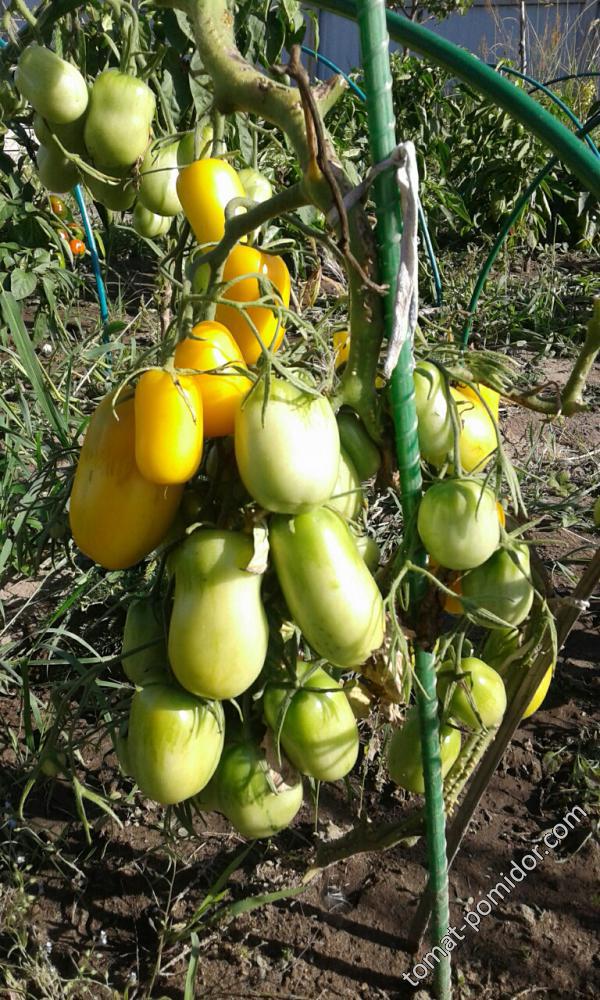
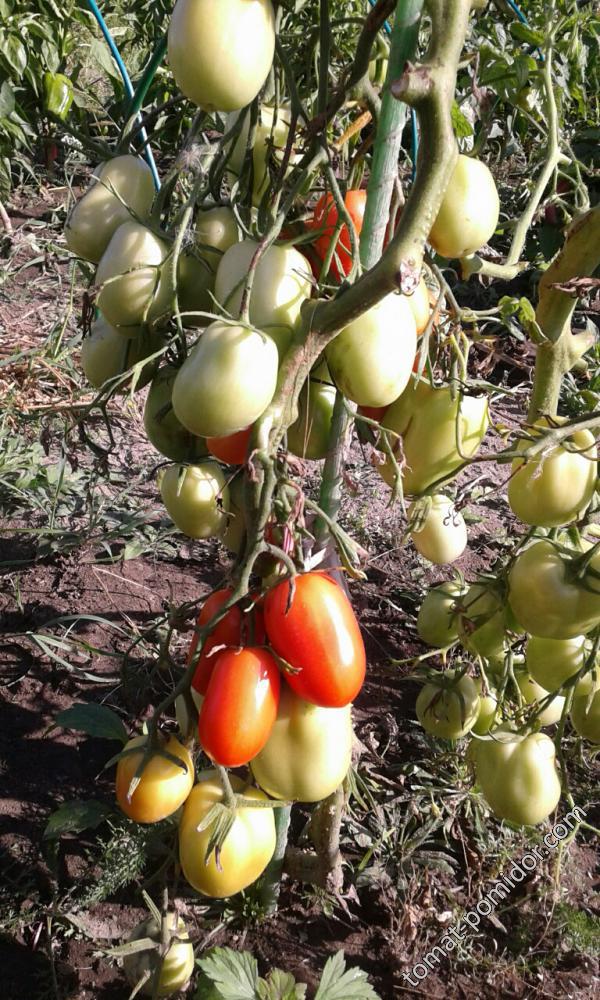
A magnificent variety that deserves attention! I am so satisfied and glad I got to know it thanks to our Lenochka Danko 👏😘
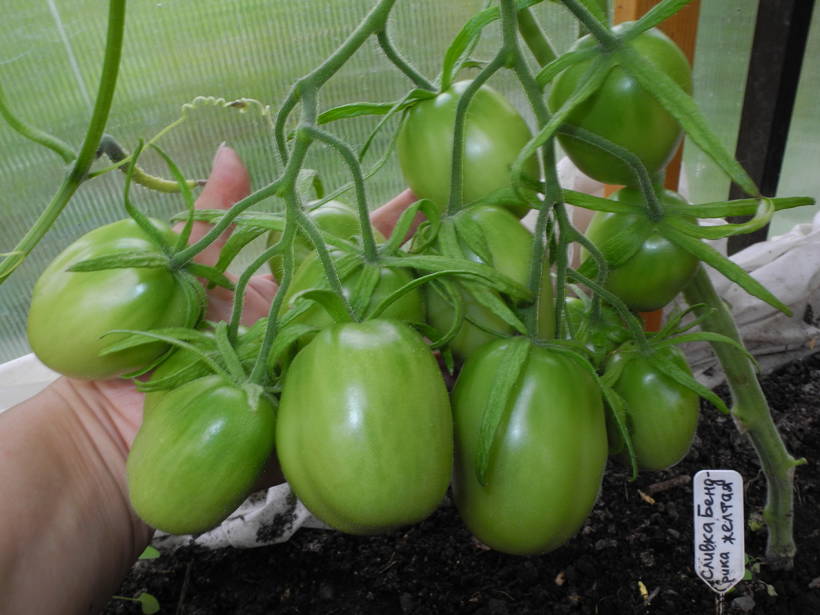
I grew a few plants in the greenhouse, and the remaining seedlings were planted outdoors. Outdoors, the plants looked much more compact and sturdier, the fruit clusters fully formed, and the bushes were literally draped in red and yellow-orange plums 🤩
The fruits are very dense, with thick, meaty walls. They hold their shape perfectly and store for quite a long time, even when picked fully ripe. The yield is simply massive! It performed excellently both outdoors and in the greenhouse. In our region, it is a mid-season variety.
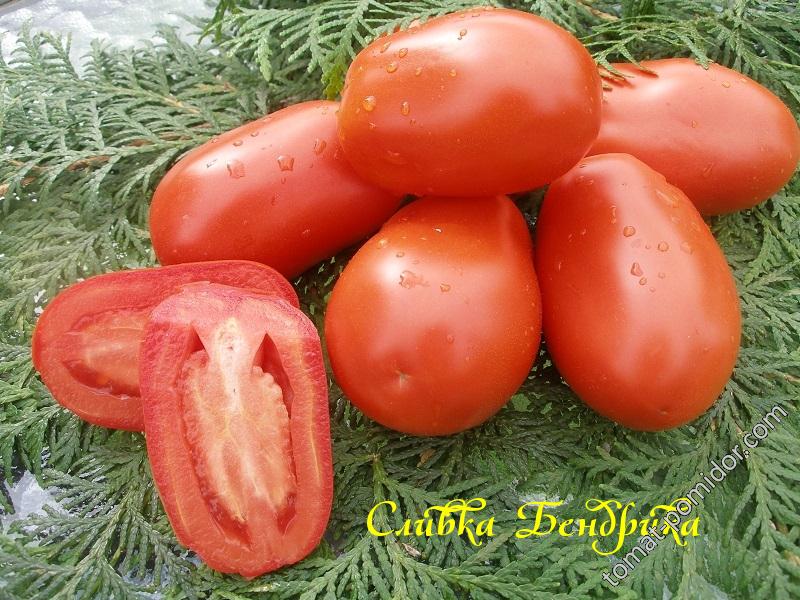
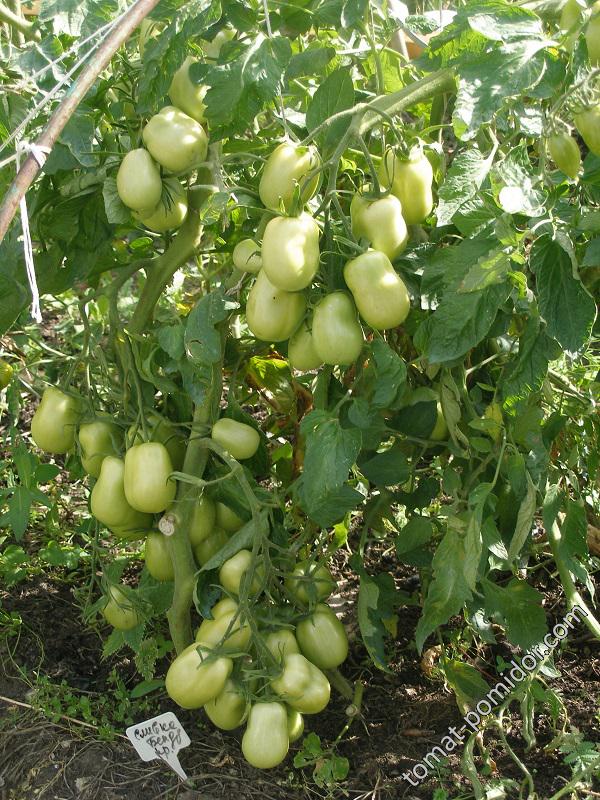
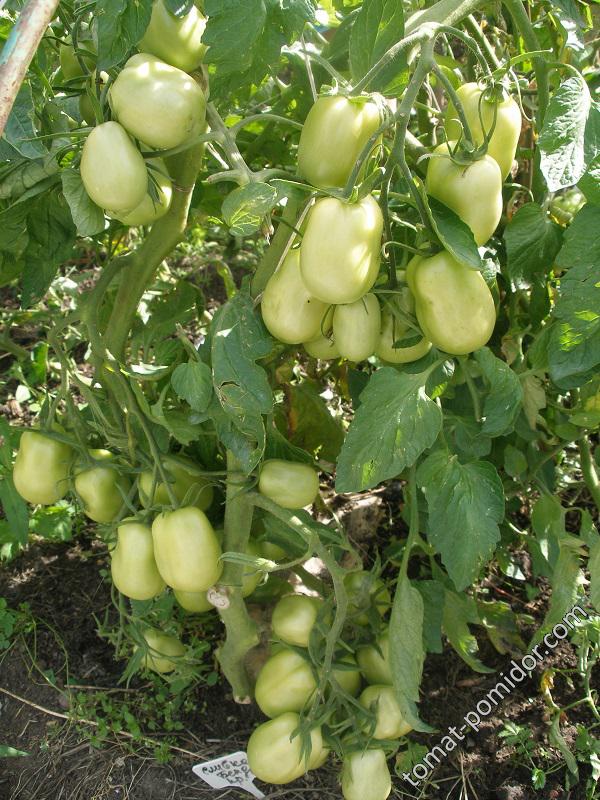
I join the raves, excellent varieties!
They grew in my greenhouse in 2 stems. Complex fan-shaped trusses, very high yield, behaved like indeterminates, long fruiting period. Maximum fruit weight was 90g (3.2 oz). Mid-season.
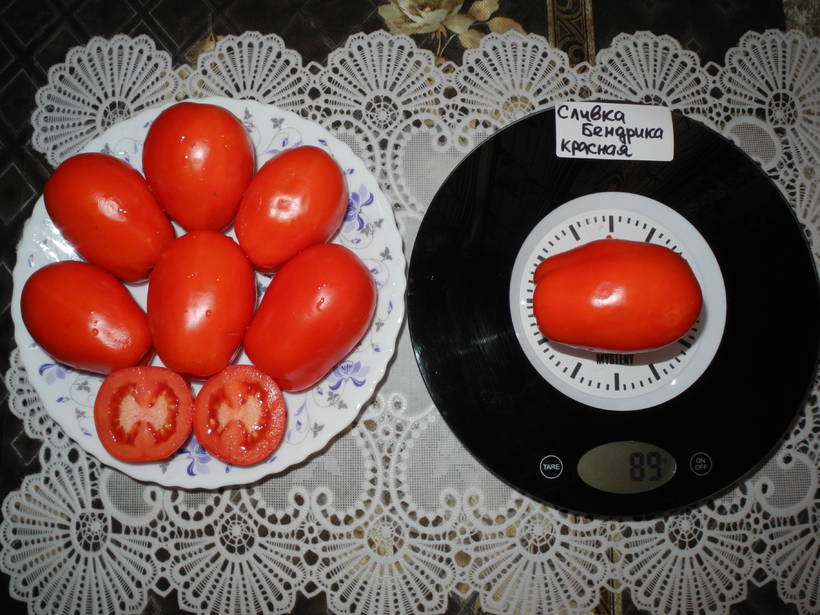
I grew them outdoors in 2019. They bloomed vigorously, but the bush was loose, and it dropped blossoms indecently. I pruned it very moderately because here in the open ground, that’s better due to constant strong winds—the bush stays lower and yields on the first 2-3 clusters on all stems. The yield was very average, even below average—it drops a lot of blossoms in extreme heat. But it tolerates cool weather perfectly well.
It didn’t crack from temperature swings or overwatering. The taste is standard, the tomatoes are dense, maybe even a bit dry, meaty, not bland, but nothing fancy either—a true canning type. From what I understand, this variety just isn’t suited for our hot, windy climate (it prefers cooler summers). It struggles outdoors here. But notably, there was zero Blossom End Rot (BER) on it. Meanwhile, my Tarasenko’s Legend suffered terribly from BER; I’ve never seen a paste/icicle variety struggle that much, but Slivka Bendrika was flawless in that regard.
Oksana Evgenievna, could you show us some photos?
I completely agree with Natalia and Svetlana. A wonderful variety. Even here in Siberia, growing outdoors under temporary row covers, about 4 clusters managed to ripen. It set 6-7 clusters in total; if our weather permitted, it would have kept producing and producing. Outdoors, they were about 1.2 m (4 ft) tall, I pruned moderately and kept them to 2 stems.
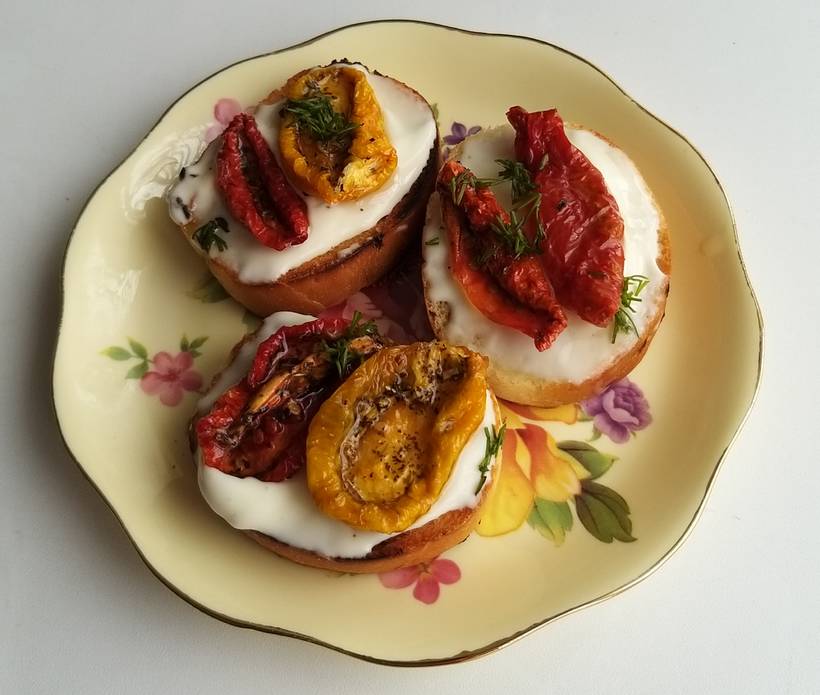
I will plant more bushes next year for canning. By the way, I sun-dried this variety this year—my first time ever making sun-dried tomatoes. The yield by weight is small, of course, but it is so delicious. You eat one slice, and your hand automatically reaches for a second and third until you’ve cleared the whole plate. Oh, and the yellow ones were slightly more productive for me than the red ones.
I rejoiced over this variety like a child. Such huge clusters with a multitude of little tomatoes. I preferred the red one for taste; it turned out very sweet. They are excellent for pickling/canning. The skin is tough and doesn’t crack.
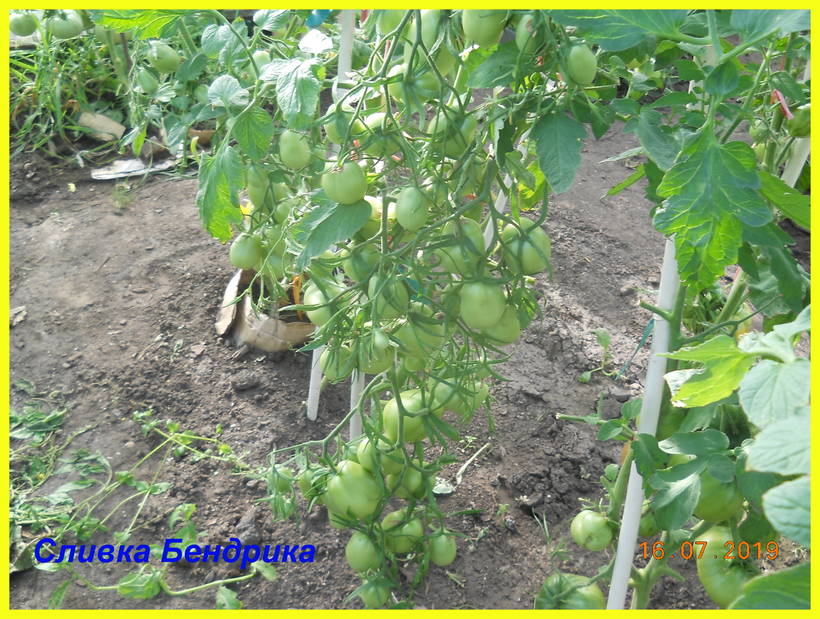
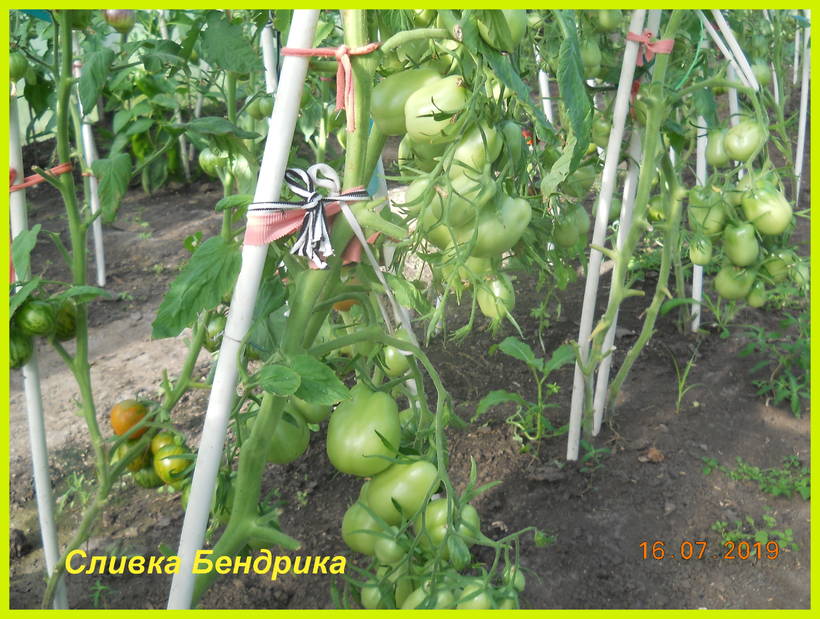
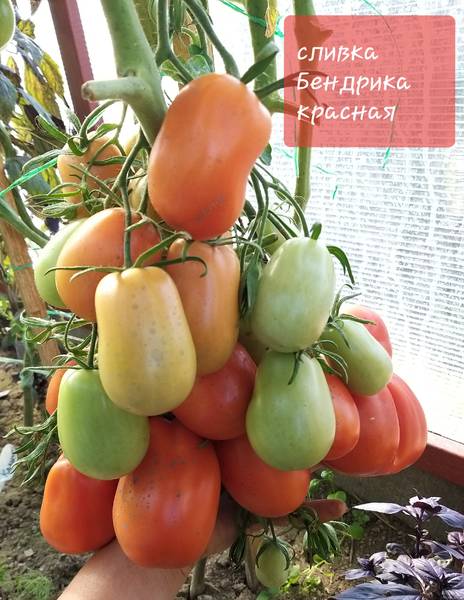
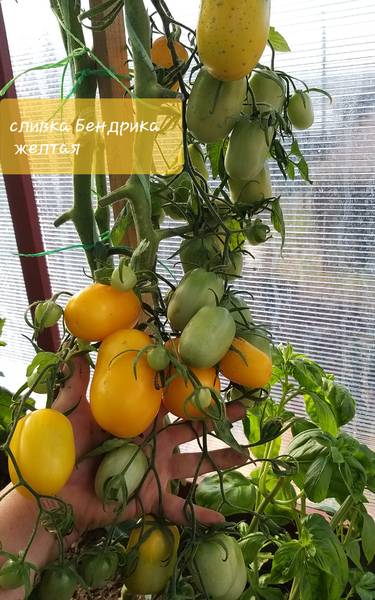
I’ll show my Slivka Bendrika too. I am absolutely delighted with the variety, though in the unfavorable 2019 season, it turned out to be quite late. Both color variants are highly productive, though the red one yielded slightly more. Meaty plums with thick walls—an absolute treasure for any type of canning/processing. I grew it both in the greenhouse and outdoors.
In the greenhouse:
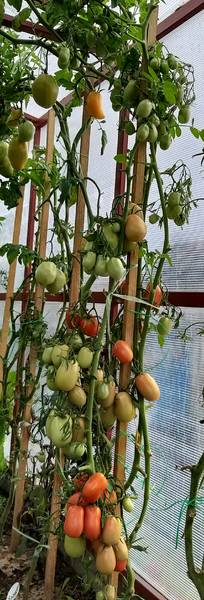
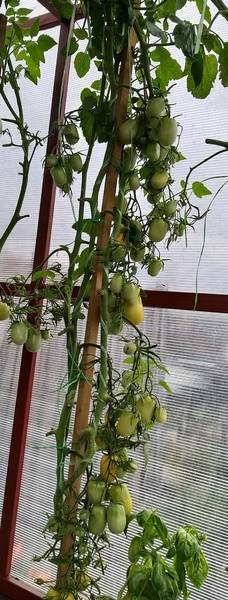
Outdoors, the ones that didn’t have time to turn red on the vine ripened perfectly indoors off the vine. A complex truss:
The yellow pieces on the sandwich are sun-dried Yellow Slivka Bendrika:
I don’t understand anything. Lena’s description says it’s determinate, Svetikk calls it indeterminate, and in Inna’s photo, it’s an absolute monster bending under the greenhouse roof ridge. So what is the actual height of this variety? How many stems should I prune it to?
Natasha, we have Bendrik’s official website, and here is what he writes:
“They are easy to tie to 3 stakes; the plant height of up to 1.5 m (5 ft) allows you to do this while sitting on a stool.”
Danko (earlier typo):
Gerodnya
Correction: Gorodnya (Ukraine).
Borisovna:
So what is the actual height of this variety?
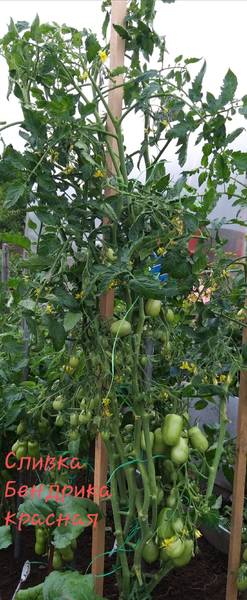
Natalia Borisovna, in the greenhouse, the bushes reached over two meters (6.5 ft). Outdoors they were about 1.5 m (5 ft), maybe even taller. The photo shows the outdoor plant where I hadn’t topped the growing tip yet.
Yes, compared to the short determinates growing nearby, it truly looked like a monster.
Inna, thank you. I’ve decided to trust you and Svetikk. I just don’t want to plant short determinates in my greenhouse, except maybe planting some dwarf ‘Koster’ at the feet of the tall ones.
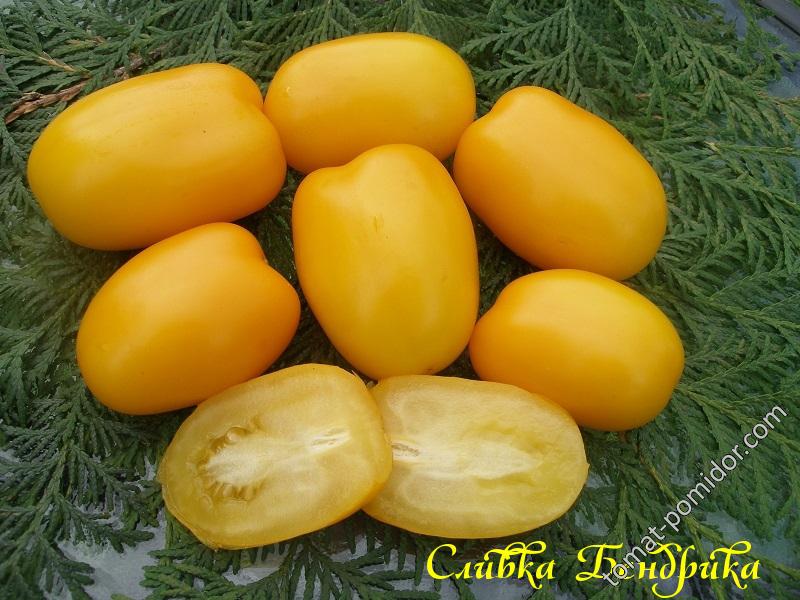
I really wanted to plant these plums this year. I planted both, but I only took photos of the yellow ones; somehow I forgot the red. I really liked both varieties, grew them in the greenhouse. A forum member Larisa shared the seeds, thank you so much!
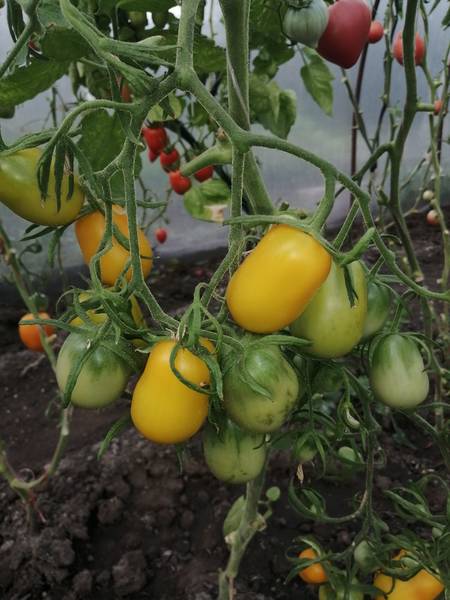
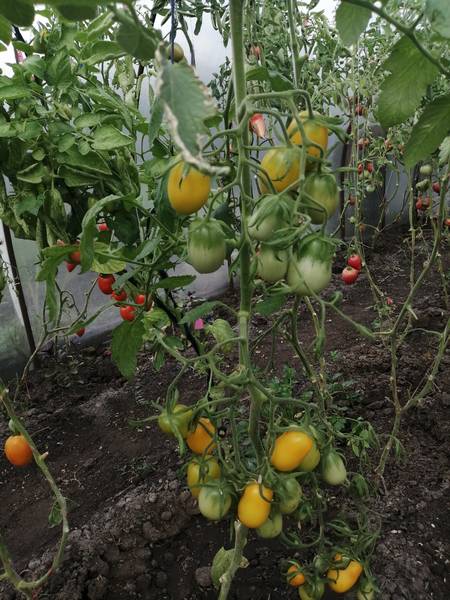
This year, the yellow Slivka Bendrika turned out with a distinct orange tint. The yield is stunning. It stores incredibly well and is quite tasty.
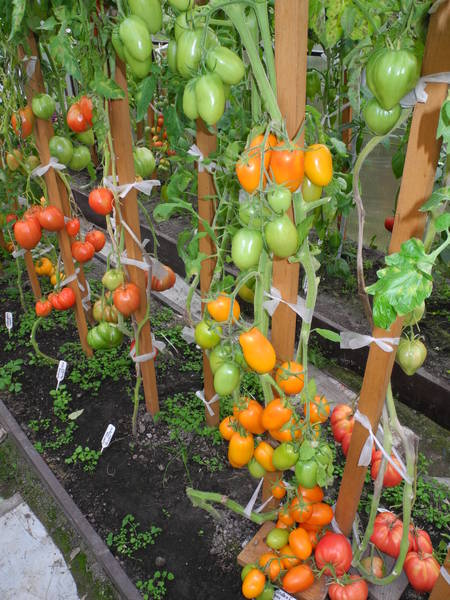
Inn@:
I’ll show my Slivka Bendrika too… Meaty plums with thick walls for canning in any form are just a treasure. I grew it both in the greenhouse and in the open ground.
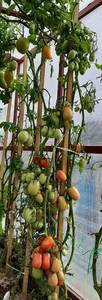
How many stems did you prune it to? Or is that multiple bushes in one planting hole?
Slivka Bendrika Yellow.
In mid-November, the fruits of this variety were still sitting in storage. And entirely suitable for fresh eating. Like the red plum, this variety was one of the absolute latest to ripen this past season.
It sets fruit well and seemingly not too late, but then it takes a very long time to ripen. But there is a plus to this. You can harvest it when the main avalanche of tomatoes has already passed, giving you the time and energy to do your canning. This variety is perfect for whole-fruit canning. And it stores so well.
The flesh is dense, with sweetness, and the fruits form large clusters. It’s possible to grow it in multiple stems; it is very tall with medium foliage.
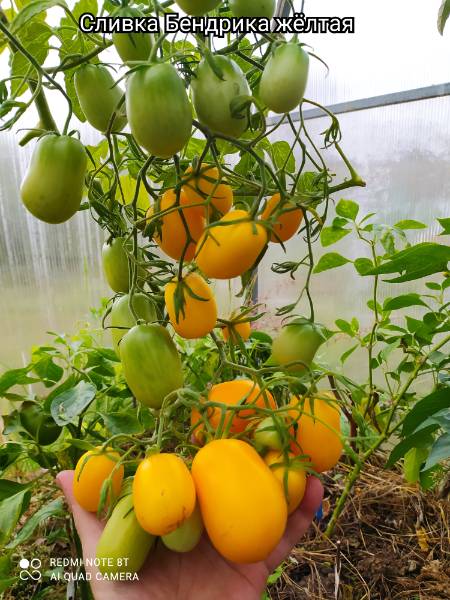
The variety genuinely surprises with its yield. A very good, reliable workhorse variety.
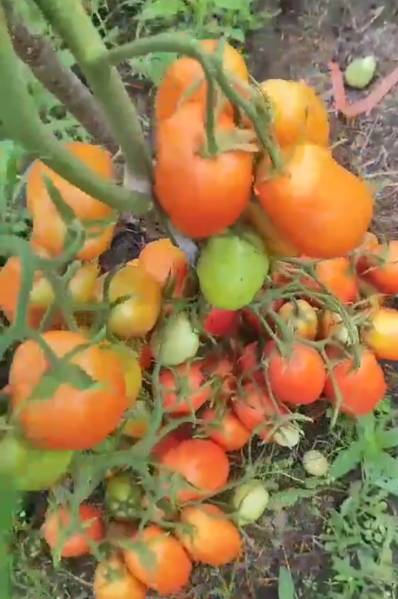
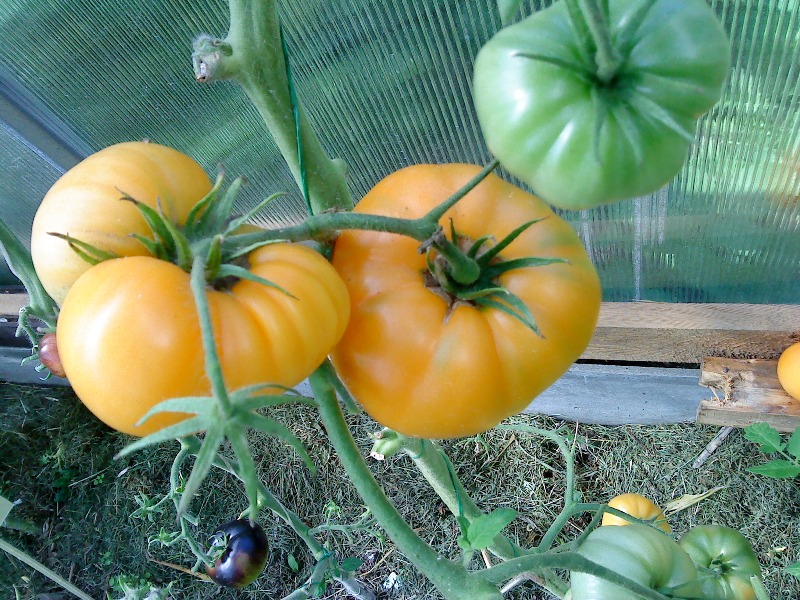
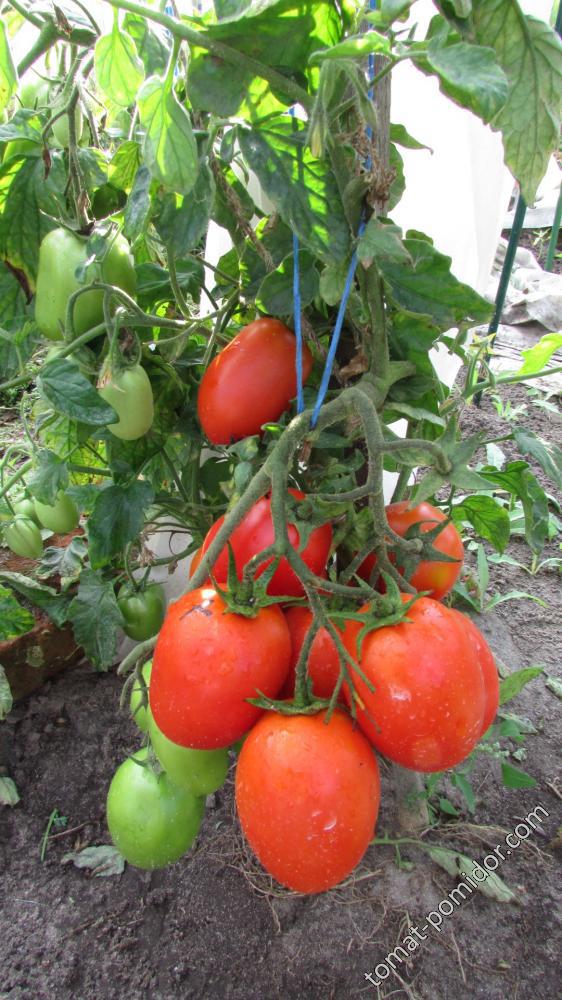
Excellent for canning.