📌 Quick Summary (TL;DR): Casanova
- 🌍 Origin: Bred by Russian tomato breeder Vladimir Dederko and distributed by the Siberian Garden (Sibirskiy Sad) seed company. It was officially entered into the Russian State Register in 2017.
- 🌿 Plant Habit: Indeterminate (tall). Can reach over 6.5 feet (2 m) in a greenhouse. If grown outdoors without pruning suckers, it tends to sprawl heavily. Best managed by pruning to 2 leaders.
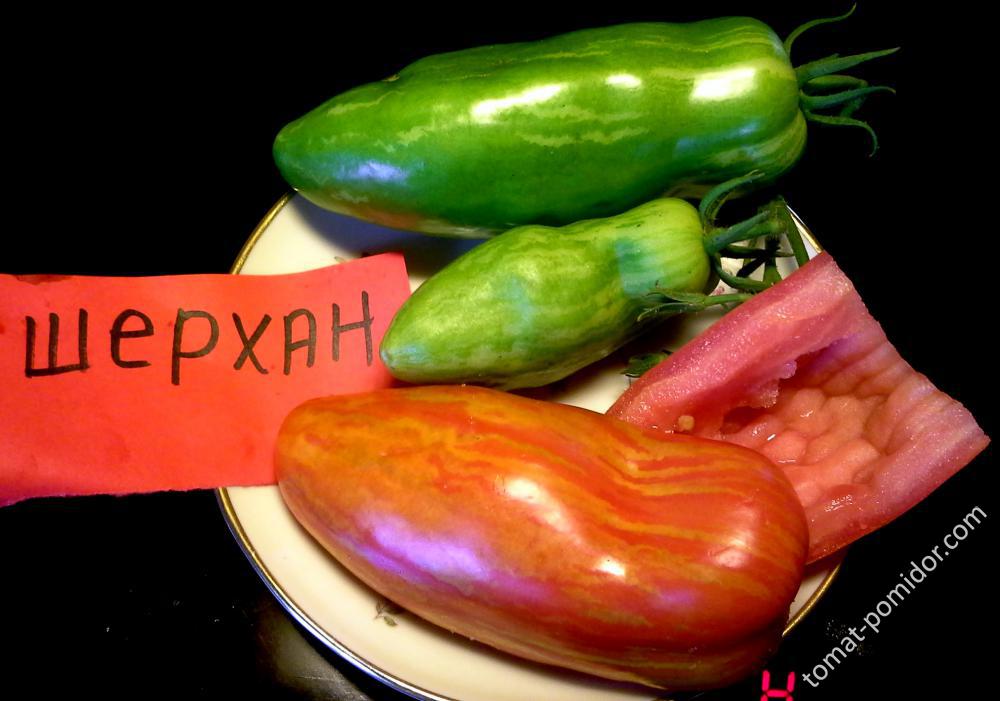
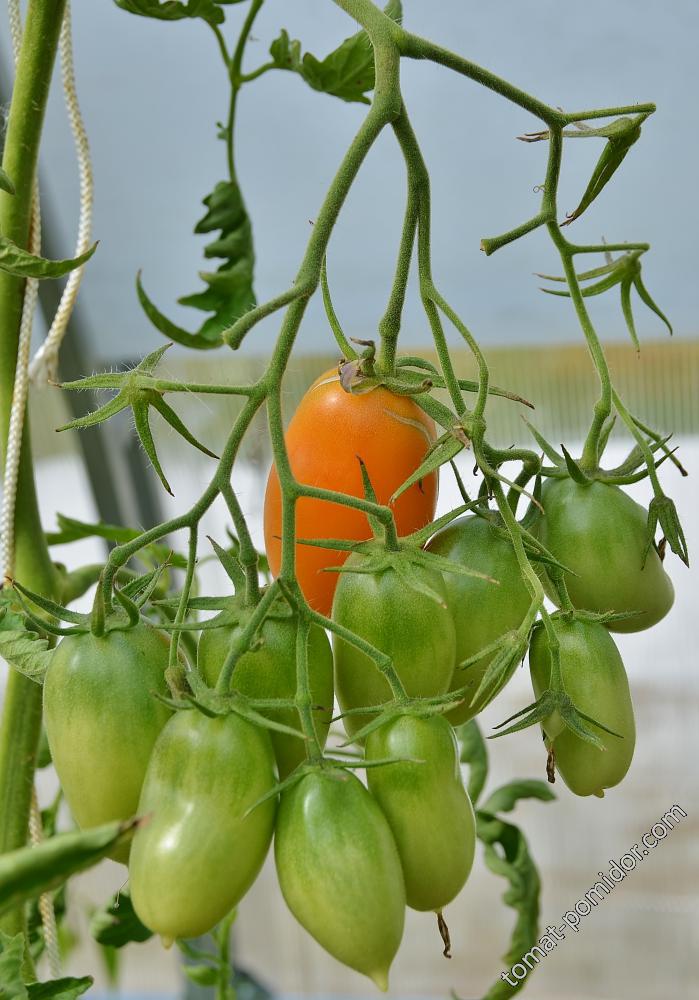
- 🍅 Fruit Characteristics: Bright red, elongated, cylindrical novelty-shaped paste tomatoes. Extremely firm, meaty, and dry with very few seeds. Average weight is around 7 oz (200 g).
- 👅 Flavor & Use: Rated poorly for fresh eating. The flesh is dry, lacks acidity, and has very little tomato aroma. However, its dry texture makes it an excellent long-keeper (shelf life up to 1.5 months) and decent for making thick sauces or canning. Warning: Highly susceptible to Blossom End Rot (BER).
A quick overview of this variety. It comes from breeder Vladimir Dederko and is currently mostly sold by the Siberian Garden seed company. It is recommended for the greenhouse in northern regions, and outdoors in the dirt for southern areas. Best pruned to 2 stems. Fruits are up to 7 oz (200 g), very firm, have a great shelf life, and don’t crack. Trusses hold up to 5 fruits. They are serious long-keepers and can easily sit on the counter until New Year’s. Been in the State Register since 2017.
Our experience from growing it one year: we grew it outdoors and didn’t pinch the suckers at all. It just sprawled all over the ground with its suckers, and because of that, the vertical growth stayed under 3.3 feet (1 m). The trusses are simple, up to 6-7 blossoms each. It sets every single blossom, so the yield is heavy to very heavy. The flavor straight off the vine is just above average. Since it’s a long-keeper, the fruits have almost no liquid, which means there is very little acidity. It’s mostly just meat and hollow air pockets, which allows it to store for up to 1.5 months, but not all of them will ripen properly off the vine. The flavor during storage drops below average, gets very dry, so our last indoor-ripened tomatoes just went into soups and sauces. At that same time, we were happily eating Melon, Black Cuban, and Japanese Black Truffle varieties fresh.
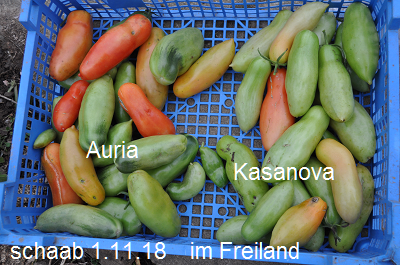
Fruit weight doesn’t really differ much from the Auria variety (see photos, by the way, this is the final harvest from one Auria plant and one Casanova plant). Three fruits actually survived until New Year’s, I just looked at my photo from Jan 1st, 2019, and they were shriveled and dried out.
The only real differences we saw between these two varieties, which were growing about 10 feet (3 m) apart, was the foliage color and how the fruit held onto the plant. Casanova has light green foliage, while Auria has the standard green color of most tomatoes. Also, Casanova eagerly drops its green fruit right off the plant, whereas Auria holds onto them tight.
.jpg.fd6040f92093bd41a2a44fb2bd1a3399.jpg)
-Kopie.jpg.534aacd42c683917298169a61065c54b.jpg)
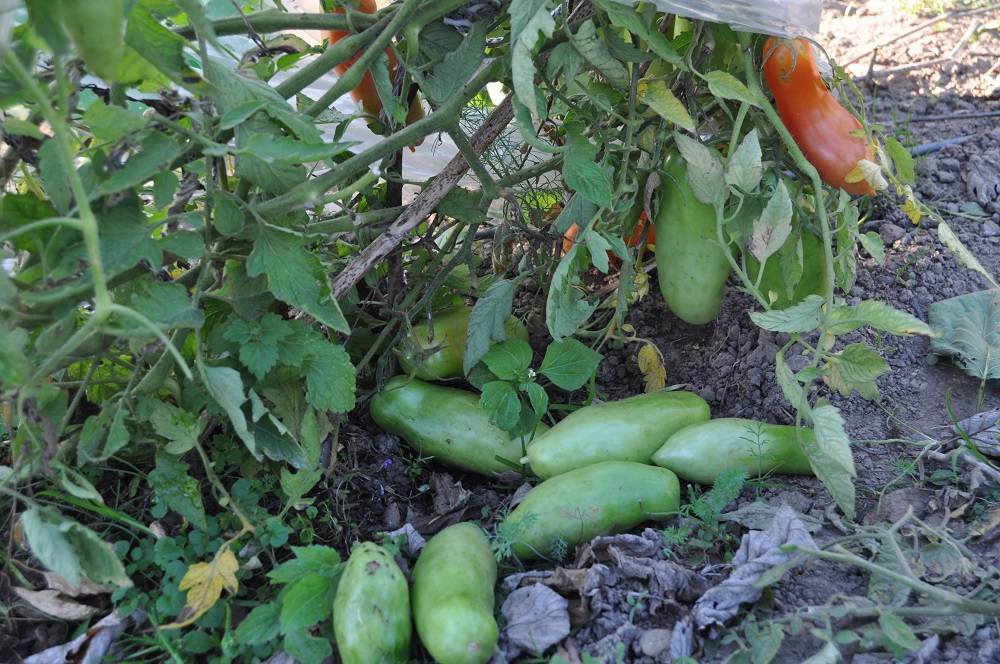
The photos didn’t fit in the first post, so I’m adding them here. This is the fruit size comparison between the two varieties from the final harvest. And the pulled-up plant showing the six suckers growing right from the base.
.png.73af1ba7f05a5666604a269809dd6b1e.png)
Never planting this again.
There is absolutely nothing good about it.
Out of the many varieties I tested, it was probably the only one that got hit with BER.
One of my biggest fails this year. Started seeds indoors in late February, planted them out in the greenhouse on May 5th. Fed them with monopotassium phosphate, just like all the other varieties in the greenhouse.
All the greenhouse varieties went through the heat, three weeks of June frosts, and abnormal July heat together. But to this day, neither Casanova nor Japonka have a single bud, flower, or fruit, even though both plants shot up to over 6.5 feet (2 m) tall.
The rest of my greenhouse varieties are starting to reward me with a harvest, but Casanova and Japonka are just on strike.
My neighbor grows this in her greenhouse and outdoors. She gets an absolute sea of fruits. She gave me two green ones for seeds. I waited forever for them to ripen. Finally did a taste test. Totally meh 😁 Bland, doesn’t even smell like a tomato. Did not like it at all.
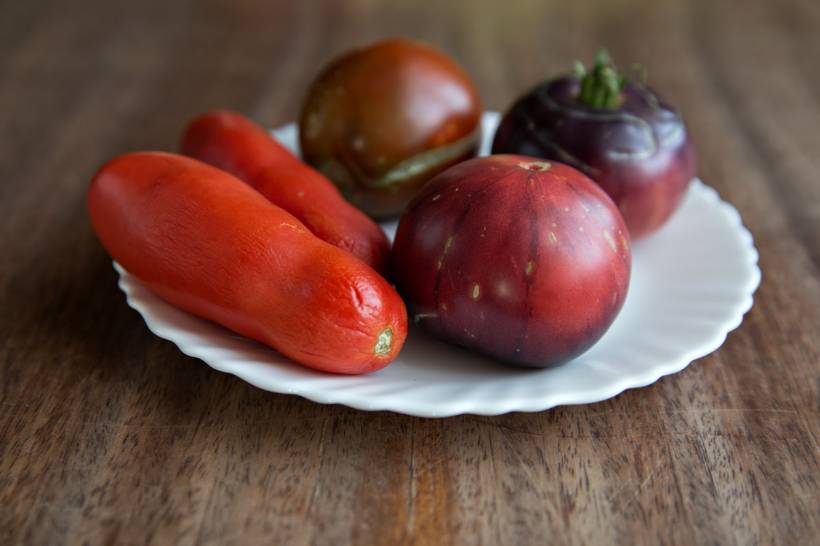
In 2021, I planted 6 bushes outdoors under a low plastic tunnel. Their permanent neighbors were Sanka, Boni MM, and Richie. It was absolutely loaded with fruit, but it was the only one in the entire group to get hit with BER. Maybe potassium feeds would have fixed the situation. But I’m used to my outdoor squad growing like weeds, so I didn’t control the process.
The few tomatoes that survived hit rock bottom on taste. Dry and flavorless. Tossed a few into a mixed batch of canned tomatoes in their own juice, and they were the absolute worst ones in the jar too.
As many growers in this thread experienced, “novelty” or extreme elongated paste varieties like Casanova, Auria, and San Marzano types are notoriously susceptible to Blossom End Rot (BER). Their unique, elongated cell structure makes it difficult for the plant to transport calcium all the way to the tip of the fruit during rapid growth or uneven watering. They almost always require much stricter calcium management and highly consistent watering compared to standard round or beefsteak tomatoes!