📌 Quick Summary (TL;DR): De Barao (Red)
- 🌍 Origin: An absolute legend in the post-Soviet gardening world. Supposedly originally hailing from Brazil, it was introduced to the USSR in the 1990s and became a staple for millions of gardeners. This thread focuses on the classic Red version, though there are Black, Pink, and Yellow variants.
- 🌿 Plant Habit: A massive, aggressive indeterminate. It easily shoots past 6.5 ft (2 m) and often grows wildly out of control, trailing along greenhouse ceilings for 15+ feet if left unchecked. Extreme vigor.
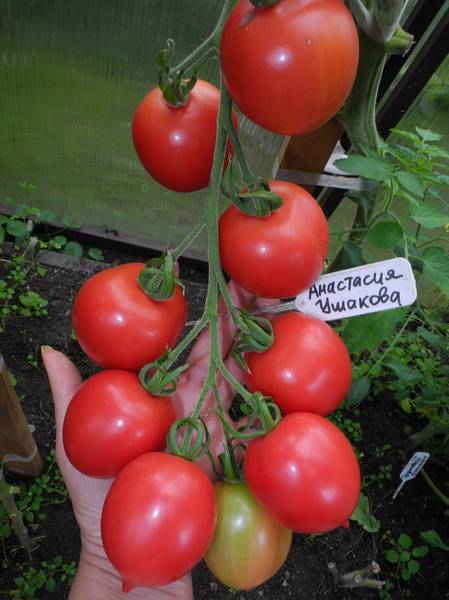
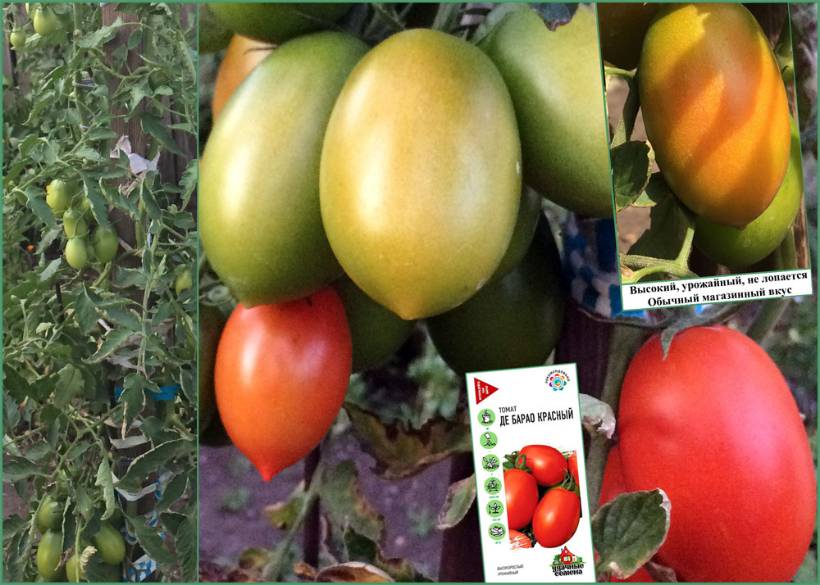
- 🍅 Fruit Characteristics: Classic red, oval/plum-shaped paste tomatoes weighing around 2.8-3.2 oz (80-90 g). They have thick walls and very firm, dense flesh.
- ☔ Disease Resistance: Highly praised for its shade tolerance, cold tolerance, and solid resistance to late blight.
- 🥫 Culinary Use: The ultimate processing and canning tomato. They don’t split in the jars and hold their shape perfectly when pickled or fermented.
Description from the seed packet: Late-season variety (120-125 days from seedling emergence to first harvest). The plant is an indeterminate, growing over 6.5 ft (2 m) tall. The fruits are oval, red, weighing 2.8-3.2 oz (80-90 g). Good flavor. Used for fresh eating and whole-canning. The variety is somewhat resistant to late blight, cold-tolerant, and shade-tolerant. The packet claims yields around 1.2-1.3 lbs per sq ft (6.2-6.4 kg/m²). Recommended for growing in greenhouses and open ground.
Photo credit: kamo, enni
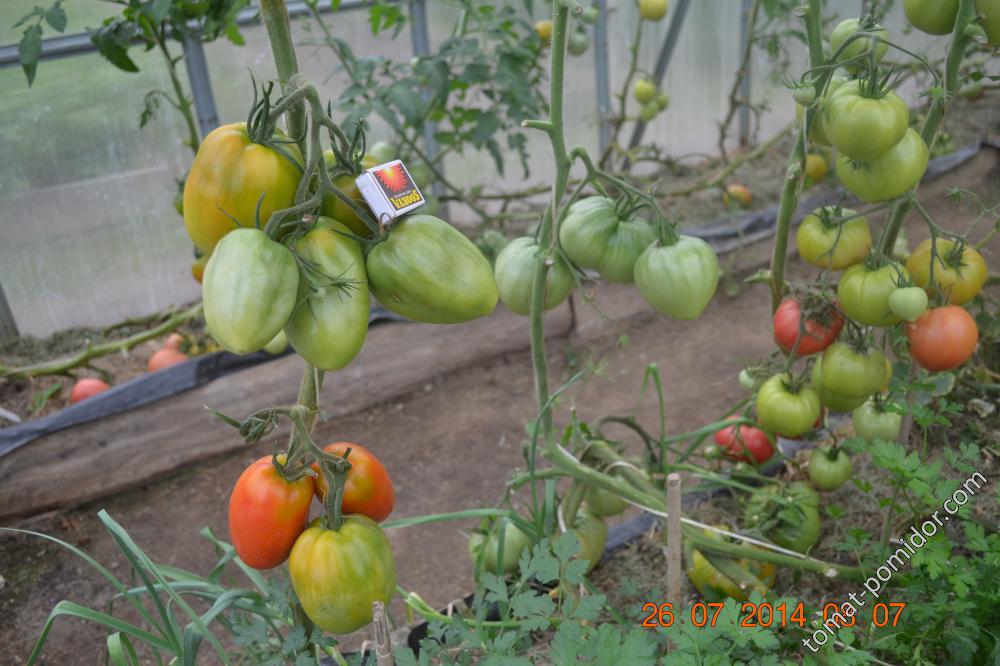
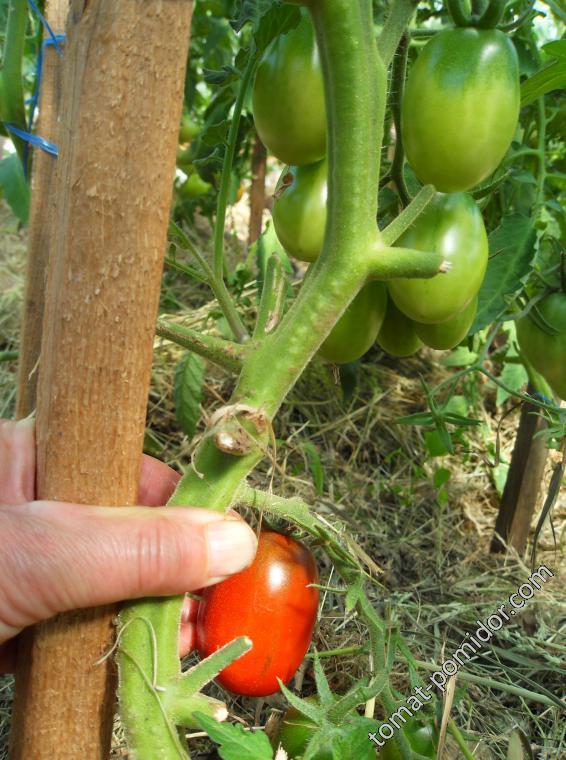
Here are my red De Baraos (I think my seeds were from the Aelita seed company). And here they are on the vine in mid-July.
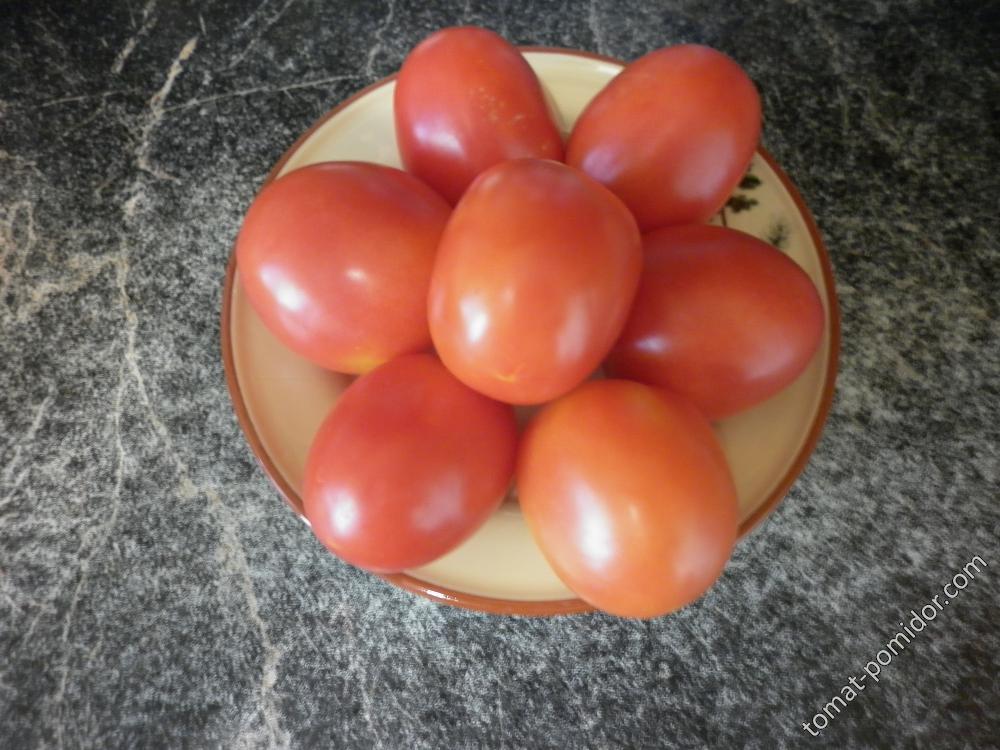
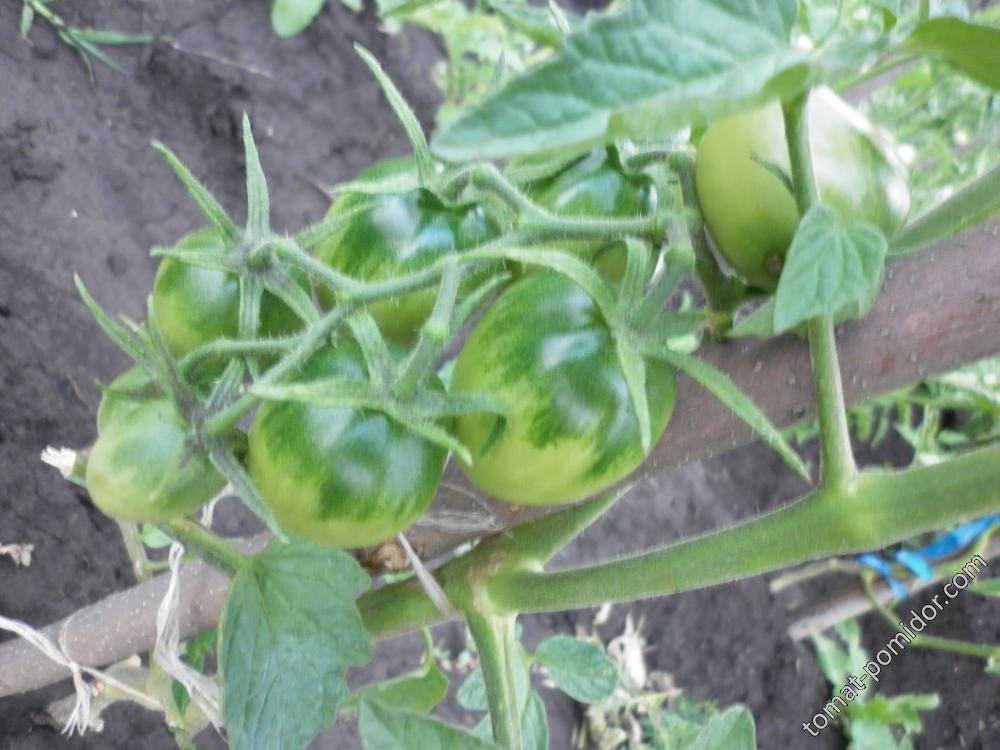
This variety is truly a legend. Back in the day here in Chelyabinsk, people basically only grew two tomato varieties: De Barao and Bull’s Heart.
So anyway, despite all my attempts to get my husband to love other varieties, he stubbornly keeps reminiscing about these tomatoes that grew as tall as him (6.5 ft / 2 m) and were absolutely loaded with fruit. He insists they were the most delicious tomatoes ever when canned.
I finally caved to my “customer’s” demands, and this is my second year growing the red De Barao (he didn’t appreciate the black version). By the way, my friend’s mom still prefers this specific variety for canning, even though our summers are notoriously cold and short (as we joke around here, summer is just winter with less snow), and this is quite a late-season variety.
My De Barao grows way taller than 6.5 ft (2 m). My greenhouse is 11.5 ft (3.5 m) tall, and this year the vines trailed along the roof for another 5-6 feet (1.5-2 m). I’d estimate the total length of the vines at about 16-20 feet (5-6 meters)!
They don’t split in the jars as long as you don’t let them get overripe on the vine. The yield is fantastic.
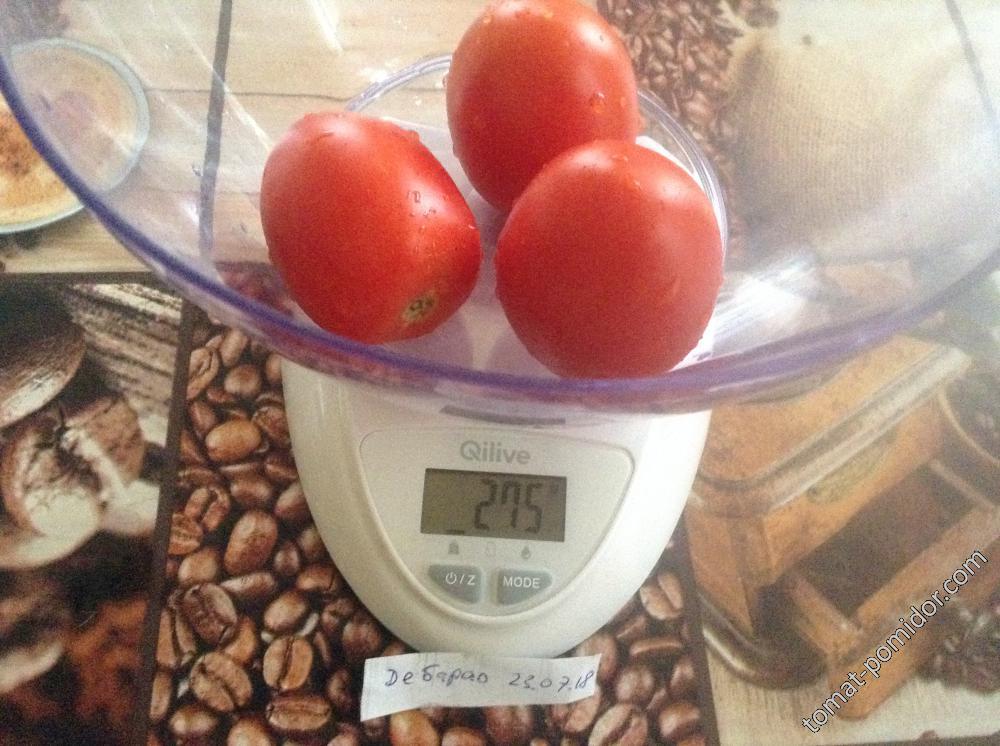
About 10 years ago, someone gave me some tomatoes and told me they were De Barao, but the plants they picked them from were only waist-high. I saved some seeds and planted them out to test, but my seedlings just fried in the heat.
My seeds were from the Gavrish seed company, their “Lucky Seeds” line (I bought them purely out of nostalgia for the old Soviet De Barao). I didn’t like it at all. There is absolutely no flavor, neither when underripe nor fully ripe. The tomato itself is rock hard, like those cheap grocery store tomatoes. It doesn’t crack, though. Outdoors it grew to 10-11.5 feet (3-3.5 m) tall and set 9-10 huge trusses. But the harvest didn’t really get used much lol.
It completely failed in cold brining/fermenting, but was slightly better pickled in a hot vinegar marinade.
Bottom line: a super productive, but very mediocre-tasting canning variety.
- Determinate Off-types: Inna mentions the donor’s plants were only waist-high. Since true De Barao is famously an aggressive indeterminate vine, her donor definitely had crossed seeds or a mislabeled determinate variety (an off-type).
- Cold Brining vs. Hot Canning: Alyona mentions the tomatoes failed in “cold preservation”. In Eastern Europe, this refers to traditional cold lacto-fermentation (like making barrel pickles). Because De Barao has thick skins and very dense flesh, many growers find they are much better suited for hot water bath canning, where the heat helps soften them up and absorb the marinade.