📌 Quick Summary (TL;DR): Zhiraf (Giraffe)
- 🌍 Origin: A well-known commercial variety bred specifically for extreme long-term winter storage.
- 🌿 Plant Habit: Indeterminate (tall) and very late-ripening (130-140 days). Highly resistant to Tobacco Mosaic Virus (TMV) and leaf mold.
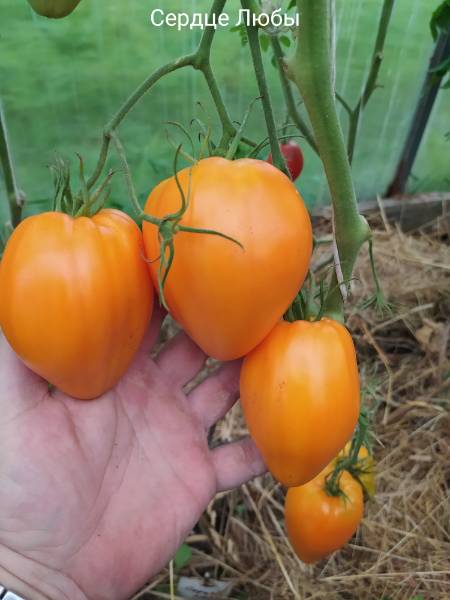
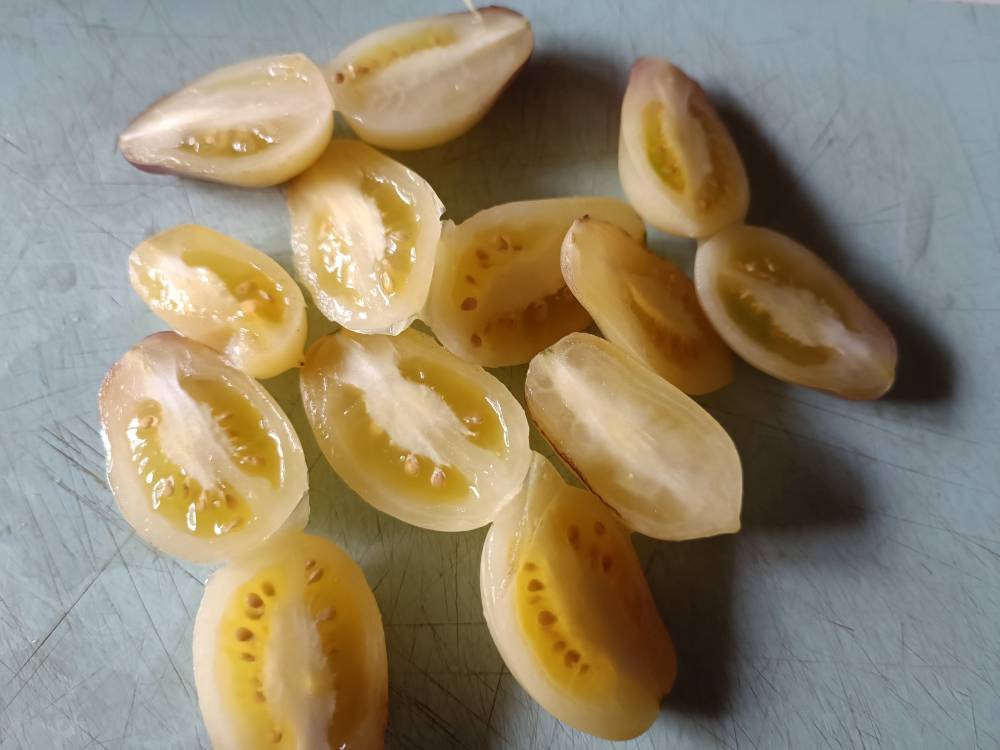
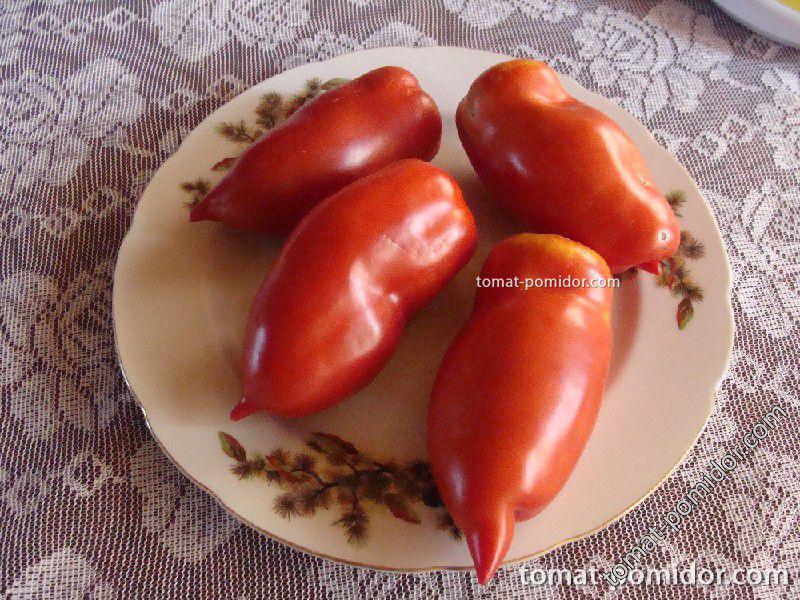
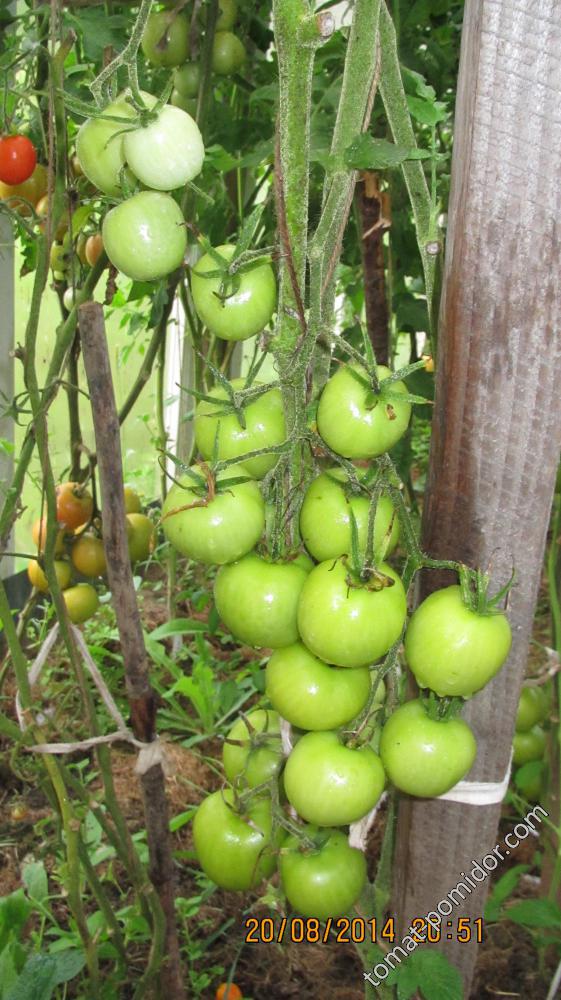
- 🍅 Fruit Characteristics: Round, yellow/orange fruits weighing around 4-4.5 oz (120-130 g). Because it contains the nor (non-ripening) gene, the fruits never turn red and stay incredibly hard. They can be stored in a box for up to 6 months!
- 👅 Flavor Warning: Universally panned for its taste. While it is praised for its ability to survive in a cellar until spring, the flavor and texture are considered completely bland, hard, and inferior even to cheap winter supermarket tomatoes. Best used strictly for pickling or canning.
Description from the seed packet: A late-season (130-140 days from sprouting to fruiting) indeterminate (unlimited vertical growth) variety recommended for high tunnels and open ground. The fruits are round, weighing 4-4.5 oz (120-130 g). The unique feature of this variety is that the fruits never turn red; they stay yellow and can be stored for up to six months. Excellent for pickling and marinating. Planting scheme is 16×24 inches (40×60 cm). The variety is resistant to Tobacco Mosaic Virus and leaf mold. Yield is about 10 lbs (4.5 kg) per plant.
Photo by: Nadija
There are such conflicting reviews about this variety online! So what does it actually taste like?
Compared to this thing, those plastic cardboard tomatoes they sell at the supermarket in winter are the absolute gold standard of flavor.
It contains the nor gene; tomatoes with this gene are never tasty. All these commercial attempts at breeding long-storage winter tomatoes failed miserably, especially here in Russia, where it’s much harder to “feed” people tasteless, plastic vegetables.
👨🌾 Editor’s Notes & Genetics:
- The “Long-Keeper” Mutation (nor gene): Artemiy brings up a fascinating piece of tomato genetics. Varieties bred to last all winter in a cellar (like Zhiraf, Long Keeper, or Reverend Moro’s) carry mutations like the rin (ripening inhibitor) or nor (non-ripening) genes. These genes literally block the tomato from completing its natural ripening process. While this allows the fruit to sit in a cardboard box for 6 months without rotting, it also means the tomato never fully develops the sugars, volatile aromatic compounds, or soft texture of a normal tomato. As Mikhail joked, they taste worse than a cheap winter supermarket tomato!