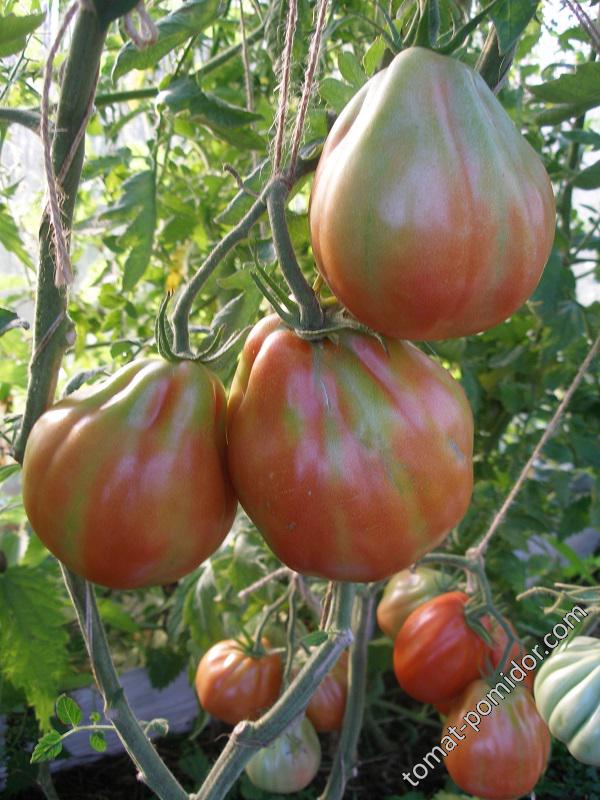
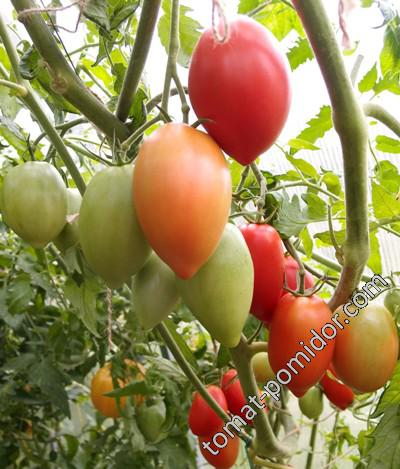
📌 Quick Summary (TL;DR): Knyaginya (Princess / Duchess)
- 🌍 Origin: A very popular Russian variety, widely grown as a family heirloom but also distributed commercially by companies like Siberian Garden (Sibsad). The name translates to “Princess” or “Duchess”.
- 🌿 Plant Habit: Indeterminate (tall), but not overly aggressive. It grows at a moderate pace, reaching about 6.5 feet (2 m) by the end of the season. Performs exceptionally well in greenhouses and benefits from being pruned to a single stem.
- 🍅 Fruit Characteristics: Large, elongated red paste/plum tomatoes. They average around 7-9 oz (200-250 g). The skin is firm but completely edible, and they are highly resistant to cracking and Blossom End Rot (BER).
- 👅 Flavor & Use: Very firm, meaty, and dense with a fantastic classic tomato flavor. While perfectly delicious sliced fresh, their texture makes them an absolute powerhouse for processing. You can cut them into halves or quarters, process them in jars, and they will hold their shape perfectly without turning to mush!
A long-time favorite of mine, going all the way back to the days before I even grew my own tomatoes. I actually tracked down the seeds from the exact same person who first gave me one to taste.
Indeterminate variety, moderately vigorous vine. Grew it in the greenhouse and single-stemmed it. It doesn’t shoot up too aggressively; by the end of the season, the vines reached about 6.5 feet (2 m). Maturity-wise, it’s mid-early.
The fruits are firm, meaty, red, and very tasty, weighing around 7-9 oz (200-250 g), sometimes bigger. No cracking, and absolutely zero BER.
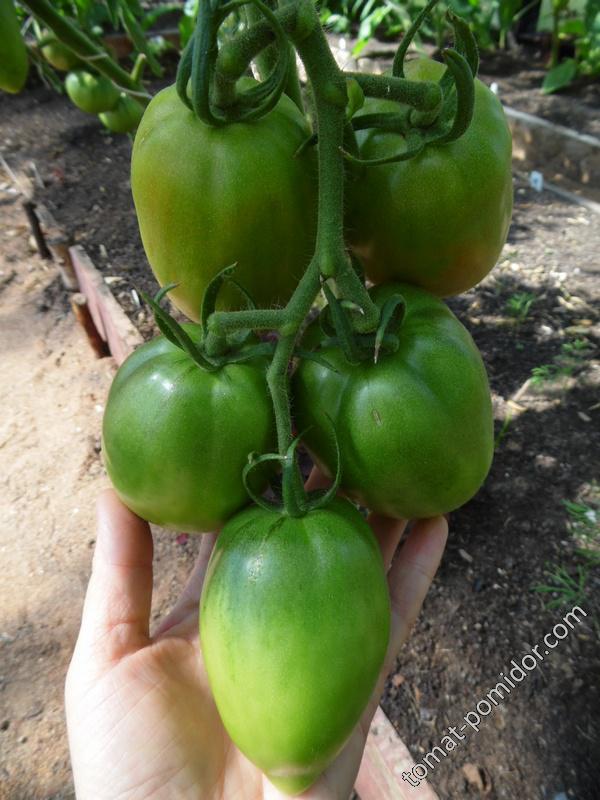
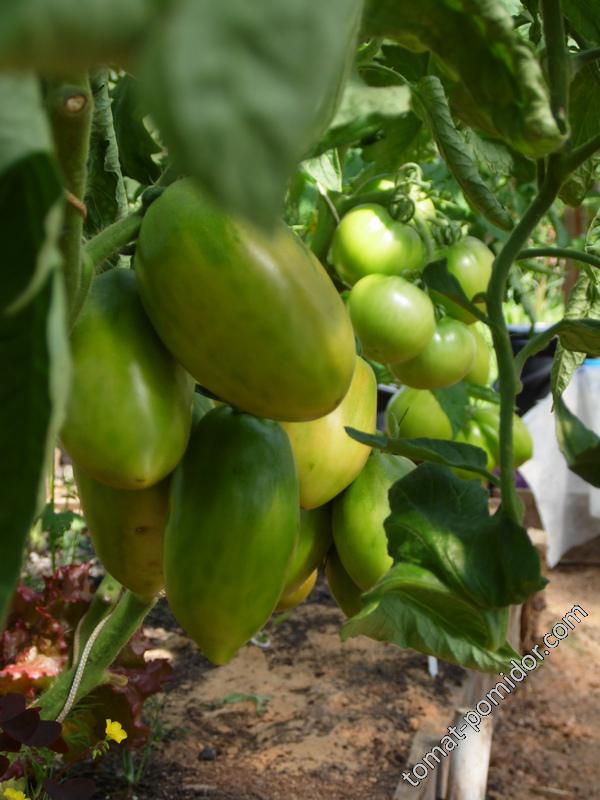
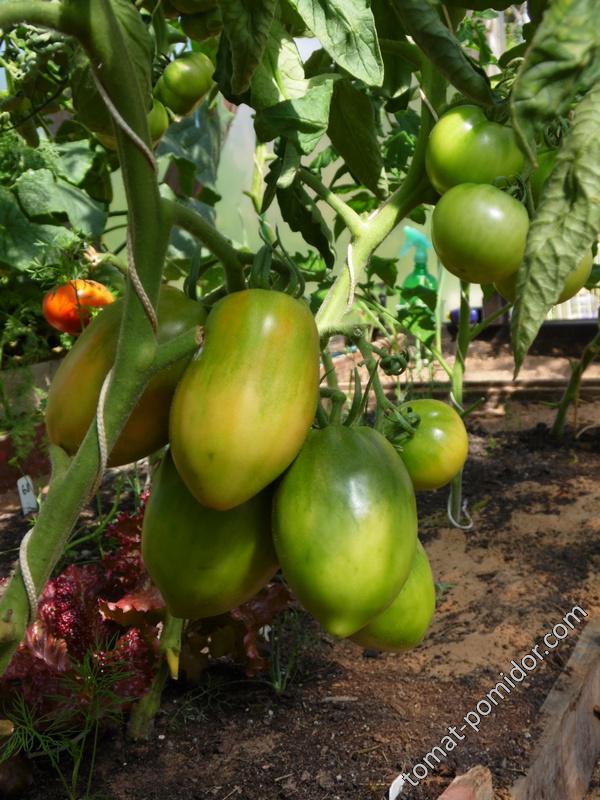
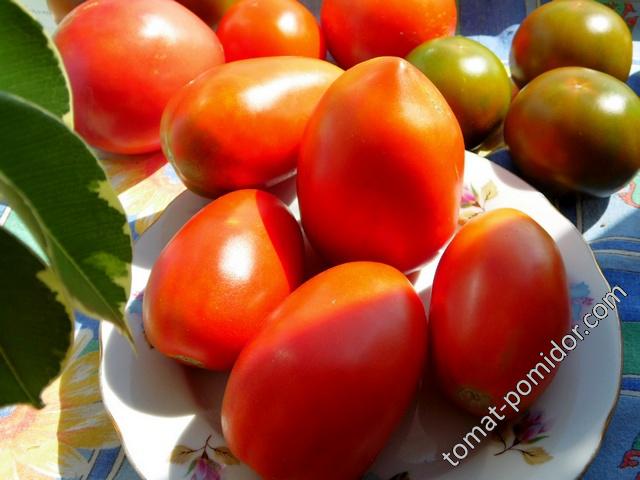
I really like this variety too, I’ve been planting it for about four years now. To add to what was already said: the fruits are firm and meaty, you can eat them fresh or use them for canning. Since these tomatoes aren’t small, I cut them in half or even quarters to can them, and they don’t turn to mush, plus they taste great. Never had any cracking. The skin is a bit firm but perfectly edible.
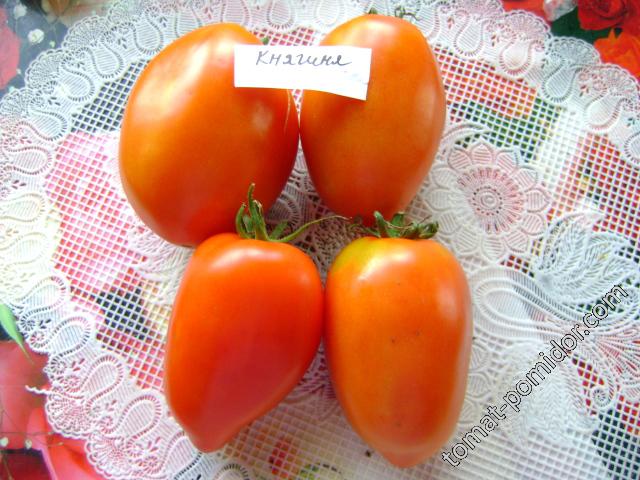
I just picked up some Knyaginya seeds from the Sibsad brand. I’ll definitely be planting it outdoors in the dirt. It is always super hot here. We’ll see how it performs.
That’s for sure, it’s a fantastic variety. It’s been on my favorites list since 2014. Definitely planning to grow it again this season. I grew it in the greenhouse, both on the edges and right in the middle beds… performs exceptionally well everywhere. Haven’t tried it outdoors, since I grow practically everything under cover (peppers, tomatoes… except for my regular root veg beds, obviously).
I often see in descriptions that this is a hybrid. Is it an F1 hybrid or not?
Elizara wrote:
I often see in descriptions that this is a hybrid. Is it an F1 hybrid or not?
You probably mixed it up with Knyazhna (Princess) – that one is an F1 hybrid (according to the State Register).
Drosera wrote:
You probably mixed it up with Knyazhna (Princess) – that one is an F1 hybrid (according to the State Register).
More likely, the people writing those online descriptions mixed it up with Knyazhna! 🙂
The confusion mentioned by users Elizara and Drosera at the end of this thread is very common. The Russian word Knyaginya translates to “Princess” or “Duchess” (referring to a mature noblewoman or wife of a Prince). Meanwhile, the commercial F1 hybrid they mention is called Knyazhna, which translates to “Princess” as well (but specifically refers to the unmarried daughter of a Prince). Because they translate to almost the exact same English word, seed vendors frequently mix up their stats. Rest assured, Knyaginya is a stable, open-pollinated heirloom variety, not an F1 hybrid!