Growers’ Notes and Photos (USDA Zone 4 Experience)
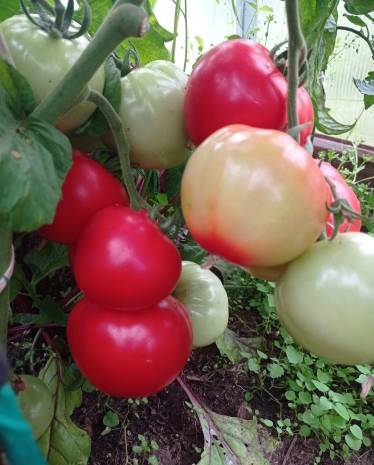
Seeds were from Ruslan Sirotin. It’s an early one (though nothing is early for me this year lol), doesn’t need pruning, pumps out a ton of fruit, and it’s a short bush variety. The fruits range from 2 to 5 oz (60 to 150 g). Juicy but not watery, with a really pleasant acidic tang. Exactly what you want after a long winter of eating those tasteless plastic grocery store tomatoes :D. I really liked it.
Edited January 29, 2015 by Drosera
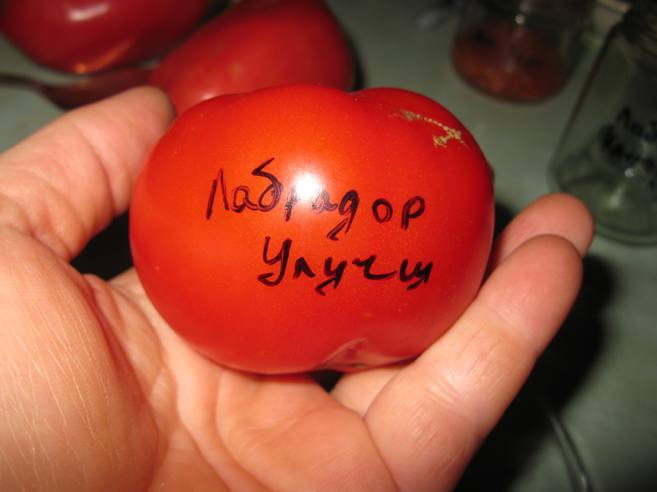
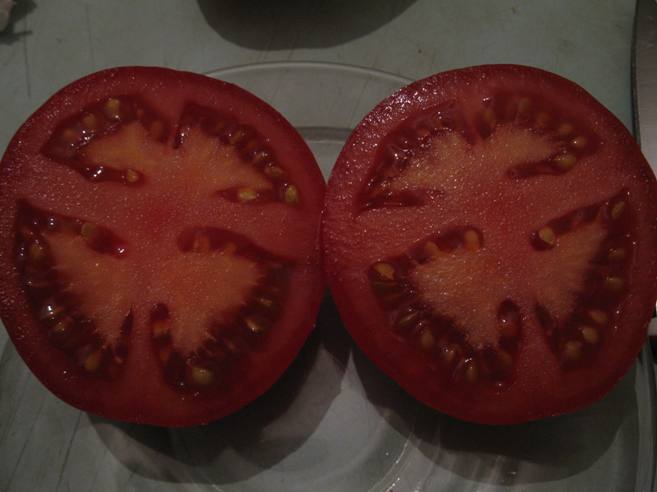
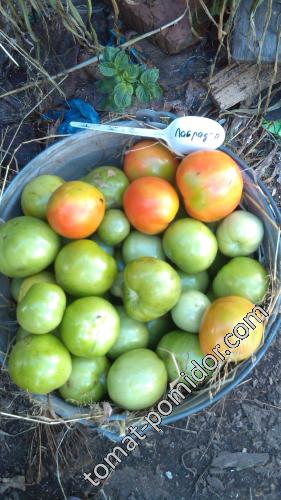
I only planted one Labrador bush this year. It grew outdoors in the dirt, I didn’t even cover it with plastic until mid-August, and I let it go to five stems. We started pulling red ripe ones off it in late June, it was the absolute first to ripen for me. And then in late August when I pulled the plant for the season, I picked a whole bucket of tomatoes off it all at once.
Very early variety, never lets you down, and always a heavy yielder.
Full Summary: Plant, Yield, Taste and Storage
- 🌿 Plant: Determinate (short bush), early-season. It is highly manageable and requires little to no pruning. One grower opted to let it grow to 5 stems outdoors and got fantastic results. Fruits are round and red, weighing between 2 to 5 oz (60-150 g).
- 📈 Yield: Exceptionally high. Growers report it pumping out fruit all season, with one user harvesting a full bucket of fruit at the very end of August when pulling the plant.
- 👅 Taste: Very juicy without being watery. It has a great traditional tomato flavor with a pleasant acidic tang, making it an excellent early-season remedy for winter supermarket tomato fatigue.
- 📦 Hardiness: Extremely reliable. It performs wonderfully outdoors in the dirt with minimal protection, even in cooler, short-season northern climates.
You might notice Olga mentioning she let her Labrador bush go to “five stems.” In the US, the general rule of thumb is to never prune a determinate (bush) tomato at all. However, in short-season climates like Russia or the northern US, growers often prune their early determinates to 3-5 main stems and remove the lowest suckers. This ensures better airflow to prevent blight outdoors and forces the plant to focus its energy on ripening the early clusters faster before the cold autumn weather hits.