Quick Summary: Defeating Late Blight in Cold, Rainy Climates
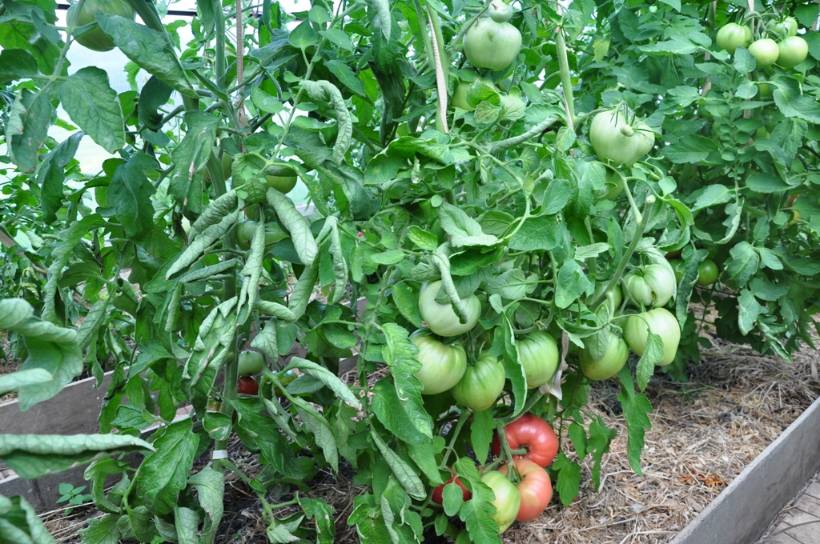
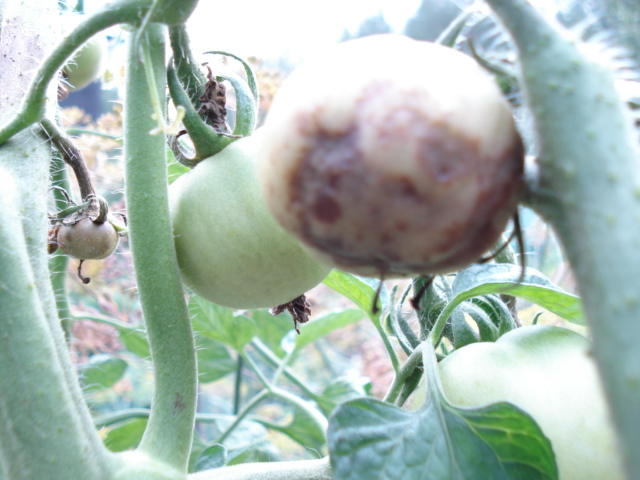
- 🌍 The Problem: Late Blight (Phytophthora infestans) is the ultimate tomato killer, especially in cool, rainy regions with heavy morning dew (like USDA Zones 3-5). Many growers harvest green tomatoes thinking they are safe, only to watch them rot indoors.
- 🧪 Folk Remedies vs. Science: Experienced growers agree: in bad weather, folk remedies fail. Relying on “natural selection” or greenhouse protection isn’t enough. You need modern preventative fungicides.
- 📅 The Calendar Strategy: The key to success is a strict spray schedule. Treatments must begin before the rains and disease hit (sometimes as early as June). Keeping a calendar ensures you respect the PHI (Pre-Harvest Interval) for each chemical.
- 🔄 Rotate Active Ingredients: To prevent resistance, you must rotate fungicides. Popular choices include Previcur Energy (Propamocarb), Revus (Mandipropamid), Quadris (Azoxystrobin), and Copper-based sprays.
Tomato Late Blight: Why Green Tomatoes Rot & How to Stop It
Hello everyone…
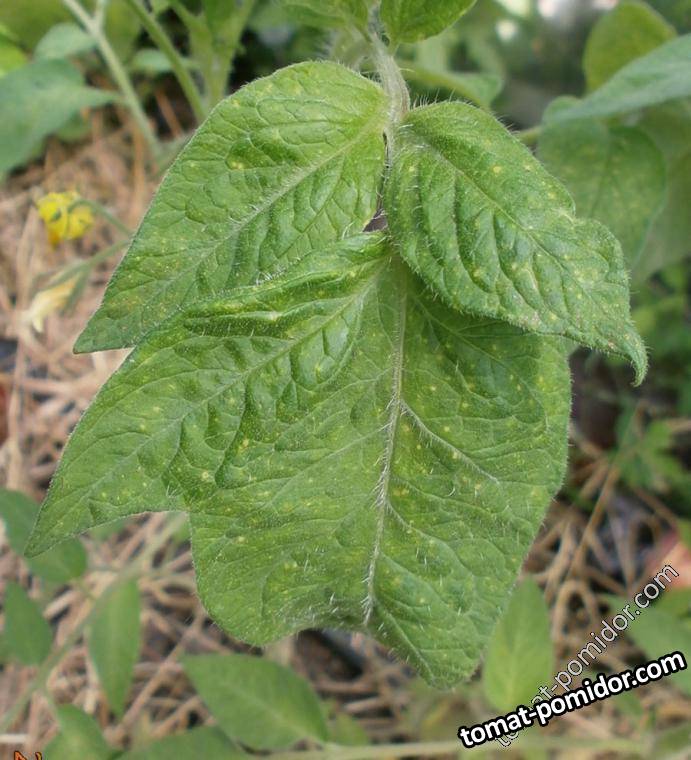
Oh, I rejoiced too early that I managed to pick my green tomatoes. They sat for 2 weeks and started to spoil very rapidly. Spots appeared, and then rot… my heart bleeds, and honestly, I just want to give up.
I need to rethink my possible mistakes in agrotechnology, understand what kind of infection this is, and whether I need to treat the soil. I don’t know if I’ll ever find common ground with tomatoes—apparently, they do not forgive mistakes.
sova86 said:
They sat for 2 weeks and started to spoil very rapidly…
It’s convenient to keep records if you know what variety it is. I try not to repeat the capricious ones; natural selection hasn’t been canceled! For some people, a variety might perform great, but for me, I’d have to dance with a tambourine and sing songs to it—fine if the variety is worth it, but otherwise, I just play with it once and move on. How to balance everything—soil, weather, fertilizers—who the heck knows, I can’t even bother worrying about it, I have too many other chores and varieties to try. 👋
That’s true, I immediately started a spreadsheet on my computer (it’s more convenient and easier for me) and started keeping records of when I sowed which varieties.
But right now, of course, in this pile of harvested tomatoes, you can’t figure anything out. Next year, I’ll probably rely mostly on disease-resistant F1 hybrids and earlier varieties.
sova86 said:
Next year, I’ll probably rely mostly on disease-resistant F1 hybrids and earlier varieties.
…I went through that phase too. But I returned to open-pollinated (heirloom) indeterminates. In the open ground (outdoors), only they and Dwarf Tomato Project varieties truly survive for me.
sova86 said:
I need to rethink my possible mistakes in agrotechnology, understand what kind of infection this is, and whether I need to treat the soil…
In my opinion, you absolutely must do preventative sprayings, and not with folk remedies, but with good modern fungicides. Especially since your climate is quite difficult—it’s not hot, and it’s rainy. No greenhouse will save you from diseases. For many growers around here, Late Blight (Phytophthora) wiped out their tomatoes a long time ago, while mine are still standing outdoors in the open ground right up until the frosts.
Svetlana66 said:
In my opinion, you absolutely must do preventative sprayings, and not with folk remedies, but with good modern fungicides…
I completely agree. ONLY preventative sprayings of tomatoes and potatoes against Late Blight and Cladosporium (Leaf Mold in the greenhouse) with modern systemic and systemic-contact fungicides will help save the harvest. You don’t need to treat the soil, and variety selection doesn’t play a massive role either.
I have a large 3-month block calendar hanging on my wall where I record all my sprayings. This allows me to track the PHI (Pre-Harvest Interval) before picking, and to know exactly when to do the next spray if the weather gets dangerous. I’ve already been through all those stages in the past: when Late Blight strikes suddenly in a couple of days, when seemingly clean green fruits spoil while ripening indoors, and when I sprayed too late—at the first signs of disease rather than preventatively.
Now I’ve developed a “sixth sense.” In the summer, I analyze the weather, especially in the mornings. Our nights are often cold, with heavy morning dew. If rain is also in the forecast—spraying is mandatory. Sometimes I have to start as early as June.
Svetikk said:
Now I’ve developed a “sixth sense.” In the summer, I analyze the weather… If rain is also in the forecast—spraying is mandatory.
I spray before every heavy rain starting from the end of June. And if there are cold nights and heavy dew, I do it then too. I leave 7, 10, or 12 days between treatments, and I always rotate the fungicides. This year, Phytophthora devoured the tomatoes for many people here (no surprise, June and July were completely rainy), not letting them taste a single tomato. Meanwhile, mine are thriving in the open ground.
Generally speaking, despite the horrible weather, the tomatoes this year are gorgeous in taste—all sweet, almost no bland or watery ones. What’s strange is that even though June and July were very cold and wet, the tomatoes that started ripening in mid-July were delicious, just with thicker skins. Now the skins have returned to normal.
Girls, thank you all for the answers and advice. I will try to grow tomatoes again next year.
Before the new season, I need to find out from you what you spray with and when, to make a written action plan for myself. Because when the gardening chores are in full swing, there’s no time for writing…
I sprayed them with Profit Gold (Cymoxanil + Famoxadone), but apparently it was too late. As I understand it now, I need to spray with different chemicals throughout the entire period.
Oksana! It’s a pity for your hard work, of course. So many people right here on the forum have had problems with Late Blight (Phytophthora) on their tomatoes.
But this disease has been studied far and wide by now. Protection schemes have been developed, and there is a choice of fungicides against it. Yet, many people still comfort themselves with illusions that it won’t affect their tomatoes. You just have to take a protection scheme as a guide and execute it. Of course, depending on your region and local climate, the scheme might be adjusted.
sova86 said:
I sprayed them with Profit Gold, but apparently it was too late. As I understand it now, I need to spray with different chemicals throughout the entire period.
Yes, you must have different fungicides with different active ingredients so the fungus doesn’t build resistance. Profit Gold (Cymoxanil + Famoxadone, similar to US brands like Tanos) is a good product, but applying it once, and too late, is not enough.
I start right from sowing the seeds with Previcur Energy (Propamocarb + Fosetyl-Al; available in the US under the same name or as Aliette). Then throughout the season I use many others: Luna Experience (Fluopyram + Tebuconazole; available to US home gardeners in products like BioAdvanced Disease Control), Ordan (Cymoxanil + Copper oxychloride; similar to mixing Curzate with a standard Liquid Copper Fungicide), Revus (Mandipropamid), Quadris (Azoxystrobin; widely sold to US home growers as Scott’s DiseaseEx or Heritage), etc.
Svetlana66 said:
Yes, you must have different fungicides with different active ingredients so the fungus doesn’t build resistance… I start right from sowing the seeds with Previcur Energy, then throughout the season I use many others: Luna Experience, Ordan, Revus, Quadris and..
I completely agree! I will add to the list: Oxyhom (Oxadixyl + Copper oxychloride), Infinito (Fluopicolide + Propamocarb), and Consento (Fenamidone + Propamocarb).
Also, HOM (Copper oxychloride, widely sold in the US as standard Liquid Copper Fungicide). It is a contact fungicide with the shortest pre-harvest interval (PHI)—but keep in mind that it washes off with rain.
It is better to buy them in advance and from verified sources. There is a high risk of buying fake products on general marketplaces (like Amazon/eBay). I buy mine through our forum’s joint co-op purchases, on the Onprofi website, and at Lemana Pro [Editor’s note: trusted agricultural and home improvement suppliers in Russia].