Growers’ Notes and Photos (USDA Zones 3-8 Experience)
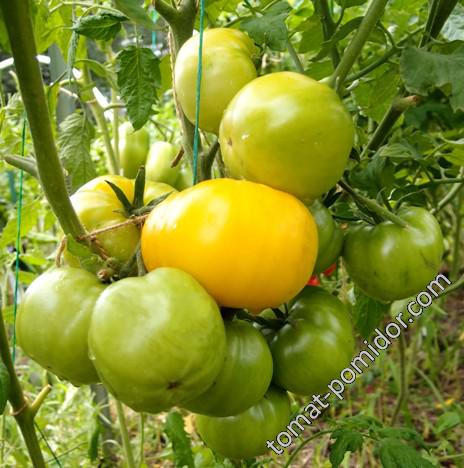
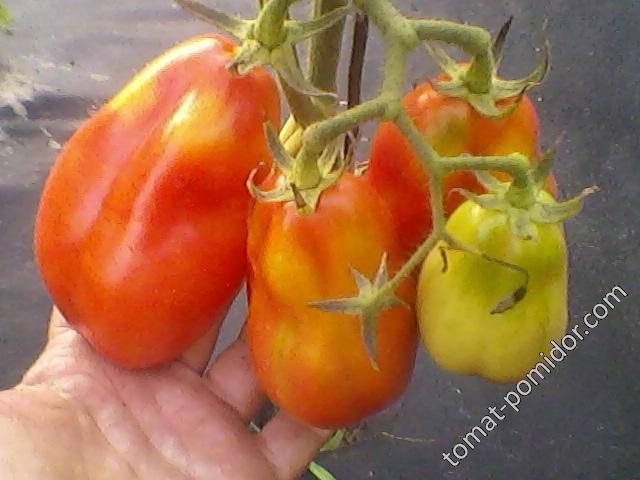
Grew this one outside. The plant stayed around 3 feet (1 m) tall. Fruits were a very uniform 10.5-12 oz (300-350 g). It’s gorgeous and tastes good, but honestly, I’ve had better-tasting bicolors.
Edited February 2, 2015 by Drosera
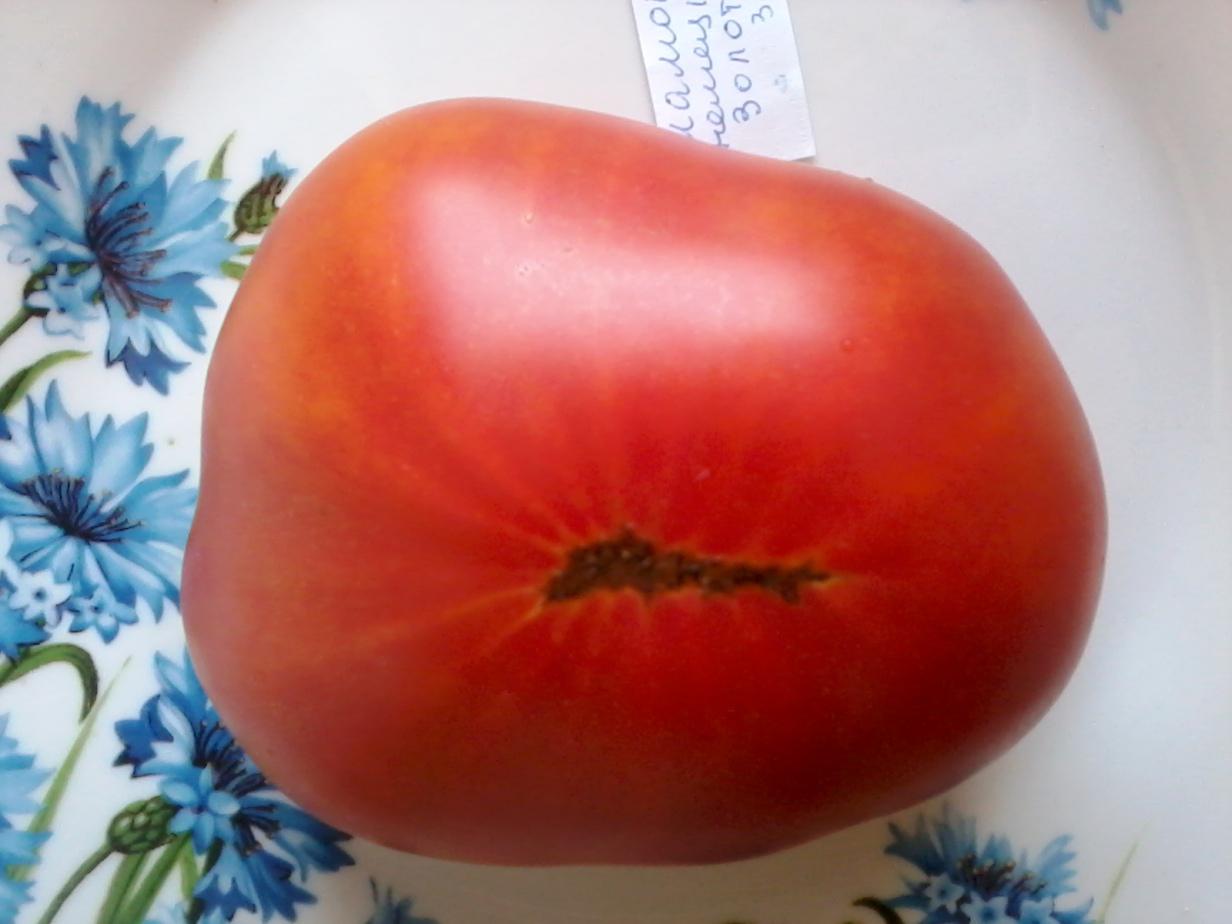
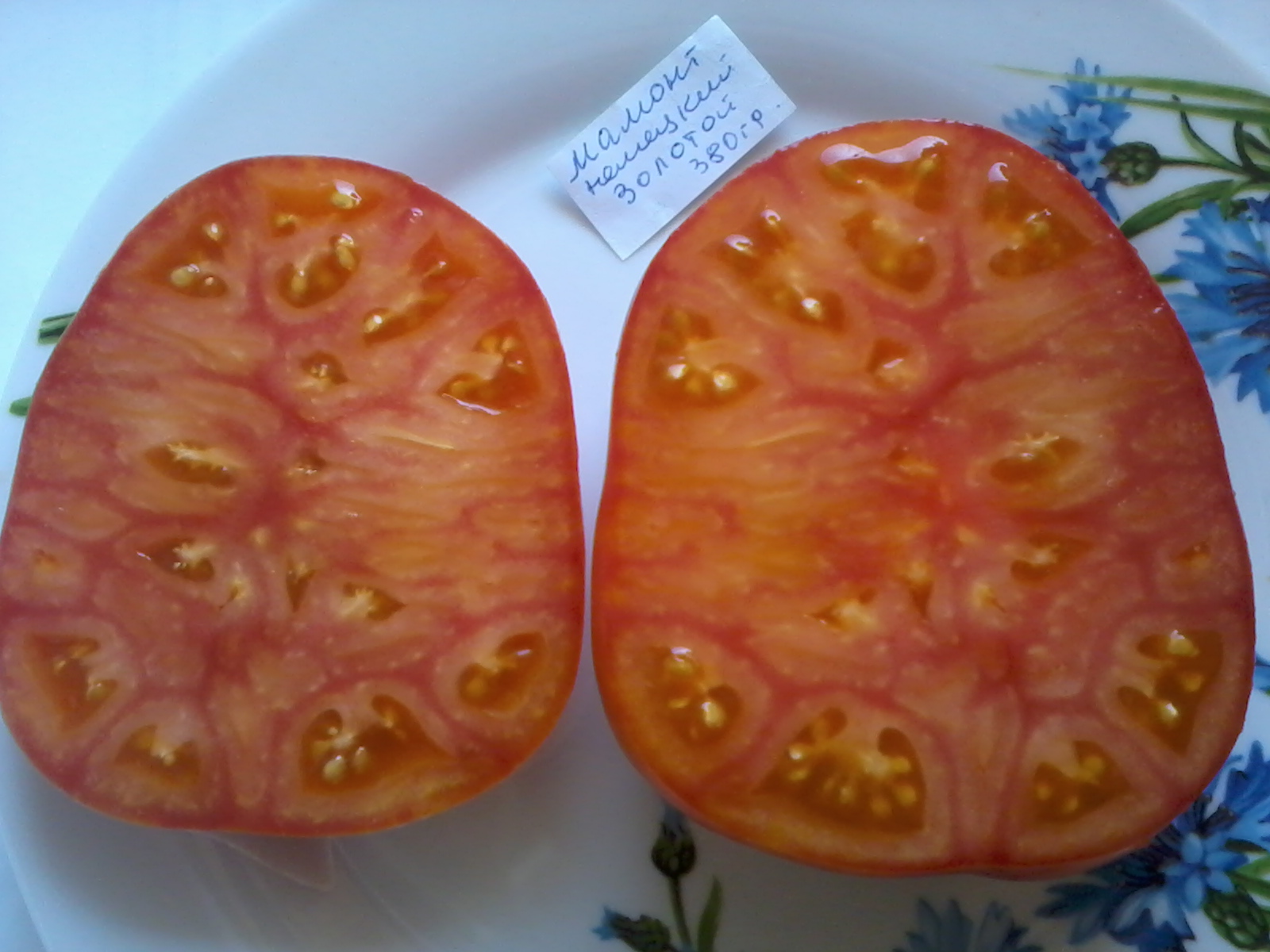
Here is mine.
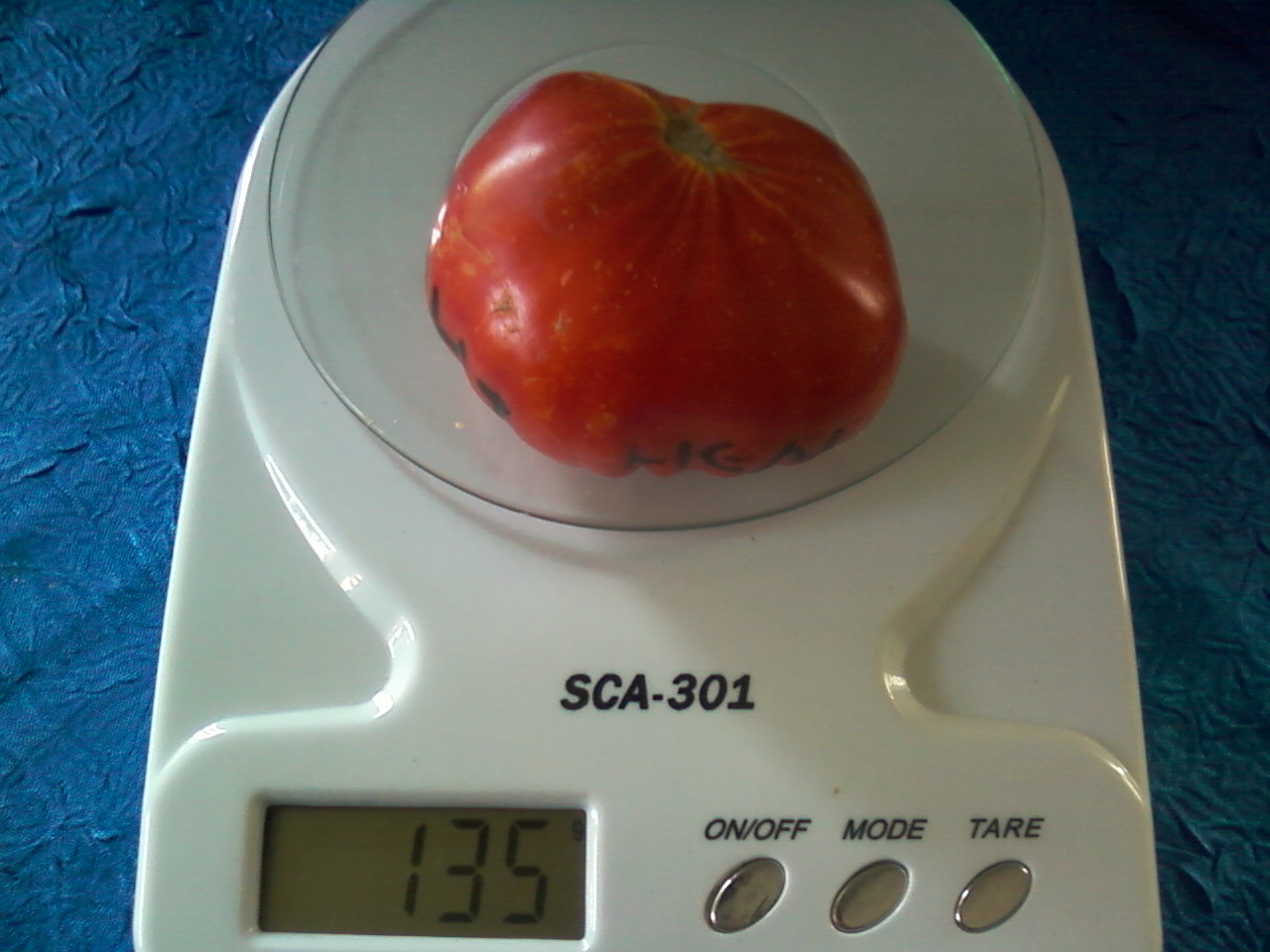
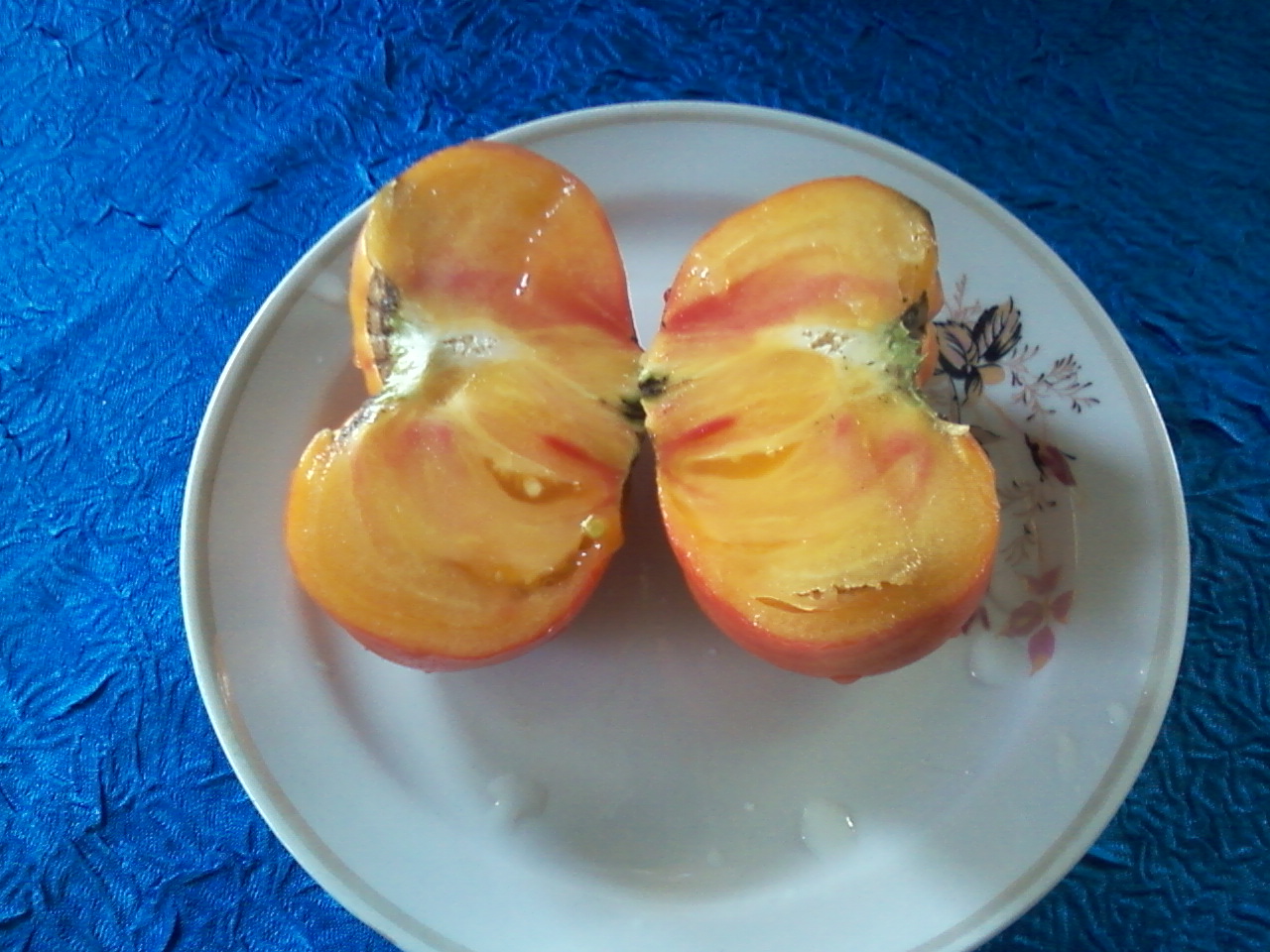
I’m having some serious doubts here… Are Mammoth German Gold (USA) and the German Gold that Olya (Cherry) reviewed on the old forum actually the exact same variety?
Here is how my Mammoth turned out. Mine leans a lot more yellow on the skin. Fruits got huge, up to 1.5 lbs (700 g). Tasty and a heavy yielder. Gotta thank Lenochka from Kostroma for the seeds.
Lena, now that is a true mammoth! Huge and hairy (I can actually see the fuzz on it) 👍
On 2/3/2014 at 9:15 AM, vasilevna said:
Lena, now that is a true mammoth! Huge and hairy (I can actually see the fuzz on it) 👍
Lyubushka, I’m sitting here staring at the screen trying to find the fuzz you’re talking about! 😆 Pretty sure that’s just a frayed piece of garden twine holding the stem. The tomato itself is an absolute unit though! 😋
Oh my gosh, I thought it was fuzzy foliage at first too! Zoomed in on the picture and yep, it’s totally just a frayed string. 😂
Edited February 3, 2014 by Galina P.
Hands down one of the most beautiful and best-tasting varieties for me.
Is it a det or indet?
By early August, I top all my indeterminate vines that haven’t naturally stopped growing. I usually pinch them off around 4 to 4.5 feet (1.2-1.3 m), maybe slightly higher. That’s just how we grow indets outside around here to make sure they ripen before the cold hits.
On 2/12/2014 at 11:30 AM, KsenaZ said:
I’m having some serious doubts here… Are Mammoth German Gold and German Gold the exact same variety?
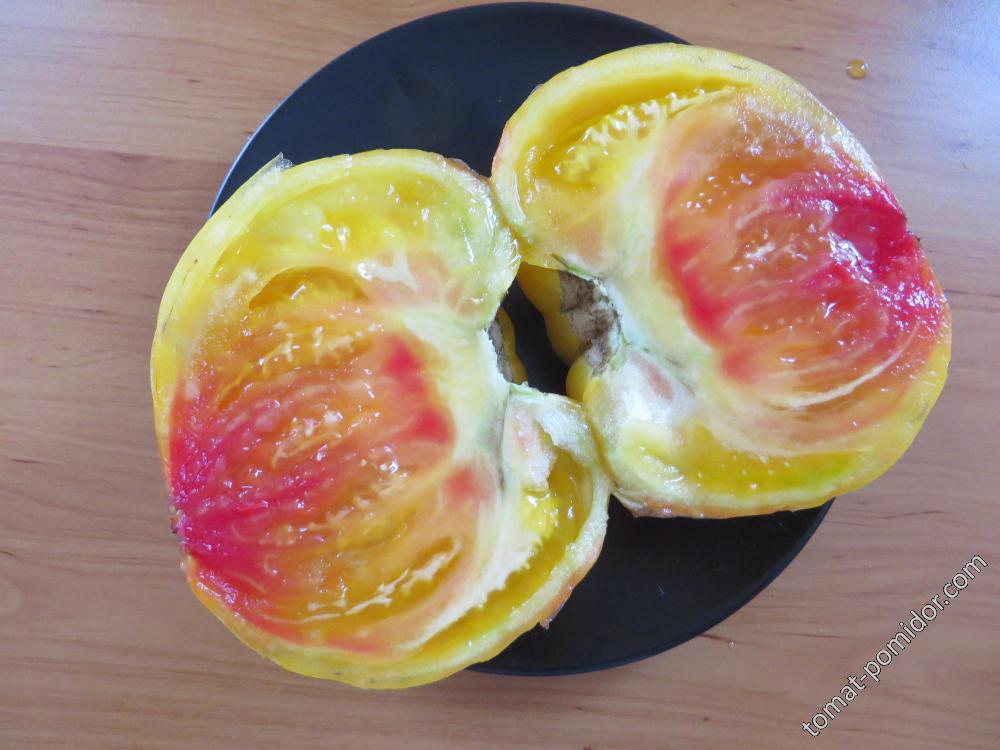
That doubt is bugging me too! I grew this as Mammoth German Gold, but mine looks different from Sasha’s red one. Plus, I had a total nightmare with this plant. The bottom truss kept breaking off the ties from the sheer weight. Eventually, it snapped completely, so I tried to ripen it hanging in the greenhouse, and it just dropped and cracked. That’s the one in the photo.
Honestly, I wasn’t impressed by the taste at all. All looks, no substance.
So are these all just the same thing?
– Mammoth German Gold (USA)
– German Gold
– Old German
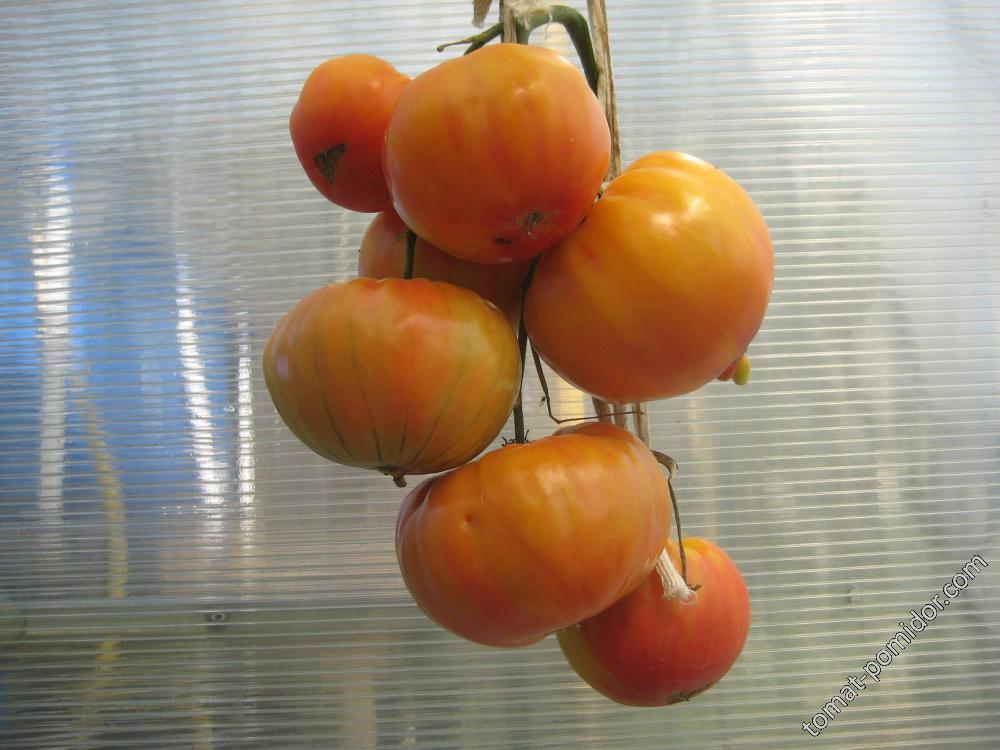
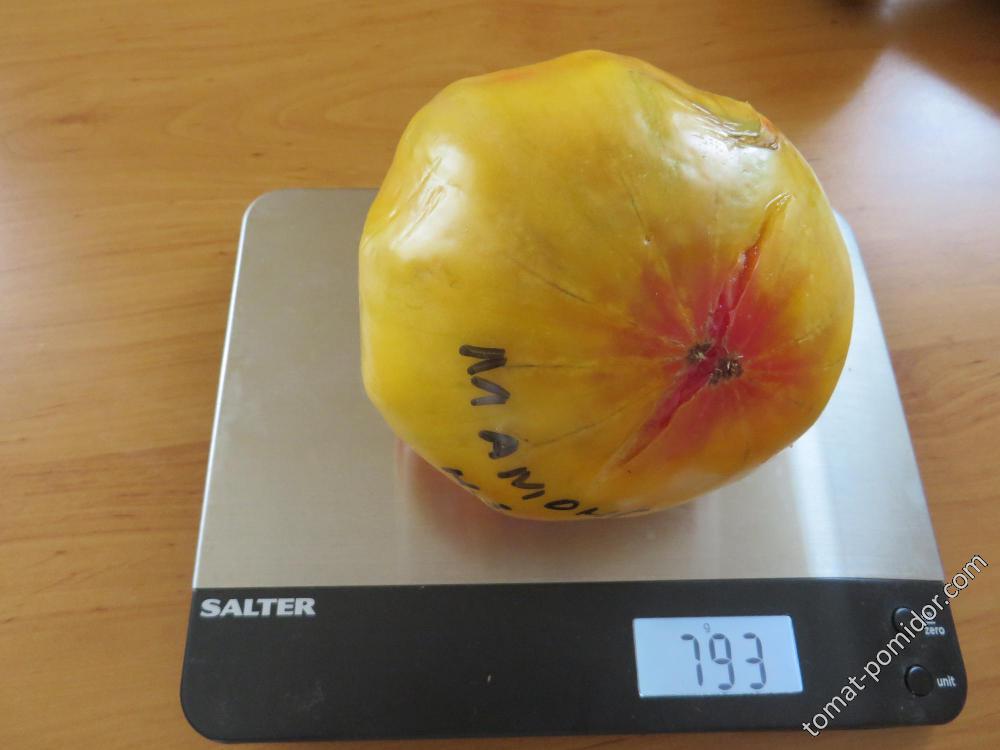
On 8/19/2014 at 2:05 PM, IrinaA said:
So are these all just the same thing?
– Mammoth German Gold
– German Gold
– Old German
Tatiana’s TOMATObase has listings for all three of them. They all share the exact same description and origin history.
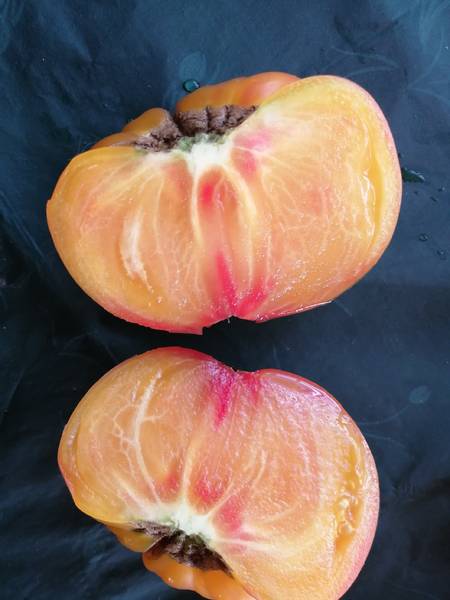
My Mammoth German Gold acted as a mid-late season variety in the greenhouse. Hit about 6.5 feet (2 meters) tall. Good yields. Fruits are incredibly tasty, sweet, and have that classic red marbling right down the center when you slice them.
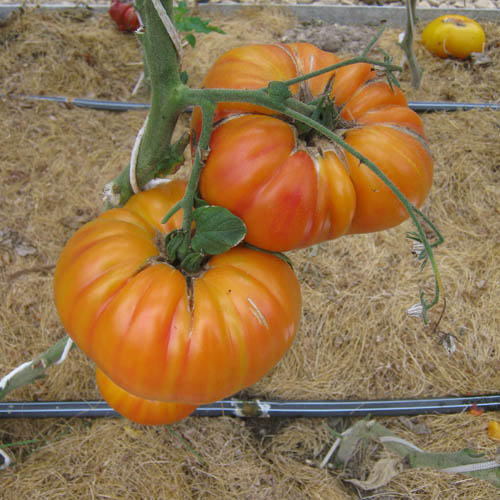
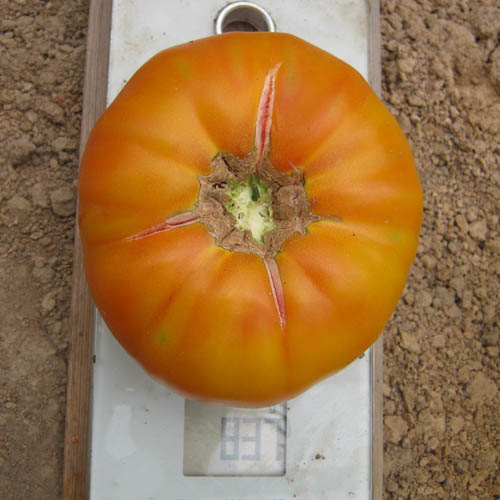
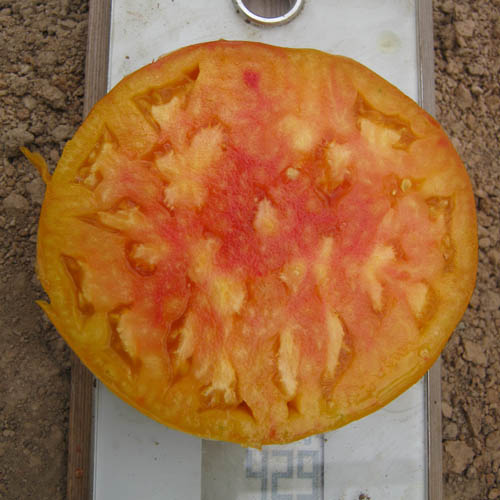
Grew this back in 2013. Yields were pretty average for me. Started ripening mid-July. Good flavor, stunning looks.

Yields were decent, but every single tomato was massive. It does tend to crack outside if you get heavy rains. Very meaty with sweet juice. I let it grow a few leaders, and it was in no rush to get tall, topping out at just over 3 feet (1 m). Flavor is a solid 5/5 for a bicolor. Big thanks to Tomatinka for the seeds.

Found some of my pics from 2014. These are excellent, delicious, massive slabs of tomato. Great yields. Acts more like a mid-late season variety for me out in the open garden.
German Mammoth, 2020 season. Extremely tasty, and it set fruit really well despite a super stressful summer. Had a few hit 1.3 lbs (600 g), but most were around 1 lb (450 g). One plant gave me 8 tomatoes, the other pumped out 11.
Full Summary: Plant Habit, Yields, and Identity Crisis
- 🌿 Plant & Foliage: Indeterminate vine. In a greenhouse, it can easily reach 6.5 feet (2 meters). However, many growers cultivating it outdoors report it stays remarkably short for an indeterminate, topping out between 3 and 4 feet (1-1.2 m), especially when grown with multiple leaders. It has heavy, dense foliage.
- 🍅 Fruit & Shape: Giant oblate beefsteaks ranging from 10 oz to 1.5 lbs (300-700 g). The skin is golden-yellow with striking red marbling that bleeds deeply into the core (the “tie on the slice”). The sheer weight of the fruit requires serious truss support, or the branches will snap. Prone to cracking in heavy rains.
- 📈 Yield & Health: Generally rated as an above-average yielder for a giant bicolor. Acts as a mid-late to late-season variety depending on climate.
- 👅 Taste: Exhibits a classic, sweet, fruity bicolor flavor profile. Most find it outstanding, though one grower felt it was purely ornamental. High moisture content makes it very juicy.
As the growers above noticed, there is massive confusion regarding Mammoth German Gold, German Gold, and Old German. Are they the same tomato?
The short answer is: Most likely, yes.
Historically, this seed lineage traces back to Mennonite communities in Virginia who brought their favorite bicolor beefsteaks over from Germany in the 1800s. As seeds were passed around and eventually commercialized by various seed houses (starting as early as the late 1800s), the names fractured. Today, most tomato historians and pedigree databases consider them functionally identical strains of the same ancestral heirloom. While minor variations in yield and color expression exist depending on whose seed line you buy, you are essentially growing the same historic piece of American-German agricultural heritage.