Jump to:
Do Old Tomato Seeds Yield Less? ↓
Canning Textures: “Slurpers” vs “Chewers” ↓
Canning Tomato Varieties & Old Seed Viability (USDA Zone 4 Discussion)
On 1/21/2026 at 11:00 AM, grayci said:
Pickled stuff with vinegar is rough on the stomach if you eat it non-stop. Your gut won’t thank you down the road.
Fair point, but sometimes you just crave something wonderfully bad for you 😁 Like skillet potatoes fried in pork lard with wild chanterelles! 🙈 Tried eating clean a million times, but I have plenty of strength and plenty of will, just zero willpower.
Anyway, what canning varieties should I buy? 🤷 Just remembered I used to grow Tolstoy F1. I still have seeds stashed, but they are dated 2014 to 2019. By the way, folks claim old seed batches deliver poor yields. Is there any truth to that, or should I just buy fresh packs?
On 1/21/2026 at 9:35 AM, swetlanna said:
Standard 1.5-quart jars, looking for tomatoes up to about 3.5 oz (100 g).
On 1/21/2026 at 11:34 AM, swetlanna said:
What canning varieties should I buy? Just remembered I used to grow Tolstoy F1…
Canning Textures: “Slurpers” vs “Chewers”
Svetlana, it all comes down to how you like your pickled tomatoes: are you looking for a “slurper” or a “chewer”?
If you want something with actual bite that you can chew, Slavyanka and Topklipsa fit the bill. On the hybrid side, pretty much any pink commercial type (Spark, Kalibr, Garant) produces a ton of fruit right under 3.5 oz (100 g). Most hybrids hold up exceptionally well in vinegar brines. Pointed-tip plums with beaks work great too.
Take my suggestions with a grain of salt though: I never grow varieties strictly for whole-pack canning. I just pickle whatever surplus fits into the jar opening! The ladies who focus heavily on preserves can give you better recommendations.
On 1/21/2026 at 11:34 AM, swetlanna said:
…folks claim old seed batches deliver poor yields. Is there any truth to that, or should I just buy fresh packs?
Do Old Tomato Seeds Yield Less?
Regarding harvest yields on old seed, that is a complete myth in my experience.
Now, germination rates on older seed are a different story, especially with peppers, which drop off a cliff after a few years compared to fresh seed. But with tomatoes, if an old seed wakes up and grows, the vine will pump out just as heavy a crop as a brand-new seed pack.
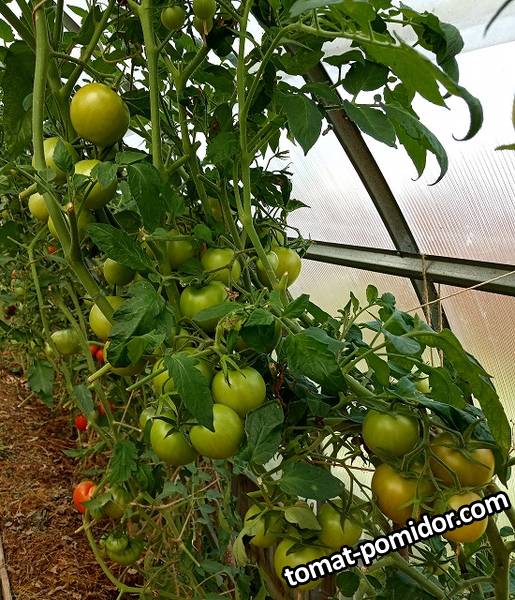
Tatyana, I never used to plant dedicated canning varieties either, just pickled whatever was rolling around the kitchen. But this year I have got a bee in my bonnet: I want uniform, medium-sized canning fruit in my jars!
Dug up my past photos from 2020: Gnocchia di Limone and Tolstoy F1. Exactly what I am aiming for this season. Thanks for the suggestions, going to hunt down those seeds. Pretty sure I have Slavyanka stashed somewhere too.
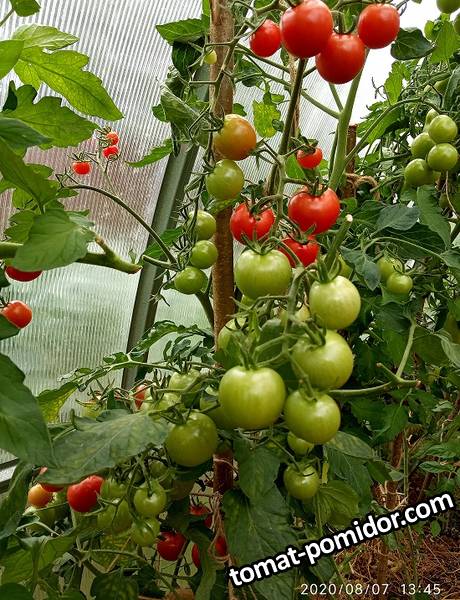
On 1/22/2026 at 10:05 AM, swetlanna said:
Gnocchia di Limone and Tolstoy F1. Exactly what I am aiming for this season.
There you go! Those two fit your jars like a glove. Right size, tough skins that do not split in boiling brine, and heavy yields to boot! 👍
Full Summary: Seed Longevity & Whole-Pack Canning Tomatoes
- 🌱 The Old Seed Myth: Sowing 7 to 12-year-old tomato seeds (from 2014-2019) does not reduce final harvest yield. While germination percentage slows down with age, any viable seedling that develops true leaves produces the exact same yield as brand-new seed stock. In contrast, pepper seeds lose germination viability far faster.
- 🍅 Ideal Canning Size: The sweet spot for standard 1 to 1.5-quart (1-1.5 L) jars is fruit weighing up to 3.5 oz (100 g) with thick pericarps and crack-resistant skins.
- 🍴 Canning Texture Profiles:
- “Slurpers”: Thinner-skinned, juicy salad varieties that absorb brine and burst with liquid when bitten.
- “Chewers”: Firm, dense, thick-walled plums and paste types (e.g., Slavyanka, Topklipsa, Tolstoy F1, Gnocchia di Limone) that maintain structural integrity without turning to mush in hot brine.
Tomato seeds (*Solanum lycopersicum*) possess remarkably durable seed coats. Stored dry in cool, dark conditions, tomato seeds remain viable for 10 to 15+ years with minimal genetic drift. However, their Solanaceae cousins, sweet and hot peppers (*Capsicum*), experience rapid embryo decline after 3 to 4 years. Tatyana’s point is corroborated by university extension data: age impacts germination speed and percentage, but once a tomato seedling develops normal root vigor, epigenetics ensure 100% of its genetic yield potential remains intact.