Jump to:
Pepper Sowing Schedules: Avoiding Overgrown Monsters ↓ |
Grow Light Specs: Watts, Distance & 6000K Spectrum ↓ |
Why Seedling Leaves Turn Purple Under Blue LEDs ↓
Seed Starting Masterclass: Grow Light Kelvin, Purple Foliage & Pepper Timelines (USDA Zone 4)
Good morning, ladies!
When does everyone start their hot pepper seeds?
Last year I sowed them on February 23 right alongside my sweet bell peppers, but I am wondering if hot varieties need to go in earlier?
On 1/21/2026 at 9:59 AM, lusi said:
When does everyone start their hot pepper seeds? Last year I sowed them on February 23…
Pepper Sowing Schedules: Avoiding Overgrown Monsters
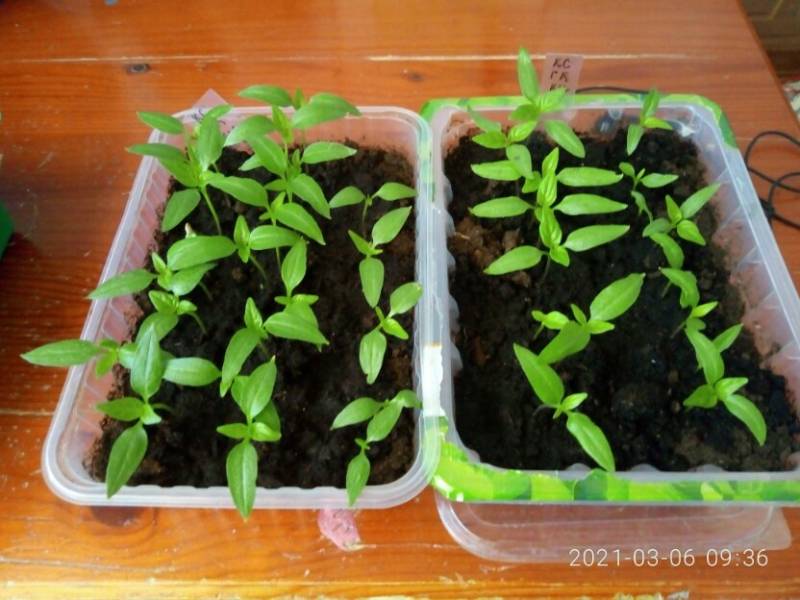
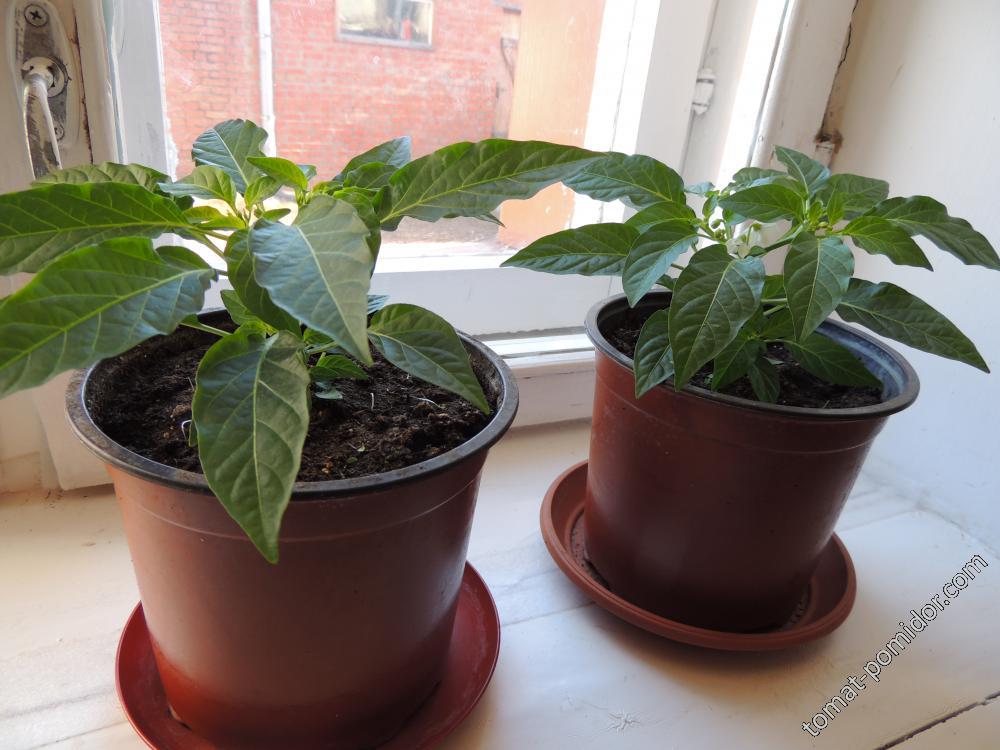
Lyudmila, I used to always sow peppers between February 16 and 24 (starting hots about a week ahead of sweet peppers). But I always ended up having to transplant massive overgrown horses already covered in blooms 🙋, and quite a few even had baby fruit set! My LED grow lights provide very intense illumination, so seedlings bulk up and outgrow their nursery pots too fast.
Decided I needed to push dates back. Two seasons ago I sowed all my peppers (both sweet and hot) on March 1-2. Last year I tested an early run of just a few plants on February 18, and ran the main batch on February 27. Well, it did not solve much. Stepped on the exact same rake 🤦 and ended up with the exact same overgrown giants!
Technically I could wait even longer, but this year I am sticking to the first days of March for the main run. Once tomato season starts right behind them, my nursery heat mat station runs out of real estate fast.
On 1/21/2026 at 9:59 AM, lusi said:
When does everyone start their hot pepper seeds?
Lyudmila, I usually start sweet peppers in mid-February, and by the time they hit the greenhouse dirt in late April, they are compact and tidy with first buds forming. Mine grow without electric grow lights on sunny south-facing windowsills.
Hot peppers go in earlier, early February. This year favorable lunar calendar days fall on January 27, 30, and 31, so I am taking a chance and sowing then. I only need two plants anyway, so if they outgrow their cups early, I will just pot them up into bigger containers 😊
On 1/21/2026 at 12:39 PM, T@tk@ said:
…My LED grow lights provide very intense illumination, so seedlings bulk up and outgrow their nursery pots too fast…
Tatyana, can you break down the lighting science in plain English for beginners? You have clearly dug into the deep end on this. How many watts do you actually need per shelf, and what color temperature is best? Is a 36W fixture at 6000K enough, or do we need higher output?
Every winter I try to wrap my head around this and buy the right shop lights once and for all, but something always trips me up!
On 1/21/2026 at 2:20 PM, AAA said:
Is a 36W fixture at 6000K enough, or do we need higher output?
Grow Light Specs: Watts, Distance & 6000K Spectrum
Aleksandra, 36W for one standard seedling shelf is the bare minimum starting point. A single 36W fixture will only cut it if it hangs nice and low over the seedlings (about 6 to 8 inches / 15-20 cm from the top canopy) and if your footprint is narrow, like a single row flat.
If you are running a standard flat or a shelf that is 16 to 20 inches wide (40-50 cm), you need a second matching light bar. Otherwise, the outer seedlings will reach and lean toward the center, getting leggy fast. A proper setup on a 16-20 inch shelf typically requires two 36W fixtures (delivering roughly 7 to 8 watts per square foot / 70-80 W/m²) to keep seedlings stocky, perfectly upright, and compact.
As for color temperature, 6000K is fantastic for tomato and pepper seedlings. Cool daylight spectrum (6000K to 6500K) is packed with blue light wavelengths. Blue light suppresses upward stem elongation, stopping leggy stretch dead in its tracks. At the same time, it triggers stocky main stems and stimulates massive root development.
If your plan is to grow dwarf tomatoes completely indoors to maturity, you would want to blend in warm light (around 3000K) during flowering and fruit set. But strictly for raising vegetative spring seedlings, 6000K daylight is ideal.
Tatyana, you break down the science so thoroughly. Any time someone runs into a wall, you have the answer. Huge thanks for sharing your deep knowledge and experience with us! 💐
Why Seedling Leaves Turn Purple Under Blue LEDs
Tatyana, under heavy blue spectrum lights, the underside and edges of my tomato leaves turn noticeably purple. Any idea what triggers that? I got tired of worrying about it and switched them over to balanced full-spectrum almost right away.
On 1/21/2026 at 5:41 PM, Polosatik said:
…under heavy blue spectrum lights, the underside and edges of my tomato leaves turn noticeably purple…
Yevgeniya, I keep newly emerged seedlings under heavy blue spectrum for the first 10 days, though I rarely see widespread purple tinting on mine.
Here is the plant biology behind it: assuming your root zone is warm (above 65°F / 18°C) and you are not dealing with a true phosphorus deficiency, that purple or violet cast is a direct photoprotective response. High-energy blue light stimulates the plant tissue to manufacture anthocyanins.
Think of anthocyanins as botanical sunscreen for the chloroplasts. The plant accumulates purple pigments in the cellular epidermis to absorb excess high-energy blue photons, protecting its cellular machinery from light stress. If your stems and leaves show that violet tint but the seedling remains sturdy, stocky, and keeps growing without curling, that “tan” is a completely normal, healthy physiological defense.
Most heirloom and hybrid tomato varieties retain the genetic machinery to produce anthocyanins in their stems and foliage. They can synthesize this purple pigment regardless of whether the ripe fruit will eventually be red, pink, or yellow. Through centuries of breeding, fruit pigmentation genes may have mutated, but the vegetative defense system remains intact. The purple blush is just natural sunglasses against high-intensity light!
Thanks so much, Tatyana! Under my imported white/blue LED fixtures, my tomato seedlings get a slight purple cast too (bought them on a recommendation from Nata N). Was definitely sweating it early on, to be honest. But the seedlings look thick, compact, and super healthy, so I kept the lights running, even though the glare is bright enough to blind you.
Thank you, our resident professor! True lifesaver for this forum 🤠 Zero irony here, truly grateful!
Full Summary: Seedling Grow Lights & Sowing Protocols
- 🌶️ Pepper Sowing Windows: Sowing hot peppers too early under high-intensity grow lights (mid-February in northern zones) often results in rootbound, flowering plants long before garden soil warms up. Staggering main sowing into the first week of March keeps plants manageable and saves nursery space.
- 💡 LED Wattage & Footprint: A standard 36W shop light is the minimum for a single narrow tray. For wider seedling shelves (16-20 inches / 40-50 cm), two parallel fixtures (delivering ~7-8W per sq ft / 70-80 W/m²) prevent outer seedlings from leaning and stretching.
- 🔵 Why 6000K-6500K Works Best: Cool daylight contains high proportions of blue spectrum light. Blue wavelengths inhibit gibberellin synthesis, keeping seedlings squat, suppressing leggy stem stretch, and forcing rapid root expansion.
- 🟣 The Purple Leaf Phenomenon (Anthocyanin vs Phosphorus): Purple leaf undersides under blue LEDs are not always phosphorus deficiency. When root zone temperatures are warm (above 65°F / 18°C), purple pigmentation is a natural photoprotective response (anthocyanin sunscreen) shielding delicate chloroplasts from intense blue photons.