Growers’ Notes and Photos (USDA Zones 3-7 Experience)
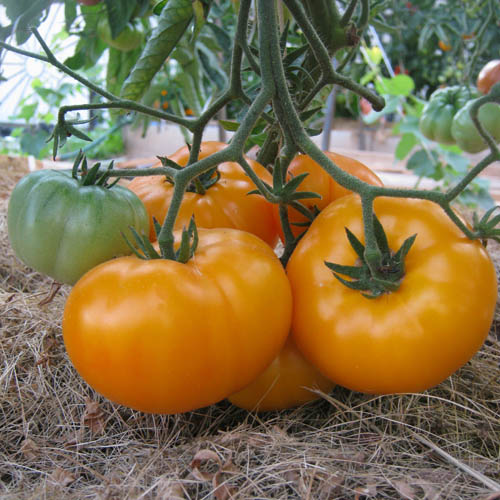
Indeterminate, mid-season salad variety, true bicolor. Gorgeous two-toned fruits ranging from medium to very large. Heavy clusters with zero blossom drop.
Flavor is very well balanced, truly delicious. Stellar productivity, grew in the greenhouse. Original seeds sourced from Germany.
Edited January 17, 2016 by Drosera
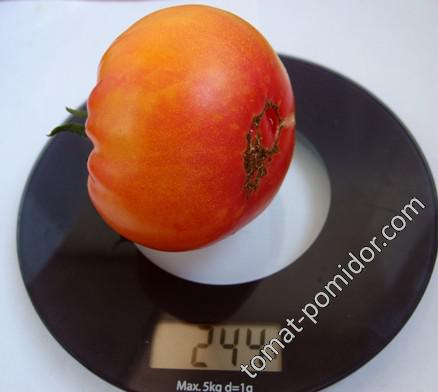
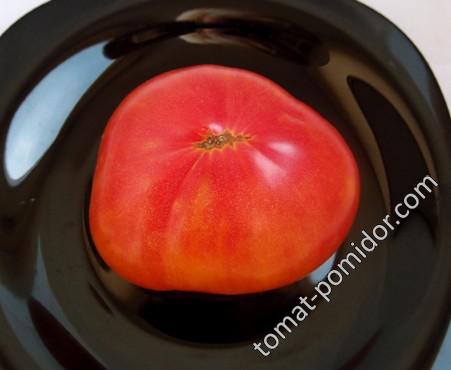
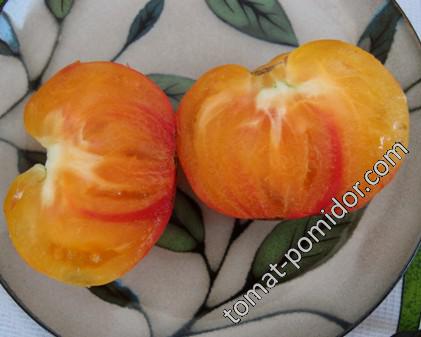
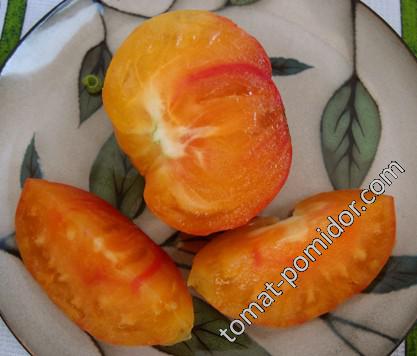
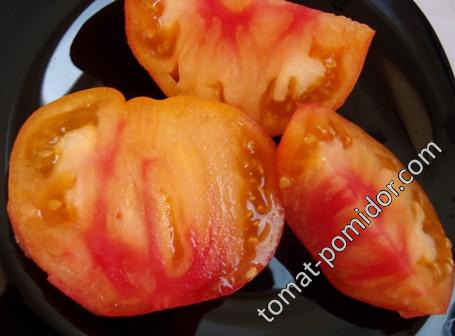
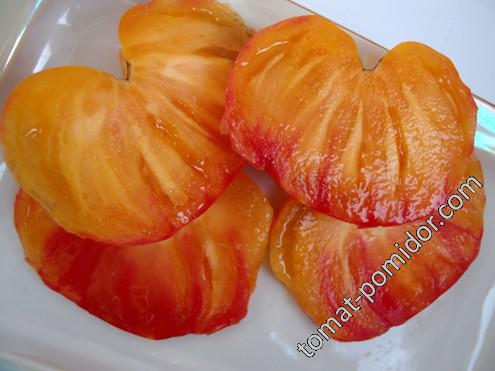
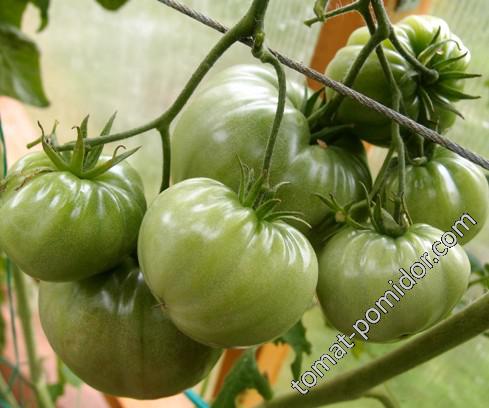
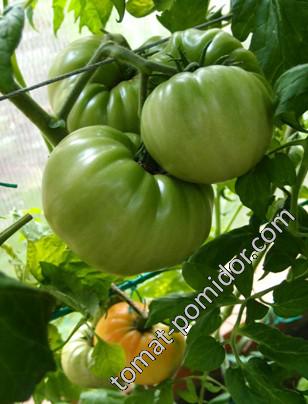
Looking at those pictures just reminds me why so many gardeners love bicolors best of all. Elena, I usually look at the variety name first before checking the specs, and thanks to your detailed notes, there are so many gems to add to my wish list! 📬 Big thanks! 💐
Really enjoyed this variety, big shoutout to Elena for the seeds! 💐
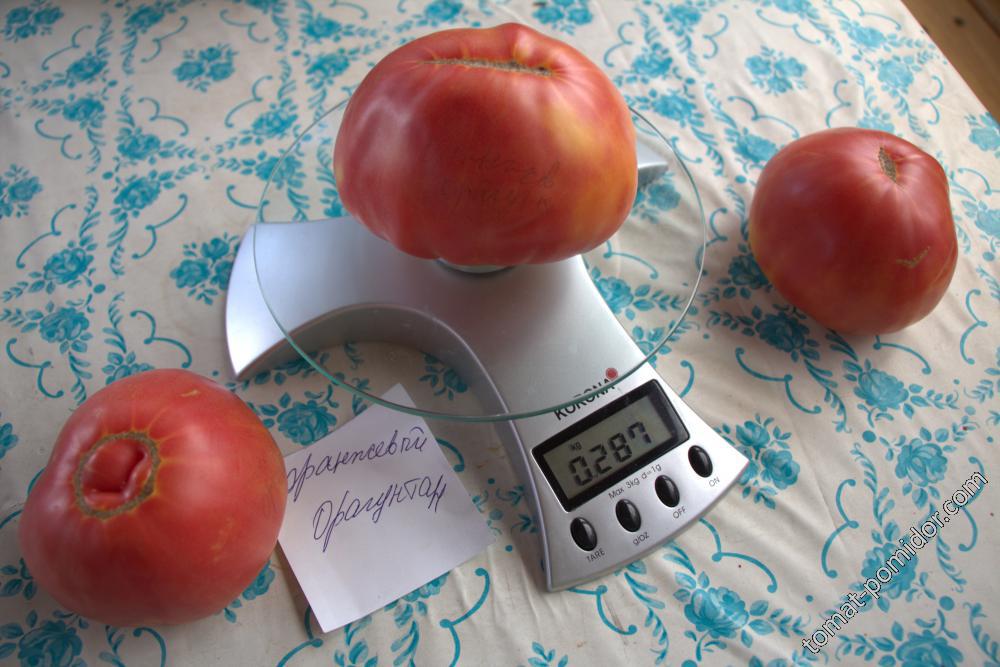
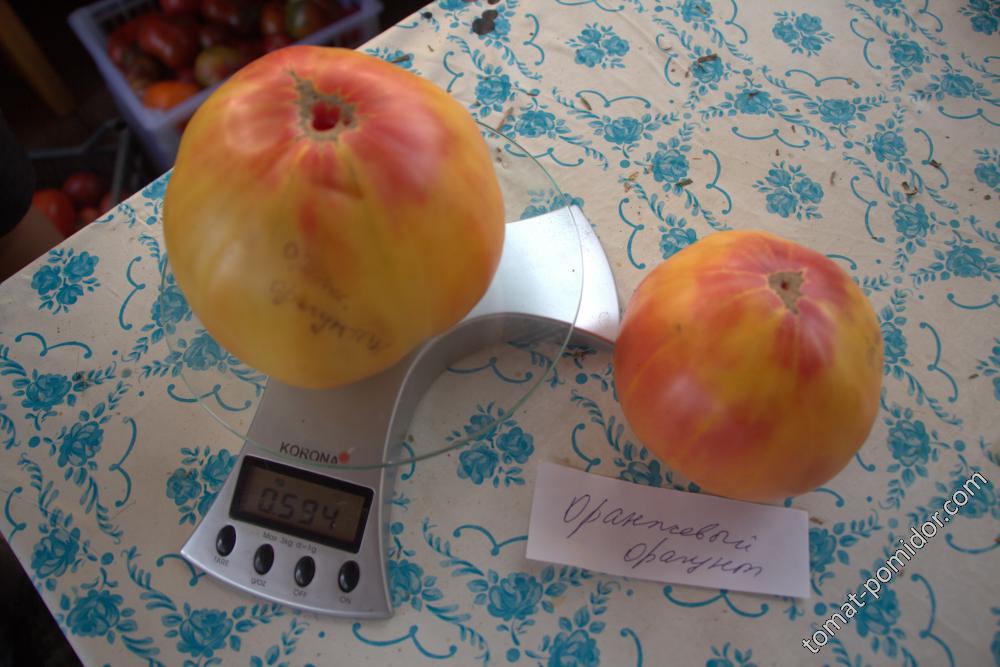
Orange Orangutan is a wonderful bicolor. Indeterminate vine, topped out around 5.6 feet (1.7 m), mid-season.
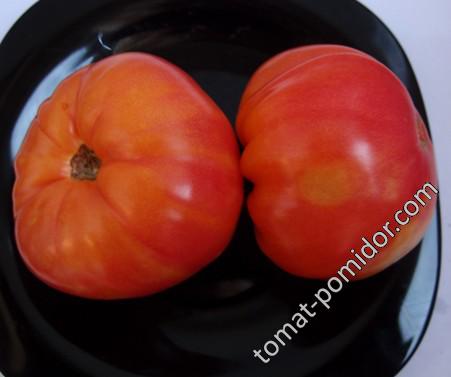
The skin is orange-pink, and as it reaches peak ripeness, the pink hue takes over. The flesh is rich orange, very tender, buttery, and delicious. Sweet without tasting flat, with just enough acidity to make it pop.
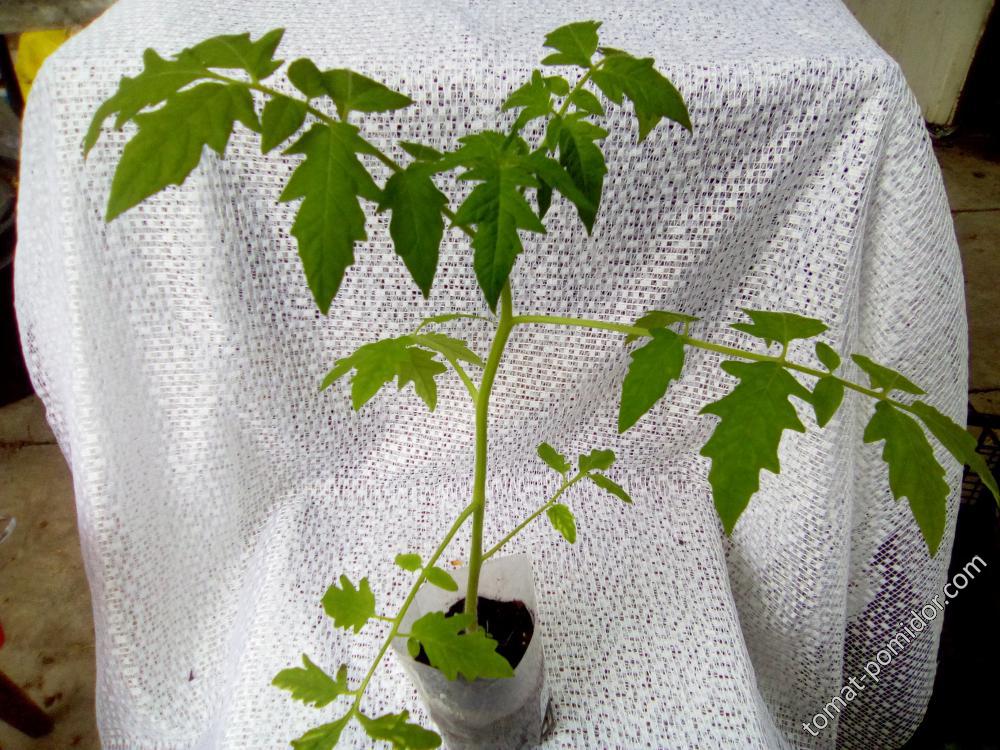
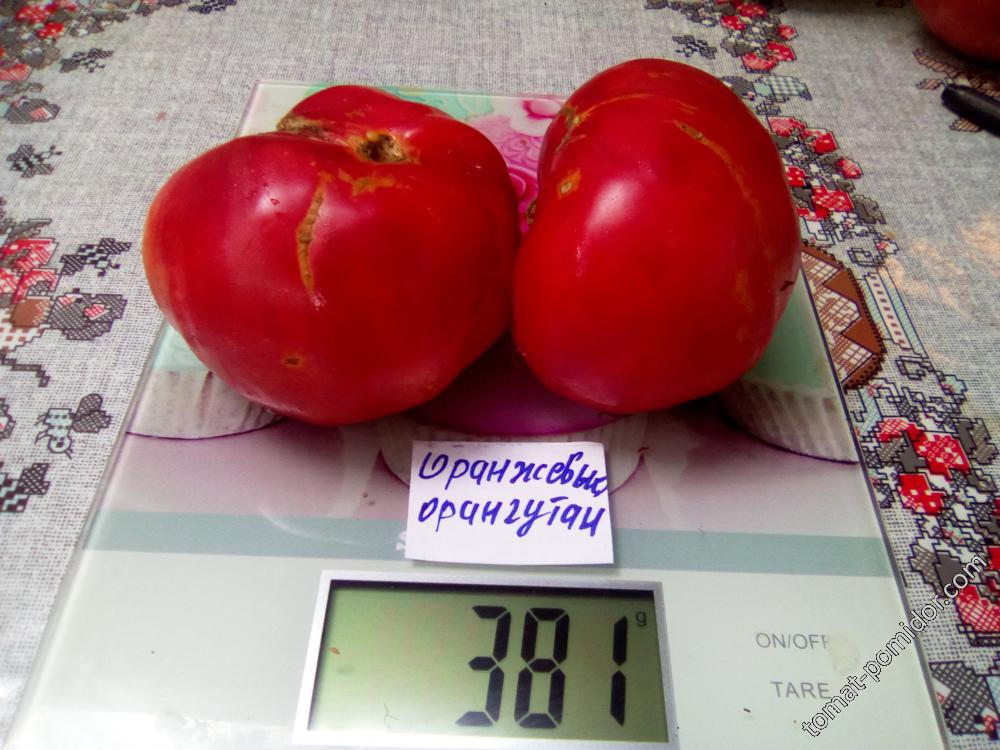
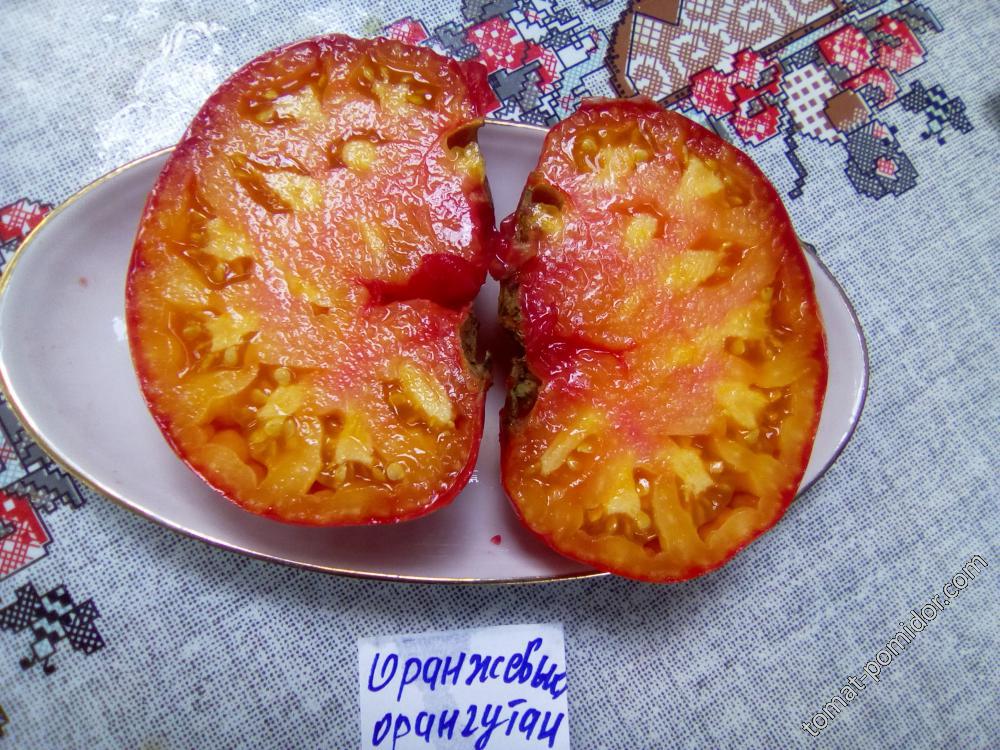
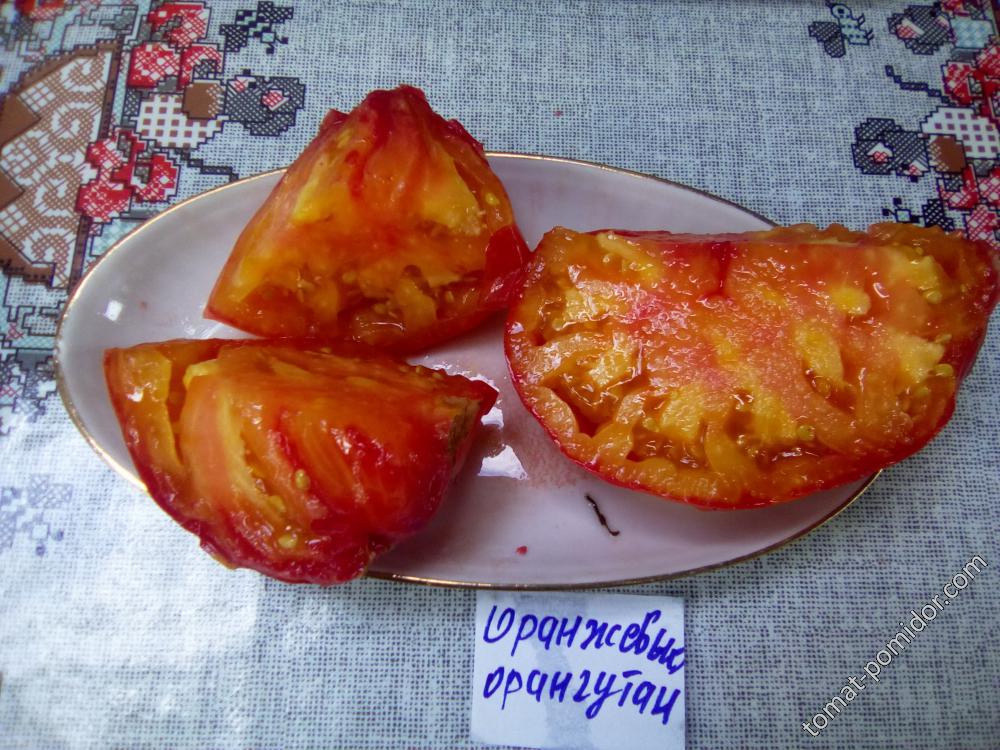
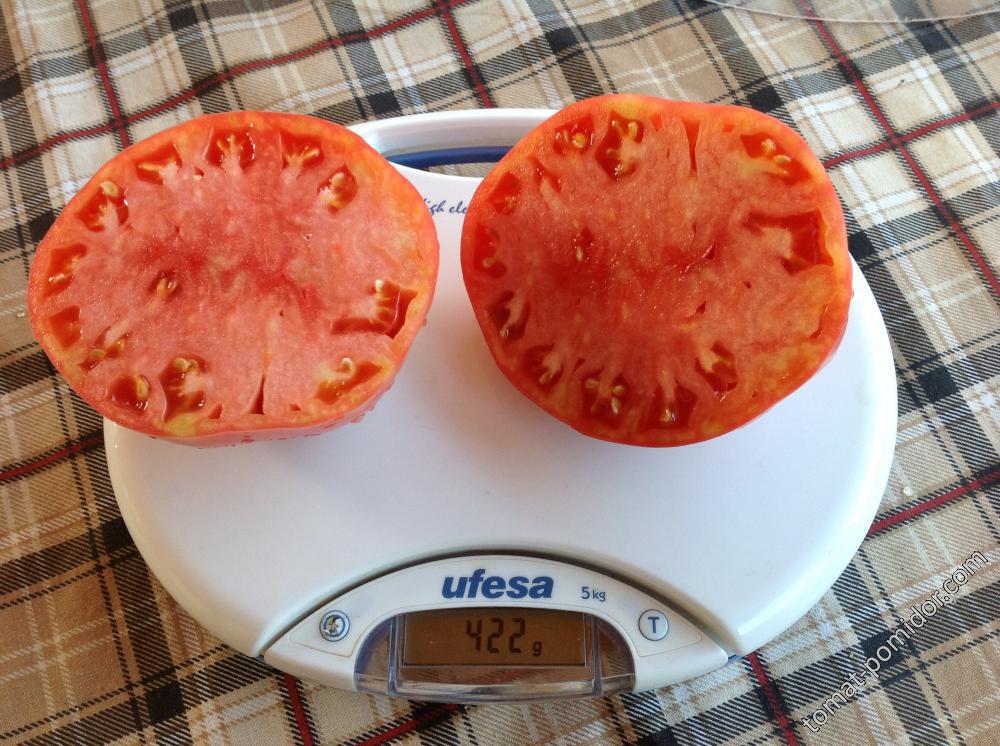
Solid variety, productive and delicious. The family liked this one best out of all our bicolors, though in my book the others held their own too. Very few seeds inside, barely a couple dozen seeds even in a giant tomato.
Good variety. High yielding and gorgeous.
Edited October 5, 2019 by Nata N.
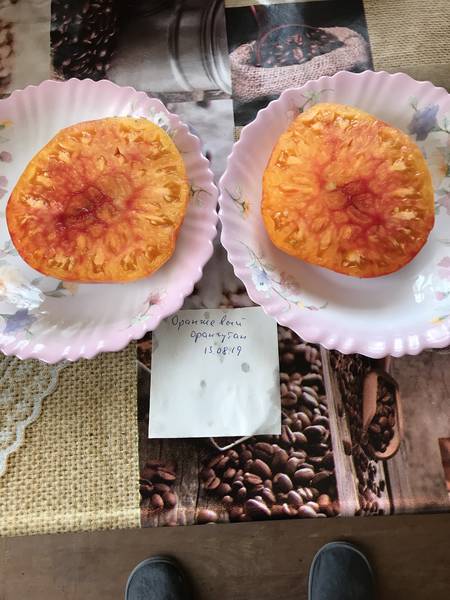
Large-fruited and beautiful variety:
Edited October 5, 2019 by Nata N.
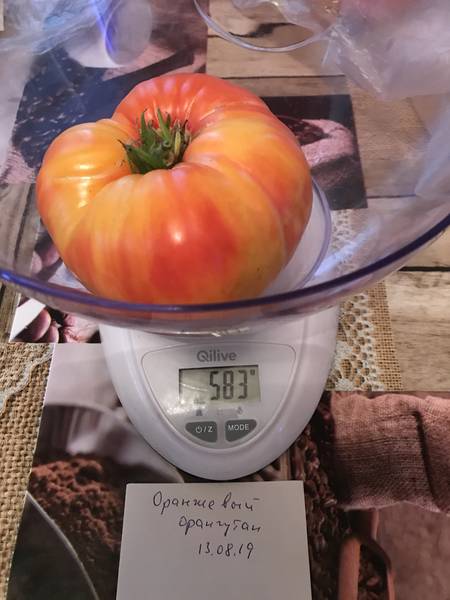
Large-fruited and beautiful variety!
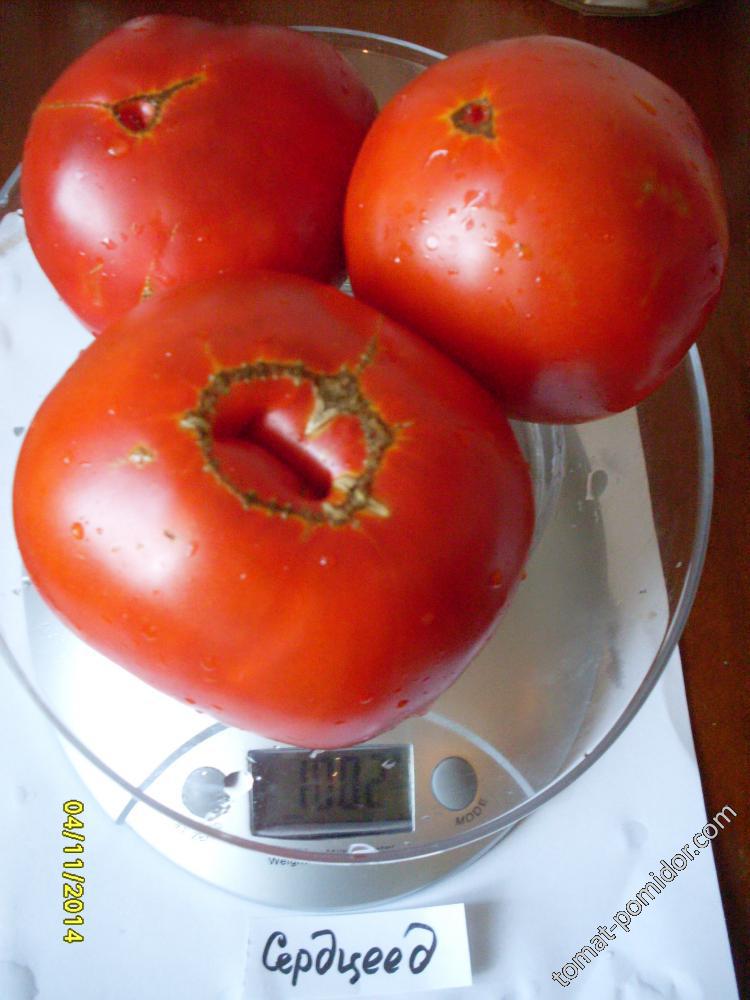
Orange Orangutan is a fantastic bicolor! Tasty, gorgeous, and heavy-yielding. Indeterminate vine, grew in the greenhouse pruned to two stems. Fruits up to 21 oz (600 g). Natalya, thanks for the seeds!
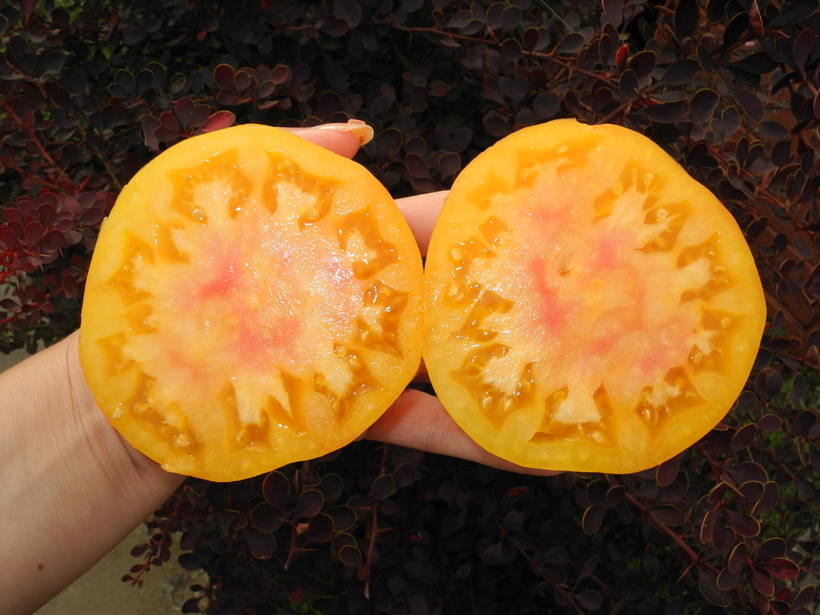
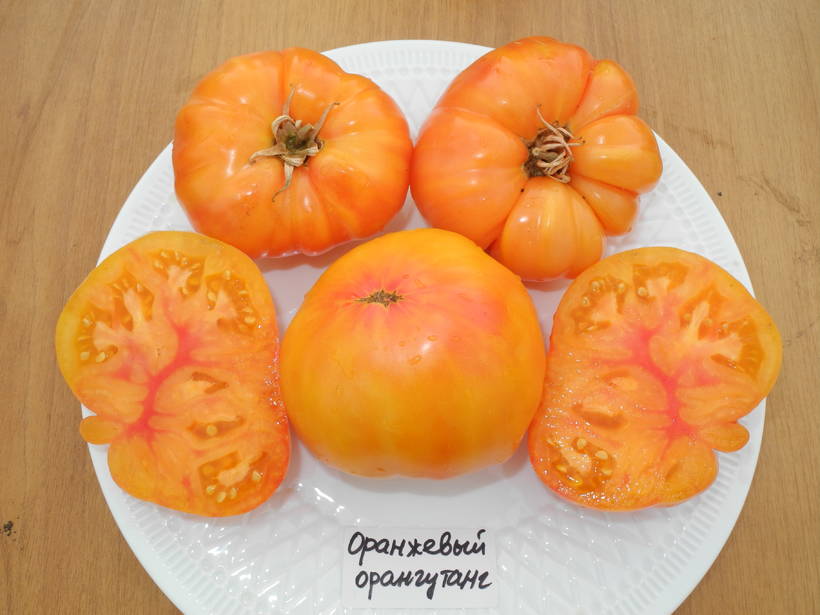
Grew this one this season too, complete winner! Props to Lyuba for the seeds.
Full Summary: Plant, Yield, Seed Count and Flavor
- 🌿 Plant & Lineage: European heirloom originating out of German collector circles. Grows as an indeterminate vine reaching 5.6 feet (1.7 m) and higher, performing reliably trained to two leaders under greenhouse cover.
- 📈 Yield & Cluster Setting: High, dependable producer. Noted for setting every blossom without flower drop even under heavy fruit loads. Beefsteaks range from 10.5 oz (300 g) to over 21 oz (600 g).
- 👅 Flavor & Flesh Texture: Classic bicolor qualities: sweet, fruity, and tender with a buttery, melting consistency. Yellow-orange exterior and interior flush with deep raspberry pink radiating from the blossom end as fruit fully matures. Features very small seed cavities with exceptionally low seed counts.
- 🌎 Who Reviewed It: Seven growers across USDA Zones 3 through 7, including Western Siberia (Albert), northern central Russia (Elena, Svetlana, Masha, Natalya), and the southern steppe of Stavropol (Galina).