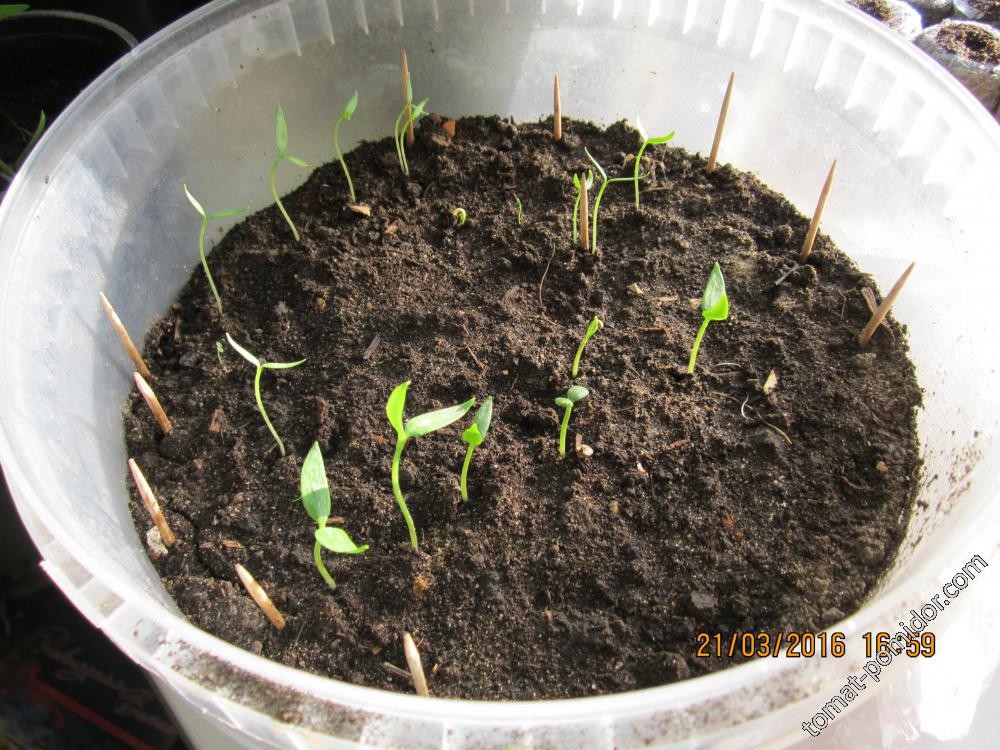
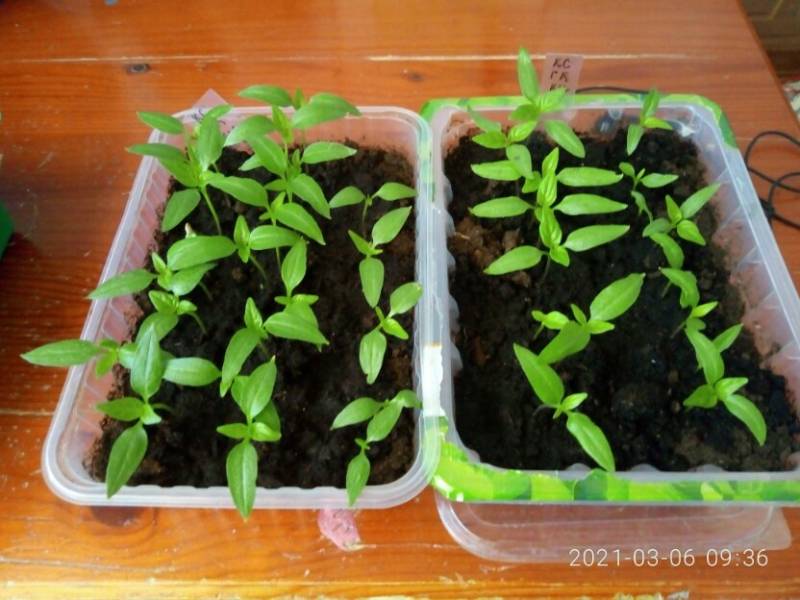
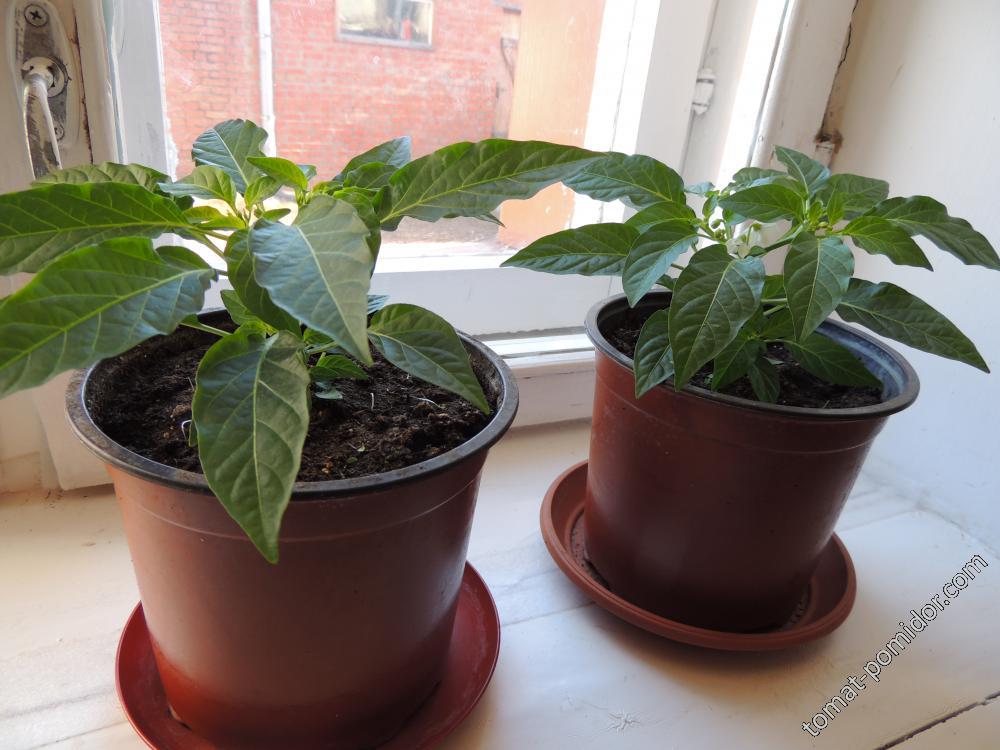
📌 Quick Summary: Fixing Yellow Pepper Seedlings
- 🥶 Cold Roots: Peppers are tropical plants. If your windowsill drops below 62°F (17°C) at night, the roots shut down and stop absorbing nutrients. Bubble wrap isn’t enough—use 1-2 inch thick styrofoam under your trays!
- ⚠️ The Wood Ash Mistake: Adding too much wood ash to seedling soil can spike the pH, causing a severe nutrient lockout (especially Iron).
- 🧪 How to Fix It: Move them to a warm spot. Apply a liquid Iron chelate foliar spray, and water the roots with a balanced liquid fertilizer alternated with Calcium Nitrate.
The Problem: Pale, Yellowing Leaves
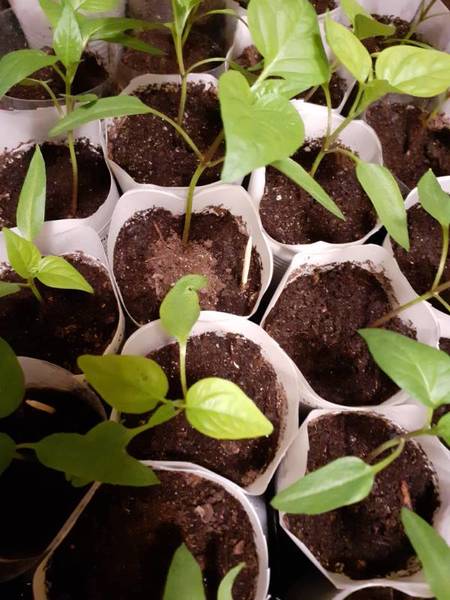
The Wood Ash Mistake & Initial Feeding
Katya, this is the wrong approach. You didn’t enrich the soil properly. Adding wood ash to seedling soil isn’t strictly necessary, and if you overdo it even slightly, it can play a cruel joke on you (it raises the pH and causes nutrient lockout). Your seedlings desperately need food!
Right now, water the roots with a balanced water-soluble fertilizer (like a 20-20-20 mix) at a rate of about 1 teaspoon per gallon of water. Spray the leaves with an Iron chelate foliar spray. From now on, you need to feed them once every 7-10 days, alternating between Calcium Nitrate and your balanced complex fertilizer.
The Science of Feeding: The Perfect Fertilizer Sequence
Lyudmila, I gave that specific advice for Katya because we were discussing her yellowing peppers. Why that exact routine? Because she needed to treat her peppers with Iron, and Iron works much better and more efficiently if it is applied after or together with a balanced root feeding.
For a constant feeding schedule, here is how you should do it:
It is best to apply Calcium Nitrate first. Calcium acts as a nutrient conductor; over 3-4 days, it prepares the plant’s cellular structure to receive food.
Then, 3-4 days later, we give a balanced complex fertilizer (where N-P-K elements are in equal proportions, plus micronutrients). This means the seedling will now have the ability to take exactly what it needs, and as much as it needs. Under favorable conditions, this absorption happens over the next 3-4 days, and you will see visible results in about 7-10 days.
But this doesn’t mean we should stop feeding or wait for the seedling to “tell” us it’s hungry again. The next growth spurt will only happen in another 7-10 days if we provide food again. Keep the cycle going!
In the intervals between these feedings, it is very beneficial to water the seedlings with Potassium Humate (or Kelp extract with micronutrients). Dilute it in warm water and add a little bit to your regular watering can. The water should look like the color of very, very weak yellow tea. Be careful—a high concentration can actually harm the plants.
I apologize for explaining such elementary details. But I see we have a lot of beginners here, and this sequence might be really important for someone to understand!