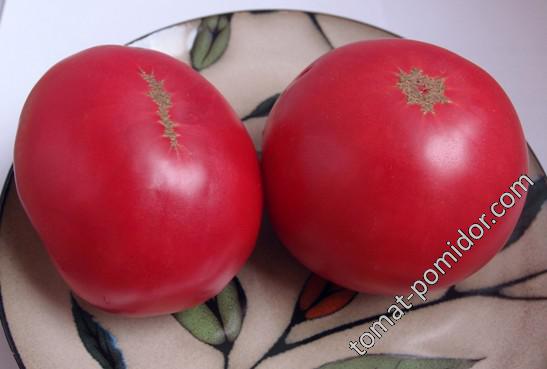
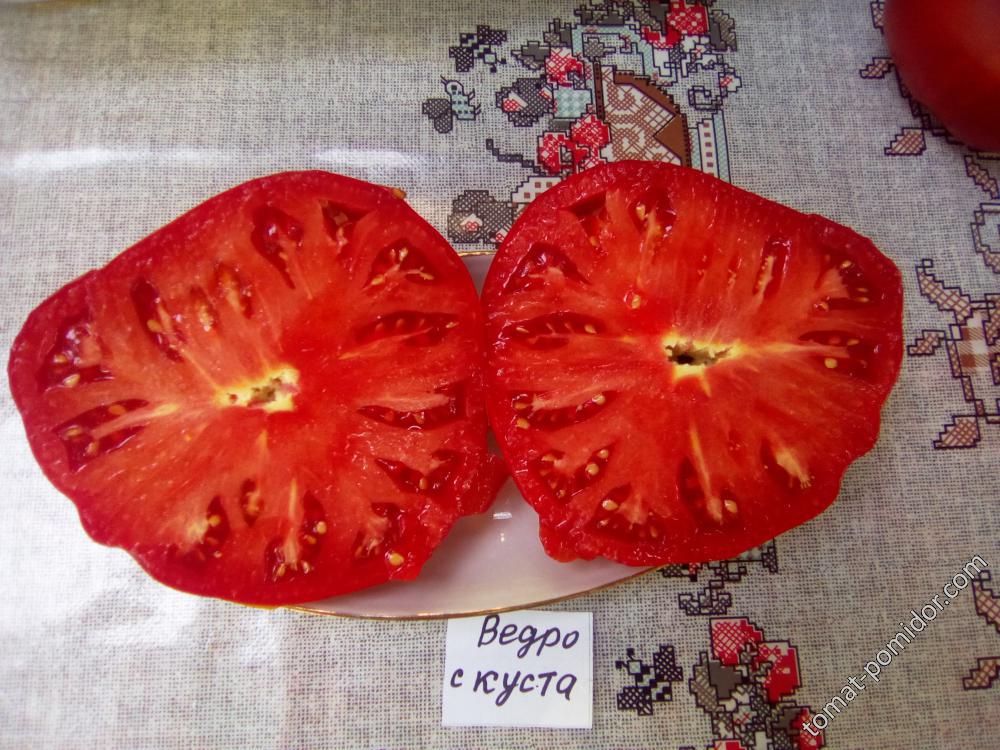
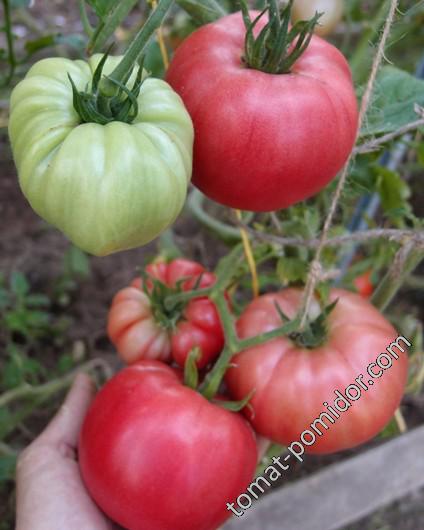
Growers’ Notes and Photos (USDA Zones 4-5 Experience)
Potted it up into a 2 to 2.5 gallon (8-10 L) container out in the open garden during the first week of August. By late September, three full flower clusters had bloomed, but because of cold weather moving in, I pinched it back to just two clusters.
That pot is definitely way too small for this plant; the leaves wilt instantly if it doesn’t get watered every single day. Aside from being thirsty, it looks like a completely healthy, leafy vine with regular foliage. Not sure if I will even get to sample a ripe one this season with nighttime temperatures dropping down to 39-46°F (4-8°C), but fingers crossed.
Here is what it looks like as of October 9, 2015. First cluster setting nicely.Edited October 11, 2015 by Drosera
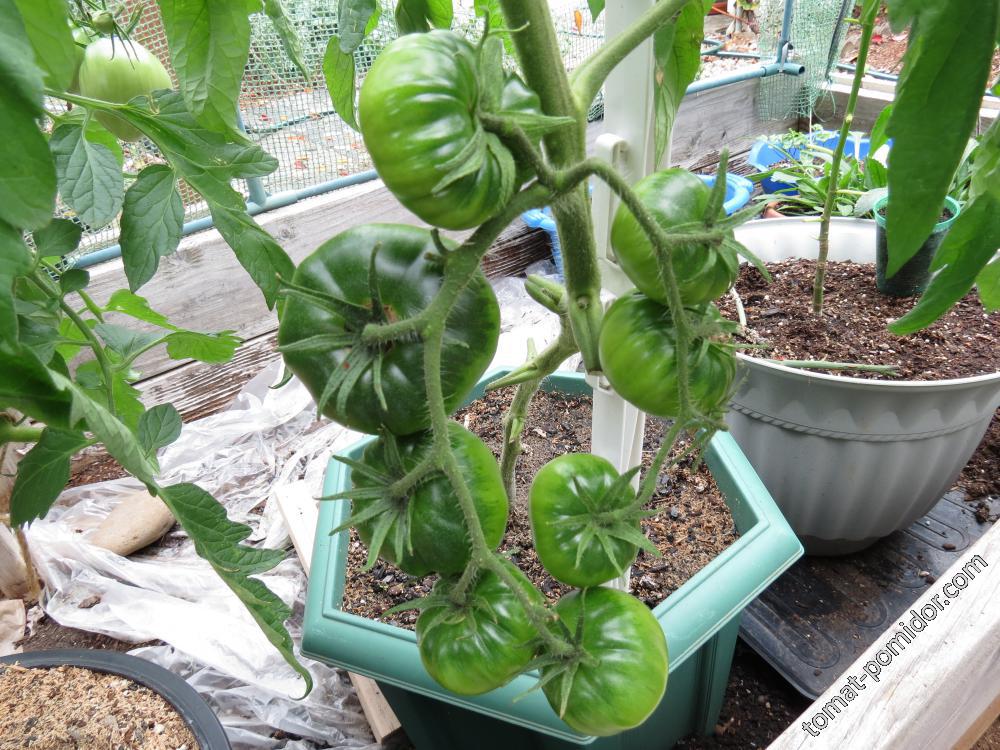
Productivity was below average, maturity was mid-season. Flavor was fairly simple with a mild tart kick. In my greenhouse, this variety lost across the board to Purple Passion, even though they grew right next to each other in the same bed. (To be fair, it might have been starved of heat, since that bed was fourth in line away from the sun). Picked the last tomatoes on October 4.
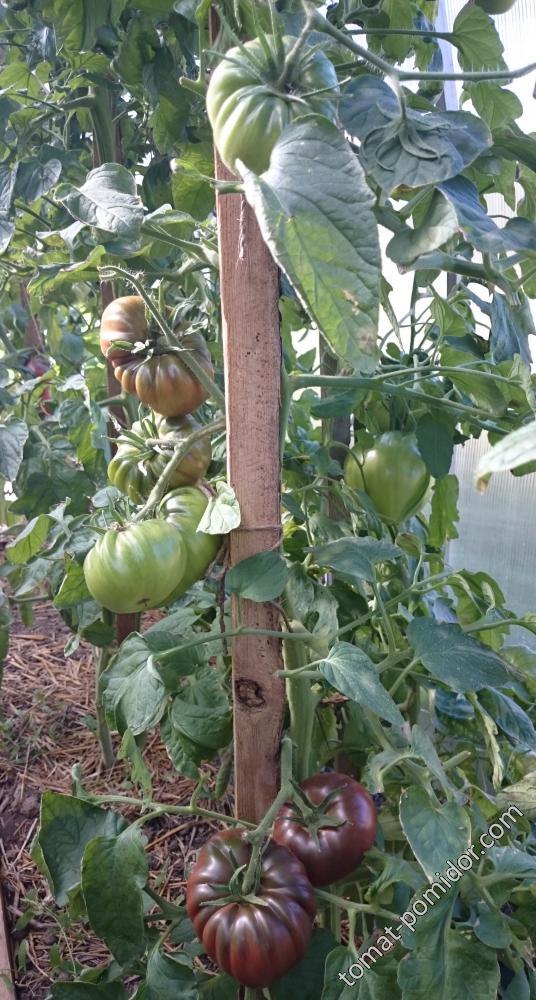
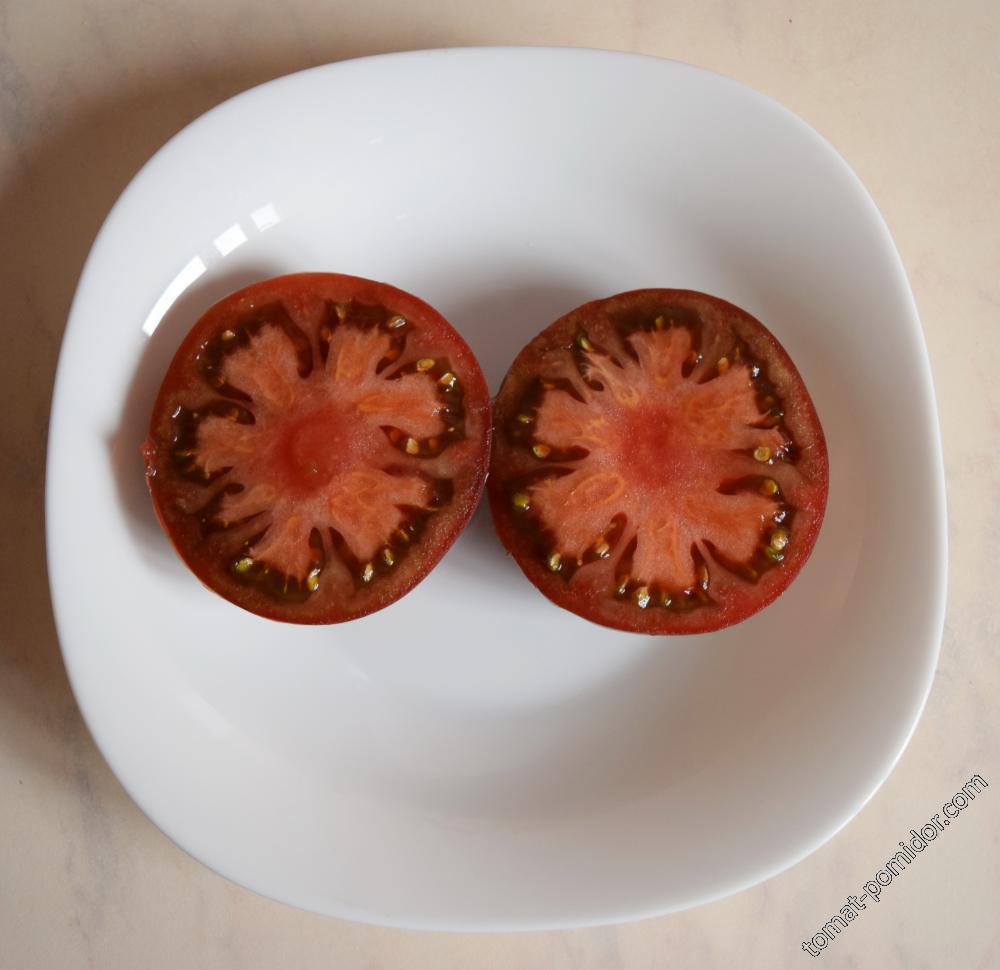
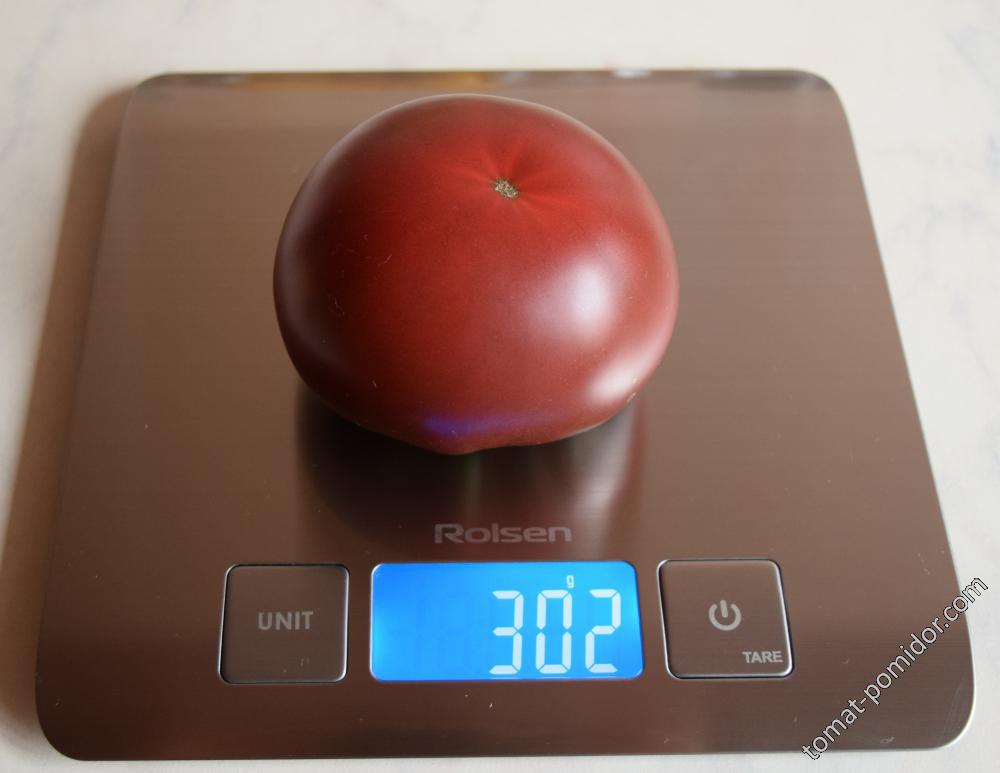
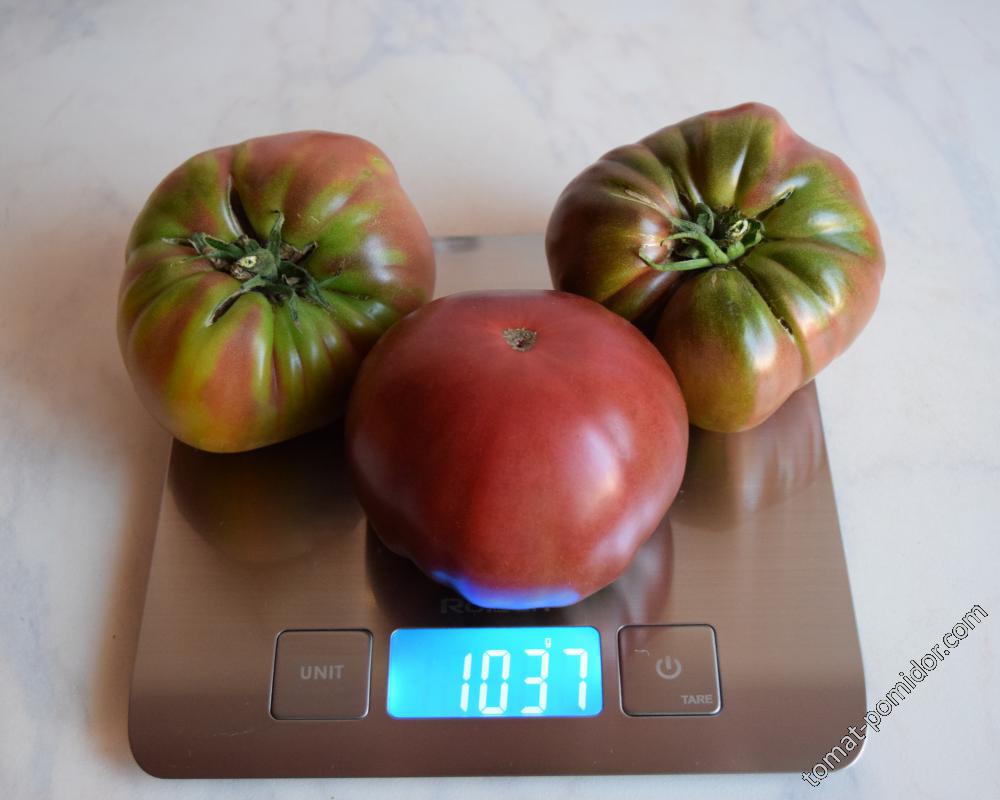
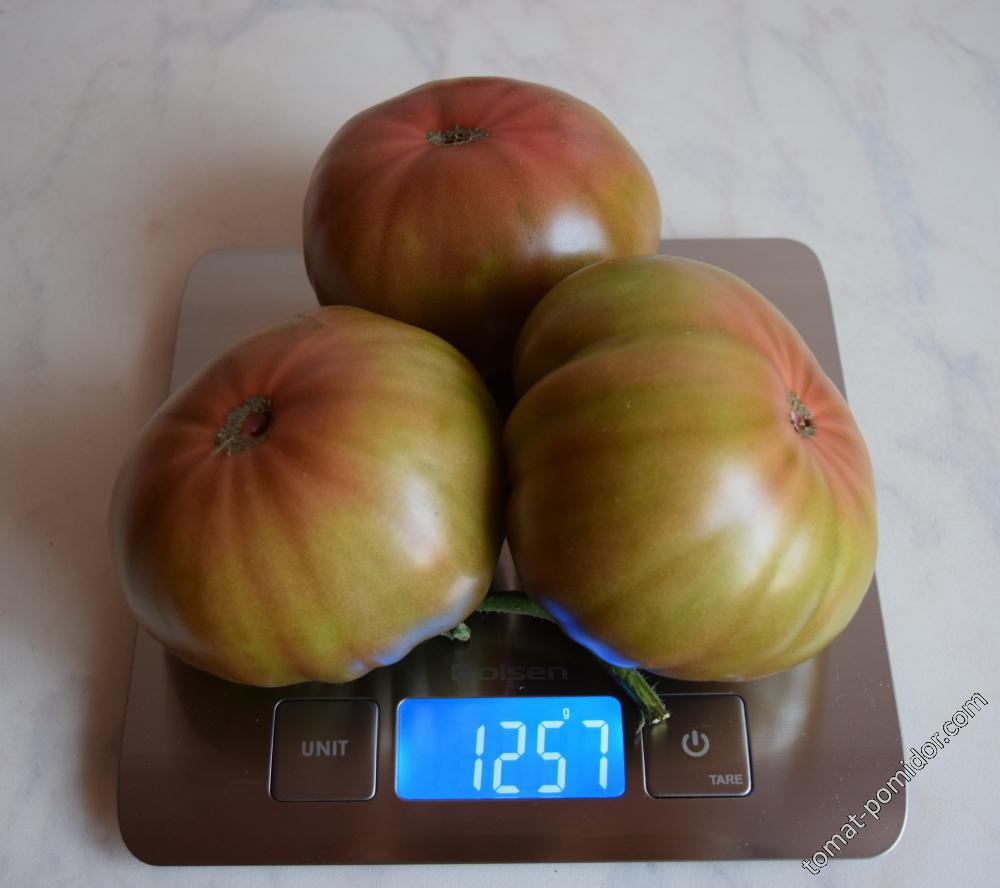
I can’t complain about yield at all: it set fruit reliably, didn’t drop blossoms, packed plenty of tomatoes per cluster, and ripened every one of them. The vine stayed completely healthy with zero disease right up until hard frost, but in my patch, it was easily the biggest water hog around.
The Shape Mystery: J&L Heritage Seeds vs. Oblate Beefsteak Phenotypes
Eva77 wrote: I am growing this variety this season as well, but the difference in fruit shape has me confused…
My seeds came straight from the breeder, and the fruit turned out oblate.
Alisa wrote: My seeds came straight from the breeder, and the fruit turned out oblate.
Redko used the stock photo taken directly from J&L Heritage Seeds (the breeder’s original site). In their official listing, the fruit shape is described as “broad at the top, tapering along prominent ribs to a blunt end.” Yet for some reason, almost everyone growing it ends up with oblate beefsteaks.
Botsad wrote: In their official listing, the fruit shape is described as “broad at the top, tapering along prominent ribs to a blunt end.” Yet for some reason, almost everyone growing it ends up with oblate beefsteaks.
When I bought seeds from the breeder, the variety was brand new and likely still unstable. That explains why the fruit shape may have drifted or differed from the original description.
Full Summary: Plant, Yield, Taste and Genetic Drift
- 🌿 Plant Architecture: Indeterminate vine with regular foliage and moderate density. Strong disease resistance right up to autumn frosts. Highly thirsty feeder that wilts rapidly when confined to small 2 to 2.5 gallon (8-10 L) pots.
- ⚖️ Fruit Shape Controversy: While J&L Gardens originally described a blunt-ended, tapering ribbed heart, growers universally report oblate, ribbed purple beefsteaks. This points to early-generation segregation in initial seed releases.
- 👅 Flavor Profile: Mild, old-fashioned flavor with gentle acidity. Cool conditions and late autumn harvests result in rather flat flavor, confirming that this variety requires sustained summer heat and sunshine to develop its dark-tomato sugars.
- 📈 Yield & Reliability: Solid cluster set with zero blossom drop, carrying full trusses even through cold snaps down to 39°F (4°C).
- 🌎 Reviewed In: Moscow Region and Belarus (USDA Zones 4-5).
• J&L Gardens Lineage: Lee Goodwin of J&L Gardens in New Mexico is famous for innovative heirloom breeding (including varieties like Ambrosia Gold and Sweet Lee). When artisan breeders release early F4 or F5 selections, traits like fruit shape frequently segregate. The disparity between the breeder’s catalog photo (a tapered, ribbed teardrop) and home growers’ harvests (oblate beefsteaks) reflects classic phenotypic drift common in young heirloom lines.
• Container Sizing: Alisa’s experience highlights the risk of small containers for vigorous indeterminates. A 2 to 2.5 gallon (8-10 L) container restricts root expansion, leading to daily mid-day wilting and diluted fruit flavor. For indeterminate black slicers, use at least a 7 to 10 gallon (25-40 L) container with steady drip irrigation.