Quick Summary of San Marzano
- 🌍 Origin: The legendary, world-famous Italian heirloom originating from the Campania region in Italy. It is considered the gold standard for tomato paste and sauces worldwide.
- 🌿 Plant Habit: Varies heavily depending on the specific line/biotype you grow. It can range from a compact 60 cm (2 ft) bush (Nano/Dwarf variety) to a tall 2 m (6.5 ft) indeterminate vine.
- 🍅 Fruit Characteristics: Elongated, red plum/paste tomatoes. They are distinctively dry, meaty, and dense, often with very little seed gel and thick walls. Some lines feature an angular, blocky shape with distinct seed chambers.
- 👅 Flavor & Usage: This is a strict “processing tomato” (canning type). While a few growers enjoy eating them fresh in salads, the vast majority agree that its fresh flavor is bland and uninspiring. However, when cooked down into sauces, canned whole, or sun-dried, the flavor concentrates and becomes absolutely exceptional.
- ⚠️ Grower’s Notes: Highly susceptible to Blossom End Rot (BER) due to its elongated shape. It is also generally considered a heat-loving “southerner”—many growers in cold/short-summer climates report that it struggles with cold snaps and turns yellow easily.
San Marzano in the old forum catalog.
Galochka (Galya) sent me the seeds, for which I give her a huge THANK YOU 🌺!!!
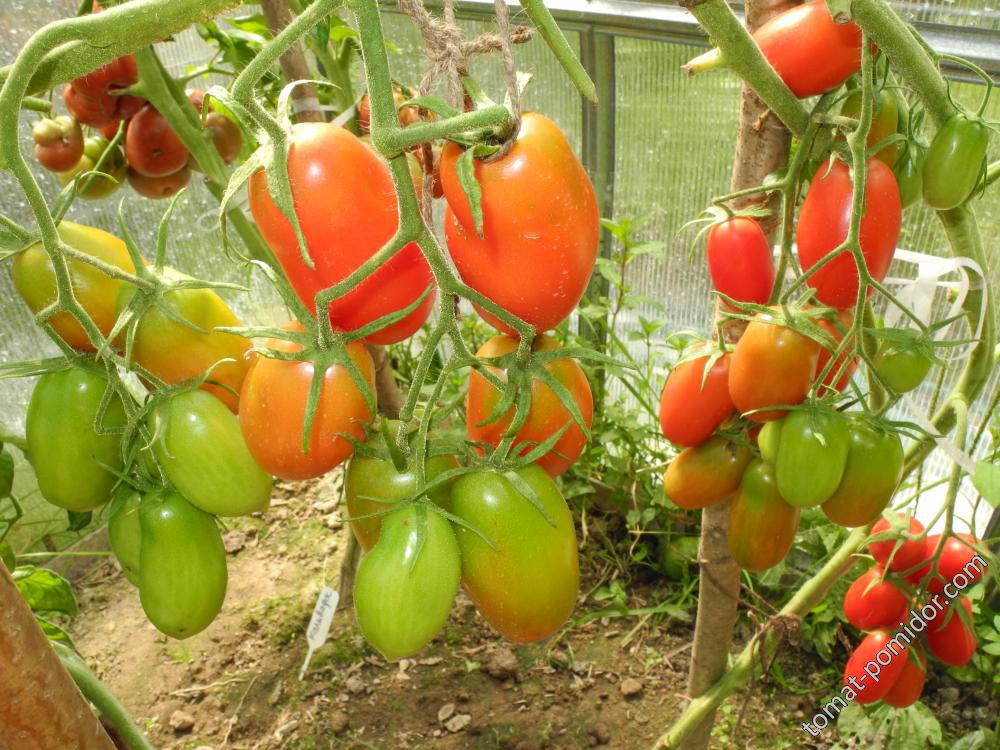
For me, it grew as a short bush, about 80 cm (2.6 ft) tall outdoors in the open ground. I didn’t prune the suckers. The bush is powerful, but not sprawling. The variety is productive, with trusses (6-8 fruits each) of very dense, meaty, tasty blocky/cube-shaped little tomatoes 👍 😋.
It is an ideal variety for pickling/salting, and for making tomatoes in their own juice. This year I planted 2 bushes, but I definitely need to plant more of this kind. Next year I will plant 5 of them. I liked it very much 👍.
Edited January 24, 2015 by Drosera
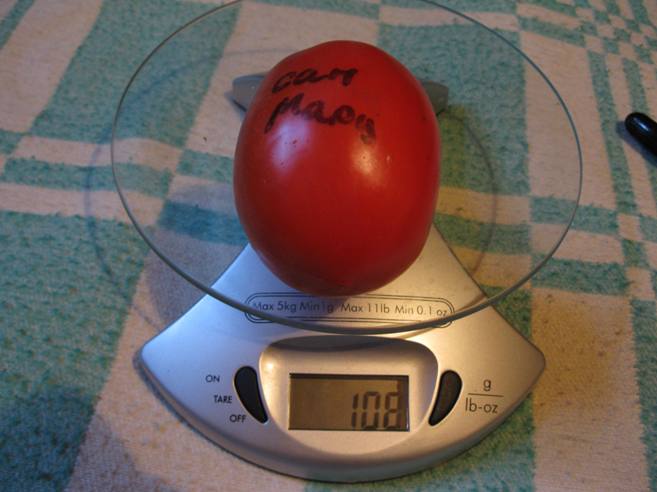
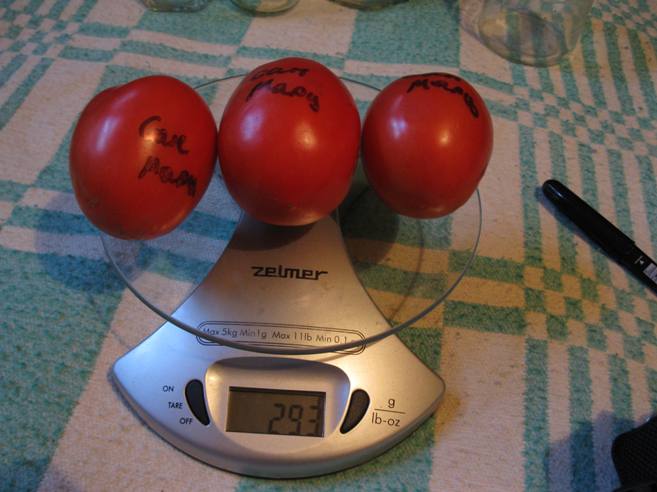
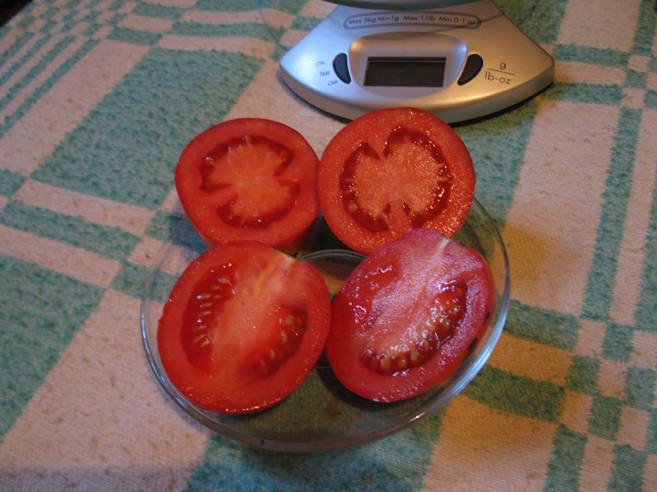
Seeds were from the Manser company, Switzerland. A productive bush, it needs to be pruned and trained into 2 or 3 stems.
Svetlana, how early is it? And how healthy/disease-resistant was it—could you please write about that?
I have seeds for this exact short bush San Marzano type matching your description sitting ready for next year.
Iva, it is not early, more like mid-season. It wasn’t prone to diseases—at least for me, it only started drying its leaves when I had already picked everything off of it. It survived two weeks of horrible heat in May, then almost a month of cold, rainy weather, and it didn’t get sick at all 🥳.
True, there is one detail: when planting it, I dropped a tablet of “Gliocladin” (bio-fungicide) into the hole, so maybe that’s why it stayed healthy. The bush is strong but not fully self-standing, it needs to be tied up to a support. I didn’t prune the suckers, it just terminated its own growth (determinate).
Isn’t San Marzano actually an entire varietal type? This year I grew San Marzano Gigante 3 (Giant 3).
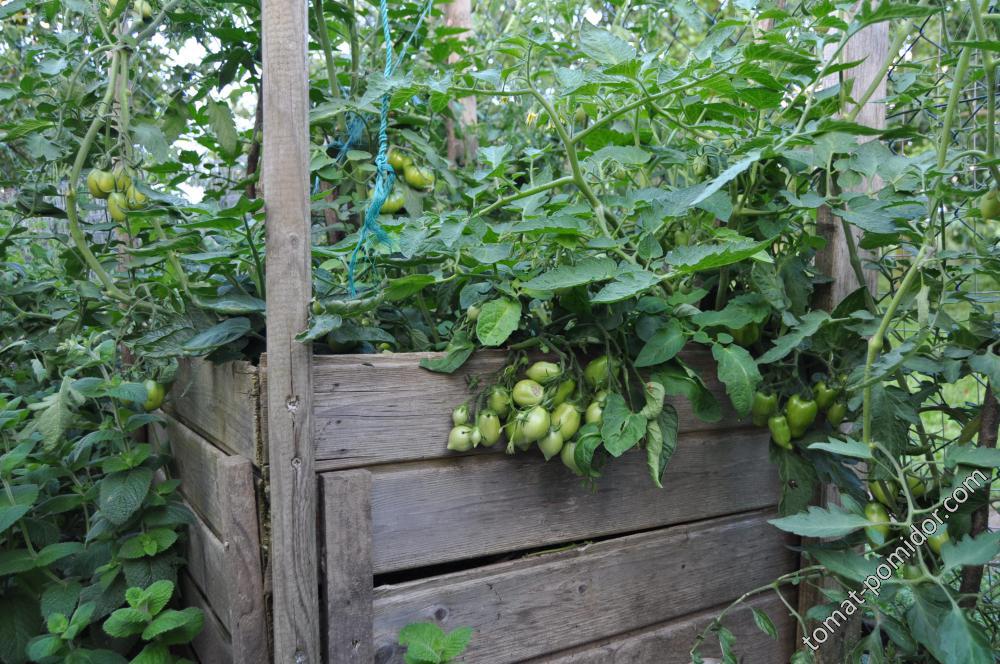
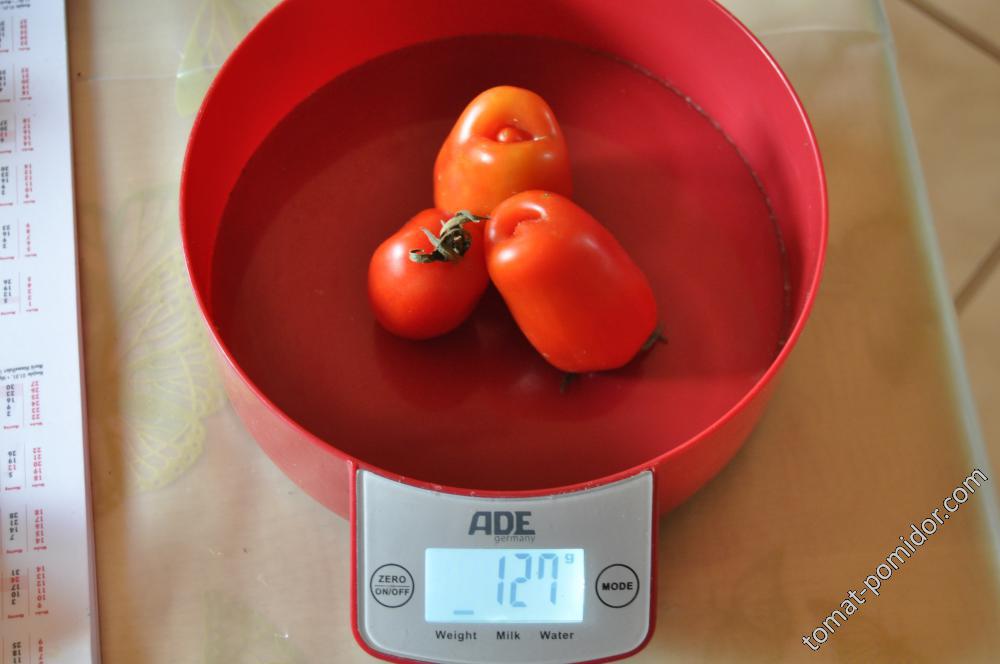
The yield on the bush was average, but I’m hoping to tame it eventually because it is tasty, dense, and beautiful. Just look at these tomatoes, and up close—I really loved that little indentation/dimple on the top of the fruit 😊.
Here is what mine looks like:
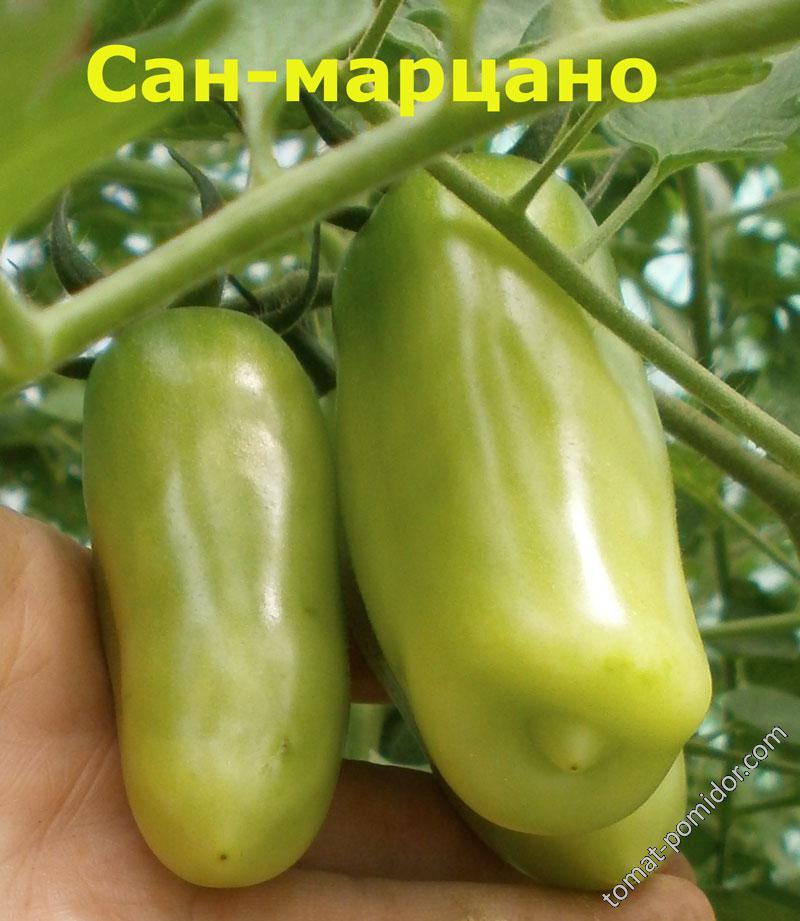
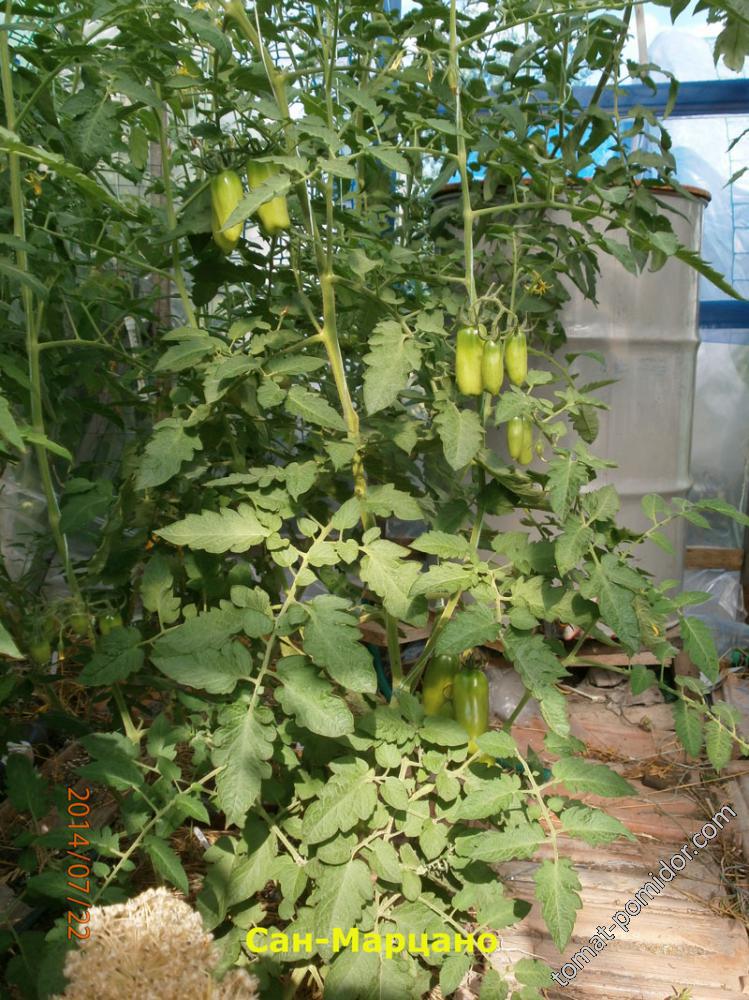
I’ll insert my “five cents” about one specific trait of this variety. I grew two San Marzanos (I bought San Marzano 2, but the packet only had info on when to sow/plant. Later I found a packet with a full description, was too lazy to copy it down, and just bought it since it cost almost nothing). So, two San Marzanos grew, and they turned out to be 2 different types. One SM was a standard plum/paste shape, and the other was elongated, almost “sausage-like” 😊.
But they did have something in common. As seedlings, they are light green, juicy, and beautiful. However, they are highly sensitive to cold weather; they immediately turn yellow and suffer frost damage very easily (while my other varieties WERE NOT AFFECTED at all). This one got nipped right away.
It is far from being the earliest, and in any cold snap, it tends to yellow. Even now, in autumn, there hasn’t been a frost yet, but it’s the only variety standing there with yellow leaves. However, it is absolutely covered—just buried—in fruit.
Hello everyone! Someone brought me San Marzano 2 seeds from Italy. What is the difference between San Marzano and San Marzano 2? Thanks!
Quote from Alena Latviya:
So, two San Marzanos grew, and they turned out to be 2 different types. One SM was a standard plum, the other was “sausage-like”…
Alena, hi! Could you explain it to me one more time please? 😅 Who is who, and what does each San Marzano look like? Which one is the sausage-like one?
Last year I grew San Marzano. The bush was about 80 cm (2.6 ft). It produced a lot of tomatoes, but it was quite late. It is very prone to Blossom End Rot (BER).
This year I planted San Marzano 2. It was indeterminate, I trained it into two stems. I really liked it. It is especially successful when sun-dried. I also grew Gold Roma alongside it, and it was absolutely identical to San Marzano, just yellow.
And this year I grew San Marzano NANO (Dwarf). I was absolutely sure it would be red… but no, it turned out pink!
This “Nano” grew up to 120 cm (4 ft) tall. The fruits are plums, no bigger than 5-7 cm (2-2.7 inches) long. There are tons of them, just like a cherry tomato plant 😊
San Marzano 3. I had 3 short bushes. The trusses were full, and the fruit set was good. The variety has an identity crisis with its blossom ends—sometimes they are elongated and pointed, sometimes they are indented. The variety yielded up to 1.2 kg (2.6 lbs) per bush for us. It lost out in yield compared to the French Cluster (Franzuzskiy Grozdevoy) variety. They are tasty, but nothing “wow”.
Quote from irinka-malinka:
I grew San Marzano NANO… I was sure it would be red… but it was pink. It grew up to 120 cm… fruits are 5-7 cm long.
I would venture to say that isn’t a true SM; the fruit shape is too smooth. SM has much more pronounced ribbing/angularity. Sorry if I’m wrong, a lot depends on growing conditions, but its general characteristics are usually very distinct.
I grew San Marzano 2 in the greenhouse. The bush is currently pushing 2 meters (6.5 ft) tall—it suddenly spiked in growth over the last couple of weeks, even though it was barely a meter tall the entire season. The fruit is long (up to 15-18 cm / 6-7 inches) and feels light. When fully ripe, the flesh is soft, with practically no empty voids, but it weighs less than normal tomatoes and has no juiciness. When cut crosswise, you can see a blocky/cuboid shape (it’s not round in diameter, more like a rounded square). The fruit has 2 seed chambers. During the cold snap, some of the seeds inside turned dark. There was absolutely no Blossom End Rot (BER), not even a hint, unlike my other long-fruited varieties. The taste is absolutely bland/nothing. It is very good for sun-drying, provided you sweeten it, salt it, and drizzle it with oil first. In general, it is strictly a processing tomato (canning type).
Outdoors in the open ground, I grew SM Nano (it ended up there by accident, a trial from a different packet turned out to be a different variant of the variety). It grew to about 60 cm (2 ft) and was absolutely buried in fruits. I think there were over a hundred fruits on the bush; you couldn’t even see the branches. I didn’t manage to pick them because I went away for 10 days, and when I came back, all the fruits had turned black. Its cold tolerance is below average. The fruit shape looks exactly like this photo from an eBay listing. The fruits are small, up to 7-9 cm (2.7-3.5 inches) long. Taste-wise, it is slightly sweeter than SM 2.
Despite both having the same poor cold tolerance and high yield, they look completely different. They are absolute processing tomatoes, completely unacclimatized to our region. Maybe there are locally adapted lines out there, but mine were clearly true “southerners” 😊
My impression is that this plant just does not belong in my climate zone. A processing tomato with such low cold tolerance is puzzling. I’ll repeat: the bush is beautiful, light green, but currently yellowing, even though there hasn’t been a frost. Outdoors, I completely lost a whole bucket of fruits—the bush was loaded, but completely black by the end of August. We had a difficult summer, with frosts until June 30th, and an abrupt autumn starting August 10th (though without actual freezing temps). It did not like that at all.
This morning I was sorting through the tomatoes that are ripening off the vine indoors… I took another look at SM Nano… well, they did turn a bit more crimson/pink, but they definitely don’t look like the photo in that link. And the seeds definitely came directly from Italy.
Alena, thank you for the answer… everything is clear now. But is the taste really that “nothing/bland”?
I plan to use SM exclusively for sun-drying and canning without skin in their own juice, plus in marinades. Why do all tomato paste producers advocate so strongly for SM? Are they lying if the taste is “nothing”, eh? Or let’s just blame it on different growing conditions for now… it’ll make it easier for me to survive the winter, since I’ve already stocked up on SM seeds!
Quote from irinka-malinka:
But is the taste really that “nothing/bland”? … Why do all tomato paste producers advocate so strongly for SM?
Mine are from a very good producer and are most likely the original authentic strain. The bushes are still covered in fruit, but it’s definitely not what we (fresh eaters) love. This is undoubtedly a variety from the “white-fruited” family—it colors up without any green shoulders, transitioning directly from light green/slightly whitish to red. (I recommend reading up on the science behind this). By definition, they have a lower content of “all the good stuff” in pursuit of higher yield, transportability, and other commercial traits. If that’s confusing: this is a line of modern varieties and commercial hybrids with a mutated gene that prevents green shoulders. It is precisely in those green shoulders that the most delicious flavor compounds form, but commercial growers care more about standard appearance. The advantage here is the non-juicy flesh, which is richer in color and concentrates its flavor when cooked.
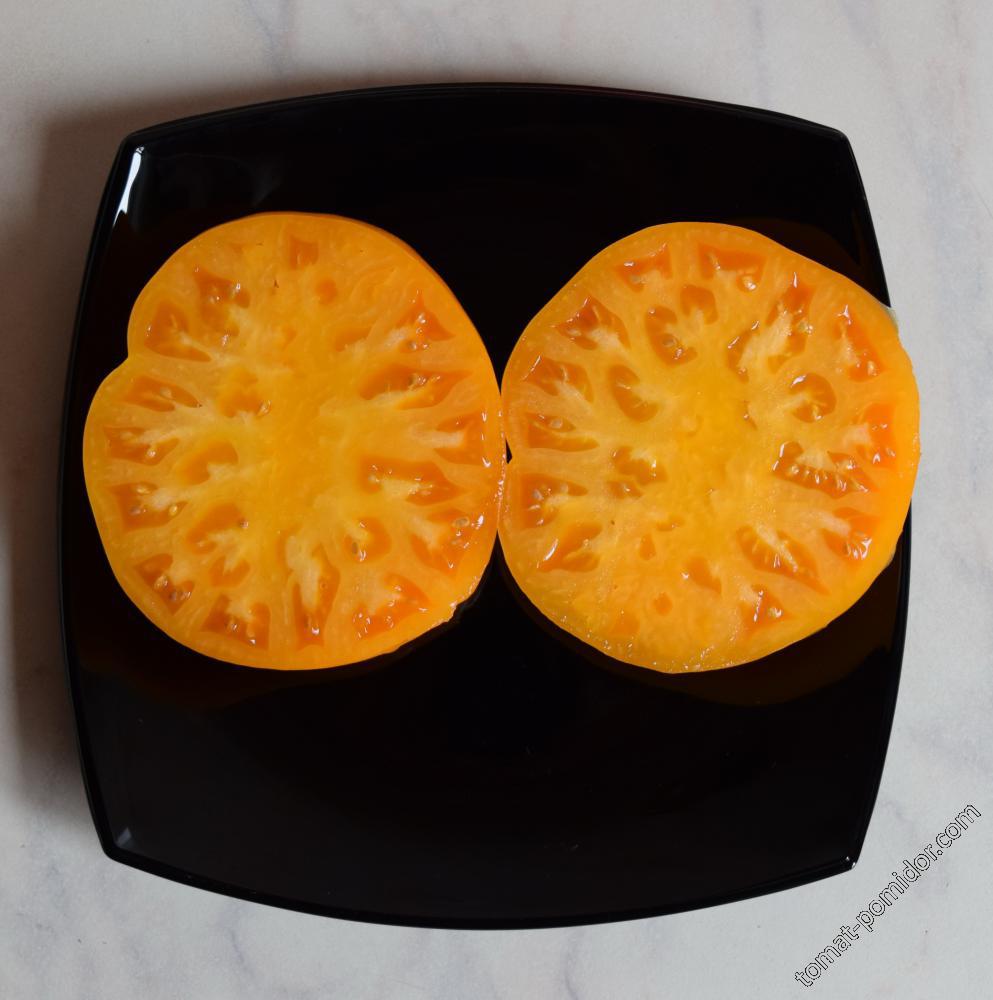
Tomorrow I will take a photo of the fruits sliced open. Right now my daughter is sleeping, and my phone has been in for repairs for a month. I don’t know how to take pictures with the replacement they gave me!
In the greenhouse, it is still loaded and beautiful. But even when I sun-dry it, I have reservations—I have to sweeten it, salt it, and oil it, otherwise I don’t like it. It’s good for drying, but I prefer others (even juicy ones) for that purpose. I think it would be great for lecho (bell pepper and tomato stew), but I don’t make that.
In general, try it out! It has many virtues, and its high yield is very valuable. I am just spoiled, so I nitpick. Maybe it’s exactly what you are looking for!
Girls, please don’t forget that San Marzano is an entire varietal type (a family of varieties)!!!
Everything Alena is writing about her SM absolutely does not apply to my San Marzano Gigante 3. It is simply a magnificent tomato for canning, and for salads (for those who prefer a normal, firm salad tomato rather than watery tomato mush), it is very good.
Quote from Semechka:
Girls, please don’t forget that San Marzano is an entire varietal type!!! … Everything Alena is writing absolutely does not apply to my San Marzano Gigante 3…
That is very possible, but I am primarily speaking about the TASTE of the two representatives of this variety growing in my garden. There is no taste. SM Nano is slightly better, but not enough to praise it.
There are many much higher-quality processing tomatoes out there with great taste and great yields. The hollow/empty voids inside these fruits also bother me—when canning, you have to pierce/slit the fruit, otherwise an air void forms in the jar. Even if it’s minor, it’s there.
I eagerly bought and planted this variety after reading glowing reviews similar to yours. And what did I get? High-yielding, useless junk. Right now, I’m not even picking them off the bush. I’m hoping that when the truly delicious tomatoes are finished for the season, I might find a use for these. Whatever ripens, I try to sneak them in between the tasty varieties when I give tomatoes away to people. Overall, I repeat: if you are a connoisseur of tomato flavor, it’s better not to plant SM2 and Nano. You will not like the taste. I have a thought that maybe I should try it cooked with peppers, like in lecho—the strong flavor of the pepper might fix the situation.
Perhaps I am too demanding of a processing tomato, but I have perfect substitutes without the flaws of this variety, which is why I am speaking out. Ultimately, I prefer icicle/elongated paste types and regular plums strictly for their taste and versatility. This one is just high-yielding beauty, without the joy of flavor.
Quote from Alena Latviya:
The hollow/empty voids inside these fruits also bother me…
Yes, it is indeed disappointing when you don’t get what you hoped for. But thank God, I was luckier than you. My San Marzano Gigante 3 has absolutely zero empty voids inside—it is a completely solid, meaty tomato!
And I won’t even try to describe the taste anymore. It’s hard for me to understand such high demands; most likely, you wouldn’t like any of my favorite varieties at all.
Quote from Semechka:
And I won’t even try to describe the taste anymore. It’s hard for me to understand such high demands…
Oh no, your tomatoes look absolutely wonderful! I took a look—they are very nice. The only type of tomatoes I don’t like are the ones like Lotharingian Beauty (Costoluto and similar heavily ribbed ones). As a rule, they also have a very plain taste, glassy texture, and breeders just slapped on all those heavy folds/ribs to seduce people with the look of a delicious tomato. 😊 Moreover, I had an experience where those crazy multi-chambered “gears” ripened unevenly, and inevitably one of the chambers would start rotting. Brrrrr. I hate rotten tomatoes. Especially their smell.
But your San Marzano 3 looks very good! I’m going to go take photos of the inside of mine. I had a few lying around. I took the photos and will upload them now. My daughter went to eat them, and she will give her opinion shortly. I must not forget to take a picture of the bush—it’s beautiful, shaped like a Christmas tree, even when stripped of fruit. The fruits are about 12 cm (4.7 inches) long.
By the way, we ate the sliced ones. They seem okay, not entirely bad. Tomato flavor, the core has a slight tang, the outer walls are blander. But it’s not a “WOW”, believe me. Oh well, November will come, and even these will taste like a “WOW”! 😊
Surprising hollow voids! I wouldn’t have liked that either.
For some reason, tomatoes with those hollow voids store much longer. They dry out a little bit, but they don’t rot. And Alena is absolutely right about November!
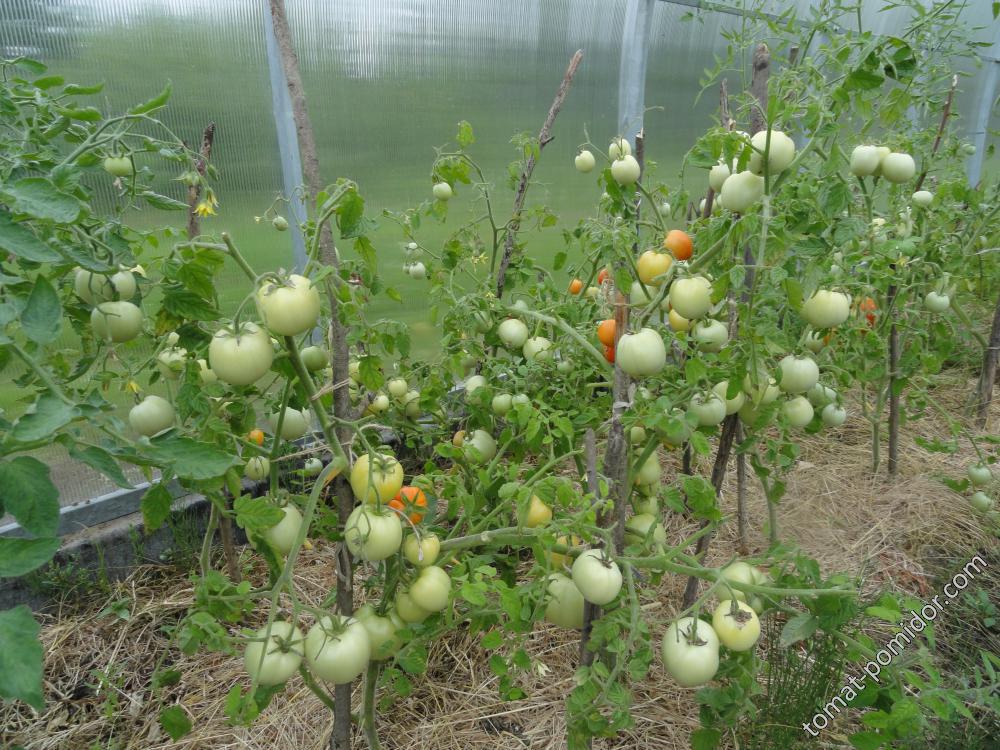
Here is what the bushes looked like yesterday, with autumn in full swing.
I gathered a decent-sized sack, here it is in the bag, now I have to figure out what to do with them.
My San Marzano was tall, about 1.8 meters (6 ft), grew in the greenhouse. It wasn’t early, but very unfussy. The tomatoes are very firm, not hollow, and the taste is very good—a pronounced tomato flavor with a slight tang. It will be great for sun-drying since it is not watery. I haven’t had a chance to try it for pickling/canning yet 😊.
Edited September 28, 2014 by Nelya
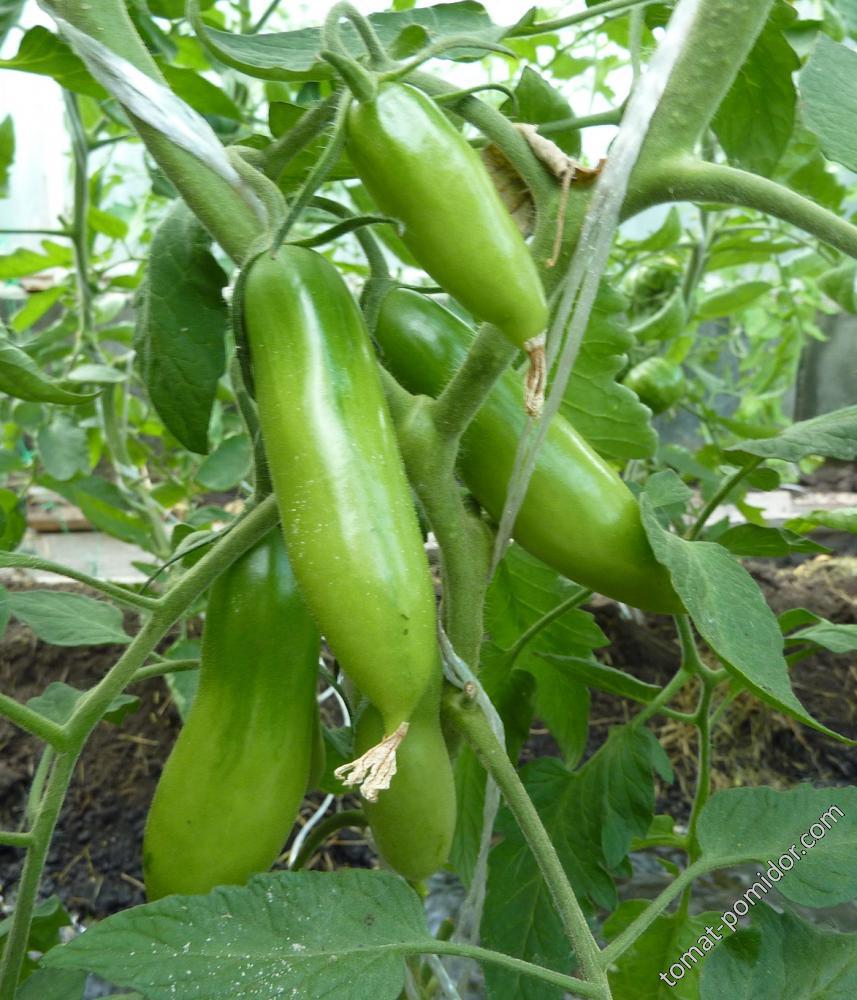
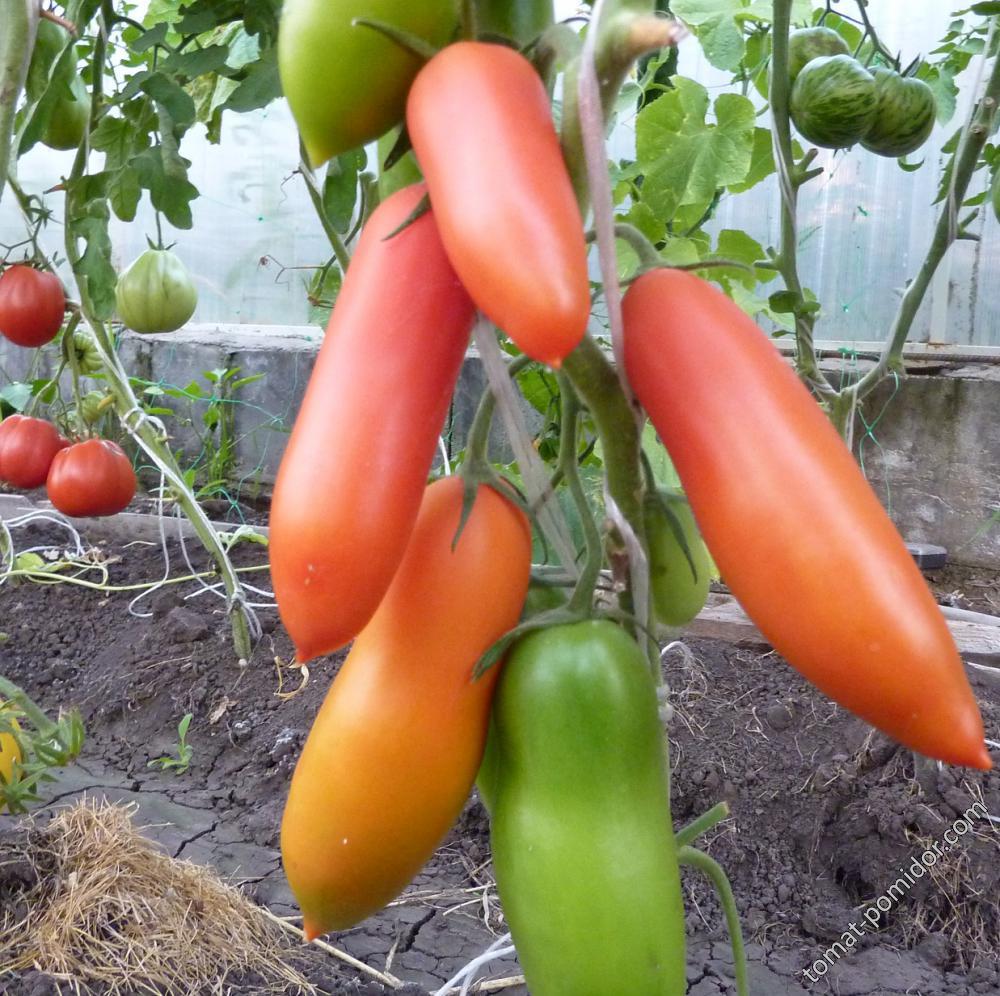
I was gifted San Marzano seeds. I want to immediately emphasize that the variety was simply named San Marzano, and the seeds were brought directly from Italy. The picture on the packet is identical to Nelya’s picture. I will plant it just for variety; they look very attractive and will mix well with my salad types. 😄
I planted them for about 10 years, then stopped. They are quite late, get hit by Blossom End Rot (BER), and the taste (to me) is absolutely nothing. Maybe I’ll plant them again someday.
My San Marzano in the greenhouse grew to about 1 meter (3.3 ft) tall. The yield was good. The fruits had an ordinary taste, but were meaty with thick walls.
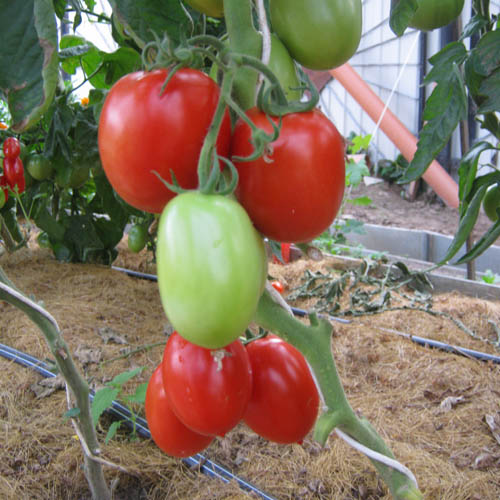
It has definitely established itself in my garden for a long time. It grows into a beautiful tomato tree (I have photos in my albums). This variety makes excellent sun-dried tomatoes because it has a lot of meat and very little water.
My San Marzano. Grew outdoors in the open ground, I didn’t cover it with anything. The height was about a meter (3.3 ft). It turned out late, but productive. This is not a tomato for fresh flavor; it is strictly for canning and sun-drying. It makes a wonderfully thick sauce.
I don’t have photos of the red ones.
Harvested in September.
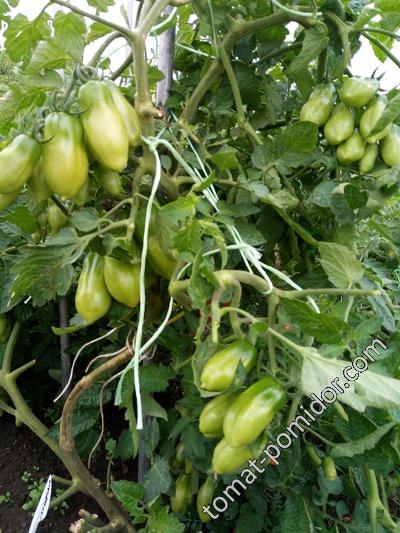
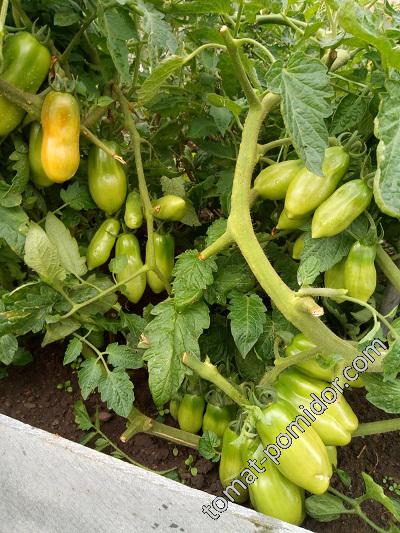
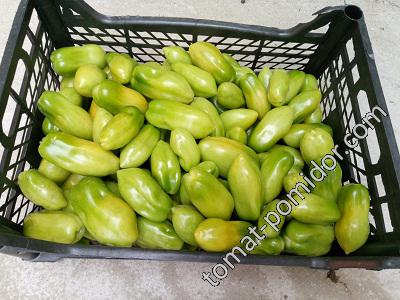
It’s interesting from an intellectual standpoint. It doesn’t contain the very ancient ej-2^w and fw3.2 mutations. There are almost no varieties like that left. And it also has resistance to some specific disease, though I don’t remember which one.
While dreaming about San Marzano, I found this explanation (translated from the website webfoodculture.com, originally from Italian, hence the unusual and awkwardly translated term “biotype”, meaning a specific strain/clone, but it’s more complex than that):
San Marzano Tomato Varieties:
To date, 32 biotypes have been registered that trace back to the “San Marzano” tomato varietal type. These biotypes are divided into seven varieties currently listed in the European Register.
These seven varieties are:
- San Marzano 1, also known as “Kiros”;
- San Marzano 2: the “oldest” variety;
- San Marzano 3;
- San Marzano 4;
- San Marzano 5;
- San Marzano “Dwarf” (Nano);
- San Marzano “Giant” (Gigante);
These seven varieties were the result of a project funded by the Campania region in 1994 to restore the existing populations of San Marzano tomatoes.
However, it should be noted that for the production of tomatoes with a Protected Designation of Origin (PDO), only the Kiros and San Marzano 2 biotypes can be used. And although, from an organoleptic (sensory/taste) point of view, San Marzano 2 has a more pronounced aroma, Kiros has an acidity that makes it particularly suitable for long cooking (e.g., the famous thick meat sauce for pasta—ragù) and therefore ideal for kitchen use.
Now I will dream more specifically… about San Marzano 2…