🍅 Quick take: Siberian Nastya is a rugged, very early determinate bush variety bred specifically for tough, short-season climates. Reaching just over two feet tall, these highly low-maintenance plants thrive outdoors without any protection, pumping out delicious, all-purpose raspberry-pink tomatoes weighing up to 7 oz (200 g). Full summary ↓
Growers’ Notes and Photos (USDA Zone 3 Experience)
Siberian Nastya. Determinate variety. Seeds from the Agros company.
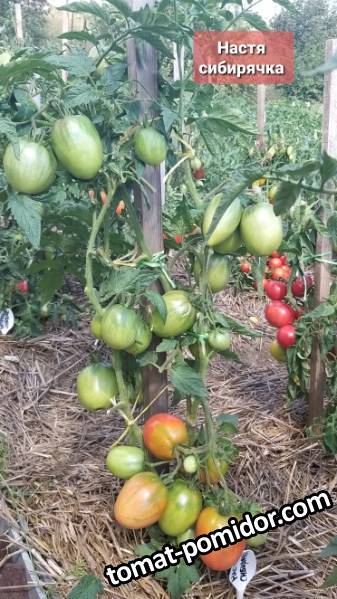
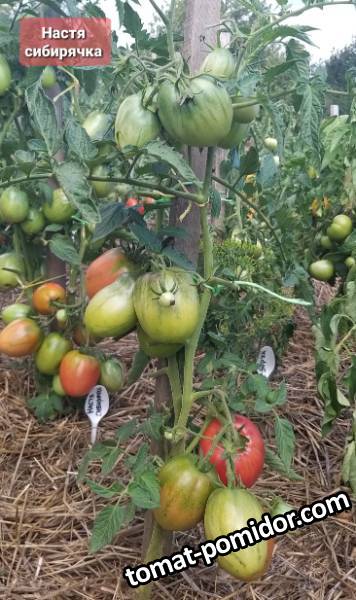
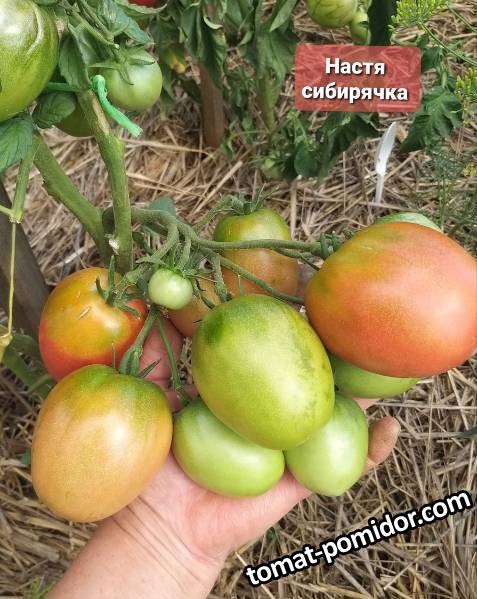
Low-maintenance variety. Grew out in the dirt without any row covers. Sown in early April, transplanted out to the garden bed in late May. Started ripening in mid-July.
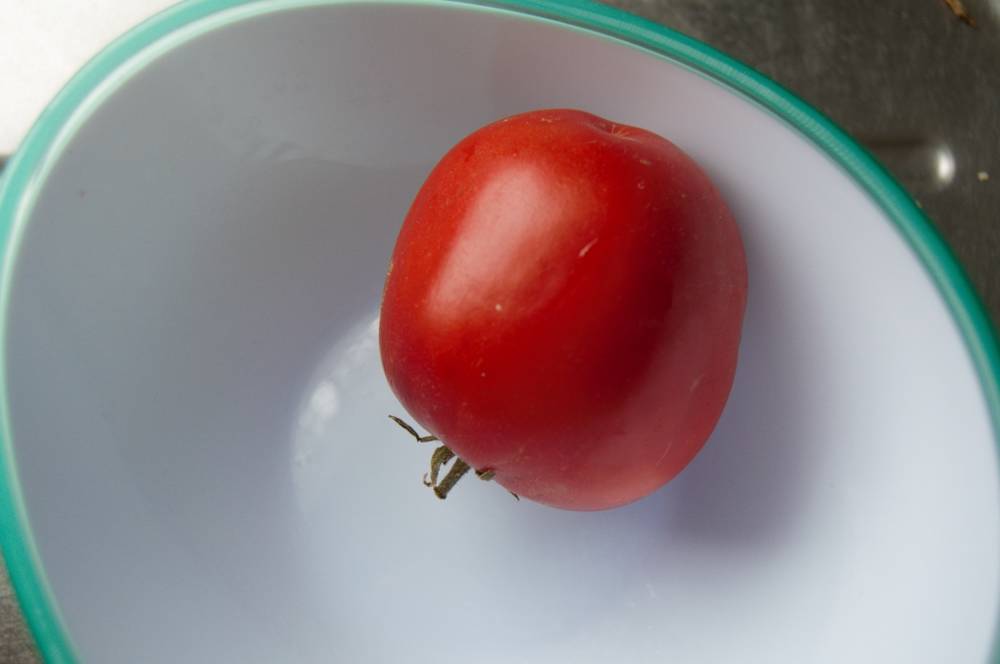
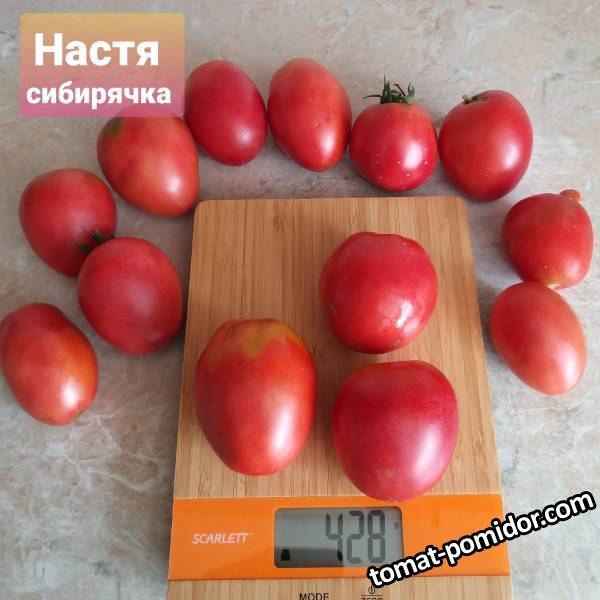
The bushes got up to about 27 inches (70 cm) tall. Tomatoes up to 7 oz (200 g), raspberry-pink, delicious, for all-purpose use. I really liked Siberian Nastya.
Full Summary: Plant, Yield, Taste and Storage
- 🌿 Plant: Determinate, very early-season bush. Highly compact and sturdy, reaching roughly 27 inches (70 cm) in height. It is exceptionally resilient and low-maintenance, thriving completely unprotected out in the open dirt even in harsh Zone 3 climates.
- 📈 Yield: Excellent for its size. The compact bushes load up heavily with fruit and manage to ripen their clusters early in the summer (starting by mid-July) before cold weather can threaten the crop.
- 👅 Taste: Consistently praised as a delicious, classic tomato flavor. Unlike many ultra-early determinate varieties that sacrifice flavor for speed, this one offers a genuinely pleasant, sweet-tart balance.
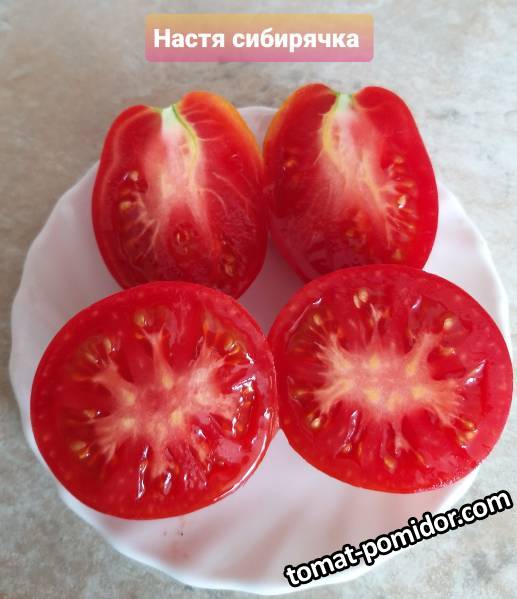
- 📦 Texture/Usage: Beautiful, round to slightly oblate raspberry-pink fruits. They typically max out around 7 oz (200 g). With their firm texture and fantastic flavor, they are a true “all-purpose” tomato—perfect for slicing into fresh salads, canning, or making early summer sauces.
🍅 Grown Siberian Nastya? Did it survive the cold out in the dirt for you? Share your growing zone and harvest notes below!
👨🌾 Editor’s Note: The Name’s Origin
The original Russian name of this variety is Nastya Sibiryachka. “Nastya” is a very common, affectionate diminutive for the name Anastasia, while “Sibiryachka” translates to “Siberian girl” or “Siberian woman.” The name is a nod to the plant’s tough, cold-weather resilience; it was specifically bred to withstand the harsh conditions and notoriously short growing seasons of Siberia, performing beautifully outdoors without a greenhouse.
The original Russian name of this variety is Nastya Sibiryachka. “Nastya” is a very common, affectionate diminutive for the name Anastasia, while “Sibiryachka” translates to “Siberian girl” or “Siberian woman.” The name is a nod to the plant’s tough, cold-weather resilience; it was specifically bred to withstand the harsh conditions and notoriously short growing seasons of Siberia, performing beautifully outdoors without a greenhouse.