Growers’ Notes and Photos (USDA Zones 4-5 Experience)
Olesya (Sibirskiy Sad). Grew this back in 2012 in the greenhouse. Indeterminate vine, topped out around 5.5 ft (170 cm), then stalled out completely. The growing tip shriveled up and I couldn’t get a second flush out of it.
The plant itself looks pretty frail, slender stem, easy to train, wispy drooping foliage. The fruit is yellow-orange, shaped like a large elongated plum, pretty much a dead ringer for Golden Koenigsberg (honestly, I could barely tell the two apart). The tomatoes are sugary, sweet, and have a genuinely delicious flavor.
Yield was pretty mediocre, though. If I remember right, clusters sat about 5 leaves apart. Pruned to a single leader and ended up with only 3-4 trusses total. I think this one would do far better ran as a 2 or 3-stem plant.
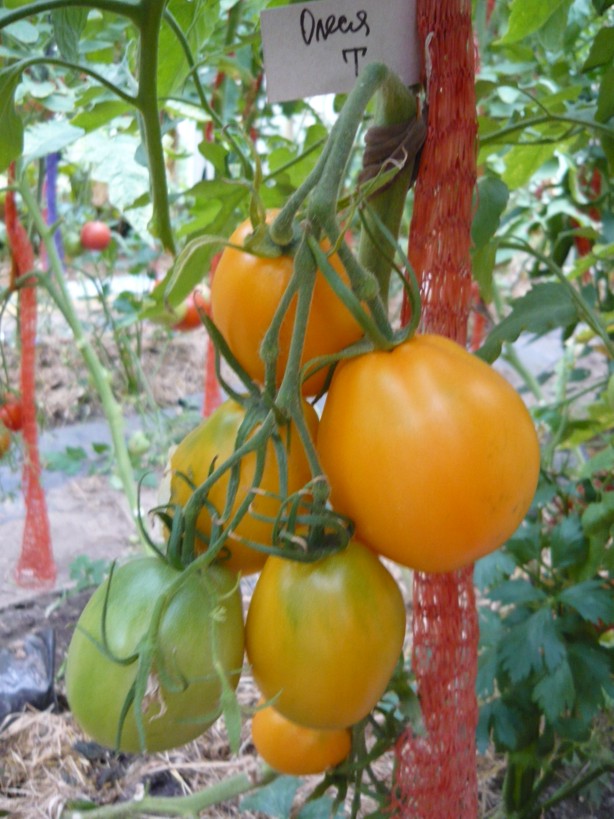
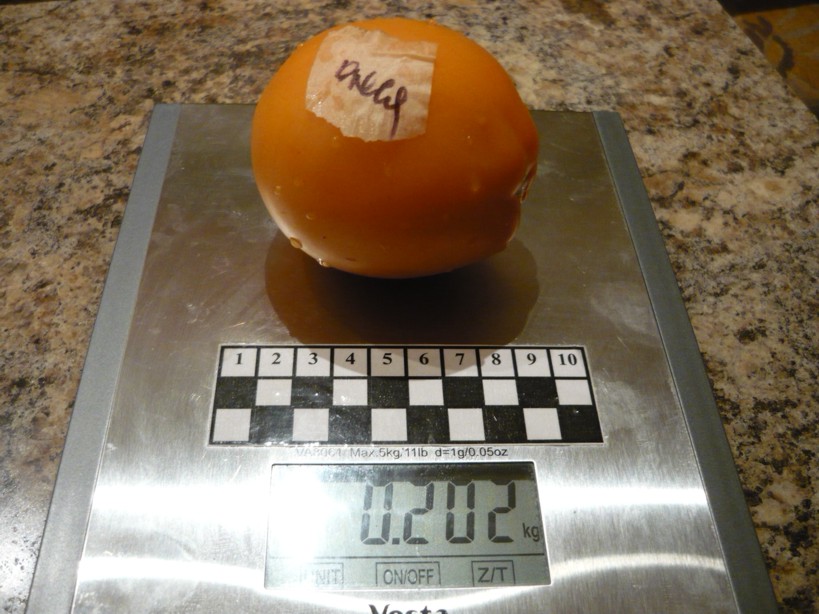
There really is no difference between them 🙂 And Southern Tan (Yuzhny Zagar) and Radunitsa are cut from that exact same cloth too.
Grew this one too. Outstanding flavor, super sweet, but the yield was definitely low.
Been growing Olesya for several years now from Agros seeds. Wonderful fruit, really sweet and meaty. Have to agree that it is a light producer. Also, if you try hot-pack canning them whole, the skins split right open.
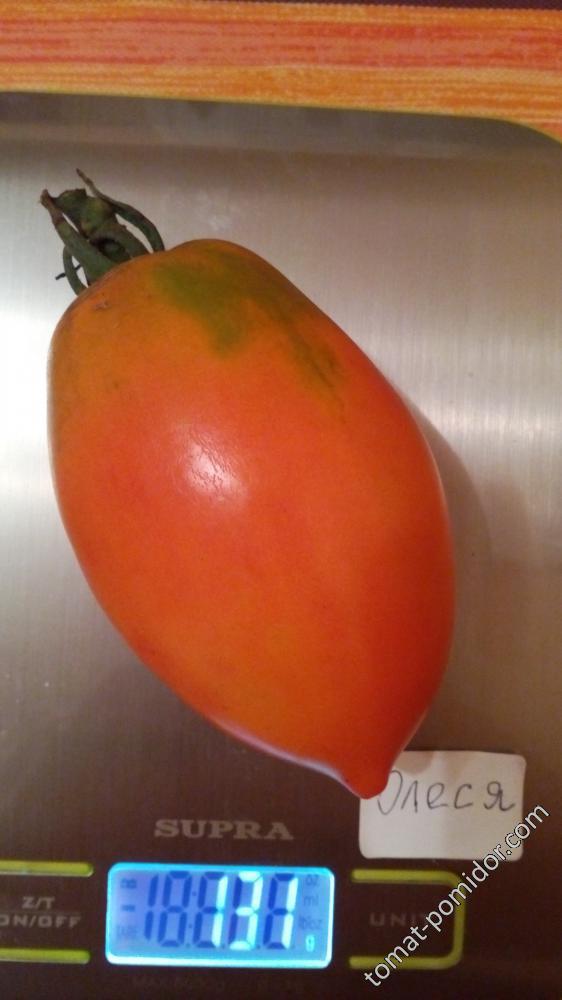
Put this in during the 2021 season, seeds from Sibirskiy Sad. Kicking myself for only planting a single vine, it ended up being the sweetest tomato of my whole summer ❤️
Ran it with 2 stems. Sturdy vine with delicate, weeping foliage. The key is you have to let them vine-ripen fully. Once the fruits turned full color, I left them hanging on the vine another 5 days. Trusses carried 5-7 tomatoes each.

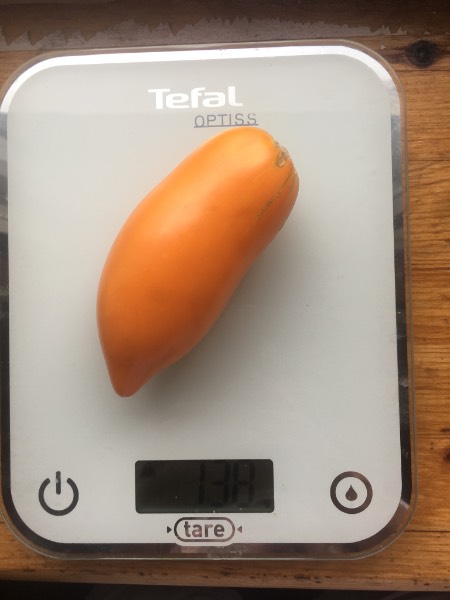
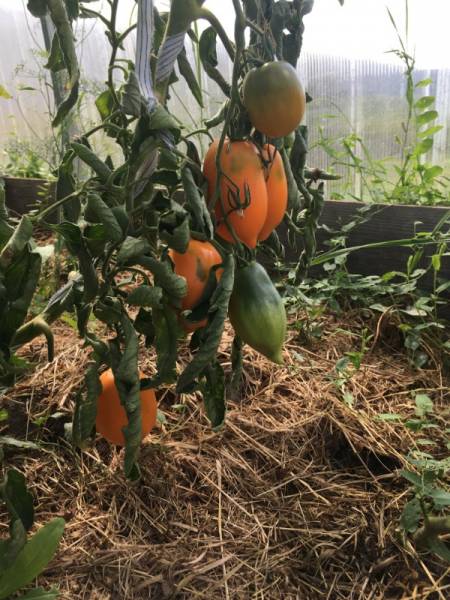
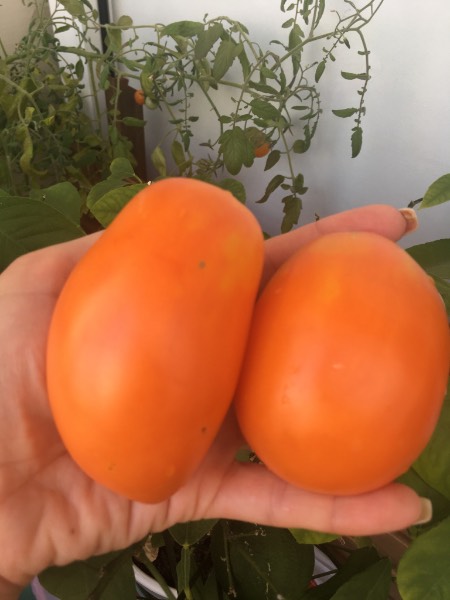
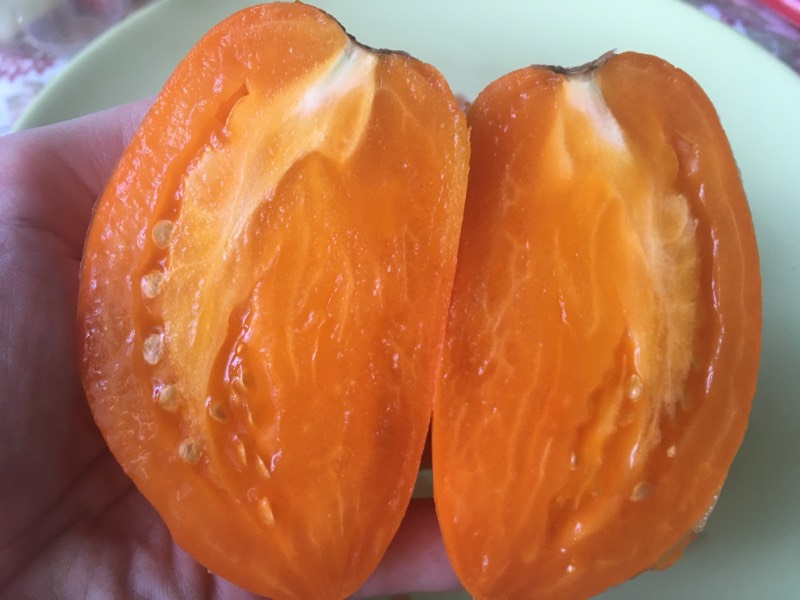
Full Summary: Plant, Yield, Taste and Culinary Profile
- 🌿 Plant & Foliage: Indeterminate vine bred in Siberia (commercialized by Sibirskiy Sad and Agros), growing 5.5 to 6.5 ft (1.7-2 m). Features slender growth and characteristic wispy, drooping, feathery foliage that can appear frail to gardeners unfamiliar with oxheart and elongated paste genetics.
- 📈 Yield & Pruning: Generally modest to low yield, especially when pruned to a single leader. Gardeners recommend training to 2 or 3 stems to maximize set. Clusters typically hold 4 to 7 medium-to-large elongated plum fruits.
- 👅 Taste Profile: Widely celebrated for outstanding dessert sweetness with low acidity and a sugary, dense, meaty texture. Multiple reviewers rated it among the sweetest varieties of their season. For peak sugar concentration, fruit should remain on the vine for 4-5 days after full color change.
- 🥫 Culinary Notes: Ideal for fresh eating, salads, and thick golden pastes or sauces. Thin, tender skin makes it unsuitable for whole-fruit hot-water bath canning, as skins burst easily.
- 🌎 Region Tested: Reviewed by growers in USDA Zones 4 through 6 (Belarus, Central Russia, and Southern Russia) in unheated greenhouses.
As mentioned by forum members, Olesya belongs to a well-known family of Siberian commercial heirlooms (alongside Zolotoy Koenigsberg, Yuzhny Zagar, and Radunitsa) that share nearly identical fruit shapes, rich orange color, and wispy leaf habits. Beginning gardeners often mistake this drooping, curled foliage for drought stress or wilting disease; however, this weeping architecture is a natural genetic trait in elongated paste and oxheart lineages. Pruning to multiple stems rather than a single cordon helps compensate for their light fruit load.