🍅 Quick take: Qianglimishou is a mid-season, indeterminate pink beefsteak of Asian/Japanese heritage. Known for its distinct, slightly ribbed shoulders and uniquely sprawling cluster architecture, it proved to be an early, dependable cropper in northern zones. However, in cold-summer conditions (USDA Zone 4), the flavor failed to impress, turning out flat or sharp and acidic rather than sweet. Full summary ↓
Grower’s Notes and Photos (USDA Zone 4 Experience)
Mid-season indeterminate variety originating from Japan.
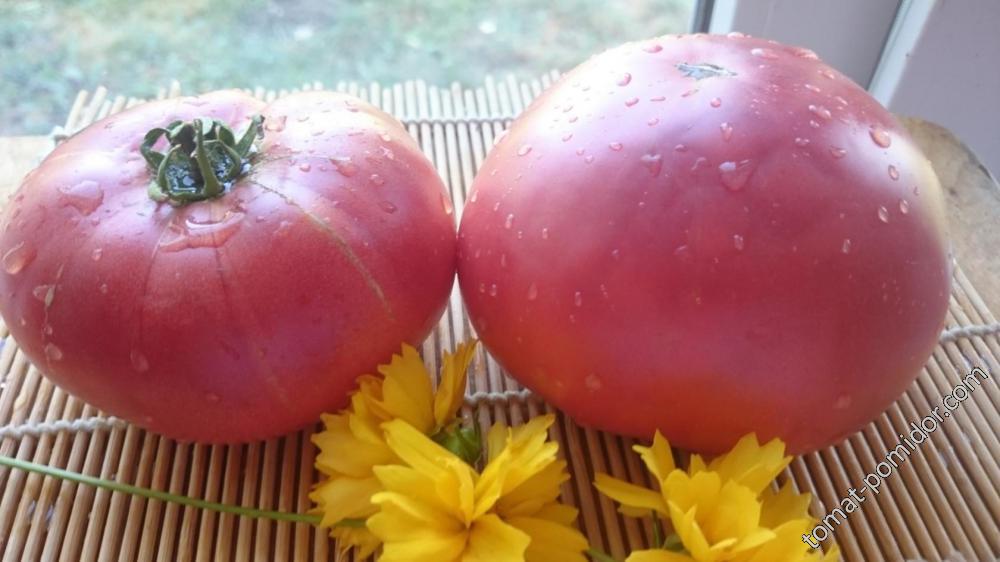
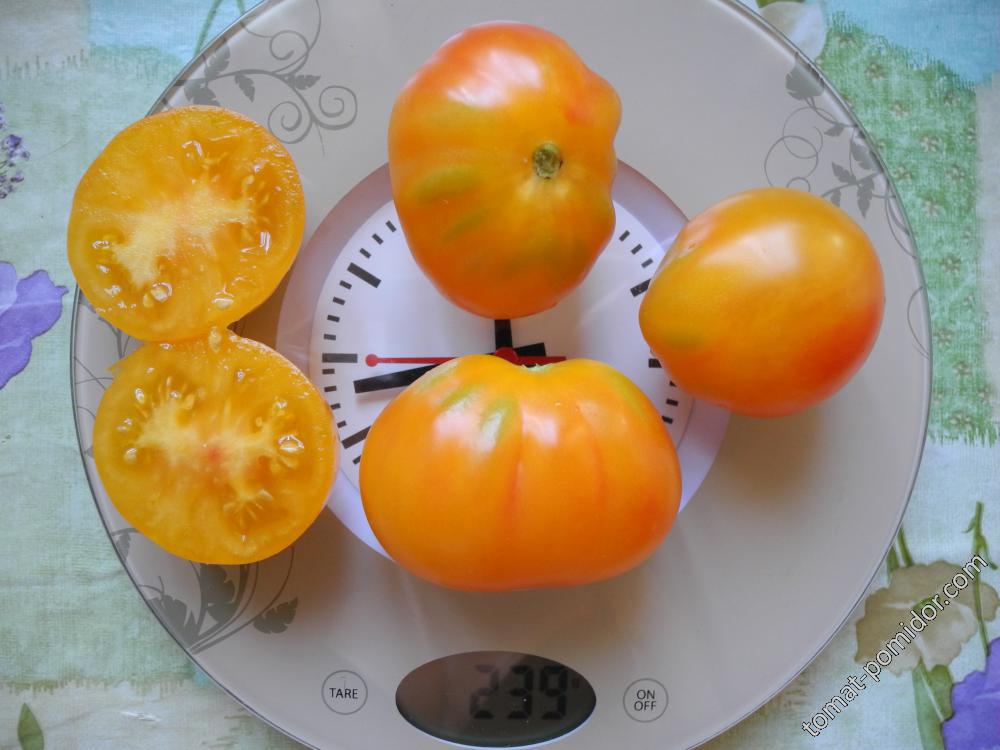
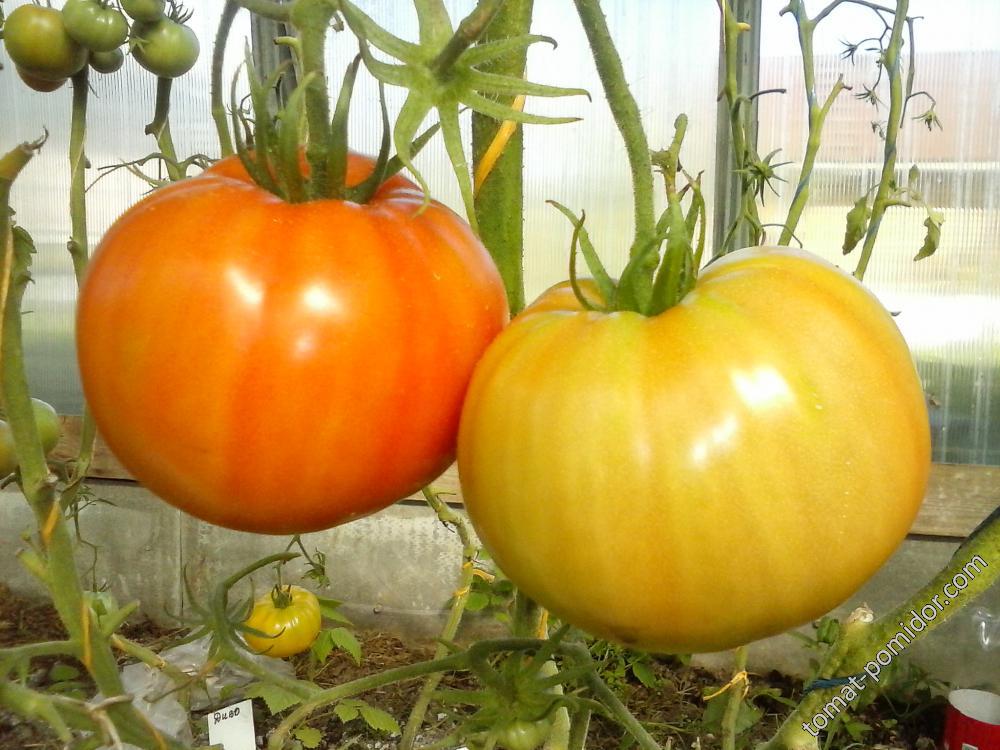
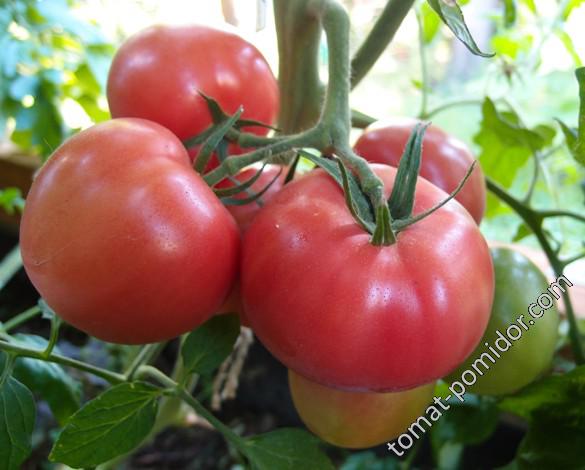
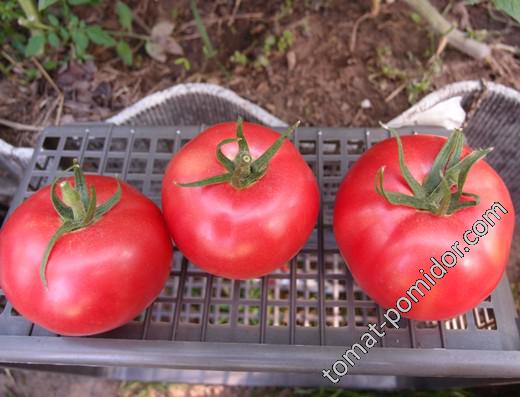
The fruits are pink, slightly ribbed beefsteaks. Catalog descriptions promised outstanding flavor, but in my garden beds they turned out either completely flat or noticeably sour, definitely did not win me over on taste.
Yield, on the other hand, was solid, and the vine was among the very first to start coloring up and ripening.
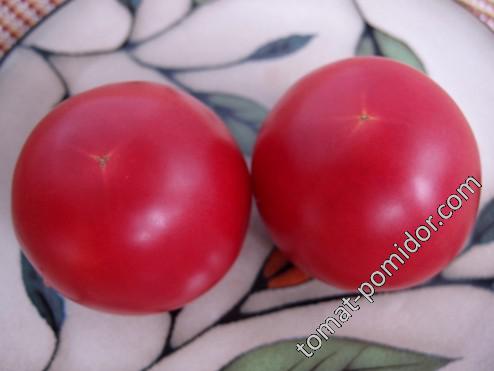
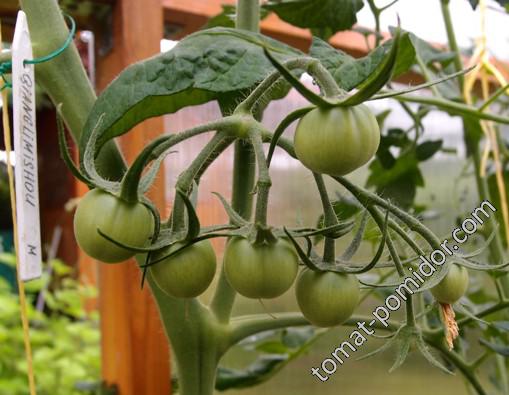
The flower trusses and fruit clusters are really fascinating, almost comical in how they spread out:

Full Summary: Qianglimishou Plant Habit, Yield & Flavor
- 🌿 Plant & Growth Habit: Indeterminate vine with vigorous growth and unique, highly branched fruit trusses that set fruit in an irregular, sprawling pattern.
- 🍅 Fruit Characteristics: Classic pink beefsteaks with light fluting/ribbing around the stem shoulders. Ripens early relative to its fruit size.
- 📈 Productivity & Earliness: High producer. Elena noted it was one of the earliest large slicers to color up in her short northern season.
- 👅 Flavor Profile: Disappointing in cold northern dirt (USDA Zone 4). The grower reported the taste was either washed out and bland, or noticeably tart with excessive acidity, lacking the sweetness promised in variety listings.
🍅 Have you grown Qianglimishou or other Asian pink beefsteaks? Did warmer summer heat improve the sweetness and sugar levels for you? Drop your zone and flavor review in the comments below!
👨🌾 Editor’s Note: Asian Beefsteaks & Northern Summer Heat
Qianglimishou (often associated with historic Japanese selections like Kyoryoku Beiju adapted into Chinese seed banks) is bred for high productivity and uniform pink slicing quality. However, many large Asian pink beefsteaks require sustained heat units and high solar radiation to synthesize sugars and organic acids properly. Grown in northern continental microclimates (like Kostroma, Zone 4) with cool nights and cloudy stretches, these varieties often suffer from low Brix accumulation, leaving the flesh tasting flat, watery, or sharply acidic.
Qianglimishou (often associated with historic Japanese selections like Kyoryoku Beiju adapted into Chinese seed banks) is bred for high productivity and uniform pink slicing quality. However, many large Asian pink beefsteaks require sustained heat units and high solar radiation to synthesize sugars and organic acids properly. Grown in northern continental microclimates (like Kostroma, Zone 4) with cool nights and cloudy stretches, these varieties often suffer from low Brix accumulation, leaving the flesh tasting flat, watery, or sharply acidic.