Growers’ Notes, Seed Line Debates and Photos (USDA Zones 3-5)
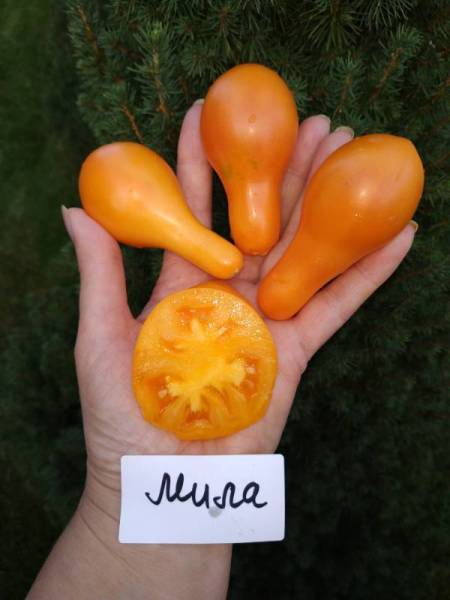
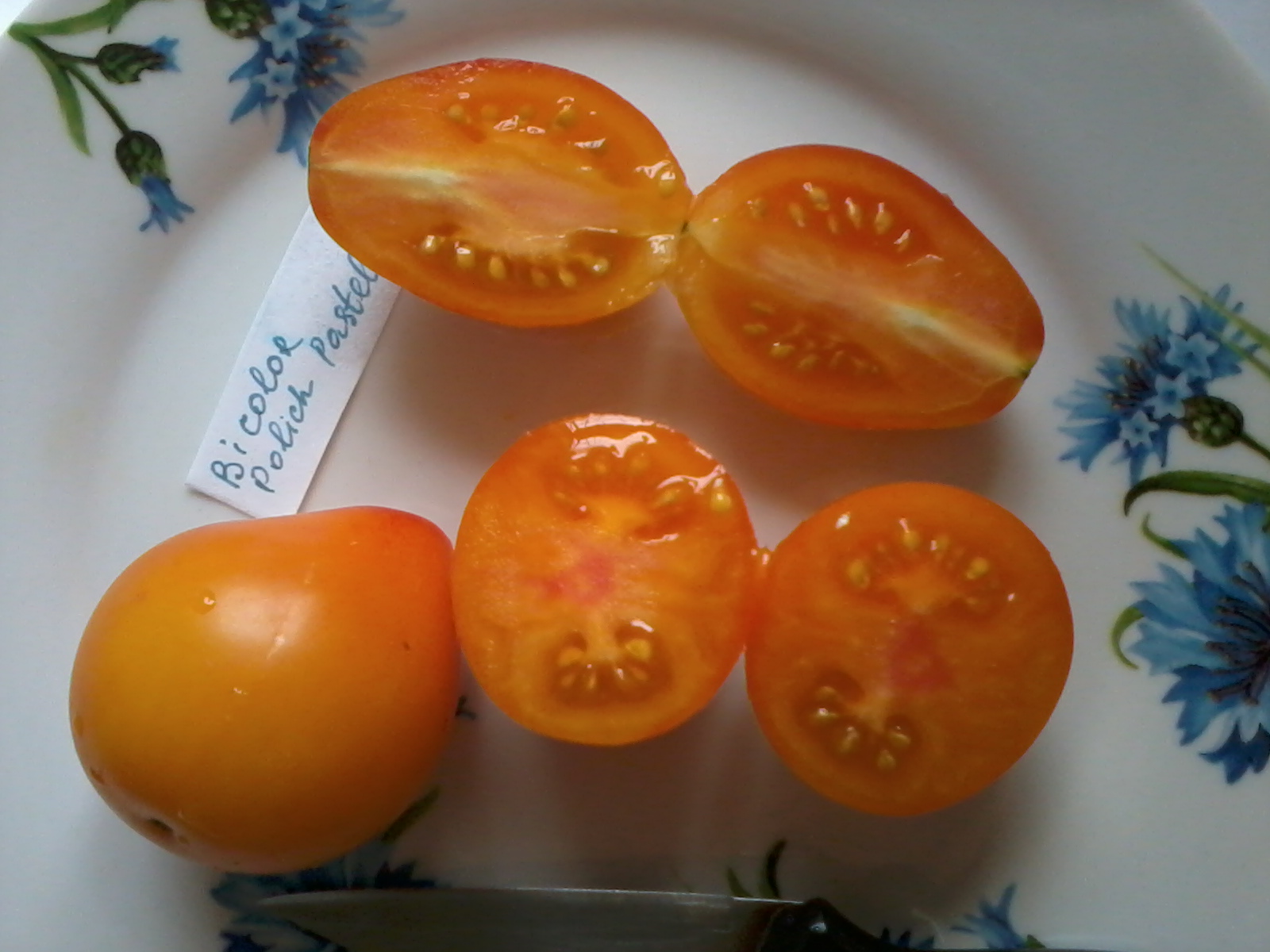
Really liked this variety for both its flavor and striking appearance. Fruits are pear-shaped, maxing out around 2.8 oz (80 g) for me, though catalogs claim up to 5.3 oz (150 g).
Because of late planting, the plant only really hit its stride heading into autumn, so I cannot give a fair assessment of overall yield yet.
Edited December 3, 2018 by Drosera
Sandr said:
Really liked this variety for both its flavor and striking appearance. Fruits are pear-shaped, maxing out around 2.8 oz (80 g)…
Namesake, how was its growth habit? Tall or mid-height? Determinate or indeterminate?
Stature is listed at 5 ft (1.5 m), but mine stayed a bit shorter. I doubt the variety showed its full genetic potential due to how late I set it out. Somewhere I read that the taller the vine climbs, the larger the fruits get. We will test it again this season and see how it performs.
Does the plant grow wide and sprawling?
Loved this variety! 👍
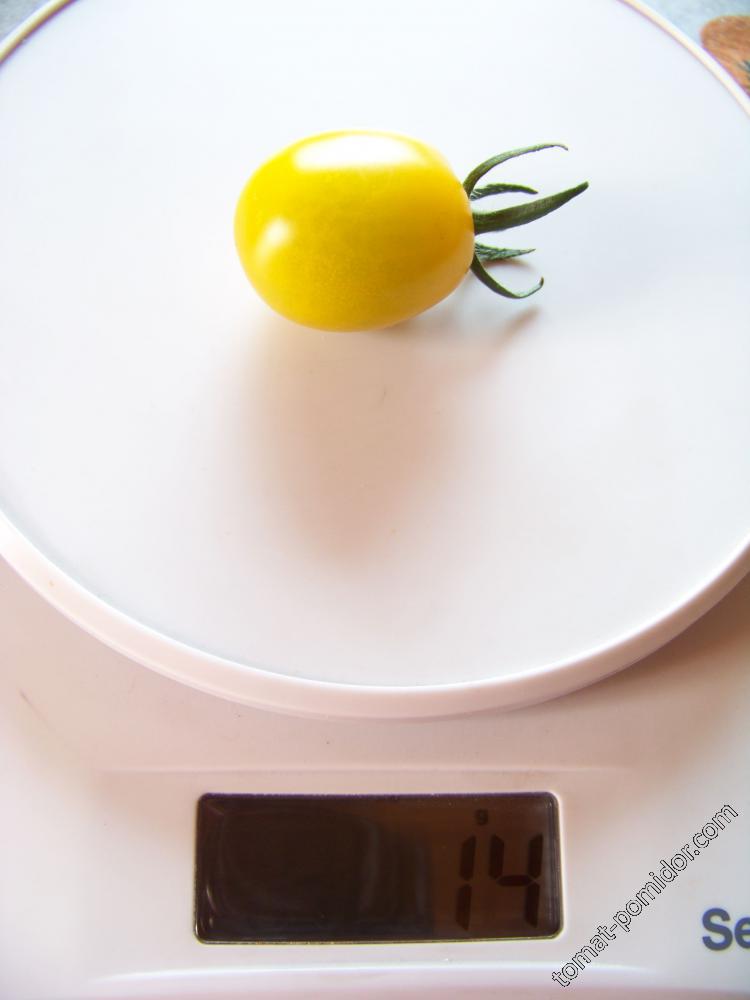
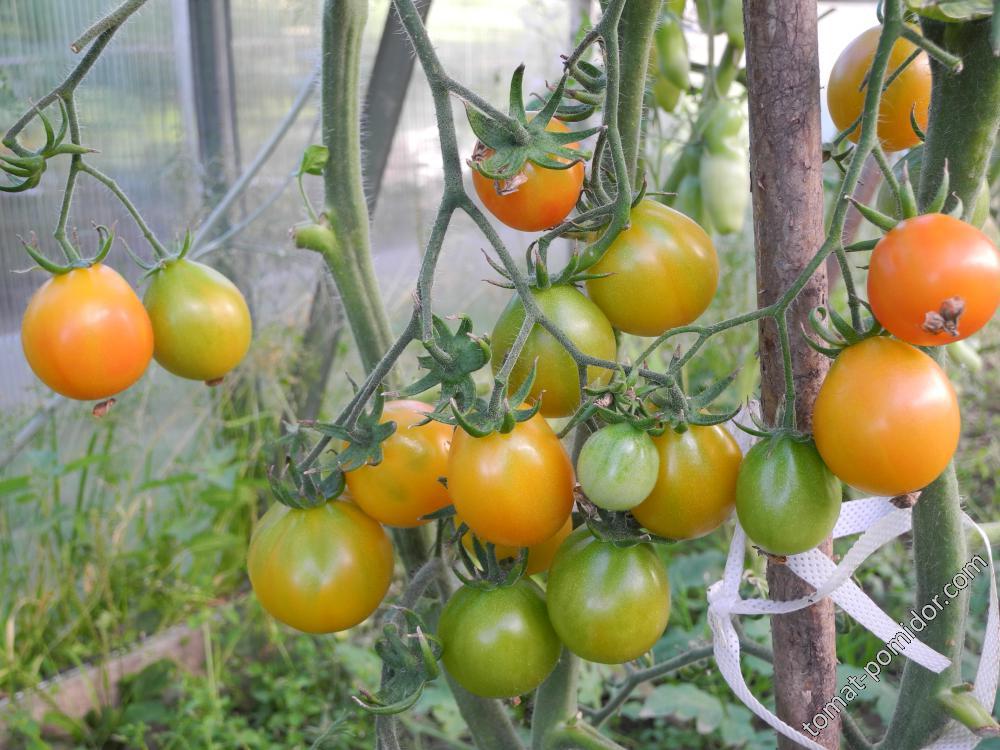
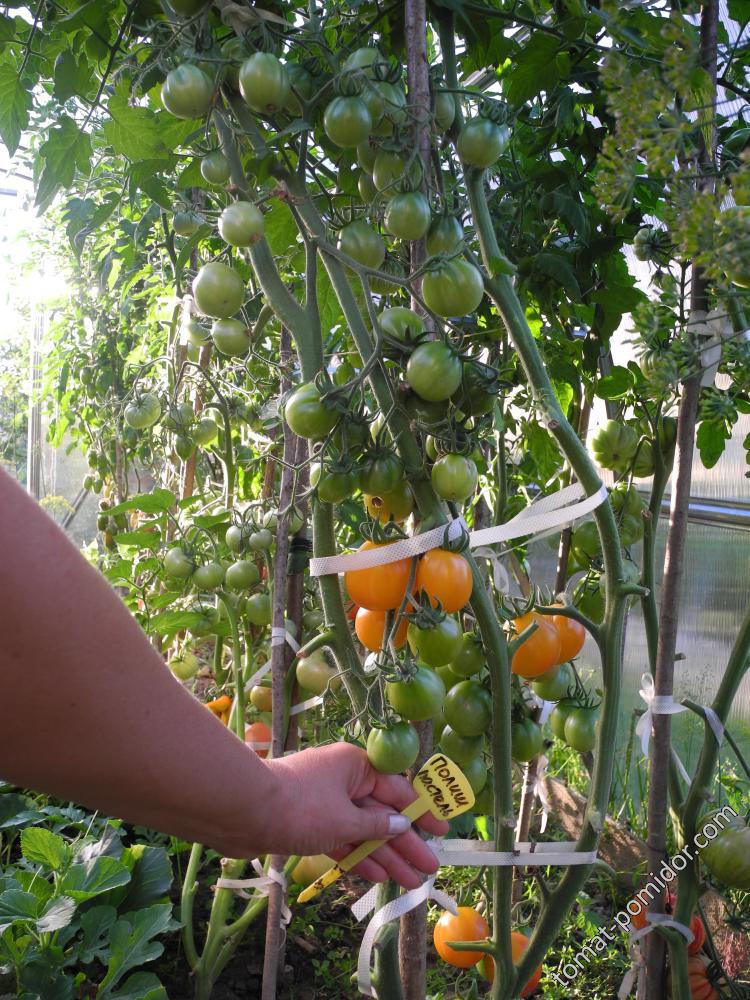
Indeterminate vine, ran it in the greenhouse trained to 3 stems. High yielder with an extended harvest window. Fruits are small bicolor pears, yellow-pink, running 1 to 2.1 oz (30-60 g). Extremely juicy and flavorful 😋, with zero cracking and decent shelf life. Mid-season maturity.
Seeds originally came from Sandr via ElenaN! 💐
Svetlana, did it throw tons of side shoots? Did suckering keep you busy all summer? 😉
Zhavoronok said:
Svetlana, did it throw tons of side shoots? Did suckering keep you busy all summer?
Can’t recall it giving me any headaches, so suckering was completely manageable. Plant canopy isn’t overly sprawling either; tied all three stems to a single stake without any drama, and it reached right up to the greenhouse ceiling. Anyone who loves cocktail varieties: grow it! 🤠
Svetikk said:
…tied all three stems to a single stake without any drama, and it reached right up to the greenhouse ceiling.
If it hits the roof, is it best planted in the center bed?
Anela said:
If it hits the roof, is it best planted in the center bed?
If you have three beds in the hoop house, put it in the center. If two beds, keep it right along the walkway where headroom is highest. It has a very long production window and continues setting fruit happily through late autumn.
Svetlana, did you try canning them whole in jars?
Galina P. said:
Svetlana, did you try canning them whole in jars?
Nope, they were so popular for fresh snacking that none made it to jars. Delicious, perfect two-bite treats! 😋 Whenever guests dropped by, this one and Purple Russian were always the first to vanish off the snack platter.
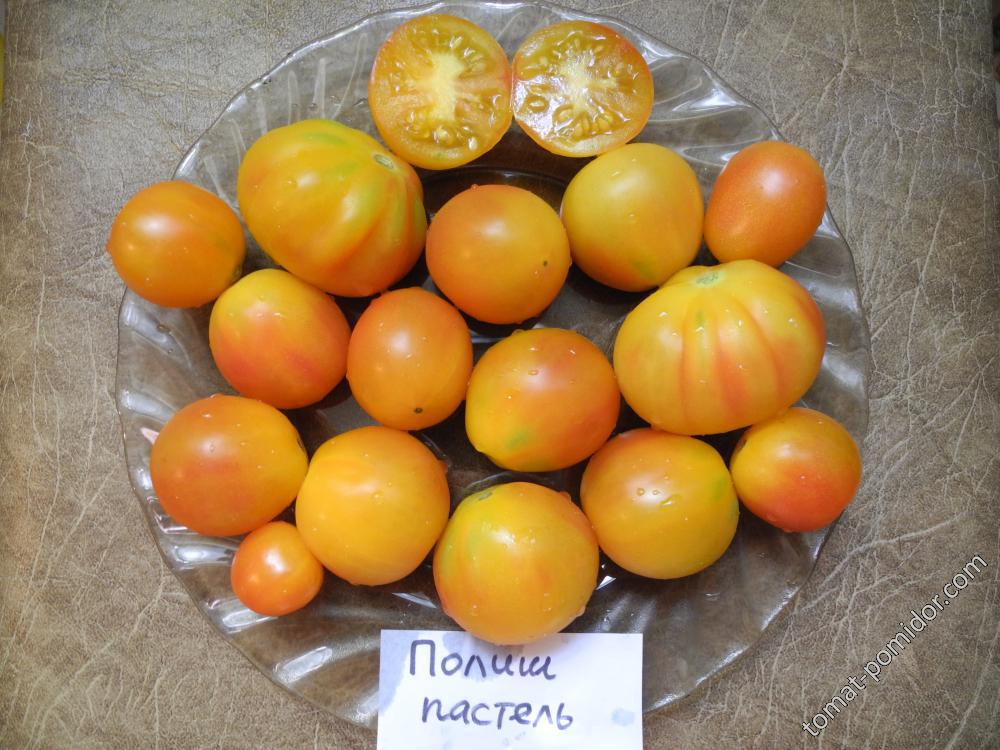
Folks, let me ask here: what on earth did I grow?
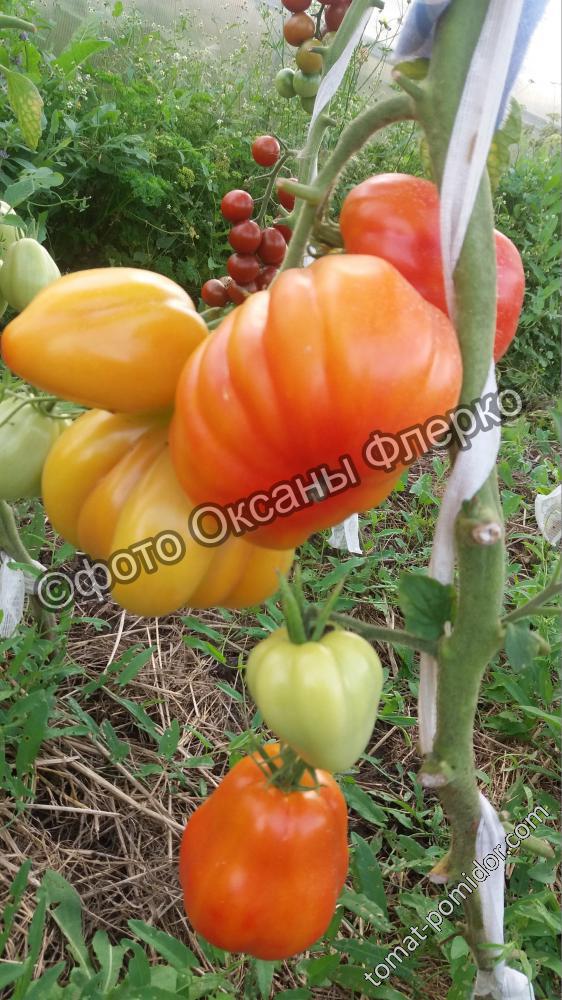
Fruit shape is ribbed-pyriform (fluted pear), color is a distinct bicolor, weight runs 1.8 to 7 oz (50-200 g) by eye (haven’t picked them yet). Two plants growing outdoors in the garden, completely identical. Is this true Polish Pastel or something else entirely?
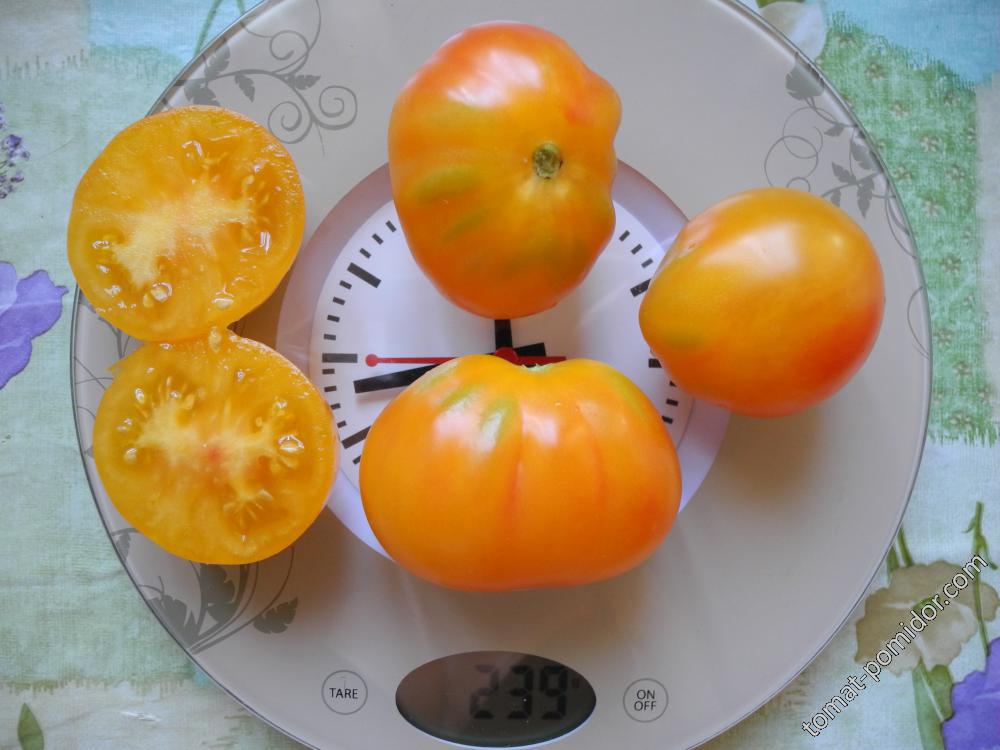
Here is what grew out for me under the name Polish Pastel. Round globes, not pear-shaped in the slightest. Very handsome, vibrant, and sweet. Don’t have scale photos handy, but my field notes recorded 2.5 to 5.3 oz (70-150 g).
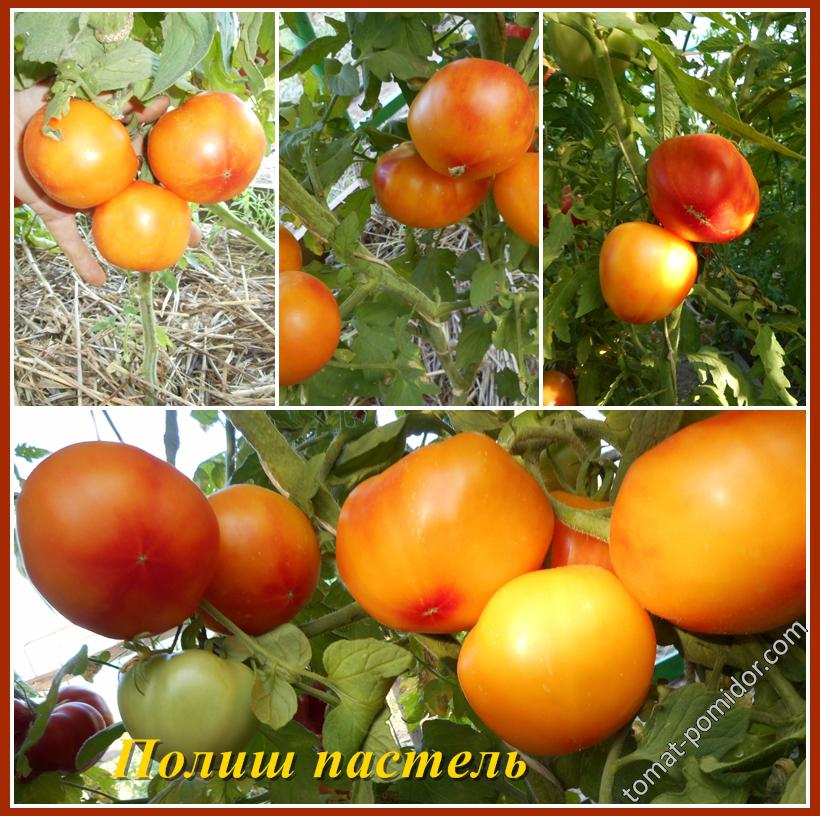
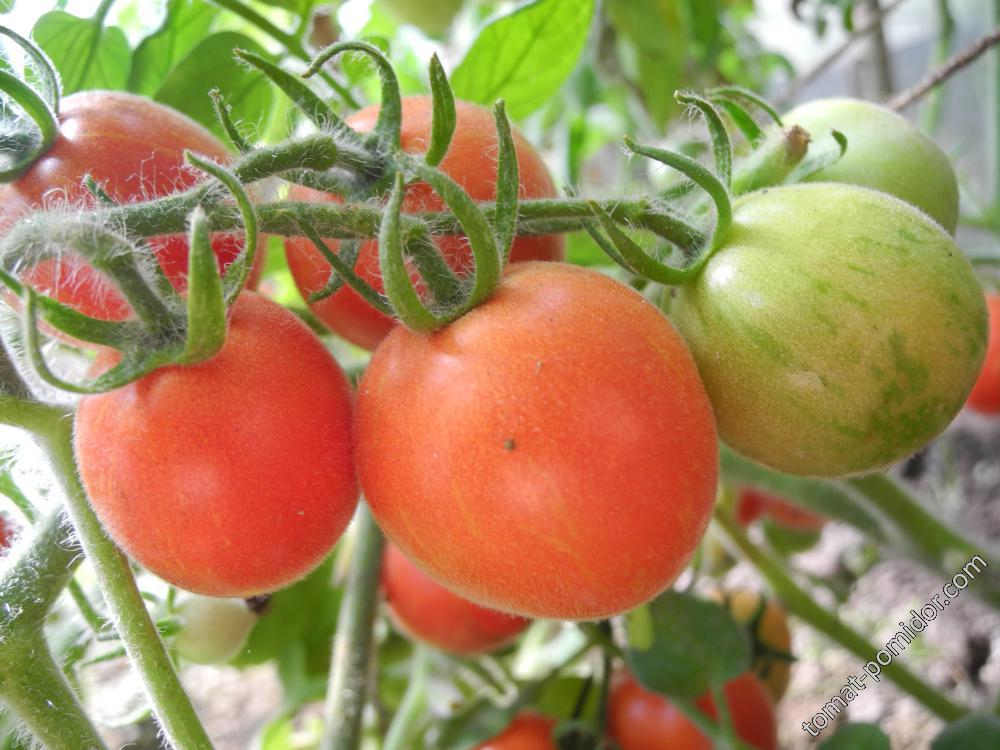
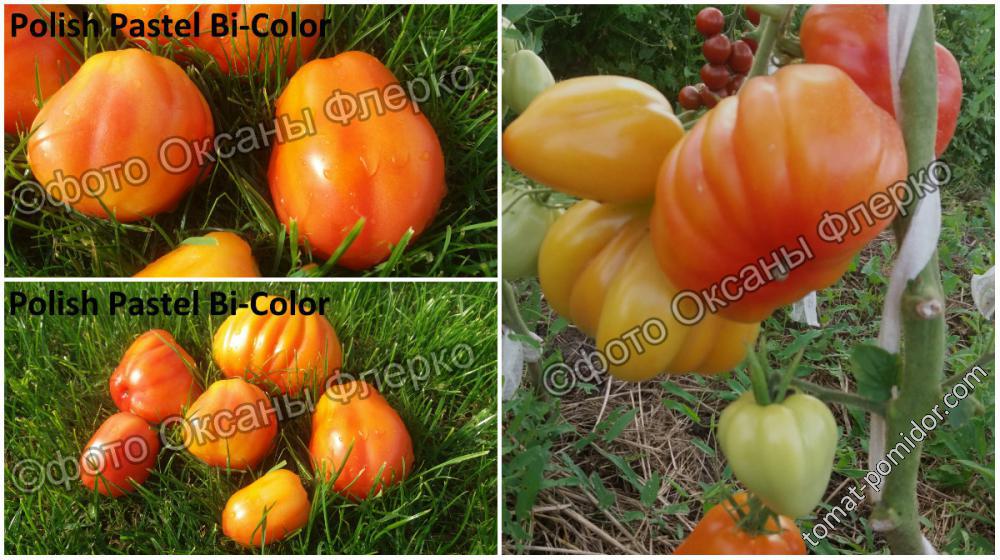
Grew outdoors in open dirt: indeterminate vine, regular foliage, massive clusters. Fruits are deeply ribbed pears, yellow-orange with blushing, reaching up to 10.5 oz (300 g). Flavor turned out rather bland for me, clearly lacked summer heat.
cat2008 said:
Grew outdoors in open dirt… reaching up to 10.5 oz (300 g).
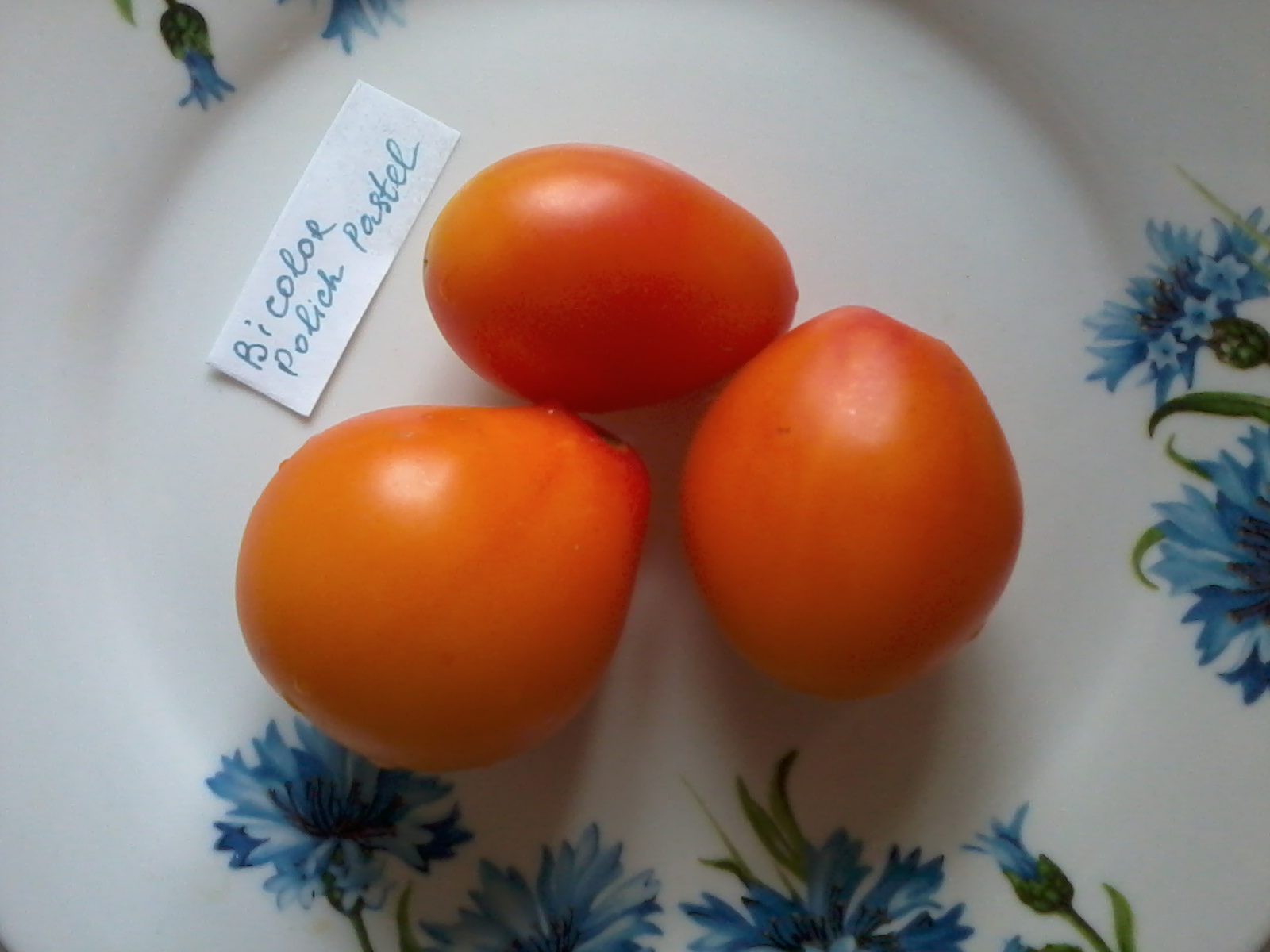
Oksana, that really doesn’t sound like it. For me, it was strictly a cocktail tomato, nowhere near 300 grams! Soft orange pears blushed with pink and sporting yellow shoulders. On this group photo, one is resting right on top of Chocolate Stripes, and two more are stacked in the foreground.
Turns out there are two distinct versions of Polish Pastel circulating across the community: one is small-fruited with very faint ribbing, resembling Piedmont Pear; the other is noticeably larger and deeply ribbed.
In 2013, I grew that second larger version. No scale photos, but you can see they are fairly large and ribbed. Seeds were from Popenko.


Drosera said:
In 2013, I grew that second larger version…
And how was the flavor on that large strain?
Edited January 6, 2017 by Drosera
LanaD said:
Oksana, that really doesn’t sound like it. For me, it was strictly a cocktail tomato…
Svetlana, I honestly don’t know what to make of it anymore. Tatiana’s TOMATObase explicitly lists the weight at 4 to 6 oz (110-170 g), which is definitely not a 50-gram cocktail size. Mine hit 10 to 10.5 oz (280-300 g) at the top end, averaging 5.3 to 7 oz (150-200 g). Look at Kulik’s catalog photo too: his is definitely not a cocktail either.

LanaD said:
And how was the flavor on that large strain?
Delicious, even when finished indoors on the counter. Easily the only bicolor that genuinely won me over on flavor.
cat2008 said:
Tatiana’s TOMATObase explicitly lists the weight at 4 to 6 oz…
Then we simply have two different strains circulating. Mine came from Svetikk, who specifically advertised it as a sweet cocktail type, and it earned an immediate spot on my replant list.
Edited January 7, 2017 by Drosera
Mine also originated from Svetikk. Uniform bicolor pears around 1 oz (30 g), slender plant. Split on the vine outdoors, and whole ones split in the hot canning brine. Thin-skinned.
Very similar to Piedmont from Popenko. However, Piedmont pears run 1.8 to 2.1 oz (50-60 g), the plant is more robust, and the leaf blade is broader. Piedmont is slightly later, but produces more. It split as well.
Taste was identical between the two, both fresh and in marinades. In jars, even though the skins crack, the tomatoes do not disintegrate. The pickled texture is jelly-like and delicious. Fresh, neither blew me away. For next season, I am running a couple Piedmont plants specifically for canning.
I got seeds from Gusev, also fairly large, easily up to 5.3 oz (150 g). Taste was completely flat and bland, but maybe the soil lacked nutrients. Has anyone grown both versions side-by-side to compare?
Sowed both versions: the cocktail strain from Svetlana and the larger strain from Happy Garden (their start traces to Kulik). If both make it to harvest, I will post a comparative log.
PASTEL VARNISH (Lak Pastelnyi).
Seeds were from Popenko. It isn’t listed in his current catalog, and I did not save the description. Basically the same thing as Pastel Sleeves in our database, just pear-shaped with slightly altered coloration.
Tough, high-yielding variety. Set every cluster without skipping, and the vine leader never thinned out. But the flavor: completely insipid, tastes like plain lawn grass! Sent them all to whole-pack canning jars. Maturity was mid-season, leaning toward late.
Edited December 3, 2018 by Pomidoroved (Translation note added)
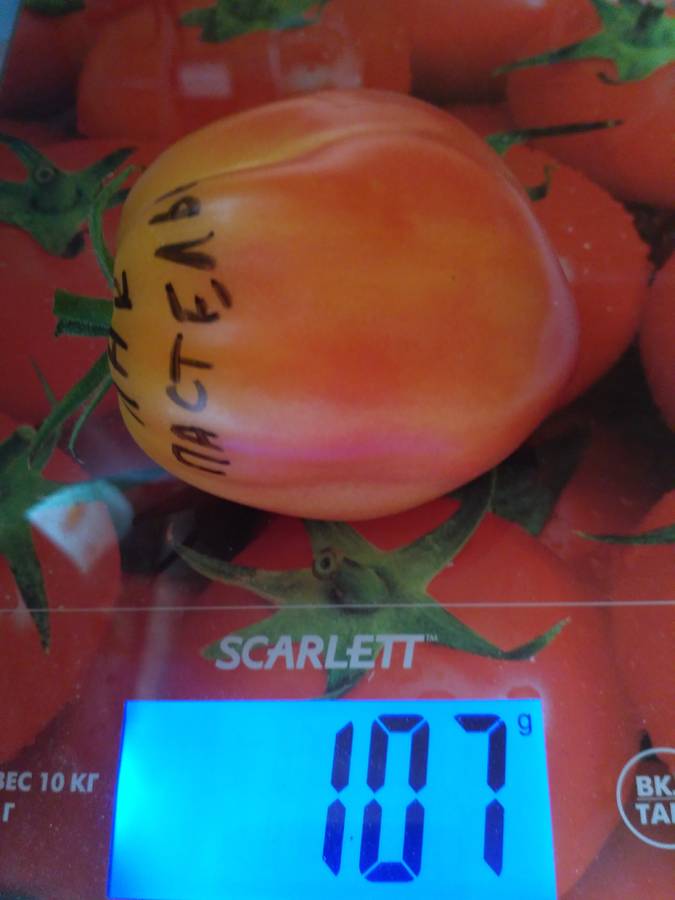
Sveta, isn’t that just Polish Pastel listed in the catalog under Latin script?
Edited December 2, 2018 by Kirina
They only seem similar in the yellow-red coloration. Inside, my “Varnish” had hollow seed pockets, while Polish Pastel is supposed to be juicy. Seems like different varieties to me.
SvetaR said:
Inside, my “Varnish” had hollow seed pockets, while Polish Pastel is supposed to be juicy. Seems like different varieties to me.
Sveta, they are the exact same cultivar.
I bought seeds from Popenko in 2013 and saved his original catalog description:
“Pastel Varnish (Polish Pastel, Australia). Indet. Ultra-rare variety bred by John Smars. Pear-shaped fruits with gentle ribbing, yellow-orange with a delicate pink crown at the blossom end. Superb flavor, weighing up to 5.3 oz (150 g). Sets dense clusters, looks spectacular in canning jars, crops into late autumn.”
And yes, Popenko’s strain is definitely more ribbed. These threads should be merged.
Please merge them! Sorry for the confusion.
No need to apologize, it wasn’t your fault, just a hilarious mistranslation! When I first saw it, I was completely baffled too. The seed packet literally arrived marked “Lak Pastelnyi” (Pastel Varnish/Nail Polish) with zero mention of the actual original English variety name.
Tatiana’s TOMATObase also notes that Polish Pastel has ribbed fruit.
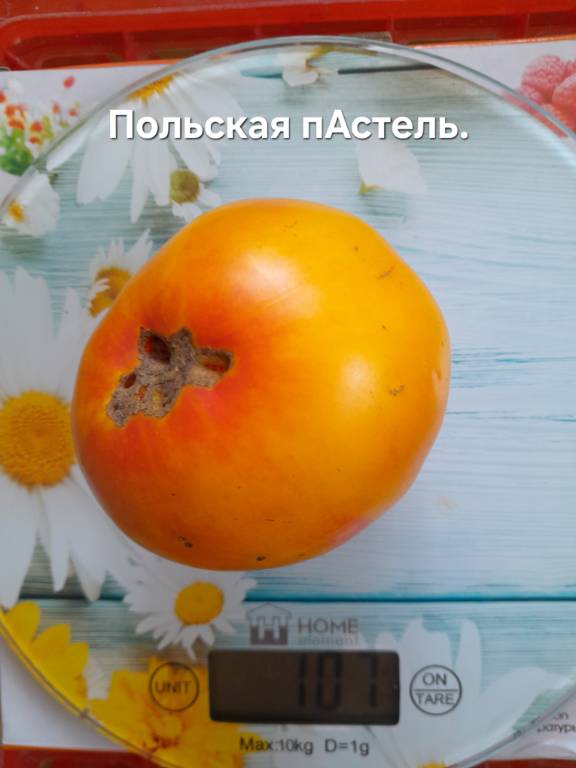
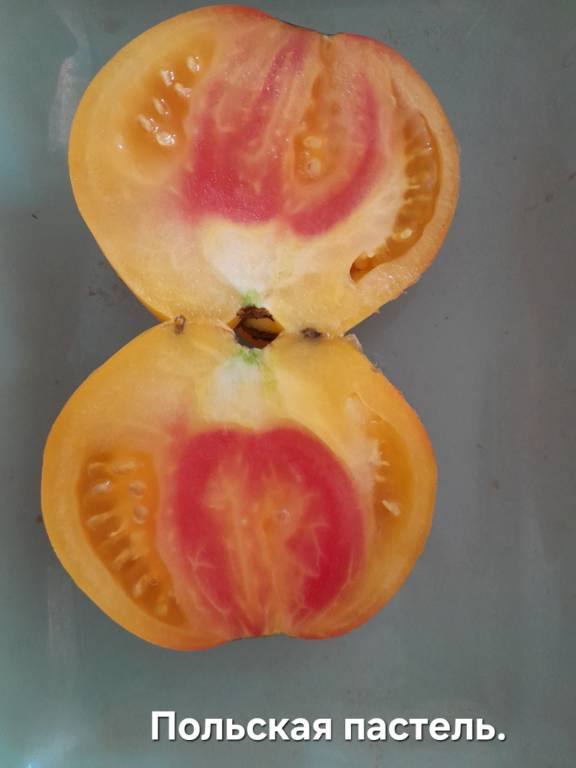
Full Summary: Plant Stature, The Strain Divide and Kitchen Uses
- 🌿 Plant & Growth Habit: Indeterminate vine topping 5 to 6.5 ft (1.5-2 m), reaching greenhouse ceilings easily. Prunes neatly to 2 or 3 stems tied to a central stake without aggressive side-shoot formation. Continuous producer that sets fruit reliably until autumn frosts.
- 🔀 The Two Strains in Trade:
- Strain A (Cocktail / Saladette): Smooth, small teardrop/pear fruits weighing 1 to 2.1 oz (30-60 g). Extremely juicy, sweet fresh-snacking profile, thin-skinned.
- Strain B (Heirloom Ribbed Paste): Matching the official Tatiana’s TOMATObase standard (bred by John Smars). Medium, fluted/ribbed pyriform fruits running 4 to 6 oz (110-170 g), occasionally reaching 10.5 oz (300 g), with denser, meatier walls.
- 👅 Flavor & Acidity: Bicolor yellow-orange exterior with a pink blossom-end crown. In warm, sunny conditions it develops high sweetness and jelly-like pulp; in cool, rain-soaked seasons, larger fruits can turn watery or bland.
- 🥫 Canning Performance: While thin skins may crack during hot water-bath canning, the gelatinous meat holds together without falling apart, making it a favorite for whole-pack pickled jars.
- 🌎 Who Reviewed It: Extensively grown and compared across USDA Zones 3, 4, 5, and 7, including Siberia (Khakassia, Tyumen), the Urals, Belarus, and Central Russia.