Growers’ Notes, Field Logs and Photos (USDA Zones 3-5 & Spain)
Pascal de Picardie (previously known as Crazy Horse Antho Paste, or simply Crazy Horse).
Indeterminate plants with slender stems and weeping, droopy foliage. Fairly early cropper, heavy yielder, striking look, and super delicious. 😋 Easily one of my top favorites this season.

Finally getting around to logging my absolute standout of the season!
I wanted this variety so badly, babied it every step of the way, and it paid me back with jaw-dropping yields and out-of-this-world flavor. The taste reminds me quite a bit of Sgt. Pepper’s. Meaty, sugary-sweet flesh running 2.8 to 4.2 oz (80-120 g) on the lower clusters. If you thin the trusses, they easily push past 3.5 oz (100 g). Fruit set is stellar, pretty sure it did not drop a single blossom all summer.
Ran two vines in the greenhouse, plus rooted a sucker and stuck it outdoors in the open dirt. Even outdoors, I managed to ripen three full clusters right on the vine before September, and the remaining green fruit counter-ripened indoors with outstanding shelf life. In the greenhouse, it reached 5.6 ft (1.7 m), maintaining an airy canopy with long, weeping leaves that are surprisingly tough. Total season favorite!


Folks, Marina, Elena, outstanding job! 👏
What a jaw-dropping stunner! And those photos, Elena, hats off! 🤠 Now the hard part is surviving until next spring to get this magnificent looker growing in my own greenhouse!
I am head-over-heels for this variety! 👏
Exceptional flavor 😋, unreal beauty, rock-solid fruit set, heavy production, and an extended harvest window. Keeps very well off the vine. The flesh is dense, marmalade-like, firm, and juicy, delivering a rich sweet taste with minimal seeds. Fruits are glossy, deep pink-crimson capped with indigo shoulders, sizing up to 4.6 oz (130 g) for the heavyweights, averaging 2.1 to 3.5 oz (60-100 g).
Ran several vines across different greenhouses (trained to 3-4 stems, tall indeterminates) and stuck one outdoors in the open dirt (topped at about 3 ft / 90 cm). Brilliant performance across all setups, despite the seedlings looking wimpy and fragile early on (evidently just a genetic trait of this wispy line).
Edited August 30, 2018 by Svetikk


Very pleased with this variety as well. I had two distinct expressions show up: one with deep rose-pink fruit and another with pure red fruit. Both were highly productive and delicious. Saving seeds separately from each!
I wanted this variety so badly and finally scored seeds through the forum community!
Mine turned out not just sweet, but intensely, wonderfully sugary. Fully vine-ripened fruit almost reminded me of sweet cherries. Yield was not astronomical for me, but respectable for a first trial run. Fruits topped out around 3.5 oz (100 g), with most running smaller.

Grew Pascal de Picardie this season from Sofiya’s seeds.
The plant has a slender, columnar silhouette. Reached 5.6 ft (1.7 m) tall. Thin stems and long, drooping leaves give it an airy canopy, but the plant is not weak by any means, just sparse. Trained it to two leaders, but it could easily handle more.
Set every single cluster without dropping blossoms. Mid-early, very productive, with an extended fruiting period. The fruits are smooth, dark, and gorgeous with heavy anthocyanin shoulders. Max fruit weight hit 4.2 oz (120 g), averaging 2.8 to 3.5 oz (80-100 g). Fantastic flavor too. Permanent keeper on my grow list.

The plant looked rather wimpy all season in my patch, but the flavor was completely delicious! 😋

One of the single most delicious varieties in my entire garden! 😋


Striking variety. In my greenhouse, the vine climbed close to 6.5 ft (2 m), mid-season maturity. Fruits are medium-sized plums, meaty, sweet, and packed with complex exotic fruit notes.


In my greenhouse, it turned out like this: solid indigo top with a red-orange bottom. Outdoors, it produced the typical shape and coloration expected for the variety. Vine is delicate-looking but not weak, and it sets fruit right up the trellis without dropping a cluster.

Not sure if this is an off-type, genetic segregation, or just standard environmental variation.

KsenaZ said:
In my greenhouse, it turned out like this: solid indigo top with a red-orange bottom…
There are currently three color variants circulating: red-orange (which I call brick-red), raspberry-rose, and true red. Since it is a relatively young variety, it has split into these three hues, but all three are gorgeous and very productive. Nothing to worry about.
Alisa said:
Since it is a relatively young variety, it has split into these three hues…
And it has split into slightly different fruit shapes as well!
I wanted this variety so badly, and finally got to grow it this season! Out of 3 seedlings, only 1 survived to transplanting because I drowned the other two with overwatering.
The survivor totally delivered: beautiful, delicious, and surprisingly productive in what was a very difficult weather season.


Put this in my greenhouse this season as well. Big shoutout to Galina P. for the seeds! 💐
Ran two vines in the center bed, trained to two stems. Foliage is long, weeping, and strong, with slightly curling leaves (at first I worried I had overfed it with nitrogen). Compared to many other varieties, it did not drop a single flower, setting numerous clusters that are now hanging right up to the greenhouse roof. Real eye candy once fully ripe. Perfectly balanced juice and meat, very tasty.
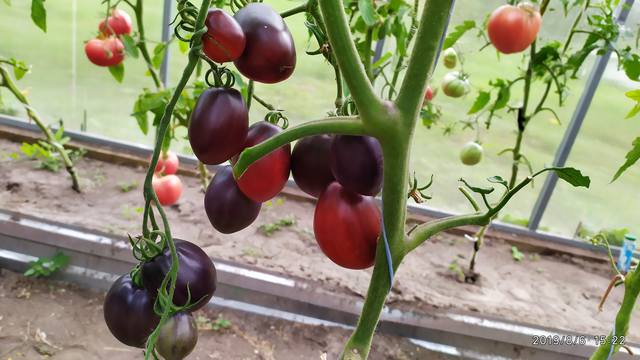
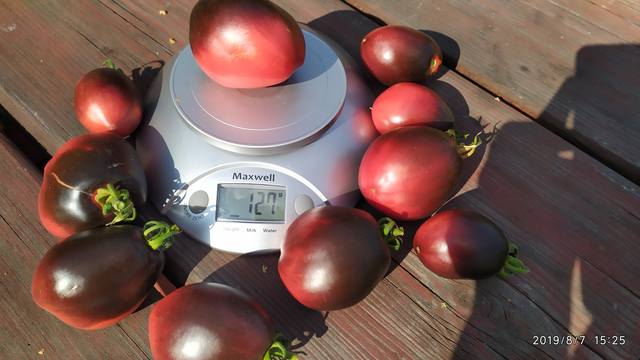
Pascal de Picardie looked so wimpy right after transplanting into the greenhouse that I honestly worried it wouldn’t make it. But it bounced back quickly, gained strength, and the weeping leaves turned a deep dark green.
Once it started blooming, it set every cluster without skipping. On three main stems, it set 15 full clusters! The fruits are gorgeous, running 2.1 to 4.2 oz (60-120 g). Delicious and sweet, my granddaughter eats them fresh like candy right alongside Blush!
Edited August 30, 2019 by Irina Fedorova


My Pascal was still green on the vine in late August. Photo from the 2018 season.

Pascal is completely harvested. Leaned late for me, but keeps exceptionally well off the vine. Falls slightly behind Lucid Gem in flavor and yield in my setup, but like all blue varieties here, it is a very solid performer.
My Pascal de Picardie from Lana_s_Kavkaza. Did not look wimpy at all, ripened mid-season, and turned out gorgeous and high yielding.


Ran one vine trained to two stems in the sunniest spot of the greenhouse. Ripened mid-season. A total gift of a variety: slender, non-aggressive, healthy, gorgeous, and super tasty! My husband kept trying to sneak into the greenhouse to pick and eat them on the sly. He gave strict orders to grow it every year! 🤪
Edited October 20, 2019 by Tatyana Kemerovo

Bred by Dean Slater, crossing an anthocyanin line with an undisclosed paste variety. Named after Pascal Antigny, a French collector from Picardy who collaborated in the selection.
Sweet, but given all the massive hype surrounding this variety, I honestly expected more.

I was very satisfied with this variety, seeds sourced from Danko and Sofiya27.
In my conditions, the vine stayed thread-thin for a long time, holding off on setting fruit while waiting for summer heat. Once warm weather hit, it set heavily: over 12 full clusters, stretching nearly 10 ft (3 m) tall. We ate plenty fresh right off the vine and counter-ripened a mountain of late fruit, we are still finishing them off. Off the vine it was very sweet, occasionally super sweet. The counter-ripened ones lose a bit of that peak sugar, but are still quite good with a pinch of salt. A great multipurpose paste/saladette, but definitely demands warm air and warm soil to perform.
Grew it outdoors in open ground in 2019 from Elena Danko’s seeds. The plant has a delicate habit, thin leaves, and looked wimpy early on, with a distinctive bluish cast to the foliage. Attempted to train it to 2 stems, but it branched into 4.
Outdoors in our winds, it stayed small, barely larger than cocktail cherries, and yielded poorly (only 3-4 clusters set and finished). Plus, it dropped blossoms heavily in our extreme steppe heat and hated the wind. This is strictly a greenhouse variety; it suffers outdoors in open ground here.
That said, the flavor was phenomenal! Rich, meaty, juicy, tender skin, and zero grassy antho bitterness despite the skin being pitch black under our blazing sun. Had a unique, subtle spice, not the usual antho note, but something truly distinct. Extremely sweet, matching top-tier cherry tomatoes in sugar but with much better meaty texture. Would make incredible sun-dried tomatoes or whole pickles.
Once late August brought cool weather, the fruits turned jet black all the way down to the tip. Checking for ripeness became tricky: you had to bend down and inspect underneath the cluster, because if you tilted the fruit upward, it would snap right off the vine. Unlike Pink Siberian Tiger, which is sweetest in the autumn chill, Pascal stayed equally delicious in both searing heat and cool weather. Definitely bringing it back, but inside the greenhouse.
Edited October 25, 2019 by Oksana Evgenyevna
Top-rate variety! In my greenhouse setup everything grows better, but this one blew everyone away with its looks and flavor. Brought a batch to work for colleagues to sample, everyone was in love!
Interesting tomato, whether you call it Pascal or Crazy Horse! Striking look, though the flavor didn’t blow me away. Funny color progression as it matures: goes from green through yellow before turning red.
Edited November 18, 2019 by neLENtyayka
neLENtyayka said:
Funny color progression as it matures: goes from green through yellow before turning red.
For me, Pascal went straight from eggplant-purple directly into raspberry-pink at the beak, skipping any yellow stage entirely. Gauging ripeness was tricky: you had to crouch down and peek beneath the cluster, because lifting the fruit would snap the pedicel.
In the greenhouse this season, it is strictly setting four fruits per cluster and aborting the rest, whereas outdoors it held bigger trusses. But the flavor is undeniable: intensely sweet and meaty, with a wonderful undertone reminiscent of caramel and ripe mulberry.
Edited June 10, 2020 by Oksana Evgenyevna
Tomatoes picked from under the greenhouse roof on October 10 and finished indoors on the counter became extraordinarily sweet! Adore this variety, and the yield is totally satisfactory.


Full Summary: Plant Habit, Fruit Traits, Taste and Versatility
- 🌿 Growth Habit & Wispy Foliage: Tall, vigorous indeterminate vine capable of reaching 6.5 to 10 ft (2-3 m). It possesses classic “wispy” genetics: slender stems and weeping, drooping leaves that often look fragile or wimpy as seedlings before flourishing into a durable, airy trellis plant. Prunes easily to 2 to 4 stems.
- 📈 Yield & Productivity: Exceptionally heavy producer under greenhouse cover, setting 12 to 15+ full trusses without blossom drop. While adaptable outdoors in sheltered microclimates, it dislikes strong winds and scorching steppe heat, making protected culture strongly recommended.
- 👅 Fruit Anatomy & Flavor Profile: Elongated, pointed plums (paste type) averaging 2.1 to 3.5 oz (60-100 g), occasionally reaching 4.6 oz (130 g). Ripens from dark green/eggplant purple into deep crimson-pink capped in glossy jet black. Interior is firm, meaty, nearly seedless, and marmalade-textured, delivering high sugar with notes of sweet cherry, caramel, and ripe mulberry.
- 🥫 Kitchen Use & Storage: Exceptional shelf life; holds firm on the counter for over a month and ripens off the vine without turning mealy. Dense, low-gel walls make it an outstanding candidate for sun-dried tomatoes, canning, and gourmet fresh slicing.
- 🌎 Who Reviewed It: Extensively grown and praised across USDA Zones 3, 4, 5, 6, and 11, spanning Western Siberia (Tyumen, Kemerovo), Central Russia, Kazakhstan, and the Canary Islands.