Growers’ Notes, Field Logs and Photos (USDA Zones 3-5 & Steppe Trials)
Really enjoyed this variety. Ran it in the greenhouse, plant height was right around 5 ft (1.5 m), fruit weight reached 7 to 8.8 oz (200-250 g). High yielder.
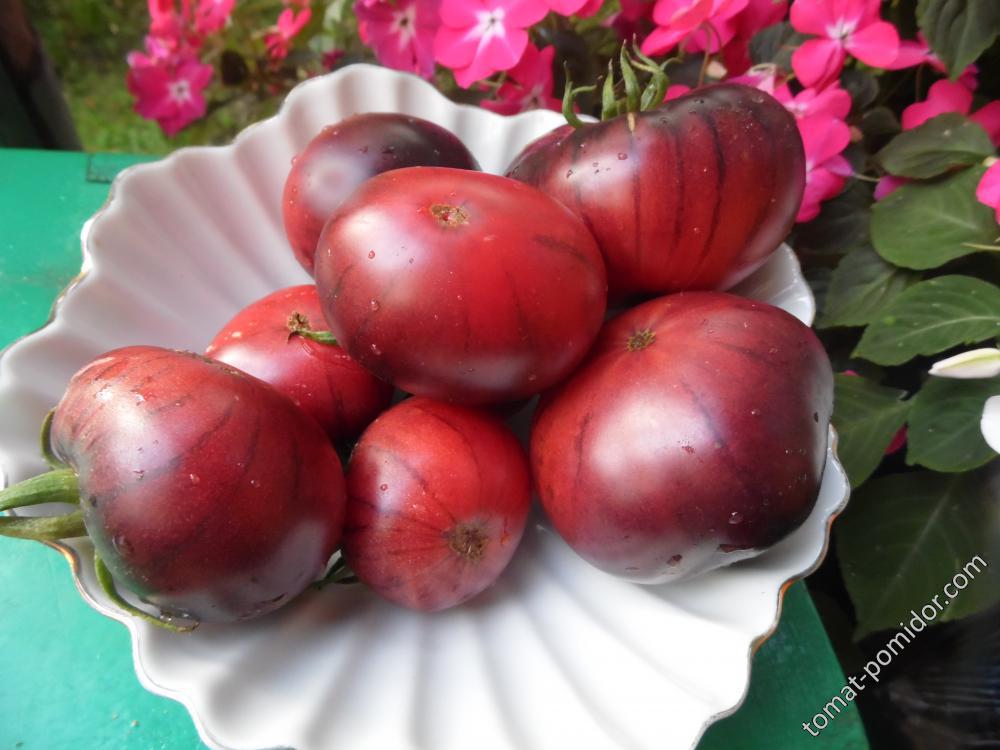
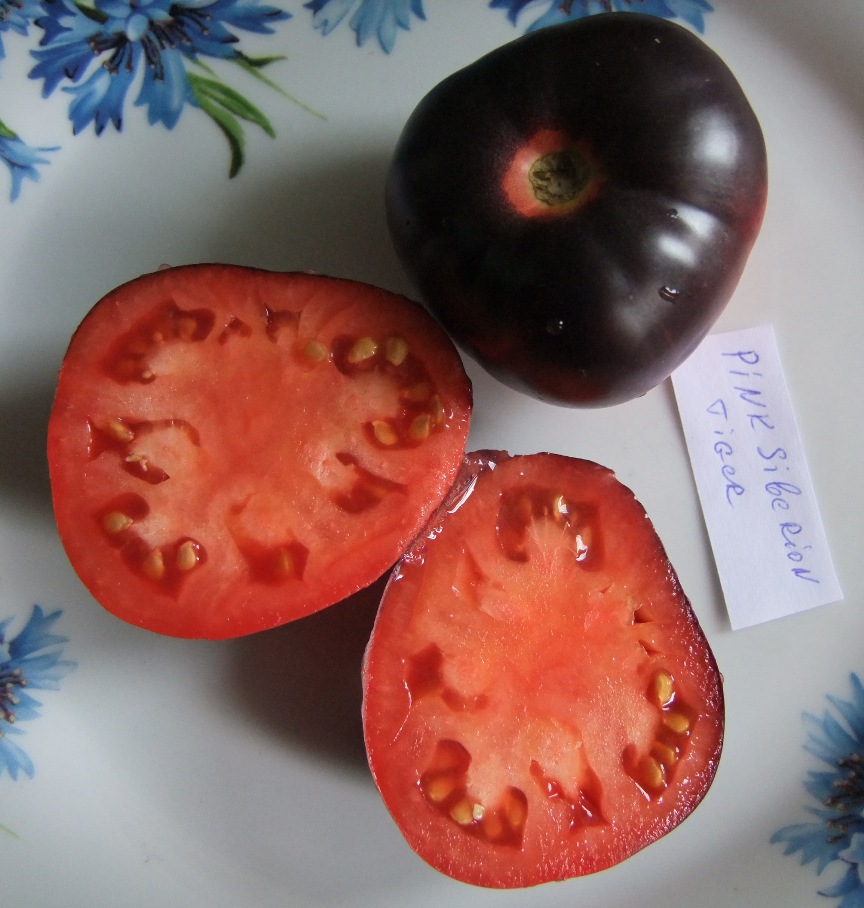
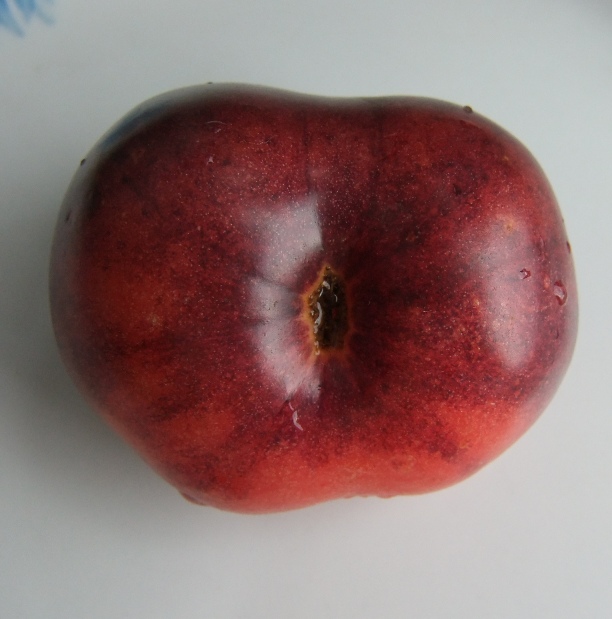
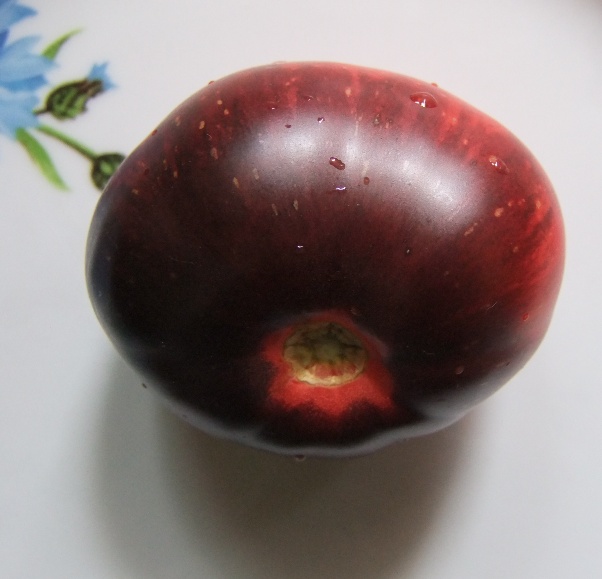
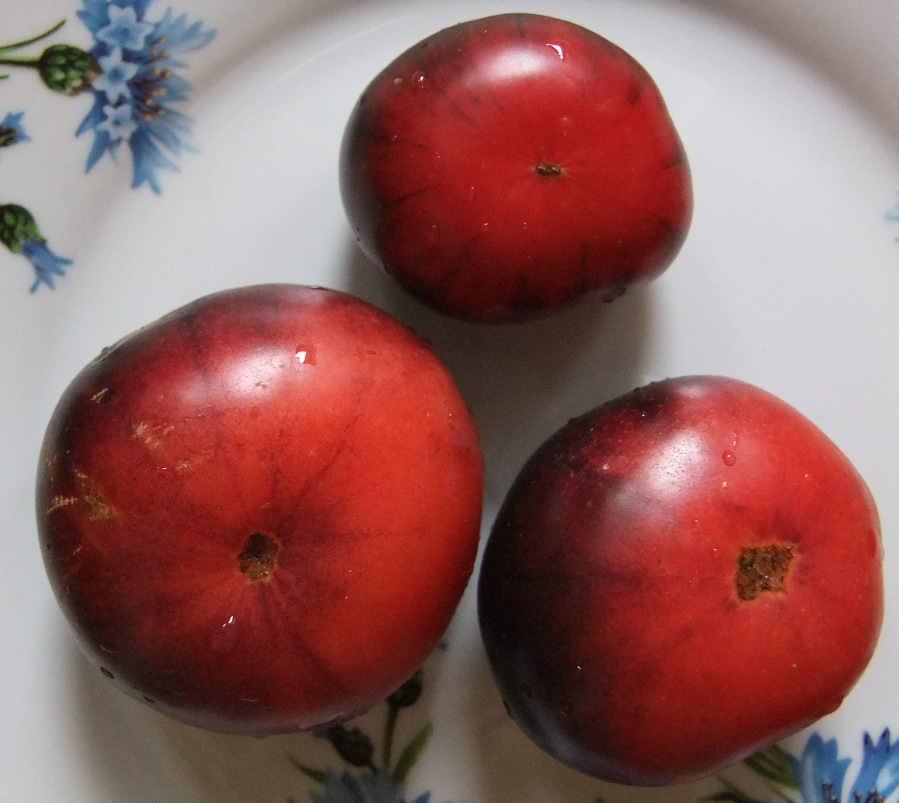
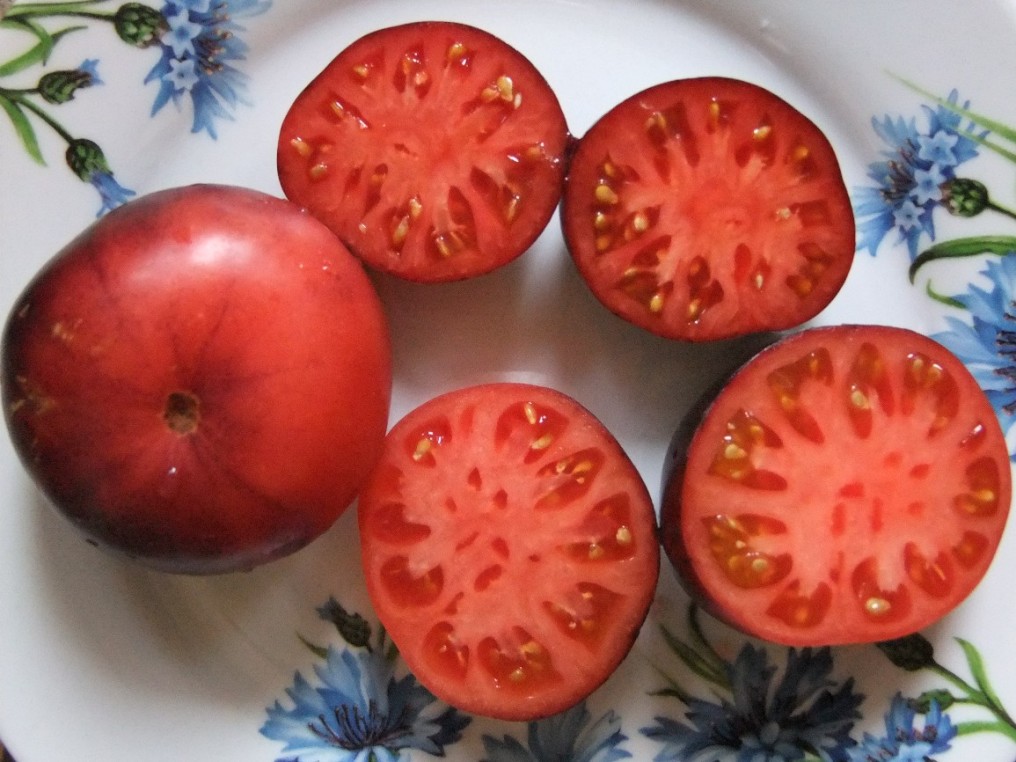
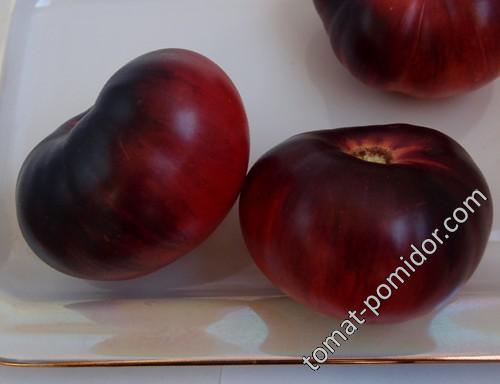
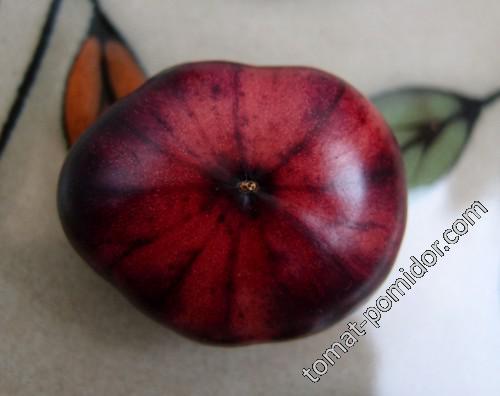
Appearance-wise it looks a lot like Amethyst Jewel, but there are clear differences: Amethyst Jewel fruits are nearly all uniform and globe-shaped, whereas Pink Siberian Tiger throws both round and slightly elongated fruits. Coloring is nearly identical, though the striping on Tiger was subtle for me. As with all these antho types, the skin pattern shifts dramatically as the fruit ripens. The interior flesh is also different, and on flavor, Tiger definitely edged it out.
Seeds came from Kraft.
Sandr said:
Coloring is nearly identical, though the striping on Tiger was subtle for me…
Shame the stripes weren’t more prominent. Guess the catalog site where I recently ordered seeds hand-picked the absolute prettiest, most striped specimen for their promo photo! 😉

In different climates, under different cultural methods and stages of ripeness, tomatoes express vastly different coloration and taste.
My Pink Siberian Tiger came from Germany. The fruits were meatier than Amethyst Jewel and noticeably tastier. Only have this comparative shot for now: Tiger is right in the middle, flanked by Blue Beauty and Amethyst Jewel.
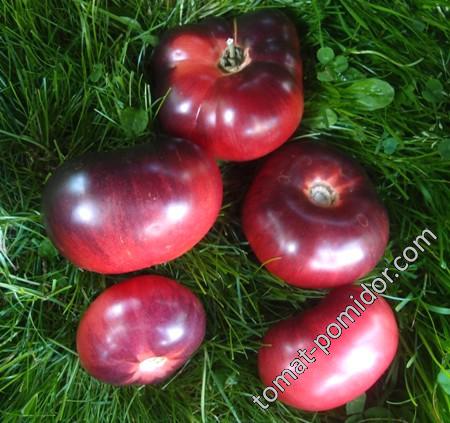
Kraft’s seed line didn’t show heavy striping either. On my smaller fruits, the striping came through stronger; if time permits and they don’t over-ripen, I will grab a photo.
Another thing I noticed with these blue varieties is how dramatically they react to direct sunlight. You can literally paint different patterns on the skin simply by adjusting sun exposure, though that takes constant monitoring.
ElenaN said:
My Pink Siberian Tiger was from Germany, the fruits were meatier than Amethyst Jewel, and tastier. Photo for now has Tiger in the middle…
To my untrained eye, all three look like identical triplets in that photo!
Alisa, they really do look alike at a glance, but there are distinct differences. Tiger is darker. Both varieties in that picture were on the verge of being dead ripe, so the color had stabilized.
Tiger is without question tastier, I had two other people do a blind taste test to confirm. Taking a look at that photo you posted earlier of Tiger, it looks like an abnormal fruit from a fasciated megabloom: misshapen, two blossom ends, kind of battered. That fruit probably developed under strange stress. Like I mentioned, direct light changes everything with anthos; even a single leaf casting shade will paint a completely different skin pattern. Your future fruits should match the standard shape.
Sandr said:
Tiger is darker… Tiger is without question tastier…
I don’t mind them having fewer stripes, they are absolute stunners regardless!
The only thing that trips me up is the weight claim. The seed vendor I bought from advertised weights up to 32 oz (900 g / 2 lb), but real-world gardens show 7 to 8.8 oz (200-250 g). Were they quoting a weight off a giant fused megabloom?
Still, 200-250 grams is a great size. Pruning probably plays a role too; training to 2-3 stems might push fruit sizes higher. Stature-wise, even though it is listed as an indeterminate, staying at 5 ft (1.5 m) makes it feel more like a semi-determinate in practice. If you don’t carry extra leaders, will your total yield suffer?

Quick question: how does Pink Siberian Tiger compare in taste to P20 + Beauty King? What about maturity timing and yield?
Your P20 + Beauty King has different coloration, but the stripes stand out clearly, maybe even more than on Siberian Tiger. The striping on that P20 cross is breathtaking! Seems like I have gone totally down the rabbit hole with these blue siblings.
Alisa said:
To my untrained eye, all three look like identical triplets…
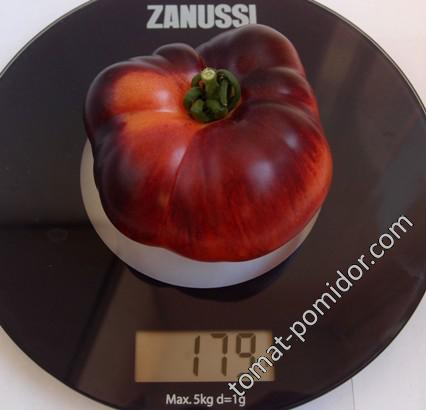
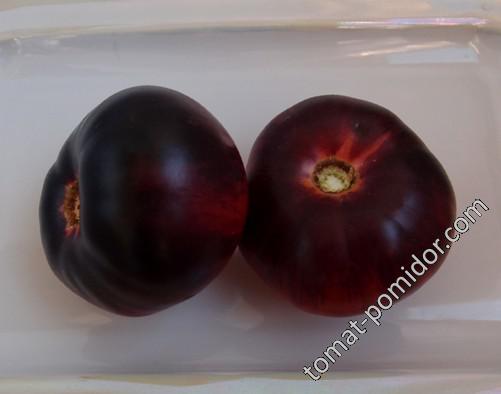
They definitely differ. Blue Beauty vs Pink Siberian Tiger. Growing conditions dictate so much: my late-season fruits expressed their striping and anthocyanin much more vividly.
ElenaN said:
Growing conditions dictate so much: my late-season fruits expressed their striping and anthocyanin much more vividly.
On that last fruit, the striping is gorgeous! Total eye candy!
My last two fruits of Blue Beauty, which hung on bare vines outdoors until yesterday, started showing distinct stripes as well. They were small and gnarly from our rough outdoor weather, but the light brought out the pattern. Day temps aren’t high anymore, but nights are 39-46°F (4-8°C). If you keep Pink Siberian Tiger in full light rather than scorching baking sun, the stripes contrast far better.
Edited October 9, 2015 by Alisa
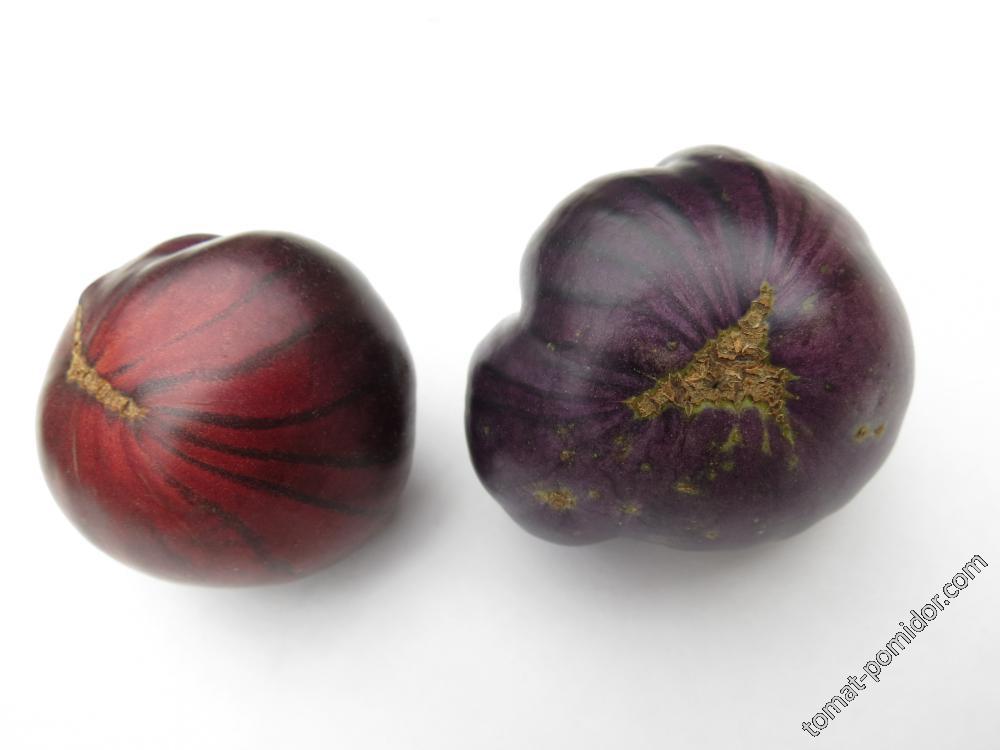
My Pink Siberian Tiger grown from Popenko seeds. Ran three plants.
One was in the greenhouse, transplanted in early May into a spot where an Amethyst Jewel snapped during trellising. The greenhouse vine reached 5 to 5.3 ft (1.5-1.6 m). Trusses showed leafy proliferations. The first cluster was fully loaded, the second slightly smaller, and the third held just a single fruit. Then it paused during summer heat, refusing to set fruit, before resuming set once temperatures cooled down.
Ripened in mid-July. Fruits look very similar to Amethyst Jewel and Blue Beauty, but there are distinct differences. I agree with Aleksandr: the fruit shape on Tiger is different, throwing both oblate and slightly elongated forms.
The biggest distinction is flavor: Tiger is the hands-down tastiest tomato in this entire group of beauties. Perfectly balanced, with pronounced sweetness.
The outdoor fruit that ripened by August 6 turned out much darker in color, and the taste seemed even more intense.
Edited August 5, 2016 by Sofiya 27
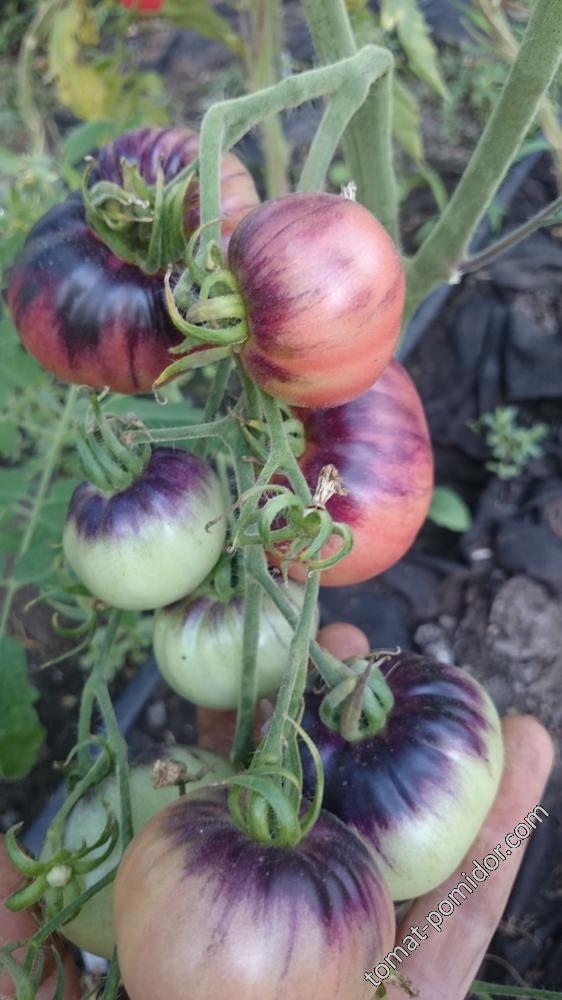
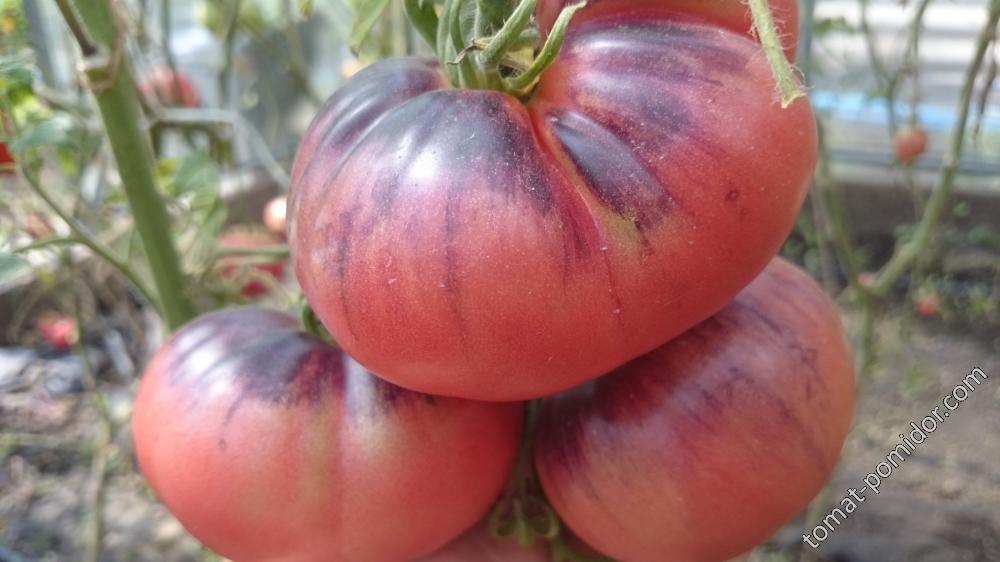
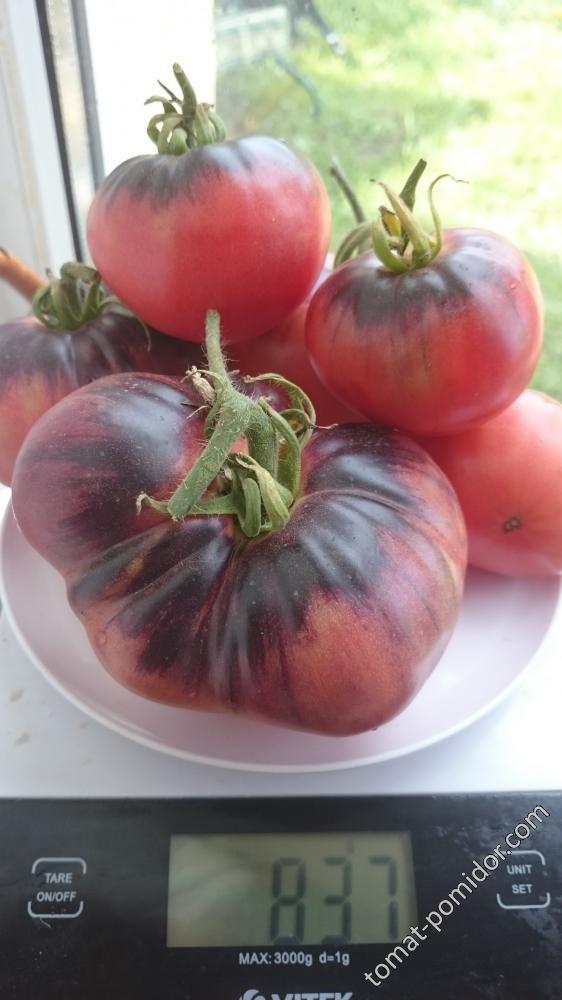
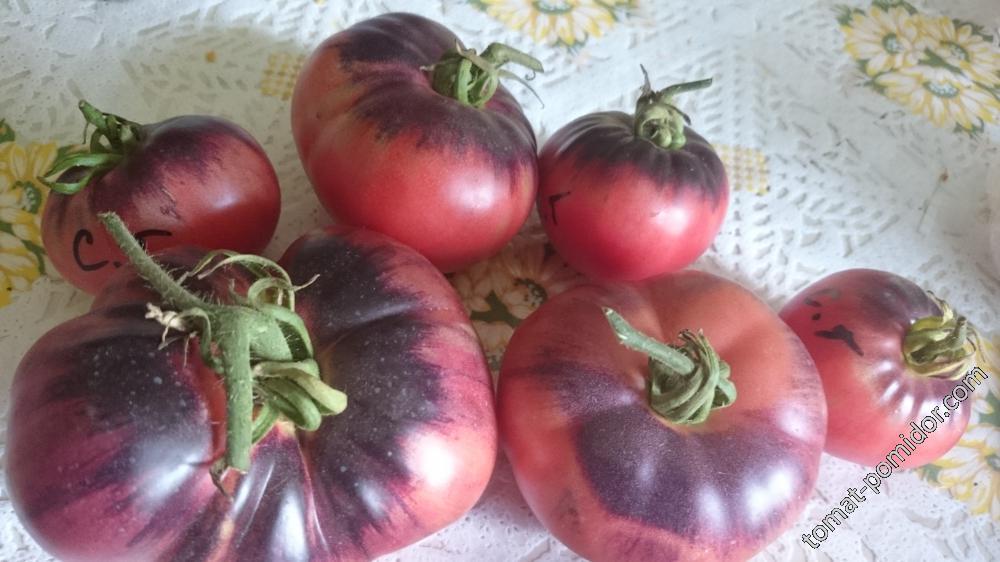
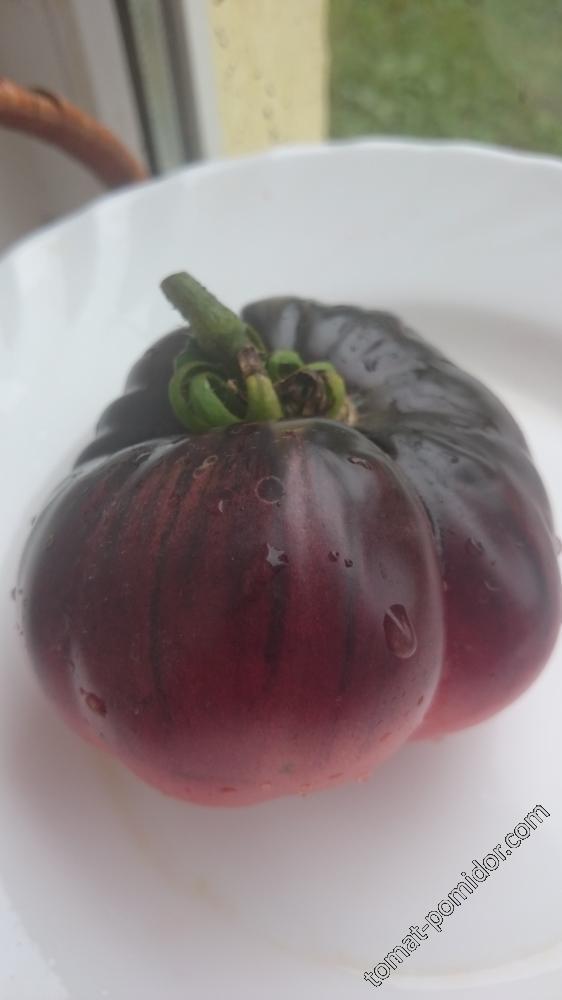
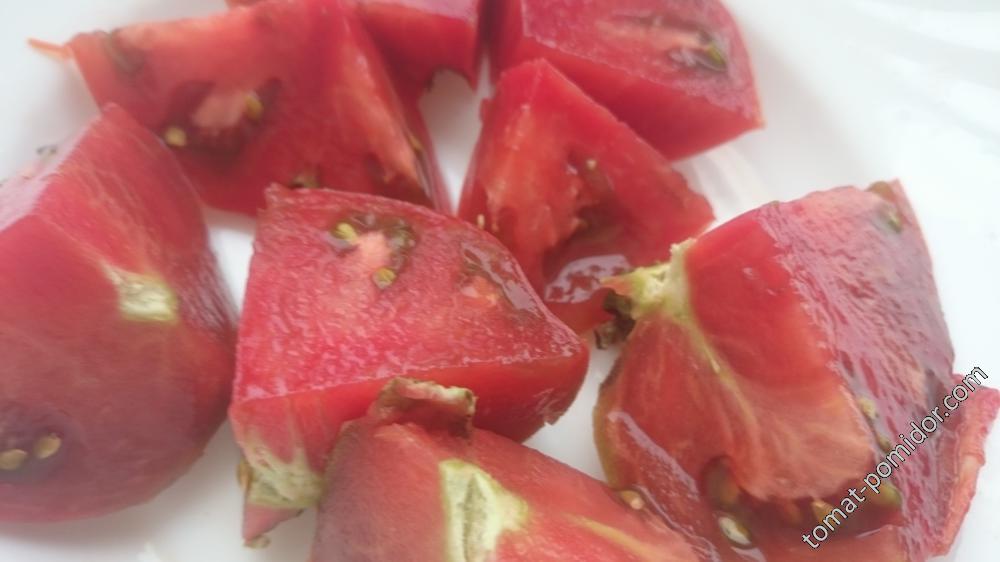
Really loved Pink Siberian Tiger. Reached 6.5 ft (2 m) tall in my greenhouse, heavy cropper, mid-season maturity.
Fruits were medium-sized, oblate, deep rose-pink with dark indigo stripes. Stellar flavor: sweet, juicy, meaty, with a distinctive spicy undertone.
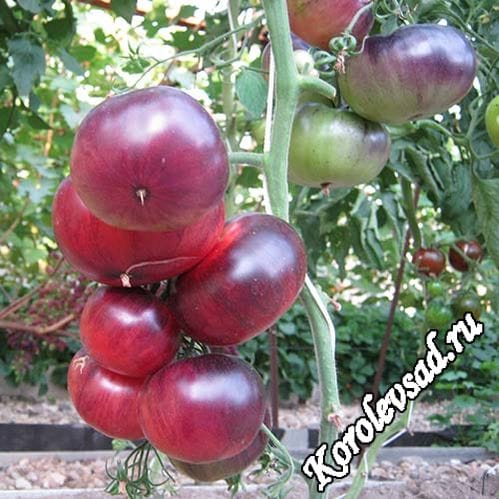
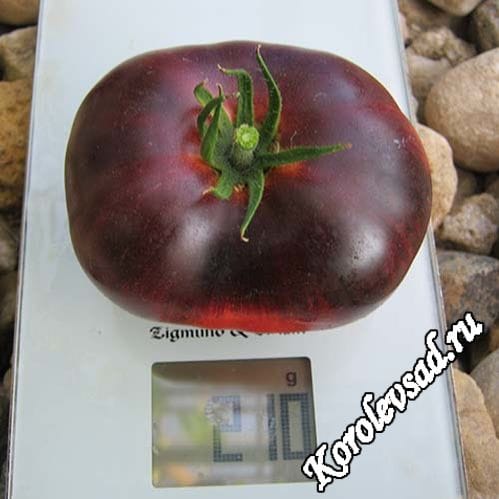
Got ElenaN’s seeds thanks to Agniya. 💐 I love antho varieties, so I sowed them immediately on February 28. First flower cluster appeared above the 9th leaf while still in the seedling stage.
The plant grew outdoors in open ground, tucked in partial shade behind other tomatoes. The first cluster showed almost no blue caps or stripes. The second cluster was darker, but still lacked stripes. Planning on running two plants this year in full sun: one from my saved seed and one from Elena’s original stock.
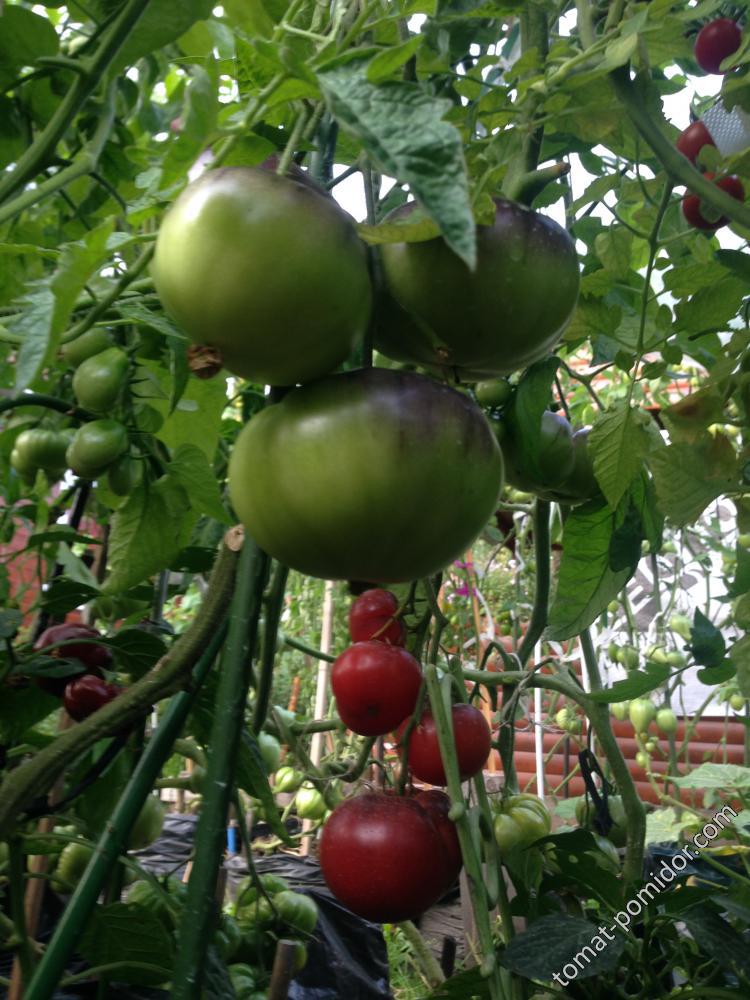
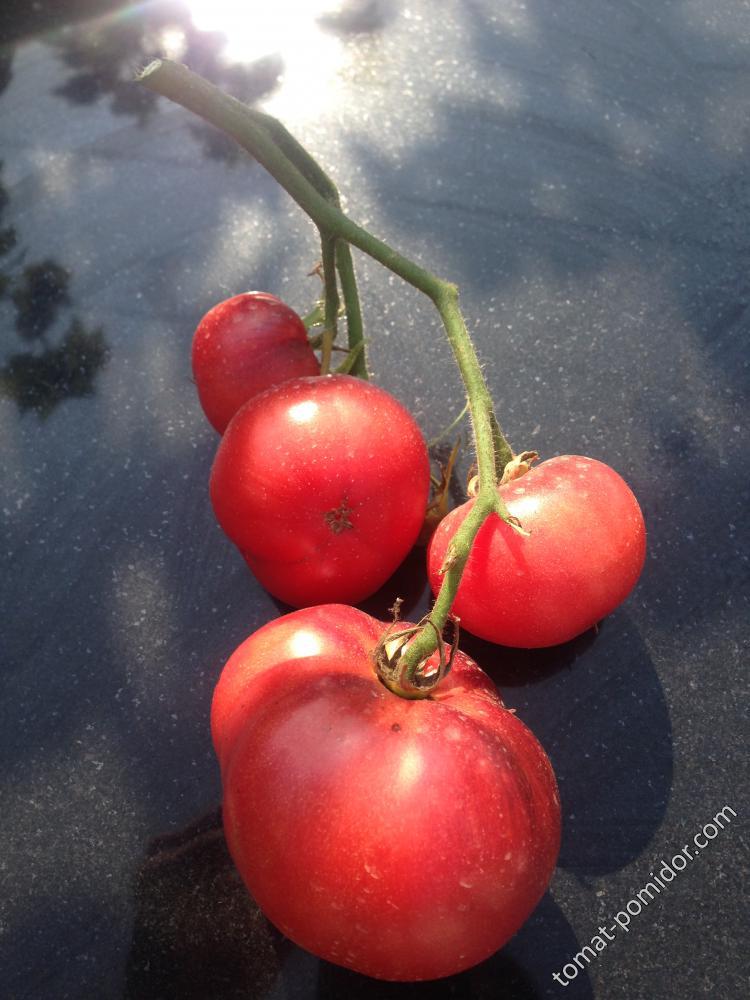
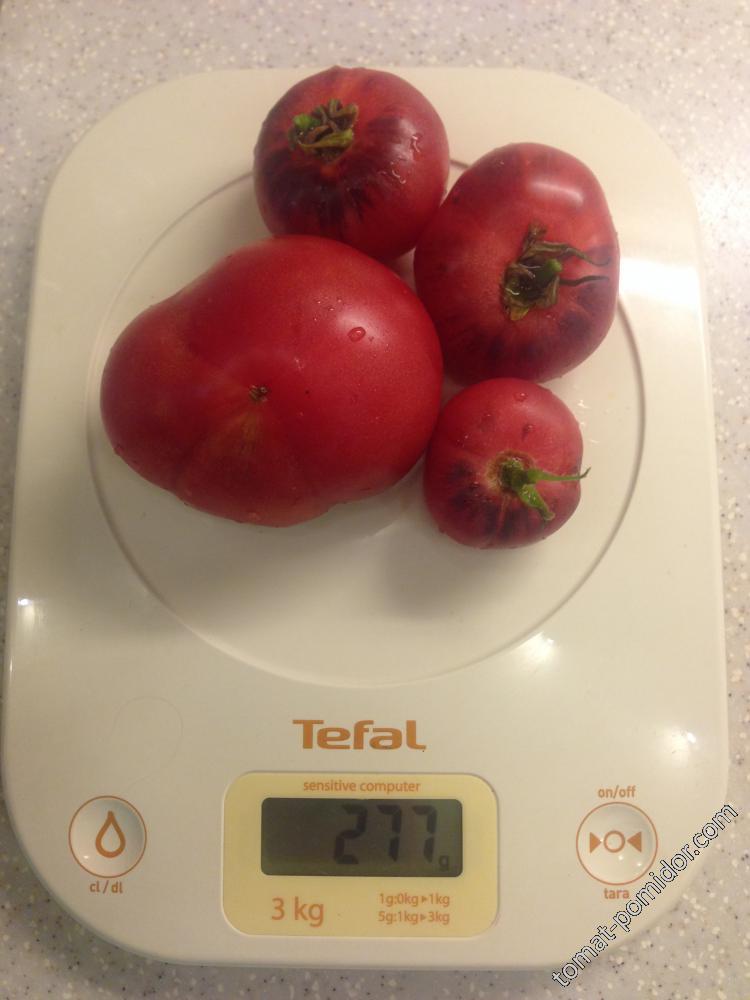
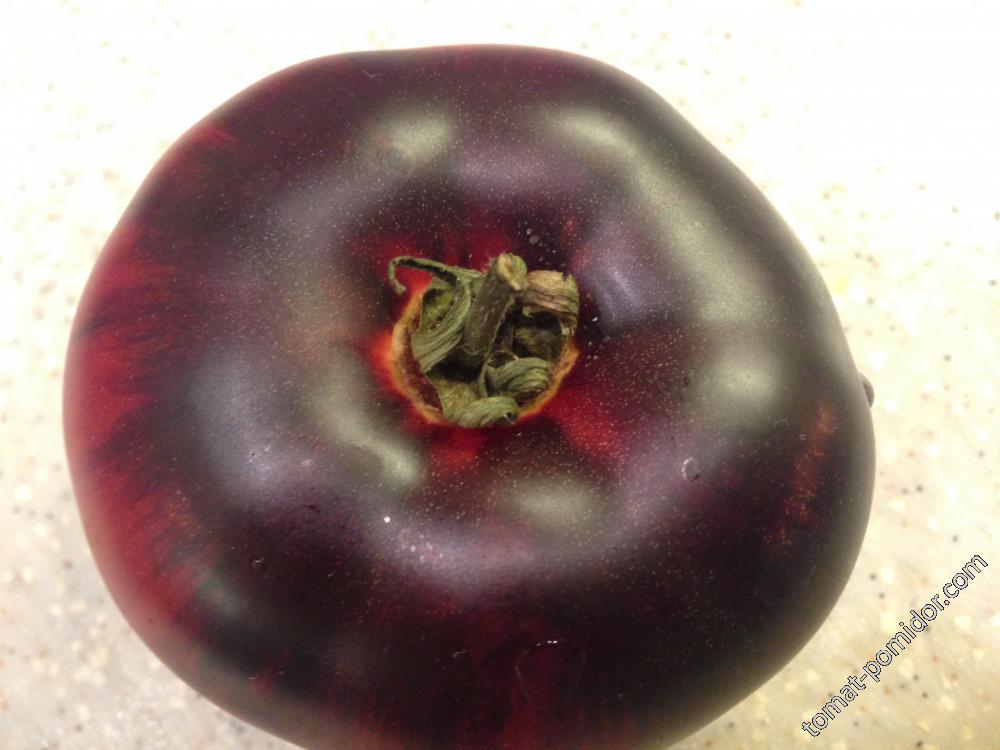
Pink Siberian Tiger is one of my all-time favorite antho varieties: prolific, gorgeous, and delicious! 😋
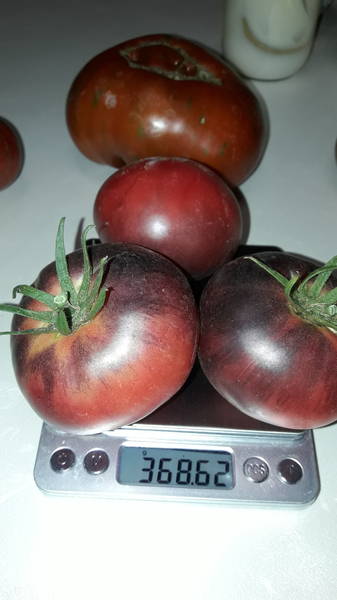
My biggest fruit tipped the scales at 17.6 oz (500 g), with the average running 7 to 10.5 oz (200-300 g). That was from my own saved seed; last year from Popenko’s seed they were a bit smaller, topping out around 12.3 oz (350 g).
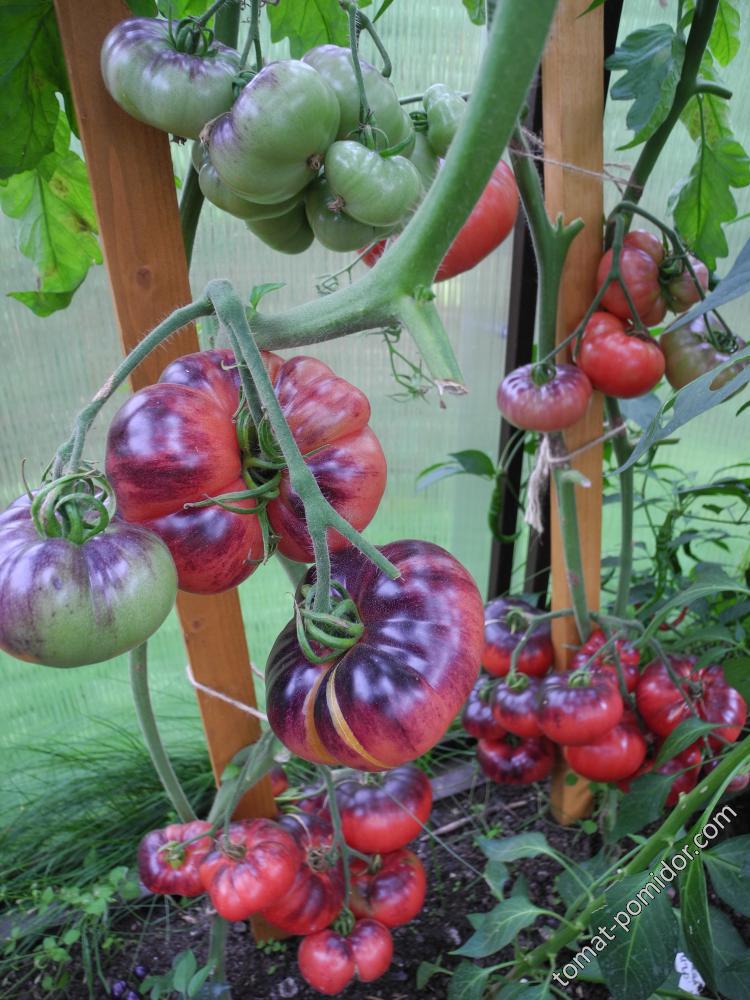
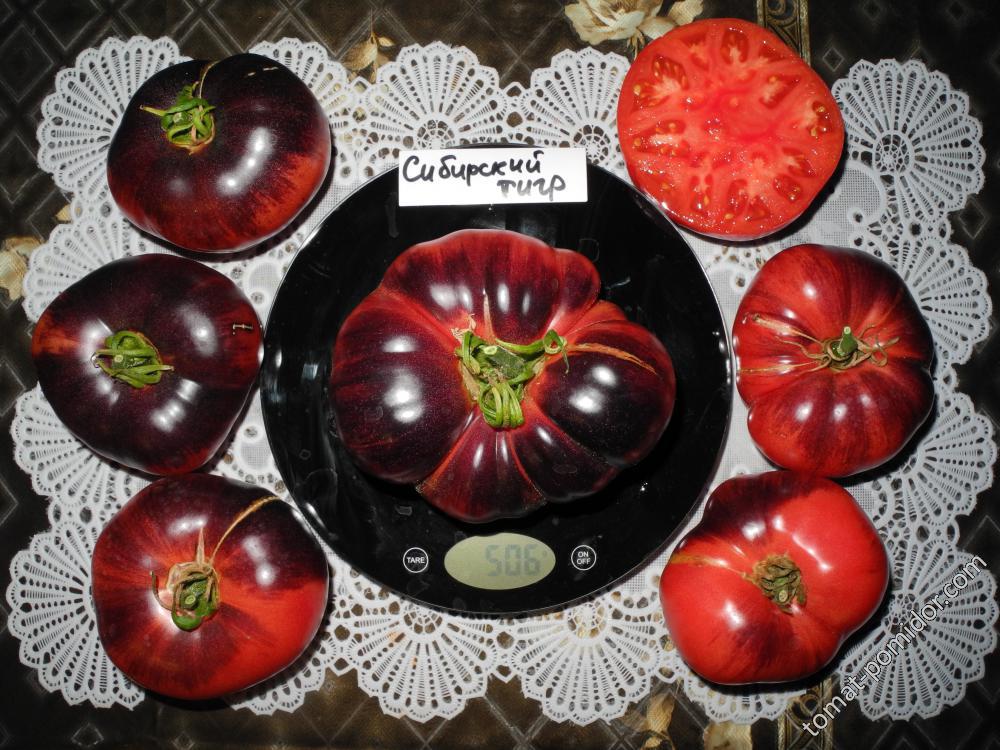

Pink Siberian Tiger didn’t do much for me personally. Looked like a clone of Amethyst Jewel, practically spitting images.

Is this tomato really that late? Fruits are fully sized up, but have not even begun to blush red yet. No idea when to expect a harvest.
irunchik said:
Is this tomato really that late? Fruits are fully sized up, but have not even begun to blush red yet…
If you like the flavor once it ripens, maybe try a different seed vendor next time? In my outdoor patch, it ripened among the very earliest varieties, not just among the anthos. Could your seeds have come from a greenhouse line or warmer southern region?
Alisa said:
Could your seeds have come from a greenhouse line or warmer southern region?
Right, seeds possess magical memories of their hometown and whisper instructions to the next generation! 😛
Drosera said:
Right, seeds possess magical memories…
Epigenetic adaptation and regional selection are very real. Whenever I plant seeds of the exact same variety from different vendors side by side, the difference is obvious: one starts ripening early while the other drags its feet until autumn.
1. True regional genetic adaptation does not happen in a single season.
2. What you are observing is standard norm of reaction, the phenotypic plasticity of a trait.
3. Drawing broad scientific conclusions from 1 or 2 test plants is meaningless.
4. This discussion belongs in the breeding subforum, not a variety catalog thread.
Gave me serious grief early in the summer by dropping flowers like crazy, far worse than any other variety. I assumed I would only get a couple of tomatoes off the entire plant. But it pulled through and set a decent crop after all.
When I took that first bite, I was completely speechless. Unbelievable tomato! Perfect sweetness, subtle acidity, deep flavor richness, and an incredible aftertaste. Very punchy, complex profile. Easily one of the most delicious tomatoes in my garden this year.


Grew Pink Siberian Tiger in 2018. For the greenhouse, sowed March 5, germinated March 9, planted into the polycarb greenhouse on May 3, and harvested the first ripe tomato July 9 (same day as Chocolate Stripes). This seedling earned the nickname “The Pilot” after its 1-liter pot took a nosedive off the balcony table when the plant was already 10-12 in (25-30 cm) tall; thankfully the heavy root ball hit first and it survived without breaking.
For open ground, sowed March 20 without soaking, planted out May 18, and picked the first fruit in late July.
Gorgeous, balanced, and remarkably sweet. Far tastier and significantly larger than Amethyst Jewel. High producer in both greenhouse and outdoor beds. The first cluster is massive: set 16+ fruits that form simultaneously. The first 5 to 8 size up rapidly while the rest wait their turn, ripening in waves so you are still picking from truss #1 while truss #2 is already coloring up! The cluster is wide and leafy. Upper clusters carried 2 to 5 fruits, curtailed by severe greenhouse heat.
Does not like overwatering, but only cracks under extreme deluges following prolonged dry spells. Two seed fruits from the second cluster weighed 7.5 oz (212 g) and 8 oz (226 g). Lowest fruits averaged around 7 oz (200 g), never dropping below 3.9-4 oz (110-115 g). Moving both plants into the polycarb greenhouse next season to get more trusses started earlier.
Edited February 20, 2019 by Оксана Евгеньевна
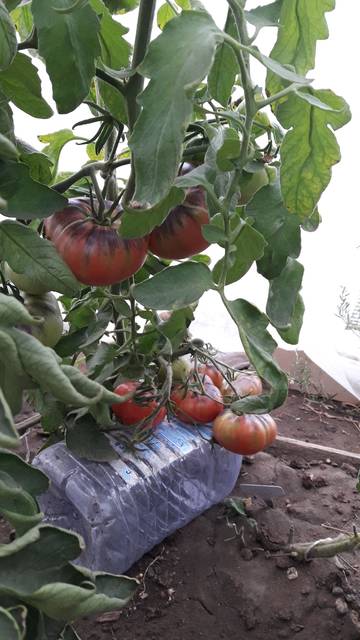
Completely agree with Yulya on the sensational flavor!
Yield was modest for me because it got sunbaked right next to the south greenhouse door. I wanted to maximize sun exposure for the anthocyanin, but Tiger and Great White Blues literally cooked in that spot, even the terminal shoots fried and had to be pruned out. Moving it toward the center bed next year.
Irina Fedorova said:
…got sunbaked right next to the south greenhouse door. I wanted to maximize sun exposure for the anthocyanin, but Tiger and Great White Blues literally cooked…
It definitely can scorch. Mine was positioned on the east side behind polycarb. Morning sun, then overhead light. Plus my entire greenhouse was shaded with 30% row cover, and even then July steppe heat hit 104°F (40°C).
In extreme heat, antho lines curl their leaves into tight canoes more than any other variety. Tiger handles partial shade well; full scorching sun isn’t strictly necessary, though you need good light for dark pigment and sugar synthesis.
Edited February 20, 2019 by Оксана Евгеньевна
Suffered from edema as a seedling indoors and looked wimpy after transplanting into the greenhouse. But it suddenly took off, bloomed heavily, and loaded up with uniform, dark fruits. All ripened together. Outstanding beauty and taste. At the very top, it set several beautifully striped little tigers.
Edited August 17, 2019 by Irina Fedorova
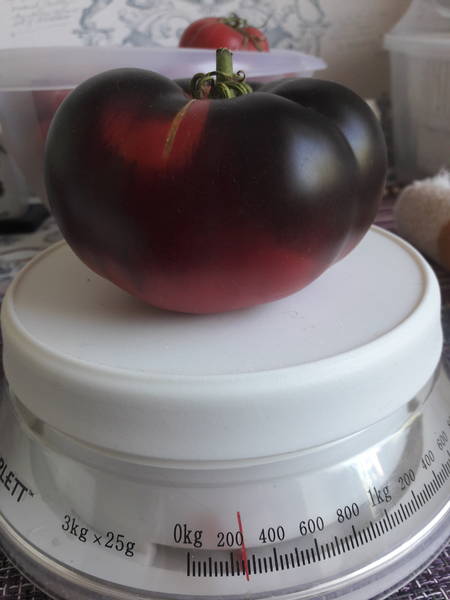
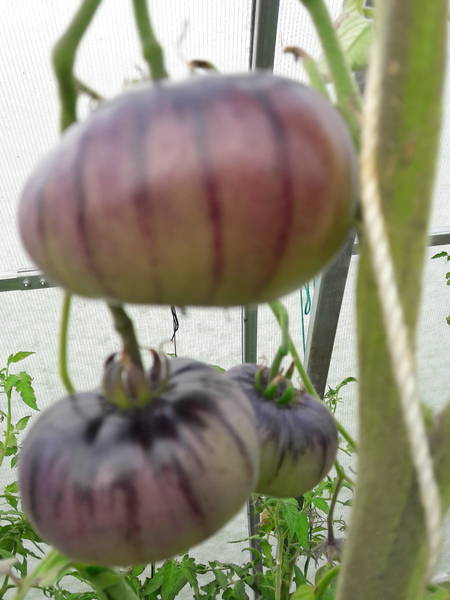
The flavor on Tiger deserves dedicated scientific study. I won’t just say it is good: its bright lingering aftertaste is unmistakable candy caramel! It is as wildly unexpected as biting into a meat dumpling and tasting honeydew melon, or finding hard candy growing on a tree branch! 😄 Truly an astonishing variety. 👏
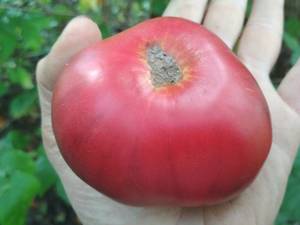
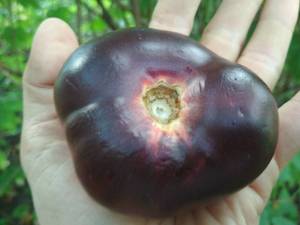
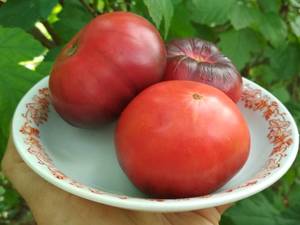
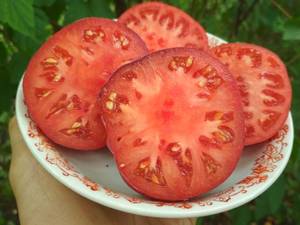
Ran two plants from my own saved seed in 2019. Fruits were slightly smaller, but even tastier than year one, easily matching top-tier cherry tomatoes for sugar. Dense, meaty, balanced with fruity acidity, and lightly spiced. A true tomato-fruit confection!
Flesh at peak ripeness is deep crimson-raspberry rather than pale pink. In late August under chilly nights, the fruits turned almost pitch black and insanely sweet; Tiger definitely builds peak flavor in cool weather. Excellent shelf life at room temperature: letting ripe fruits sit on the kitchen counter for a couple of days actually bumps the sugar even higher.
Sowed February 24, potted up to 2-liter containers in April, and planted into the polycarb greenhouse on May 3. Picked the first ripe ones on July 7.
Sharing my video review and field tour of Pink Siberian Tiger.
Follow-up on shelf life: this variety keeps phenomenally well when picked dead ripe!
We picked the final fruits when pulling vines at the end of September. Kept several in a bucket in the mudroom at room temperature. Sliced open the very last cocktail-sized straggler in late October just to check the texture and flavor. Mind-blowing quality! Completely concentrated sweetness, fruity tang, and that unmistakable caramel finish. Dense, juicy, with zero shriveling, rotting, or breakdown. Remember, these were picked fully ripe, not green! Zero waste on Tiger this year.
Oksana Evgenyevna said:
The only thing is that it stayed on the smaller side for me this year…
First year running Tiger, and mine seem on the smaller side too. Maybe they need more time to size up, but compared to other beefsteaks, they are definitely more modest. Size isn’t everything though, flavor is what matters!
Edited June 28, 2020 by Tatka

First year growing it in 2020. Not sure if it is true to type, anthocyanin cap isn’t showing much yet. Video log attached.
Folks told me I had an off-type mix-up, but I filmed a cross-section taste test anyway in case it helps someone down the line.
The first fruit off the vine was small and malformed, and the taste disappointed me. But I never judge a variety on a single fruit. Sliced the prettiest specimen off the vine today and the flavor was outstanding.
Tatka said:
First year running Tiger, and mine seem on the smaller side too…
Don’t worry, fruit size fluctuates on this variety. In 2020 from saved seed, mine ran mostly medium. Late runts were smaller, but the flavor was even better than last year, probably because I upped the potassium.
One of my all-time favorite varieties. Not growing into a massive pounder is almost a benefit: you eat the whole thing fresh in one sitting without leftover slices turning watery in the fridge. Disease-free, doesn’t bully neighboring plants, and flavor is identical in open ground or polycarb greenhouses.
For folks who enjoy acidity, Tiger has noticeably more zest than Lucid Gem or P20 + Beauty King. Let it ripen until it turns deep raspberry or wine-red, that is when the magic happens. My 2020 seed fruits ran 5.3 to 8.5 oz (150-240 g). Later autumn fruits pack way more indigo pigment due to cool nights, even though my greenhouse was shaded with 30% row cover all season.
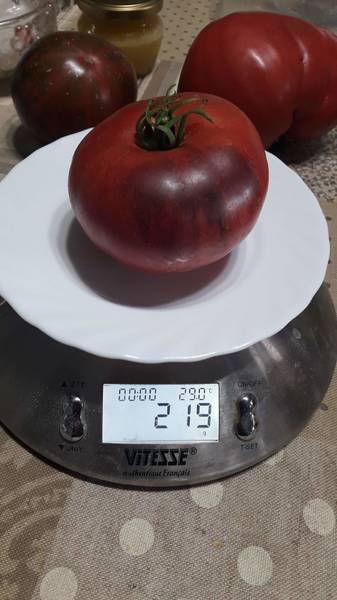
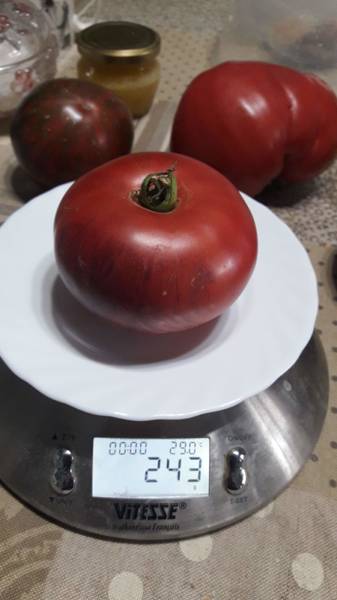
Third year growing Pink Siberian Tiger. Showed zero edema in seedling trays this spring, unlike several other varieties. Ranked right at the top for sweetness alongside Vater Rhein.
This season it outdid itself: bloomed first among all my indeterminates, beating out every single determinate except Stupice and 42 Days! Early and sweet, what more could you possibly ask for? 💋
Edited May 23, 2025 by Drosera
Full Summary: Plant Habit, Anthocyanin Expression, Sizing and Flavor
- 🌿 Plant Stature & Foliage: Indeterminate vine growing 5 to 6.5 ft (1.5-2 m). While young seedlings can occasionally show susceptibility to edema under indoor lights, the vine grows vigorous and disease-free once planted out. Produces leafy, branched flower trusses (cluster proliferation).
- 📈 Yield & Fruit Setting Dynamics: Heavy cropper. The first cluster frequently sets 12 to 16+ fruits simultaneously that ripen in staggered waves over several weeks. High greenhouse heat (over 95°F / 35°C) can cause flower drop on upper clusters; light shade cloth and potassium feedings help sustain set.
- 👅 Flavor Profile: Regarded as the flavor pinnacle among pink/red anthocyanin beefsteaks. Meaty, dense, and exceptionally sweet, balanced with a bright fruity acidity and a unique, lingering caramel aftertaste. Sugar levels and deep indigo striping peak during crisp late-summer nights.
- 📦 Storage & Shelf Life: Outstanding counter performance. Unlike many soft heirlooms, dead-ripe fruits hold in prime condition for 3 to 4 weeks at room temperature without rotting or losing flesh density.
- 🌎 Who Reviewed It: Extensively documented across USDA Zones 3 through 6, including Western Siberia, the Urals, Moscow Region, Kaliningrad, and the arid continental steppe of Kazakhstan.