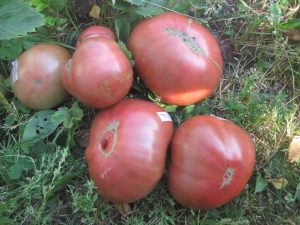
🍅 Quick take: Rosado de la Sierra de Aracena (also known as Rosado de Huelva) is a traditional mid-season, indeterminate pink beefsteak landrace from the mountainous Sierra de Aracena region in Andalusia, Spain. The vigorous vines stretch over 6.5 ft (2 m) in high tunnels, bearing large, ribbed, oblate pink fruits. Grower trials clearly demonstrate that this southern European heirloom is heat-demanding: in cool northern gardens lacking sufficient summer warmth it can taste mild or washed out, but under hot, sunny conditions it transforms into a sweet, rich gourmet slicer. Full summary ↓
Growers’ Notes and Photos (USDA Zones 4-8 Experience)
According to research from the Tomatofifou database, this variety circulates under several regional Spanish names:
Rosado de la sierra de aracena
Rosado de Huelva
Rosado de los Picos de Aroche
Rosado de la Sierra de Aracena y de los Picos de Aroche
Mid-season indeterminate variety. Fruits are classic oblate pink beefsteaks. The flavor was pleasant, but more often than not it tasted somewhat bland and washed out, with only an occasional hint of tartness.
I plan to grow it again this season to give it another shot. It is very possible this variety simply didn’t get enough accumulated heat in our cool northern summer, especially since other sources give it glowing reviews. I will observe whether saved seed and warmer weather bring out a noticeably better flavor profile.


Delicious, highly productive variety. Grew inside the greenhouse, tall vigorous vine reaching over 6.5 ft (2 m).
Full Summary: Plant, Yield, Taste and Storage
- 🌿 Plant & Canopy: Tall, vigorous indeterminate vine reaching 6.5 ft (2 m) or more in protected culture. Regular foliage. Mid-season maturity.
- 🌡️ Heat & Climate Sensitivity: A quintessential southern European landrace that requires high cumulative heat units (Growing Degree Days) to reach its full flavor potential. In northern short-season zones (Zone 4 Kostroma), lack of sustained heat leaves the fruit tasting bland, whereas southern high-tunnel culture (Zone 7/8 Pyatigorsk) delivers rich, sweet flavor.
- 📈 Yield & Morphology: Heavy producer of large, oblate pink beefsteaks with subtle shoulder fluting and dense multi-locular flesh.
- 🌎 Who Reviewed It: Contrasting trials from cold northern European Russia (Kostroma, USDA Zone 4) and the warm southern Caucasus foothills (Pyatigorsk, USDA Zone 7/8).
🍅 Grown Rosado de la Sierra de Aracena? Did it get enough heat in your garden to turn sweet? Share your zone, setup, and flavor notes in the comments below!
👨🌾 Editor’s Note: Andalusian Heirlooms and Heat Requirements
This heritage landrace originates from the protected natural park of the Sierra de Aracena and Picos de Aroche in Huelva (southwestern Spain), an area famed for intense Mediterranean sun coupled with mountain diurnal temperature swings. Mediterranean pink beefsteaks have enzymatic sugar-synthesis pathways that stall when night temperatures hover below 60°F (15°C) or during cloudy periods. When growing Spanish landraces in northern USDA Zones 3 through 5, placing them in the sunniest, warmest high-tunnel positions is essential to avoid the bland, watery flesh Elena experienced.
This heritage landrace originates from the protected natural park of the Sierra de Aracena and Picos de Aroche in Huelva (southwestern Spain), an area famed for intense Mediterranean sun coupled with mountain diurnal temperature swings. Mediterranean pink beefsteaks have enzymatic sugar-synthesis pathways that stall when night temperatures hover below 60°F (15°C) or during cloudy periods. When growing Spanish landraces in northern USDA Zones 3 through 5, placing them in the sunniest, warmest high-tunnel positions is essential to avoid the bland, watery flesh Elena experienced.