Jump to: Habit, Fruit & Yield ↓ | The Potato Leaf Mystery ↓ | Russian 117 vs Orange Russian 117 ↓ | Harvests & Yellow Shoulders ↓ | Full Summary ↓
Growers’ Notes and Photos (USDA Zones 3-5 Experience)
Plant Habit, Double Hearts, and Yield
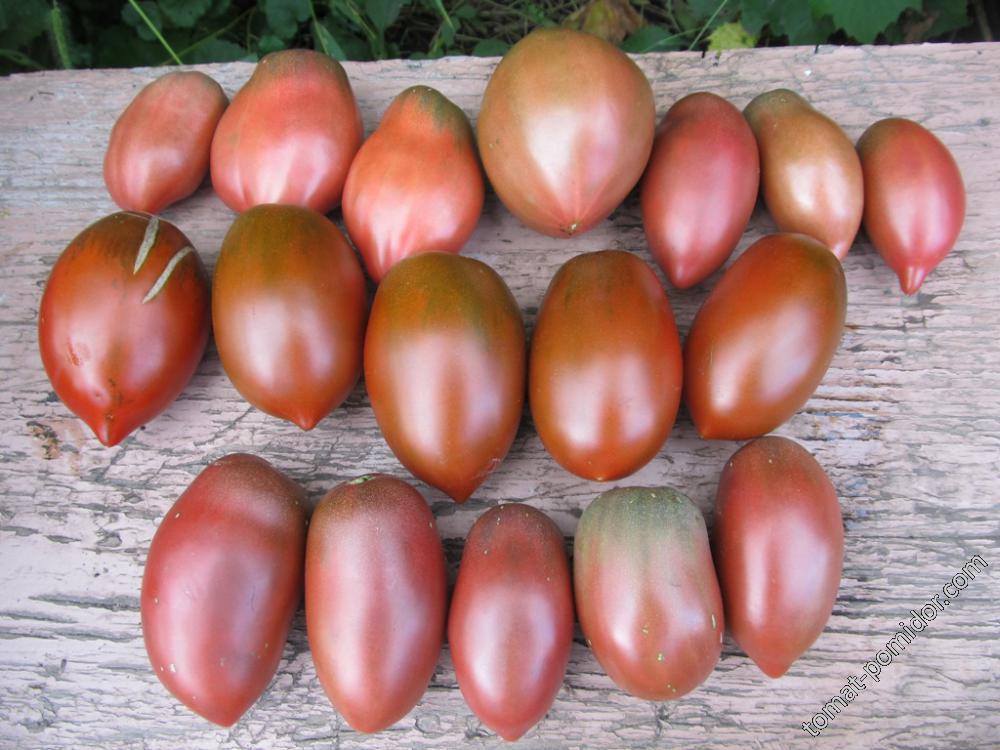
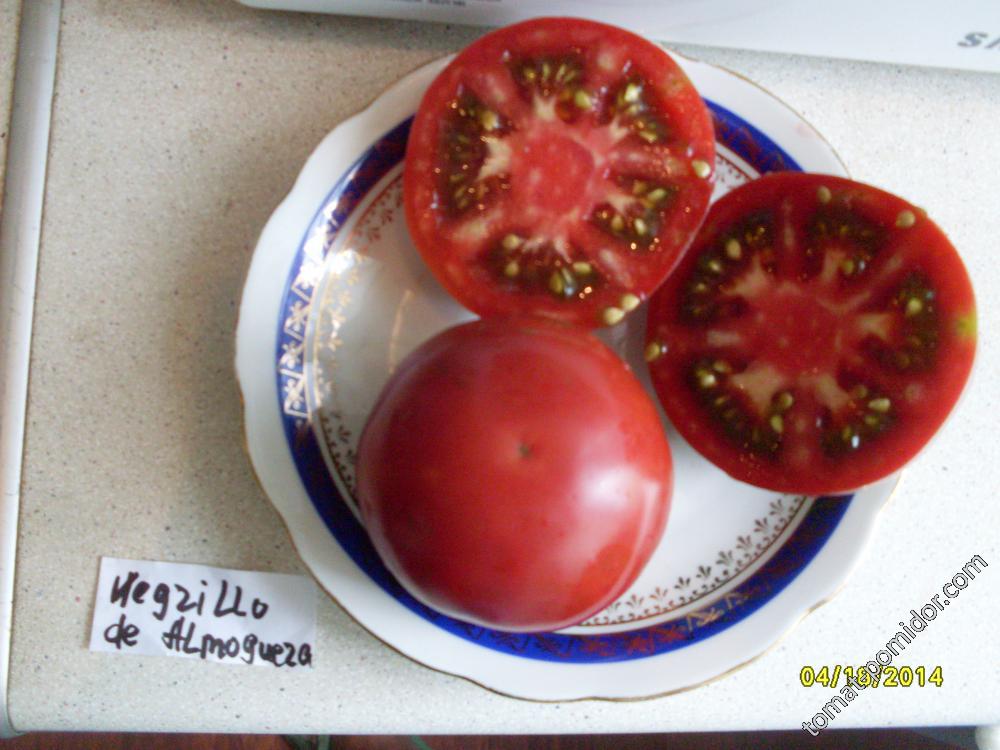
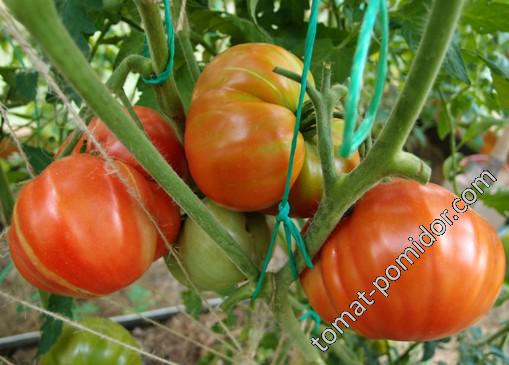
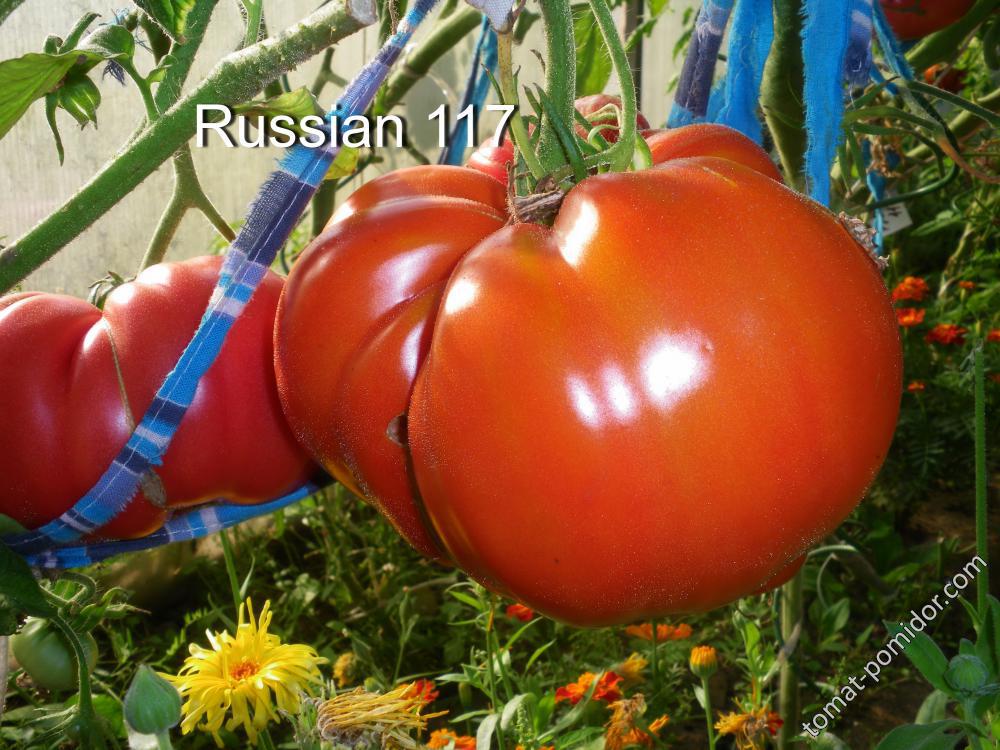
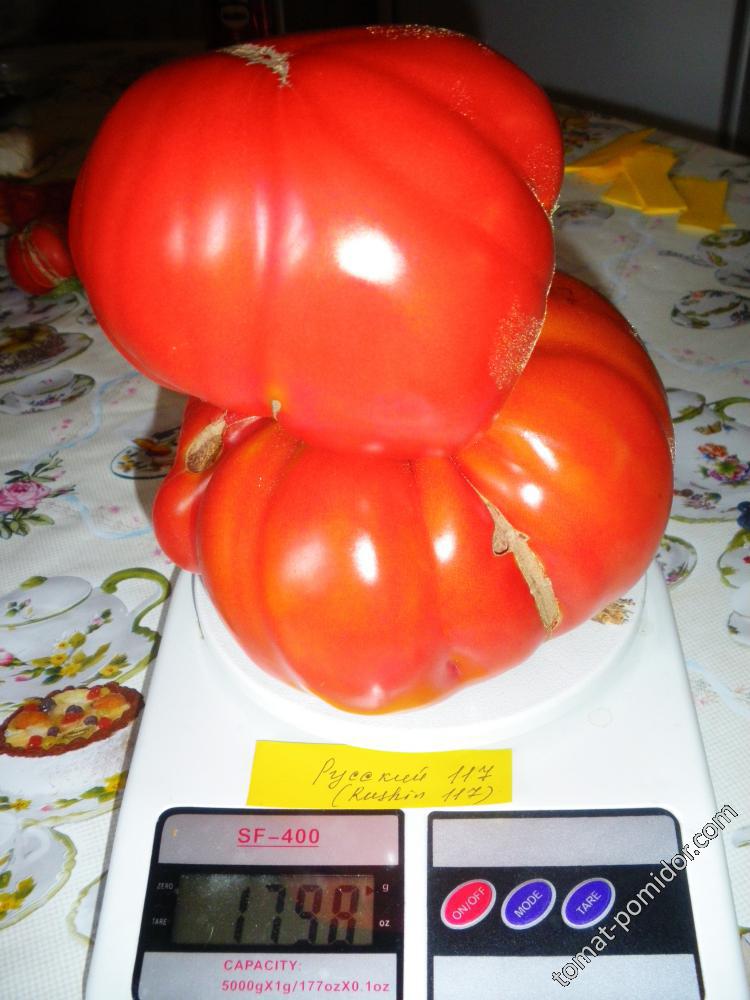
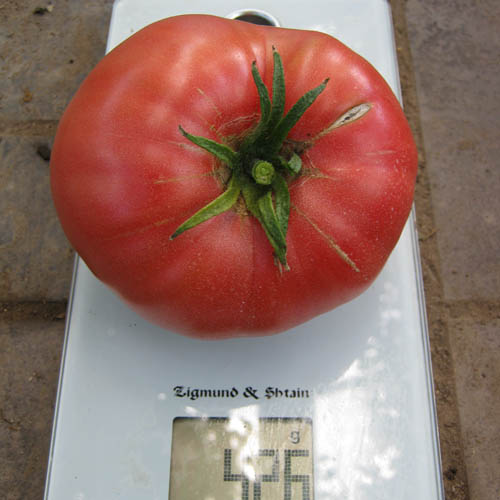
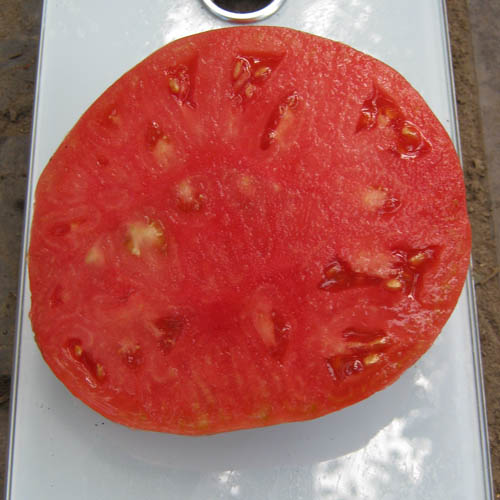
The tomatoes are large to huge, flattened, fused double hearts. Dense, meaty, firm flesh, yet dripping with juice. As for flavor, it varied slightly through the season, but honestly had only two settings: very good and truly exceptional 😋
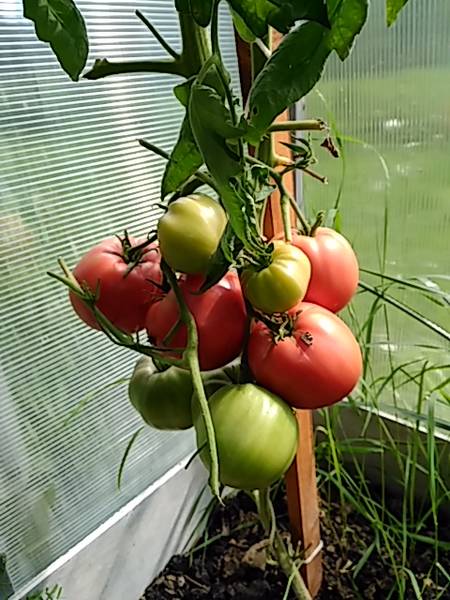
The vine grew in the sunniest spot in the greenhouse and reached 7.2 ft (2.2 m). Average foliage density. Yield was top-notch, it set every single flower on the truss without missing a beat. Outstanding variety!
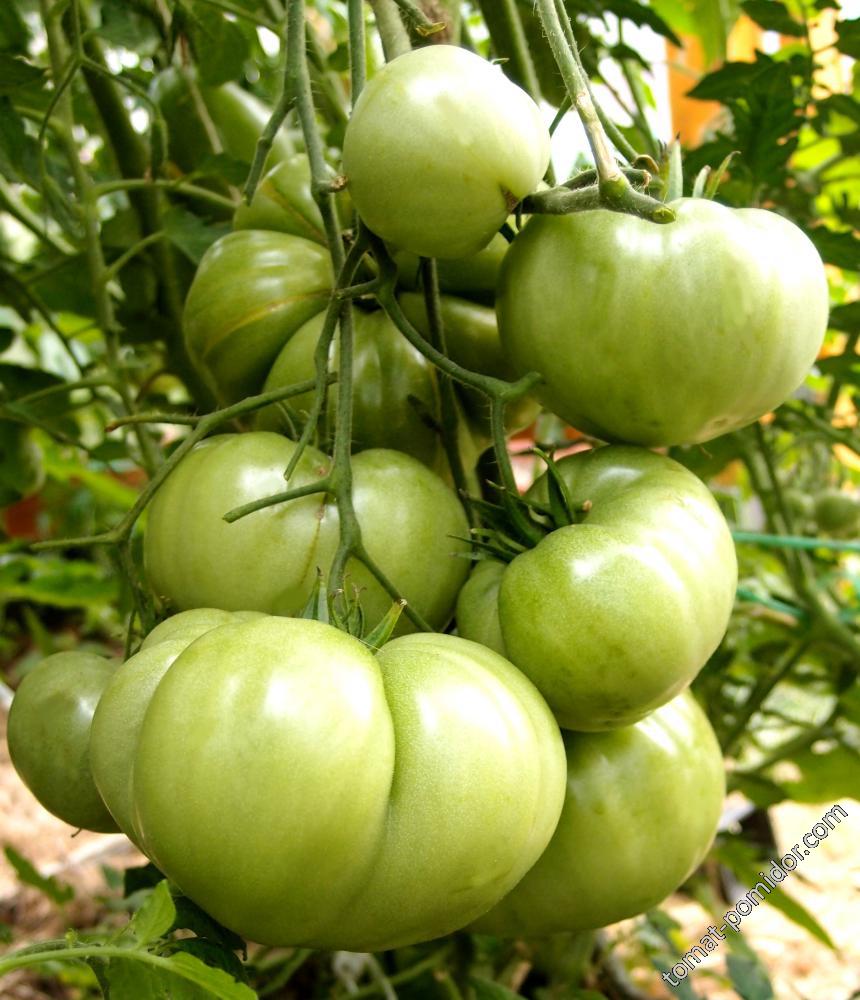
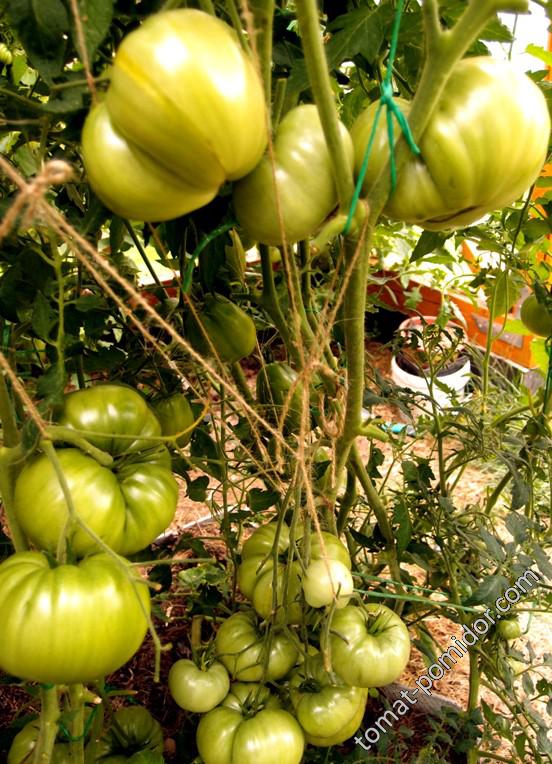
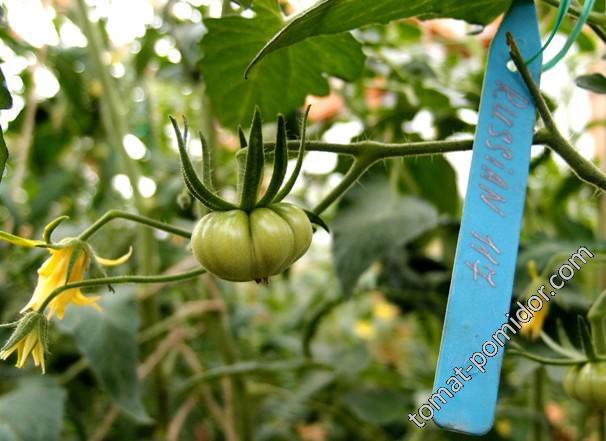
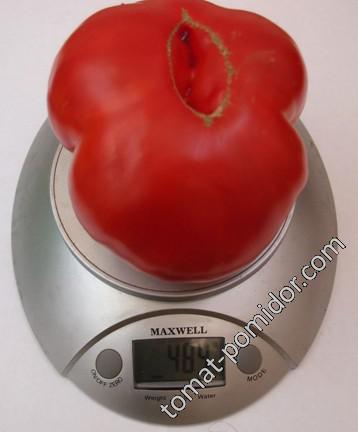
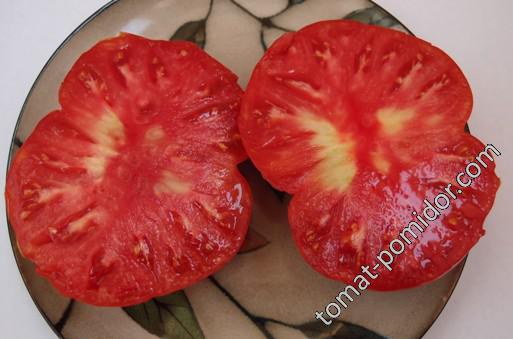
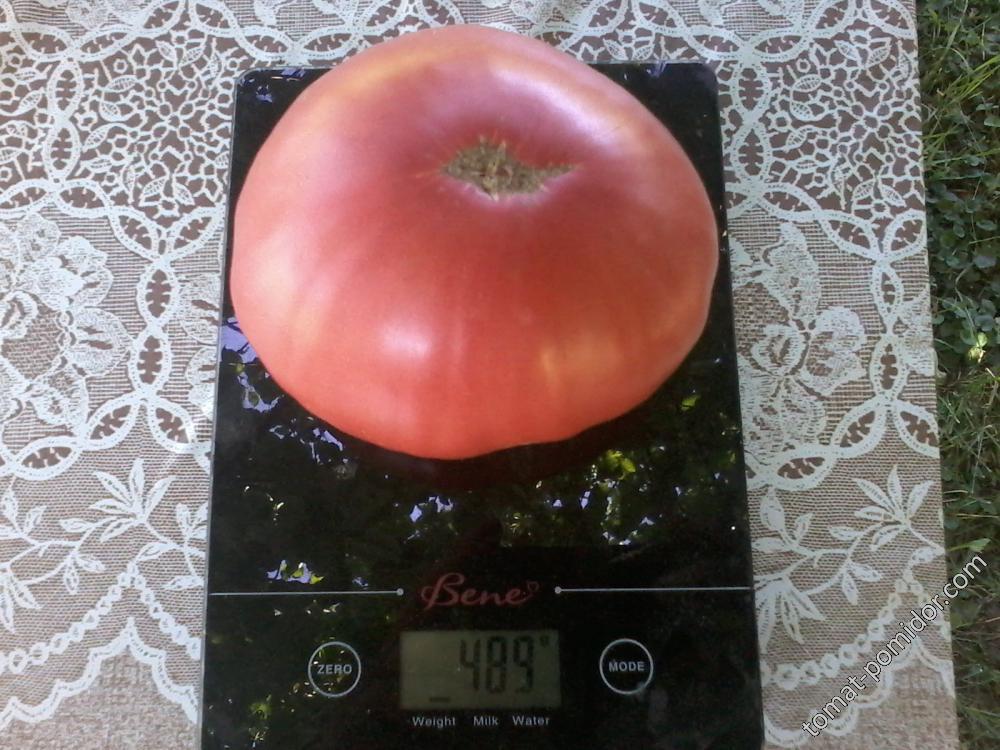
Grew under greenhouse cover. Big shoutout to Lena for the seeds! 😘😘😘😘😘
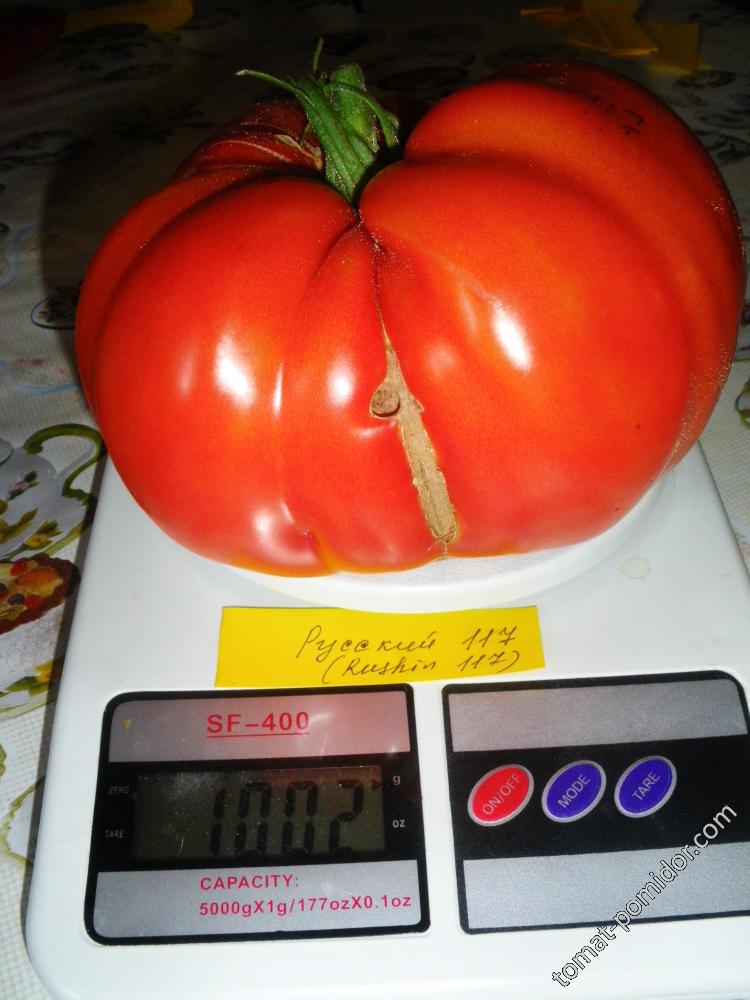
The Potato Leaf vs Regular Leaf Segregation Mystery
The potato leaf plant got stuck in the worst, most cramped spot in the house. Both turned out delicious, but the potato leaf plant actually gave slightly larger tomatoes and better overall yield. I am miles away from hitting Mila’s monster record weights, but my garden never produces real giants anyway.
Edited October 9, 2015 by Drosera
Not to Be Confused with Orange Russian 117
Plena wrote:
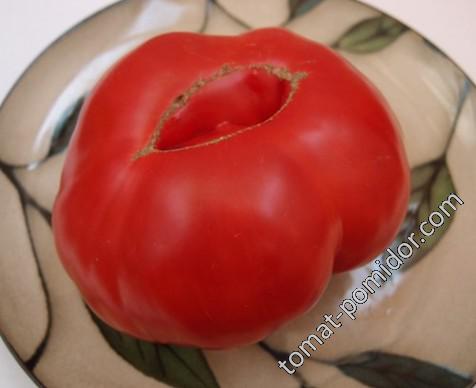
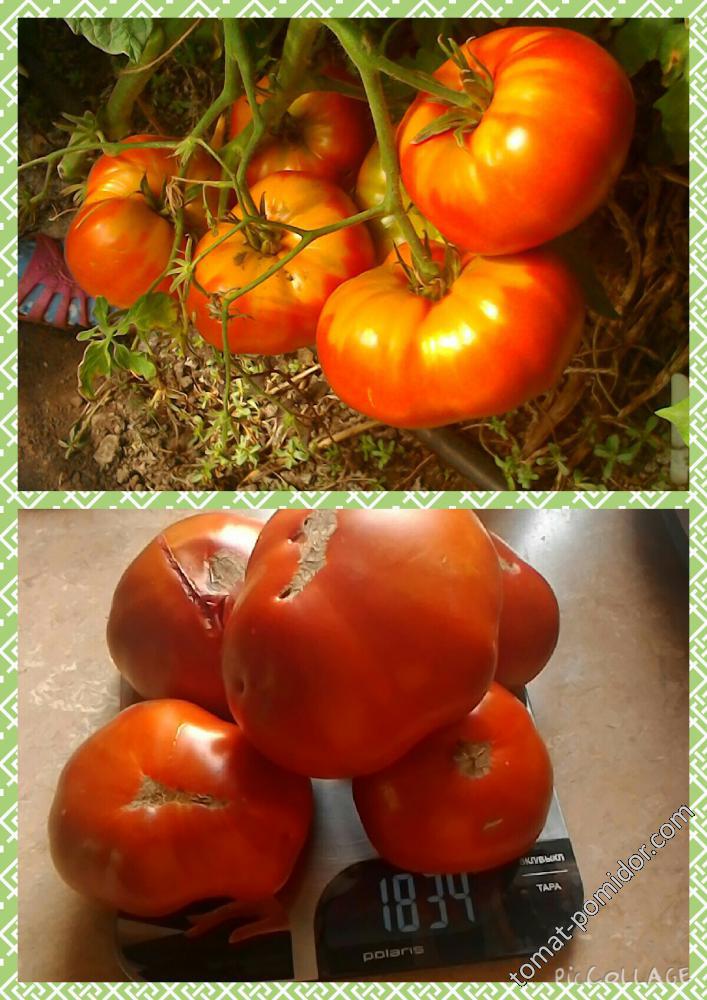
Lena, judging from the photo, yours looks an awful lot like Orange Russian 117 rather than straight Russian 117.
Elena, I think it’s just lighting/camera glare. Orange Russian 117 is a true bicolor, while this is solid red with light reflection bouncing off the skin.
Late Season Performance, Pruning, and Yellow Shoulders
Pulled 14.3 lbs (6.5 kg) of ripe fruit off this single vine, plus another 4.4 lbs (2 kg) of green ones before frost. This pictured specimen was the absolute heaviest. Pretty sure with dedicated pruning and dialing in fertilizer early on, you could coax even bigger giants out of it.
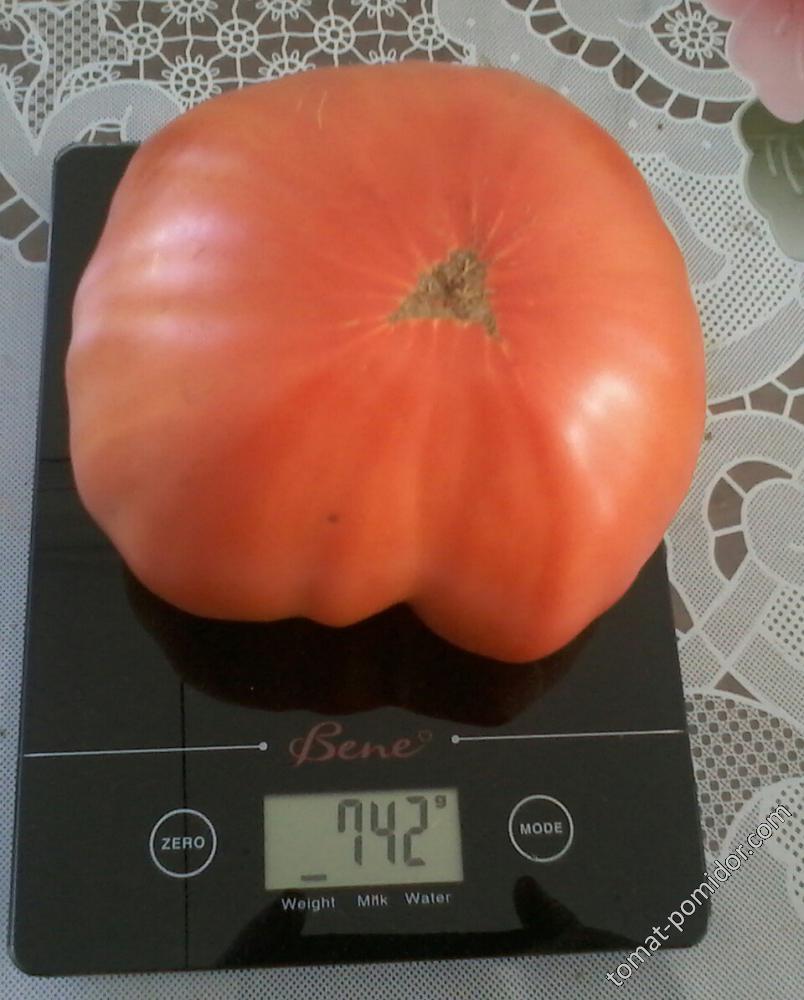
Ran it in the greenhouse trained to two leaders, indeterminate vine. Fruits are large, broad, fleshy red hearts, almost flat-round 😋
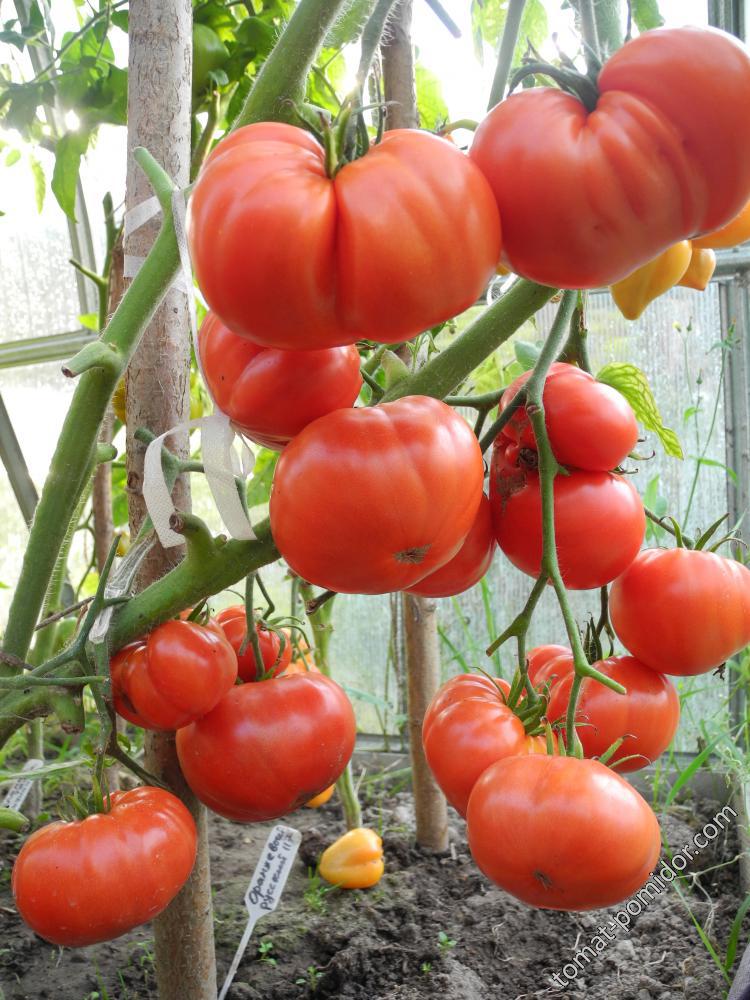
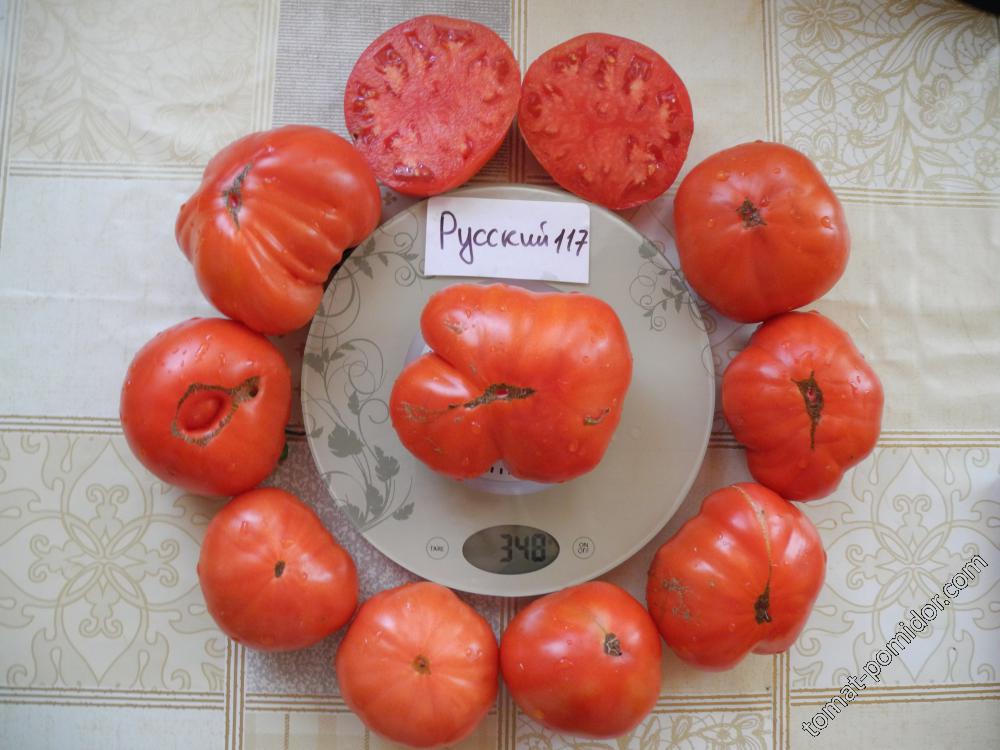
Last season in the greenhouse, yield was heavier and fruit size ran bigger. This season I ran the plant outdoors in the open dirt, fruits were slightly smaller, but denser and even richer in flavor. Original seeds were sourced from Tatiana Kouchnareva.
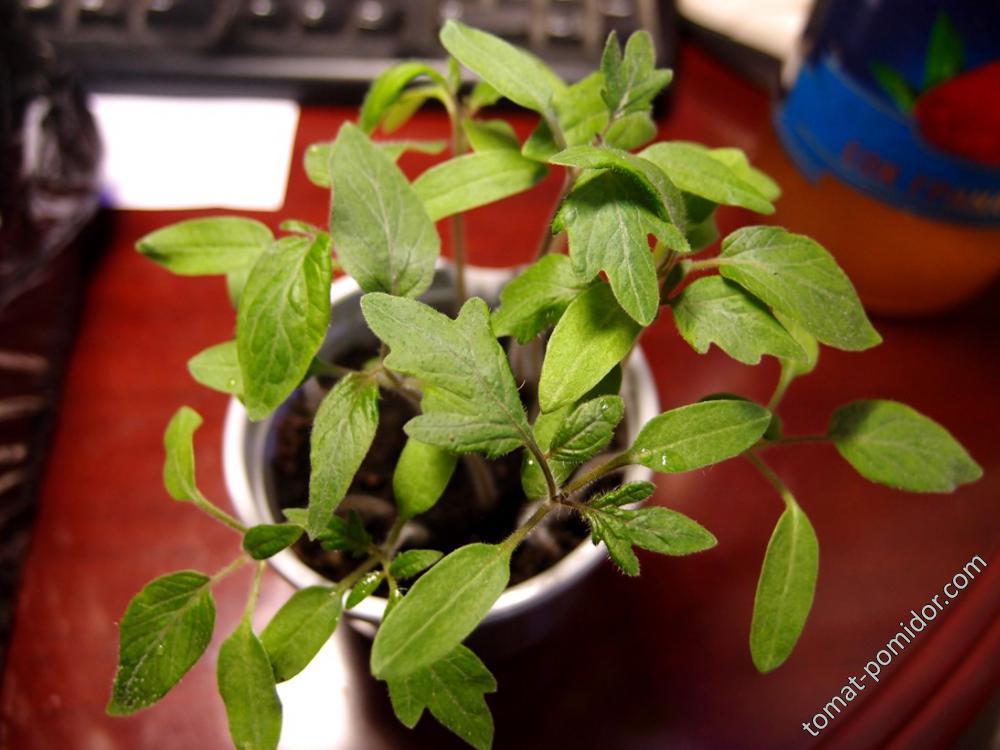
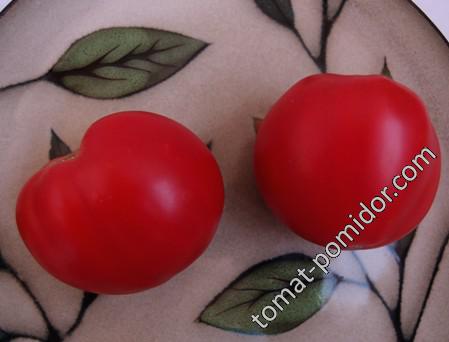
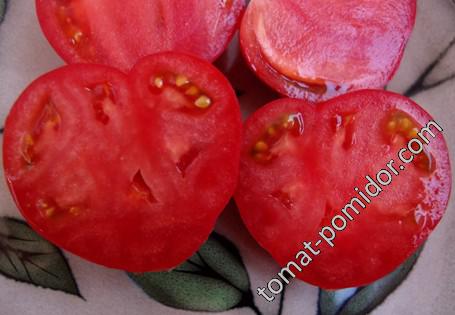
Which one is supposed to be the ‘true’ type?
Serg wrote:
Which one is supposed to be the ‘true’ type?
Sergey, true type has regular foliage ✉️✉️✉️✉️
Mila wrote:
Sergey, true type has regular foliage ✉️✉️✉️✉️
😢 😢 😢
Olya Pskovishna wrote:
Uh oh, all three of mine popped up with potato leaf… 🙁
Olga! At least I had a shot at salvation! 🙁
IrinaA wrote:
Where does it say that regular leaf is the only correct one?
Look at Elena’s seedling flat photo, clearly potato leaf there too.
IrinaA wrote:
Where does it say that regular leaf is the only correct one?
Check the historical profile at Tatiana’s TOMATObase:
https://tatianastomatobase.com/wiki/Russian_117
Leaf type: regular leaf.
What y’all are growing is basically an unreleased new spin-off: Russian 117 Potato Leaf 😃
Recently ran across a catalog note that literally read: ‘…foliage regular, potato type.’ Guess depending on who writes it, potato leaf is considered regular somewhere!
I originally ordered my seeds from Tanya Kouchnareva. In year one, foliage matched the description 100%. In year two, planting out seeds saved from my own fruit, seedlings segregated into regular leaf and potato leaf. Feedback from last season showed growers who bought seeds from Valentina Redko ran into the exact same story.
My take: the line is segregating. Sow extra seeds and select for standard foliage if you want true to type. In 2015, my potato leaf vine set fruit later than the regular leaf plant. The tomatoes on the potato leaf vine were pinkish-red rather than scarlet red. Flavor was pretty much identical.

Serg wrote:
Potato leaf it is then! 😃 Tossing healthy starts would be a sin. Just wish seed catalogs broke down leaf variation ahead of time.
Sergey, don’t you dare toss them 😜
Last year I had German Giant show up with both potato leaf (true type) and regular leaf. Managed to plant the regular leaf start inside the greenhouse and the true potato leaf outside. That rogue regular leaf plant was an absolute beast of a producer 👍👍👍👍 Named it my ‘ultimate happy accident’ 😋😋😋😋😋😋 You’re gonna do just fine with those starts 👍👍👍👍
ElenaN wrote:
My take: the line is segregating. Sow extra seeds and select for standard foliage if you want true to type.
Lena, an established, older heirloom shouldn’t just destabilize on its own. It’s far more likely an accidental bee pollination with an adjacent potato leaf variety slipped into the pedigree somewhere. What people are growing now isn’t 100% original Russian 117.
Drosera wrote:
It’s far more likely an accidental bee pollination with an adjacent potato leaf variety slipped into the pedigree somewhere.
Svetlana, that could very well be true. That means the outcross happened back in Canada, because both Valentina Redko and I bought seeds from Tanya the exact same season and ended up with the identical segregation.
Also confused by the descriptions: folks write red, pink… but my packet is labeled Orange Russian 117 😜 So which one is supposed to be correct?
Serg wrote:
Out of three sprouts, two have potato leaf foliage, so I kept those two… Which one is supposed to be the ‘true’ type?
Hey Sergey! Last season I ended up with one of each. Put the ‘proper’ regular leaf plant inside the high tunnel and it flopped, produced sour, tiny ping-pong balls. Meanwhile, the rogue potato leaf went outside into the open garden beds and cranked out massive, gorgeous, true-to-form oxhearts. The line definitely split, so try it out yourself. This year my lone Russian 117 sprouted potato leaf again.
Plena wrote:
Both turned out delicious, but the potato leaf plant actually gave slightly larger tomatoes and better overall yield.
Elena, I sowed seed saved from your stock this spring and got a potato leaf plant 😉 Keeping it and planting it straight into the high tunnel 🙂
elena1984 wrote:
Elena, I sowed seed saved from your stock this spring and got a potato leaf plant 😉 Keeping it and planting it straight into the high tunnel 🙂
Lena, my seeds were harvested from a regular leaf vine originally sourced from ElenaN 🙏 Kept saving from the true-to-type regular vine, and ran the potato leaf as a side trial. It was a really good trial though!
elena1984 wrote:
The line definitely split, so try it out yourself. This year my lone Russian 117 sprouted potato leaf again.
Thanks Elena! Read your garden journal notes on it. Keeping the starts, growing them out, and I’ll post photos and updates 🙏🙏🙏
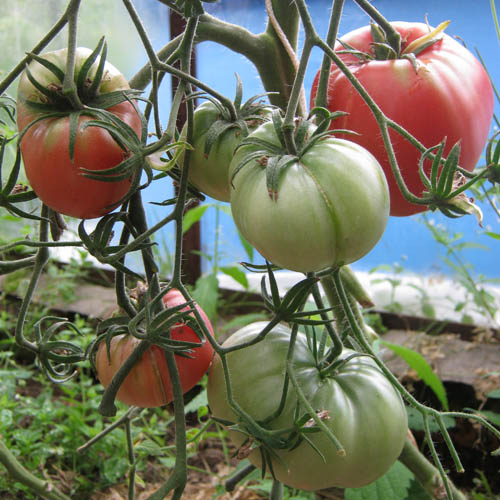

Top-dressed wood ash twice and fertilized with potassium sulfate, but no luck. It breaks my heart because the tomato is incredible, but it just doesn’t cooperate with my soil 😢
Last year I grew two plants with regular foliage from seed ElenaN sent 🙏 Collected seeds, planted three this spring, and all three came up potato leaf.
Classic 3:1 Mendelian ratio where regular is dominant and potato leaf is recessive, though with micro sample sizes like 3 seeds you won’t see the exact statistical split.
Full Summary: Russian 117 Plant Habit, Yield, and Leaf Variations
- 🌿 Plant & Growth Habit: Indeterminate vine growing 6-7.2 ft (1.8-2.2 m) under greenhouse cover and slightly more compact outdoors. Foliage is traditionally regular leaf (RL), but an active potato leaf (PL) segregation is widely circulating. Responds exceptionally well to being trained to two leaders.
- 🍅 Fruit Character: Large, flattened, double or fused hearts weighing anywhere from 12 oz up to 17 oz (484 g) and beyond. Solid, meaty flesh with minimal gel, small seed cavities, and a rich, sweet, classic beefsteak punch. Potato leaf variants often lean pinkish-red rather than deep scarlet.
- 📈 Yield: Exceptionally high. Sets full trusses without dropping blossoms in high tunnels. Open-ground plants can yield up to 14.3 lbs (6.5 kg) of ripe fruit plus late green harvests off a single vine.
- ⚠️ Nutrient & Shoulder Management: Susceptible to yellow or green shoulders under intense heat or in potassium-deficient soils. As noted by Galina, standard wood ash and potassium sulfate amendments may be required in heavy or cold soils to ensure uniform ripening across the shoulders.
- 🌎 Grower Climate: Thoroughly proven across USDA Zones 3b, 4, and 5 (Northern Russia, Urals, and Siberia to Kazakhstan), making it a top-tier large oxheart slicer for short northern seasons.
Originally brought to widespread attention by the late heirloom seed saver Chuck Wyatt and documented by Seed Savers Exchange, Russian 117 is historically an indeterminate, regular-leaf (RL) red oxheart.
The persistent appearance of potato-leaf (PL) plants throughout Russian seed lines traces back to heterozygous parent stock shared among major seed collectors. Because the gene for potato foliage is recessive, cross-pollination by bees in open trial gardens can remain silent until F2 seed produces the classic 3:1 Mendelian split observed here.
Note: Russian 117 should not be confused with Orange Russian 117, a distinct regular-leaf red/yellow bicolor oxheart bred by Jeff Dawson by crossing Russian 117 with Georgia Streak.