📌 Quick Summary (TL;DR): Budenovka
- 🌍 Origin: A legendary, classic Russian heirloom. The name translates to “Budenovka”, which was a distinctively pointed, historical Soviet cavalry hat—perfectly describing the shape of these pointed oxheart tomatoes.
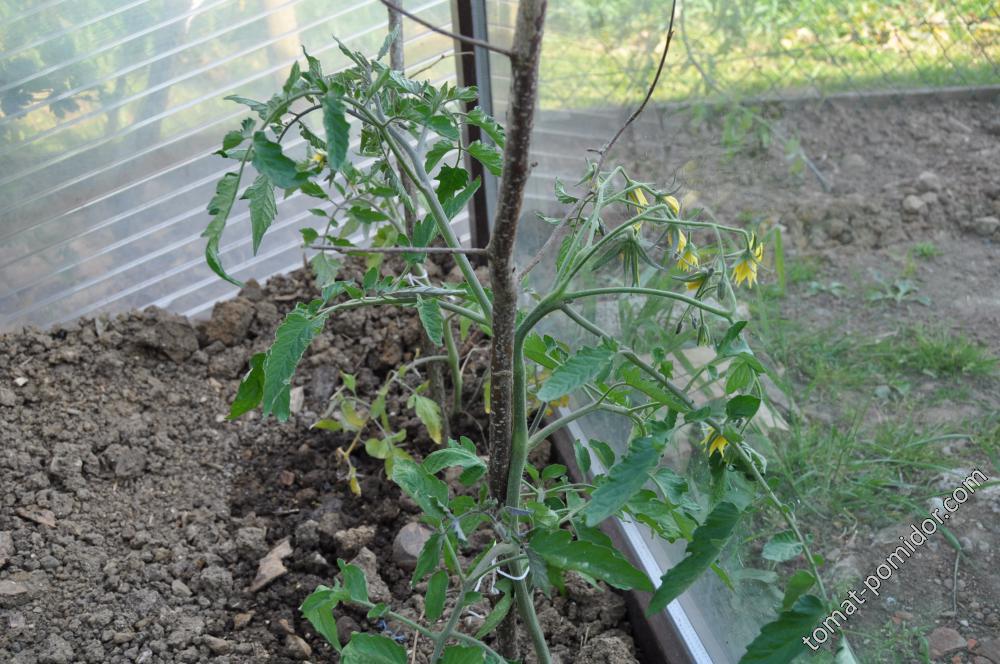
- 🌿 Plant Habit: Indeterminate (though sometimes acts semi-determinate depending on the seed line), usually reaching about 5-5.5 ft (1.5-1.6 m) tall. It has classic oxheart genetics: very wispy, spindly foliage. The plant often looks weak or “sad”, but this is entirely normal! Because of its skinny profile, many Russian growers plant them “two per hole”.
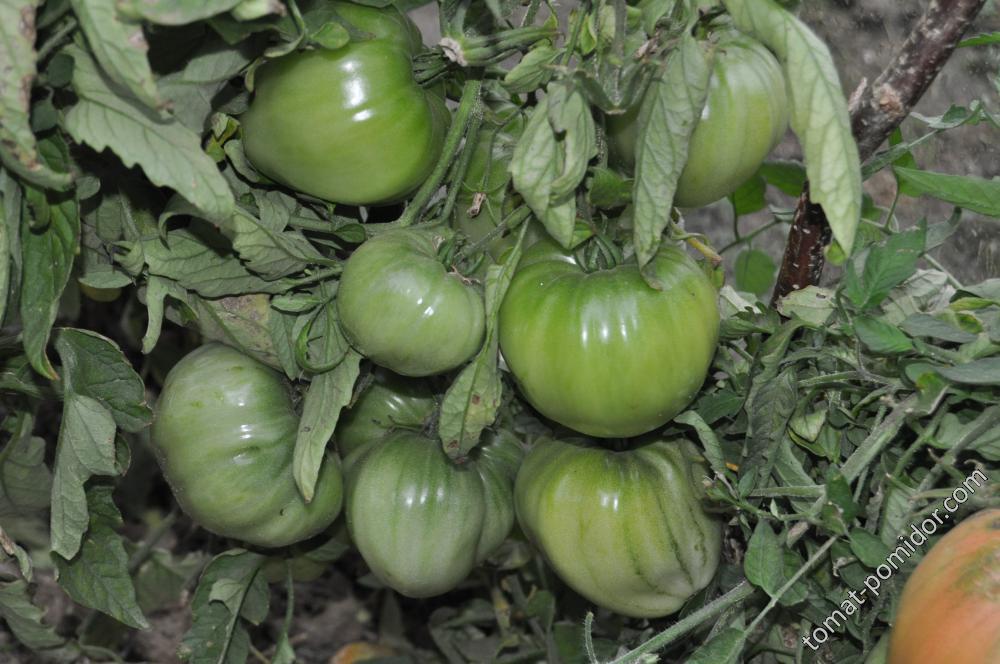
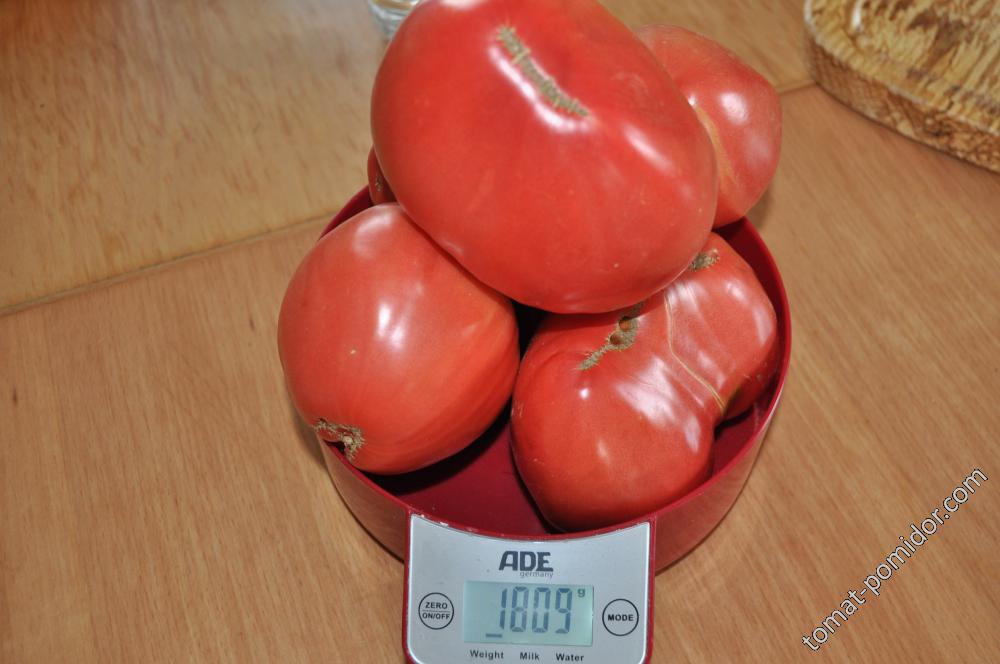
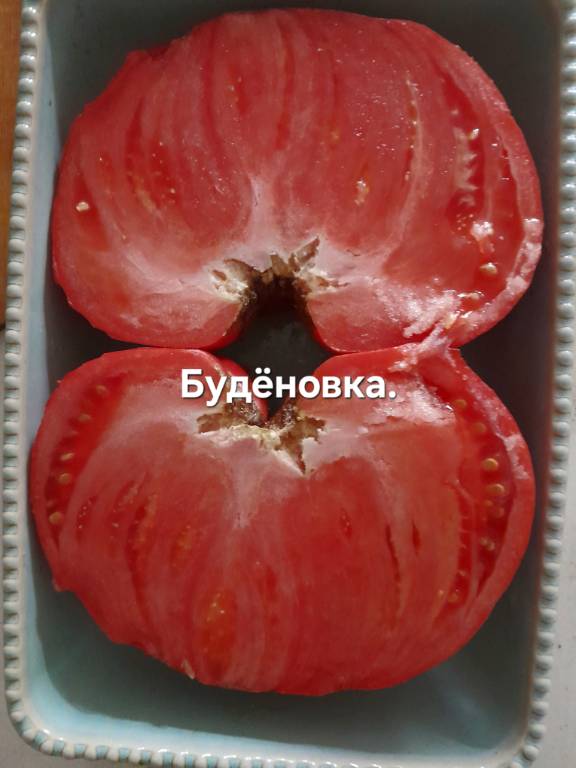
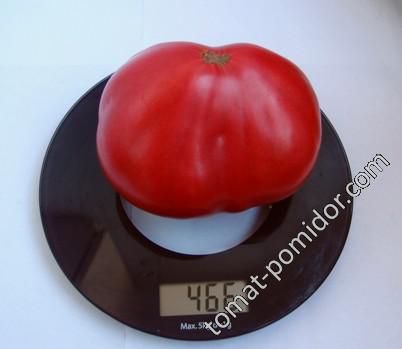
- 🍅 Fruit Characteristics: Large pink or red oxhearts (depending on the commercial seed vendor) with a distinctive pointed tip. They are extremely meaty and contain very few seeds.
- 👅 Flavor: Highly praised for a perfectly balanced, very sweet, old-fashioned tomato flavor. It is not prone to yellow shoulders.
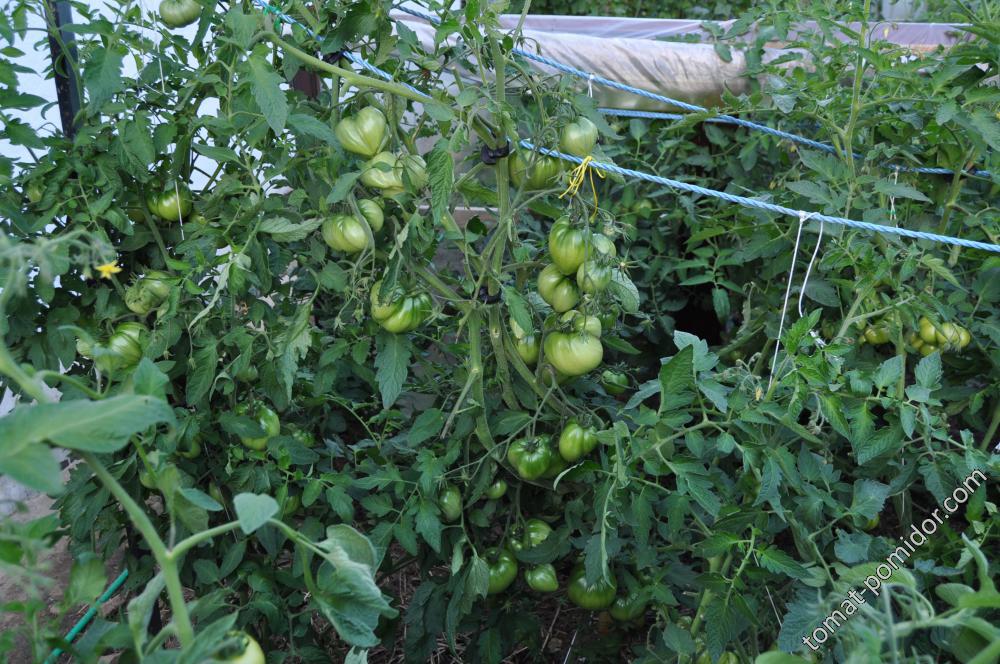
- ⏳ Yield & Growing Traits: A heavy yielder that produces massive, sprawling fruit trusses. These trusses require extra support so they don’t snap under the weight. It is known for excellent heat tolerance and rarely drops blossoms.
I got my seeds from a St. Petersburg collector, Suvorov.
I really liked the variety. It definitely made it onto my “must-grow” list.
The bush is very weak-looking — a thin main stem and sparse foliage. I had to tie up not only the stems but also the trusses, because each truss was holding 5-6 fairly large fruits.
I planted them “two plants per hole”. This variety is perfectly suited for dense planting like that because of its spindly, wispy habit.
Edited January 29, 2015 by Drosera
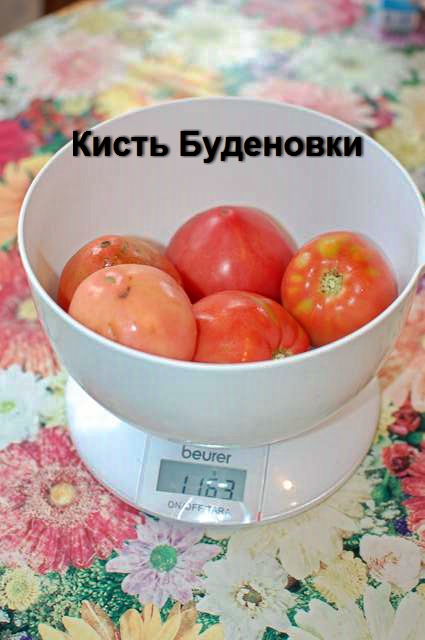
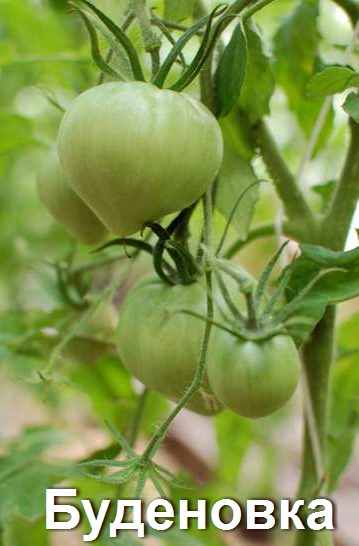
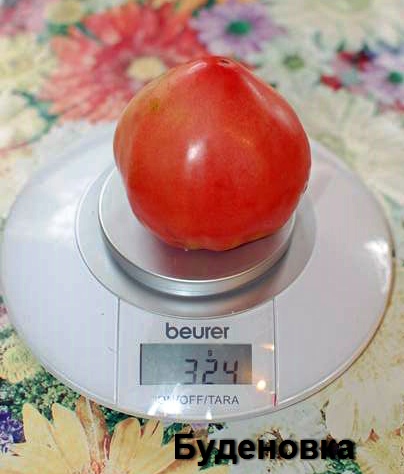
I grew Budenovka a bit later on, and I really loved its foliage! I fed it with fish meal since the soil in that spot was poor. The first and second trusses set and plumped up beautifully, but after that, the heat waves caused the blossoms to dry up and drop.
It’s tasty, but I have to say one thing: it seems to me that because of its thick or dense skin, the extreme heat altered the flavor of the flesh, not in a good way—it tasted almost slightly overripe or stale. I don’t know, maybe it was just my imagination. Or maybe it’s because they took so long to turn red; Cardinal did the same thing to me, hanging green on the vine for a month without ripening. Though Cardinal’s taste wasn’t affected like that.
Other than that, the bushes were powerful outdoors in open ground. Sure, they started off a bit spindly, but these beauties really stood out eventually.
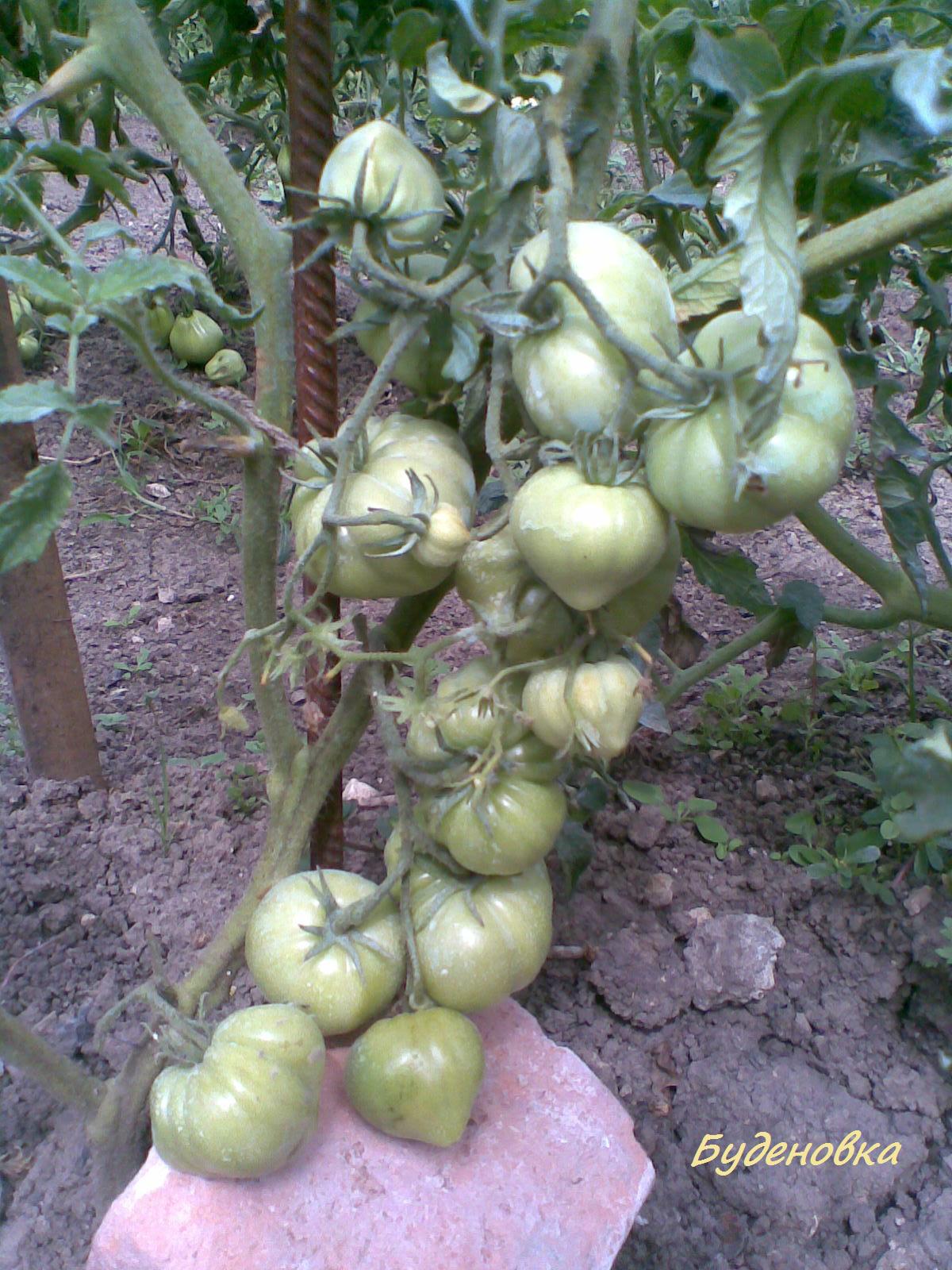
I’ve stayed loyal to the Budenovka variety for many years. It is an extremely prolific, heavy-yielding variety.
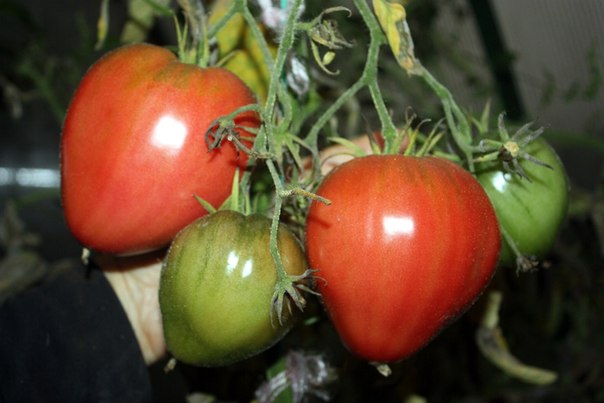
I used seeds from “Plasma Seeds”. Planted 2 bushes; one gave me round fruits, but the other looked like the true “Budenovka”. I liked them both for their flavor and their yield.

I’ve been growing Budenovka from my own saved seeds for a long time (about 10 years)… I don’t even remember which seed company I originally bought them from. I love it for its taste! 😋
But in 2013, it gave me a surprise… and an unpleasant one. The yield was standard. The size, taste, and quantity of the fruits were the same as always, but… they were practically seedless (which had never happened before). I could barely scrape together 5 seeds from the largest fruit. Along with a few mature seeds, there were tiny unfertilized seed embryos the size of semolina grains. What was that, and what caused it? Some people said the variety is degrading because I’ve been planting it for so many years without refreshing the genetics… Others blamed the weather… Is there any way to avoid or prevent this?
Good old Budenovka 👍. I’ve been growing it since 1988. It never lets me down. It’s an indet, with very wispy foliage, and fantastic productivity. Heart-shaped, pinkish-red fruits with very few seeds. Meaty and delicious. This year it surprised me with significant sweetness, even though it’s usually not overly sweet 😉.
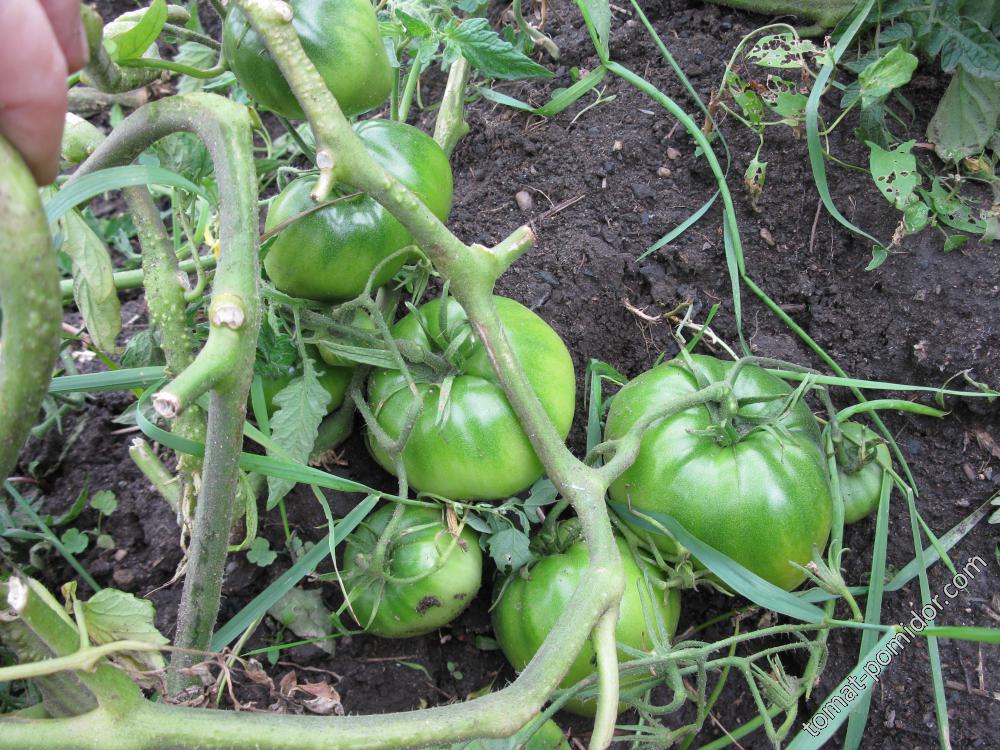
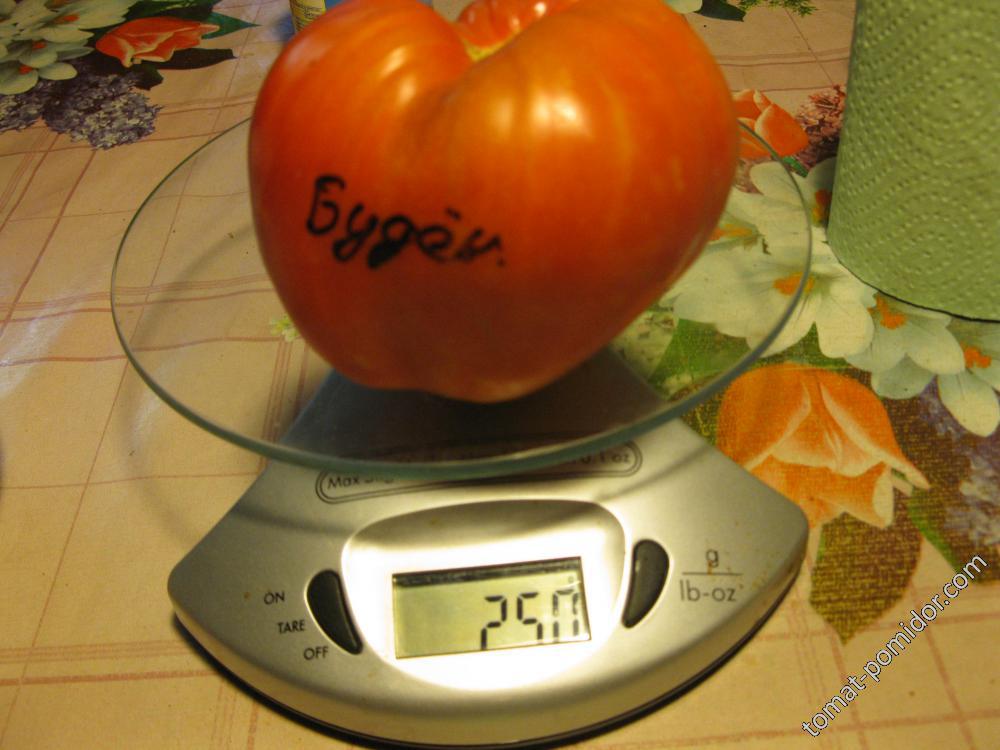
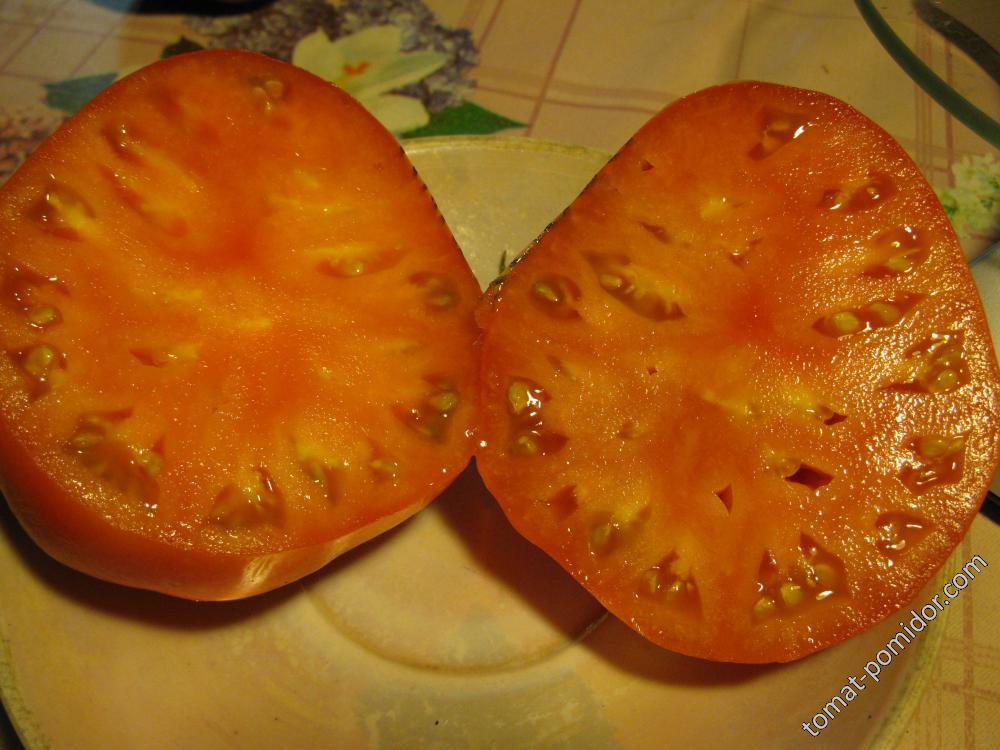
Boys and girls, should I prune Budenovka to two stems?
Yes, Marina, it’s better to keep it to two stems, the fruits will get much larger 🍅👍.
I’m growing two versions of Budenovka this year. One is from a commercial store-bought packet, and the second one was promised to be a genuine 1950s strain, sent to me by someone on Odnoklassniki.
From the 50s? Now that sounds interesting.
Marina 111 wrote:
From the 50s? Now that sounds interesting.
I’ll be comparing them side-by-side this summer; the photos of it looked absolutely gorgeous!
I finally got around to growing Budenovka. If we hadn’t talked about it on the forum, that seed packet would still be sitting in my stash. I sowed and transplanted it late, so I only have blossoms right now. The flower trusses are impressive—ALL of them are huge and sprawling, on every level.
Seeds are from the originator (GISOK company).


Svetlana, how tall is it getting for you? In the greenhouse, pruned to 2 stems?
Zulfiya, I need to check, I don’t remember the exact height or the number of stems 🙈. I think the greenhouse one is still under 3 feet (1m), and the outdoor one is definitely shorter than that.
Let’s wait until the end of the season. When Budenovka first appeared, GISOK introduced it as a determinate, but later on, Aelita registered it as an indeterminate.
Last year I grew Budenovka from Aelita and from Ural Dachnik in the greenhouse. Both maxed out at no more than 5.2 ft (160 cm) tall. The plants looked similar, but the fruits… well, judge for yourselves.
Budenovka from Aelita:
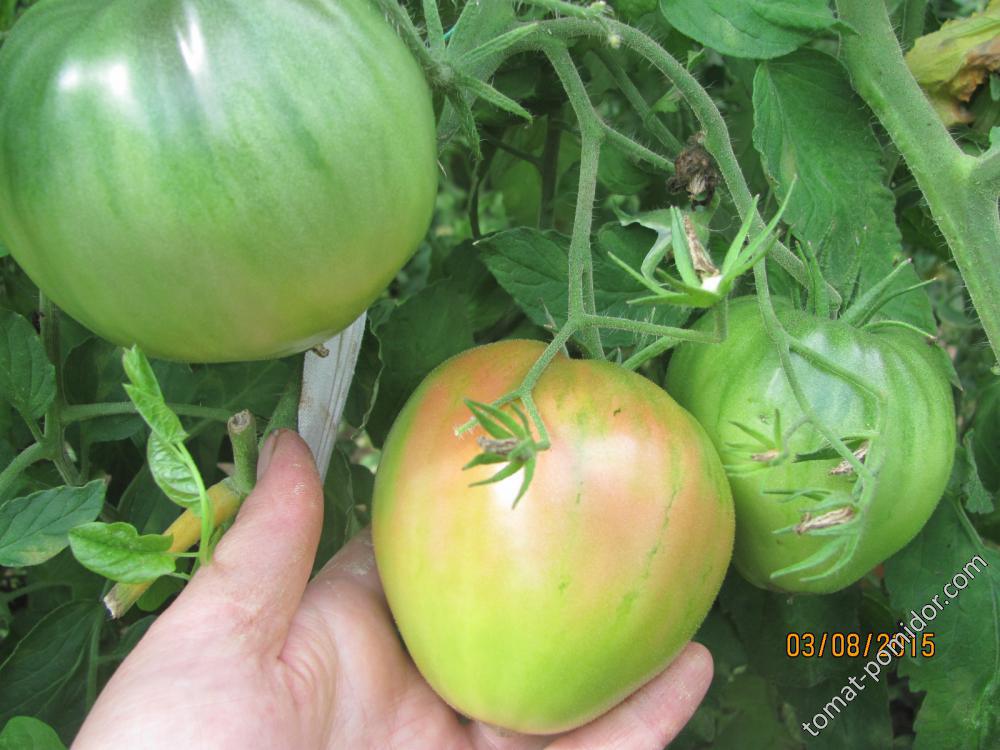
(Lost my other photos on my old computer 😞, but the ripe fruits were pink).
Budenovka from Ural Dachnik:
You can clearly see the color and shape here 🙂
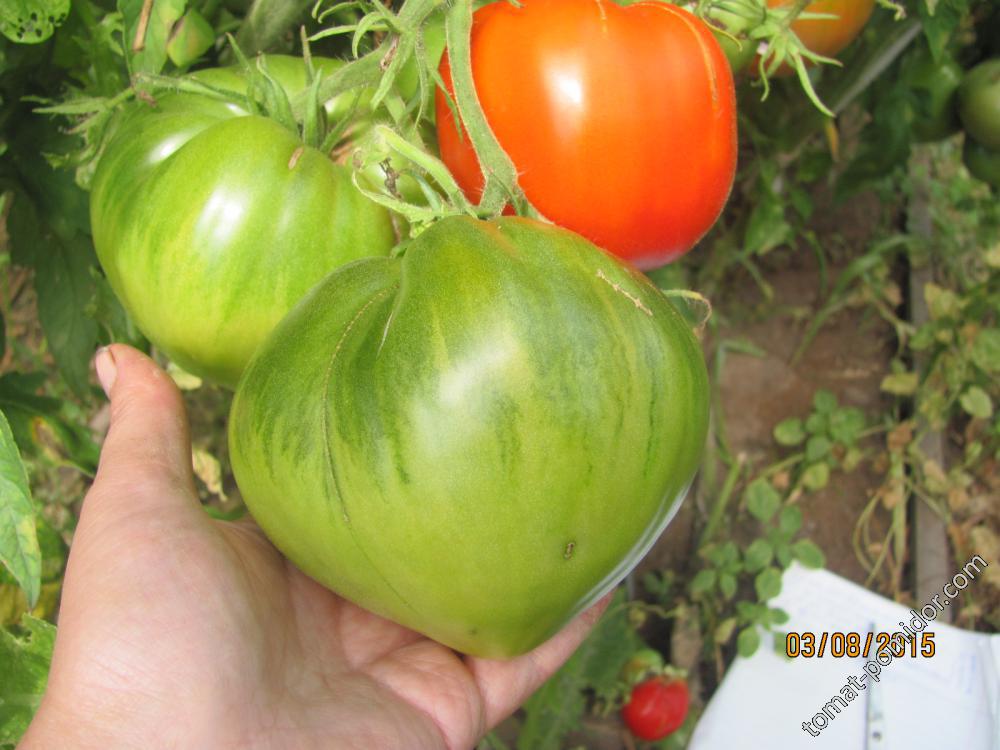
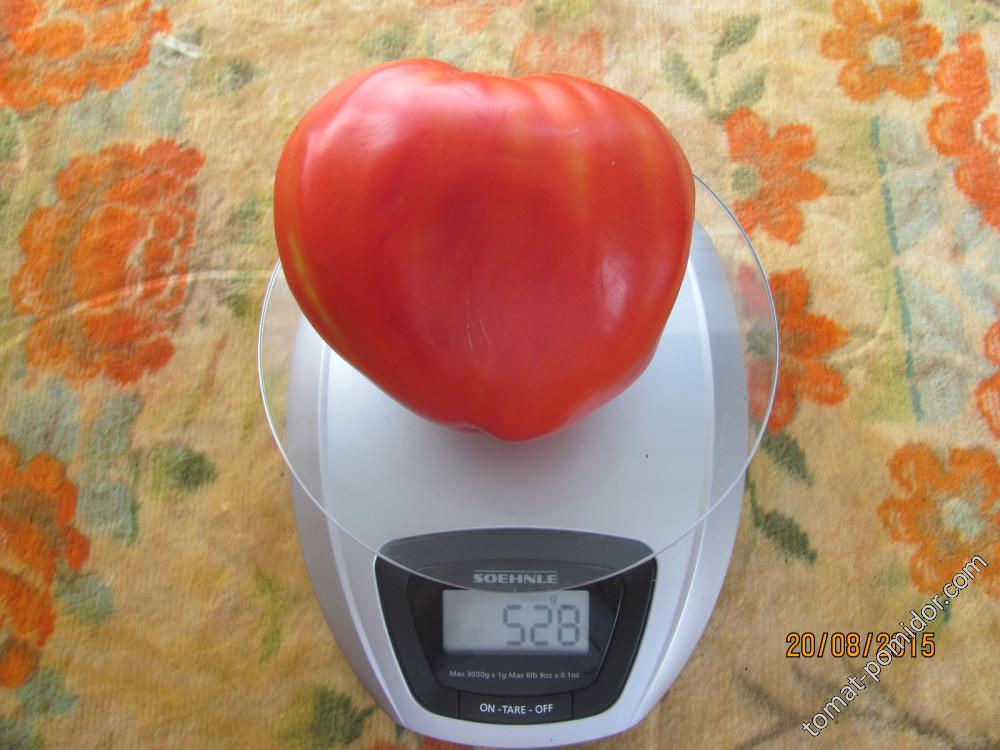
Now about the characteristics of this variety—whether the pink or the red version, both are incredibly heavy yielders! 🍅 It just so happened I didn’t prune the suckers in time, and I didn’t have the heart to cut them off once they set fruit 🙈, so I just topped them (pinched the growing tips) and let them grow 🤫. Both plants fully ripened the entire huge crop! 🎉
I also consider this variety to be very heat-tolerant; it doesn’t drop blossoms, all the flowers set, and there were no unpollinated “buttons”—they all plumped up into full fruits.
Another important trait for me (especially for red tomatoes!) is a dominant sweetness. Well, the red Budenovka has plenty of it! 😋 As for the pink one, its flavor is more balanced and didn’t fluctuate throughout the season.
I should also note that the variety isn’t particularly demanding regarding potassium; it doesn’t get yellow shoulders.
This year I’m repeating the red Budenovka. Like Sveta, I sowed it late, but it’s currently setting fruit like crazy. I’ll take pictures tomorrow.
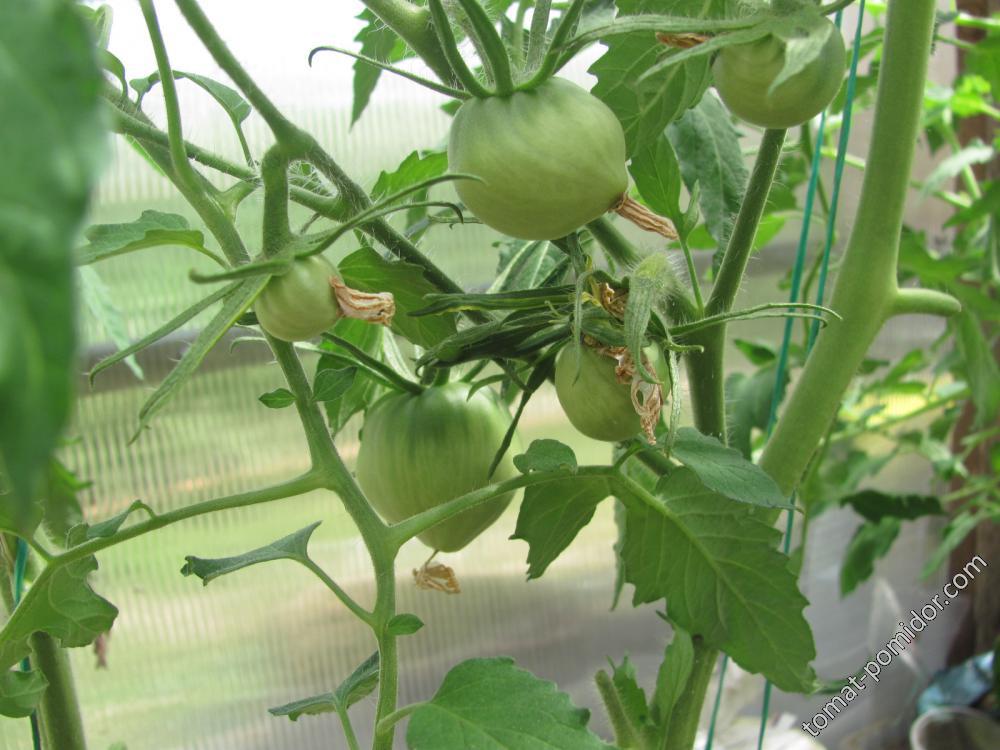
The promised photos of Budenovka.
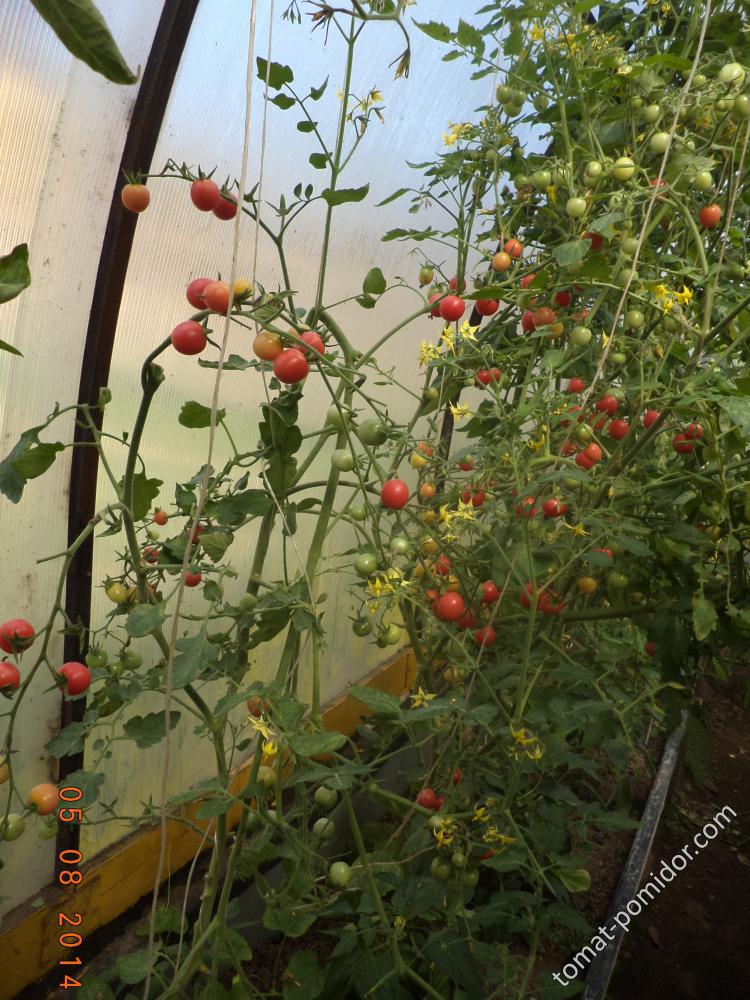
Here you see the 1st and 2nd trusses; the 3rd and 4th are blooming, and the 5th and 6th are in bud.
As I’m writing this, I just realized that this variety practically sets two trusses at a time, and pushes out flowers the same way 👍
This year I planted Mazarin, and someone recommended I try Budenovka instead. Seeds were from commercial packets (I’ll check which brand tonight). Result: both Mazarin bushes were among the first to set fruit (although they did catch some BER, but that’s my fault agronomically—I was fighting Leaf Mold and let the soil dry out way too much). But Budenovka is still taking its sweet time, even though the description says it should be early. While Mazarin looks like the photos above, Budenovka is barely blooming, and the second bush just has a few tiny fruits on the first truss. I sowed both on March 12th, grown on a South-East windowsill with no grow lights.
We’ve been growing Budenovka from Aelita since 2012. The trusses truly are sprawling, and the fruit set is excellent in any weather. In 2015, we had a 2-month heatwave with minimal watering, and from September 15th onwards, cold and rain—it survived it all. The bushes were grown under a hoophouse cover, reaching up to 5 feet (1.5 m) tall. The fruits are large, pink hearts.
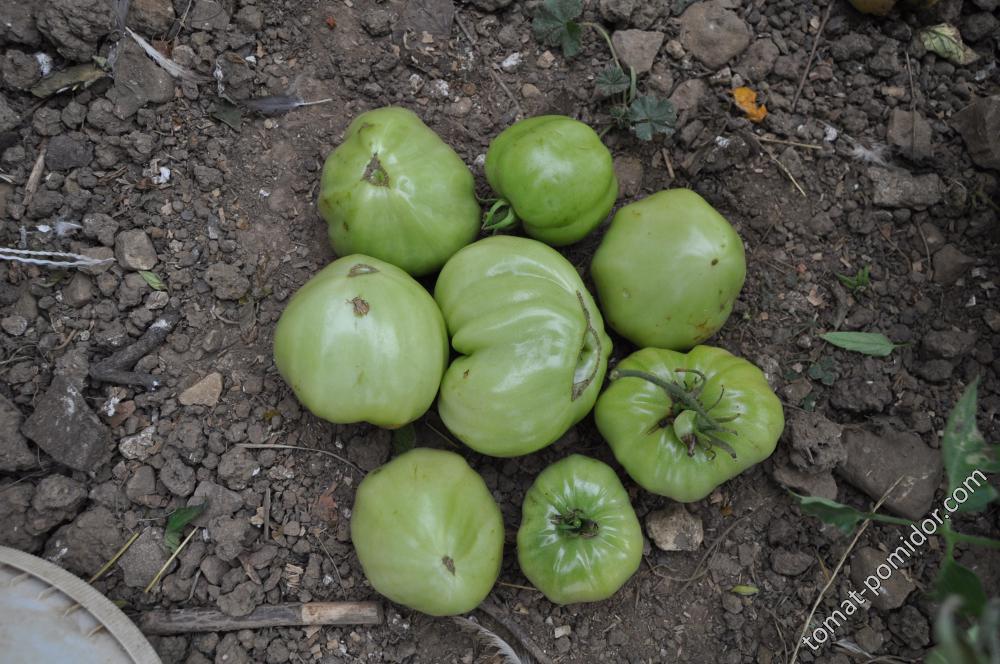
We eat a few fresh in salads when it’s one of the first varieties to ripen (its earliness is obvious), and then everything else goes to juice. This “everything else” phase lasts a long time if you don’t ruthlessly prune the plant; it pulls 3 stems up to 20 inches (50 cm) high, then throws out upper suckers, and finally a couple of lower suckers towards autumn. For the past two years, it sat in rocky soil, as seen in the photo of the final harvest. It yields in waves; in 2014 it gave 2 massive waves, and in 2015 it gave 3 waves.
In open ground here, it can’t show its full potential due to Late Blight (FF), but under cover, it shows nothing but positives.
14th year
15th year
5 tomatoes
October 29, 2015: final harvest, nighttime temps had been dropping to 35°F (2°C) for two weeks.
We saved plenty of seeds in ’12 and ’14. When you’re processing a huge amount of tomatoes into juice, it’s easy to squeeze them all out. I looked into the Aelita packet (someone brought us a 0.1g pack), and there’s an uncountable amount of seeds in there, enough for the whole garden.