📌 Quick Summary (TL;DR): Zyryanka
- 🌍 Origin: A commercial Russian variety from the “Semena Altaya” (Seeds of Altai) company. The name “Zyryanka” references a town/river in northern Siberia, signaling its hardy genetics.
- 🌿 Plant Habit: Determinate (bush). Mid-season maturity. A very vigorous, strong, and wide-spreading plant.
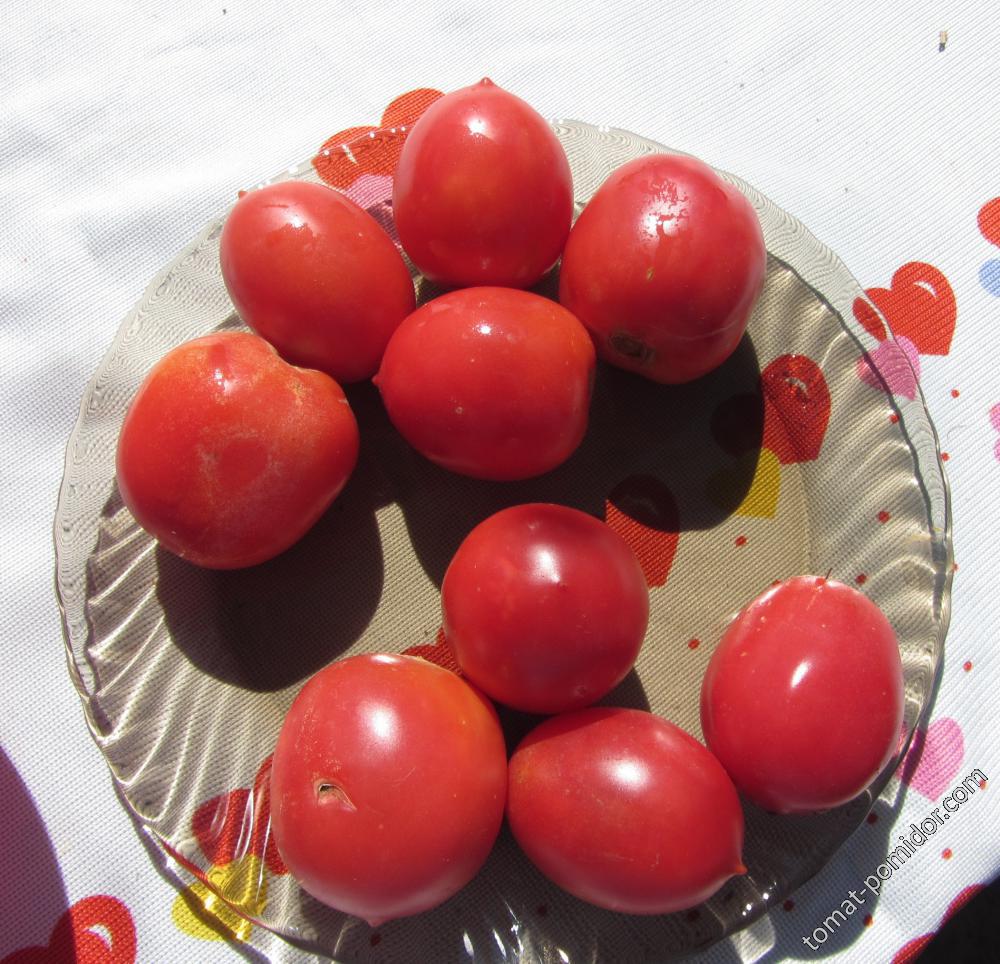
- 🍅 Fruit Characteristics: Red, perfectly round/oblate tomatoes. They are incredibly uniform in shape and size. The seed packet markets them as “large,” but most growers report they stay strictly medium-sized. Excellent resistance to cracking and no green shoulders.
- 👅 Flavor: A standard, classic red tomato flavor. While not a gourmet slicer, its firm texture and uniformity make it an absolute workhorse for canning and processing.
Zyryanka (from the Semena Altaya seed company). The packet claimed they would be much bigger and have an extraordinary flavor. It grew out looking like this, and the taste is just a standard, normal tomato flavor. The fruits are beautiful and perfectly uniform, though not overly large. No green shoulders at the stem, and they absolutely don’t crack.
Determinate, the bushes are vigorous and wide. Mid-season, good yield (the bushes in the garden photos have already been half-picked).
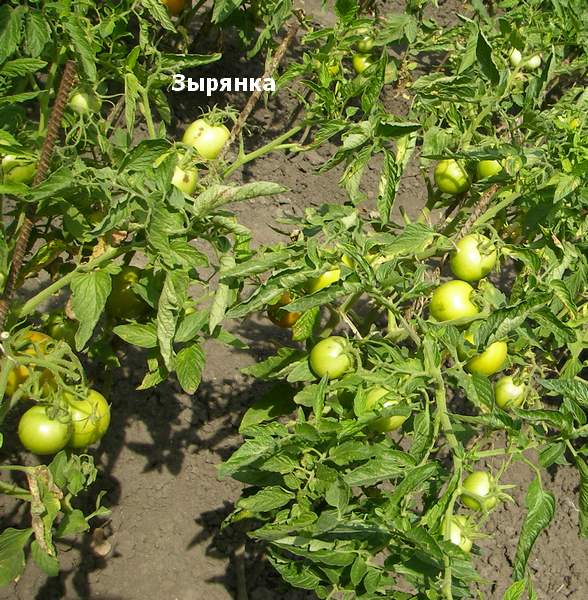
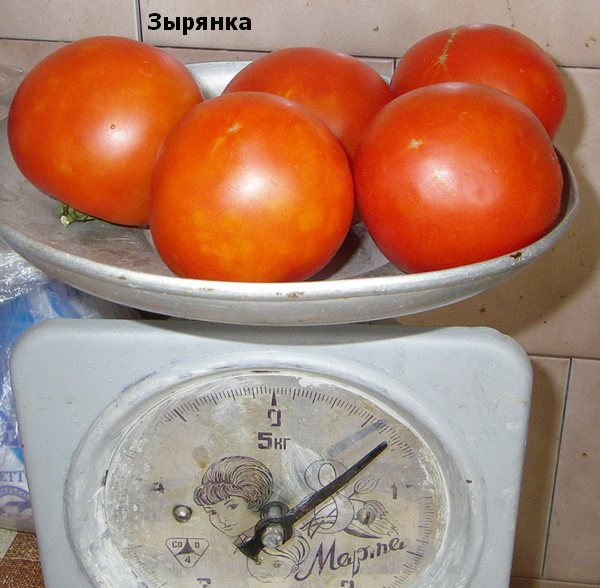
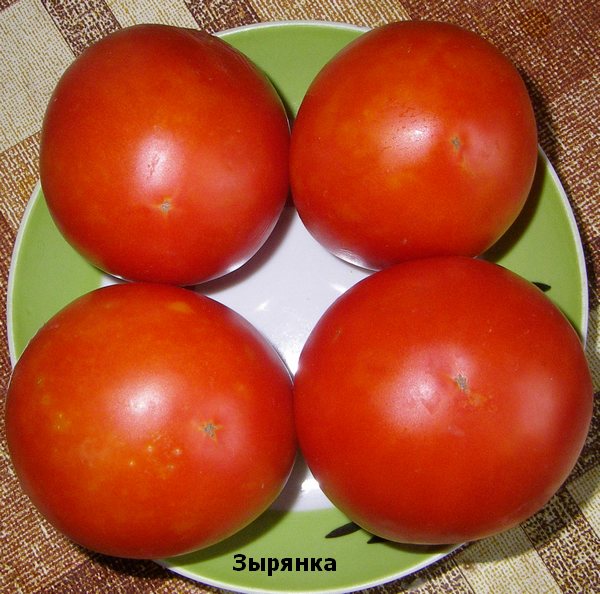
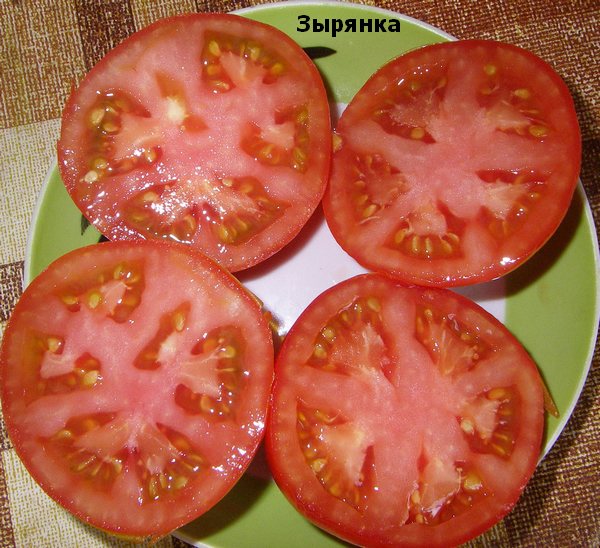
Galya, those tomatoes look like they were hand-picked for a catalog, every single one is the exact same size. 👍
That’s exactly why I liked them. No cracking and a good yield. The flavor is ordinary, but definitely not bad.
Galya, did you try canning them?
I didn’t try, but I don’t see why they wouldn’t be good for it. They’d probably be great for traditional whole-fruit pickling in a brine too.
Galya, one more question, how is the shelf life on these?
I didn’t try to store them long-term, but the ones I left sitting out on the counter to save seeds from didn’t turn to mush immediately.
Thanks a bunch for the answers! 🌸
Seeds were from Galina. It’s not a bad variety. The tomatoes are nice and firm, very uniform. I used all of mine for canning and processing.
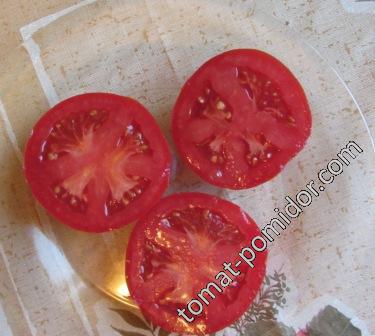
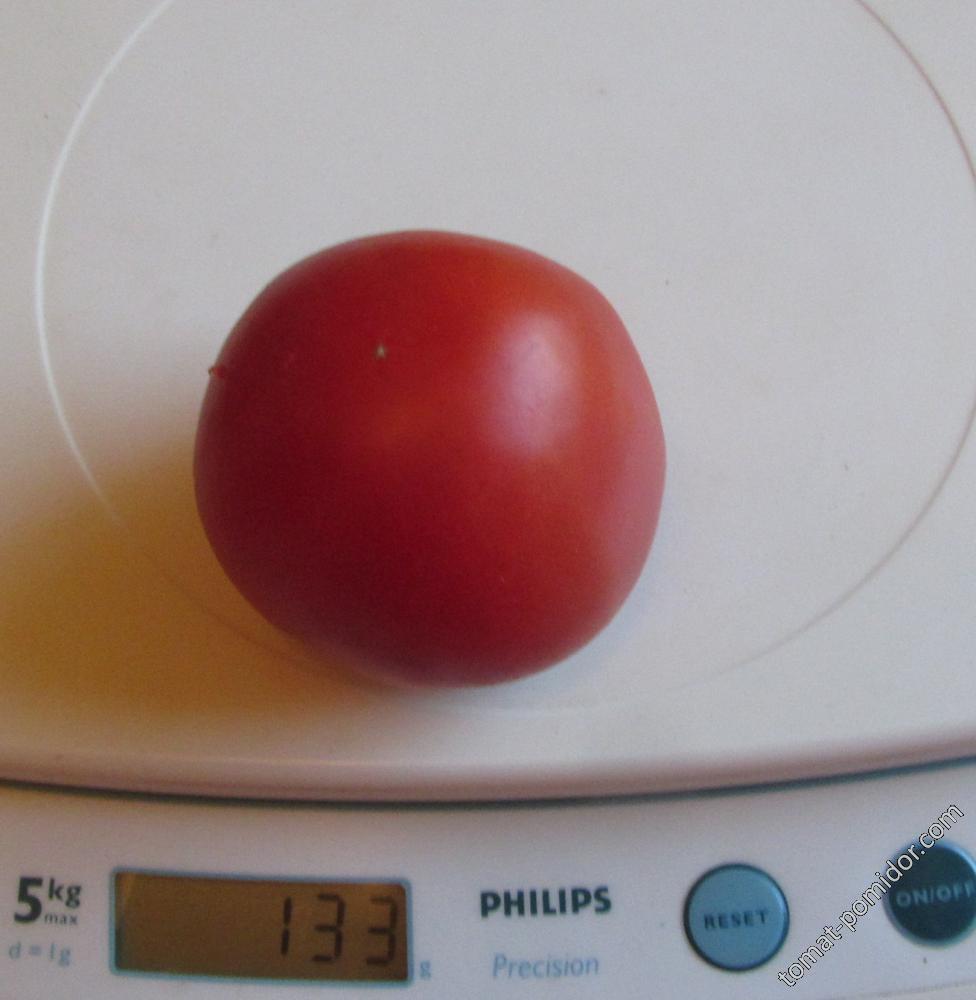
In the first post, Galina notes that the fruits have “no green shoulders at the stem.” Many older heirloom varieties have a genetic trait where the top of the tomato (around the stem) remains hard and dark green even when the rest of the fruit is dead ripe. This requires cutting off the top 20% of the tomato before eating or canning. Modern breeders—and Russian seed companies in particular—highly prize and heavily advertise varieties that have bred this trait out, allowing the entire fruit to ripen evenly!