Quick Summary of Stolypin
- 🌍 Origin: A very famous Russian commercial variety introduced by the seed company “Aelita.” It is officially listed in the Russian State Register of Varieties (added in 2012).
- 🌿 Plant Habit: Determinate (bush). An early to mid-season variety that stays compact but produces heavily. It is widely grown outdoors in open ground, though some grow it in plastic tunnels.
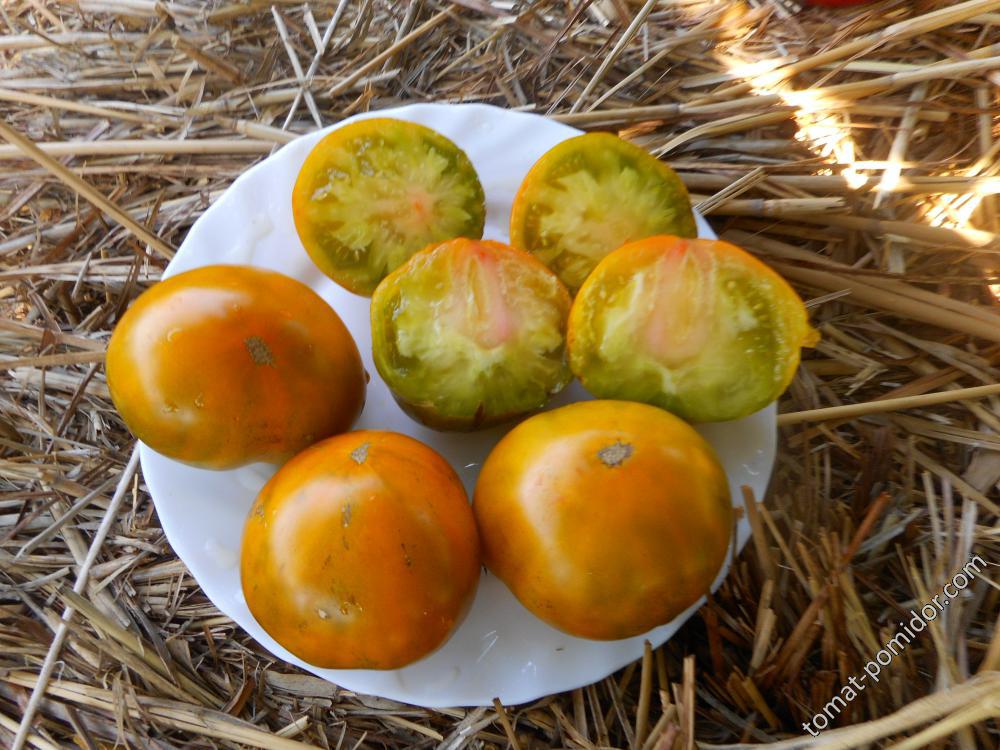
- 🍅 Fruit Characteristics: Smooth, firm, oval/plum-shaped fruits weighing 90-120g (3-4 oz). The skin is notably thick and durable, making it entirely crack-resistant. Note on Color: There is massive debate among growers over whether the true variety is pink or red. The breeder released pink versions early on, but the official State Register now defines it as red!
- 👅 Flavor & Use: Highly debated for fresh eating—some find it sweet, while others find it bland and dry. However, it is universally agreed to be an absolute masterpiece for whole-fruit canning. It holds its shape perfectly in boiling marinades without turning into mush.
- 💡 Disease Profile: The seed packet claims “Late Blight resistance,” but growers clarify that it simply evades the blight by ripening early and having thick skin. Warning: It is highly susceptible to Blossom End Rot (BER) if calcium and watering are not properly managed.
Description from the seed packet:
An early-season, cold-tolerant, determinate variety for open ground. Matures in 95-105 days from germination. The fruits are red-pink, weighing 90-120g (3-4 oz), exceptionally tasty, very dense, and do not crack. An indispensable variety for home canning. The most delicious of all known varieties. Possesses resistance to Late Blight.
Photo by: Natsha / Natalia
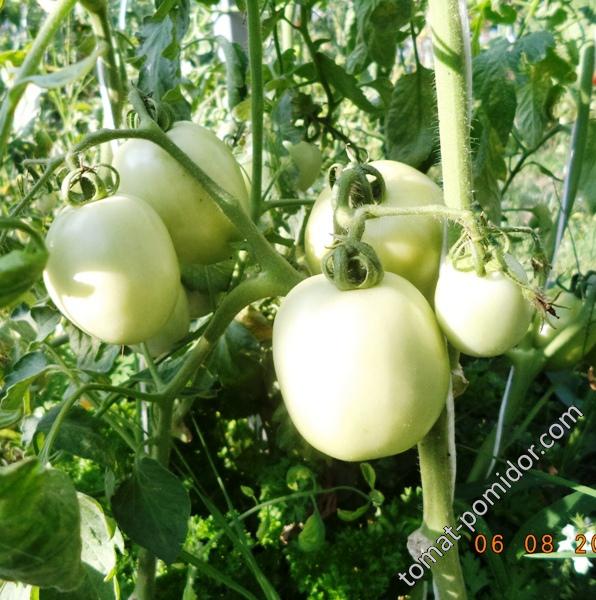
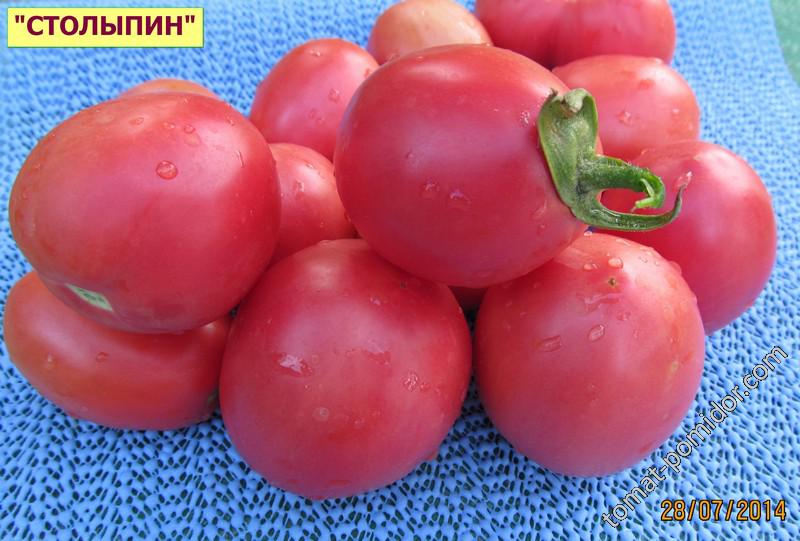
For us, this variety was mid-season. The taste is “dietary,” I would even say bland, completely lacking acidity. But it is fantastic for canning in jars.
It was mid-season for me too, grown outdoors in open ground. Very productive. I planted about 8-10 bushes around 2007-2008, and every single fruit was hit with Blossom End Rot (BER). Nothing helped. If it weren’t for that, it would have been a great little tomato.
It is great in canning jars, and great for freezing. But its predisposition to Blossom End Rot is a huge minus. The worst part is that all preventive measures did little to stop it. Very disappointing…
I bought seeds from the company Aelita. I’m thinking of trying it, but is it worth taking up garden space? How is the yield? And if I plant it out earlier in the season, will it escape the Blossom End Rot?
Lyudmila said:
is it worth taking up garden space?
Lyuda, give it a try. Maybe it will work out for you. I planted it about 5 years ago, before I joined this forum, so I had no idea how to fight Blossom End Rot. If it wasn’t for that infection, the variety is very good, highly productive, the taste is actually quite nice (sweet), and in canning jars it is 👍👍👍!!!
It has become my absolute favorite! Incredibly productive, you could say it was literally showered with fruit. And most importantly—it is hardy. It sat outdoors in open ground and delighted my eyes until the first week of October. I had no Blossom End Rot at all. It went into fresh salads (all through October) and I canned it as well. Although, for my taste, it’s a bit too large for canning jars, I prefer smaller ones.
The tomato is dense, but not dry (like the Red Banana variety). There were no hollow voids inside, and it has a pleasant tomato acidity. It is absolutely perfect for sauces—you don’t have to boil down the liquid for hours. It ripens perfectly indoors on the counter. It is definitely not early-season; it is definitely mid-season.
Here is how my Stolypin from Aelita turned out. Productive, with a very extended fruiting season, and it did not suffer from Blossom End Rot. For canning jars, it is the ideal variety. It does not crack during the canning process and holds its shape perfectly. I will absolutely plant it again, and I’ll try to find the pink version next season.
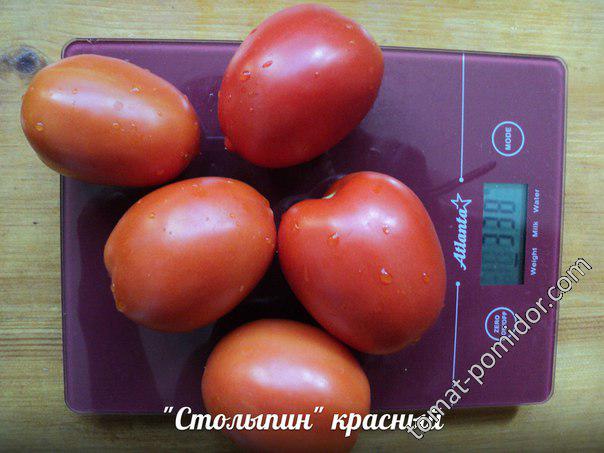
I grew Stolypin from Aelita this season. I liked the variety—no Blossom End Rot, highly productive, very grateful for good care, tasty fresh, and great for canning. I grew it right next to the Kubiki (Cubes) variety specifically to compare them. My conclusion: they are different varieties, even in appearance, but I really liked both! P.S. There was a rumor on the forum that Kubiki and Stolypin were twin brothers—I refute that, they are different tomatoes!
The bucket shows the harvest from just ONE bush of Stolypin (this was the final harvest; a large portion was already picked earlier). In the first photo, the entire harvest has been picked, leaving just the single Stolypin plant in the bed.. taken October 4th.
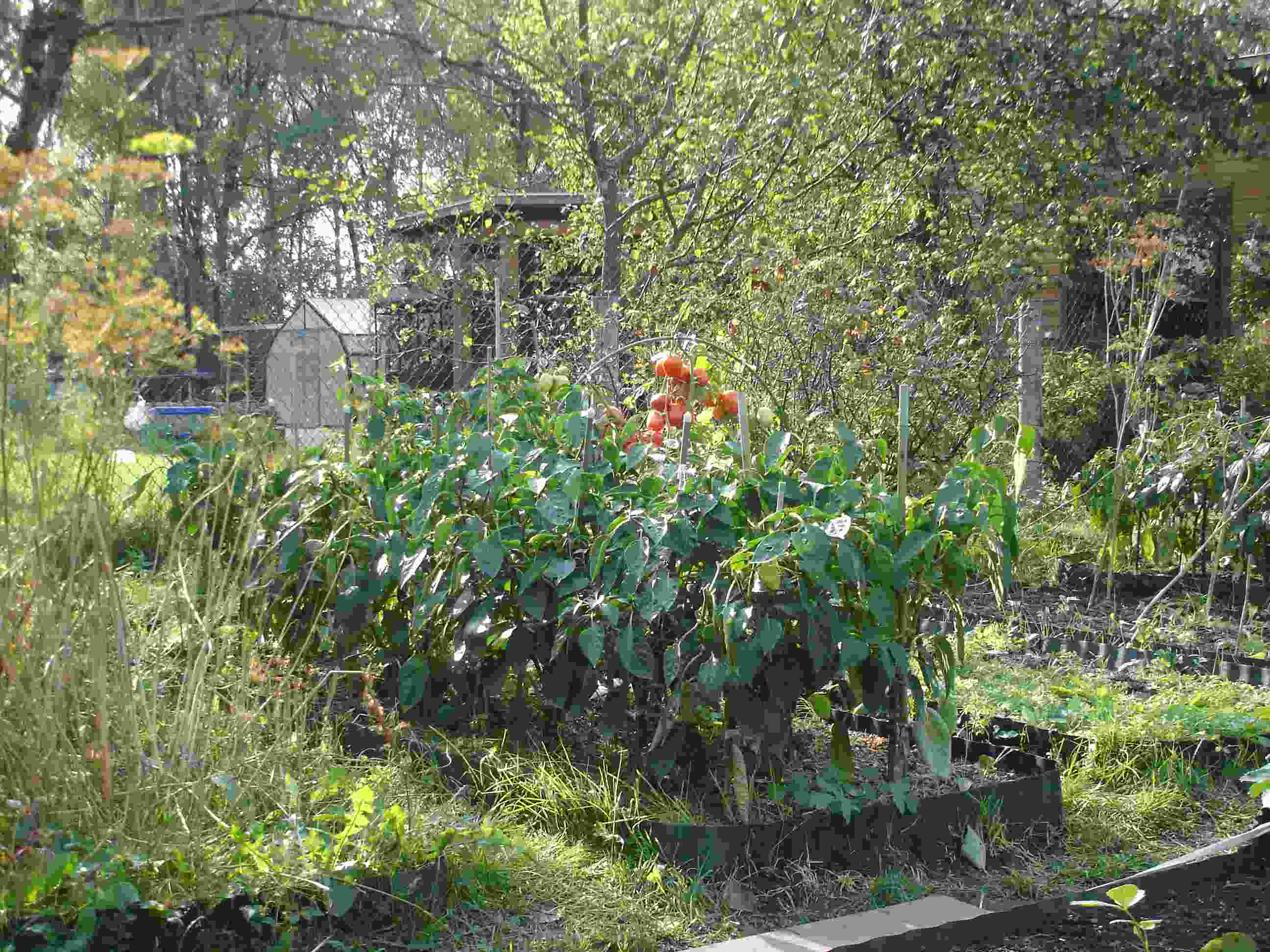
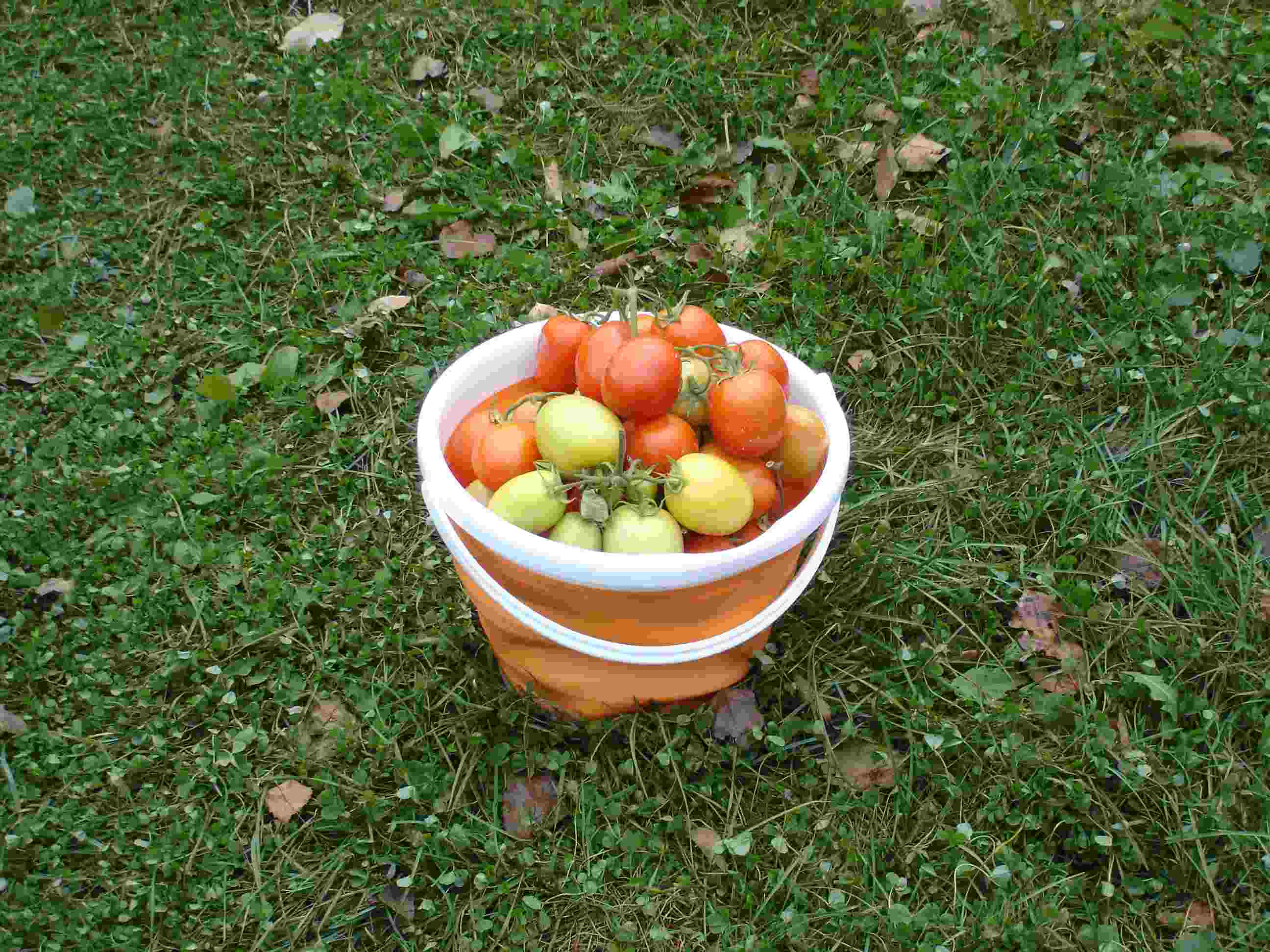
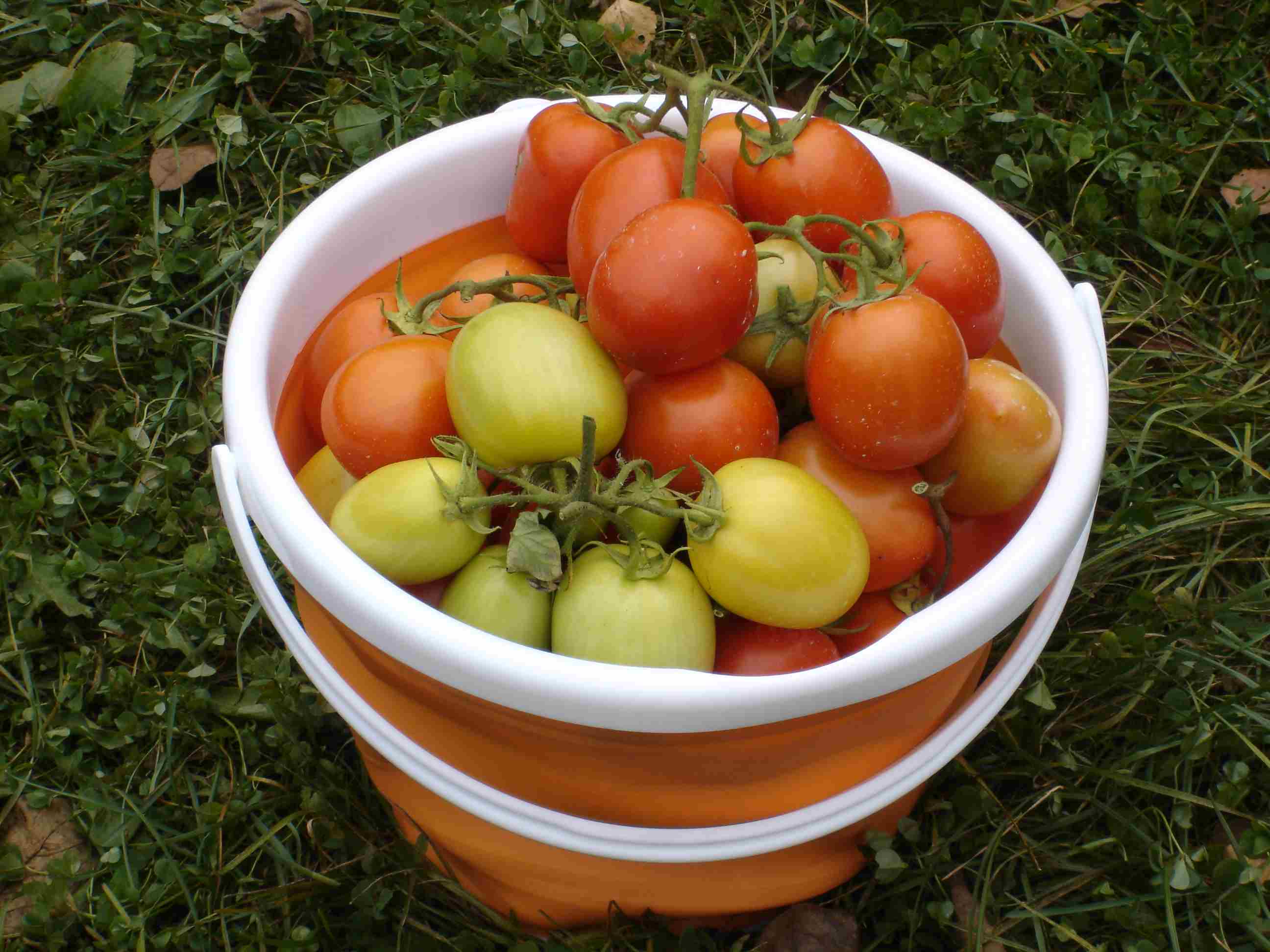
Actually, Stolypin is supposed to be PINK, but if you buy the packet from Aelita, I also experienced a split where some plants produced red and some produced pink. Based on the bush appearance and fruit shape, they are identical, except for the color.
Mine is definitely not pink 😳 I would call it a deep, saturated brick-red. We need to look up the official description in the State Register of Varieties…
In the official description, the breeder states the ripe fruit color is RED. So it is definitely not pink… both in theory and in practice.
I bought seeds for the first time from Aelita in 2009, and the fruits were pink. I grew it from my own saved seeds after that. In 2013, I bought a new packet from Aelita again. The fruits turned out both red and pink; only the color differed, everything else matched perfectly. The fruits have a very distinctive shape and sepals.
I finally understand what happened: Stolypin only appeared in the State Register in 2012, but I have been growing it since 2009. Apparently, back then, Aelita hadn’t firmly decided what color Stolypin was supposed to be!
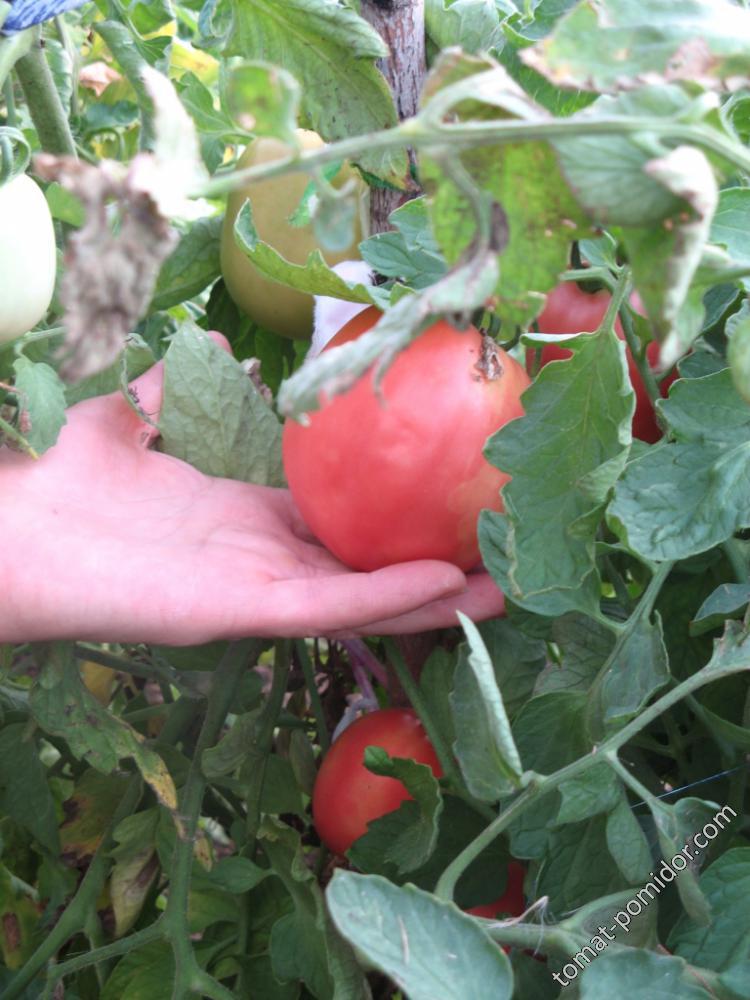
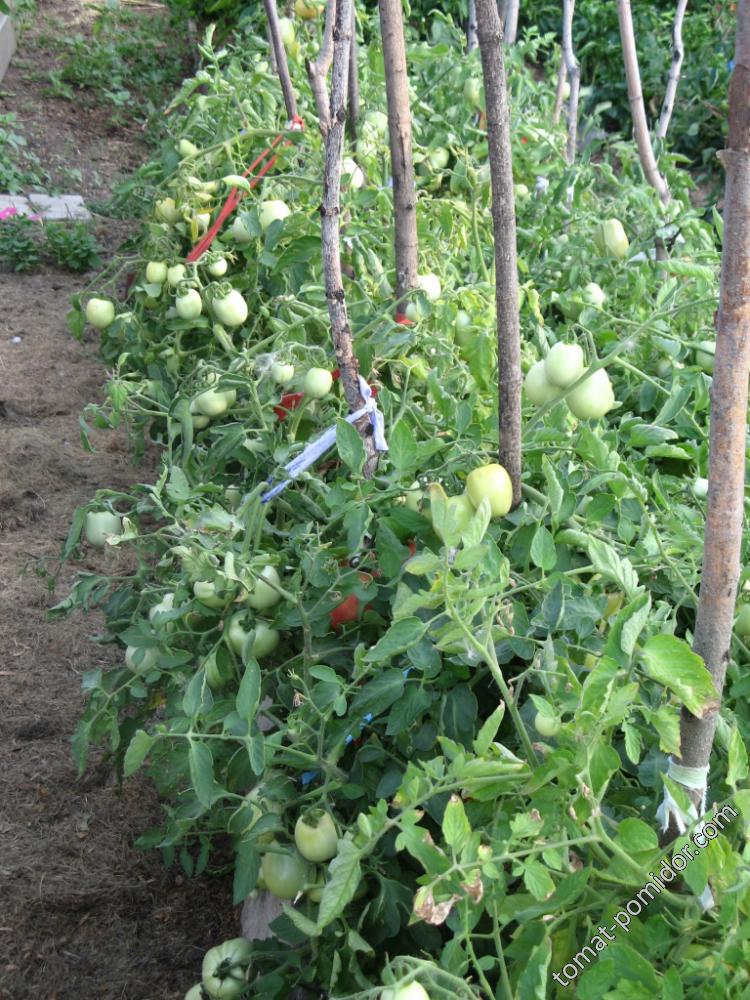
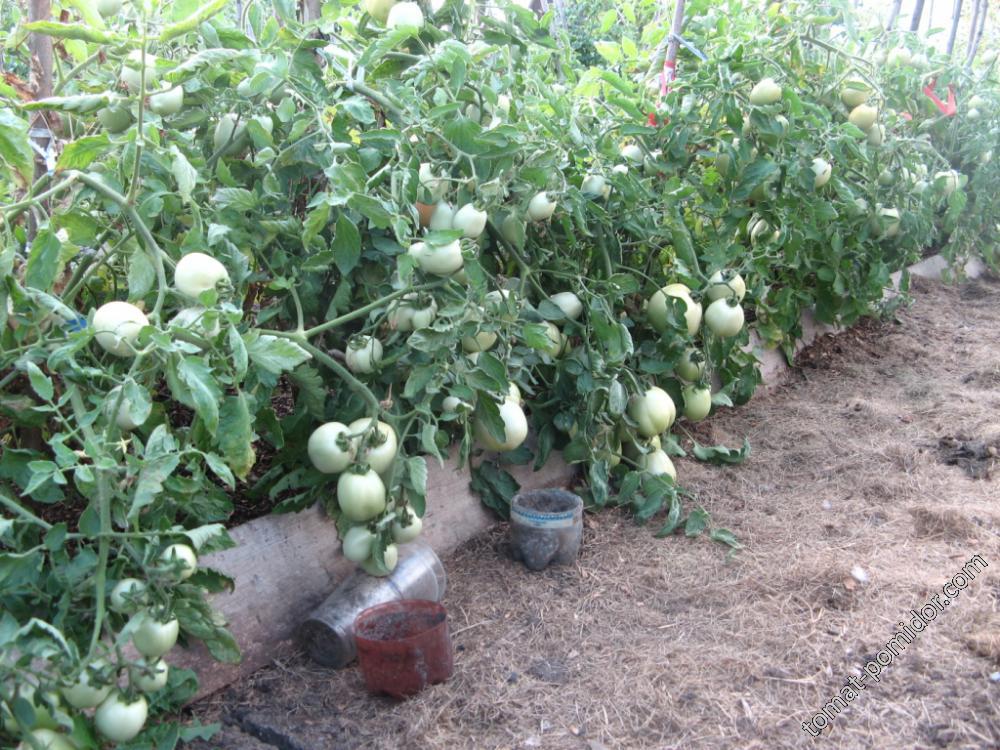
This is not the first variety from Aelita where the original color was changed during the official registration process. In their early advertising photos, Stolypin was described as pink-fruited. I also grew the pink, “improved” (no Blossom End Rot) version from their packets for several years.
Girls, for those arguing about Stolypin—my mother planted it back in 2009. It was very tasty and resistant to Late Blight, but the most important thing is that it was PINK (we only like pink tomatoes). We didn’t save seeds, gave some away, thought we’d just buy more. But no matter how many times we buy it now, it’s always red. We really want to get that original, first pink version back.
Here is what is officially recorded in the State Register:
Variety: STOLYPIN ®
Characteristics: Included in the State Register for the Russian Federation for cultivation in open ground and under film covers. Requires staking and pruning. For salads and whole-fruit canning. Early-season variety. Determinate plant. Simple inflorescence. Fruit is elliptical, smooth, dense. Color of unripe fruit is light green, ripe – RED. Number of locules: 2-3. Fruit weight 90-120 g. Excellent taste.
Today we opened a jar of Stolypin from our winter stash. It was the first time we tried canned Stolypin. As of right now, this is my absolute favorite tomato for canning: it holds its shape perfectly in the jar. When you put it on a plate, it doesn’t turn into a formless mushy lump that floods your other appetizers with marinade. It sits there like a sturdy scarlet ball, meaty but reasonably juicy.
It’s so easy to eat—you just bite a little hole, sip the magical nectar, and bite into the tender (but not soggy) flesh. There is a lot of meat, but perhaps the best part is that the skin is perfectly chewable. You don’t have to secretly spit out unchewable skin scraps at the holiday table! 😄
My tomatoes were on the larger side, but the problem of stuffing them into jars is solved: I have plenty of wide-mouth 1.5-liter jars. I will definitely make space for it again this year; I clearly need more pickled tomatoes to be happy!
We grew it in 2017, and it turned out to be total nonsense. Probably too adapted for greenhouses, considering Aelita created it. A large portion of the information on the seed packet turned out to be a lie: it has absolutely no genetic resistance to Late Blight (partly because Aelita lacks the knowledge and scientific capability to create such a variety), and it had no super-yields or hardiness either. And calling it “early season” for open ground in non-southern regions is a joke. Even local, unnamed tomatoes were better. We will never grow it again.
Artemiy said:
A large portion of the information on the seed packet turned out to be a lie: it has absolutely no genetic resistance to Late Blight…
Where are you getting the information that Aelita lacks scientific capability?
Stolypin evades diseases (partially, of course) due to its thick skin. The taste of the pink fruits is indeed bland, but pink tomatoes are generally blander than red ones anyway. But the density of Stolypin’s fruits is exceptionally good for an open-pollinated variety, and the thickness of the pericarp (fruit wall) is something you rarely see even in hybrids, while the seed cavities are tiny.
You get very thick tomato juice from these fruits. And they are extremely delicious when pickled/marinated. I consider them the tastiest. And when frozen, the fruits do not “melt” into a puddle when thawed.
Elena_ said:
Stolypin evades diseases (partially, of course) due to its thick skin.
And also due to its earliness and short stature. The seedlings aren’t huge; they are stocky and convenient, meaning you can start them earlier than others and harvest them BEFORE the Late Blight hits. My Stolypin never caught Late Blight, but I only grew it for one season because I didn’t like the taste. There are much more worthy dwarf/bush varieties out there.