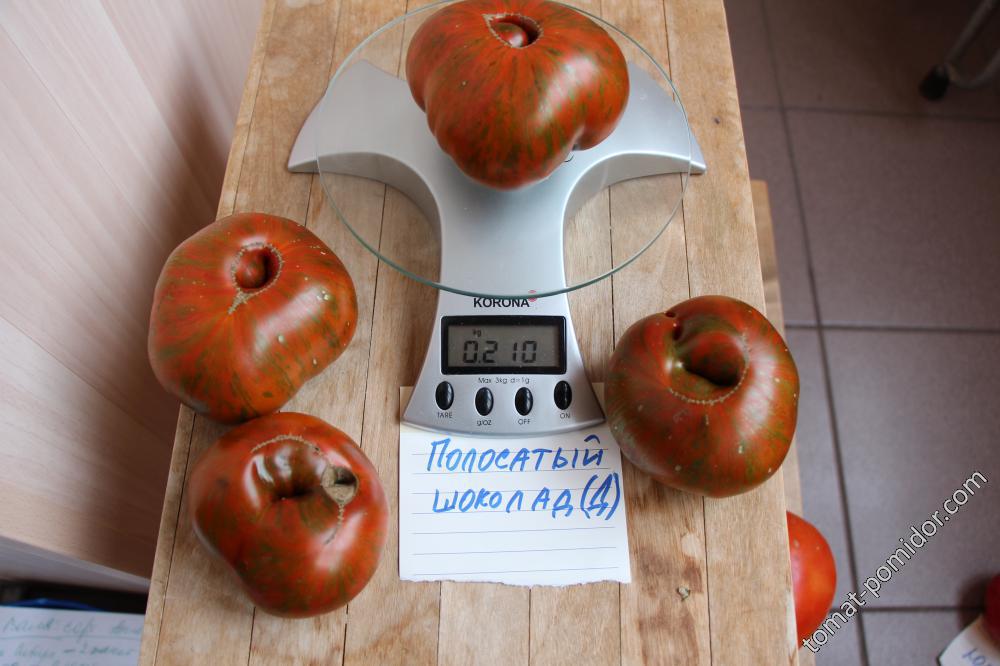
I grew Chocolate Stripes this year both in the greenhouse and in open ground. It performed significantly better in open ground for me: large fruits 200-400g (7-14 oz), didn’t drop blossoms, sturdy, non-leggy plants, and even though it caught Leaf Mold (Cladosporium), it still showed good yield.
I had 4 bushes in a film greenhouse. Huge thanks to our Ksenia for the seeds! 🌺🎩😘 It behaved like a total brat—dropped all its blossoms! Then Ksenia advised me to water it more, and it rewarded me. The yield ended up being about 4 kg (8.8 lbs) per bush. Fruits ranged from 150 to 500g (5-17.6 oz). The flavor is very intense, full-bodied, you could say without any tartness. It set fruit until the very end, until I ripped it out before the frost. The last ripened-indoors one went into a salad yesterday. Of course, it lost a lot of flavor, but was perfectly fine for a salad. I don’t think I’ll ever part with this variety, it conquered me with its beauty and taste! Planning 3 in open ground and 3 in the greenhouse.
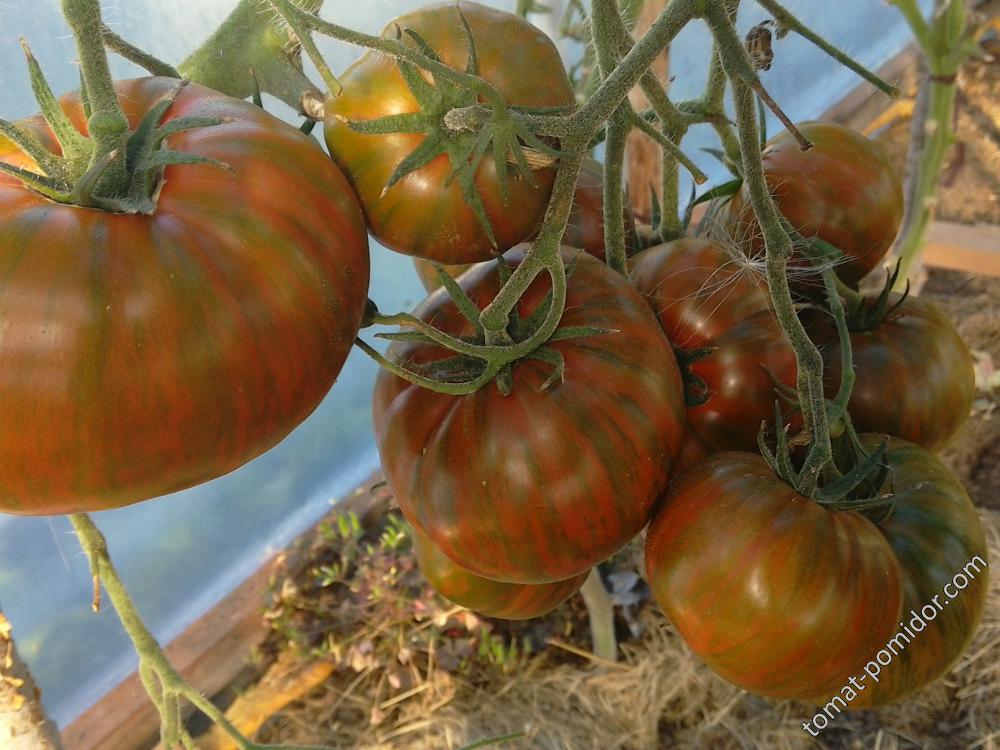
And here is my Chocolate Stripes. Average yield, but everyone loved the taste. And what a looker. I will definitely continue to plant it.
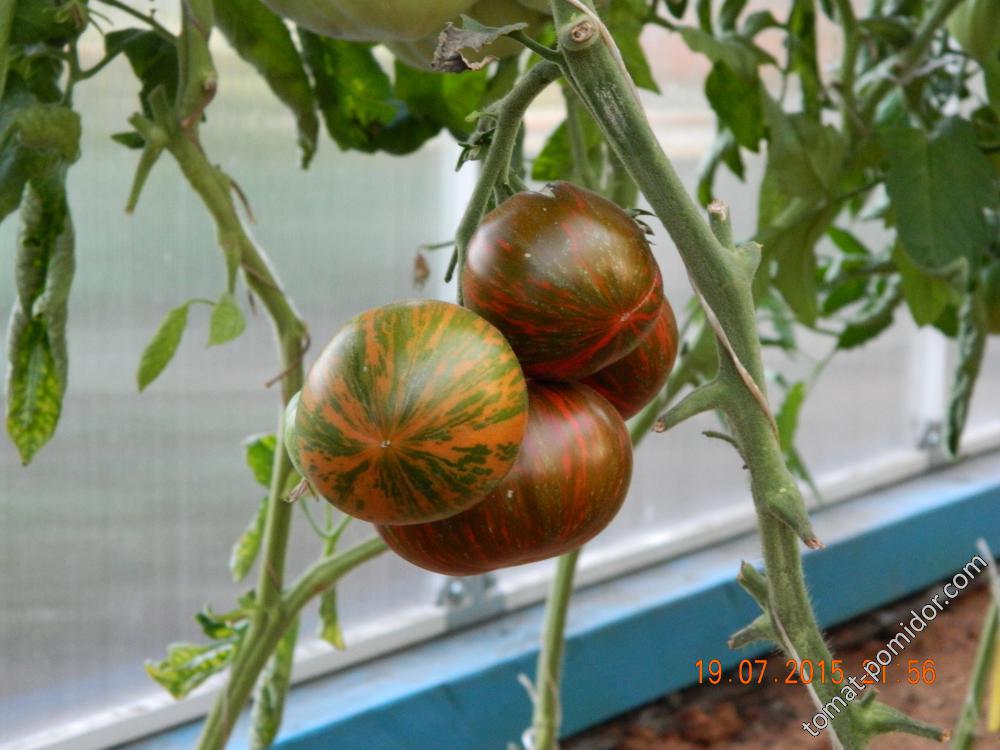
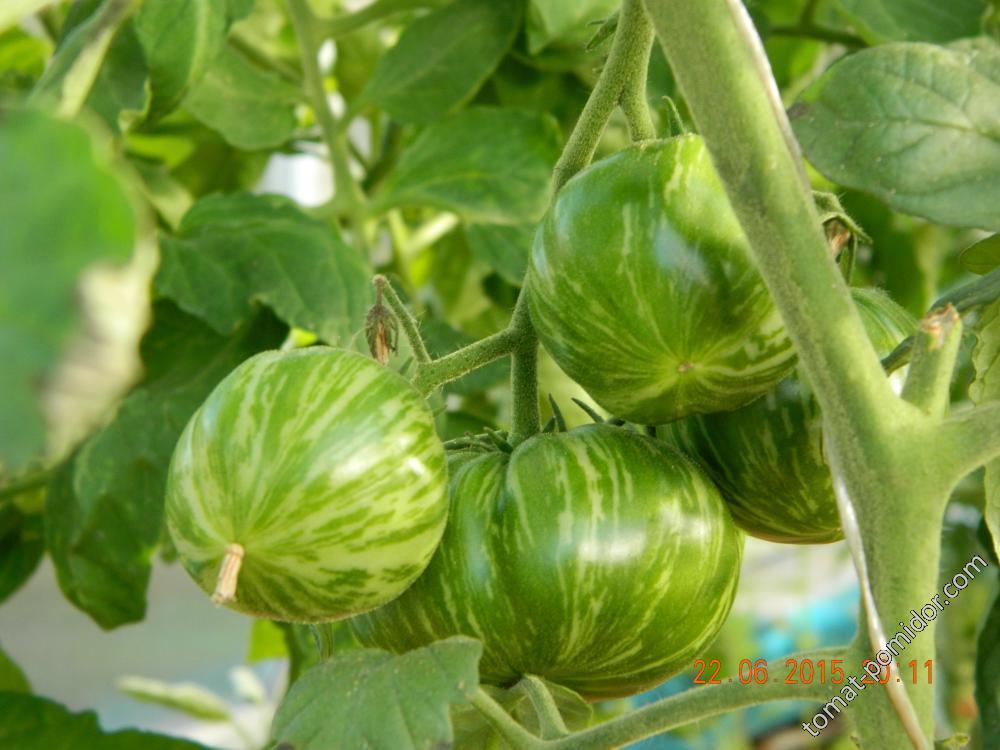
I also grew Chocolate Stripes 👍 Grew in the greenhouse. The yield was mediocre, but the fruits are tasty – unusual flesh… I will continue to grow it. And as for low yield… what do you expect from the plant? Arrived from faraway lands to Siberia – it was in shock… 😄 From my own saved seeds, it should be better. Indeterminate, powerful bush, large leaves. Really liked it as a seedling… such a sturdy little guy! 👍
Friends, whoever grew Chocolate Stripes in both open ground and the greenhouse, help me out, where is it better to plant it? I grew it in open ground already, really liked it. Now I have a greenhouse and I’m having doubts…
Quote from Lisa:
Friends, whoever grew Chocolate Stripes in both open ground and the greenhouse, help me out, where is it better to plant it?
For me, it turns out the tastiest in open ground.
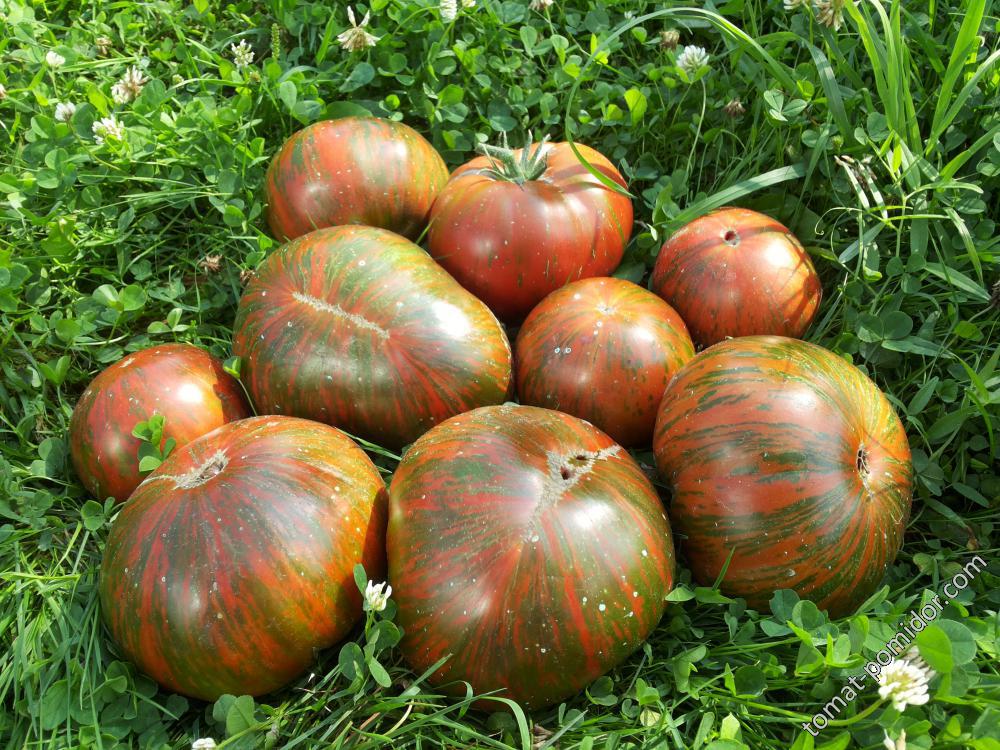
The largest one from last year.
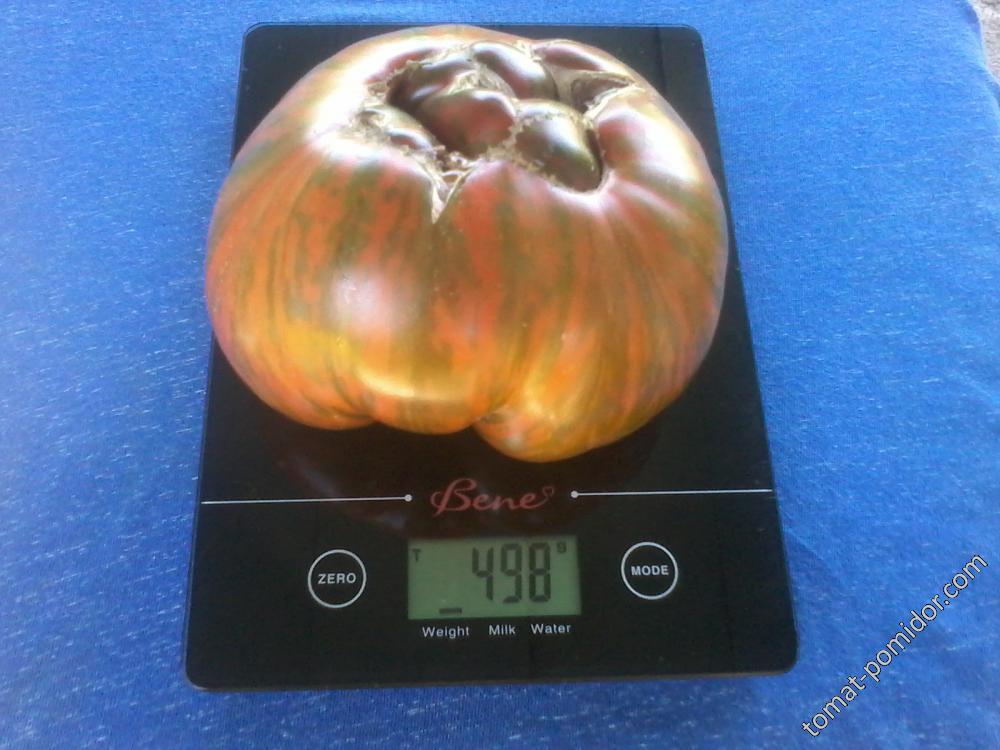
An exceptionally powerful plant, highly resistant to poor agricultural practices.
This summer I had extreme conditions. I planted it in a greenhouse in hastily plowed, unweeded virgin perennial clay, without any fertilizer or dolomite flour. I only gave it water for the first time in mid-July, and not consistently.
And yet, under such conditions, it is twice as tall as all other varieties, practically didn’t suffer from nutrient deficiency, the leaves are powerful, without spots. Already around 2 m (6.5 ft) tall. Meanwhile, the rest are a maximum of 140 cm (4.5 ft) and their leaves still have a purple tinge. Miracles, in a word.
Mine is only about 50 cm (20 in) tall this year.
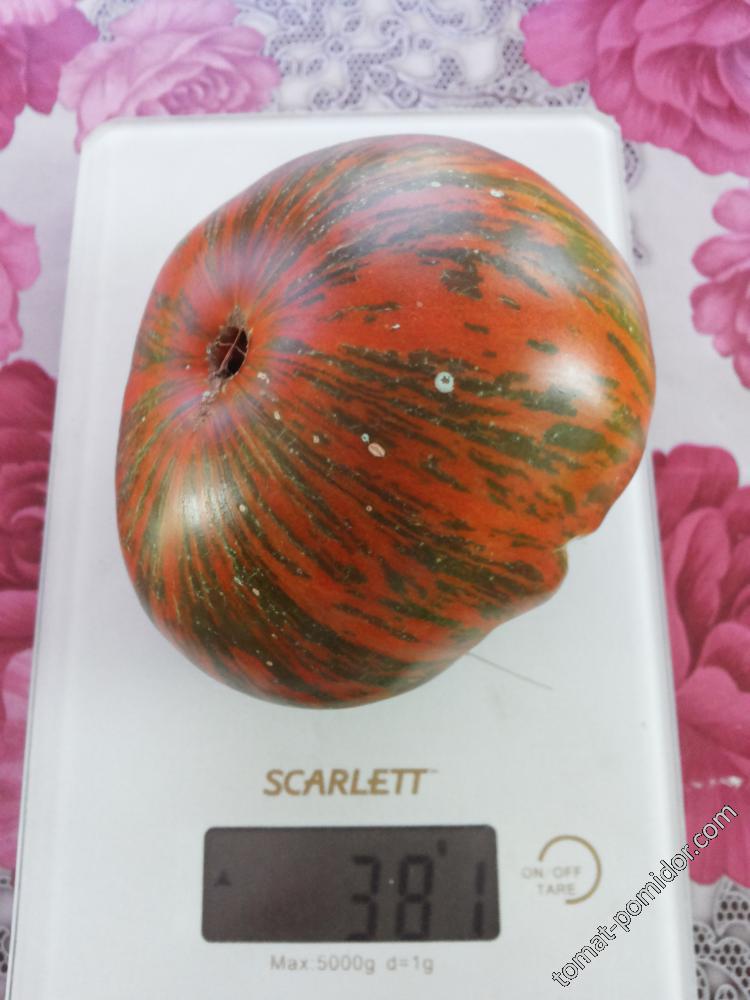
Visually one of the most beautiful tomatoes (to me).
The first fruit was plain, the second one (today) turned out very tasty 😋
Yield is good, started setting fruit among the very first. The fruits I’ve picked so far are around 300g (10.5 oz). I will definitely plant it next year 👍
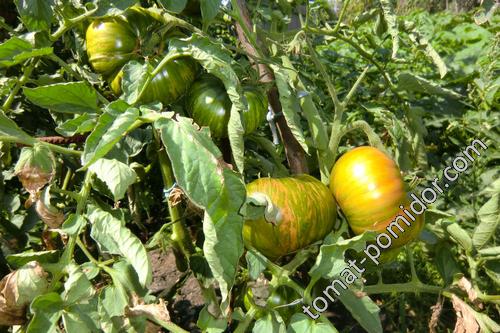
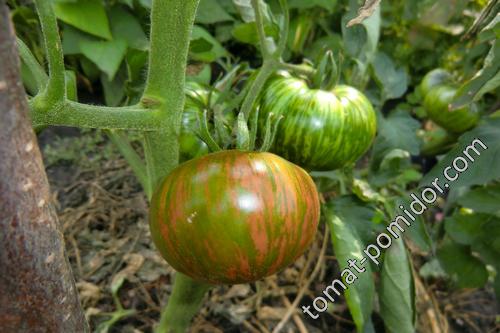
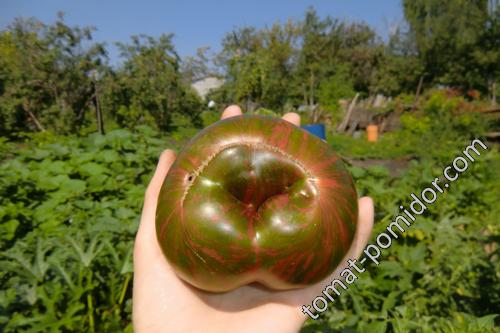
One of the tastiest this year. Indeterminate, in the greenhouse near 2 meters (6.5 ft), grew it to 3 stems. Fairly large, but very gnarly/misshapen fruits.
Prone to dropping blossoms in the heat. Seeds from neighbors.

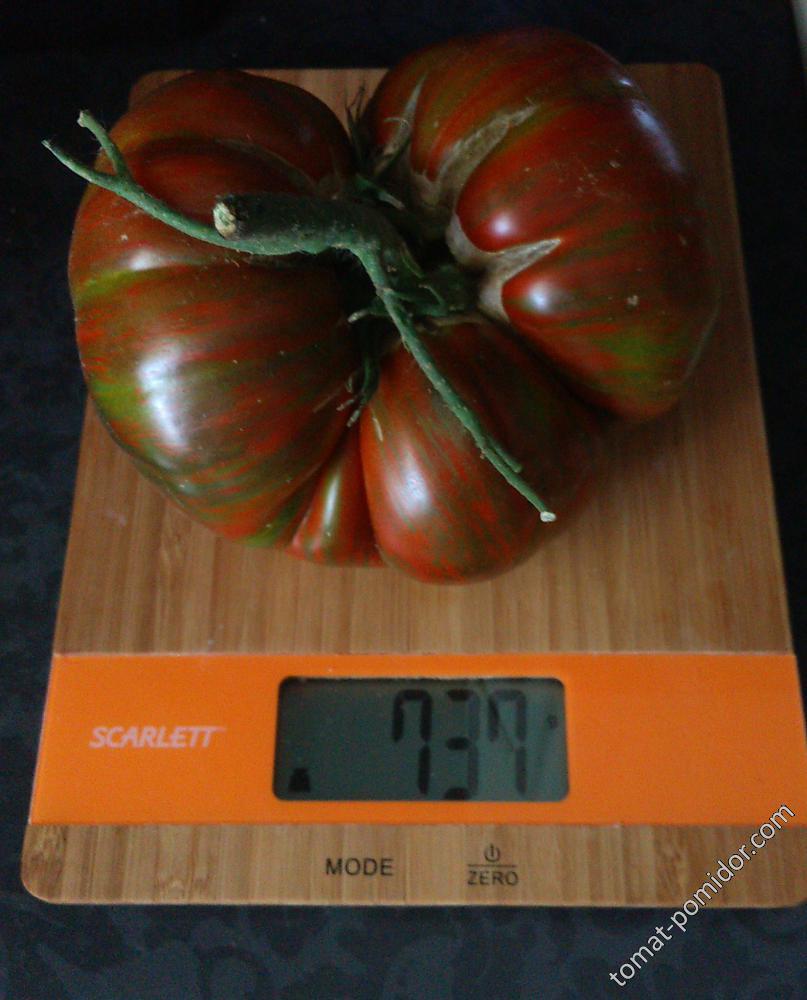
A gorgeous variety. Grew in open ground. Planted 2 bushes. Very juicy, tasty. Unequivocally becoming a permanent resident in my garden beds.
Planted two plants in a polycarbonate greenhouse. One only had 4 fruits, the other had 8 fruits weighing from 200 to 288g (7-10 oz). Very beautiful, especially as it fills out. The taste for me wasn’t great. Lacked sweetness. I will plant it again, maybe something will change in taste and yield using my own saved seeds.
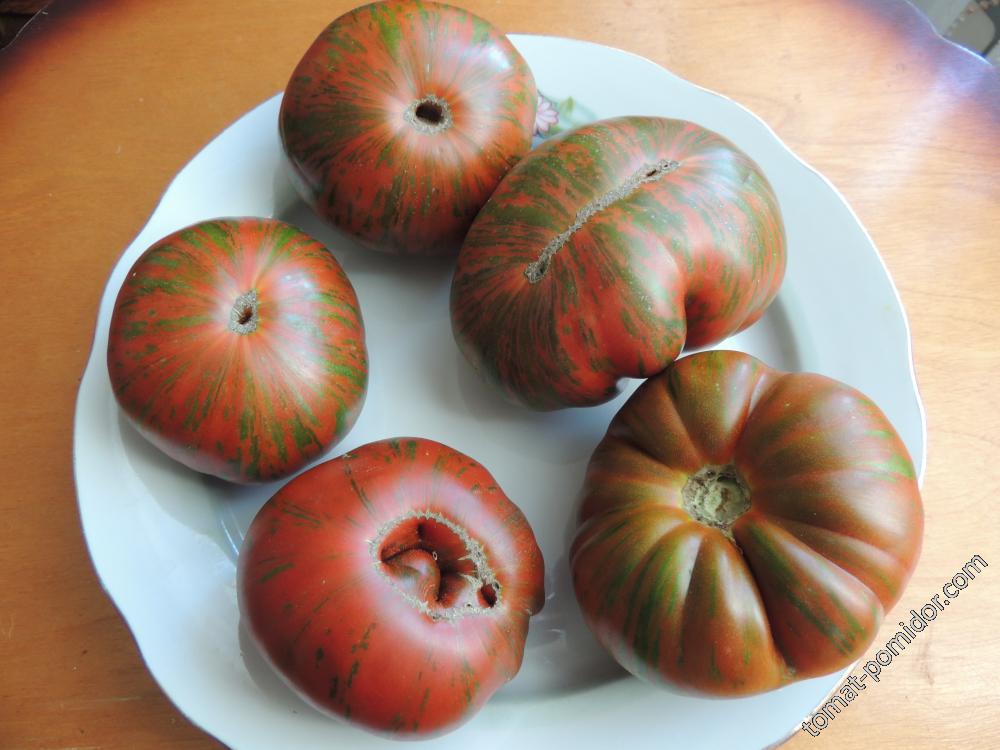
Planted it for the first time in the greenhouse. Seeds from the forum. Strong bush, grew to a single stem. I read it was late, so I had no expectations. It surprised me!!! 😲 And how!!! 😲 Being a bit late, it then surged at the speed of our summer, and we didn’t even have a summer this year! 😂😂 I didn’t even realize when they managed to grow so big. Large, heavy. 🙌👍 To be fair, the sweetness disappointed slightly, it ranks 3rd for me 🍅 after Black Icicle (Chernaya Sosulka) and Black Sara (Sara Chernaya), but now I have hopes for next year. Oh, and one had Blossom End Rot, I did nothing, it disappeared on its own.
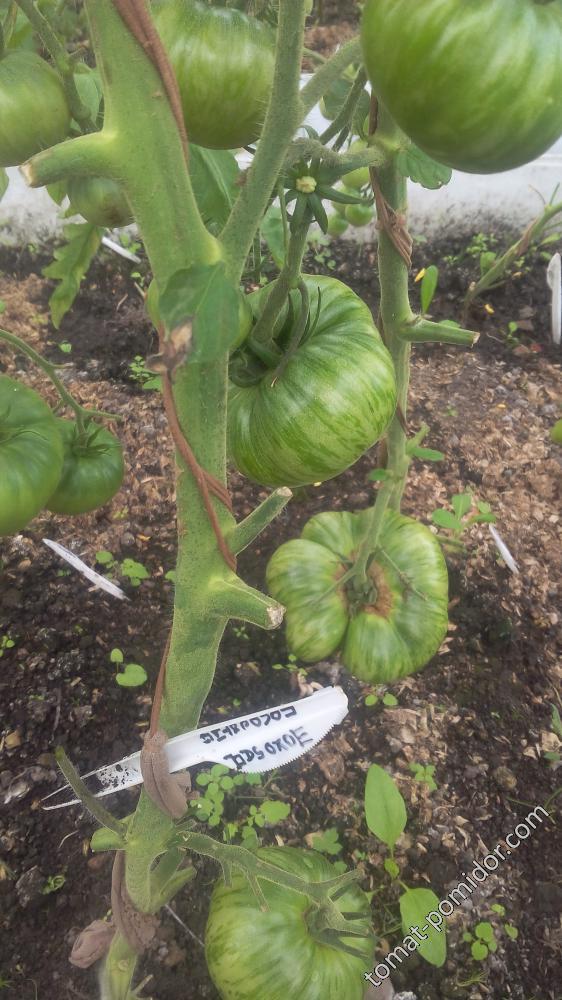
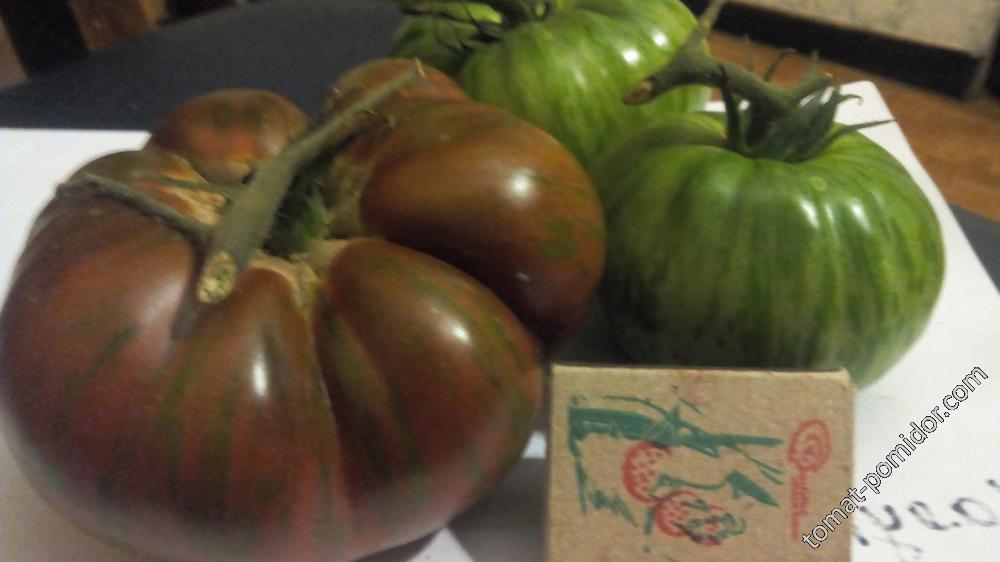
Quote from Elena 62:
I read it was late, so I had no expectations.
Elena, where did you read that this variety is late? It is early. At least for me, it flowered, set its first fruits, and ripened as one of the very first 😉
For me, it ripened among the very first and lasted until the very end. Really liked both the taste and yield. The fruits are not misshapen, quite smooth 👍
Quote from IriNa:
Didn’t bury me in harvest, but very tasty and beautiful. I will definitely repeat it.
COMPLETELY AGREE!!!
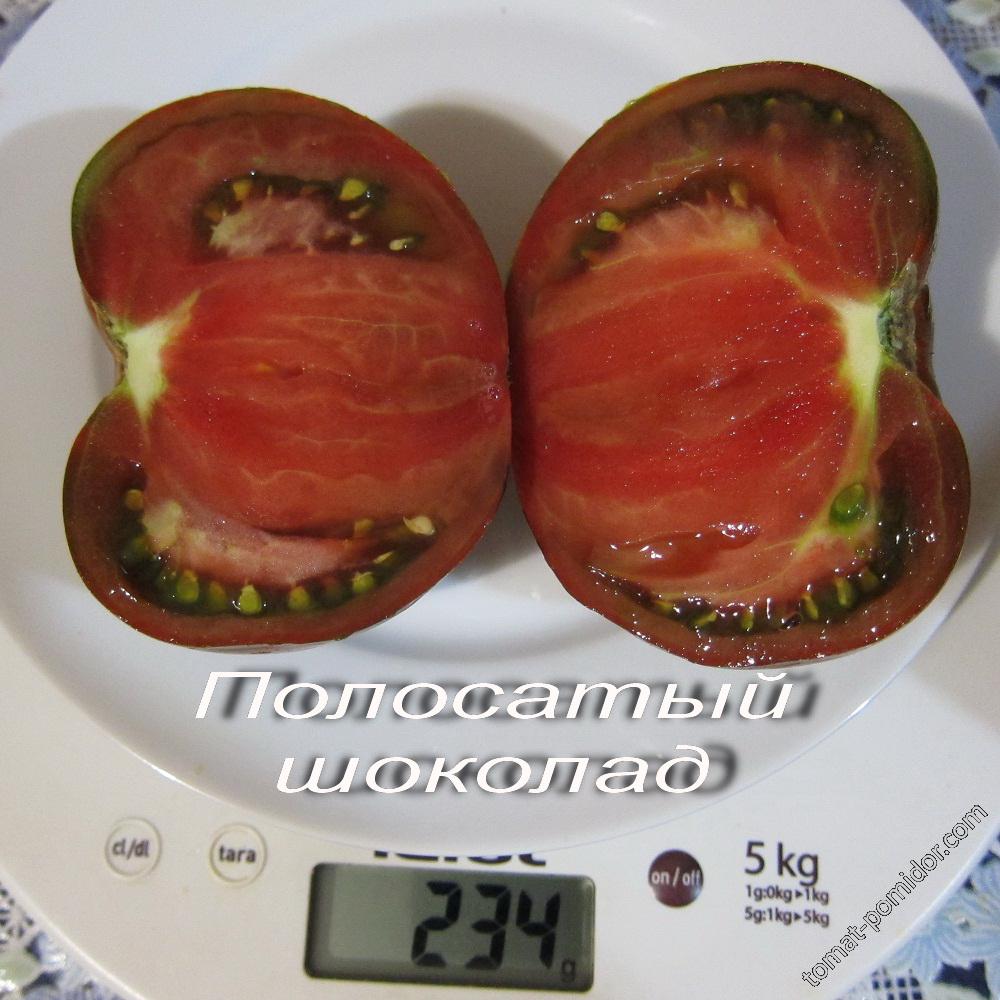
Well, I finally tried this famous tomato.
I won’t be original, I liked it too. Beautiful, productive, tasty.
Grew it to 3 stems, the fruits were quite large both at the bottom and on the upper trusses. I even had to tie each one up. Started ripening in early July, grew in the greenhouse. The last picked fruits ripened indoors well without significant loss of taste. We ate the last one in early November. Seeds were from Olya-Zolushka.
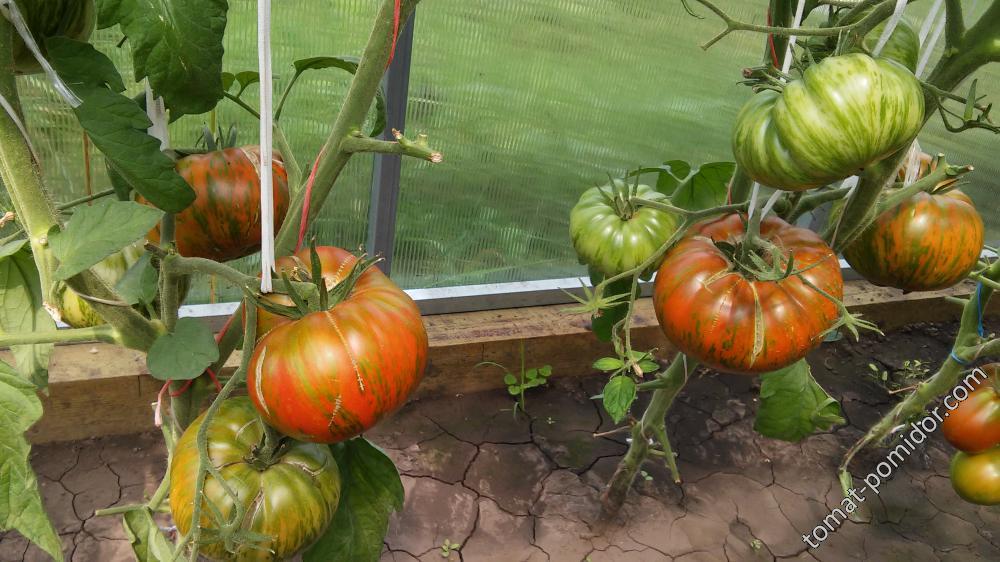
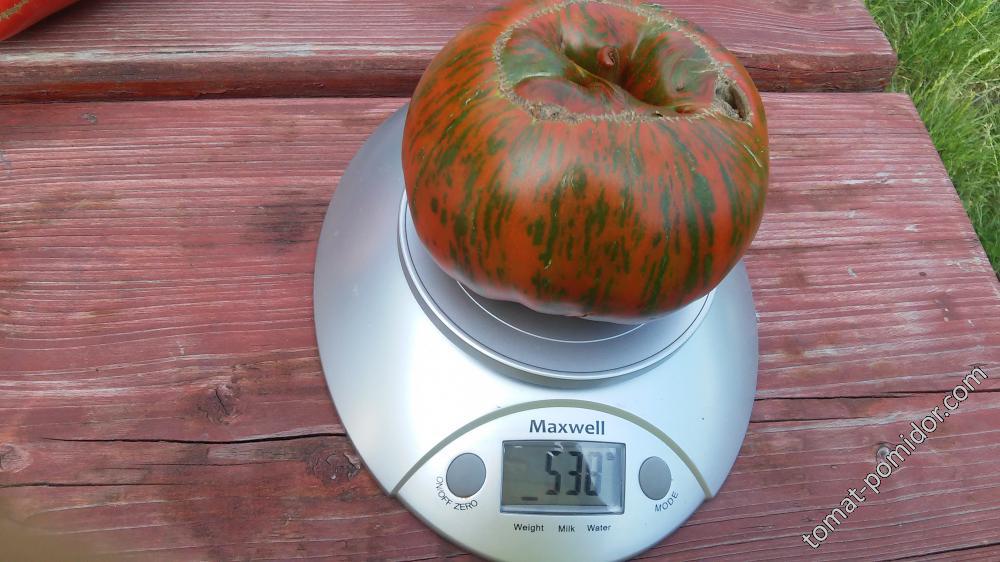
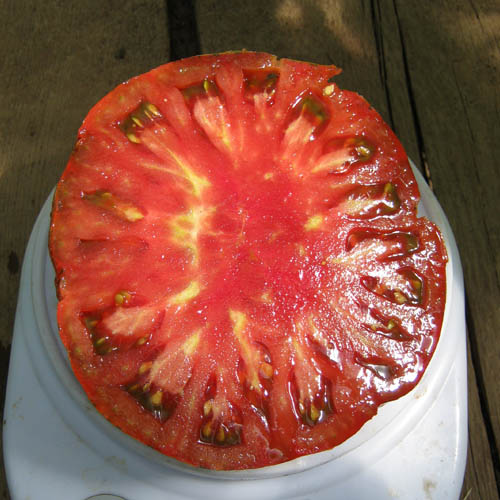
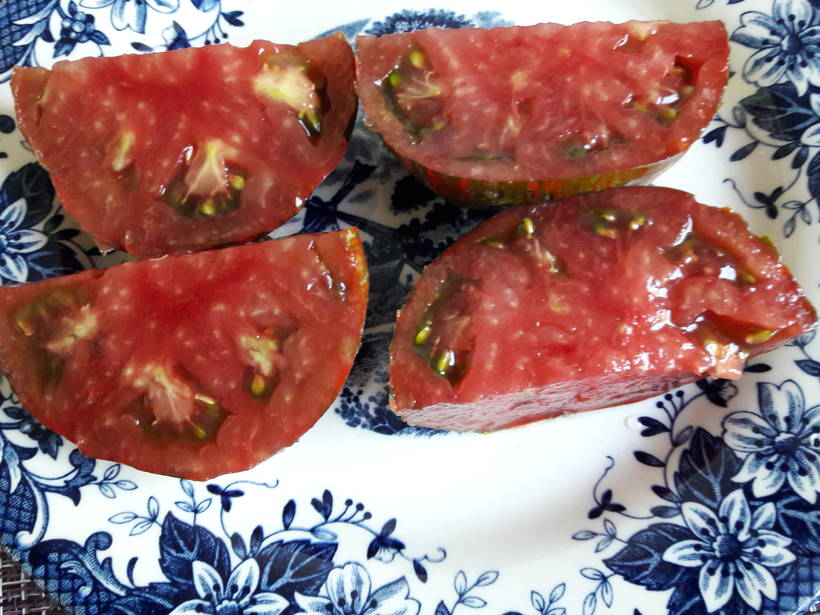
I also really liked the “stripey”. Especially its flesh on the cross-section, somehow resembling a watermelon.
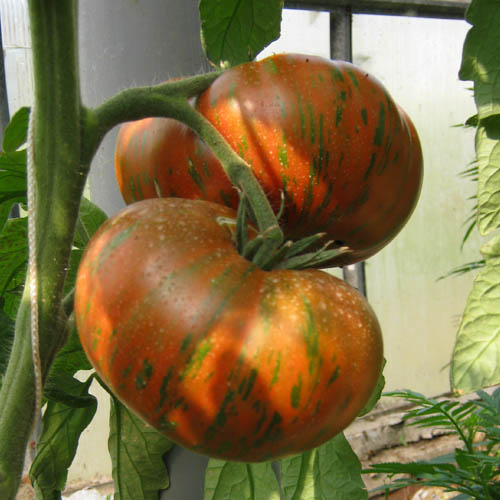
Out of curiosity, I planted an extra bush in open ground – it didn’t like it there… in the greenhouse – a beauty.

Liked the variety very much, sowed it earlier, because in 2015 it didn’t have time to ripen even in the greenhouse, I picked them green and ripened them at home. But in 2016 we had a good summer and the variety ripened right alongside the early ‘Kosovo’.
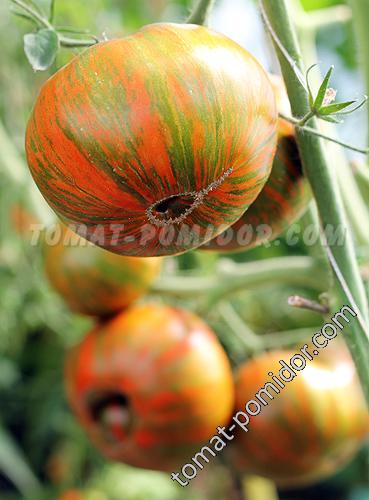

Chocolate Stripes simply amazed me with its superb taste, grew it for the 1st time, in the greenhouse, to 2 stems, yield was good. I will definitely plant such beauty and deliciousness again.

Grew it in the greenhouse and open ground. It didn’t like the greenhouse – Leaf Mold (Cladosporium) raged, and the stripey guy suffered greatly. In open ground it was decent – set fruit perfectly and grew quickly. Taste for open ground – very good. Overall, satisfied with the variety, will repeat it in open ground.
I liked Chocolate Stripes very much, especially my husband :), mine had a potato leaf, tall, powerful. Very sweet, and unlike the rest, it didn’t freeze. Rates 5+++++

Chocolate Stripes was planted outdoors, got upset and split into 3 stems, the summer turned out warm, it yielded a decent crop of beautiful tomatoes, but they turned out somewhat small and ordinary in taste. I surprised my mom and her friend with this tomato; her friend snatched one tomato for herself for seeds.
I want to try planting it in 2018.
I really liked the taste, but the skin is a bit thick…
Ripened among the first.
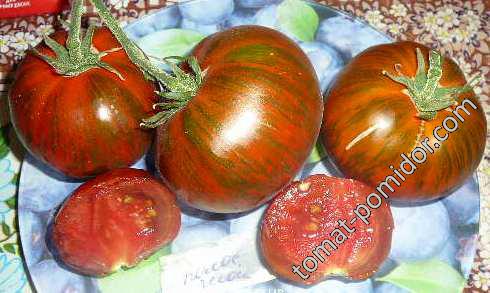
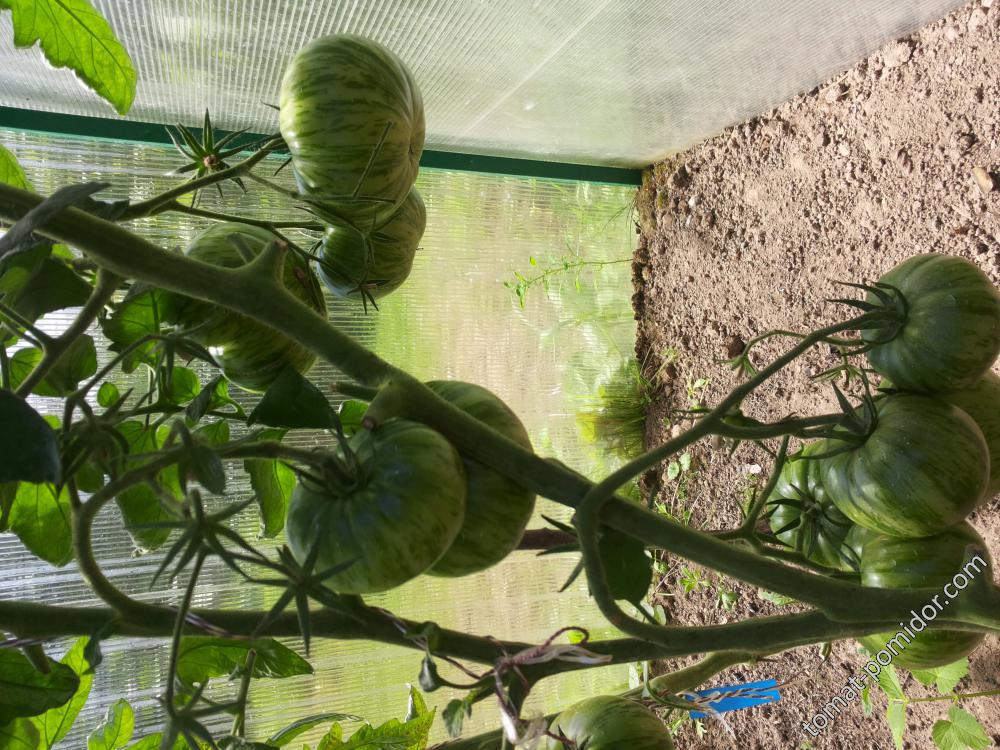
An interesting, beautiful variety, planted it for the first time. The green ones are especially good-looking.
For this alone, you can forgive the variety’s sluggishness, only now have the first couple of fruits ripened (sown March 20, open ground/canopy on May 11).
On the cross-section, it’s also yum 😋
But there’s almost no taste, just a slight tartness… I hope it corrects itself another year.
Forgot to add, yes, the skin is tough.
For me, this variety is simply a godsend.
My household tries to gobble it up first 😊
Productive, sweet as can be! A favorite!

Growing it for the second year. The bush is quite strong, yield is very good. Mid-season; sown on March 10, it starts ripening after August 15. Very beautiful fruits. Taste-wise – good, decent. I wouldn’t call it superb, if comparing it to African Vining. But for its yield and beauty, it stays with me for now.
Much has been written about it. I expected something extraordinary. But for me, it just turned out to be a sweet tomato. Even the taste wasn’t particularly rich. But it is productive.

I wonder what the taste of this variety depends on. Mine grew beautiful, productive, but had zero taste. Conditions: South, open ground, without any special fertilizers (maybe it craves potassium?). In the same beds, Walford’s Wonder, Malinovka Semipalatinskaya, and Ocean grew tasty and sweet.
I’ve wanted to grow this variety for a long time because of the highly contradictory opinions about it. In the end, I really liked it. Both productive and very tasty, sweet. The bush is strong and tall in the greenhouse. I will plant it.
Planted it last year. Sweet, but watery. I will repeat it this year.
Excellent variety, a stunner, productive and tasty. Fruits for a long time. I’ve been growing it for years now – in the greenhouse to 2 stems.
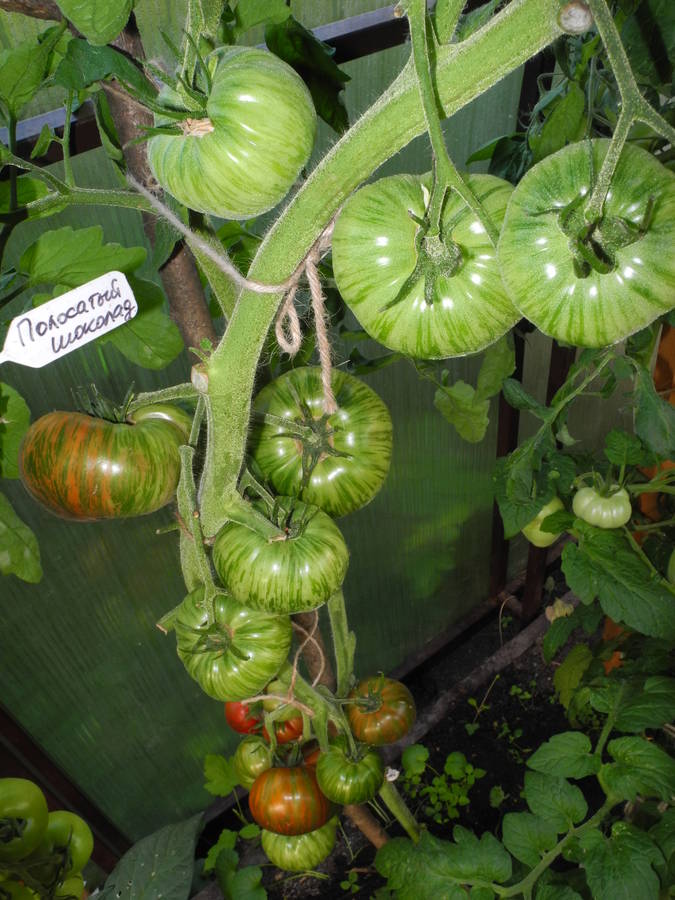
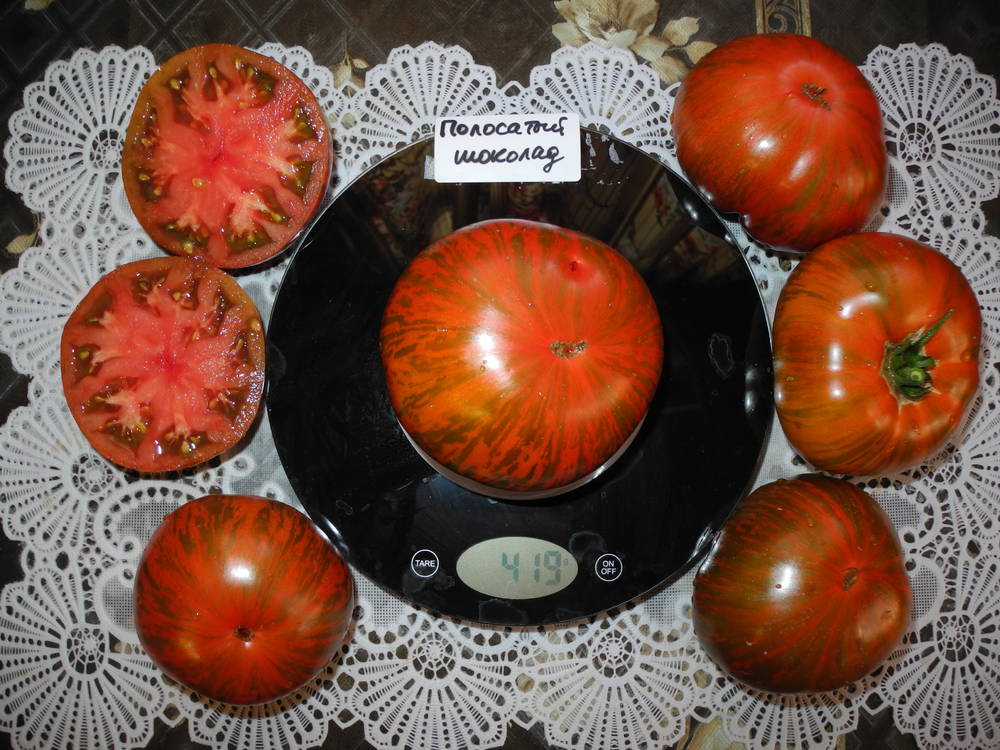
I’ve been planting it for 3 years now. The taste is wonderful, the seeds have spread among my “dacha” neighbors and traveled to three addresses abroad – to my son-in-law, his mother, and my grandson’s girlfriend’s grandmother. Productive, beautiful.
I will add my review, the variety is worth it.
Planted in 2018. 2 bushes: one in the greenhouse, another in open ground. For the greenhouse, seeds were sown on Feb 26, for open ground on Mar 21-22. In the greenhouse, it showed average yield, but the reason is quite understandable: 5.5 weeks of heatwave, when the greenhouse was from +35 to +45°C (95-113°F) under full 30% shade cloth, from 11:00 AM to 6:00 PM. So we harvested from 3 lower trusses of the main stem, 3 from the additional stem, and after the temperatures dropped, the bush set about 3 more trusses on both stems. Everything ripened naturally.
The fruits are beautiful like Christmas ornaments, completely festive, very glossy, and surprisingly bright. In our conditions, the variety demonstrated magnificent taste, rich, simply luxurious, and very memorable. Chocolate Stripes is sweet, but not cloying, surprisingly balanced and intense. It has characteristic notes unique to it, making it instantly recognizable “by the bite”. Juicy, but not watery. For proper context – in my opinion, Chocolate Stripes is tastier than Pink Siberian Tiger (which is very tasty in its own right). We picked the first fruit of each on the same day and tasted them simultaneously.
Cons: A somewhat thick skin and an instant reaction to overwatering – it cracks immediately. So be careful with watering, especially in the heat (I think drip irrigation would be ideal for it). Otherwise – trouble-free.
From the greenhouse bush, I picked the first tomato on July 9, 2018 (sown Feb 26, transplanted May 3).
In open ground, the tomato grew in the shade, so the data is not indicative, but it grew slower, put out about 5 trusses in total, and the fruits were less uniform in size. The taste was identical to the greenhouse one, maybe even slightly less sweet, which is an exception in our conditions (usually open ground is tastier). Starts to ripen in open ground in the first ten days of August. Cracked less in open ground.
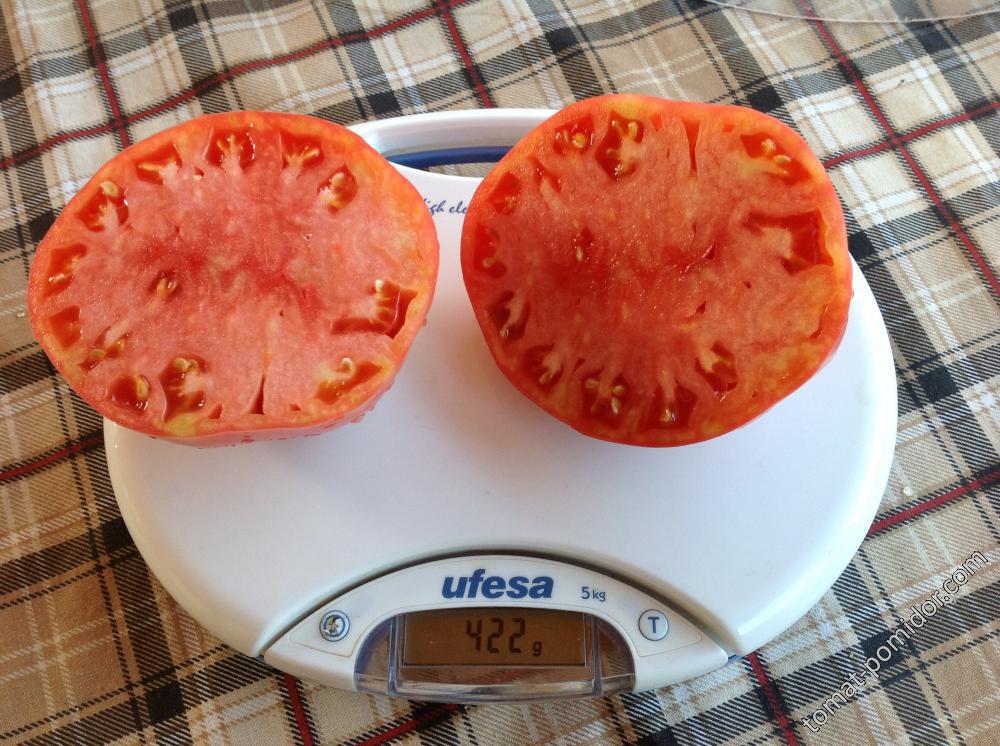
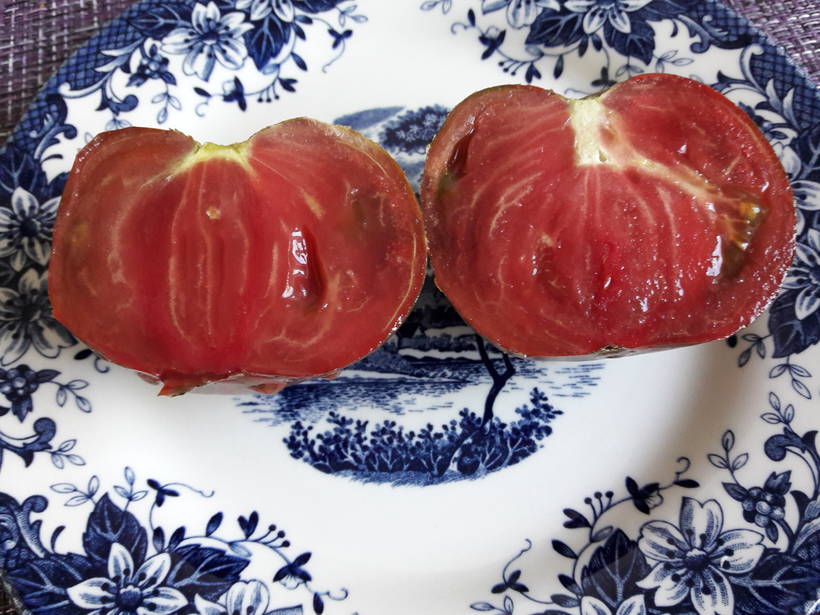
Oh yes, I also have to note the completely unique color of the flesh, I haven’t seen anything like it in any of my other tomatoes – like the meat of black tuna. Lighter than beef, but not standard red, pink, crimson, or even brown. A sort of purplish tint, I guess.
I will definitely plant it again, but only in the greenhouse and 2 bushes at once. Liked it very much, despite the somewhat thick skin.
Here are photos. The ones collected on the bush are not the first ones, it’s the second or third truss.
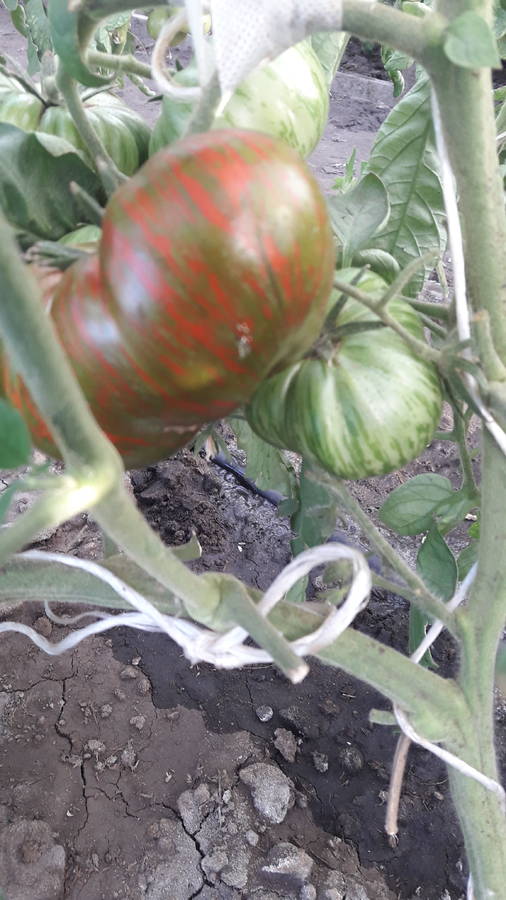
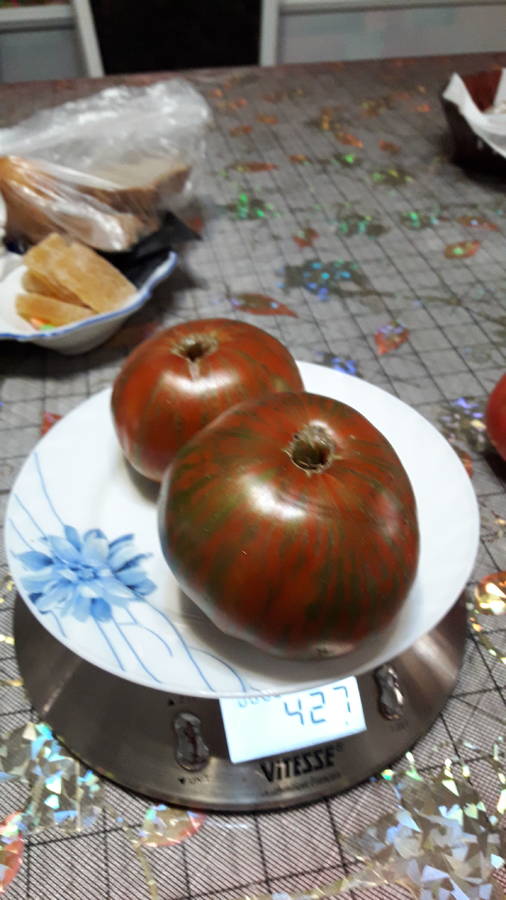
And here is the first one sliced. On the plate is Chocolate Stripes and Pink Siberian Tiger (it is lighter).
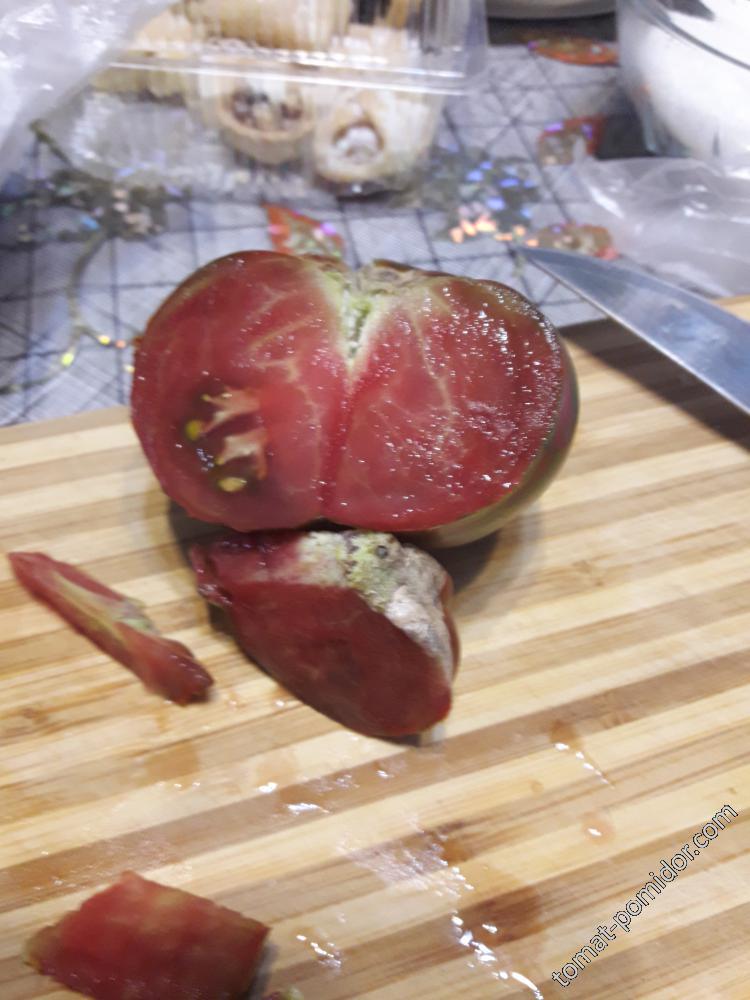
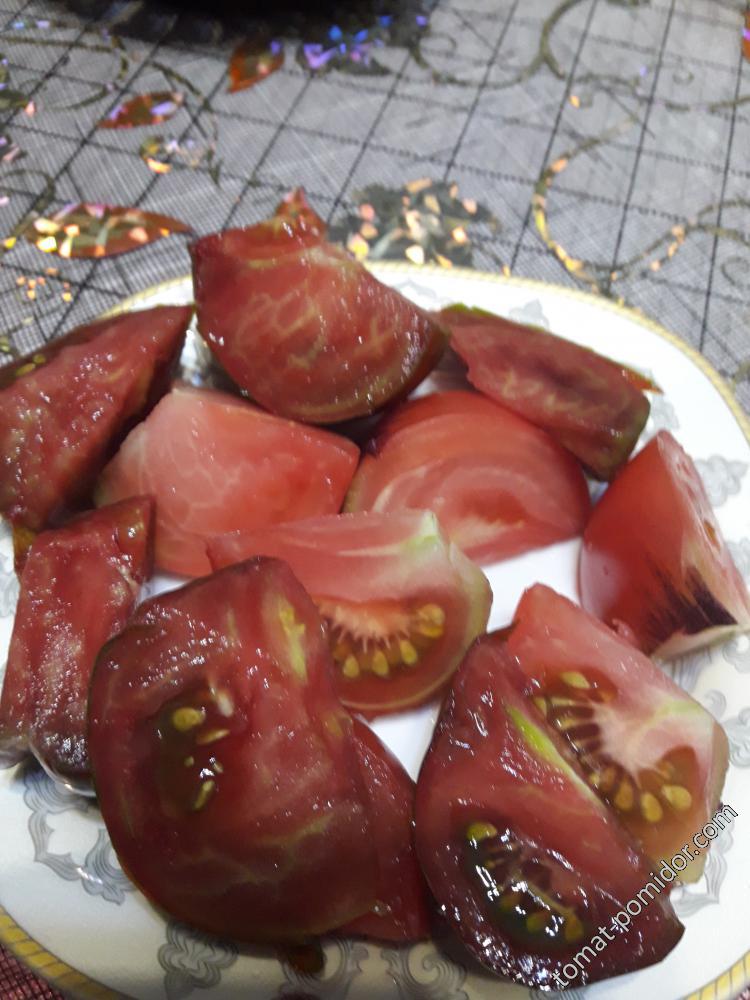
For me, Chocolate Stripes catches Leaf Mold (Cladosporium) before any other (acts like an indicator plant for the presence of Cladosporium). In the greenhouse, it sets fruit significantly worse than in open ground (in our conditions). In 2018 there was no Cladosporium in open ground, so it was clean, but it caught Stolbur (Phytoplasma) on a few plants.
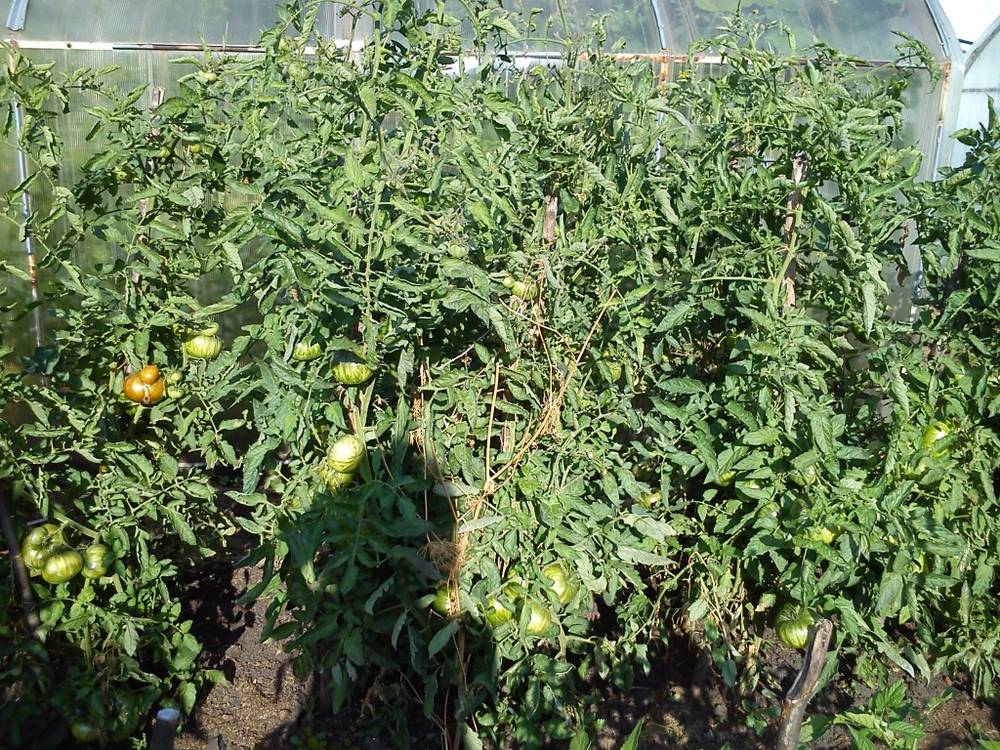
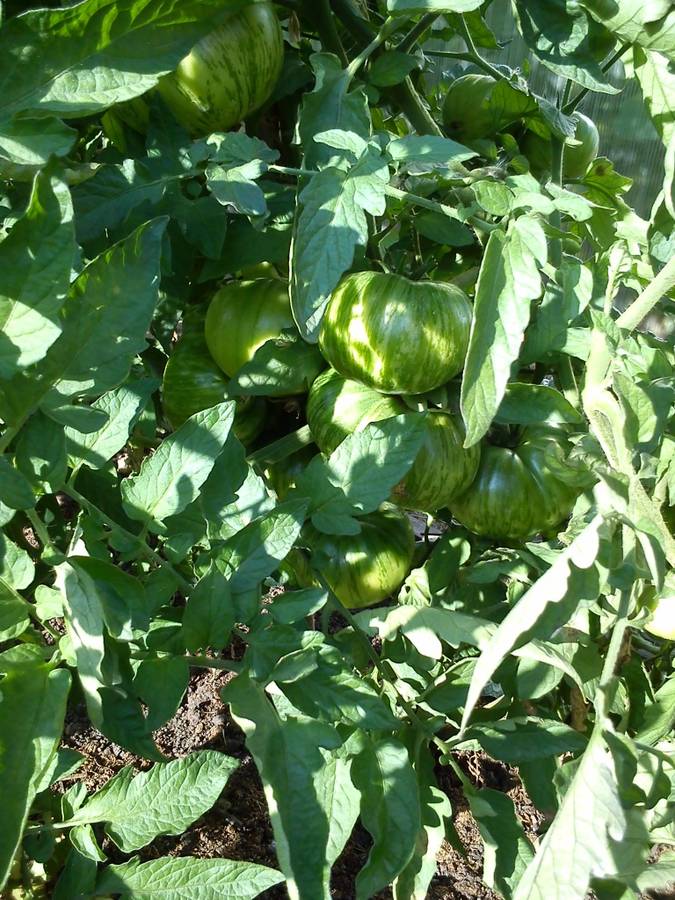
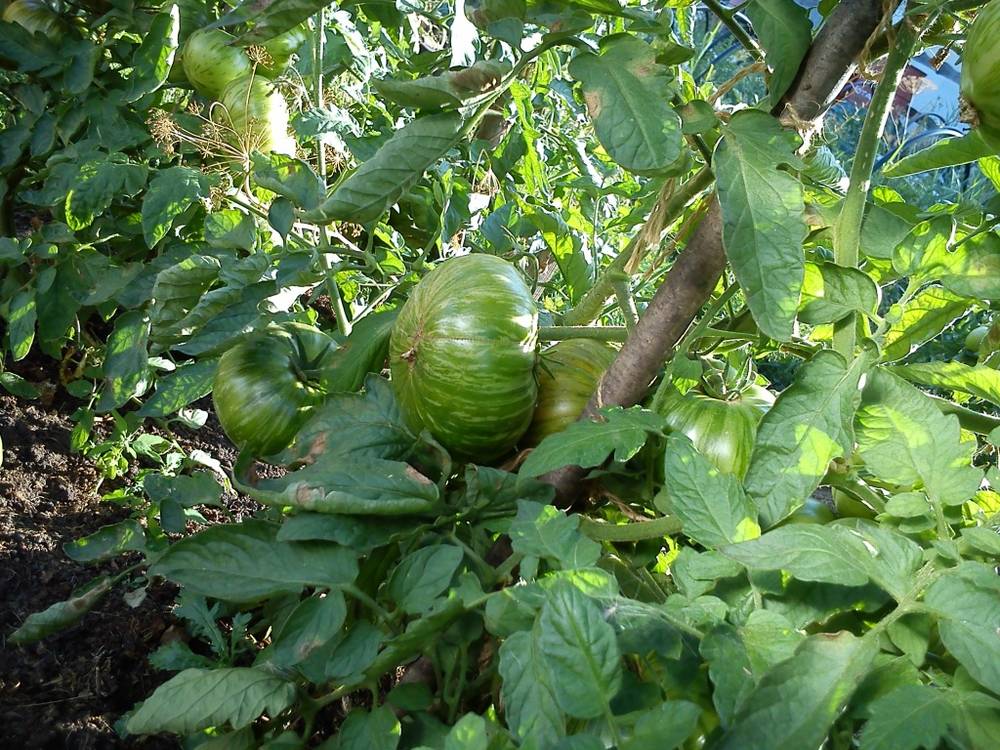
I’m planting Chocolate for the second year. I like it very much in all respects. This year I decided to compare it with Girl Girl’s Weird Thing (GGWT). Both bushes are very powerful, tall, leaves are dark green, large, good yield, very beautiful fruits, up to 400g (14 oz). I saw absolutely no difference between these varieties, couldn’t detect a difference in taste either. Well, very tasty and sweet!!! In the photo, left is GGWT, right is Chocolate.
Irina Fedorovna, decode what GGWT means!
GGWT is the variety Girl Girl’s Weird Thing.
Chocolate Stripes and this variety are frequently compared.
This year (2019), as promised, I planted 2 bushes in the greenhouse. One grew closer to the polycarbonate wall, the second – nearby, in the second row of the same bed. They were planted deeper in the greenhouse and watered more. Result: from my saved seeds, Chocolate Stripes showed excellent yield – 1.5 times (if not twice) as much, probably more than last year, although it dropped a couple of trusses in the heat. But on the trusses that did set, there were more fruits and they were generally larger. The taste was slightly worse than last year, but still tasty. Pink Siberian Tiger, on the other hand, was the opposite – tastier than last year, incredibly sweet with a pleasant spice. The flesh of PST, by the way, was a richer color this year – deep crimson, practically cherry.
Chocolate Stripes pleased me with its sizes – almost all were large, there were barely any medium ones, and full trusses. When the heat broke and the main crop was picked, it started swelling all the small ovaries all over the bush that had previously just “stalled”. It managed to size up and color another decent wave of large fruits and ripened completely on the vine. It was tasty right to the very end, even though it was already cold. Oh, yes, I tossed some horse manure compost into one of the planting holes, so that tomato suffered a bit of nitrogen toxicity (excessive foliage), but it didn’t affect the quantity and size of the fruits; the stem was incredibly thick and the leaves were huge. So be careful with fertilizers. The bushes were tall, reaching the ceiling, bending over the supports (my greenhouse is 2.8m / 9 ft tall). Pruning suckers at that height is a tedious task, so somewhere near the ceiling, it managed to push out a truss on an extra sucker.
Conclusions: Fruit size strongly depends on watering; if you water less, the fruits will be smaller, but sweeter and richer, as if the excess water washes out the flavor. Or you need to feed it potassium more intensively with heavier watering. The variety tolerates nitrogen toxicity well – it grows massive foliage but with timely phosphorus-potassium watering, it sets fruit normally and abundantly. Since one bush got noticeably more sun, I noted another nuance – the more sun, the more pronounced the stripes on the fruit. The one growing in the second row away from the wall had shorter, broken, and less frequent stripes. I.e., the pattern is less pronounced. At the same time, the overall background color does not become less intense; at least, there is no noticeable difference in the brownness. The skin, as before, is very glossy, slightly thick and tough, but that is a feature of the variety. It cracked, but less than last year; apparently, the watering was more even. When I find the photos from this year, I will post them.