📌 Quick Summary (TL;DR): Garmoshka (Accordion)
- 🌍 Origin: A commercial variety introduced by the seed company Premium Seeds. The name translates to “Accordion”, which perfectly describes its heavily pleated, ribbed shape.
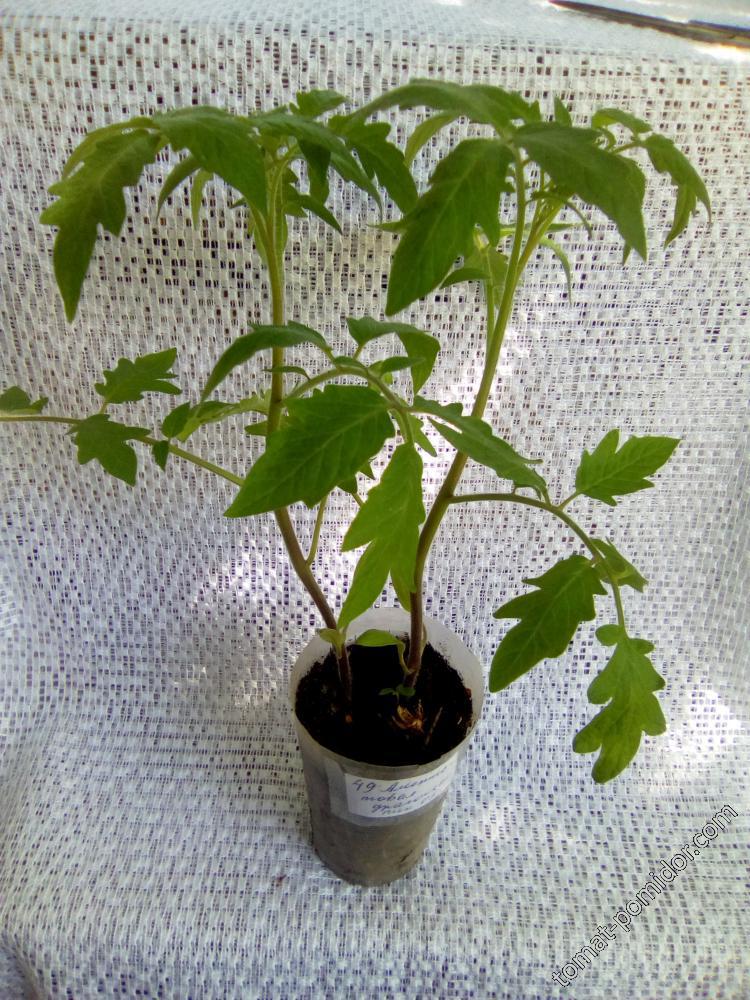
- 🌿 Plant Habit: Indeterminate (tall), typically growing well over 6.5 ft (2 m) in a greenhouse. It has moderate foliage and requires regular suckering and strong staking to support the heavy fruit load.
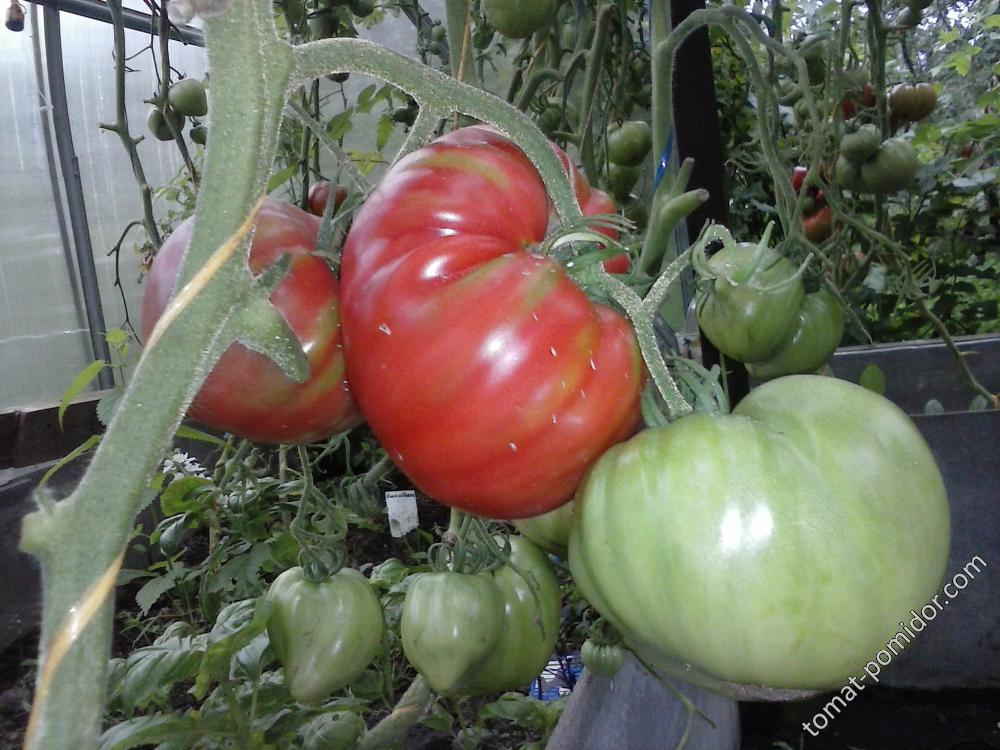
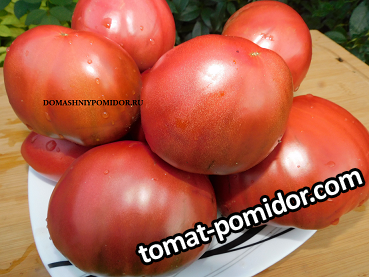
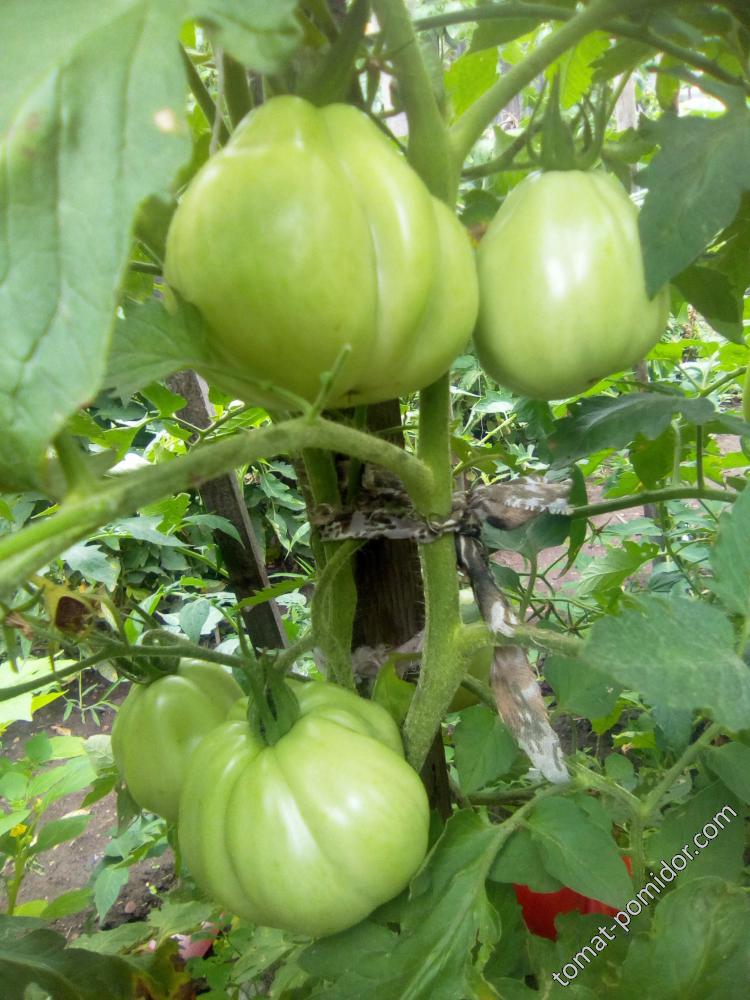
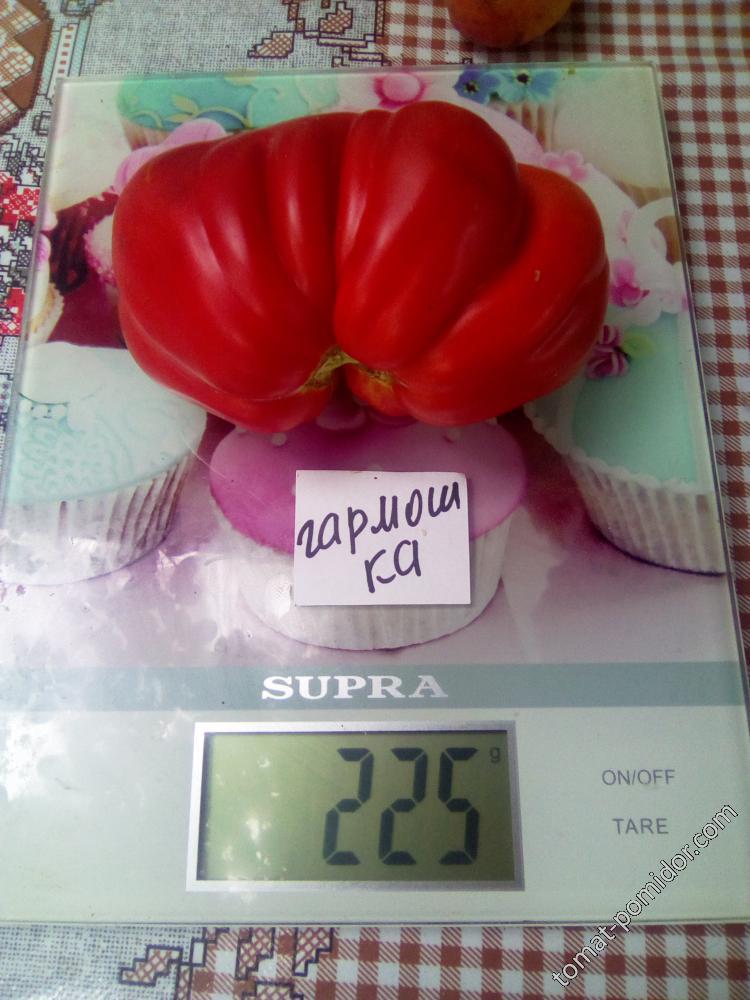
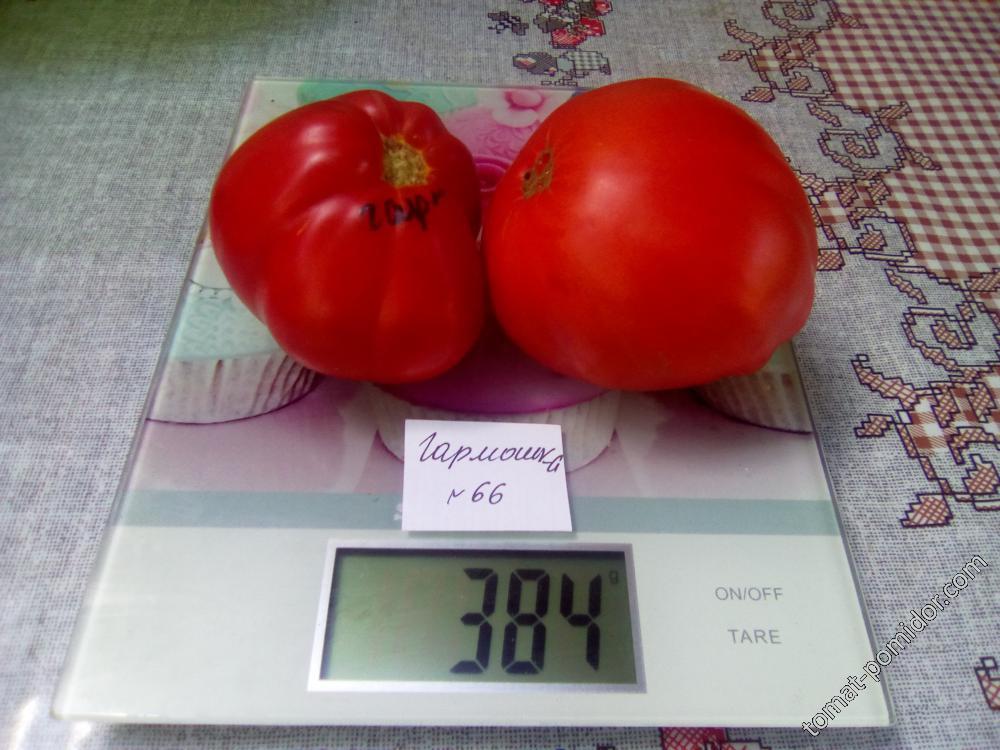
- 🍅 Fruit Characteristics: Deep pinkish-red, heavily ribbed, pear or wide-bag shaped fruits. The interior flesh is dark crimson. They generally weigh around 7 to 9 oz (200-250 g) and are visually stunning when sliced.
- 👅 Flavor: The flesh is juicy, very tender, and meaty. Growers note the flavor leans heavily toward the sweet and mild side. If you prefer high-acid, punchy tomatoes, this might taste a bit bland to you, but lovers of sweet, low-acid tomatoes rate it highly.
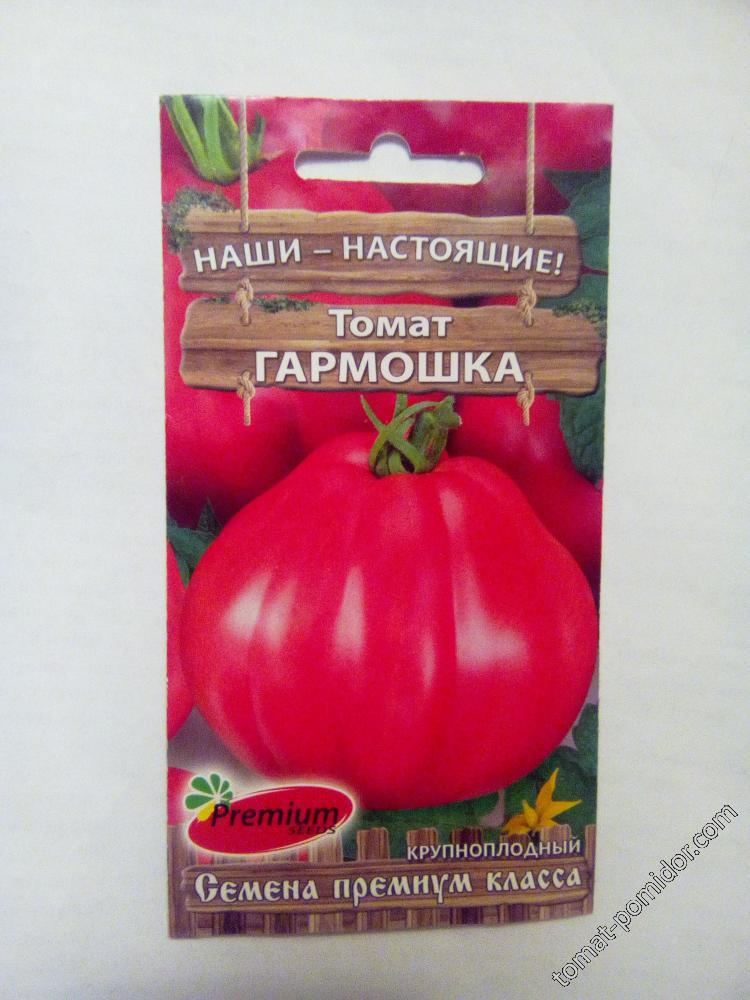
Garmoshka – (Premium Seeds) description from the packet: Mid-early (107 – 110 days), high-yielding, large-fruited variety for open ground and greenhouses. The plant is indeterminate, requires staking and suckering. Fruits are pear-shaped, ribbed, pink-red, meaty, the flesh is dark crimson, weighing 7 to 9 oz (200-250 g), aromatic and unusually tasty.
I’ve been growing it for 2 years in a greenhouse, pruned to 2 stems, height is over 6.5 ft (2 m). Sets fruit well, no skipped trusses. In 2016 it was mid-season in terms of ripening. I liked the taste, meaty, delicious, heavy yielder. It looks similar to Karlo, but I haven’t compared them by taste side-by-side.
In short, a worthy tomato, just like many others in our collections. There are worse tomatoes, and there are better ones. Everyone has their own preferences. This year it turned out to be late for me. But then again, ALMOST a good half of the tomatoes in my greenhouses did. I think the “warm” summer took its toll.
Veta wrote:
I can’t figure out how to insert a photo 🙁
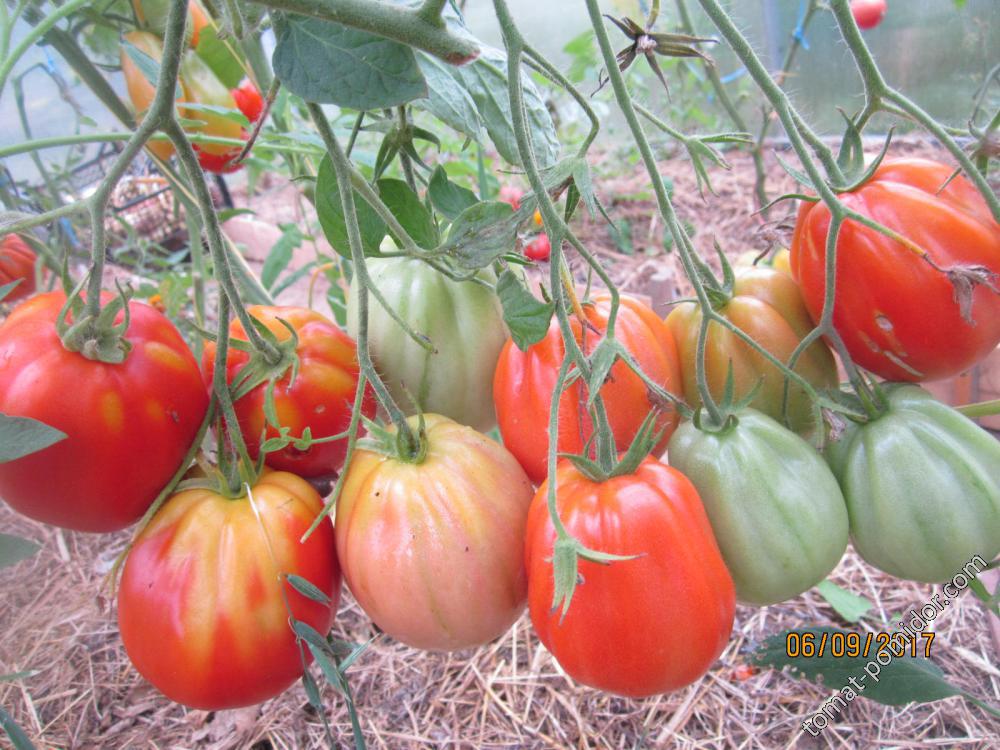
Here is the photo from Svetlana’s album:
Oksana-pepper wrote:
Here is the photo from Svetlana’s album:
Gorgeous!!!
I’ve been planting it for two years as well. The variety is a straight-A student in both yield and taste. It makes my top 7 best varieties list. Sets fruit perfectly. Tasty. The fruits are beautiful.
There is one catch, though. I don’t know if it was just a bad year, or if growing it from my own saved seeds turns out worse than from store-bought ones, but this year it was less abundant and the fruits weren’t as textured, the ribbing was less pronounced. Maybe the variety isn’t quite stable yet? I still have some store-bought seeds left, next year I’ll grow them side-by-side to compare mine with the commercial ones.
Olya, I often get much better results when I sow seeds that have been aged for a year or two, rather than fresh ones from last year’s harvest. So next year, try testing your saved seeds from the 2016 harvest against the store-bought ones 🤠
Tomato Garmoshka – mid-early, productive indeterminate variety over 6.5 ft (2 m) tall. The bush has medium foliage. Seeds were from Premium Seeds.
The fruits are pear-shaped with pinkish-red skin and extremely tender, juicy crimson flesh. There are a lot of seed locules, and quite a few seeds. Tasty, but on the sweet and mild side (for lovers of bland tomatoes).
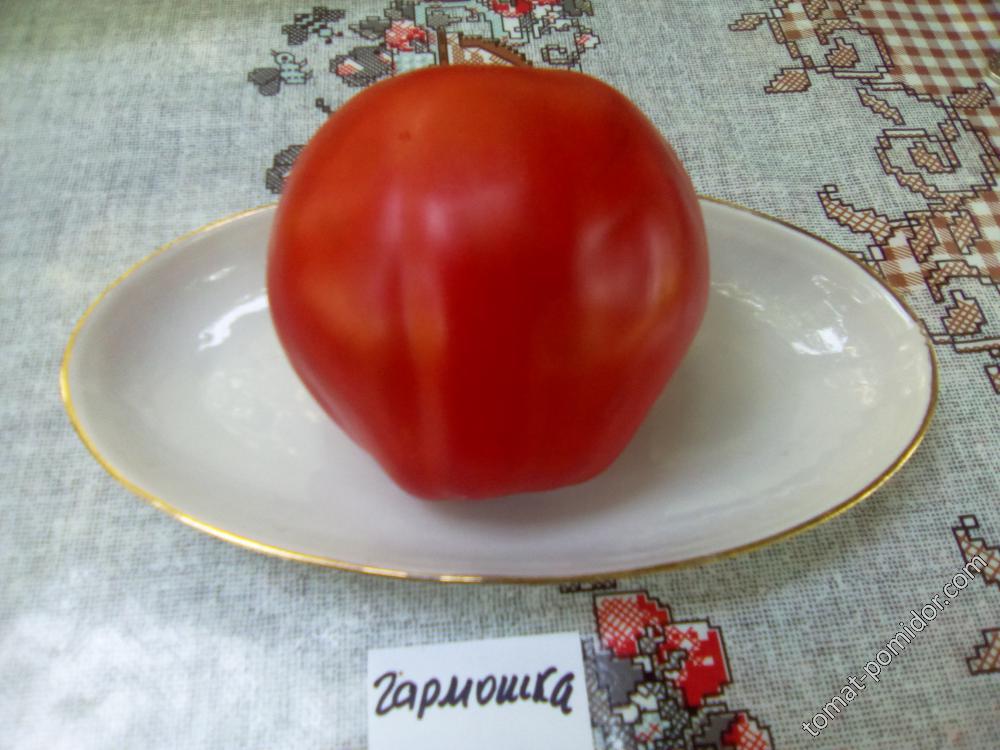
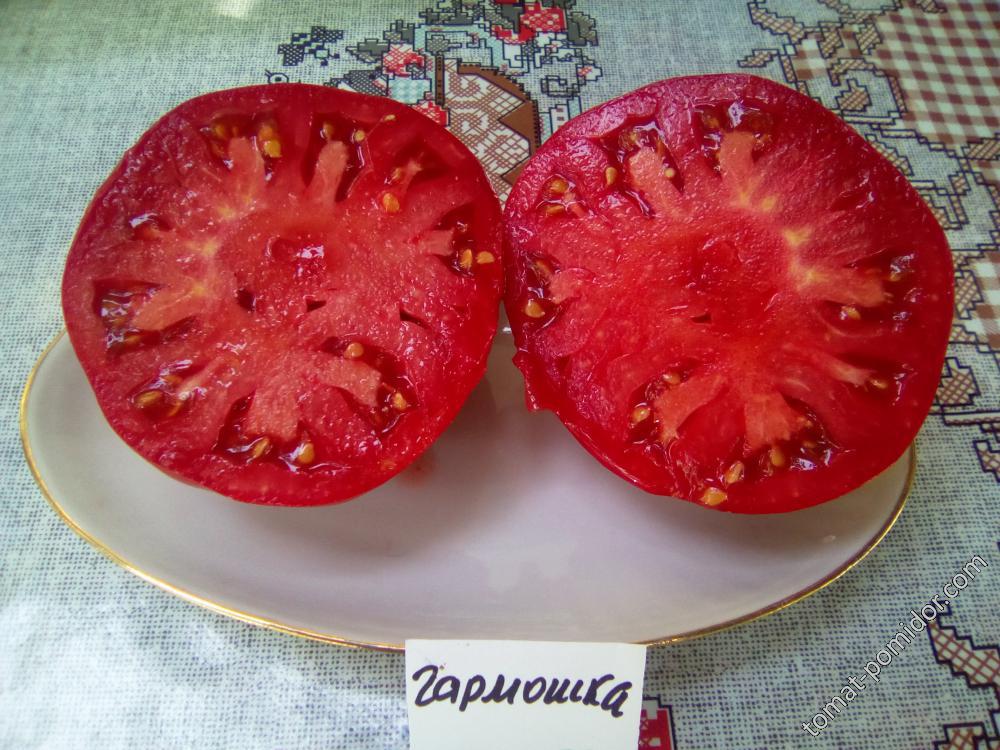
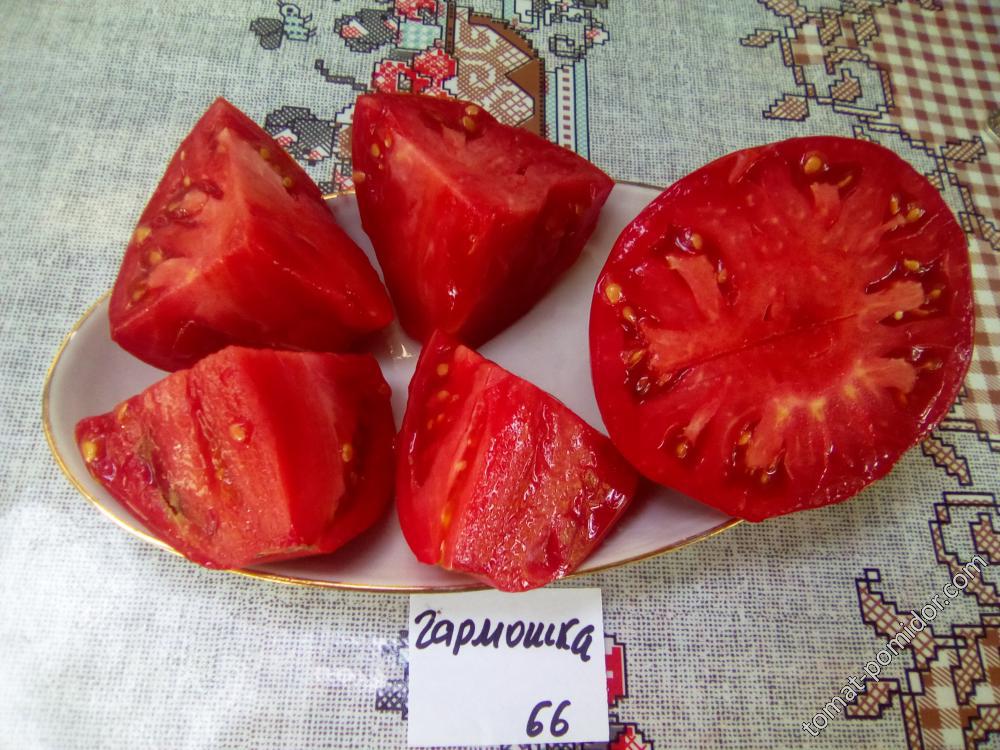
In this thread, Olya mentions that the Garmoshka seeds she saved herself produced weaker, less ribbed plants than the store-bought ones. Elena chimes in with a classic piece of old-school gardening wisdom: don’t plant seeds from last year, plant seeds from 2 or 3 years ago!
Is there science behind this? Actually, yes! Many heirloom tomato growers swear by “aging” their seeds. The theory is that freshly harvested seeds are primed for intense vegetative growth. If you plant 1-year-old seeds, you often get massive, leafy bushes with fewer blossoms. But as a seed ages (3 to 5 years), its initial vigor decreases slightly. When planted, the slightly older seed doesn’t waste as much energy growing into a leafy jungle; instead, it transitions much faster into the reproductive stage, setting heavier fruit clusters earlier in the season!