📌 Quick Summary (TL;DR): Herodes
- 🌍 Origin: A fantastic commercial heirloom variety originating from the Czech Republic.
- 🌿 Plant Habit: Indeterminate (tall). Like many classic oxhearts, it has a “wispy” or frail-looking foliage habit. Don’t let the skinny vines fool you—it is highly productive and doesn’t take up much lateral space in a greenhouse.
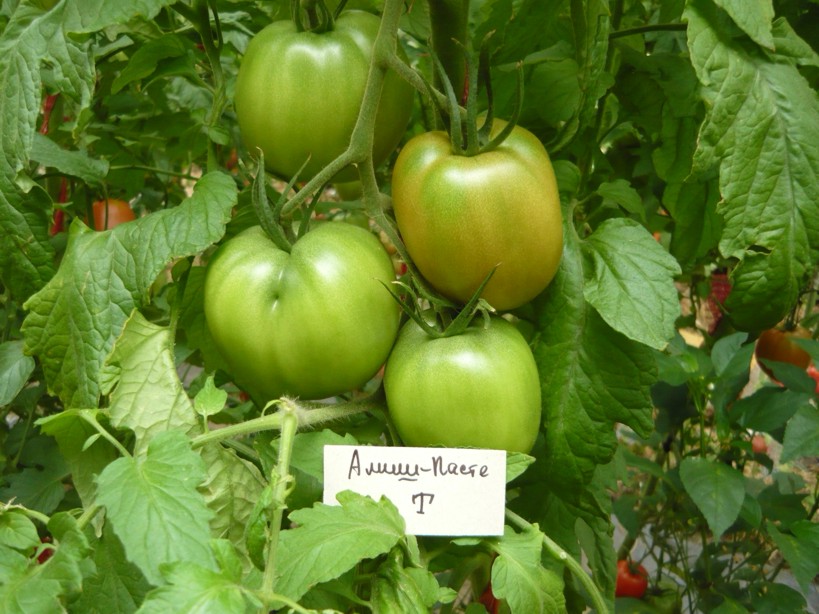
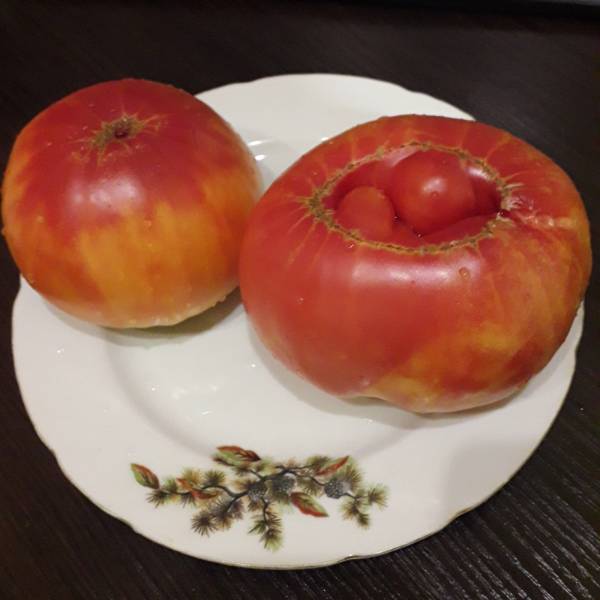
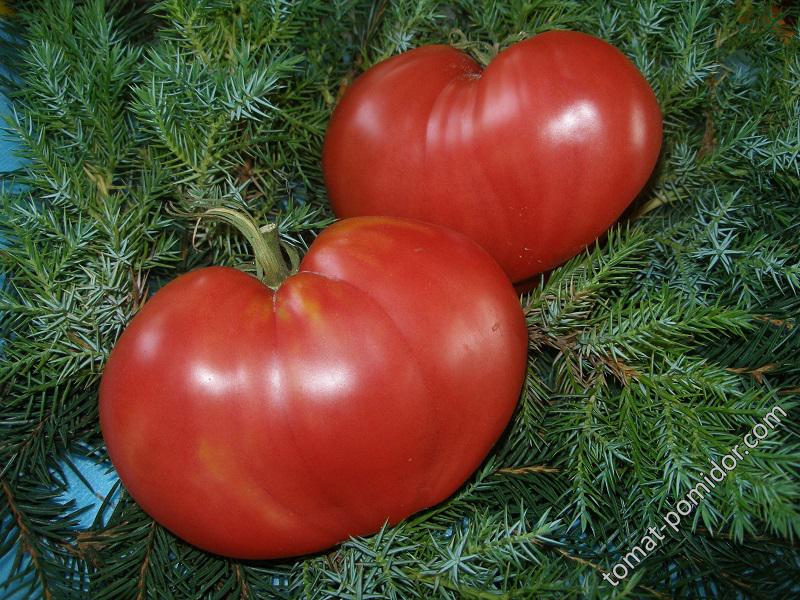
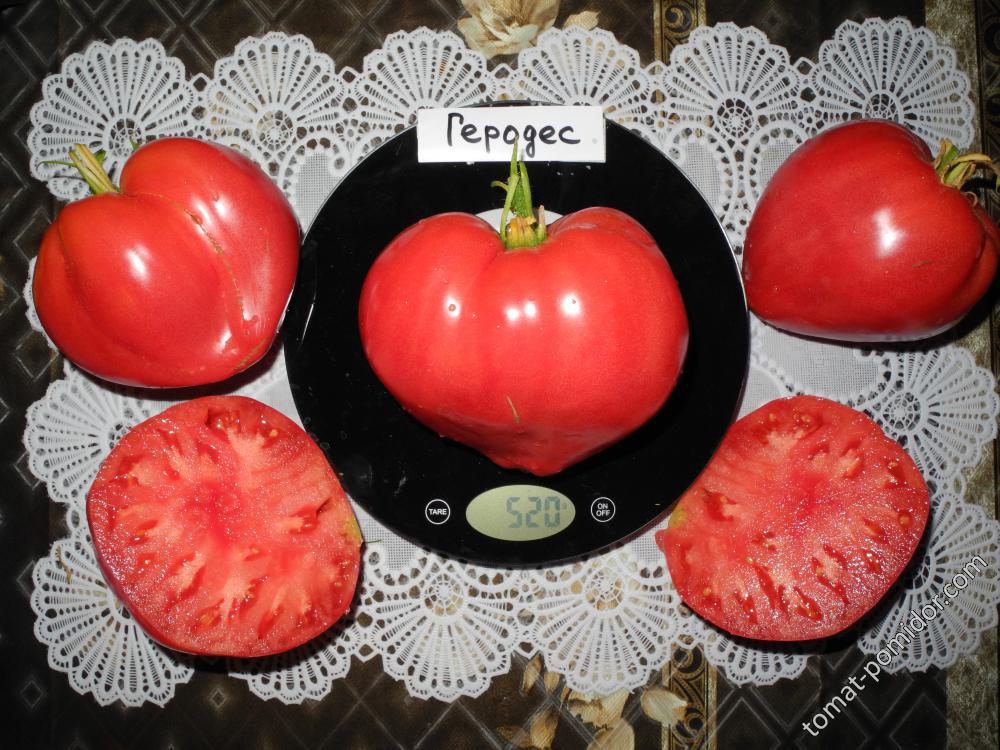
- 🍅 Fruit Characteristics: Large, beautiful pink oxhearts, occasionally slightly flattened on the sides. They often show faint longitudinal stripes or ribbing when green, which blur out as they ripen. Fruits typically weigh around 1 lb (450 g), with some reaching over 1.1 lbs (500 g).
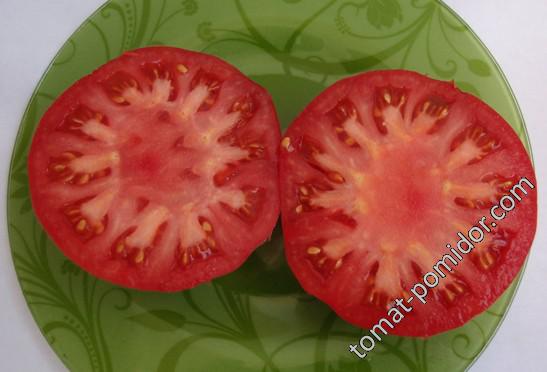
- 👅 Flavor: The flesh is dense, very meaty with few seeds, and has a rich, buttery texture. Growers consistently praise its sweet and delicious flavor, though a few note it can turn out bland in poor conditions.
Herodes (Czech Republic). This season I tested out an interesting indeterminate variety called Herodes. I grew it in a greenhouse, but the seed packet says the variety is also meant for growing outdoors in open ground (worth testing next year).
The plant is sturdy, with good foliage cover, and quite productive. All the fruits are large, heart-shaped, slightly flattened, with faintly visible longitudinal stripes and ribbing. The stripes are especially noticeable on unripe fruits, and become blurry as they ripen.
The flesh is dense, meaty, and the flavor is very worthy. “Wonderful taste!” — just as claimed on the seed packet 🙂
Just lovely 👍
Thanks for the description! I’m planning to grow it next year, and there’s nothing useful written on the packet. And here are such beautiful photos 👍
Natasha, it’s wonderfully beautiful! The photo is very pretty, you can tell it’s a worthy variety 👍
Girls, thank you! The fruits have an unusual shape—so cute 👍 Too bad I didn’t take a photo of them sliced 😕 But take my word for it—very tasty 😋 The flesh has a “buttery” texture…
Herodes is an indeterminate. Pruned to two stems. The bush is “skinny” and takes up very little space, but there are a lot of tomatoes on it, they are quite large. Mine were around 1 lb (450 g), beautiful flat hearts. Very tasty, very few seeds inside. A wonderful variety, definitely worth replanting! Natasha-Yaroslavna, thanks for the seeds! 🌺
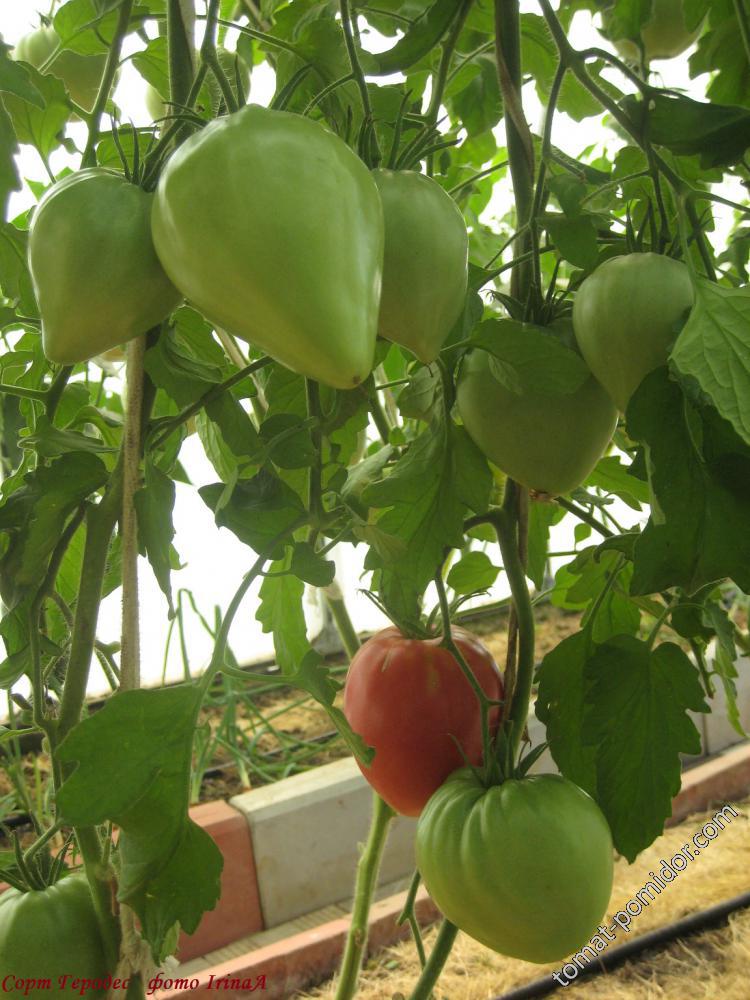
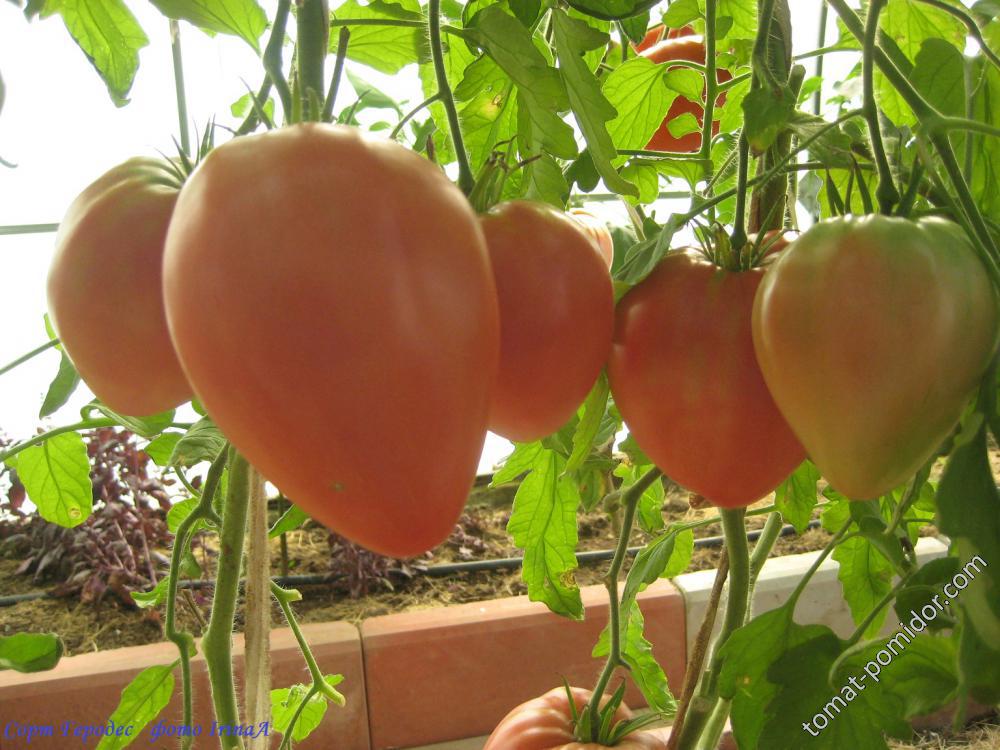
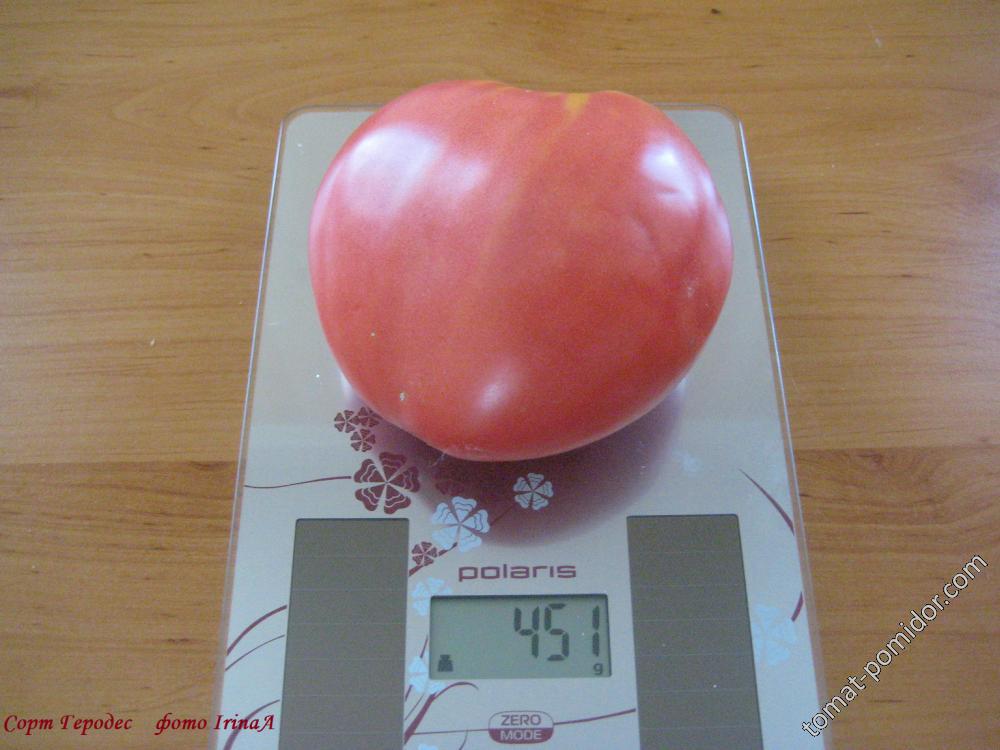
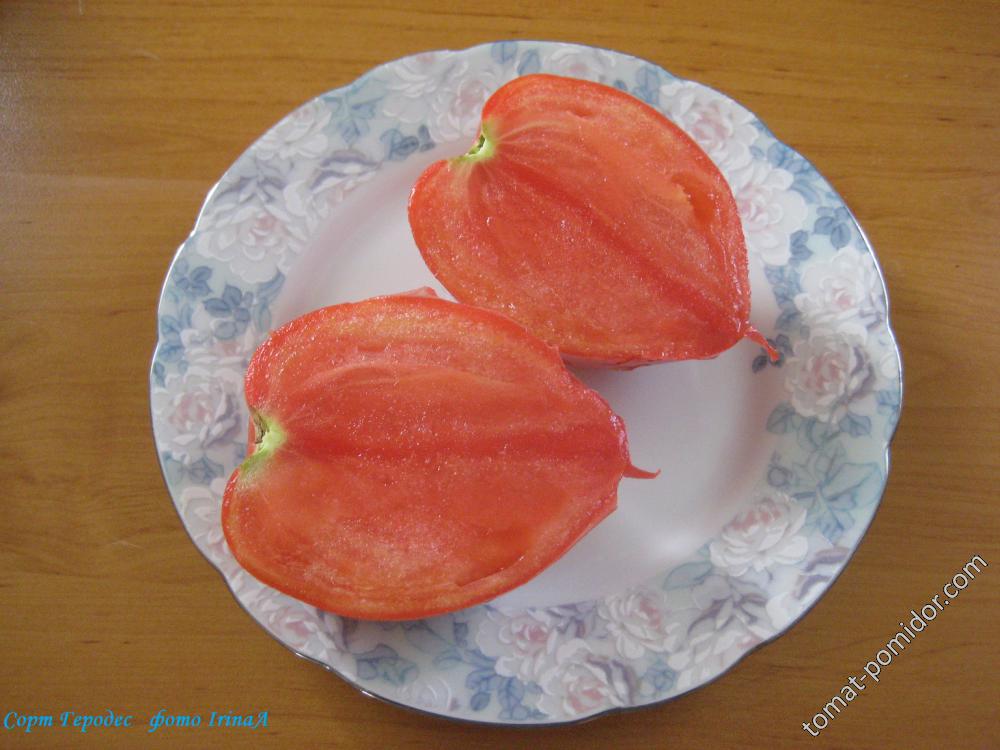
Grew it in a plastic hoop house, started ripening in mid-July. I really liked both how it looked and how it tasted. The first fruits were over 7-9 oz (200-250 g), the late ones were 3.5-5 oz (100-150 g). Good yield. One of the best varieties for me this season.
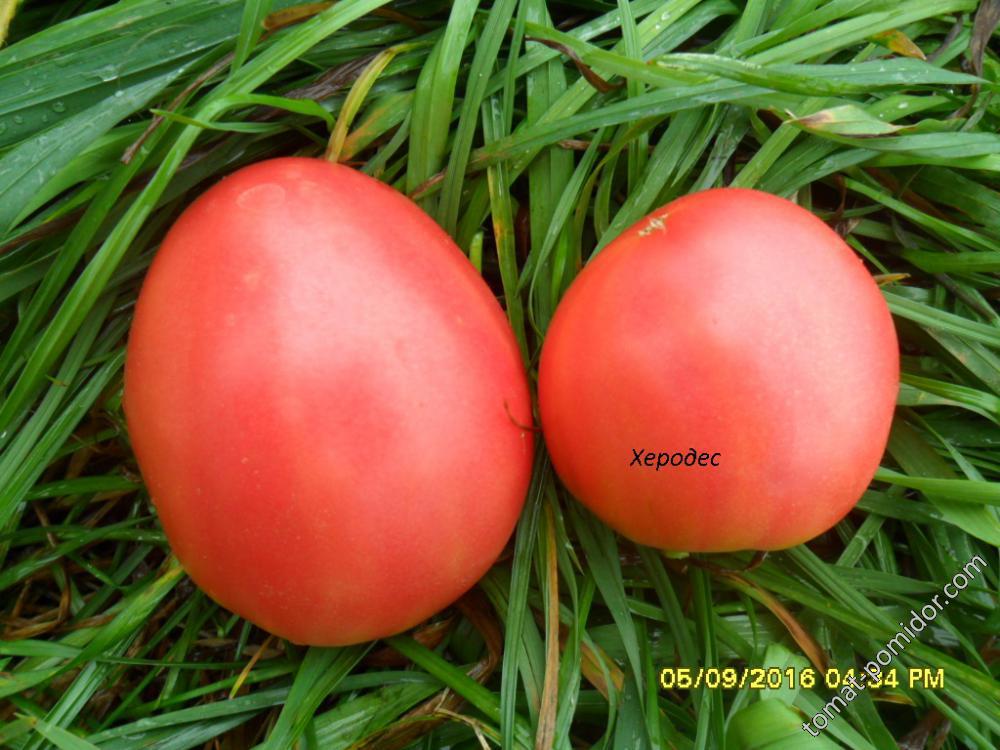
Herodes. Indeterminate, heavy yielder, grew it outdoors in open ground in 2016. Seeds from Natasha-Yaroslavna. 😘 🌺
Galina P. wrote:
Herodes. Indeterminate, heavy yielder, grew it outdoors in open ground in 2016…
Galochka, what a HANDSOME tomato grew for you! 👏👏👏 😘
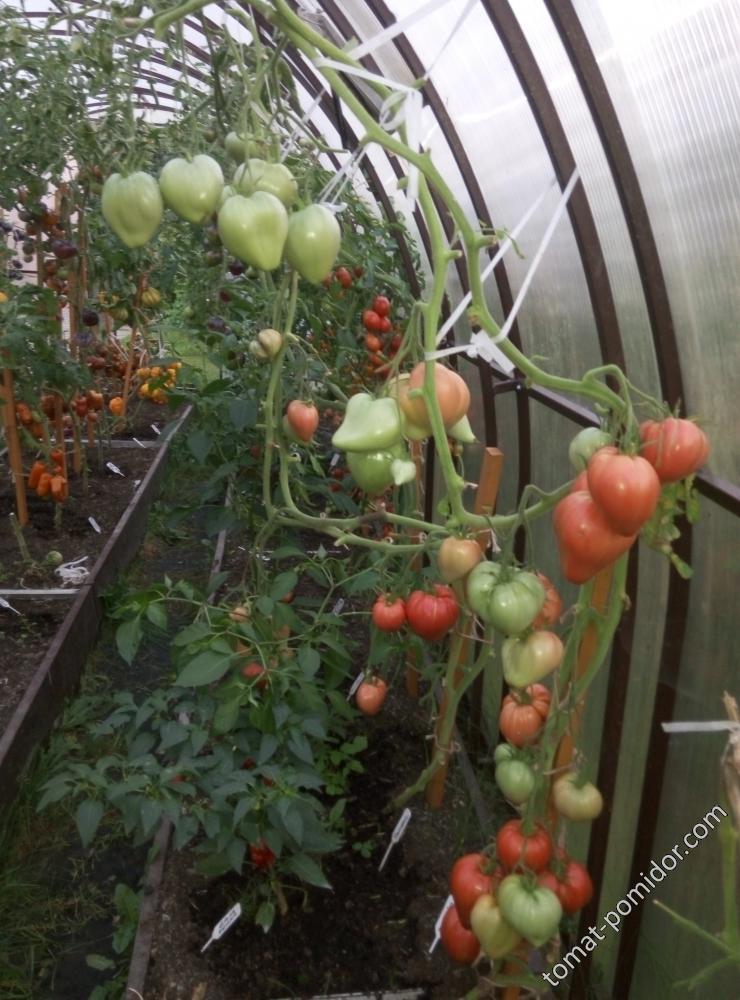
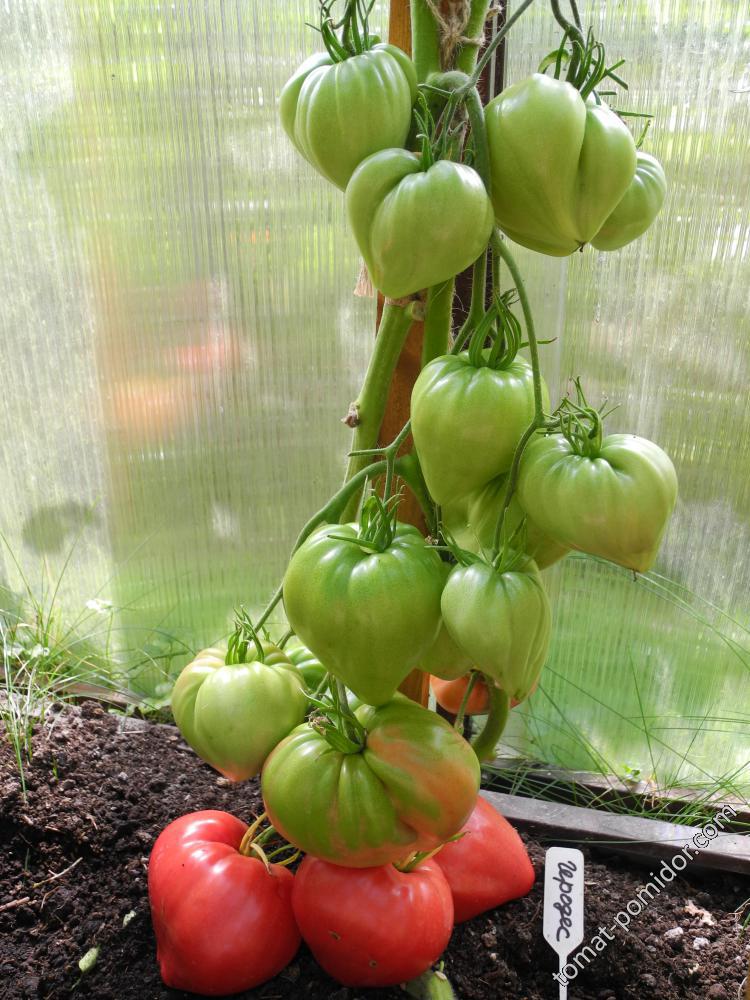
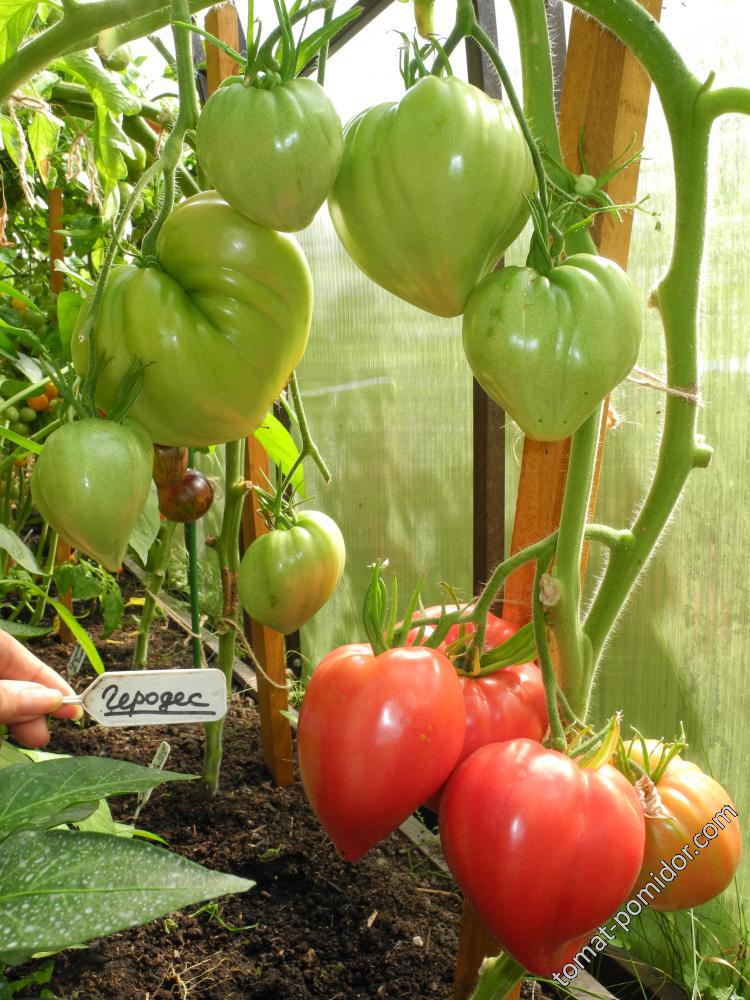
Natasha-Yaroslavna, thanks for the seeds! 🌺 One of the best pink oxheart varieties, now permanently registered in my collection 👍 Grew 2 bushes in the greenhouse, both super productive 👋 All season long they set fruit all the way up to the greenhouse ceiling. Beautiful, firm, glossy hearts with very good flavor, meaty, few seeds, weighing up to 1.1 lbs (500 g). Some were slightly flattened on the sides, very pretty 😘
Svetikk wrote:
Natasha-Yaroslavna, thanks for the seeds! One of the best pink oxheart varieties…
Svetik 👏👏👏 And this was during such a moody summer as 2017?? 👍 Crazy, what a harvest!!! 👋 Good for you! 😘 👏👏👏
I also repeated this wonderful variety in 2017. Grew it outdoors again. Even in such a nightmare summer, it made me happy. Of course, I didn’t get massive fruits like Svetik did, but I’m happy even with these. Natasha! 🌺
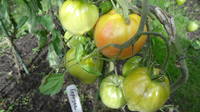
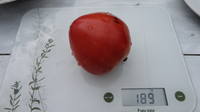
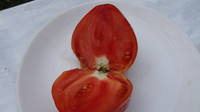
I have this feeling that the poor seedlings, having suffered from the cold from April to July during the super cold summer of 2017, were rushing to leave behind as much offspring as possible 👋 as soon as the normal weather hit.
Many varieties gave me such a huge yield 👋 that I totally didn’t expect given my tight planting spacing. And then throughout the warm September, they made up for lost time and set fruit all the way up to the ceiling, I just had to feed them periodically.
Bland, and had a low yield for me. Didn’t like it at all.
Svetik, thanks again so much for this tomato too! 🌺 👍 Grew it in a plastic hoop house in totally Spartan conditions. Paid way less attention to it than to the tomatoes in my polycarbonate greenhouse. And despite that, it turned out very productive and incredibly tasty, sweet 👍
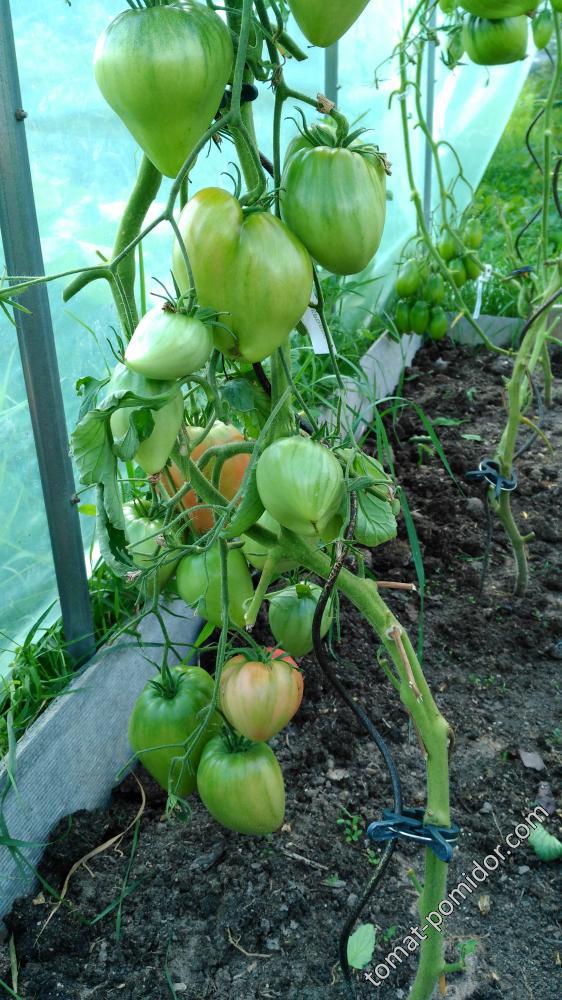
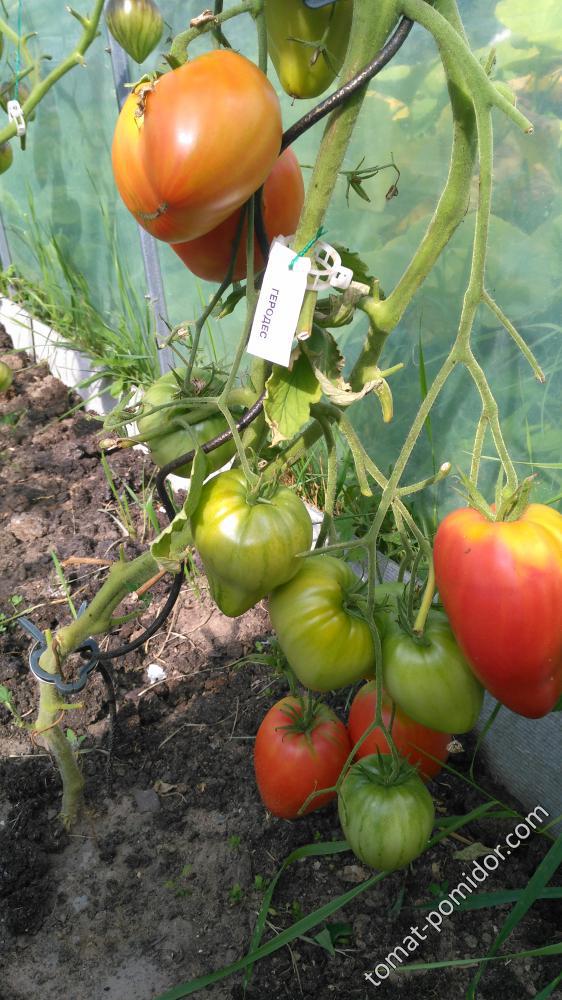
Repeated my favorite in 2018, didn’t let me down again 😘 In my conditions – a productive, delicious handsome guy 👌
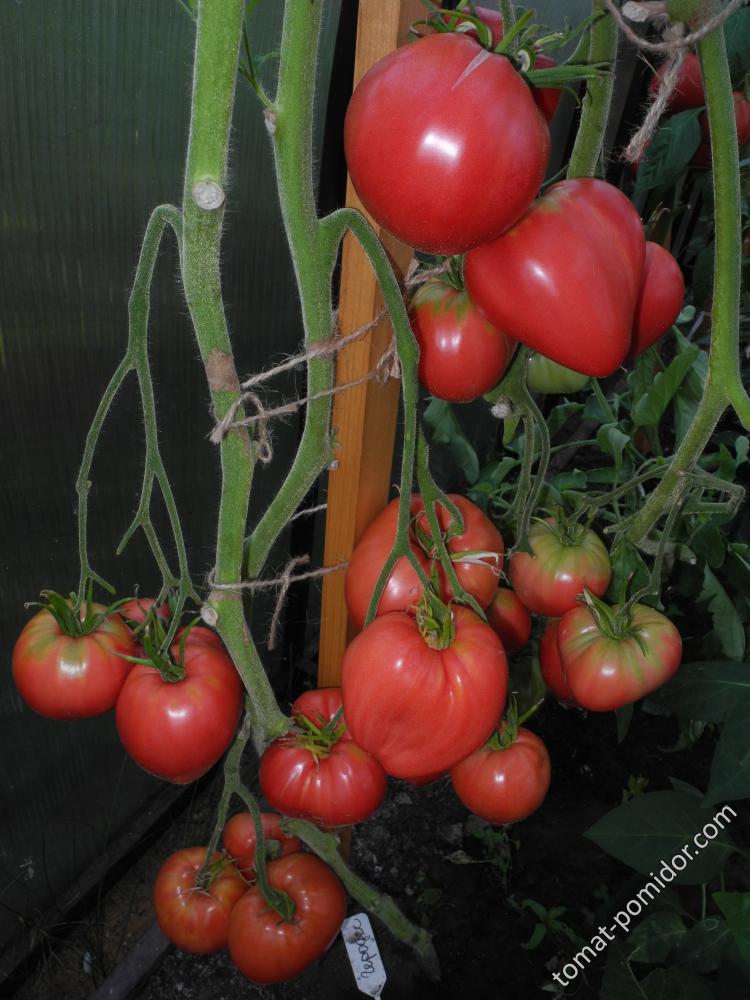
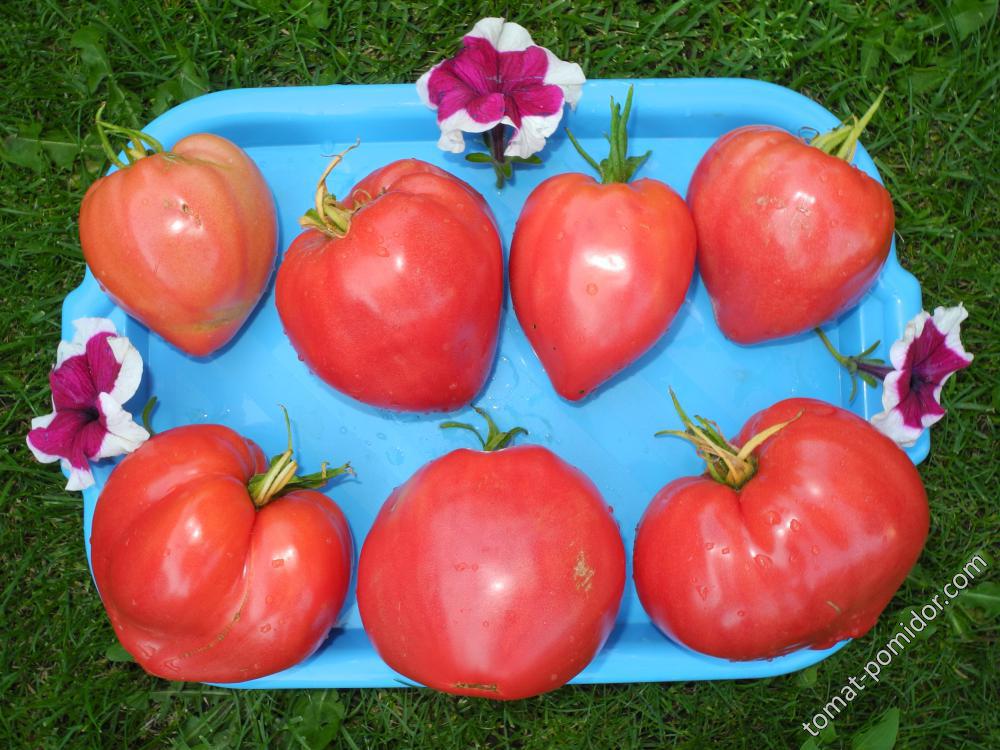
This variety has been around in our parts for a long time. I tested it about 4 years ago. Not bad, hearts worth paying attention to. Yes, the stems look flimsy of course, but it fruits well. Planted it for 3 years, then calmed down, there are so many different hearts out there after all….
Svetikk mentions an incredible phenomenon in her garden: after enduring a brutally cold spring, her Herodes plants suddenly exploded with a massive harvest as soon as the weather warmed up, trying to “leave behind as much offspring as possible.”
This is actually a documented botanical response! When a tomato plant experiences early-season abiotic stress (like extreme cold or drought), it triggers a survival mechanism. The plant “thinks” it is going to die, so once conditions improve, it aggressively redirects all its energy from vegetative growth into rapid flowering and fruit production to ensure its seeds (offspring) are created before the end of the season.