📌 Quick Summary: Gezahnte Bührer-Keel
- 🌍 Origin: A stunning European heirloom. Originally from Switzerland, the name Gezahnte translates to “Toothed” (referencing its deep pleats/ribs), while Bührer-Keel refers to the Swiss family who historically cultivated and preserved the variety.
- 🌿 Plant Habit: Indeterminate (tall). A very robust and powerful plant that easily tops 6.5 feet (2 m) in a greenhouse. Excellent heat tolerance—it rarely drops blossoms even during intense summer heat waves.
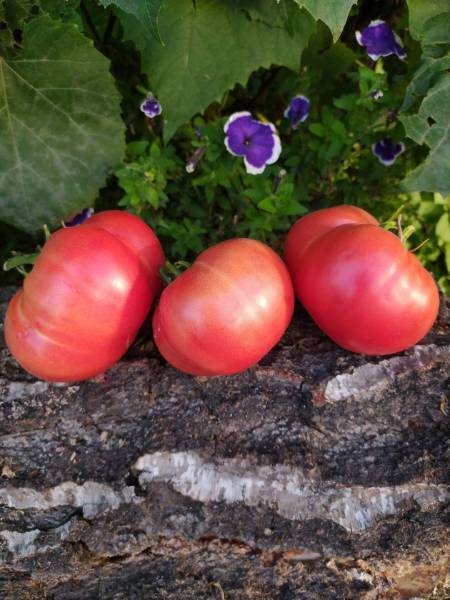
- 🍅 Fruit Characteristics: Large, deeply ribbed/pleated red pears or “pouches”, weighing between 7 and 14 oz (200-400 g) or more. The fruits are very meaty, though some may contain small hollow cavities inside, making them decent candidates for stuffing.
- 👅 Flavor & Use: A standard, traditional tomato flavor. While it won’t win a sweet-tasting contest against a pink beefsteak, its massive yield, striking shape, and meaty walls make it a fantastic processing and sauce tomato.
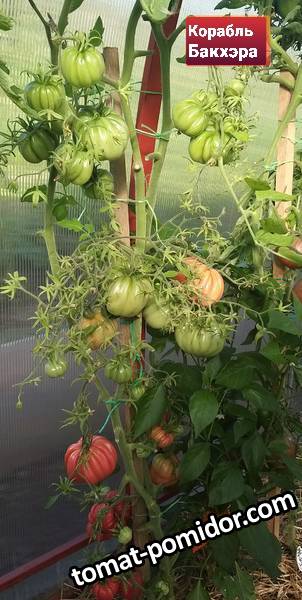
Gezahnte Bührer-Keel. A variety specifically for lovers of pear-shaped tomatoes. In the greenhouse, the bushes grow into strong, sturdy, and extremely tall plants; well over 6.5 feet (2 m). In terms of ripening time, it turned out to be a mid-season variety for me.
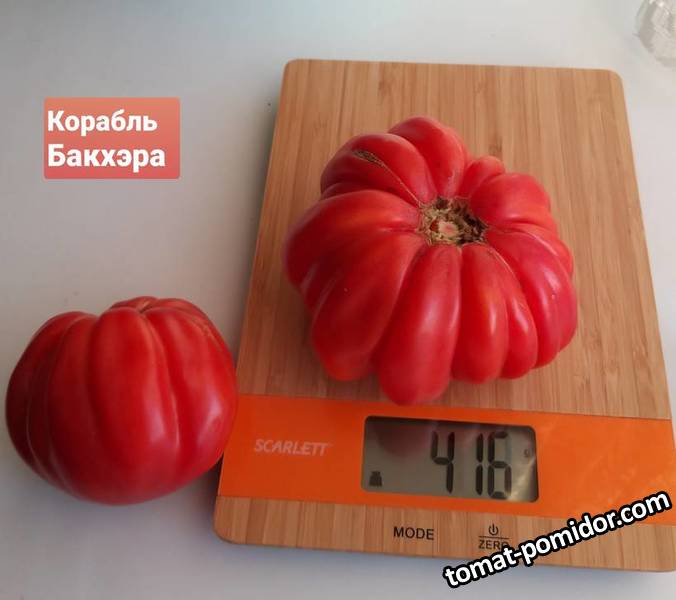
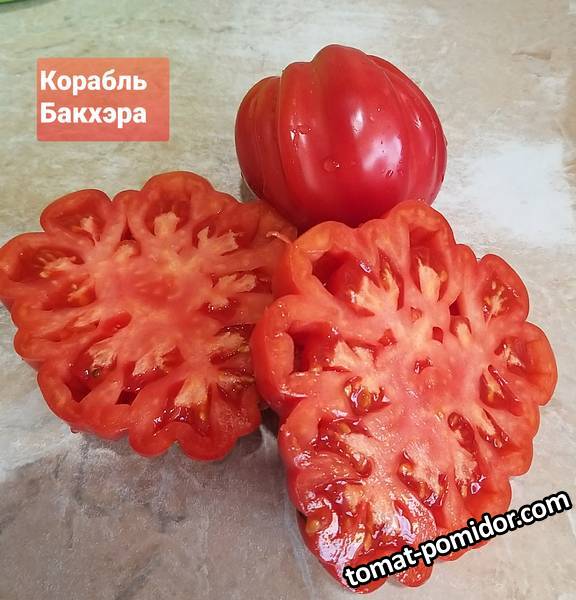
The tomatoes are meaty, beautiful, deeply ribbed pouches and pears, weighing anywhere from 7 to 14 oz (200-400 g), with some getting even larger. You might find some small hollow cavities inside, but not in all of the fruits. Various websites online describe the color of these tomatoes as raspberry-red. I would personally call them just plain red.
The flavor is standard. Of course, there are tastier varieties out there, and definitely worse ones too. It absolutely did not drop a single blossom during the hot days. Extremely heavy yielder.
A huge thank you to Natalya Pavlovna @Yaroslavna for the seeds!
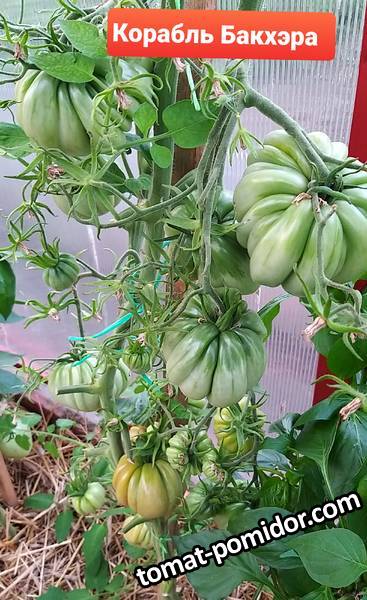
If you translate the original Russian forum post directly, the user mistakenly calls this variety “Korabl Bakhera” (Bakher’s Ship). This is a hilarious, classic case of Russian seed-market “broken telephone”! A local seller likely misread the Swiss-German word “Keel” as the English word “Keel” (the bottom of a ship) and just translated it literally. It has nothing to do with ships—it’s simply the last name of a Swiss family!