Growers’ Notes and Photos (USDA Zones 3-6 Experience)
Old German heirloom from the 19th century, predates the American Golden Queen. Note that in Russia there’s also a tomato called Zolotaya Koroleva (Golden Queen); that’s a completely different variety with large fruits.
We tried this German one this year. The plants were under plastic in a hoophouse, reaching up to 5 feet (1.5 m) tall. Very sturdy vines, zero disease issues, mid-season. The flavor is mildly sweet, very low acid, and the fruits are highly aromatic, they just smell great. The little tomatoes have thin skin, so we harvested them by the whole truss for market so they’d stay intact. Ripens fully, long harvest window, yielded up to 4.4 lbs (2 kg) per plant. These are the bottom trusses.
Edited February 2, 2015 by Drosera
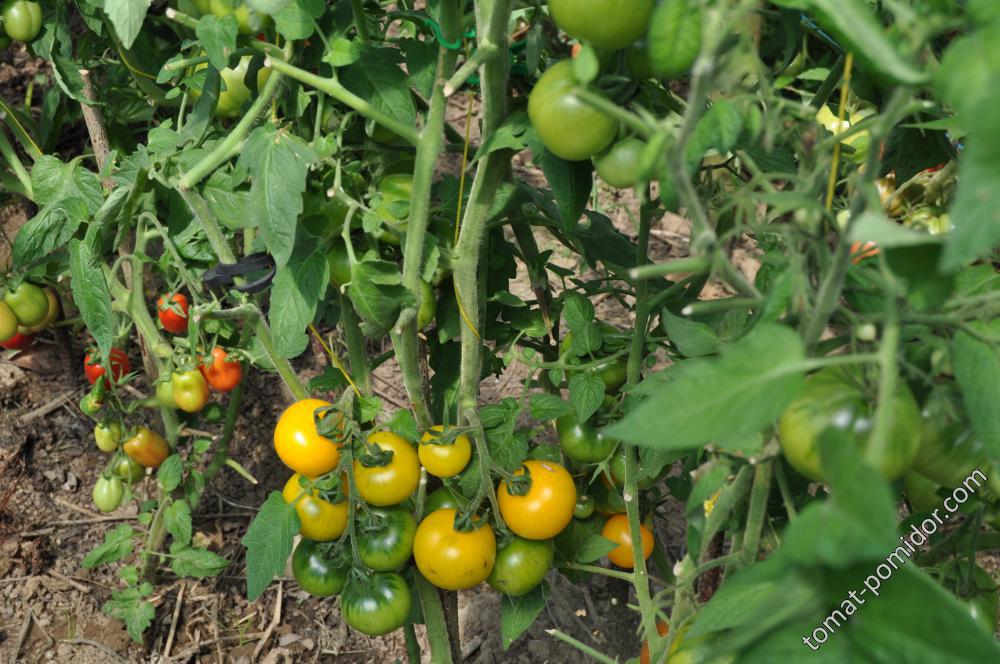
Growing a variety like this really makes you appreciate how pedantic Germans are and how stubbornly they preserve their historic strains. I shared some of these seeds with the ladies on the forum.
Edited October 3, 2014 by Rodebielesumer
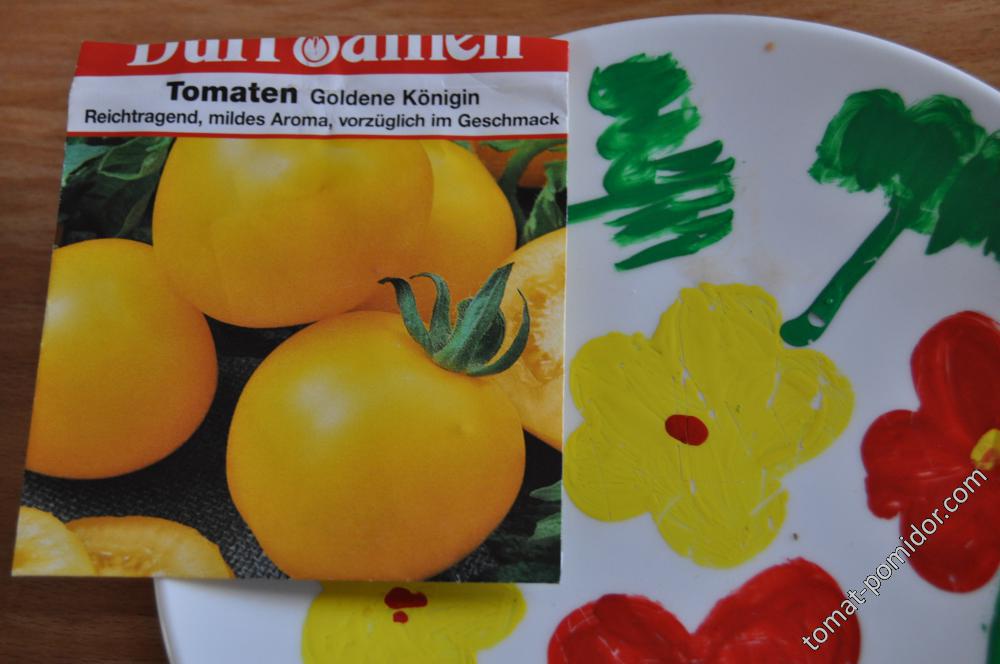
Elenushka, this variety totally flopped for me in my sandy soil.
Here are my 2013 results:
Goldene Königin
Vine height on August 1st: 6 feet (1.8 m)
Yield per plant: 1.5 lbs (0.7 kg)
Average fruit weight: 1.1 oz (32 g)
Subjective taste score: 3.5/5
Grew it in a 5-gallon (20 L) bucket in partial shade. The flavor seemed sour to me, though maybe that was just from a lack of sun.
I also read elsewhere that this is one of the very first varieties to get hit by late blight.
Quote by Rodebielesumer
Old German heirloom from the 19th century, predates the American Golden Queen. Note that in Russia there’s also a tomato called Zolotaya Koroleva (Golden Queen)—that’s a completely different variety with large fruits.
I actually grew that other one, the Russian Zolotaya Koroleva.
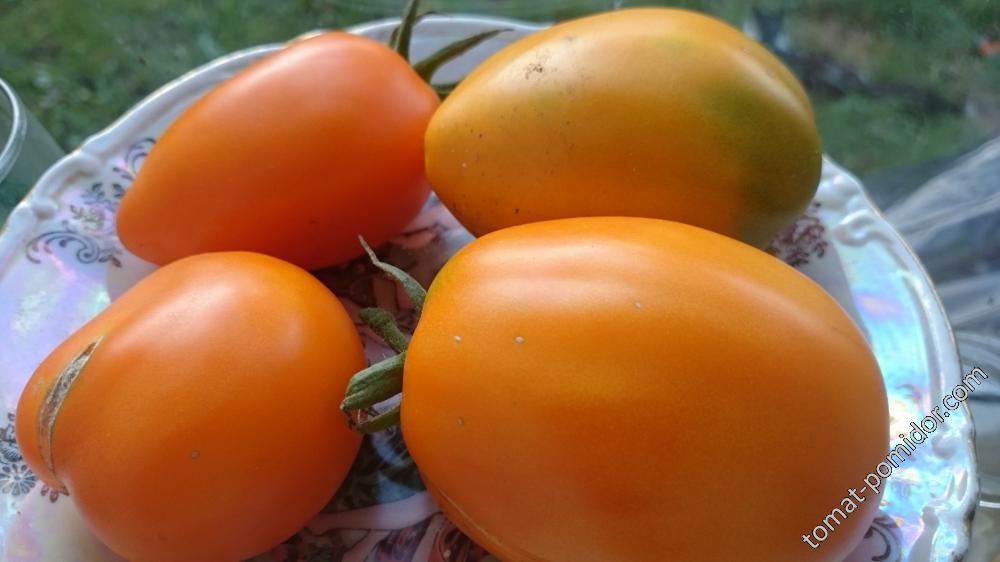
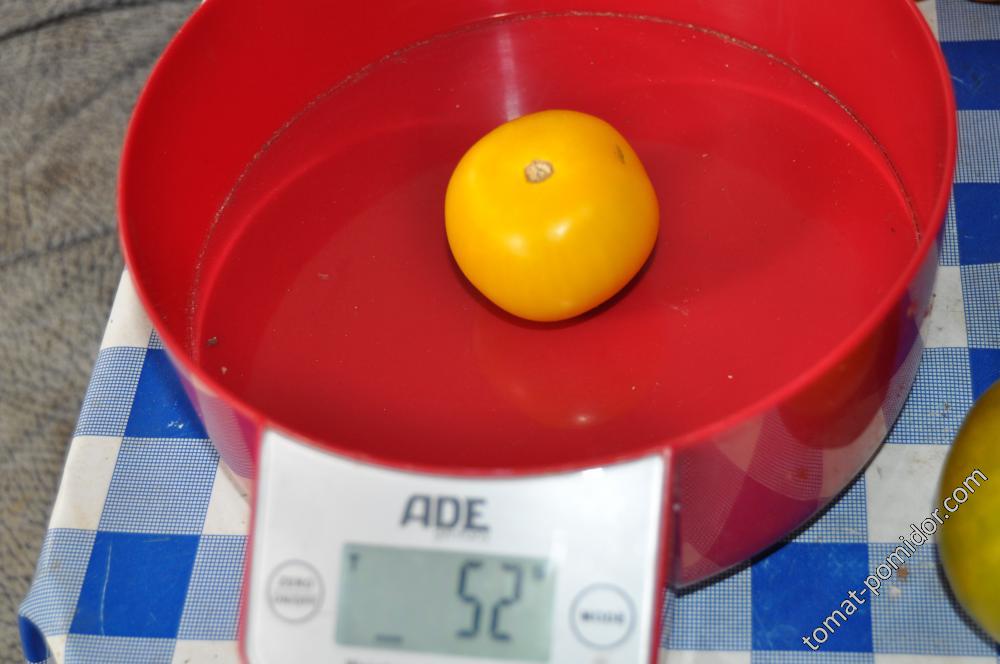
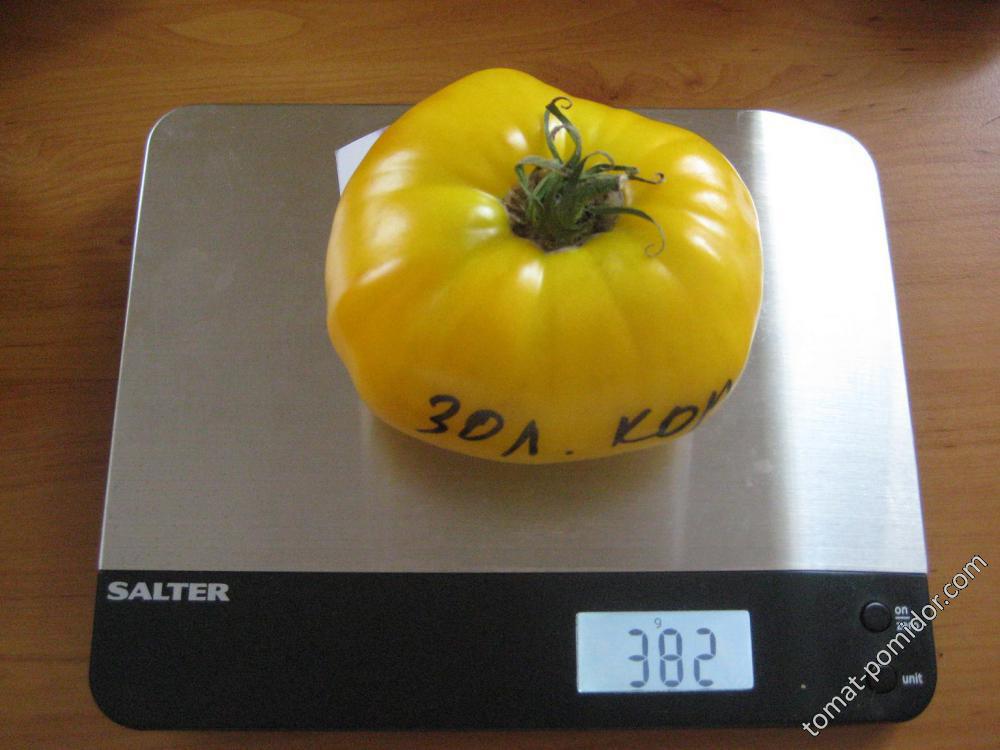
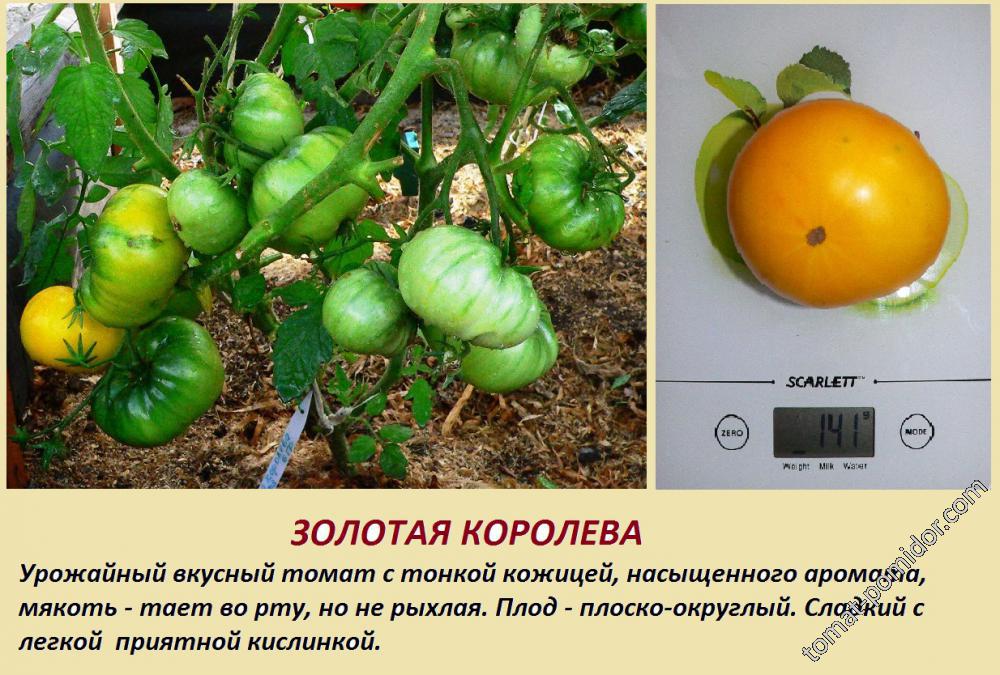
Loved the variety. Grew it in the greenhouse, pruned to two stems, reached about 5 to 5.5 feet (1.5-1.7 m) tall. Large, sweet, beautiful fruits. Mid-season. The first photo is my very first tomato of the season, the second shows its weight, and the last photo is the final tomato picked in early September.
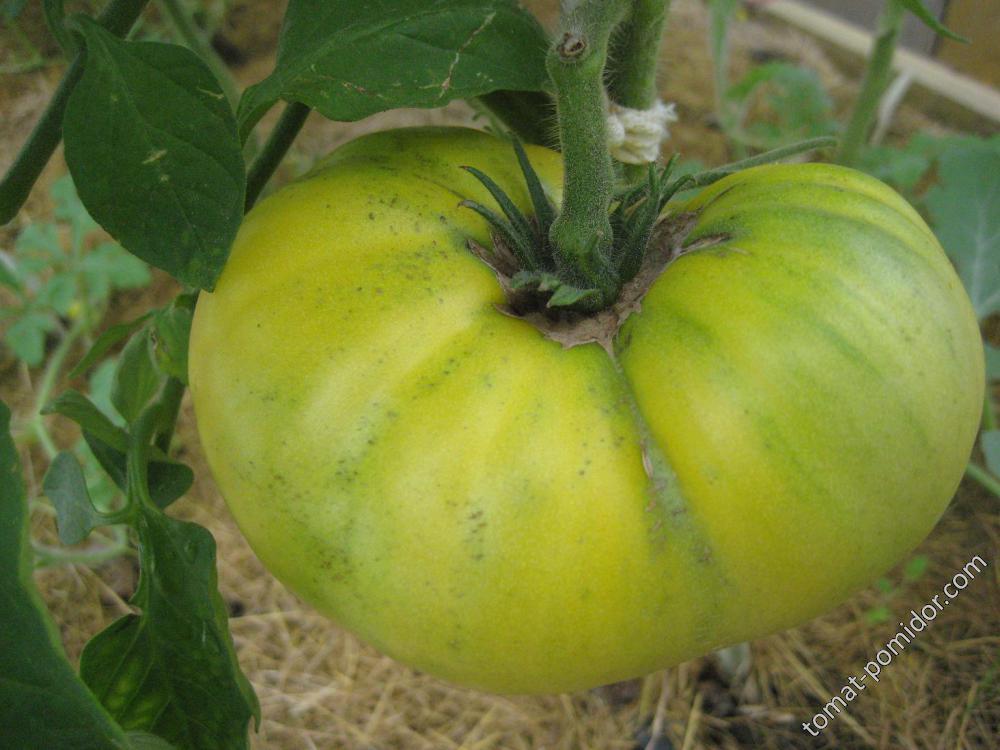
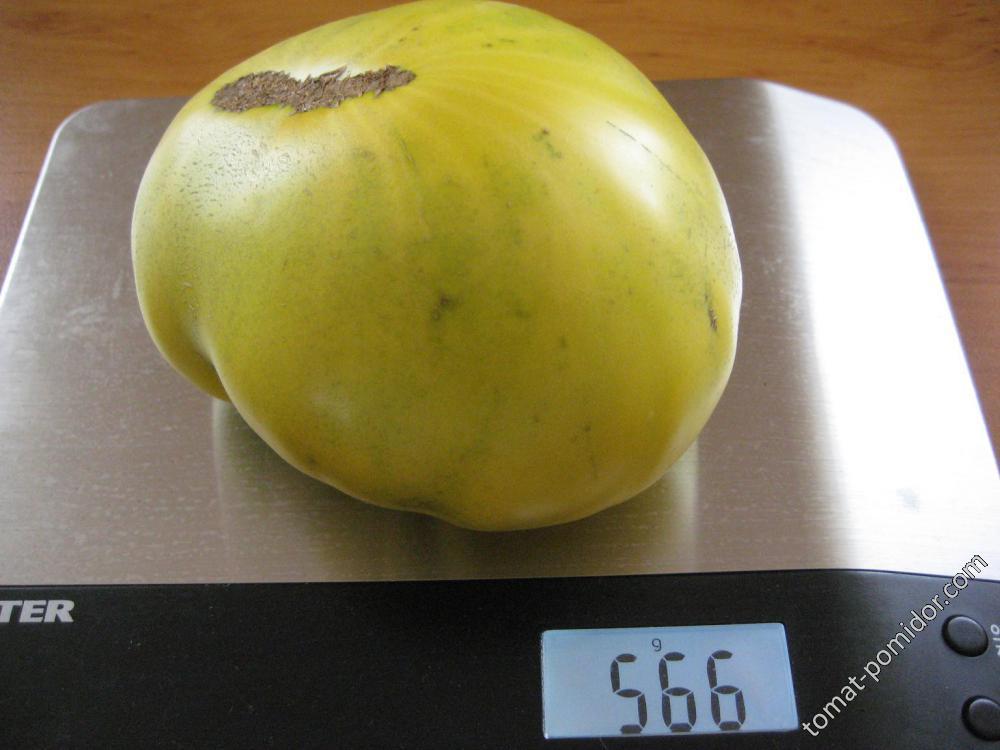
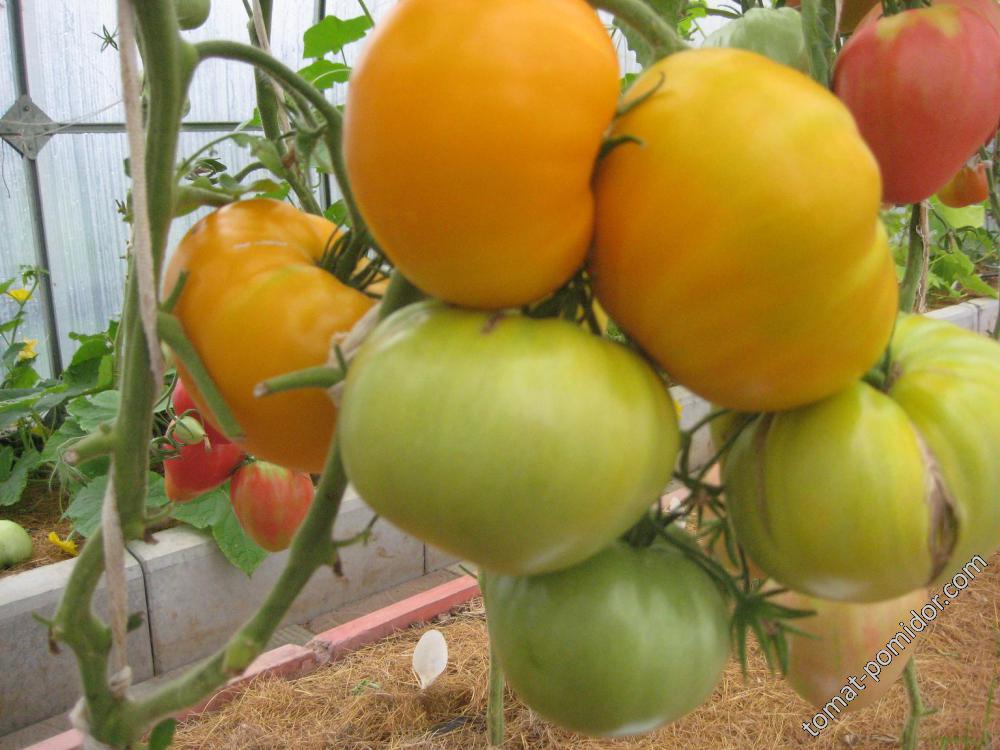
Irina, my Zolotaya Koroleva looked just like yours, but it also developed a little pink blush on the blossom end when fully ripe:
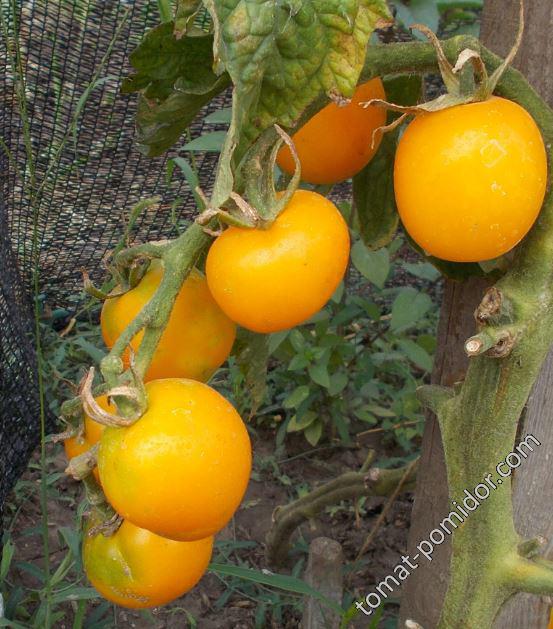
I grew the true Goldene Königin from SPERLI seeds out of Germany. Tomatoes were 3.2-4.2 oz (90-120 g), very aromatic. Really good flavor, though not the super sweet dessert type.
Edited April 7, 2016 by Stasya

My Zolotaya Koroleva was just like Irina’s and Svetlana-Semechka’s. Seeds from Sibsad. Matched the description perfectly. Grew it outdoors. We had a scorching hot August, but it didn’t mind the heat at all. Barely watered it, but to be fair it was planted in a spot that gets shade after 5 PM.
The vine was maybe 3.3 feet (1 m) tall, but it got super wide and vigorous for me. It was growing in a neglected, far-off garden bed, threw out a ton of suckers really fast, and by the time I noticed, they were too big to prune, so I just let it run with 5 or 6 stems. Didn’t fertilize it at all, and it still pumped out a very decent haul of large, beautiful, and most importantly, delicious tomatoes. The ones higher up were obviously smaller. Super happy with it, definitely regrowing it from saved seed.
I did have a second vine in another bed that didn’t do anything special, though.
Summer 2016 I planted one vine from ‘Semena Ukrainy’ seeds. Didn’t do great, I put it in a bad spot. Because of that, the yield was nothing to write home about. But the flavor was excellent, small yellow tomatoes with a really pleasant sweet taste. Will definitely run it again when I get the chance.
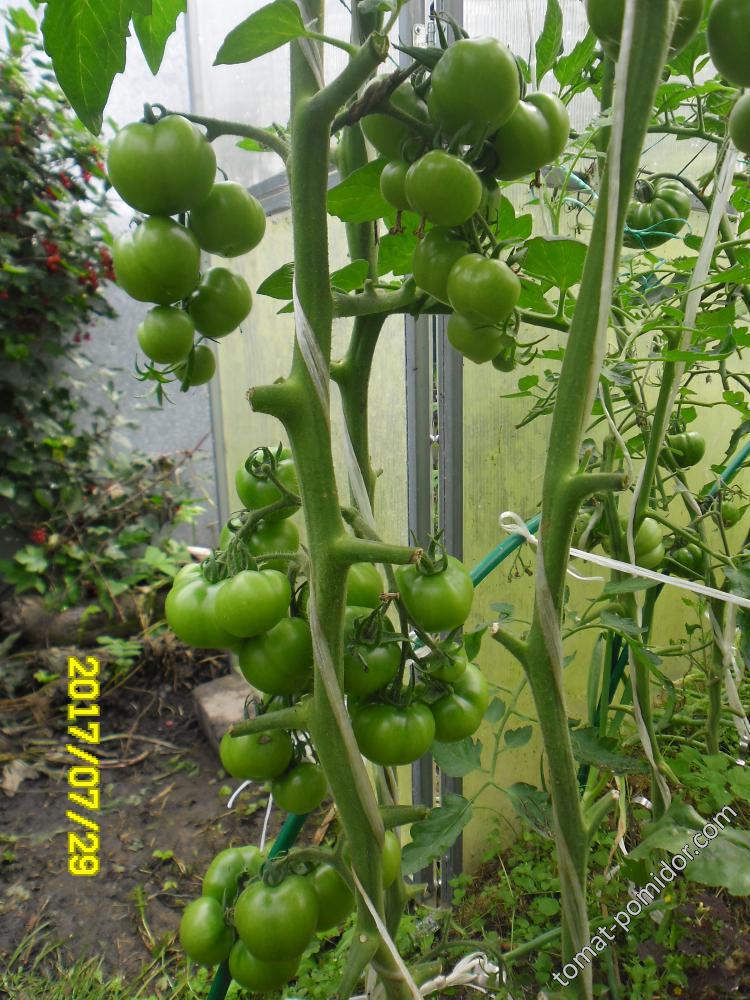
Here’s mine. I absolutely love it. Last year it was the first one to ripen. This year I ran it with 2 leaders, which slowed it down a bit, but it’s absolutely loaded with tomatoes. Very reliable variety, even if not everyone loves the flavor. In this terrible growing season, it’s been one of my best performers.
Full Summary: Two Varieties in One Thread
- 🌿 Plant (Goldene Königin): The historic German heirloom is a mid-season indeterminate. It performed beautifully for Rodebielesumer and Belka, but struggled in sandy soil and container environments for Aleksander.
- 🌿 Plant (Zolotaya Koroleva): The modern Russian commercial variety is a vigorous, heat-tolerant indeterminate that grows well both in greenhouses (around 5.5 feet / 1.7 m) and outdoors (around 3.3 feet / 1 m).
- 👅 Taste: The German heirloom produces small, aromatic, low-acid fruits that are mildly sweet. The Russian namesake produces large beefsteaks that growers describe as very sweet and delicious.
- 📦 Storage: The authentic Goldene Königin has very thin skin, making it prone to splitting, so commercial growers often harvest whole trusses. Fruits range from 1-4 oz (32-120 g). The Russian version yields large beefsteaks, occasionally developing a pink blush on the bottom.
- 🌎 Who Reviewed It: Eight growers contributed to this thread, gardening in zones ranging from frigid Siberia to Western Europe.
This thread beautifully highlights the confusion caused by localized seed names. “Goldene Königin” translates to “Golden Queen” in English and “Zolotaya Koroleva” in Russian. While the original German heirloom is a small salad tomato, Russian commercial seed companies (like Sibsad) sell a completely unrelated large yellow beefsteak under the translated name. When buying seeds, always double-check the fruit size in the description to know which strain you’re getting!