Quick Summary of Raiskoe Naslazhdenie (Heavenly Delight)
- 🌍 Origin: A highly regarded Russian commercial variety, officially included in the Russian State Register in 1999. The name translates to “Heavenly Delight” or “Paradise Delight”.
- 🌿 Plant Habit: Indeterminate (vining). While original seed packets claim a height of 1.2 m (4 ft), almost all growers report that it easily exceeds 2 meters (6.5 ft) in both greenhouses and open ground.
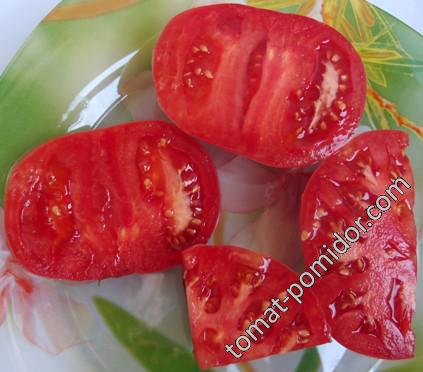
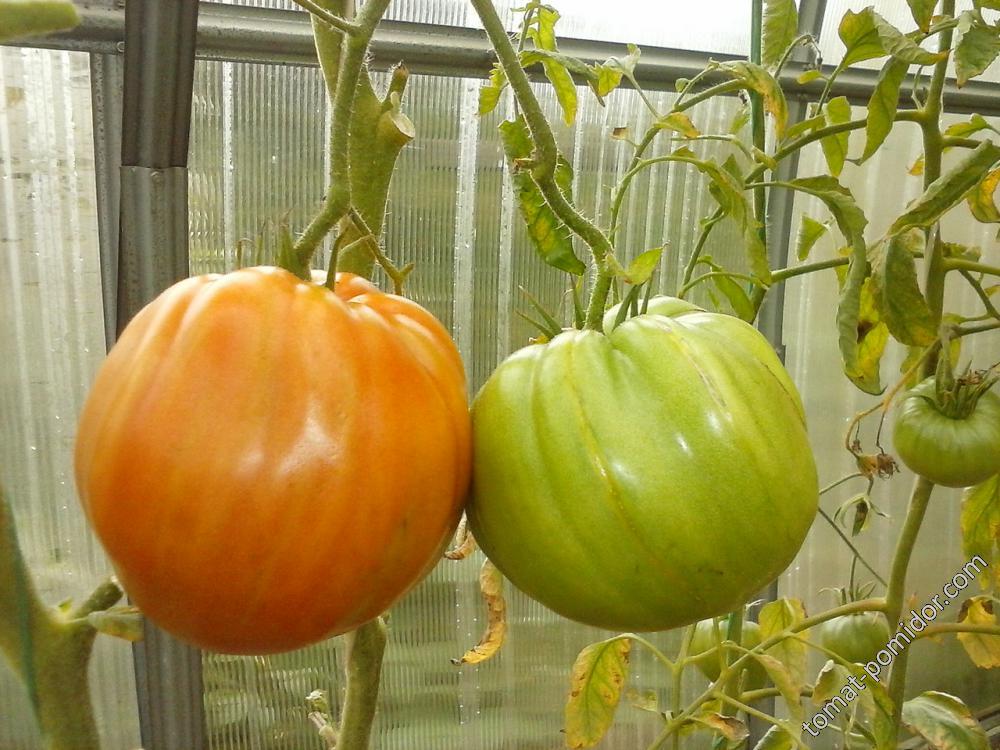
- 🍅 Fruit Characteristics: Large, beautiful oblate to round beefsteaks. The skin is usually bright red, but the meaty interior flesh is often a deep raspberry-pink. Average weight is 300-500 grams (10-18 oz), with record fruits reaching 800 grams (1.8 lbs).
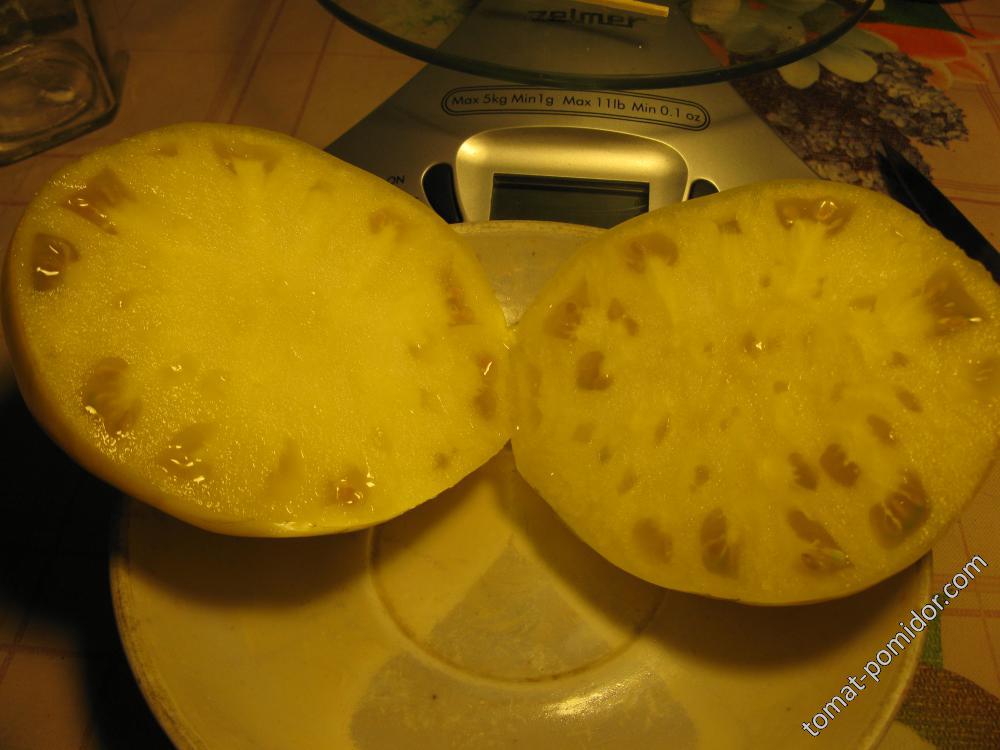
- 👅 Flavor & Texture: A true delicacy. The flesh is buttery, juicy, and very sweet with a balanced aftertaste. It is known for having a perfectly smooth interior with no hard white cores and no tough green/yellow shoulders.
- 🛡️ Disease Resistance: Highly praised by growers for its excellent resistance to Cladosporium (tomato leaf mold); it is often the very last plant in the greenhouse to show any signs of disease.
Description from the seed packet:
Mid-season (122-128 days) slicer variety for greenhouses and plastic tunnels. The plant is indeterminate, 1.2 m (4 ft) tall. The fruits are bright red, oblate, slightly ribbed, very juicy, weighing 400-500 g (14-18 oz). Record fruit up to 800 g (1.8 lbs). The taste qualities are excellent. Yield is 3-4 kg (6.5-9 lbs) per plant. Variety value: large fruit size, high sugar content. Recommended for fresh consumption and for making juices.
Photo authors: Valichka, TatianKa
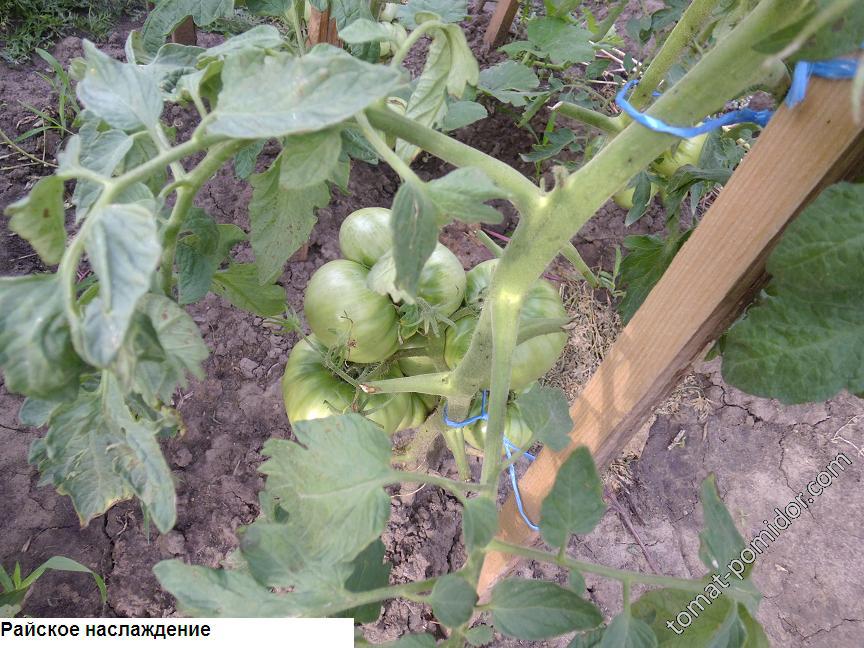
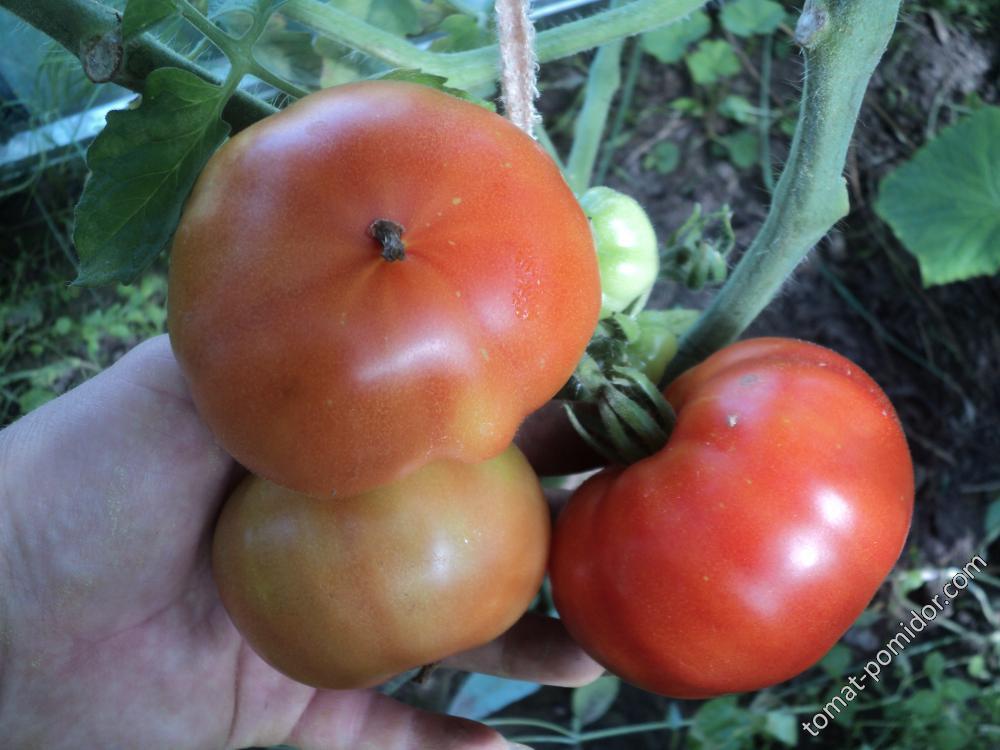
Out of all the ones I grew, this variety catches Cladosporium (leaf mold) later than all the others, at the very end of the season. The height in my greenhouse was 2 meters (6.5 ft), seeds were from Galya Esme.
I agree with everything else in the description.
I last planted it in 2010 (in the greenhouse). Seeds from Aelita.
V-E-E-RY good! (The packet of my seeds actually said – SUPER!). A real beauty, around 300-400 grams (10-14 oz), raspberry-colored, round, slightly ribbed (I love those), dense, moderately juicy, perfectly shaped and not misshapen. Absolute raspberry-colored deliciousness, without any green spots on the shoulders. Mid-late, good yield. Every year I hope to find an early “red” variety better than this little tomato for myself, and I just can’t find one. In 2015 I will be searching again, and once again there is no space for it in the greenhouse… 😢😢😢
Here, I found an extract from my 2013 harvest report:
Raiskoe Naslazhdenie (Heavenly Delight)
Height on August 1st: 2.3 m (7.5 ft)
Yield per plant: 3.7 kg (8.1 lbs)
Average fruit weight: 264 g (9.3 oz)
Taste rating: 4.5 (out of 5)
I liked it very much! Large, meaty, tasty.
Seeds from Esme.
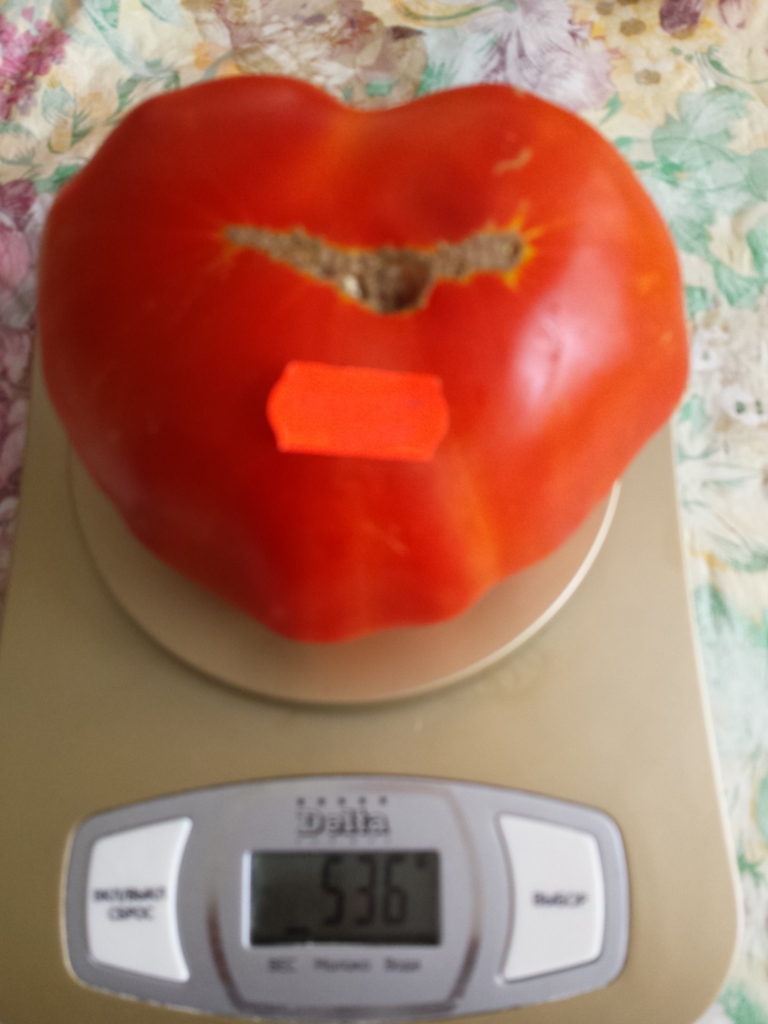
My Raiskoe Naslazhdenie in the greenhouse turned out tall (2 meters / 6.5 ft), productive, and mid-late season. The fruits were large and oblate. Very tasty, sweet, and tender.
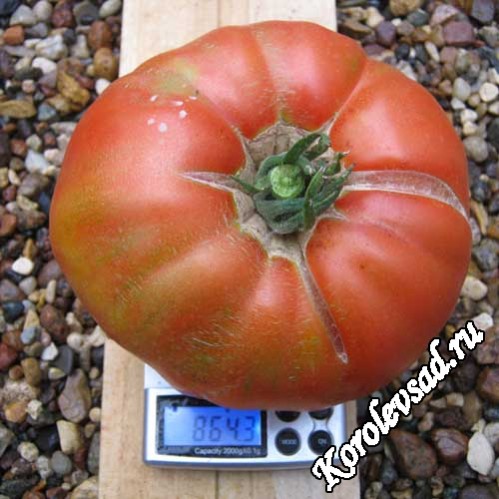
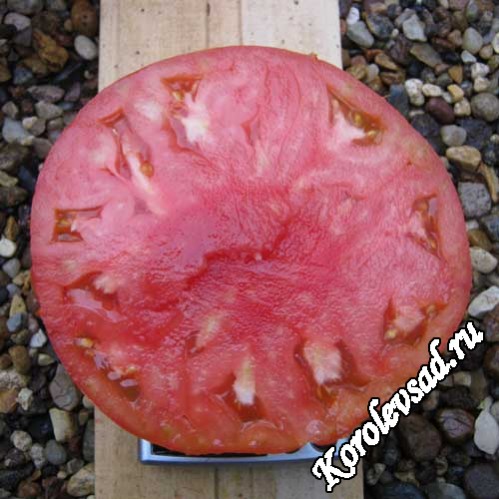
I grew this variety this year, seeds from Galya Esme. The variety made it into my “Top Finds of 2017” list.
Included in the State Register of the Russian Federation in 1999.
I highly recommend it to everyone!!!
All my tomatoes grow taller than their stated height, and this variety is no exception—even in buckets outdoors, it grew over 2 meters (6.5 ft) tall.
Here is what mine was like:
Mid-season variety, indeterminate. Fruits have red skin, round shape, and raspberry-colored flesh. Buttery, juicy, balanced flavor with a sweet aftertaste—a true delicacy. The fruits are large (300-600 g / 10-21 oz), transport well, great for slicing, and very attractive for market sales. The find of the 2017 season!


In our family, we’ve probably been growing it since 1999—it was my mom’s discovery and is our mutual favorite. We have never betrayed it in all our years of gardening, and I’ve had my own dacha for 15 years and have been on this forum since 2014—you can imagine how many temptations this variety had to beat!
A true favorite… but I could only find these photos!! I guess I’m so used to it always being super that I stopped taking pictures of it!
I will add: this is one of the varieties on which I have never noticed any yellow shoulders or tough, hard white spots inside, even though we planted it in different locations over the years (and some of my other varieties are guilty of that 🤷).