Growers’ Notes and Photos (USDA Zone 4 Experience)
Packet description:
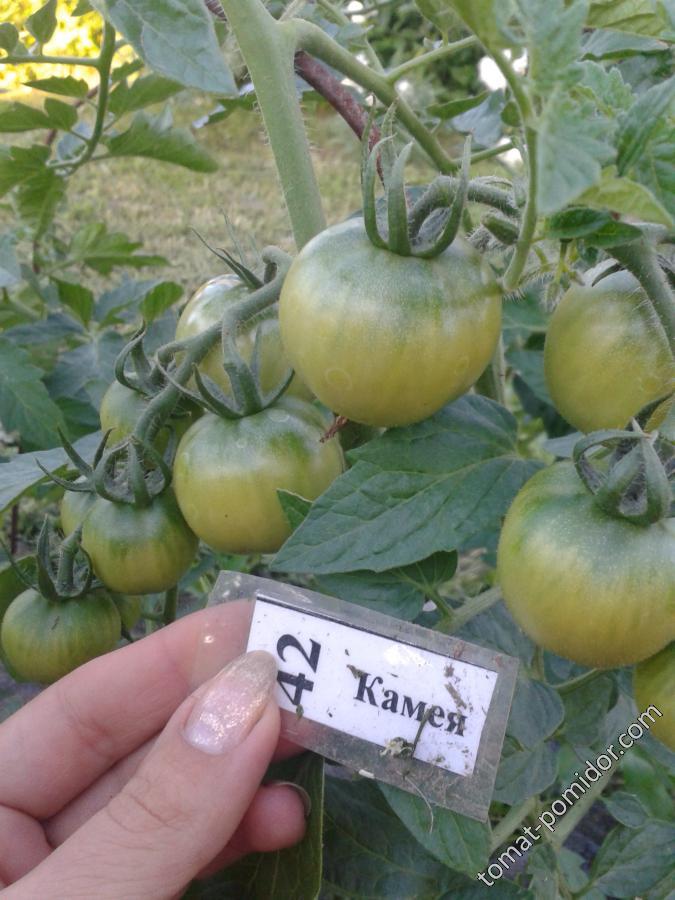
An ultra-early domestic variety for outdoors (ripens 89-97 days from full emergence). Cold-tolerant, sets fruit well under poor conditions. Determinate plants, up to 20 inches (50 cm) tall. Requires no pruning, pinching, or staking. Fruits are round, smooth, red, weighing 3.5 oz (100 g), highly uniform (100% marketable). The variety is resistant to TMV, late blight, leaf mold, and relatively resistant to Septoria.
Below is a review and photos originally posted by cat2008 (USDA 4):
“…the determinates Zagadka and Kameya. I had them growing outdoors with absolutely no cover and they started ripening in early July. Started them from seed in mid-March, and in mid-April I tucked them between the greenhouse indeterminate vines to grow out a bit. So that’s about four months total. But our whole June was 46-59°F (8-15°C) outside, so they just stalled out and sat there. I wonder how they’d do if you tried them in a greenhouse?
Zagadka had a pretty average flavor, weighed about 3.5 oz (100 g). But Kameya had this intense, punchy tomato flavor, almost like cherry tomatoes. It was just a bit smaller at 2-3 oz (60-80 g). Let me know if anyone wants me to send some seeds to try out…”
Edited January 28, 2015 by Drosera
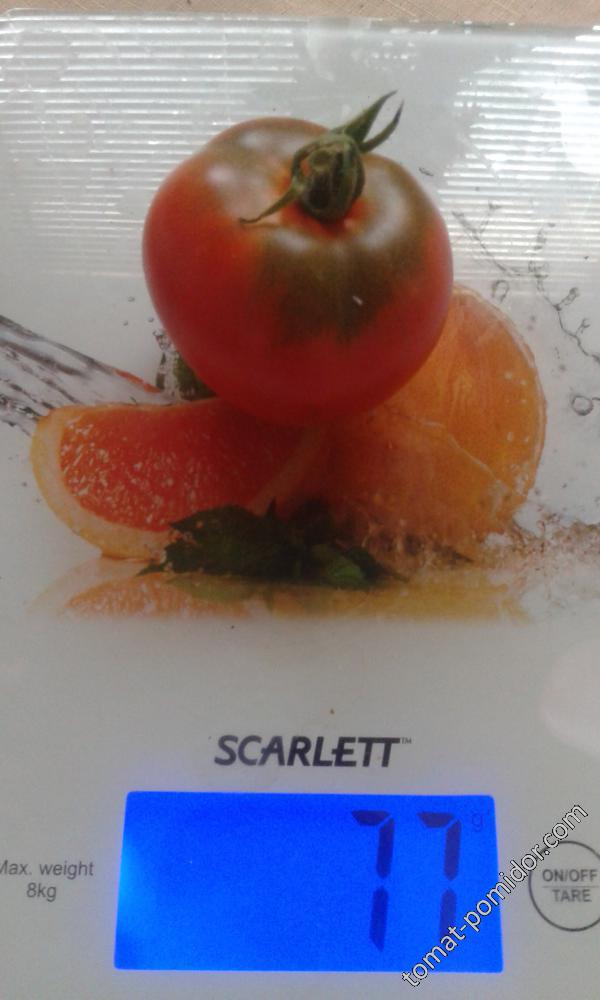
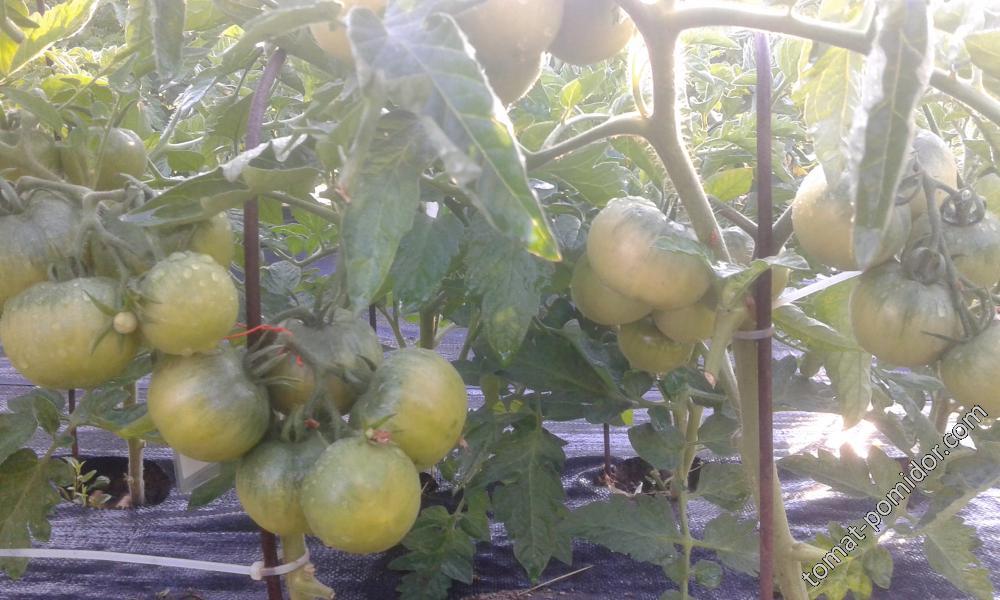
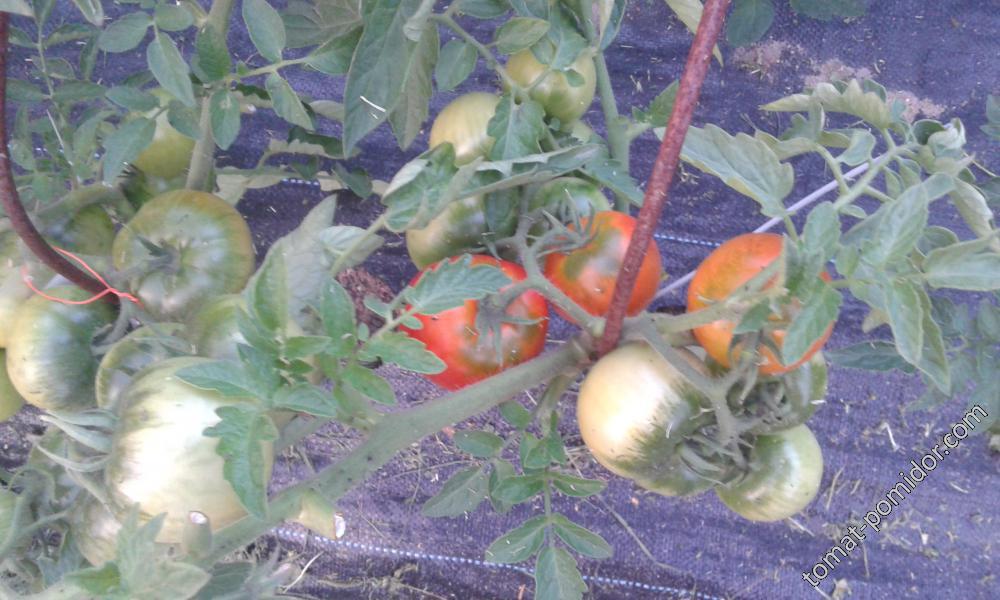
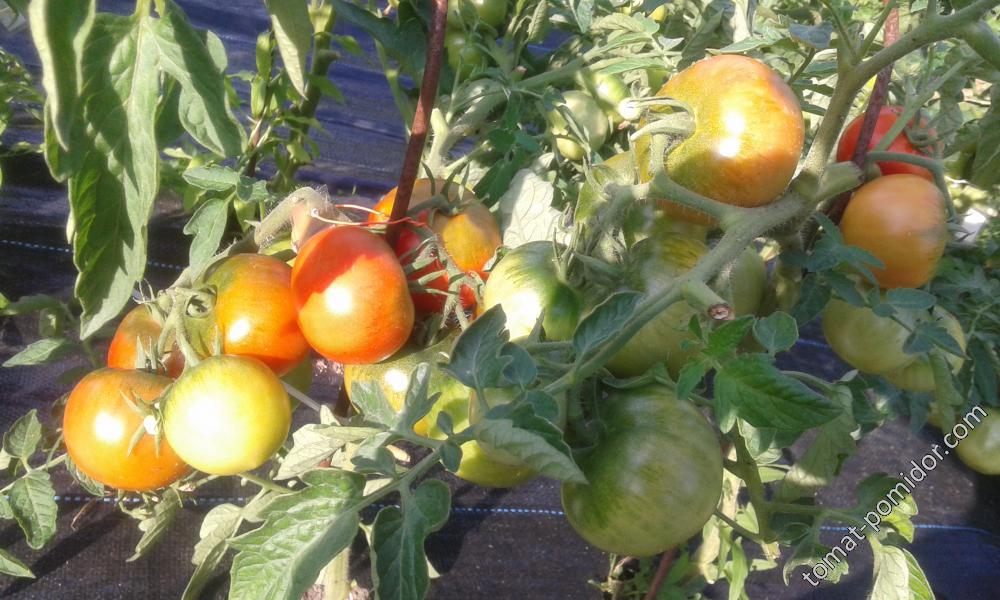
Full Summary: Plant, Yield, Taste and Vigor
- 🌿 Plant: Ultra-early determinate. Extremely compact bush, maxing out at 20 inches (50 cm). It is practically zero-maintenance: no pruning, pinching, or staking required. Produces small, uniform round red fruits.
- 📈 Yield: Reliable. The plant sets fruit well even when the weather isn’t cooperating.
- 👅 Taste: A major highlight. While many early determinates have a mild or bland taste, Kameya boasts an intense, “punchy” old-school flavor similar to a good cherry tomato.
- 🛡️ Vigor & Resilience: Outstanding. Built for outdoor growing in harsh climates. It survives long cold spells (like a month of 46-59°F / 8-15°C days) and simply picks up where it left off once it warms up. Excellent built-in resistance to TMV, late blight, leaf mold, and Septoria.