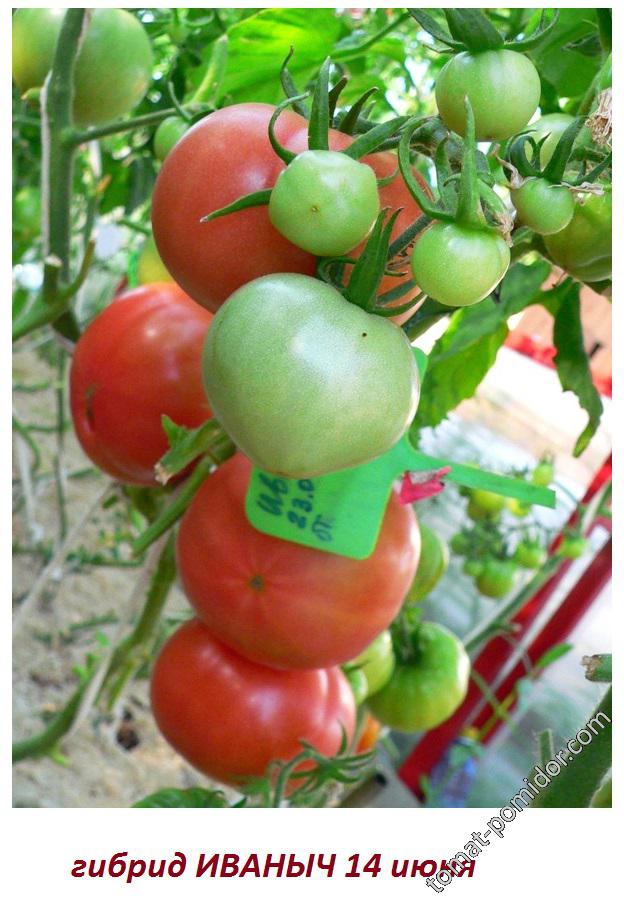
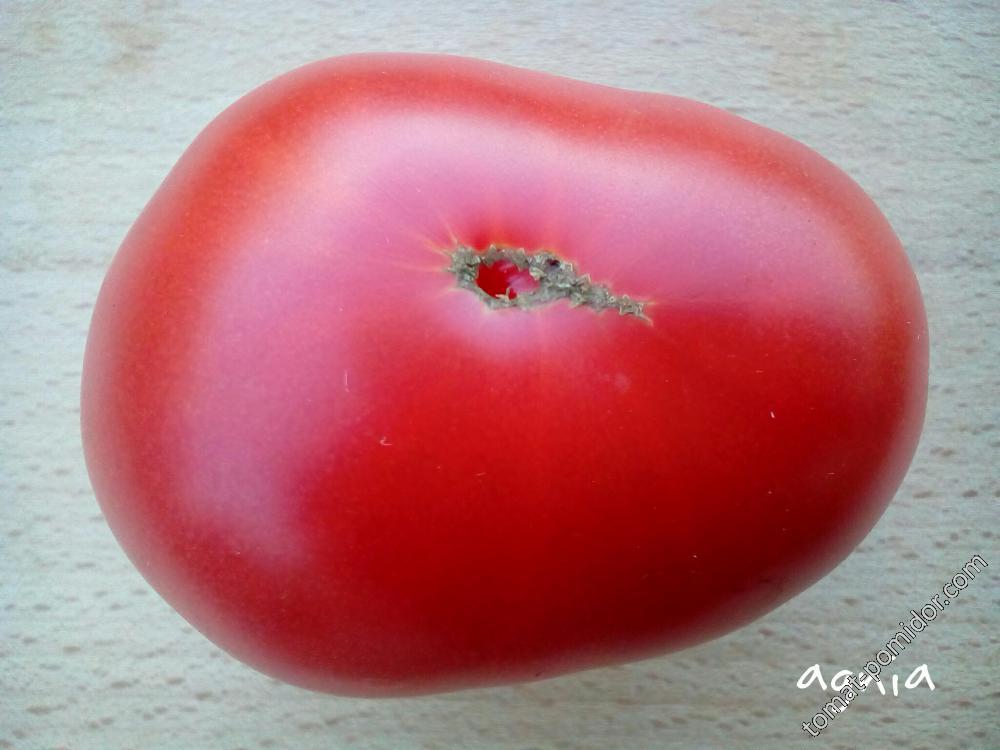
Growers’ Notes and Photos (USDA Zones 3-5 Experience)
Seeds from Leka.
Photo credit: Nadine.
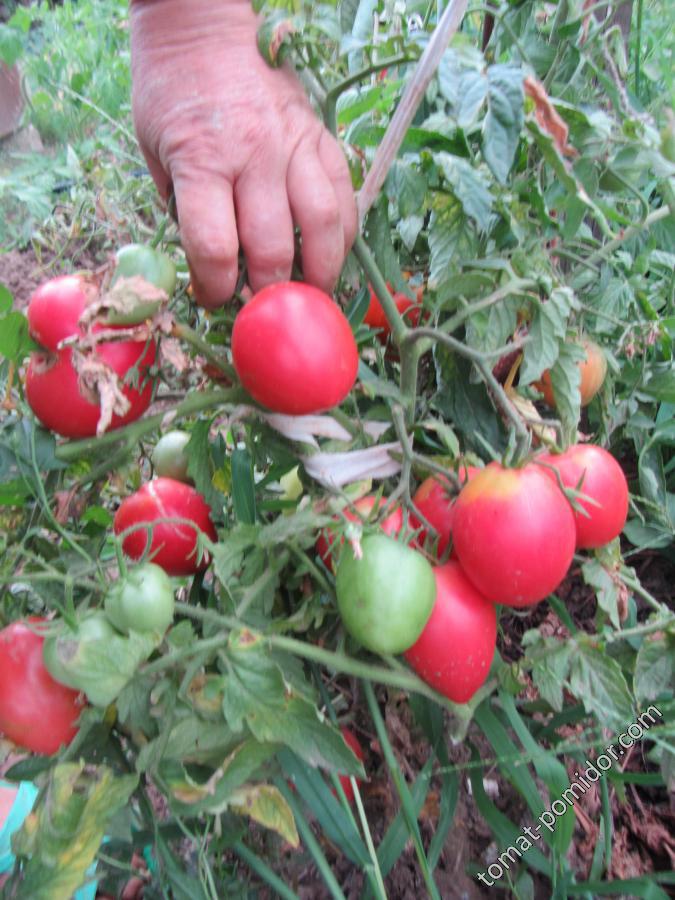
Is it even edible?? 😄
Or is it just for show, so you can stare at 100 tomatoes on a single plant?
Andrei_K said:
Is it even edible?? 😄
Or is it just for show, so you can stare at 100 tomatoes on a single plant?
Nobody’s actually gotten that many tomatoes off one plant yet (you know how those seed packets exaggerate…)
But yeah, you can eat it. Nothing to write home about though.
I actually really loved the flavor on these 😋 👍. Great for fresh eating and awesome for canning 👍. The fresh ones are nice and firm but not rock hard, pretty meaty, and they have that proper old-school tomato flavor with a nice little sweet kick. I grew this one back in 2012. Yields were outstanding 🙌. And what really matters to me is that it’s pretty bulletproof against the usual foliage crud.
Reminds me a lot of Nastenka and Canopus. Actually, it looks a bit like Elegantny too 😳.
Full Summary: Plant, Yield, Taste and Storage
- 🌿 Plant: Determinate, rugged bush bred for harsh climates. The fruits are small red oxhearts with a pointy end, weighing around 3.5-5.3 oz (100-150 g). Very solid and meaty.
- 📈 Yield: Seed packets claim up to 100 fruits per plant, though growers suggest that’s a bit of marketing exaggeration. However, actual yields are still reported as outstanding.
- 👅 Taste & Usage: Opinions vary. Some find the flavor average, while others praise its classic tomato taste with a sweet kick. It shines as a dual-purpose tomato: meaty enough for slicing, but firm enough to hold its shape perfectly during canning.
- 📦 Storage: Excellent. Described as “great keepers” with a long shelf life after picking.
- 🛡️ Disease Resistance: Highly praised for staying healthy and shrugging off foliage blights and late blight.
The name Kemerovets refers to a resident of Kemerovo, an industrial city in southwestern Siberia. Like many varieties originating from this region (often labeled under the “Siberian” umbrella in the US), it was specifically bred to handle massive temperature swings, short growing seasons, and the usual late-season blights. If you garden in northern zones or have a short window before the frost hits, these rugged determinate types are absolute workhorses.