Growers’ Notes and Photos (USDA Zones 4-5 Experience)
Got these seeds from A. Kulik. He actually sent me two versions of this tomato. One was the original stable line that matches the catalog photos, and the second was a segregated offshoot he told me about, which I specifically asked to try out. Grew them both.
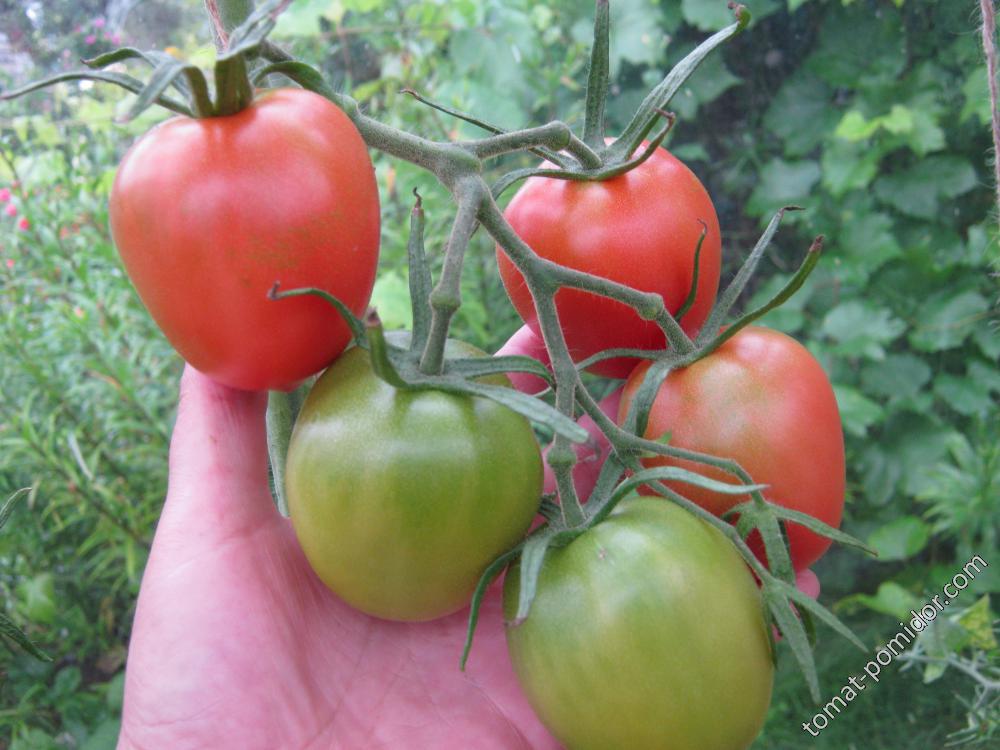
For the original line, I grew two plants, one in the greenhouse and one outdoors. Both stayed pretty short, only about 3 ft (1 m) tall. Regular leaf. Mid-late season. They set fruit in nice trusses, about 5-6 tomatoes per truss, weighing 3.5-8.8 oz (100-250 g).
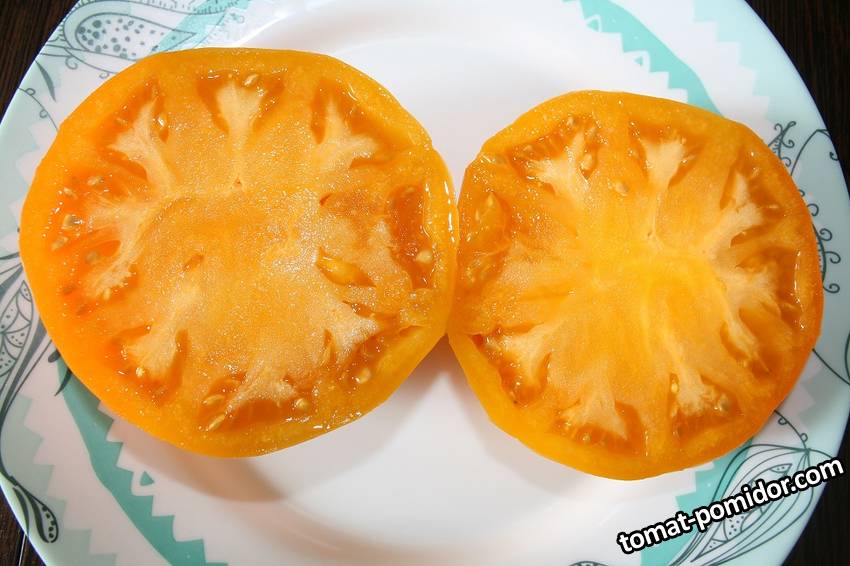
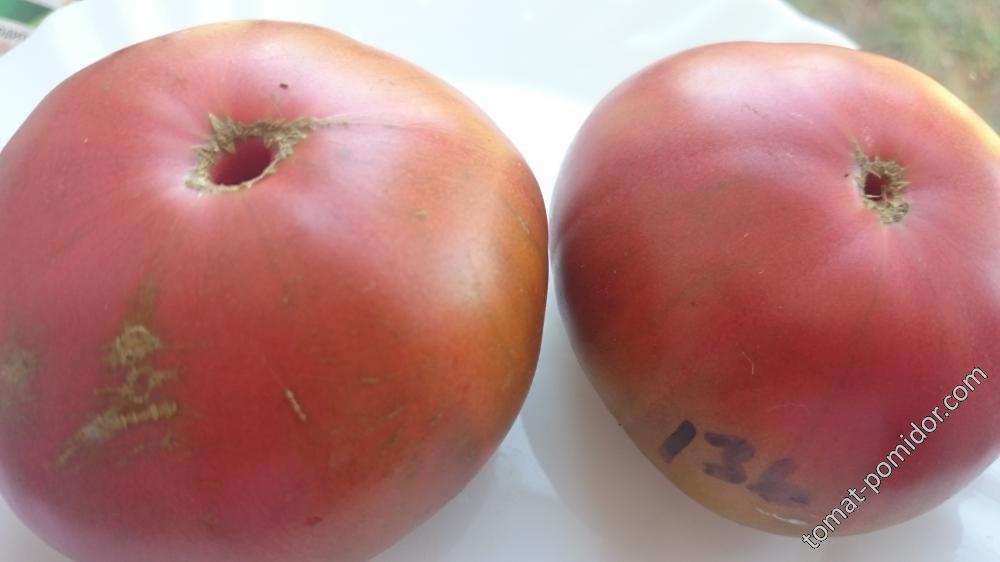
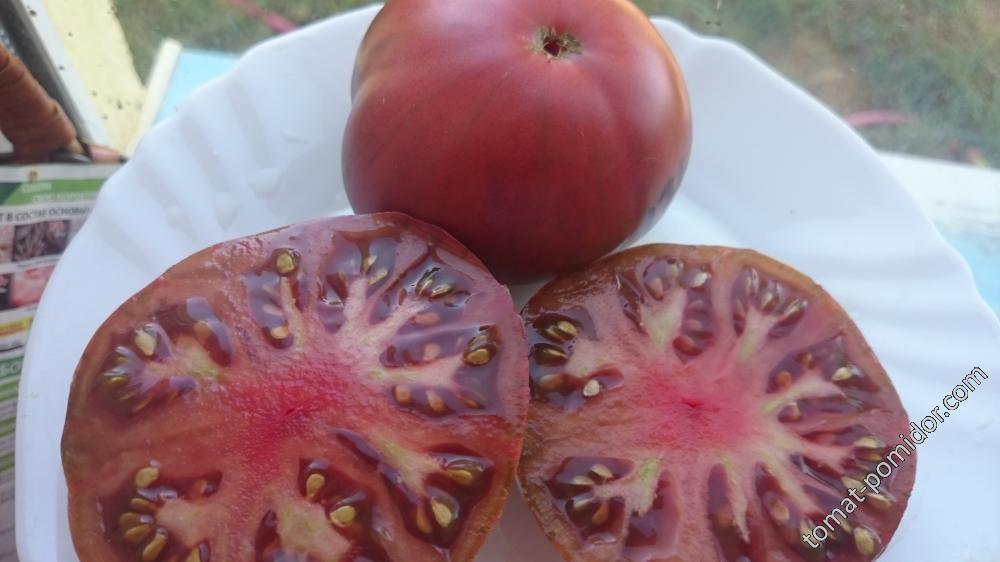
The fruits feel really firm to the touch, even when fully ripe. Dense flesh, good flavor with a nice sweetness. The greenhouse tomatoes had absolutely zero seeds in them. The ones grown outdoors had very few, and they looked tiny, almost like empty chaff. Saved them anyway to test germination.
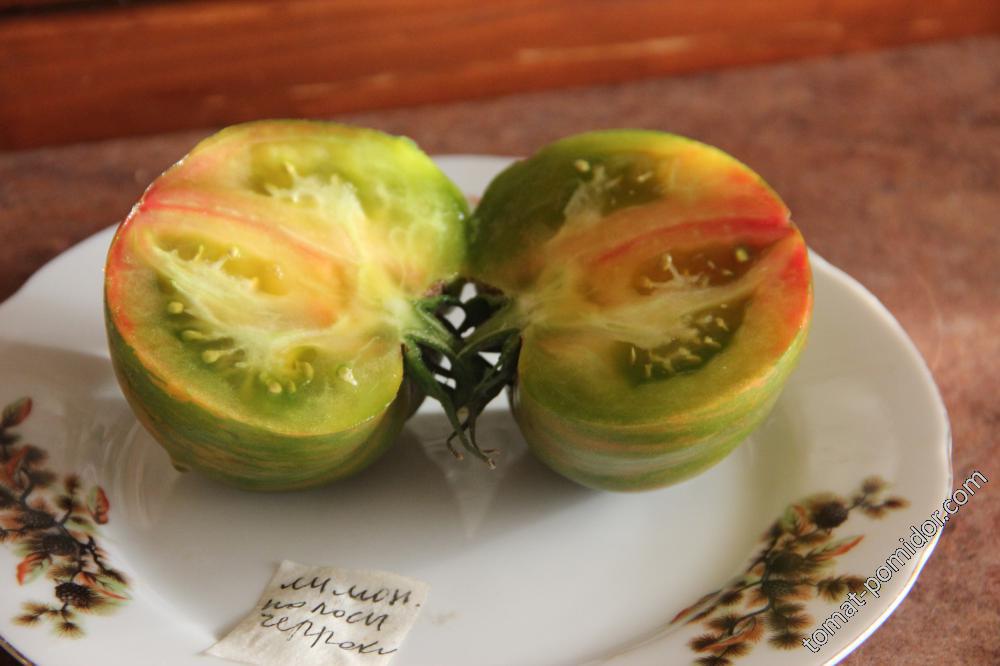
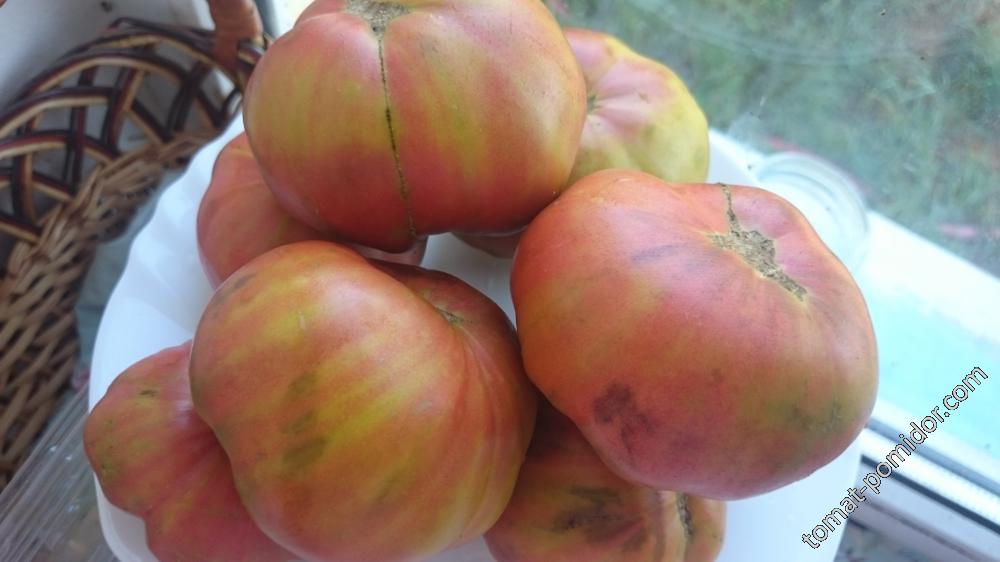
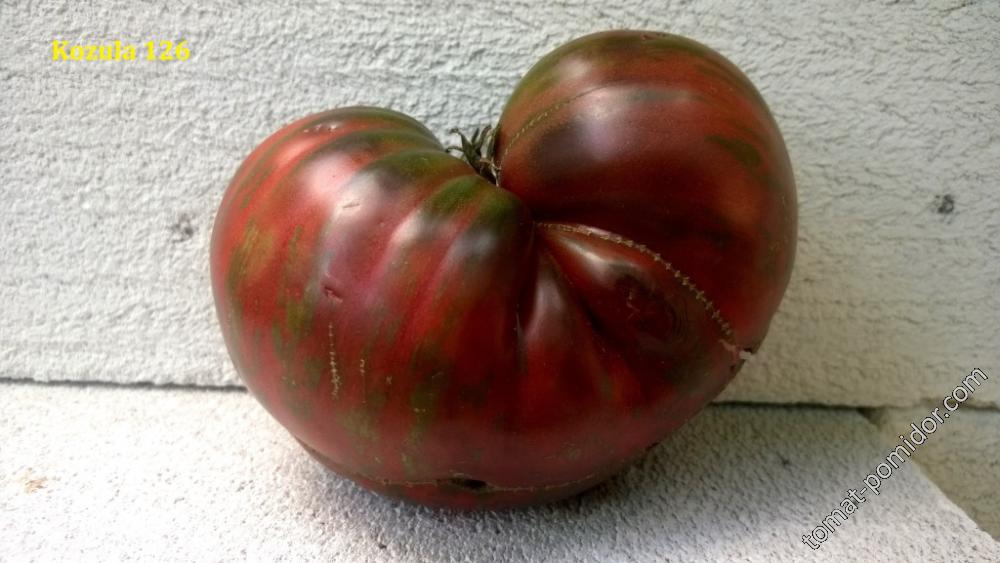
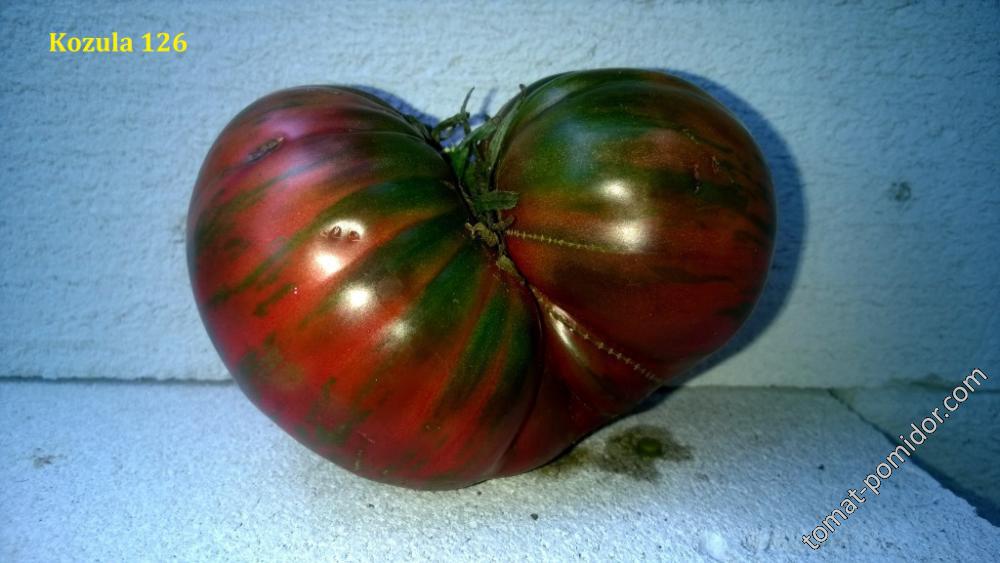
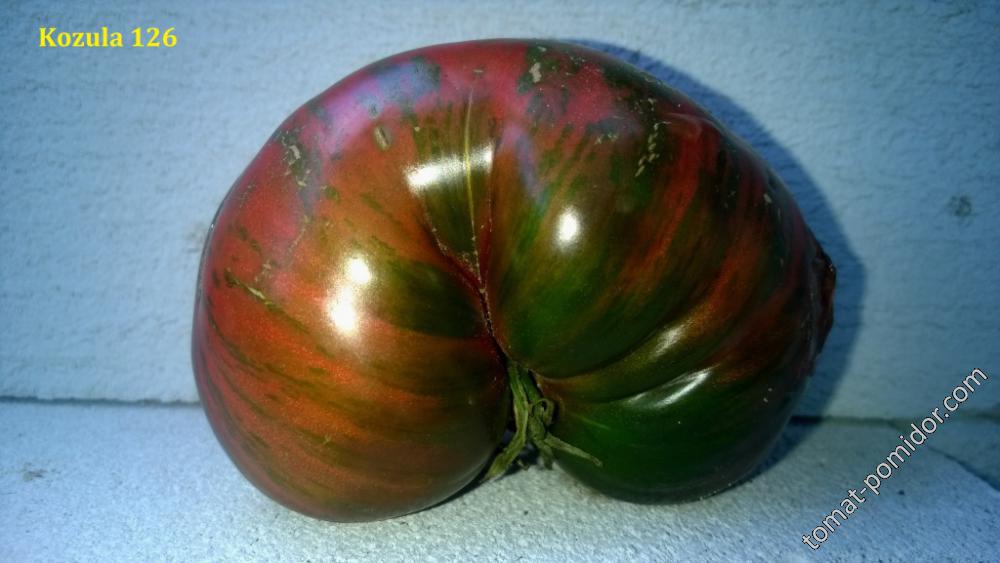
Some of these photos are the segregated Kozula offshoot. That one didn’t form trusses, and the fruits had more of a tart bite to them, but still not a bad tomato.
Edited October 22, 2016 by Drosera
Full Summary: Plant Habit, Taste, and Stability
- 🌿 Plant & Foliage: Regular leaf, mid-late season. The vines are quite compact, staying around 3 ft (1 m) tall, making them manageable for both greenhouse and open ground cultivation.
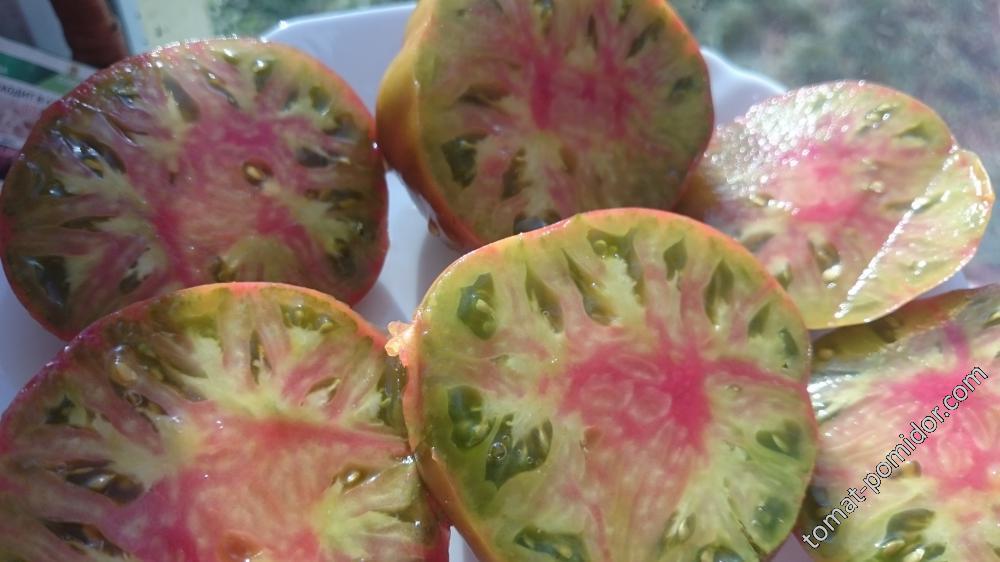
- 🍅 Fruit Appearance & Size: Dark, blocky fruits weighing between 3.5-8.8 oz (100-250 g). The original stable line produces uniform trusses of 5-6 tomatoes. One notable characteristic is that the fruits feel very firm to the touch, even when fully ripe.
- 👅 Taste: Dense and meaty. The original line is sweet and well-flavored, while segregated offshoots might display a bit more acidic tartness.
- 📈 Seed Saving Challenges: Very difficult to save seeds from. Greenhouse-grown fruits are often completely seedless, and outdoor fruits produce very few seeds that are often small and non-viable (chaff).
“Czarny Łagodny” translates from Polish to “Mild Black.” This variety is part of the famous breeding work by Polish grower Anna Kozula. In the thread, Sofia mentions receiving a “segregated” line from seed collector Alexey Kulik. Because Kozula released many of her crosses to the public before they were fully stabilized (usually around the F4-F6 generations), growers often find different shapes, colors, or growth habits appearing. Seed vendors will sometimes distribute these unstable offshoots to fellow collectors to continue the stabilization process.