Growers’ Notes and Photos (USDA Zones 4-11 Experience)
Malcolm Lincoln.
A family heirloom grown for over 60 years in West Virginia, USA. Mid-season, tall-growing (6-6.5 ft / 1.8-2 m), heavy-yielding indeterminate. The main stem is sturdy, but foliage is fairly sparse, regular leaf type.
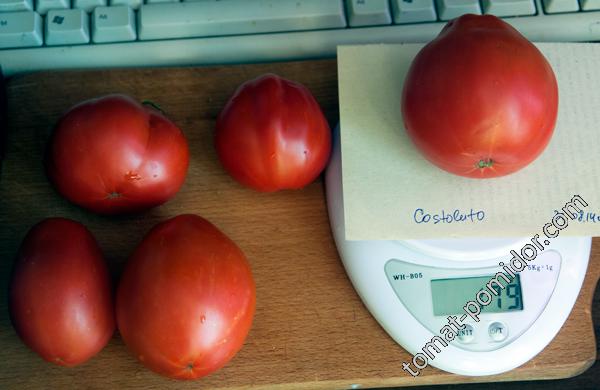
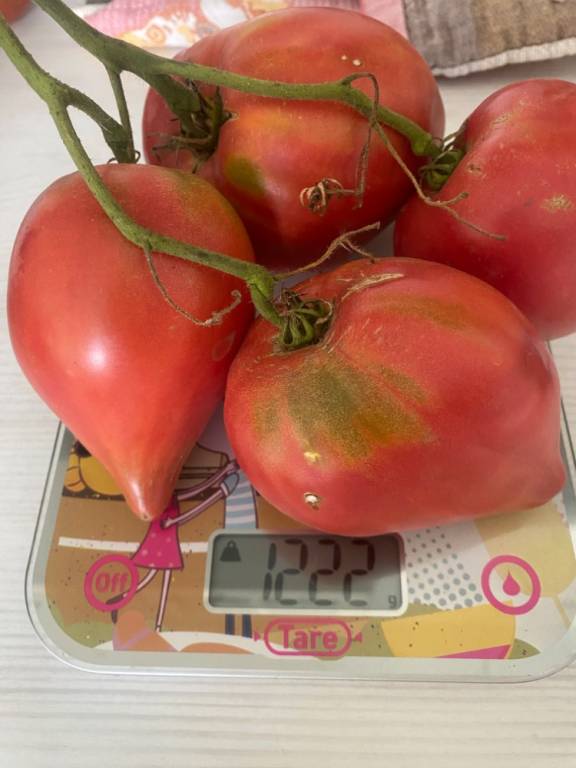
Gorgeous, large heart-shaped fruit with a pronounced, drawn-out pointed beak, deep rose-pink color. Exceptionally smooth and uniform! Trusses hold 3-4 fruit each. In my garden, they were all carbon copies of each other, right around 14 oz (400 g) apiece, with the typical range being 10.5-17.5 oz (300-500 g).
Tomatoes are dense, meaty, with tiny seed cavities and very few seeds. Delicious and sweet!
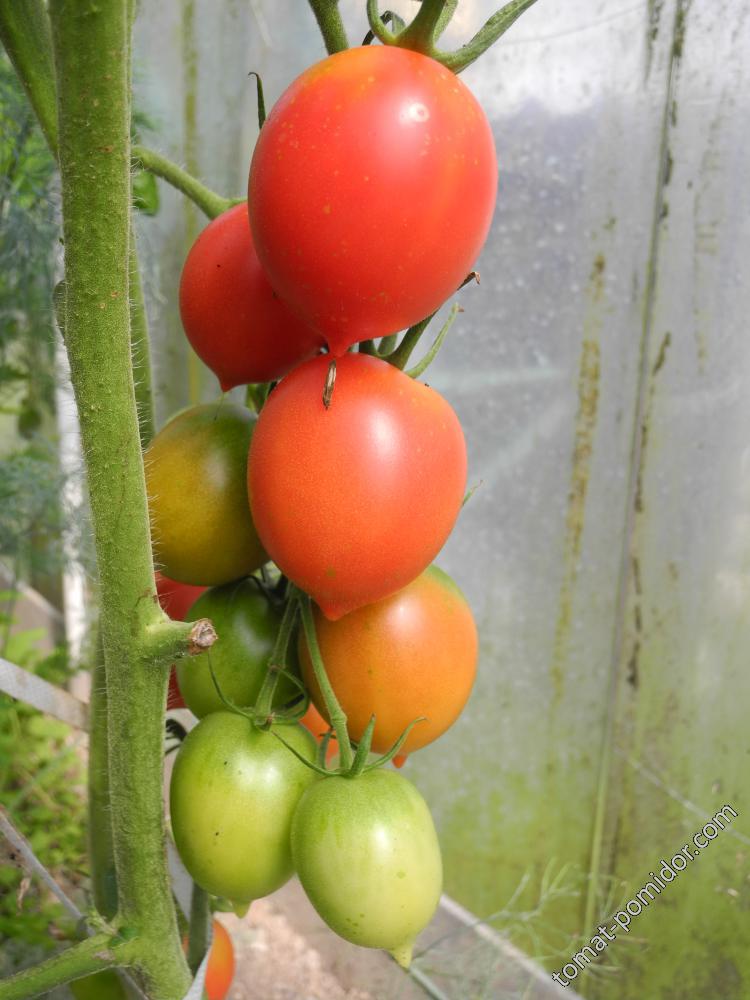
One distinctive trait is that the immature fruit are not dark green, but start out a pale milky-green. It is officially listed as mid-late, but it started coloring up early for me with an extended harvest window. Trained it to two leaders. I wanted to grow this variety for two years, and it completely lived up to the hype. Will definitely keep it in my permanent rotation.
Edited December 26, 2018 by Drosera
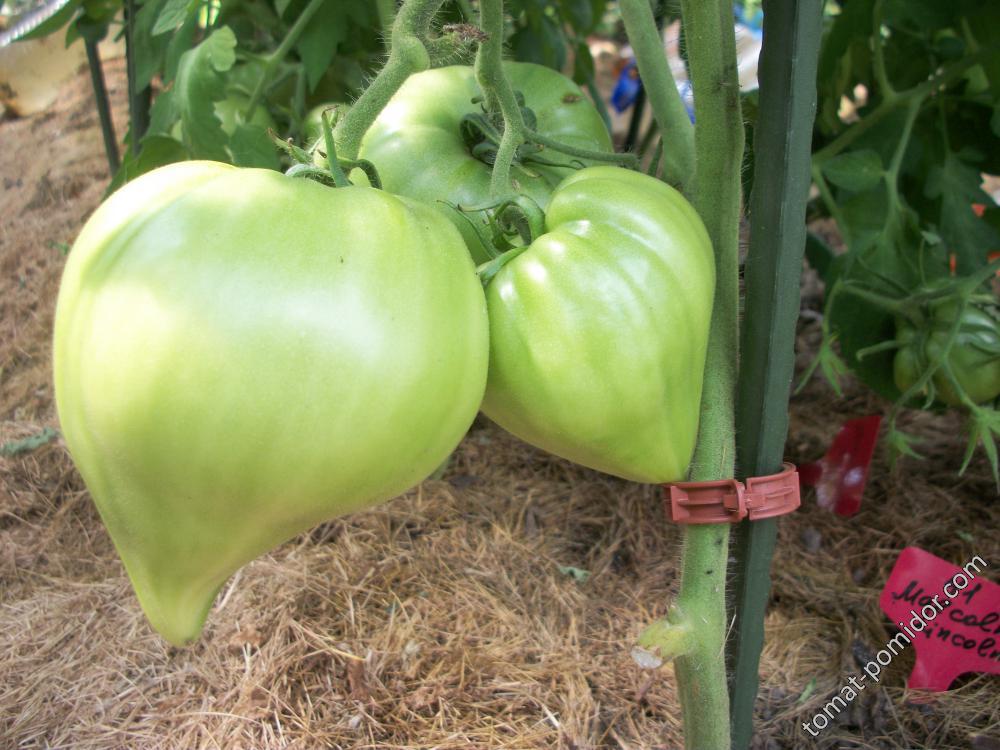
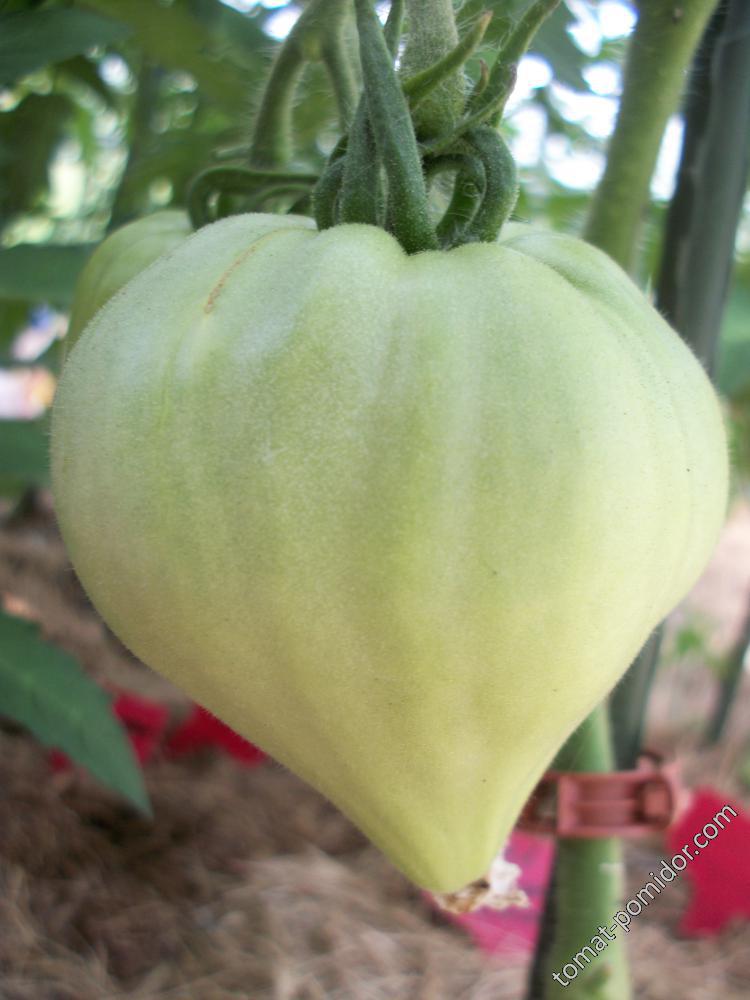
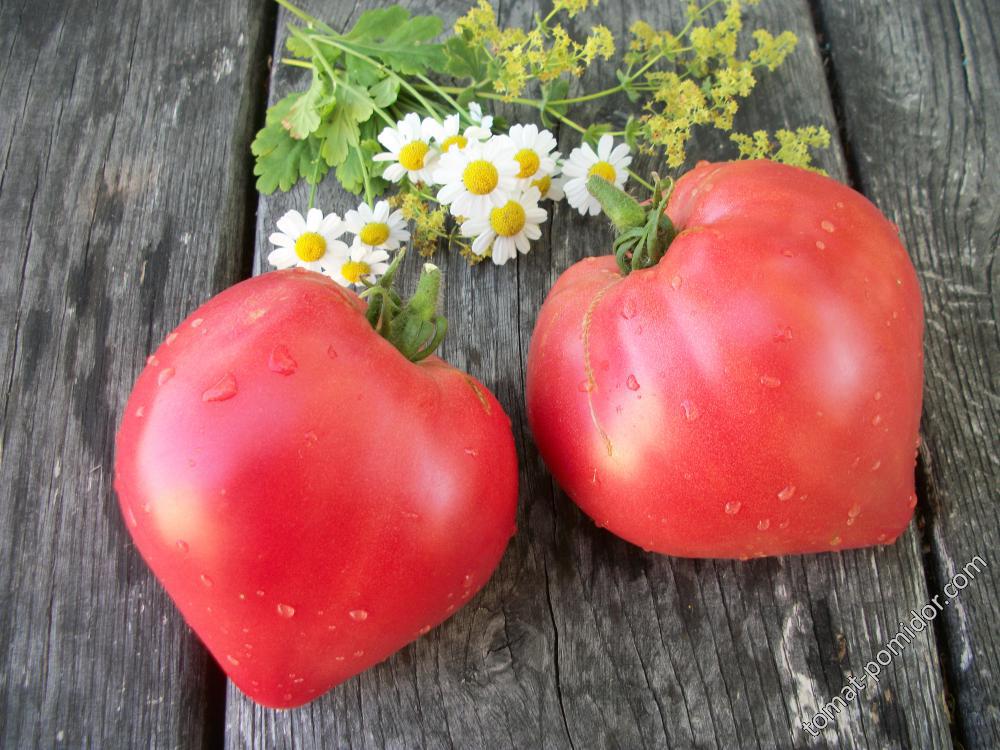
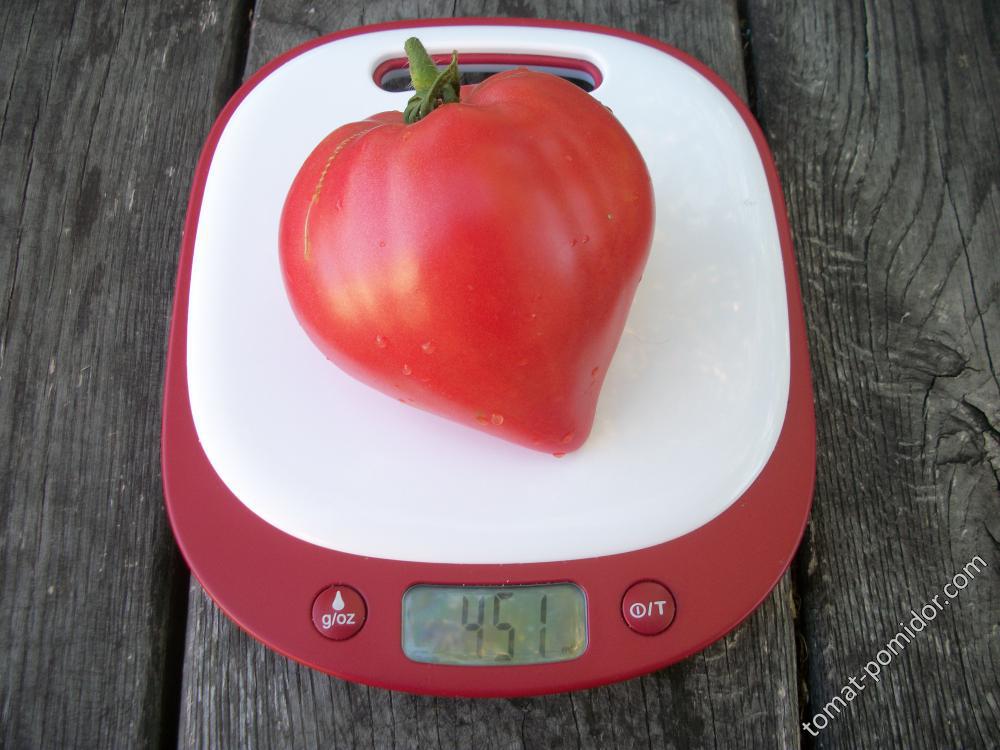
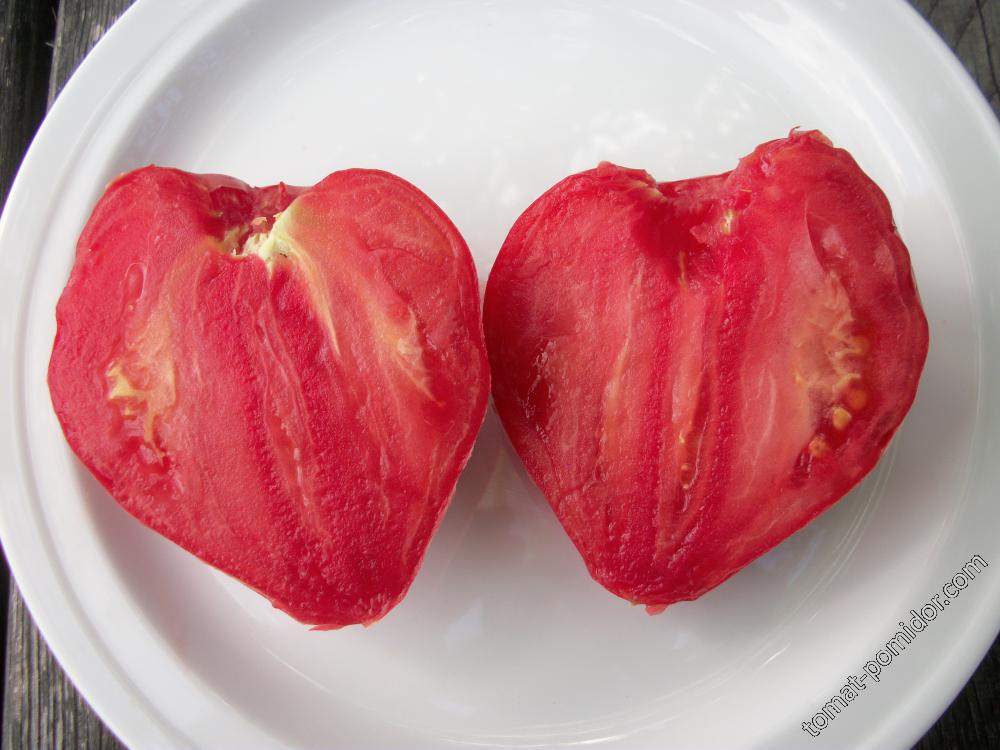
My seeds were from N. Ananyeva.
Back in spring, the seedlings started getting leggy, so I chopped their tops off. Regretted it afterward, but what’s done is done. About ten other varieties suffered from my impatience too, but they managed to pull through and fruit.
Insanely gorgeous, huge hearts. Super delicious and sweet. But the rerooted top struggled to establish and the plant ended up looking rather scrawny, so I won’t brag about harvest yields. It produced one solid cluster down low, and a bunch of late runts up top that I stripped green. The color is dazzling, a glowing deep pink.
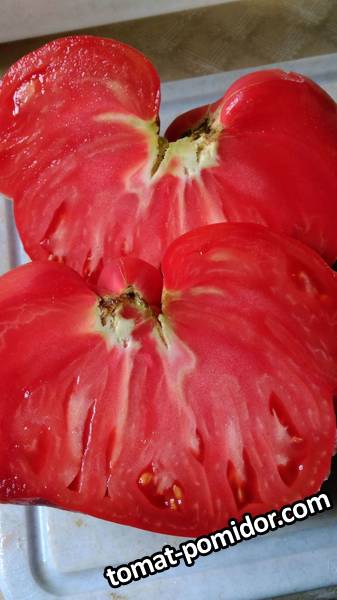

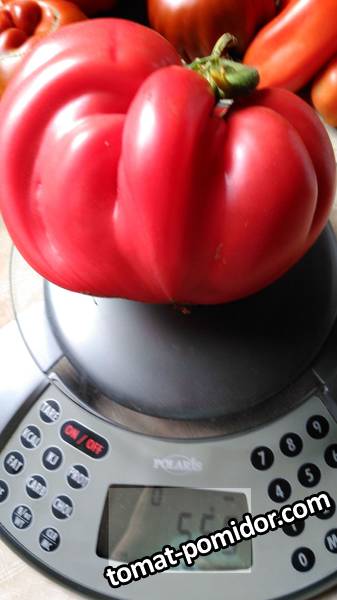
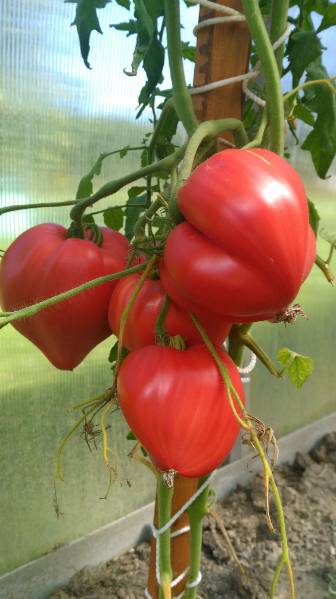
Seeds came from a fellow forum member. It was the scrawniest plant in my garden, both as a seedling and after transplanting. Trained to a single stem, it completely refused to climb, barely clearing 3.3 ft (1 m).
Produced only a couple of fruit all season. But the flavor, wow, that flavor! In a season where most of my tomatoes came out bland and uninspired, this one stood out with an exquisite, complex gourmet note. Almost as if it was whispering: “slow down, taste me, figure me out.”
Meaty, buttery, very few seeds.
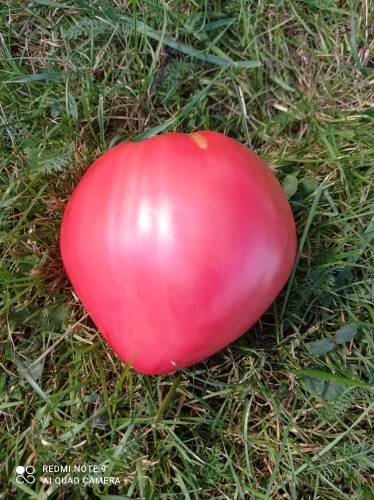
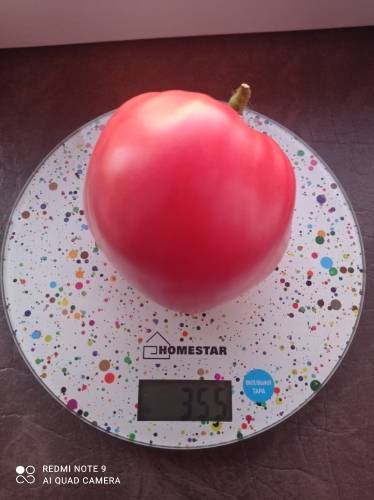
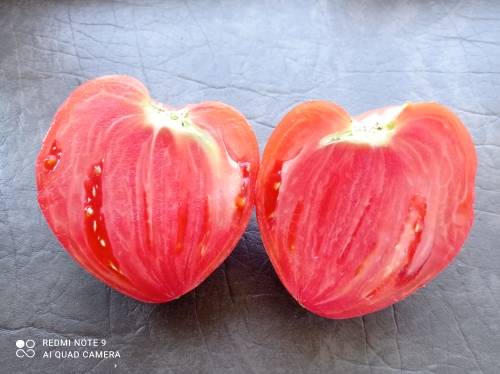
Grew it this season. Made the mistake of planting it in the most sun-blasted spot in the greenhouse. With this summer’s extreme heatwave and its naturally delicate, sparse oxheart foliage, the vine started getting baked by the sun.
Yield was definitely on the low side, but that is expected under those conditions. I usually select for flavor first, and then figure out how to dial in the plant’s placement. And the flavor of a fully vine-ripened fruit was extraordinary, and that is coming from someone who isn’t normally a huge oxheart fan.
I definitely want to give it another go in a year (I prefer letting saved seed age at least one season). Seeds reached me via @axleto from our fellow member @Olesya, huge thanks! 🙏
Ran it outdoors in the open dirt, sharing a bed alongside pole beans. A charming and delicious tomato.
The bottom clusters pumped out massive fruit, while upper clusters consistently ran 10.5-17.5 oz (300-500 g). Very low seed count, with buttery, tender flesh that hits a wonderful balance of sweetness and gentle acidity. The vintage tomato fragrance was incredible. Completely thrilled with this variety!


Full Summary: Growth Habit, Heat Sensitivity & Gourmet Quality
- 🌿 Growth Habit & Foliage: Indeterminate vine climbing 6-6.5 ft (1.8-2 m) under healthy conditions. Exhibits typical delicate, sparse oxheart foliage. Because leaves are thin and canopy cover is sparse, it is sensitive to severe heatwaves and sunscald if placed directly against unshaded southern glass.
- 🍅 Fruit Appearance & Size: Large, smooth, deep-pink hearts featuring a distinctive drawn-out, pointy tip. Weights range from 10.5 to 17.5 oz (300-500 g), averaging around 14 oz (400 g). Immature fruit start as a pale milky-green, ripening evenly without green shoulders.
- 👅 Texture & Flavor: Dense, buttery, and melt-in-your-mouth. The interior is virtually seedless with tiny locules. Praised by multiple growers for standing out with a sophisticated, rich, sweet-tart flavor even in overcast years when other varieties turn bland.
- 💡 Growing Tips: Sensitive to pruning stress and root disturbance during early seedling stages. Performs exceptionally well outdoors when companion planted with taller crops (such as pole beans) that provide light dappled afternoon shade.
- 🌎 Proven Hardiness: Successfully ripened across vastly diverse climates, from subtropical maritime Spain (Zone 11) to short, cool-night continental regions of Central Russia (Zone 4).
Malcolm Lincoln is an authentic Appalachian family heirloom grown for well over six decades in West Virginia, USA, before being shared across international heirloom networks.
Growers in this thread observed two fascinating genetic traits:
1. Milky-Green Unripe Fruit: Unlike varieties that carry the wild dark-green shoulder gene (which often leads to tough yellow or green shoulders under heat stress), Malcolm Lincoln carries the uniform ripening gene (u). The fruit stay a pale whitish-green until breaker stage, ensuring the shoulders ripen completely soft, sweet, and uniform with the rest of the heart.
2. Companion Shading: Natalya’s outdoor success planting beside pole beans offers a great practical tip for oxhearts. Because Malcolm Lincoln has sparse, droopy foliage, placing it where it receives light afternoon shade reduces transpiration stress and prevents the delicate vine from stalling out in mid-summer heat.